Understanding the vee wire filter screen: What makes it a staple in industrial filtration
Having spent a good part of my career around heavy-duty industrial filtration systems, I’ve come to appreciate how something as seemingly simple as a vee wire filter screen can make a huge difference. Oddly enough, these screens are often overlooked — even though they’re integral to numerous operations, from water treatment plants to mining and petrochemical industries.
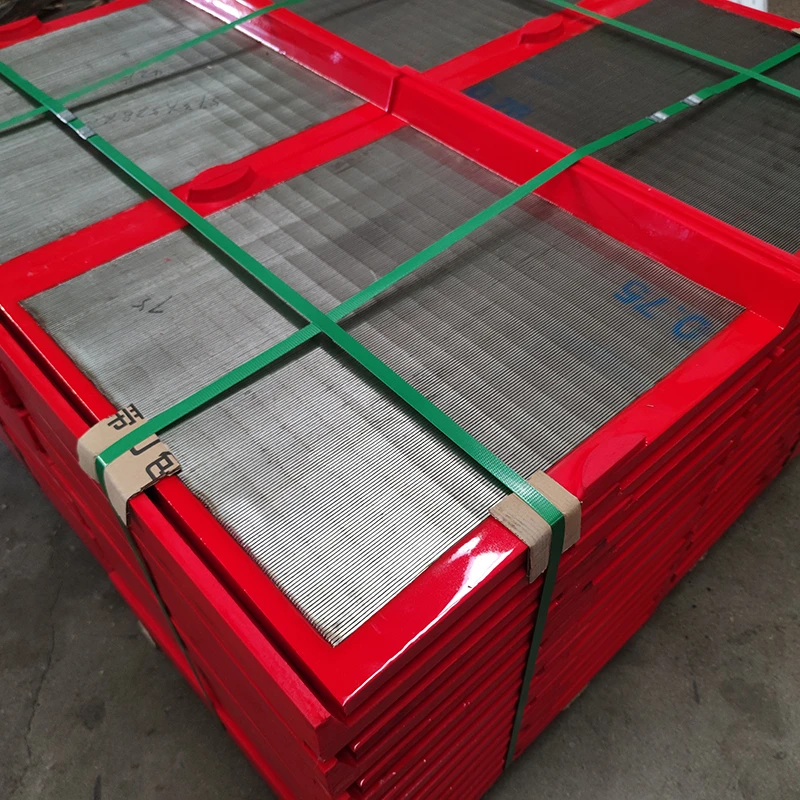
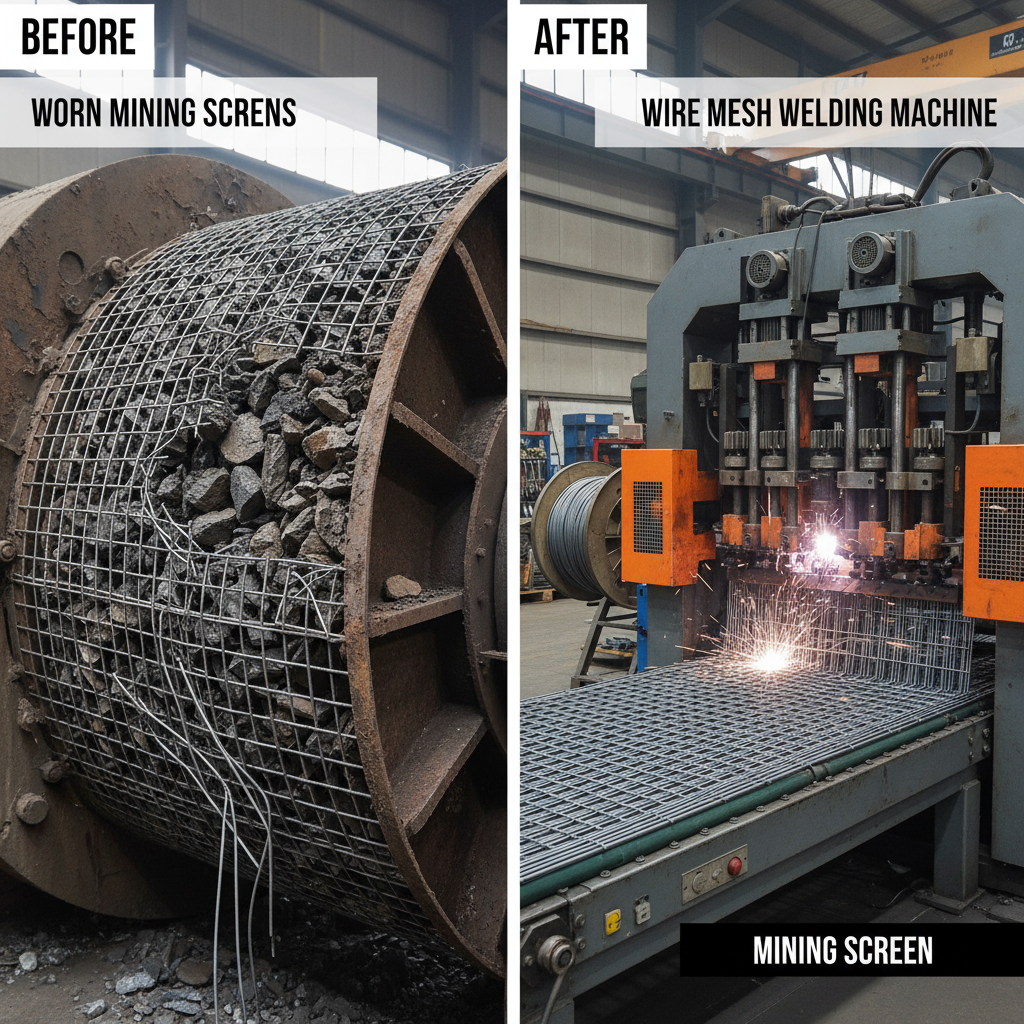
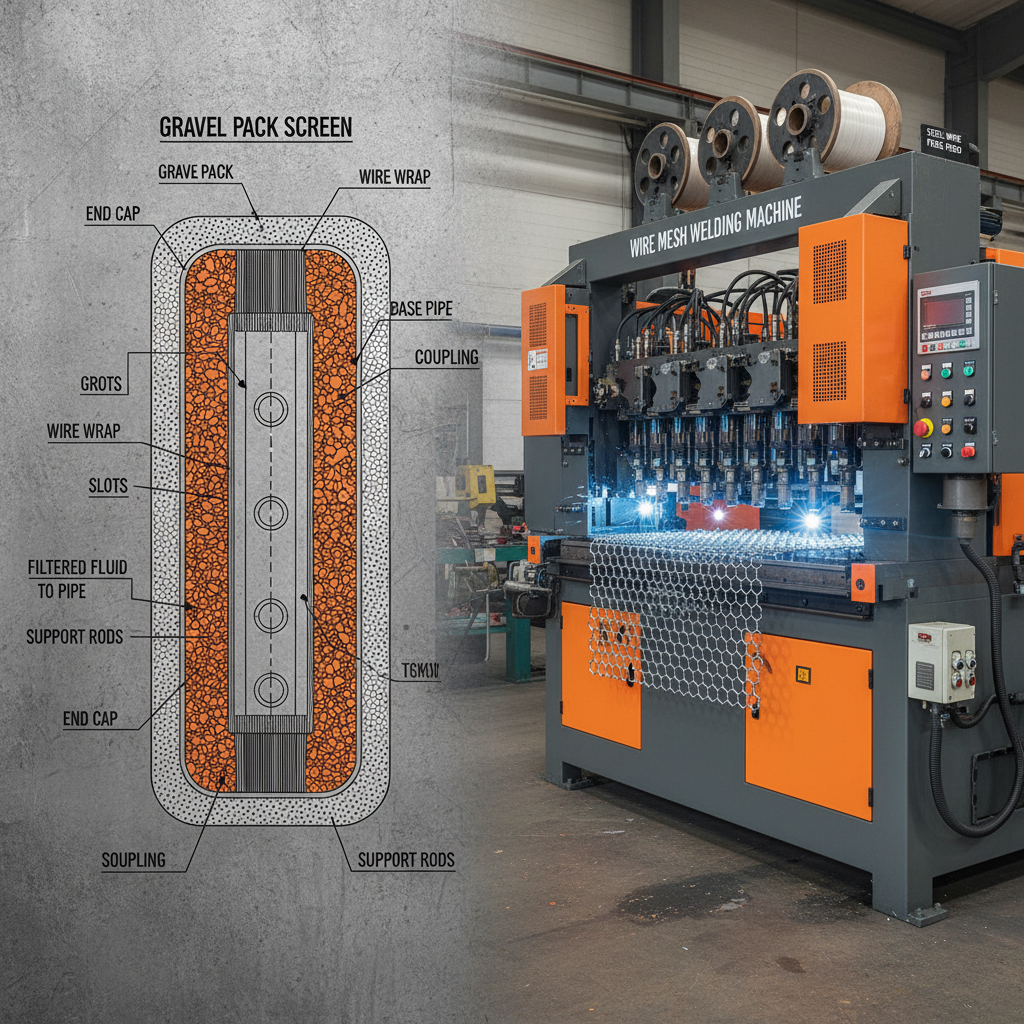
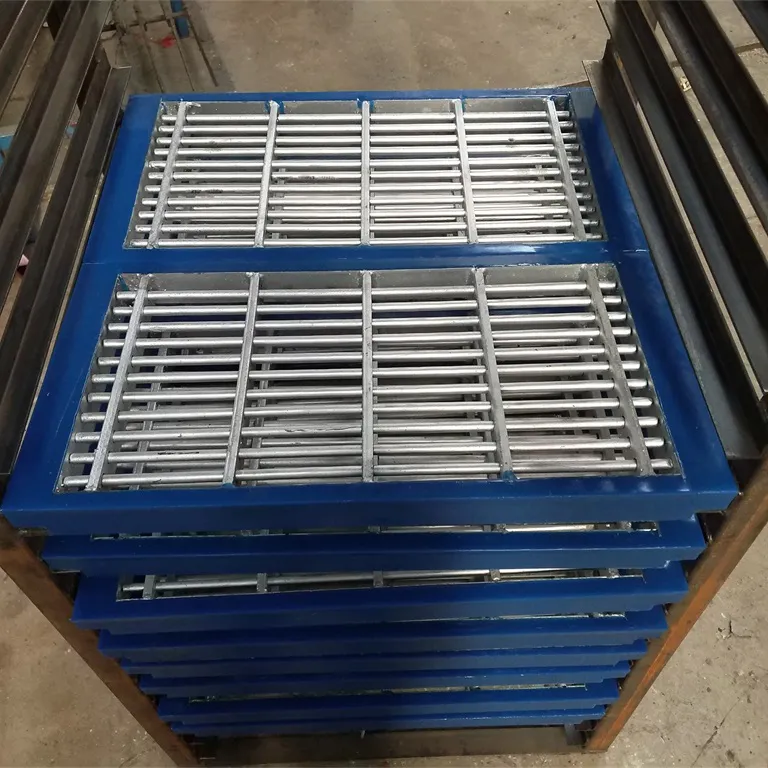
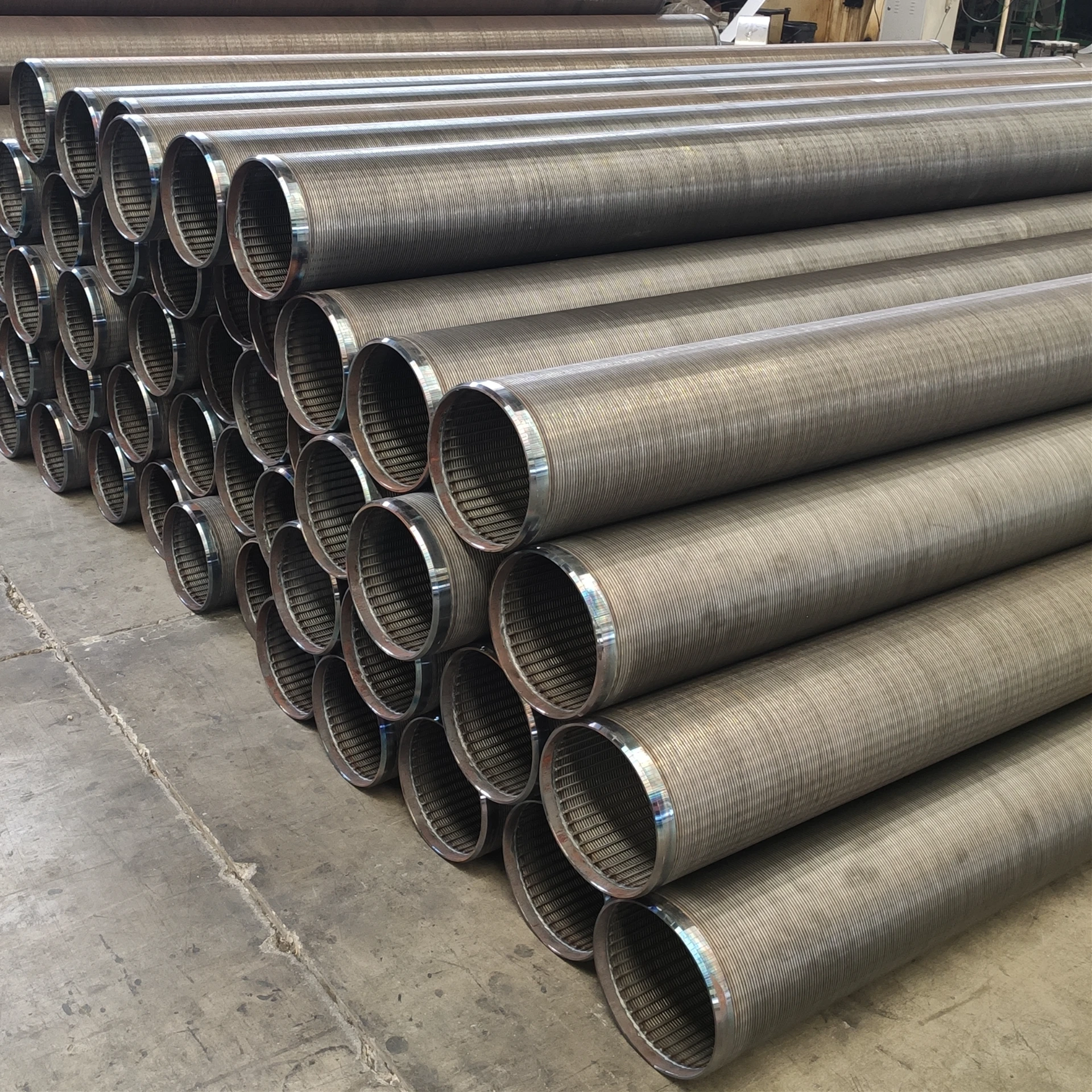
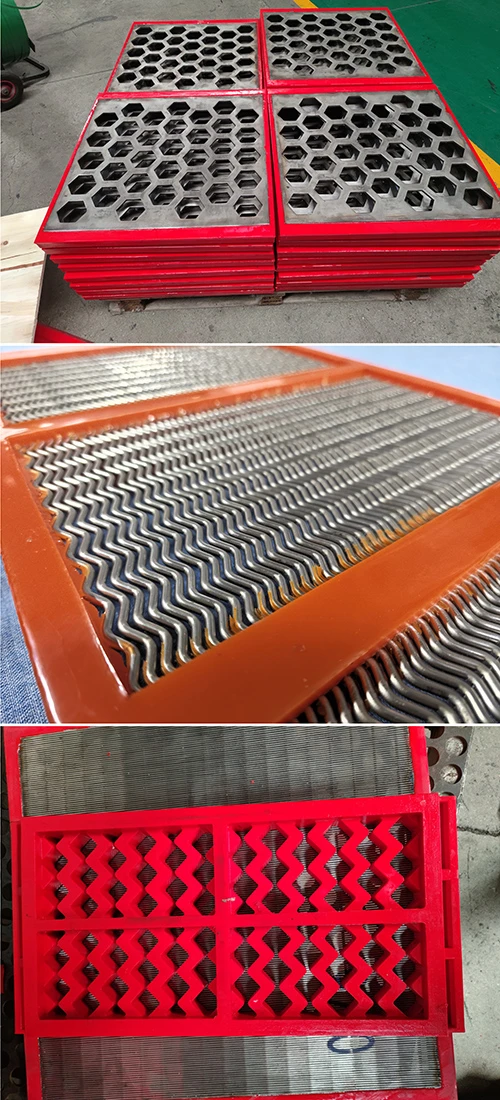
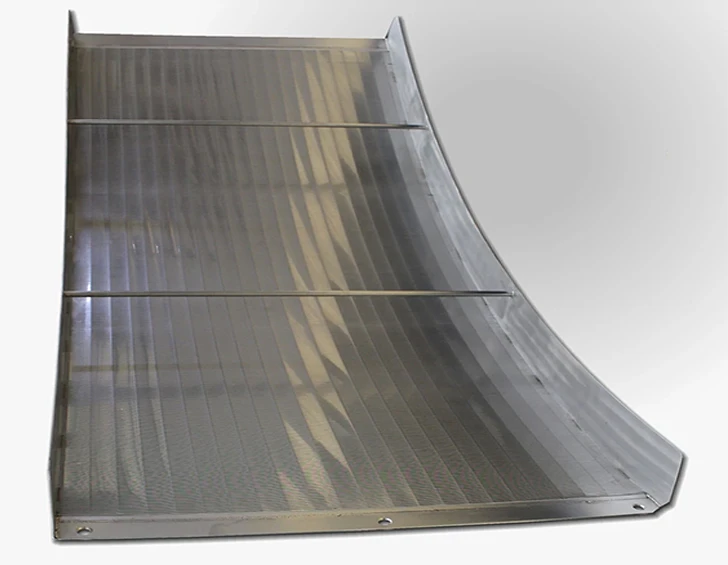
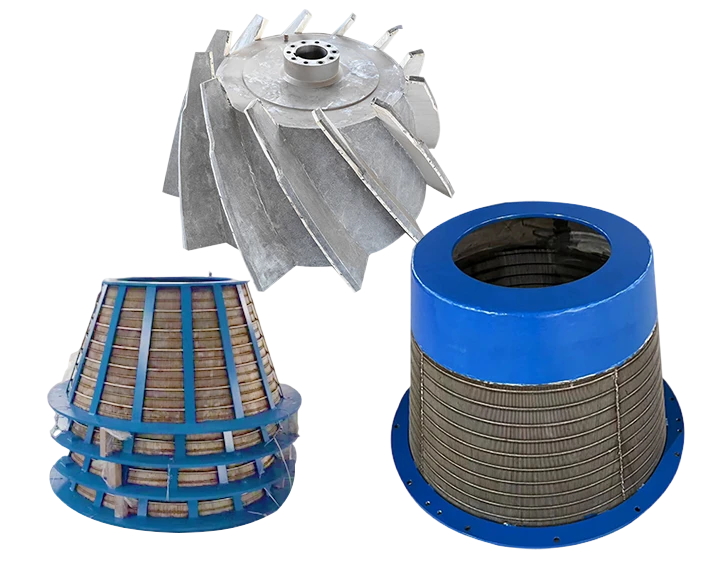
Now, you might ask, what exactly is a vee wire filter screen? At its core, it’s a continuous wedge wire profile formed around a series of support rods, creating a robust and precisely spaced filtering surface. This design allows fluids to pass through freely while effectively trapping unwanted solids. I remember visiting a plant where a malfunctioning vee wire screen had caused a complete bottleneck — once replaced, the throughput and clarity of the filtered material improved dramatically.
Design and Material Quality: Why They Matter
Over the years, I’ve noticed that the best vee wire screens are made from stainless steel, often grades like 304 or 316. These resist corrosion and withstand harsh chemical environments—crucial in industrial settings where durability isn’t just preferred, but required. The spacing between the wires, called the slot opening, can be customized — ranging from microns for fine filtration to several millimeters for coarse screening.
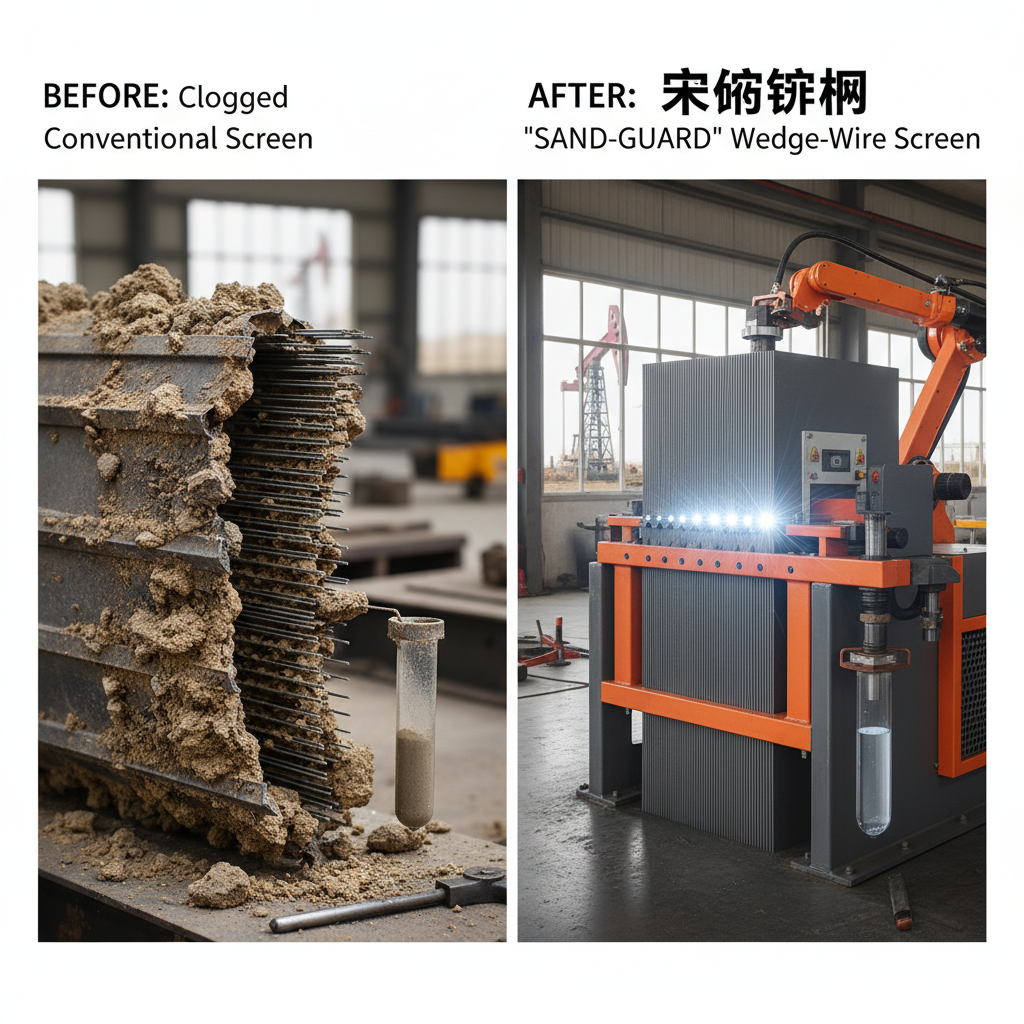
In terms of physical structure, the vee wire’s profile creates a self-cleaning effect because the wedged shape prevents clogging. This design nuance is something engineers rave about because it cuts down maintenance time enormously. Frankly, when you’re managing a plant 24/7, a small maintenance win translates into significant cost savings.
| Specification | Range / Value |
|---|---|
| Material | Stainless Steel 304 / 316 |
| Slot Opening | 30 microns to 10 mm |
| Thickness (Wire Diameter) | 1.0 to 12 mm |
| Panel Width | Up to 4 meters |
| Support Rods | Round or Flat (customizable) |
Choosing the Right Vendor: A Few Things I Learned
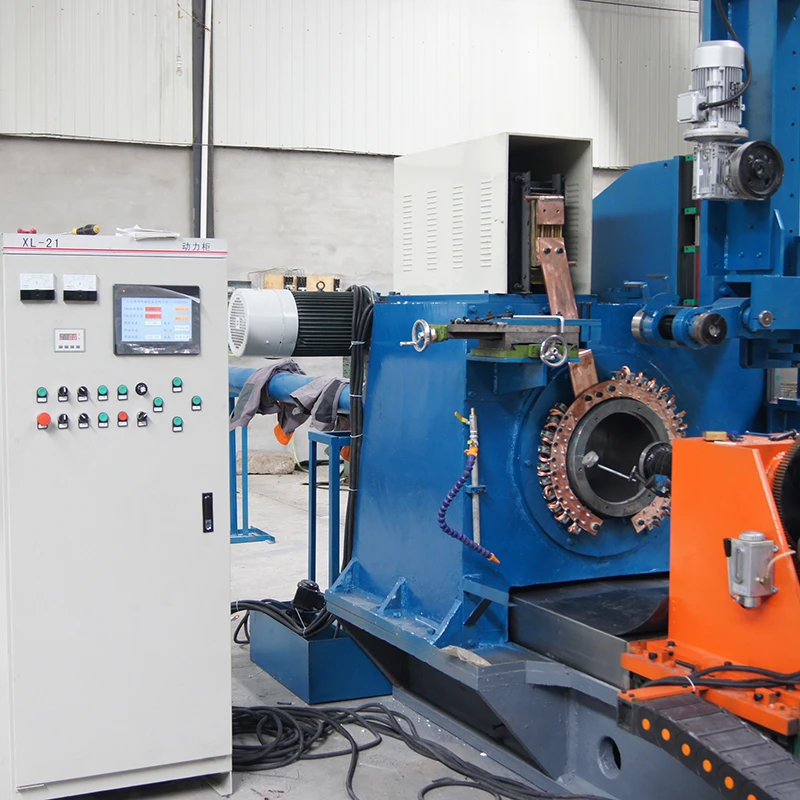
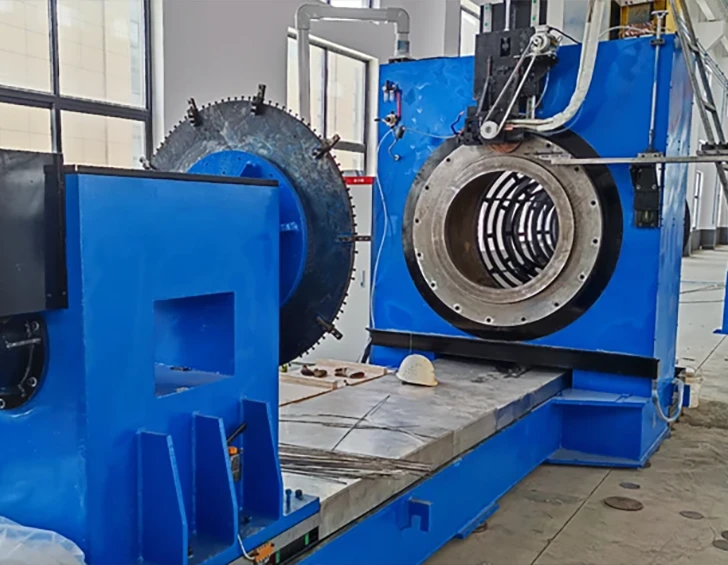
There are many suppliers of vee wire filter screens, but experience tells me that quality is where the rubber meets the road. Not all manufacturers maintain stringent tolerances or use top-notch materials. I chatted with several industry reps, and the consensus is simple: vendors who invest in advanced welding techniques and rigorous testing produce screens that last longer and perform more reliably.
Below I put together a quick comparison of three well-known vee wire screen suppliers based on my own research and feedback from field engineers:
| Feature | Mutoscreen | ScreenTech | FiltraPro |
|---|---|---|---|
| Material Grades | 304 / 316 Stainless Steel | 304 Stainless Steel | Various alloys |
| Welding Method | Automated TIG Welding | Hand Welding | Automated MIG Welding |
| Customization | Extensive slot sizes & profiles | Limited options | Moderate options |
| Lead Time | Typically 4-6 weeks | 6-8 weeks | 5-7 weeks |
| Price Range | Mid to High | Low to Mid | Mid |
In real terms, vee wire filter screens from manufacturers like Mutoscreen tend to justify their price in durability and precision, which ultimately saves more money over time — especially in demanding environments.
One Customer’s Experience
To bring this home, I recall a customer in the wastewater treatment sector who switched from a conventional mesh filter to a custom vee wire screen tailored to their flow requirements. They reported a dramatic drop in clogging incidents and noticed that cleaning frequency went down by at least 40%. It’s those kinds of returns on investment that make me confident recommending vee wire screens whenever practical.
Looking ahead, I suppose as filtration needs continue to evolve, so will vee wire screens. Manufacturers are exploring hybrid materials and tighter tolerances to address ultra-fine filtration demands. And frankly, I hope the industry keeps prioritizing quality and customization — because that’s what makes these screens invaluable in the field.
If you're interested in exploring options or specifications in detail, I highly recommend checking out Mutoscreen’s range. They’ve delivered consistent quality on multiple projects I’ve been involved with, and their support team knows the ropes.
So next time you think about filtration, don’t overlook the trusty vee wire filter screen — it’s probably quietly doing some of the hardest work right under your nose.
References:
- Mutoscreen Technical Brochures, 2023
- Industry Conversations and Field Reports, WaterTech Journal, 2022
- Filtration Equipment Reviews, Industrial Filtration Monthly, 2023