Understanding Water Well Screens: What They Are and Why They Matter Globally
Water well screens might not be the kind of thing you chat about at a dinner party, but honestly, they’re critical components in how billions of people access clean groundwater. If you’ve ever wondered how water is extracted efficiently without bringing along sediments or clogging the pump, water well screens play that part. Their importance extends beyond the technical — they have real impacts on public health, agriculture, and sustainable development worldwide.
Given the increasing stress on global water sources and the push for sustainable management, understanding these components isn’t just for engineers. It’s quite essential for anyone interested in water security and environmental stewardship.
Global Context: Why Water Well Screens Are a Worldwide Concern
Freshwater scarcity affects over 2 billion people globally, according to the UN’s World Water Development Report (2023).[1] Groundwater contributes nearly 30% of the global freshwater supply, making reliable extraction methods vital. That’s where water well screens come in — they filter out sediments and sand, protecting pumps and ensuring clean water delivery.
Oddly enough, while vast areas face water stress, sometimes industries and agricultural users create problems by improperly screening wells, leading to sediment infiltration, clogging, or aquifer damage. So, advancements in water well screen design and deployment are as much a challenge as an opportunity worldwide.
Defining Water Well Screens
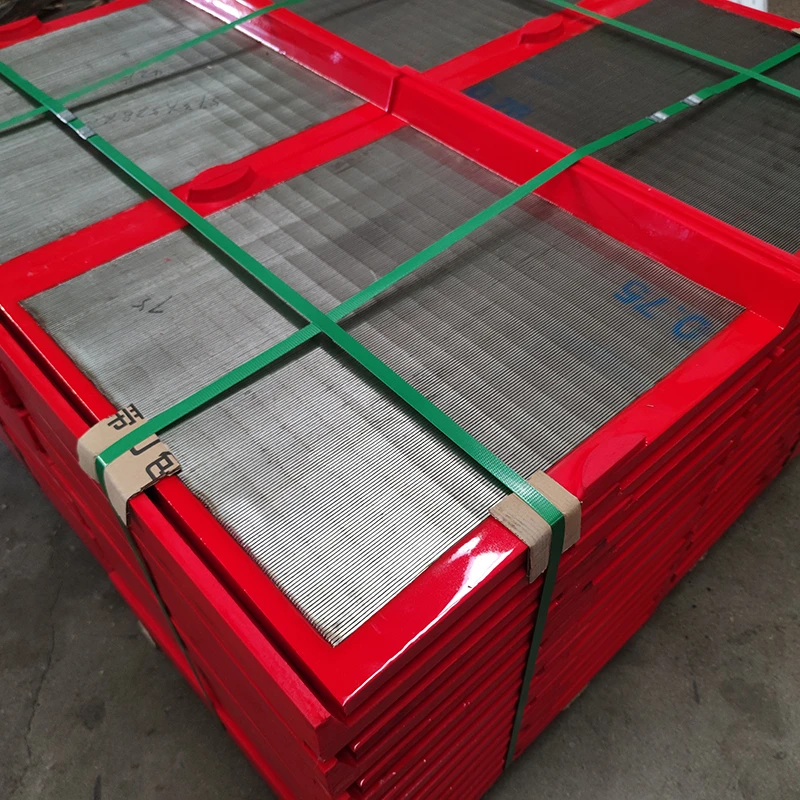
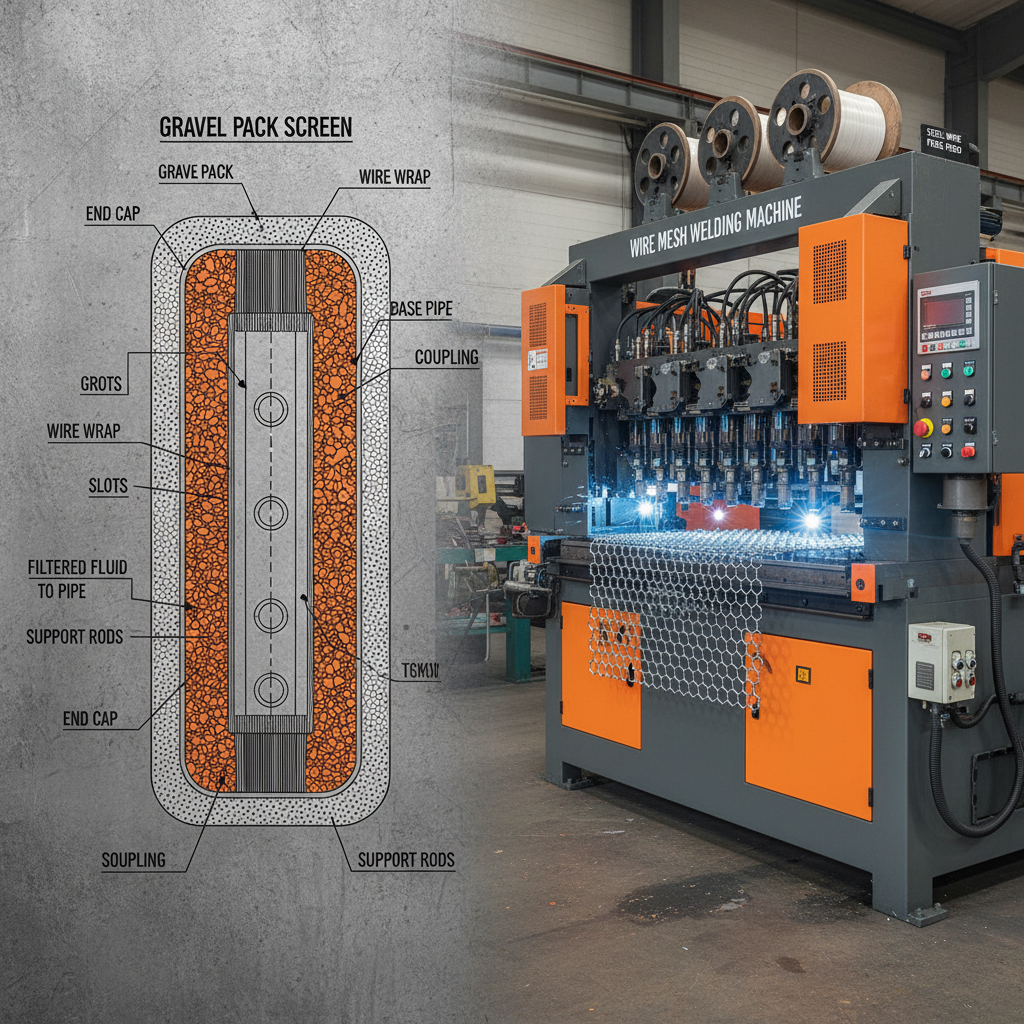
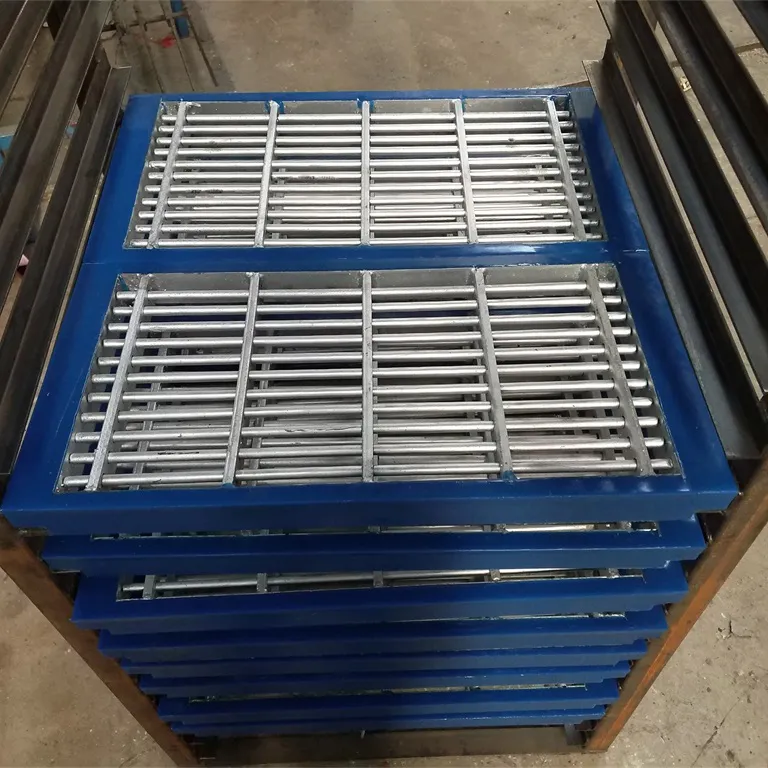
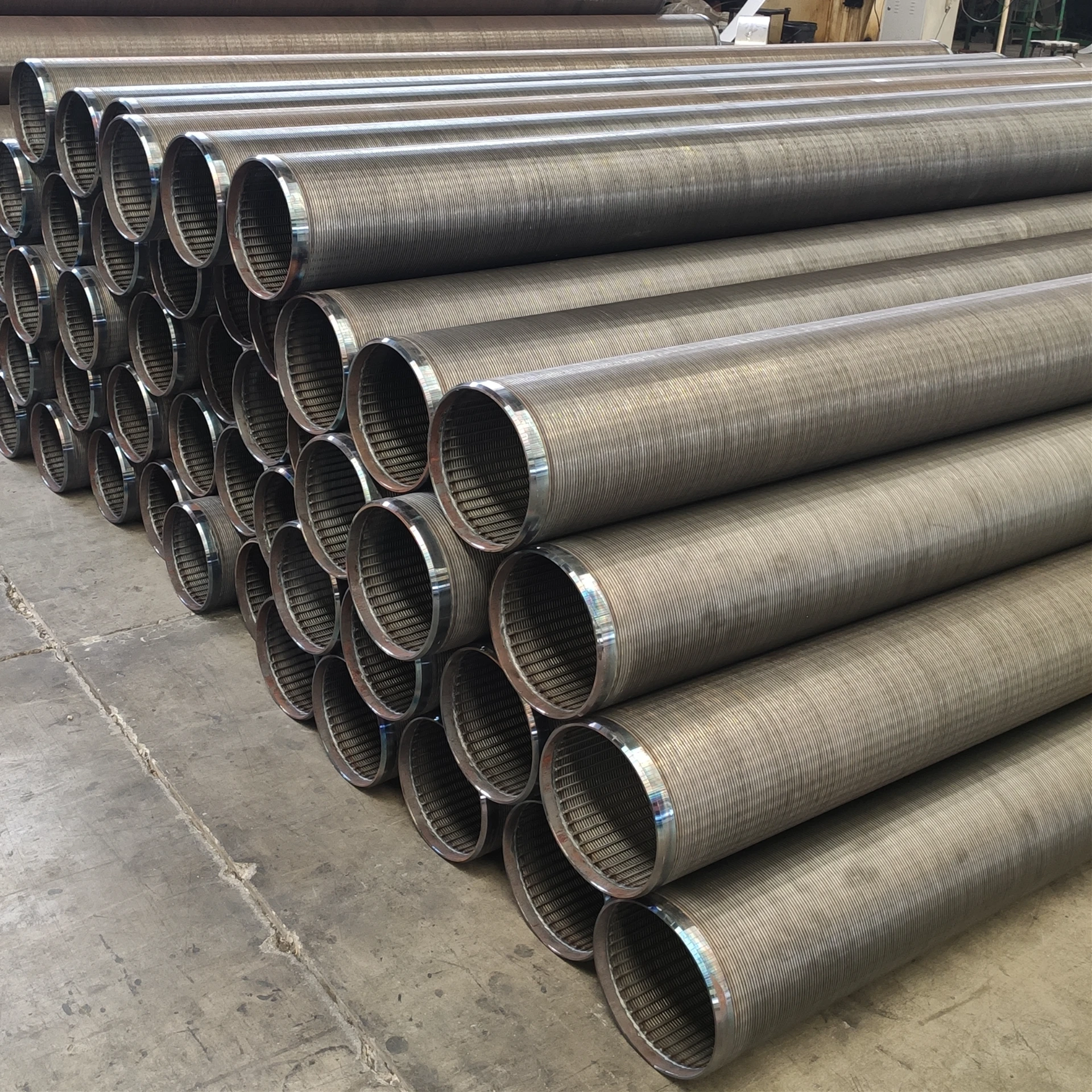
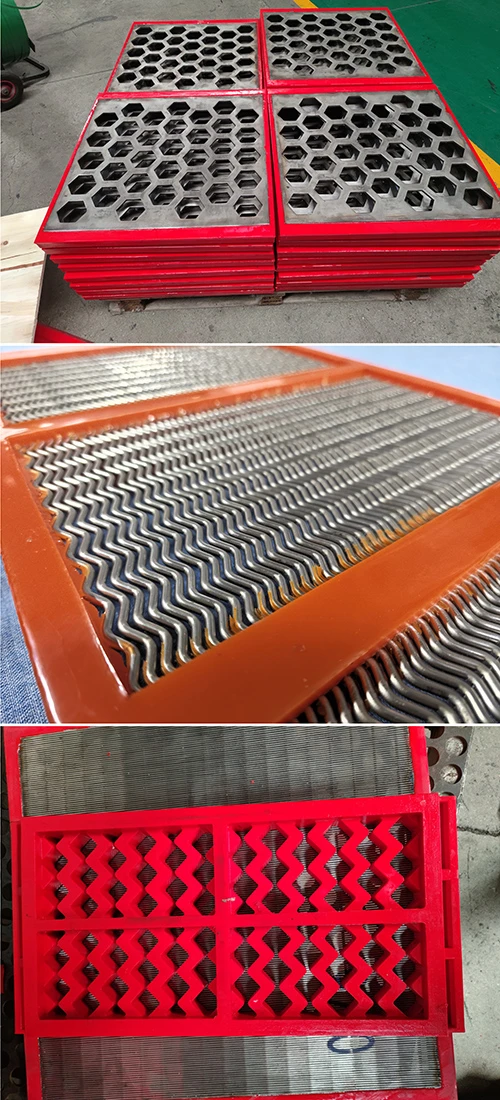
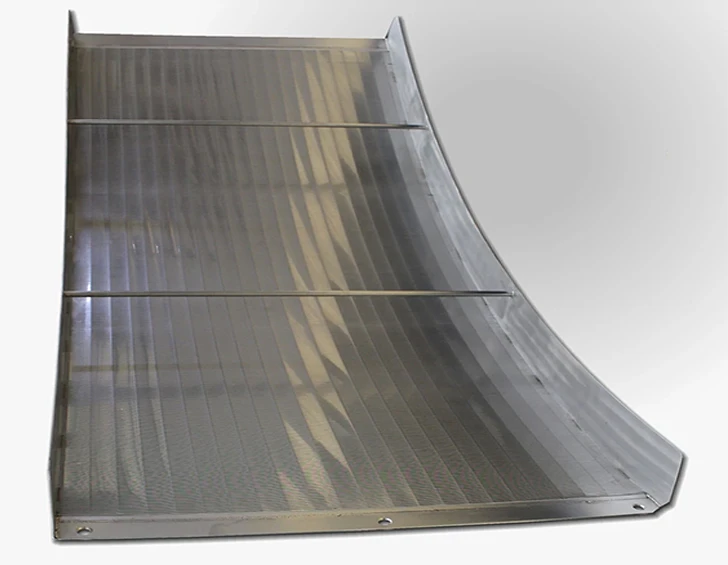
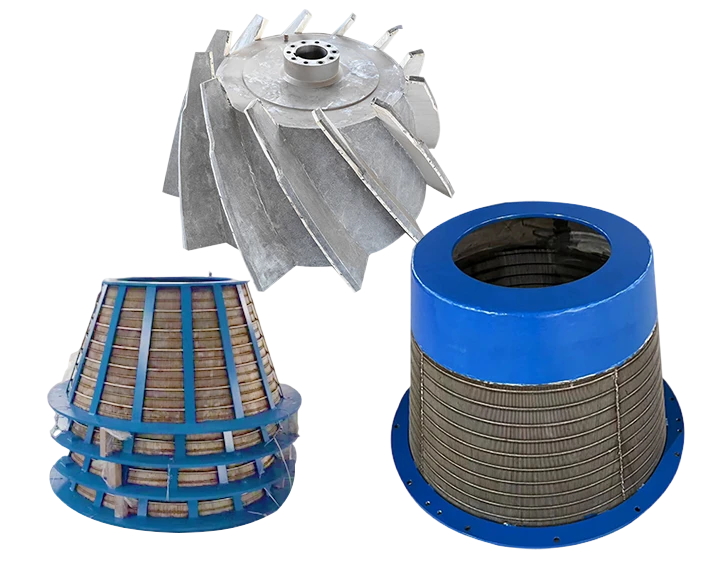
In simple terms, a water well screen is a cylindrical or slotted device fitted at the bottom of wells to allow water to enter the well while blocking particles like sand and gravel. Think of it like a fine mesh strainer in your kitchen but designed to withstand underground pressures and corrosive environments. They’re crucial in both municipal and rural water supply wells, irrigation, and even some industrial extraction setups.
Besides technical filtration, these screens help maintain the integrity of the adjacent aquifer by minimizing sediment disturbance, which supports long-term groundwater sustainability.
Key Characteristics of Water Well Screens
1. Durability
Water well screens need to resist corrosion, abrasion, and mechanical stresses since they operate underground for years, sometimes decades. Material selection—often stainless steel, PVC, or composites—affects lifespan significantly.
2. Slot Size and Design
The slots or perforations control what gets through, with slot sizes tailored to local groundwater conditions. Too large, and sand enters; too small, and flow is restricted, potentially clogging the screen.
3. Scalability
Well screens come in various diameters and lengths for different well depths and diameters. Versatility is crucial as groundwater tables and well dimensions vary widely across regions.
4. Cost Efficiency
Balancing upfront cost with lifespan and maintenance needs is essential. Investing in a slightly more expensive screen may save thousands in pumping and replacement costs over time.
5. Installation Ease
Modular designs and weight considerations influence installation speed and labor costs. In remote or disaster-stricken areas, quick deployment can be a lifesaver.
Water Well Screen Products at a Glance
| Model | Material | Slot Size (mm) | Diameter (inches) | Max Depth (m) |
|---|---|---|---|---|
| Mutoscreen™ Classic | Stainless Steel 316 | 0.25 - 1.0 | 4 - 12 | 300 |
| EcoGuard Composite | PVC & Fiber | 0.3 - 0.8 | 3 - 10 | 150 |
| HighDepth Pro | Duplex Steel | 0.2 - 0.6 | 6 - 16 | 600 |
Global Applications & Use Cases
- Disaster Relief efforts: After hurricanes or earthquakes, quickly deployed wells with durable screens provide emergency clean water, a lifeline for affected communities in places like the Philippines or Haiti.
- Agricultural irrigation projects: Regions like India and sub-Saharan Africa rely heavily on groundwater. Well screens ensure their pumps don’t clog up with sand, sustaining crop yields and farmers’ incomes.
- Industrial processes: Mining and manufacturing zones install screened wells for process water. For instance, in remote zones in Australia, sturdy stainless steel screens resist corrosion and high pumping rates.
- Municipal water supplies: Cities with deep aquifers like those in the western United States depend on precision-engineered well screens to deliver potable water cleanly and sustainably.
Water well screens have been quietly supporting millions of these real-world uses — without much fanfare.
What Makes Water Well Screens So Valuable?
Think beyond just technical specs. They invoke a sense of trust and resilience — from providing safe drinking water to protecting vital infrastructure. Long-term value includes:
- Cost savings: Reducing maintenance and downtime leads to huge savings for operators.
- Sustainability: Minimizing aquifer damage helps natural recharge and preserves ecosystems.
- Social impact: Safe water access empowers communities and improves public health.
- Reliability: Consistent water delivery supports everything from homes to industries.
Emerging Innovations & Industry Trends
We’re seeing exciting developments shaping the future of water well screens:
- Advanced materials: Corrosion-resistant composites and biofouling inhibitors improve lifespan.
- Digital monitoring: Integrated sensors now detect clogging or flow changes in real time.
- Green sourcing and manufacturing: More eco-friendly production methods reduce carbon footprint.
- Automation in installation: Robotics and drones reduce human labor and improve precision in remote sites.
Common Challenges and How Experts Solve Them
Despite the progress, some issues persist. For example, poorly matched slot sizes still cause sediment intrusion in some wells — a classic problem that affects pump life and water quality. Also, in heavily mineralized waters, biofouling and scaling can degrade screens faster than expected.
Innovative coatings, improved slot geometry, and pre-deployment hydrotesting are some approaches professionals use to mitigate these challenges. Frankly, ongoing research is necessary, and it’s worth consulting trusted vendors who provide customized solutions tailored to local hydrogeology.
Water Well Screens: Vendor Comparison
| Vendor | Material Options | Customization | Lead Time | Price Range |
|---|---|---|---|---|
| Mutoscreen™ | 316 Stainless, Duplex Steel | High - Custom slot sizes & diameters | 2-4 weeks | $$$ |
| EcoGuard | PVC, Composites | Medium - Standard sizing with minor mods | 1-3 weeks | $ |
| HighDepth Pro | Duplex & Super Duplex Steel | Medium - Focus on deep well specs | 3-6 weeks | $$$ |
Frequently Asked Questions About Water Well Screens
- How do I choose the right slot size for a water well screen?
- Slot size depends primarily on the size of the aquifer particles near your well. A geotechnical survey revealing sediment grain sizes helps select a screen slot that blocks unwanted sand but permits adequate water flow without clogging. A good vendor will customize accordingly.
- What materials are best for corrosive groundwater conditions?
- Stainless steel grades like 316 or duplex steel are preferred for high corrosion resistance. Sometimes composite materials with anti-corrosive coatings are viable alternatives, especially where cost constraints exist.
- Can water well screens be retrofitted to existing wells?
- Yes, though it depends on well size and condition. Retrofitting often involves removing old screens and installing new ones with proper sealing. This maintenance can enhance water quality and extend pump life.
- How often should water well screens be inspected or replaced?
- Inspection frequency varies but typically occurs every 5-10 years, or sooner in harsh environments. Replacement depends on wear, clogging signs, or damage. Routine testing ensures reliable operation.
Conclusion: The Long-Term Benefits of Water Well Screens
In real terms, investing time and thought into the selection and maintenance of water well screens pays dividends. They preserve aquifer health, reduce operational costs, and support communities’ well-being worldwide. Whether you’re managing municipal supplies or rural irrigation, quality well screens are your quiet water guardians.
Want to explore the latest in water well screening technology? Visit our website: https://www.mutoscreen.com.
Takeaway: Good well screens keep water flowing cleanly—and that’s a foundation for sustainable life on Earth.