Getting to Know Coarse and Fine Screens: Why They Matter More Than You Think
So, you’ve probably heard about coarse and fine screens before, especially if you’re involved in water treatment, mining, or waste management. But what exactly are they, and why should anyone outside these industries care? At their core, these screens help separate larger debris from smaller particles – a vital step in many industrial and humanitarian processes. And globally, their role is only expanding as populations grow, environmental regulations tighten, and the demand for clean water and efficient waste handling skyrockets.
Understanding these screens isn’t just for engineers. It’s about appreciating how a simple mechanical process can transform public health, reduce pollution, and save millions of dollars in downstream processing. Let's take a look under the hood.
The Global Importance of Coarse and Fine Screens
Worldwide, an estimated 2.2 billion people lack access to safely managed drinking water (UNICEF, WHO, 2023). That’s where screening technologies come in. Coarse and fine screens serve as frontline defenders against contaminants, removing everything from rags and plastics to fine organic matter, preventing clogs and pollution further down the line.
To put it in perspective: the water treatment industry spends billions yearly on mitigating equipment damage or treating contaminated water. According to the International Organization for Standardization (ISO 13501), consistent screening reduces operational costs and improves system reliability by up to 30%. But still, many facilities rely on outdated or inefficient screens. That’s a gap the industry can't afford to ignore.
Frankly, it feels like one of those foundational technologies that, if you stop to think about it, quietly keeps cities running and communities safe.
What Are Coarse and Fine Screens, Really?
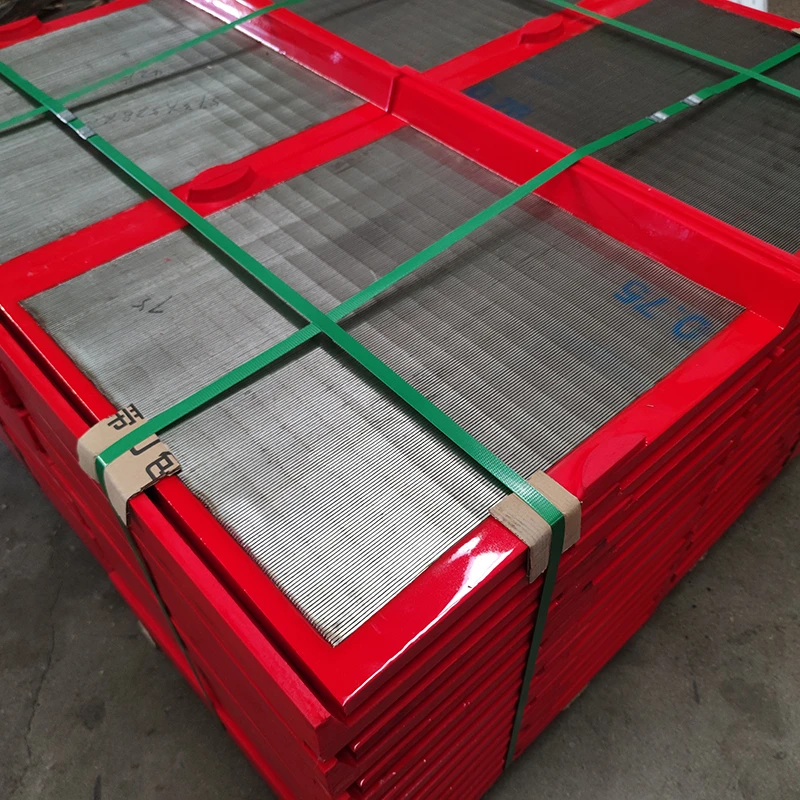
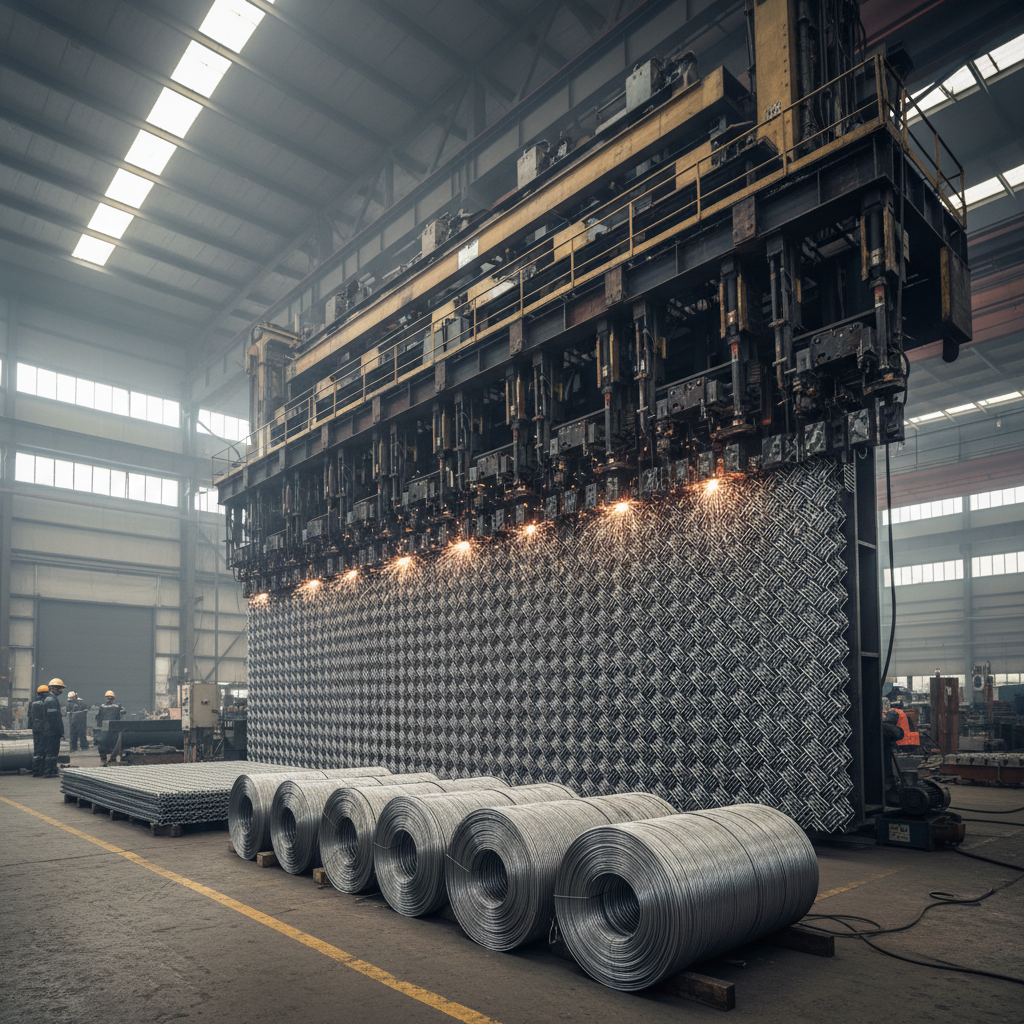
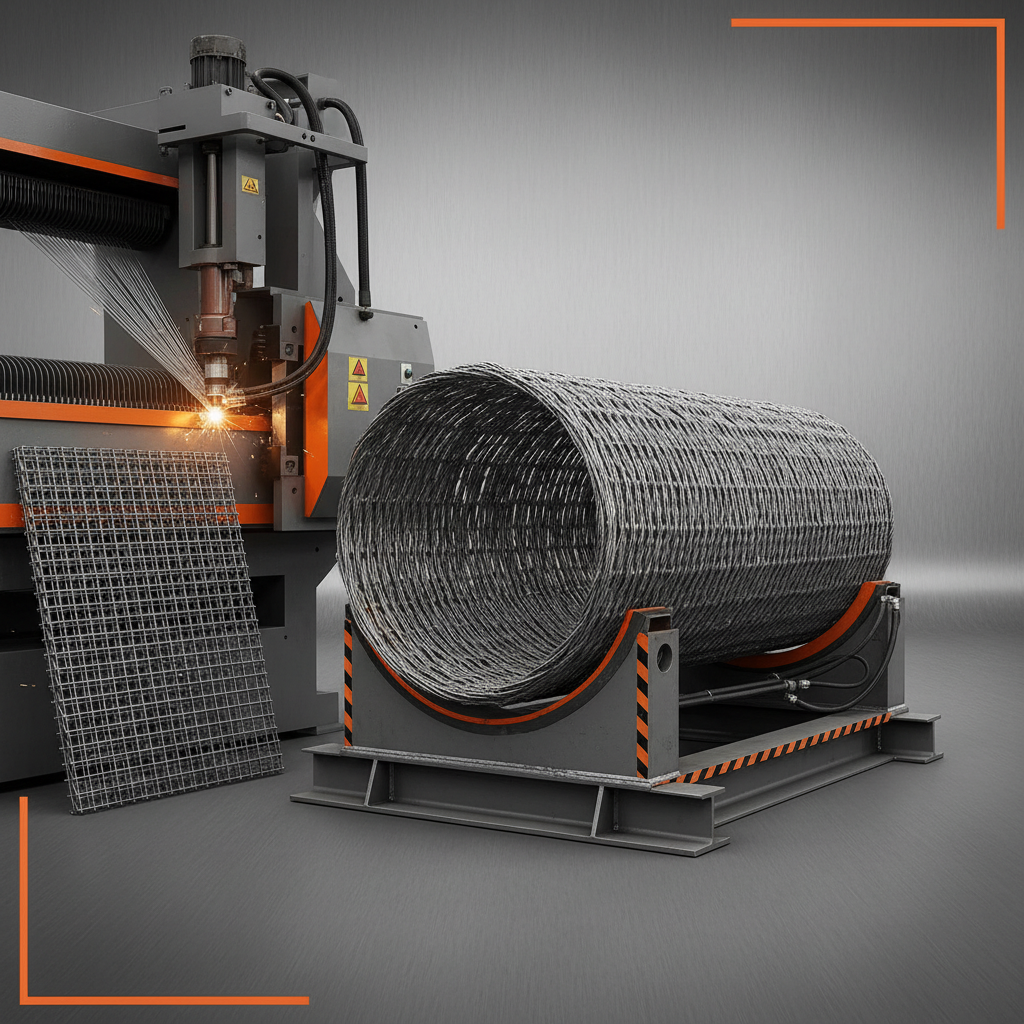
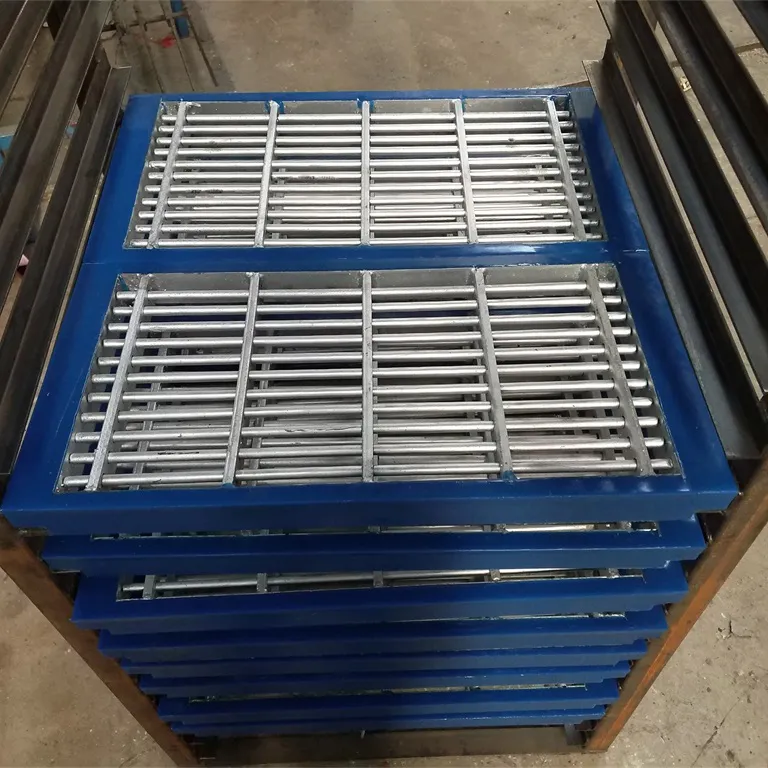
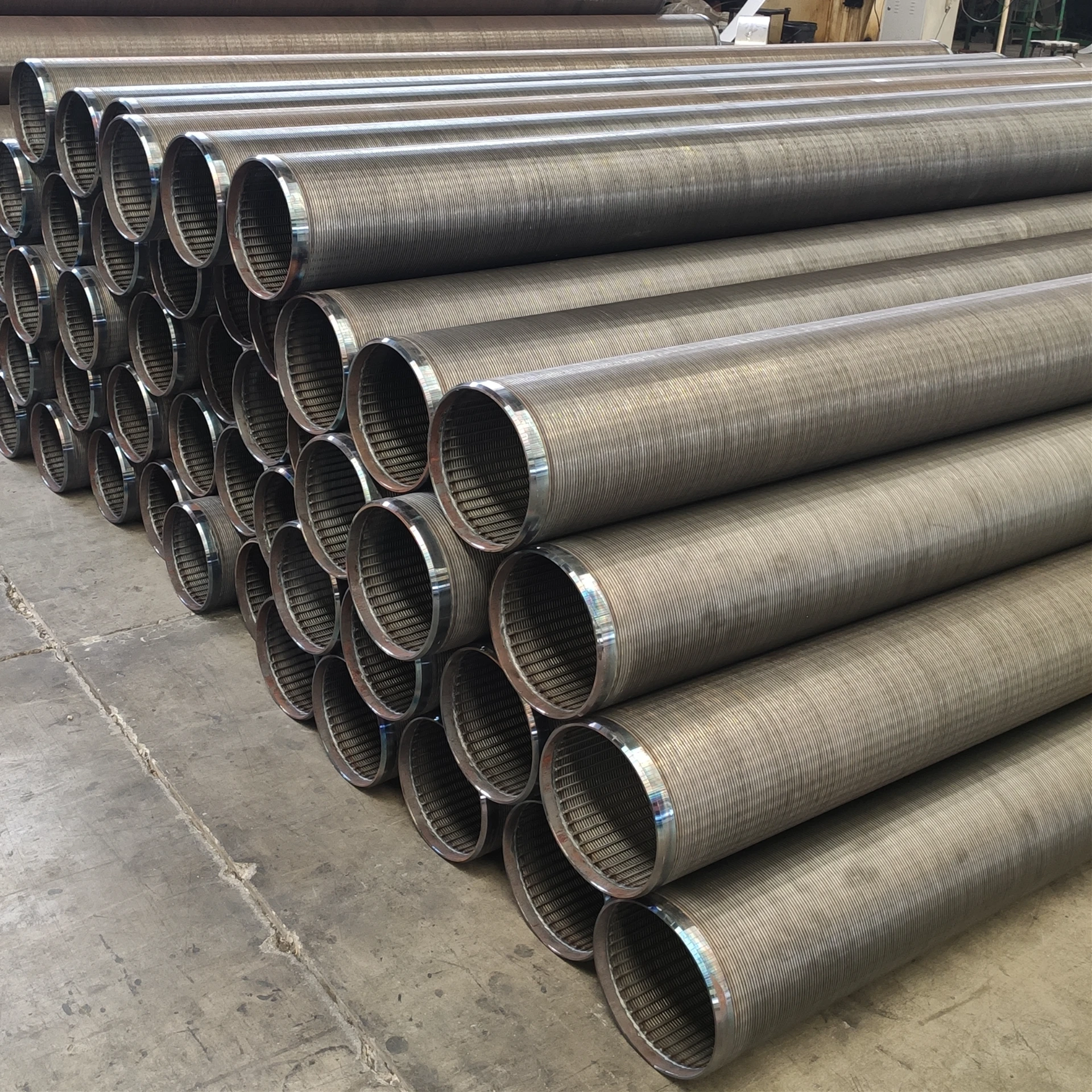
At their simplest, coarse screens are devices with larger mesh sizes or bars designed to intercept big solids. Think of them as the first line capturing leaves, plastics, or rags before the water moves forward. Fine screens, meanwhile, have smaller openings – sometimes down to sub-millimeter sizes – filtering out finer sediments, grit, and organic materials that can foul pumps or affect chemical treatments.
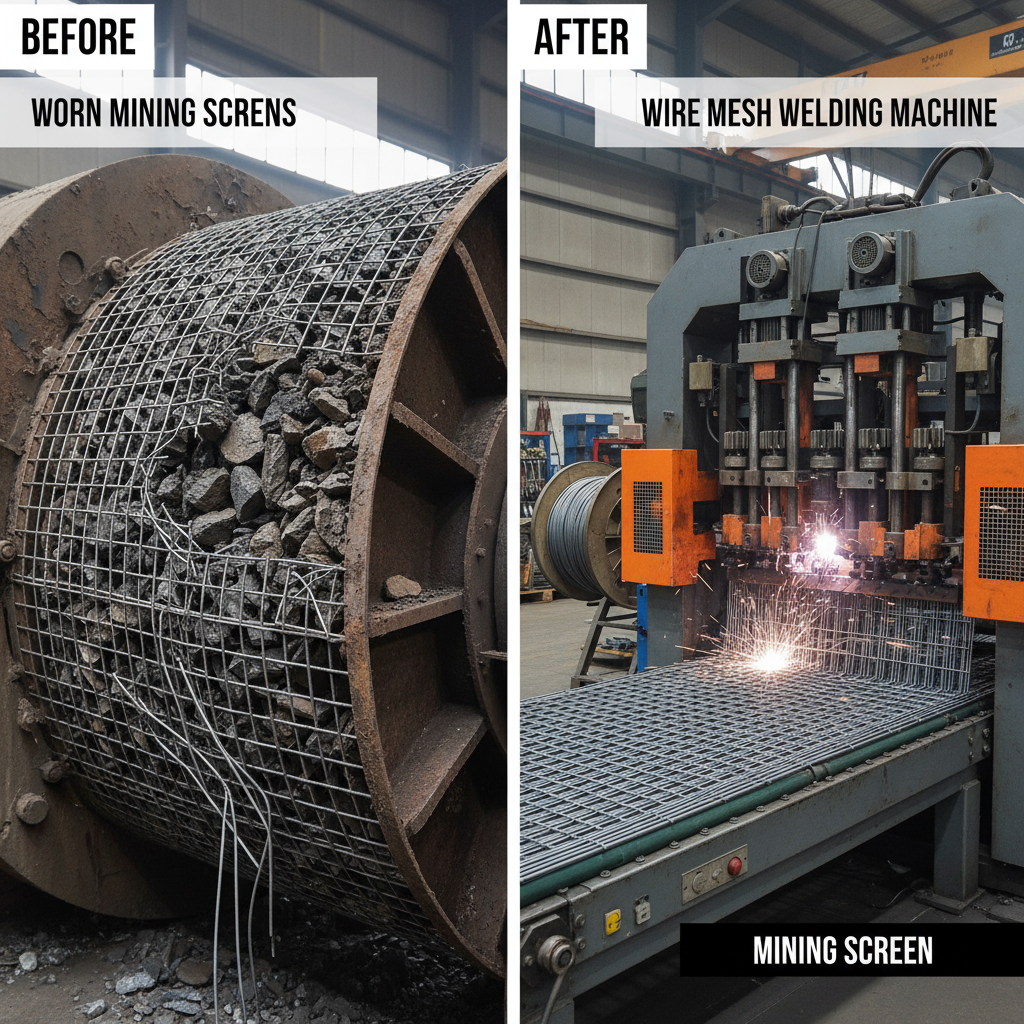
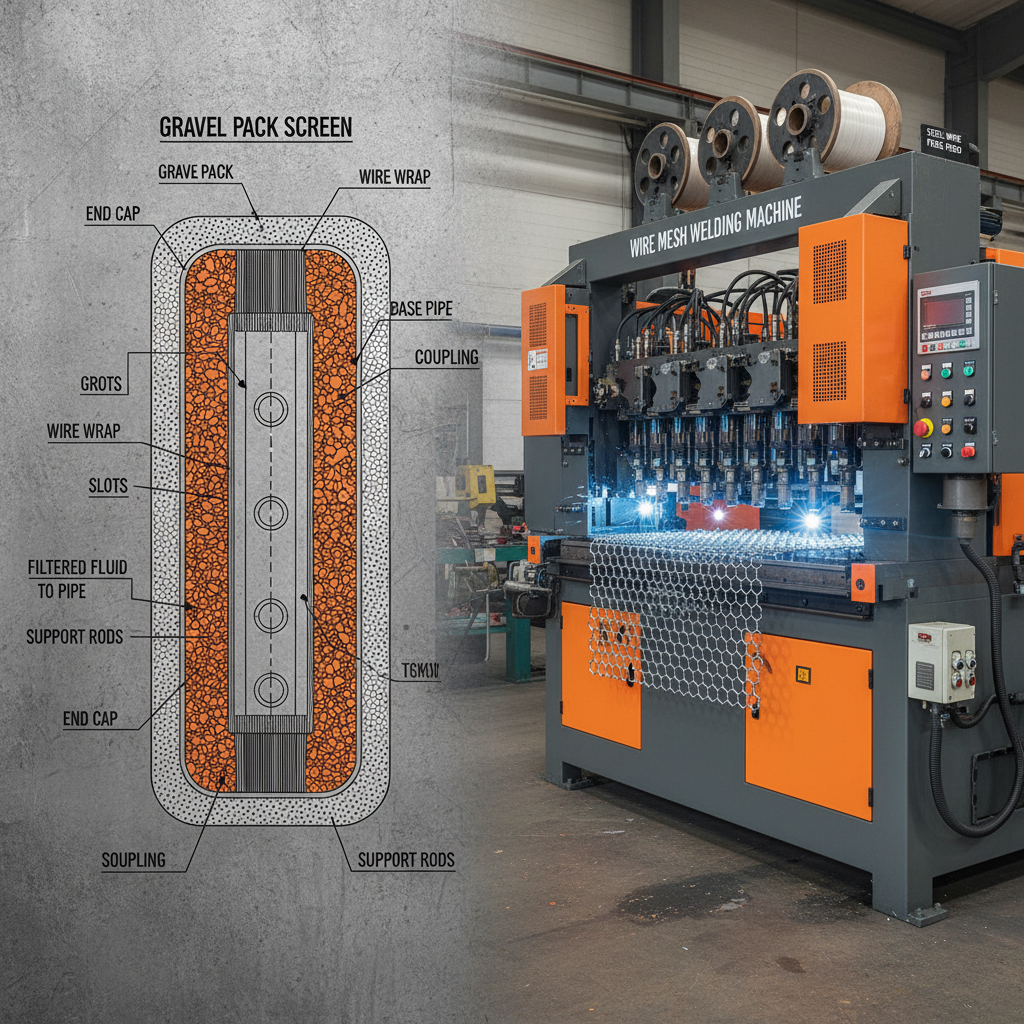
Nowadays, these screens are far from just “wire mesh.” They have evolved into precision-engineered components, often made of stainless steel or corrosion-resistant alloys, suited to a variety of harsh environments. In humanitarian aid, for example, they help ensure wastewater treatment plants function quickly in disaster zones. Industries like pulp and paper, mining tailings treatment, and food processing all depend heavily on effective screening.
Core Components & Key Factors for Choosing Screens
1. Durability and Material Quality
Given the harsh nature of most screening environments, materials must resist abrasion, corrosion, and chemical attack. Stainless steels and Duplex alloys are favored for marine or acid-laden effluents. I noticed that many operators switch screens every 3-5 years, or sooner if materials aren’t properly specified.
2. Scalability and Flow Capacity
Screens must handle fluctuating volumes. Coarse screens typically handle flows of 500–10,000 cubic meters per hour, but this varies. Fine screens are designed for smaller flows but require careful balancing – too fine, and they'd clog; too coarse, and efficiency plunges.
3. Maintenance and Accessibility
The best screens are easy to clean or replace. Many modern models incorporate automated rakes or brushes—far from manual labor of the past. This drives down downtime and labor costs, a survival factor for remote sites.
4. Cost Efficiency
Interestingly, the cheapest screen isn’t always the most economical long-term. You want one that lasts, with few breakdowns and minimal wear parts. Sometimes paying a little more upfront pays off in operational savings.
5. Customization and Adaptability
Your screening needs may evolve, especially if regulations change. Modular designs or screens that allow quick mesh swaps are favorites among industries adapting to stricter standards or new contaminants.
How Coarse and Fine Screens Are Making an Impact Worldwide
Regions with rapid urbanization — think South Asia or sub-Saharan Africa — often struggle with untreated wastewater, increasing disease risk. NGOs and governments rely on effective screening to get treatment plants up and running fast. For example, in post-flood relief in Bangladesh, temporary fine screens were deployed to keep systems from clogging under debris loads.
In mining regions like Australia or Chile, coarse screens help separate oversized rock fragments before chemical treatments, preserving costly downstream equipment. Food processing plants in the USA use fine screens to ensure wastewater meets environmental discharge limits.
- Cloudy river water gets clarified before reaching urban centers.
- Disaster relief sites safeguard public health with rapid filtration.
- Industrial zones reduce particulate pollution, protecting ecosystems.
The diversity of applications—from rural water projects to high-volume industrial complexes—is striking. It shows just how critical the right screening technology is to global sustainability and health.
What’s In It for You? Advantages and Long-Term Value
Coarse and fine screens offer more than just debris removal:
- Cost Savings: Less clogging means fewer repairs and better energy efficiency.
- Sustainability: Proper screening prevents pollutants from entering waterways.
- Safety and Dignity: Efficient water treatment supports healthy communities.
- Innovation: Advanced screens integrate with automated plant controls.
It might sound dry, but the ripple effect — healthier water, fewer outages, reduced environmental impact — makes a huge difference. Many engineers say a robust screening system is as important as the treatment steps themselves.
Product Specification Table: Typical Coarse and Fine Screen Models
| Specification | Coarse Screen Model A | Fine Screen Model B |
|---|---|---|
| Mesh Size | 20-40 mm openings | 0.2 - 2 mm openings |
| Material | Stainless steel 304/316 | Duplex stainless steel |
| Max Flow Capacity | up to 8000 m³/hr | up to 1500 m³/hr |
| Cleaning System | Automated rake system | Brush and backwash |
| Expected Lifespan | 5-7 years | 7-10 years |
Comparing Top Vendors of Coarse and Fine Screens
| Vendor | Product Range | Customization | Service & Support | Lead Time |
|---|---|---|---|---|
| MutoScreen Inc. | Coarse and fine screens, automated systems | High (modular design) | 24/7 global support | 2-4 weeks |
| ClearFlow Solutions | Primarily fine screens, retrofit kits | Medium | Business hours only | 4-6 weeks |
| EcoScreen Technologies | Sustainable materials, solar-powered screens | High | Limited international support | 6+ weeks |
What Does the Future Hold for Coarse and Fine Screens?
Technology doesn’t stand still—and neither do screening solutions. I’m watching trends like integrating sensors and IoT connectivity so operators can monitor clogging remotely, even predict maintenance. Green energy-powered screening stations are appearing, reducing carbon footprints.
Materials science is also playing a role—composites and coatings that resist biofouling or abrasion extend lifespan significantly. There’s talk of nanotechnology filters augmenting fine screens for near-zero particle ejection. Plus, regulatory pressure worldwide will push customization and performance even further.
Facing the Challenges Head-On
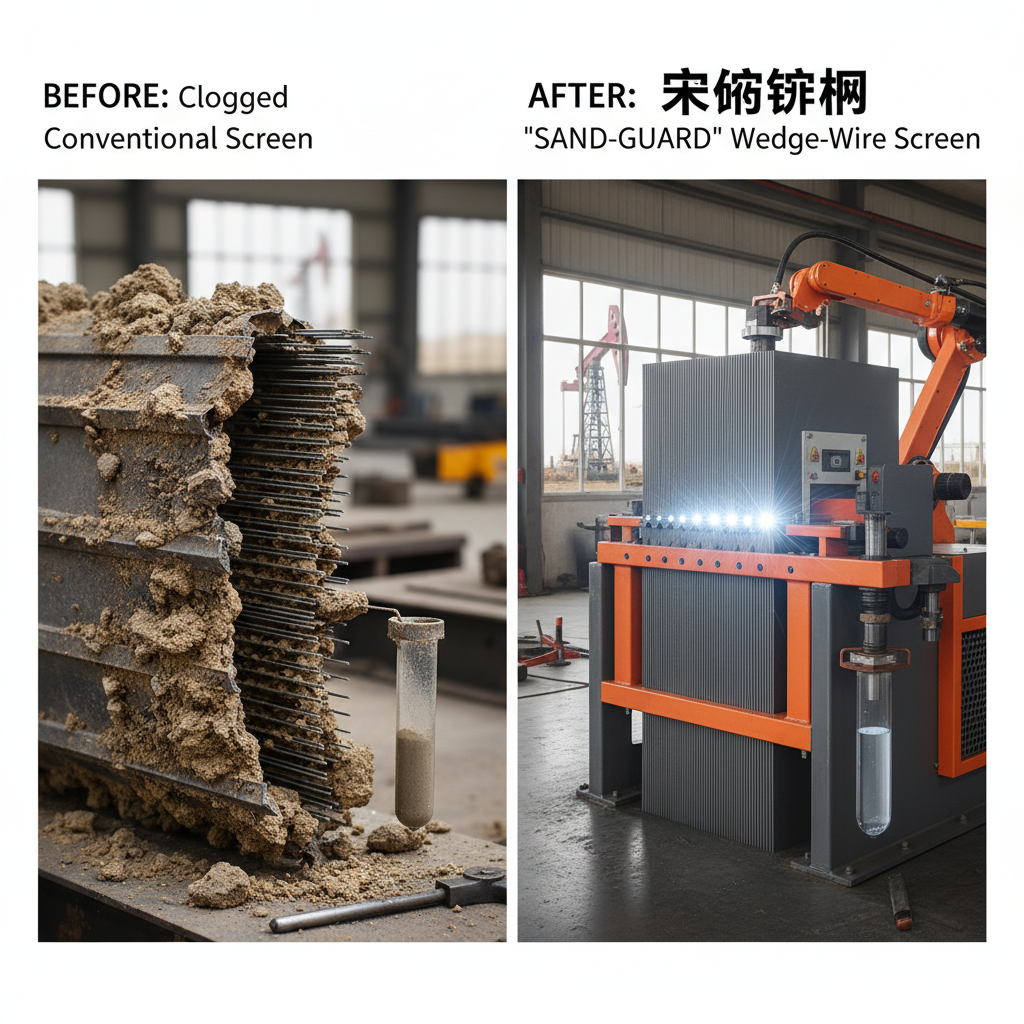
Despite advances, some hurdles persist. Screens clog in extreme conditions; operations in disaster zones may lack skilled technicians; upfront costs intimidate smaller communities.
Innovations like self-cleaning surfaces, modular replacements, and training programs help—yet it feels like ongoing collaboration among designers, users, and policymakers is key. Many experts emphasize partnerships to share best practices and tech advances.
Frequently Asked Questions About Coarse and Fine Screens
Q1: How do I know whether to choose coarse or fine screens for my facility?
A: It depends on your input waste characteristics and downstream system sensitivity. Coarse screens handle large debris and protect pumps; fine screens filter out smaller particles for higher water quality. A site assessment usually helps determine the optimal combination.
Q2: Are automated cleaning systems worth the extra investment?
A: In many cases, yes. Automated rakes or brushes reduce manual labor, minimize downtime, and can extend screen lifespan by preventing buildup. The payback period varies but can be under two years in busy treatment plants.
Q3: Can fine screens be retrofitted into existing coarse screening setups?
A: Often, yes. Many vendors provide modular solutions designed for integration without major overhauls. This flexibility allows gradual upgrades based on budget or operational needs.
Q4: Is there a sustainable option for screening in off-grid regions?
A: Increasingly so. Solar-powered and low-energy consumption screens exist, some with battery backup. These are ideal for remote or disaster relief sites to maintain water treatment without grid access.
Q5: What maintenance should I plan for to keep screens effective?
A: Regular inspection, timely cleaning, and mesh integrity checks are essential. Most manufacturers recommend quarterly maintenance, with more frequent checks in high-flow or debris-heavy seasons.
Wrapping It Up: Why Coarse and Fine Screens Are Worth Your Attention
In sum, coarse and fine screens may not make headlines, but their role in environmental protection, public health, and operational efficiency is huge. They’re the unsung heroes filtering what we often take for granted. Looking ahead, embracing innovations and good maintenance practices will only increase their value.
If you want to dive deeper and see cutting-edge solutions first-hand, I highly recommend visiting MutoScreen’s website. It’s a treasure trove for anyone interested in practical, scalable screening technology.
Sometimes, the smallest holes can make the biggest difference.