Vibrating Screen: The Unsung Hero of Modern Industry
You might not have thought much about it, but the vibrating screen plays a crucial role behind many industrial processes worldwide — from mining and agriculture to recycling and even food processing. Understanding its operation and benefits isn’t just technical jargon; it’s a gateway to appreciating how raw materials are transformed efficiently and safely. In fact, globally, the vibrating screen technology helps millions of tons of material find their right place every day, boosting productivity, reducing waste, and supporting sustainable practices.
Why Vibrating Screens Matter: A Global Perspective
According to the International Organization for Standardization (ISO), over 90% of bulk solids handling industries rely on screening technology to maintain quality control and operational smoothness. The United Nations Industrial Development Organization (UNIDO) highlights mining and construction as some of the fastest growing sectors worldwide, with a rising demand for equipment that can efficiently sort and separate materials. That’s where vibrating screens become essential.
Consider this: mining alone produces roughly 50 billion tons of materials annually — and almost all must be screened to remove oversized debris or to classify particles by size. Without efficient screening, you end up with clogged crushers, poor-quality products, or increased energy costs downstream. The vibrating screen tackles these issues, making processes more reliable and environmentally friendly.
So, What Exactly Is a Vibrating Screen?
At its core, a vibrating screen is a mechanical device that uses vibration to separate materials by size or density. Imagine shaking a sieve — but one that’s scientifically tuned to shake with varied frequency, amplitude, and speed to sift tons of material continuously and predictably.
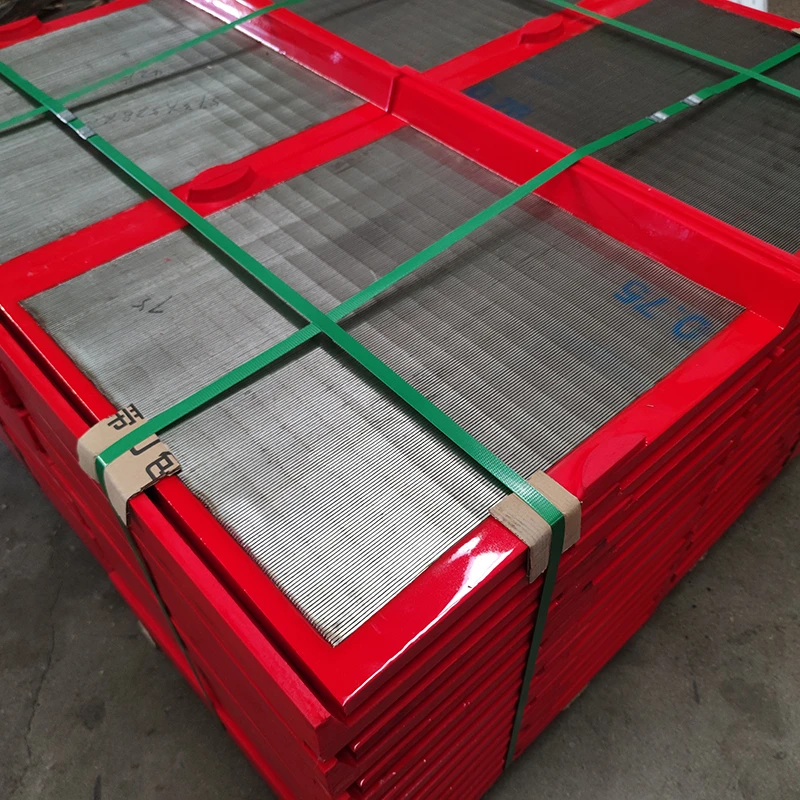
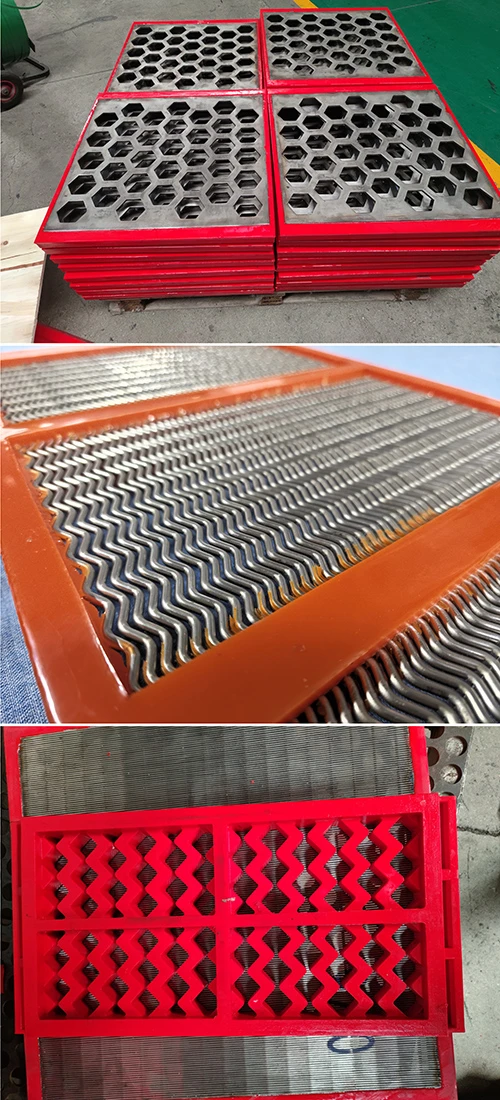
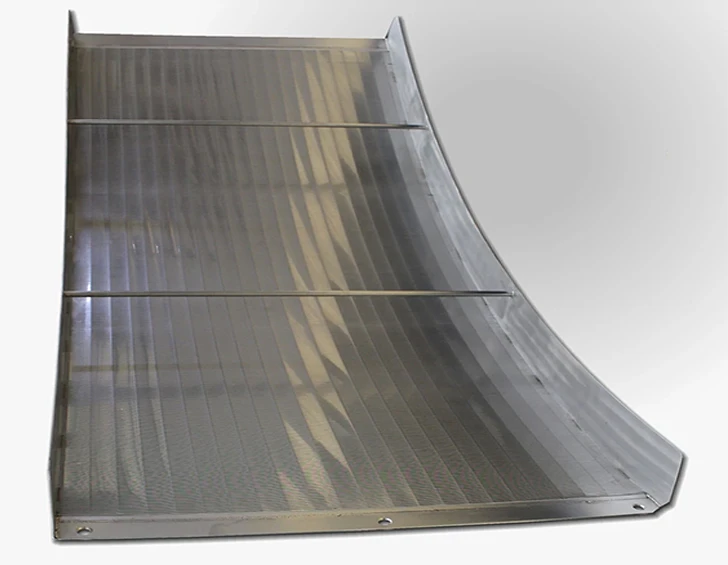
It’s a centerpiece in sorting aggregates, minerals, raw foods, or even waste. The screen itself is a mesh or perforated plate supported by springs or rods, and the vibration causes materials to move, stratify, and pass through or over the surface. This process is crucial not just for factories but also for large humanitarian projects where sorting materials quickly and safely can make a huge difference.
Core Components That Make Vibrating Screens Work
1. Durability
These screens handle abrasive and heavy materials constantly, so components are made of robust materials like high-carbon steel or manganese. Durability means less downtime and repair costs — a big deal when processing tons every hour.
2. Scalability
Whether you need to sort a few hundred kilograms or thousands of tons daily, vibrating screens come in multiple sizes. The modular designs let engineers tailor systems for specific industries or batch sizes.
3. Efficiency & Energy Use
Many modern vibrating screens optimize energy consumption by using balanced vibration motors, minimizing noise and vibration leakage, and ensuring even material spread. This translates into real savings on electricity bills and less environmental waste.
4. Maintenance & Accessibility
Easy access to wear parts and quick-change screen meshes are critical. Engineers often say saving a few minutes on maintenance adds up significantly over a year, especially in continuous operations.
5. Customization & Control
Variable frequency drives, adjustable stroke lengths, and smart sensors now enable precise control. Depending on the material’s nature (wet, dry, sticky), operators tweak settings for optimal separation.
Real-World Applications of Vibrating Screens
You see vibrating screens in action globally: from the sprawling mines of Western Australia to agricultural plants in Brazil and recycling centers in Europe. For example:
- Mining: Separating ore by size before processing at smelters — crucial for efficiency and safety.
- Construction: Sorting sand and gravel for concrete aggregates, ensuring quality building materials.
- Food & Beverage: Screening grains or pulses to remove impurities, maintaining food safety standards.
- Recycling: Quickly sorting plastics or metals for reuse, helping circular economies grow.
- Disaster Relief: In post-earthquake recovery, vibrating screens help sift through debris to salvage reusable materials.
Oddly enough, some NGOs operating in remote rugged terrains use portable vibrating screens to make onsite sorting feasible, cutting down transport costs and delays.
Mini Takeaway
In real terms, vibrating screens are not just manufacturing workhorses — they also help maintain sustainable and cost-effective operations across sectors worldwide.
Advantages & Lasting Value of Vibrating Screen Systems
You’d be surprised at how the simple concept of vibration radically improves workflows. Here’s why many industries trust vibrating screens:
- Cost Efficiency: Sharp material separation reduces waste and avoids expensive reprocessing.
- Sustainability: Less energy consumption and effective recycling reduce industry footprints.
- Safety: Automating separation cuts down manual handling, lowering accident risks.
- Reliability & Trust: Long service life and consistent performance means fewer surprises.
Many operators I’ve spoken to emphasize the peace of mind they get by investing in high-quality vibrating screens — it just “makes the whole site feel professional and safe.”
Specification Table: Typical Vibrating Screen Model
| Feature | Detail |
|---|---|
| Screen Size | 1.5 m x 4.5 m |
| Mesh Type | High tensile steel woven wire |
| Vibration Frequency | 800 - 1200 RPM (adjustable) |
| Motor Power | 7.5 kW twin vibration motors |
| Capacity | Up to 100 tons/hour |
| Weight | Approx. 850 kg |
| Material Frame | Carbon steel with anti-corrosion coating |
Comparing Top Vendors in Vibrating Screen Technology
| Vendor | Screen Types | Customization | Price Range | Warranty |
|---|---|---|---|---|
| Muto Screen Co. | Circular, linear, banana | High (frequency, mesh size, frame) | $$ - $$$ | 3 years |
| VibraTech Industries | Linear, high-frequency | Medium | $$ | 2 years |
| GreenScreen Solutions | Banana, circular | High, eco-friendly materials | $$$ | 5 years |
Looking Ahead: Trends Shaping Vibrating Screen Technology
The future is wild for vibrating screens. Currently, the integration of IoT sensors for real-time monitoring is trending, making predictive maintenance a reality instead of guesswork. New materials like corrosion-resistant composites cut weight without compromising strength. Plus, hybrid power options combining solar or regenerative braking promise greener operations.
Automation is also creeping in: autonomous adjustment of vibration parameters based on feed characteristics means less operator intervention and better yields. Imagine the savings when downtime practically disappears!
Challenges and Smart Solutions
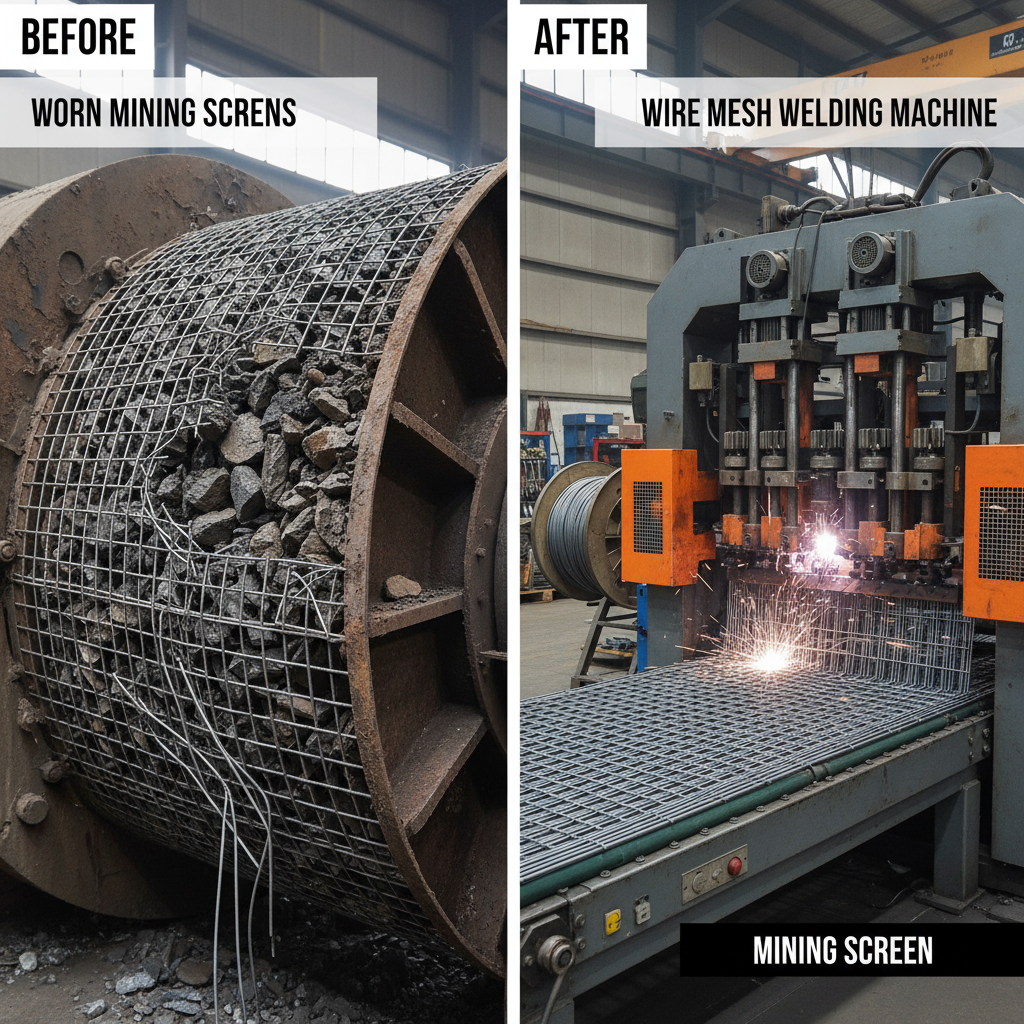
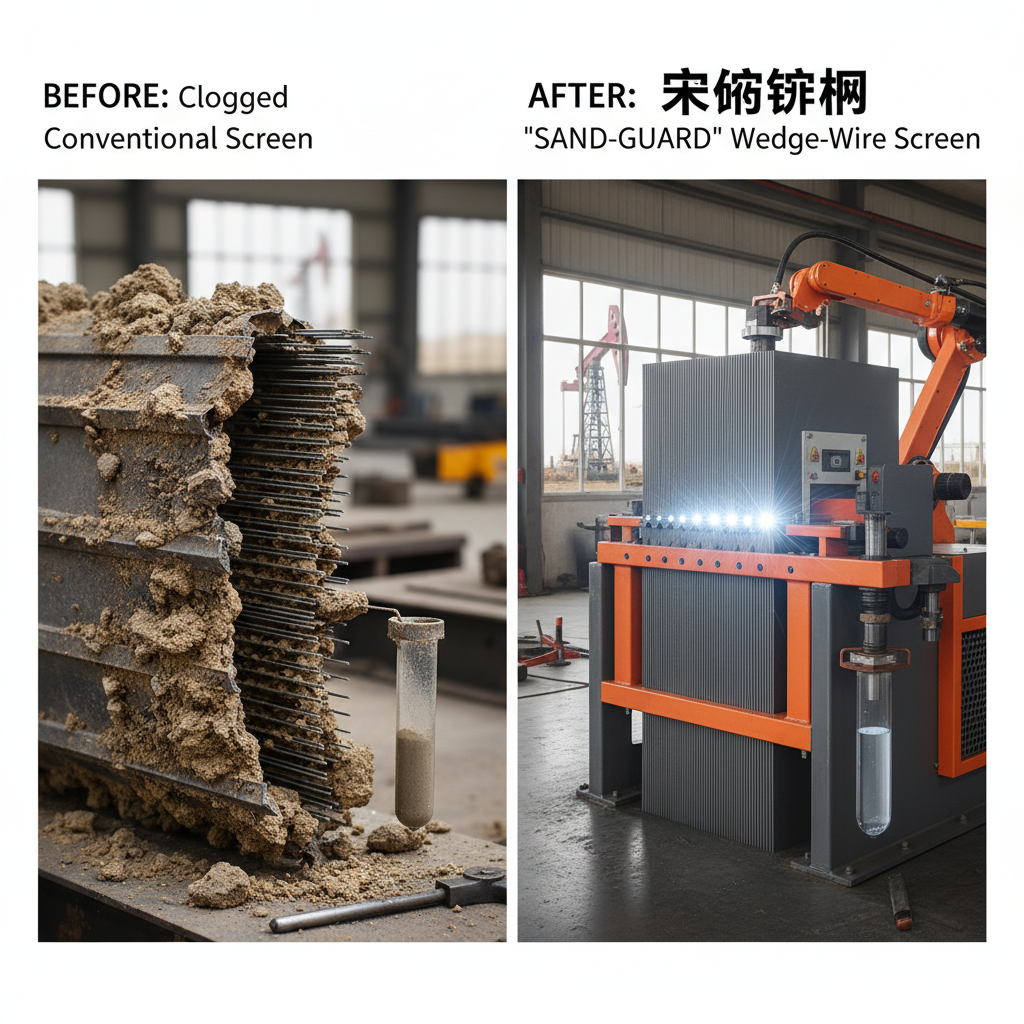
Of course, no tech is without flaws. Vibrating screens sometimes face issues like screen blinding (when material clogs the mesh), motor wear, or energy inefficiency in older models. However, using ultrasonic cleaning attachments, high-durability motor designs, and optimized vibration profiles practically fixes most problems encountered in the field.
I’ve noticed that companies willing to invest in upfront custom engineering usually report much smoother operation later on — which hints that the devil’s in the details when setting up vibrating screen systems.
Frequently Asked Questions About Vibrating Screens
Q1: How do vibrating screens improve product quality in mining?
Vibrating screens separate ore particles by size, enabling downstream processes like crushing and grinding to be more effective. This precision reduces impurities and enhances the final product quality while preventing equipment damage.
Q2: Can vibrating screens handle wet or sticky materials?
Yes, but they require special mesh types and sometimes washing sprays or ultrasonic systems to prevent clogging. Adjustments in vibration frequency and amplitude help ensure smooth operation with moist or sticky feed.
Q3: What maintenance is typically needed for these screens?
Regular inspection of motor bearings, screening surfaces, fasteners, and springs is crucial. Quick mesh replacement and lubrication also keep systems running without unexpected downtime.
Q4: Are portable vibrating screens practical for remote jobs?
Absolutely. Portable models allow onsite sorting in mines or disaster areas, saving transport costs and accelerating processing timelines during critical operations.
Wrapping Up: Why Embrace Vibrating Screen Technology?
In the grand scheme, vibrating screens quietly optimize the way the world handles raw and recycled materials. Their durability, efficiency, and adaptability make them indispensable — and with ongoing innovations, they’re poised to become even smarter and greener tools in industry’s toolbox.
Curious to see how our advanced vibrating screen solutions can upgrade your process? Visit us online and explore the next generation of screening technology today.
Summary:
- Vibrating screens are essential for sorting bulk materials worldwide, impacting many industries and humanitarian efforts.
- They combine durability, scalability, and precision to boost quality, efficiency, and sustainability.
- Innovations like IoT and green materials are driving future improvements.
References:
1. Wikipedia: Vibrating screen
2. International Organization for Standardization (ISO)
3. UNIDO - United Nations Industrial Development Organization