Introduction to Vibrating Screen Dynamics and Component Criticality
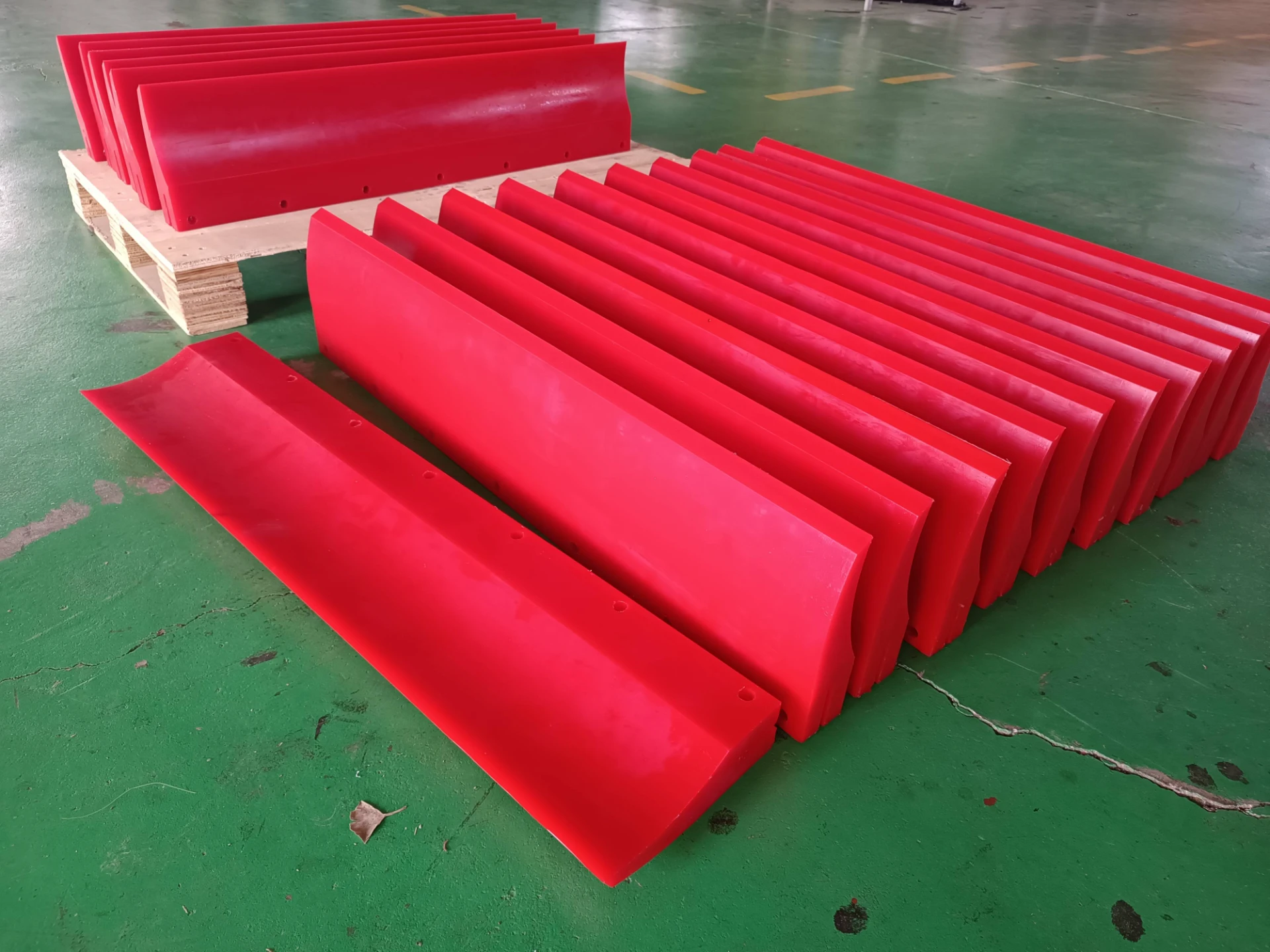
In industrial material processing, vibrating screens are indispensable for efficient classification, dewatering, and desliming of various aggregates and minerals. The performance of these screens hinges critically on the integrity and precision of their components. A key question for engineers and procurement specialists is, "The fundamental question of what do vibration plates do for you, specifically in the context of side pressure plates, directly addresses their role in maintaining optimal screen media tension and structural stability." This element, though often overlooked, is central to the operational efficacy and longevity of the entire screening apparatus, including systems utilizing advanced polyurethane screens.
This comprehensive overview delves into the critical role of Vibrating Screen Side Pressure Plates, exploring their manufacturing intricacies, technical specifications, diverse applications, and profound impact on operational efficiency. We will navigate through the nuances of their design, material science, and the rigorous standards that underpin their performance in demanding industrial environments. Understanding these details is paramount for any B2B stakeholder aiming to optimize screening processes and reduce total cost of ownership.
Industry Trends and Market Landscape in Screening Technology
The global market for vibrating screens and their components is experiencing robust growth, driven by increasing demand in mining, construction, and aggregate production. Key trends include a heightened focus on automation, energy efficiency, and the development of wear-resistant materials. The push for extended service life and reduced maintenance downtime is accelerating the adoption of high-performance components. For instance, the market for mining equipment, which heavily relies on vibrating screens, is projected to reach over USD 180 billion by 2027, according to Mordor Intelligence, indicating a consistent demand for reliable screening solutions.
There is a growing emphasis on precision engineering for components like the Vibrating Screen Side Pressure Plate. Manufacturers are increasingly integrating advanced material science, such as specialized alloy steels and polymer coatings, to enhance durability and performance. The rise of polyurethane screens, celebrated for their superior wear resistance and noise reduction capabilities, further necessitates perfectly tensioned screen media. This is where the precise function of side pressure plates becomes even more critical, ensuring these advanced screen panels are held securely for optimal vibration and separation efficiency.
Furthermore, environmental regulations and sustainability initiatives are pushing for less material waste and lower energy consumption in screening operations. This translates into a demand for components that contribute to higher screening efficiency and longer operational cycles, thereby reducing the carbon footprint associated with frequent component replacement and material re-processing. The correct understanding of what do vibration plates do for you in this evolving landscape means recognizing their role in enabling sustainable, high-performance screening.
Understanding What Do Vibration Plates Do For You: The Role of Side Pressure Plates
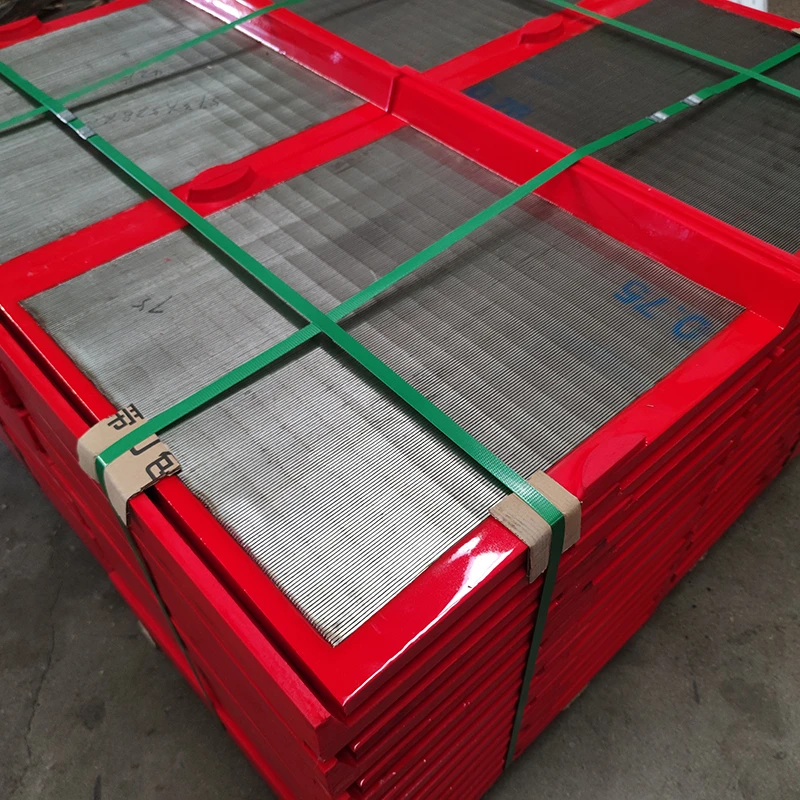
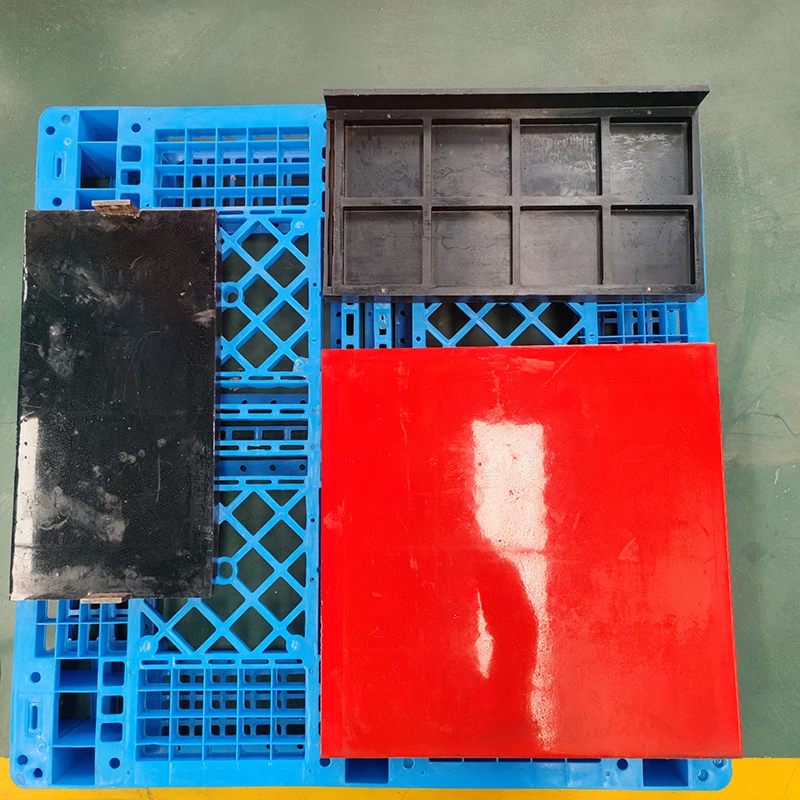
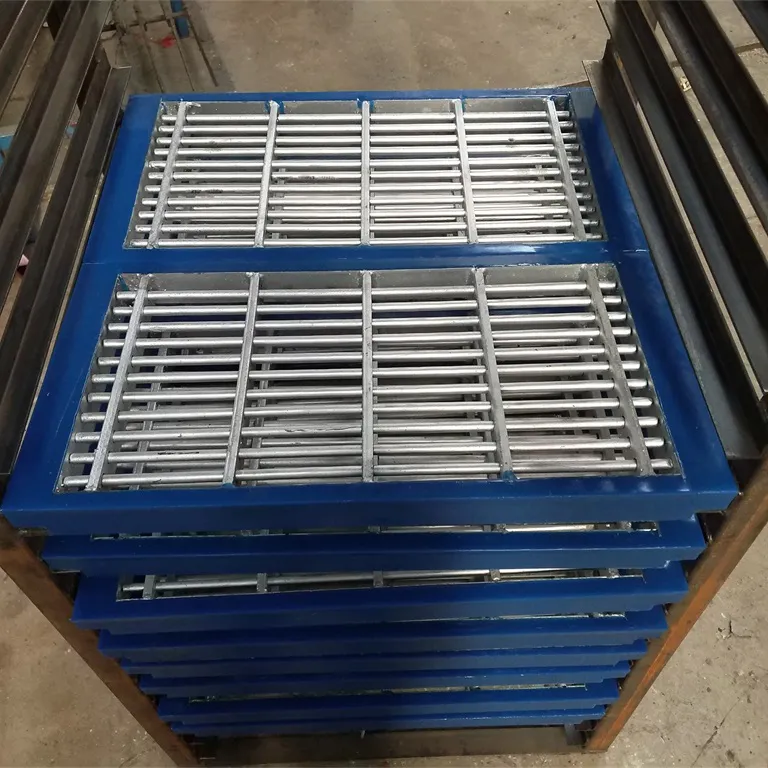
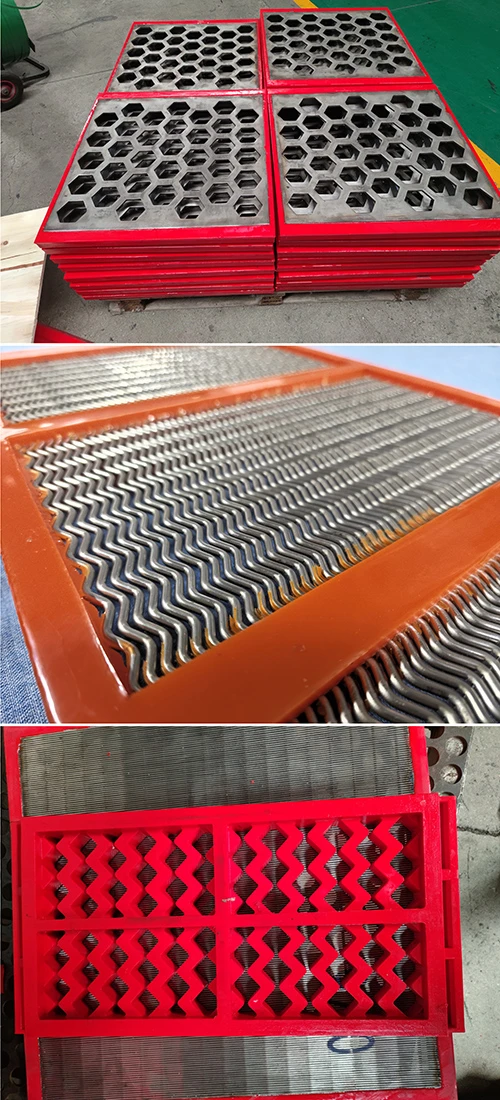
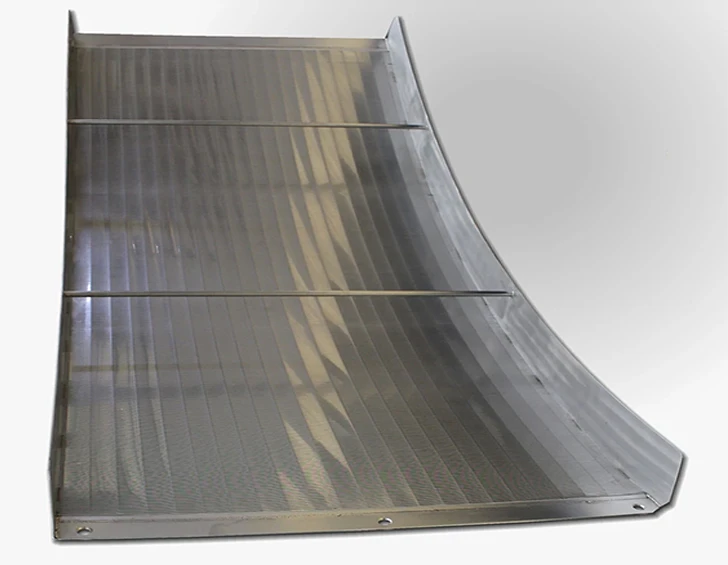
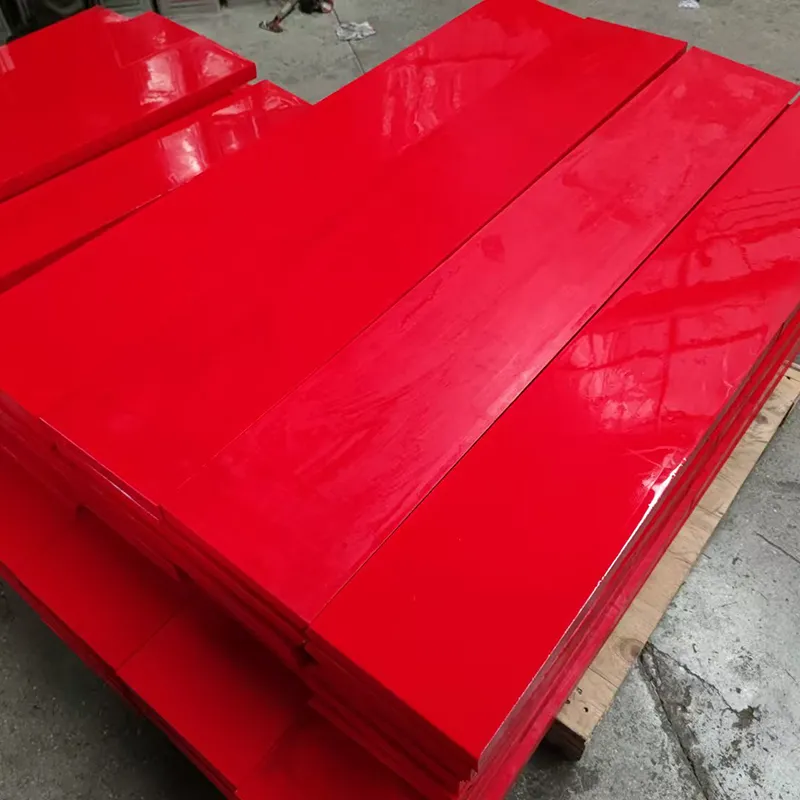
At the core of a vibrating screen's efficiency is the consistent and uniform tensioning of its screen media. The Vibrating Screen Side Pressure Plate plays a pivotal role in this process. Essentially, these plates are robust structural components mounted along the sides of the screen deck, applying precise and constant pressure to secure the screen panels (whether woven wire, perforated plate, or more commonly, polyurethane screens) to the screen frame. This pressure ensures that the screen media remains taut, preventing sagging, fluttering, or premature wear due to improper tension.
So, what do vibration plates do for you in a practical sense? They ensure:
- Optimal Screen Performance: Properly tensioned screens vibrate uniformly, allowing for efficient material separation and minimizing blinding or pegging.
- Extended Screen Media Life: Preventing slack or uneven tension reduces stress points and abrasive wear on the screen panels, significantly prolonging their service life.
- Structural Integrity: The side pressure plates contribute to the overall rigidity of the screen deck, absorbing operational stresses and ensuring stable vibration patterns.
- Reduced Downtime: By securing screen panels effectively, these plates minimize the frequency of re-tensioning or replacement, leading to less operational downtime and higher productivity.
- Enhanced Safety: A securely fitted screen panel is less likely to detach during operation, improving workplace safety.
Without these critical components, the effectiveness of even the most advanced polyurethane screens would be severely compromised, leading to inefficient separation, increased wear, and ultimately, higher operational costs.
Technical Specifications and Design Principles
The design and material selection for Vibrating Screen Side Pressure Plates are critical for their performance and durability. These components are subjected to continuous vibratory stress, abrasive conditions, and often corrosive environments.
Material Selection and Metallurgy:
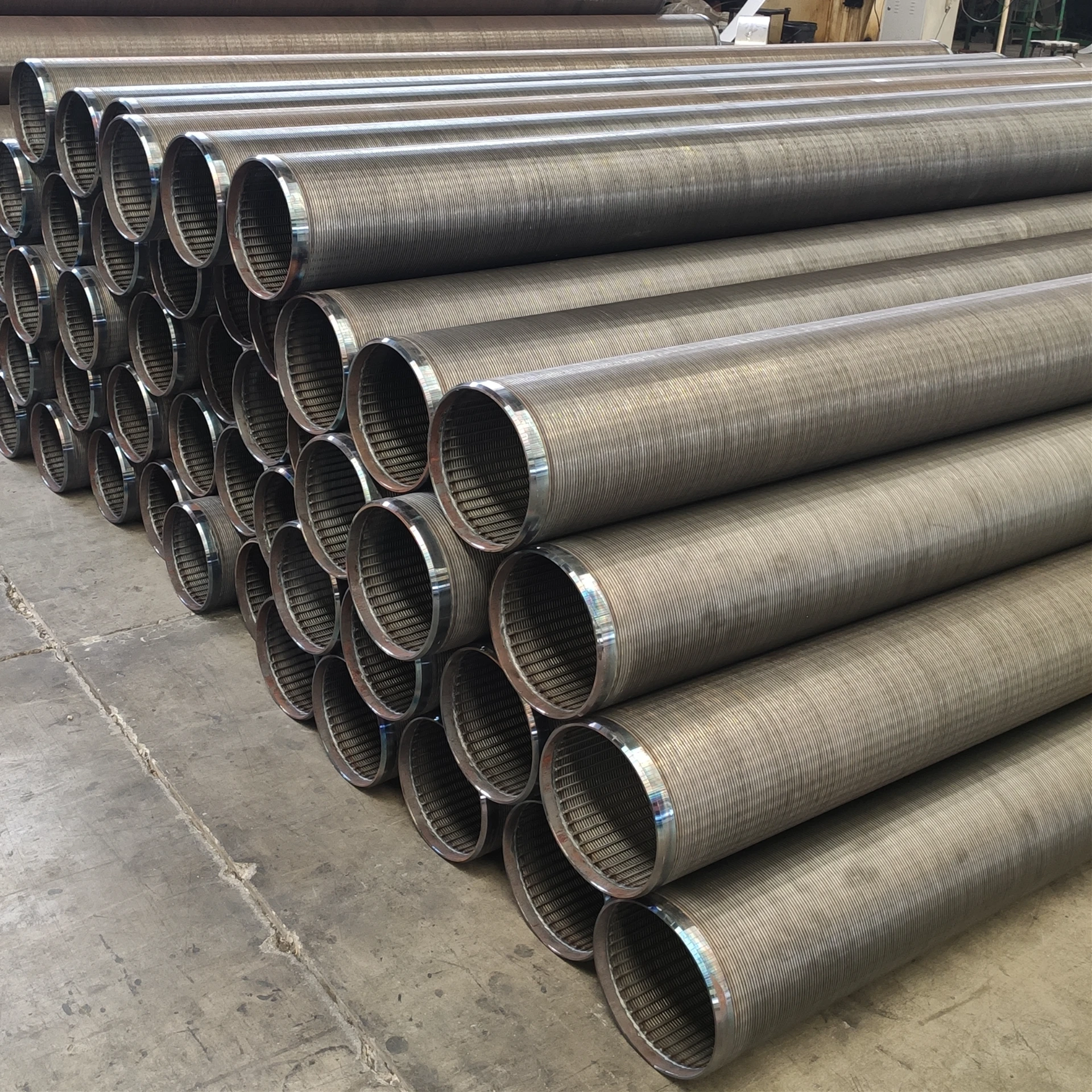
- High-Strength Alloy Steels: Typically manufactured from high-grade carbon steel, alloy steel (e.g., Q235, Q345, or equivalents like S355JR), or specialized wear-resistant steel. These materials offer excellent tensile strength, yield strength, and fatigue resistance essential for vibrating machinery.
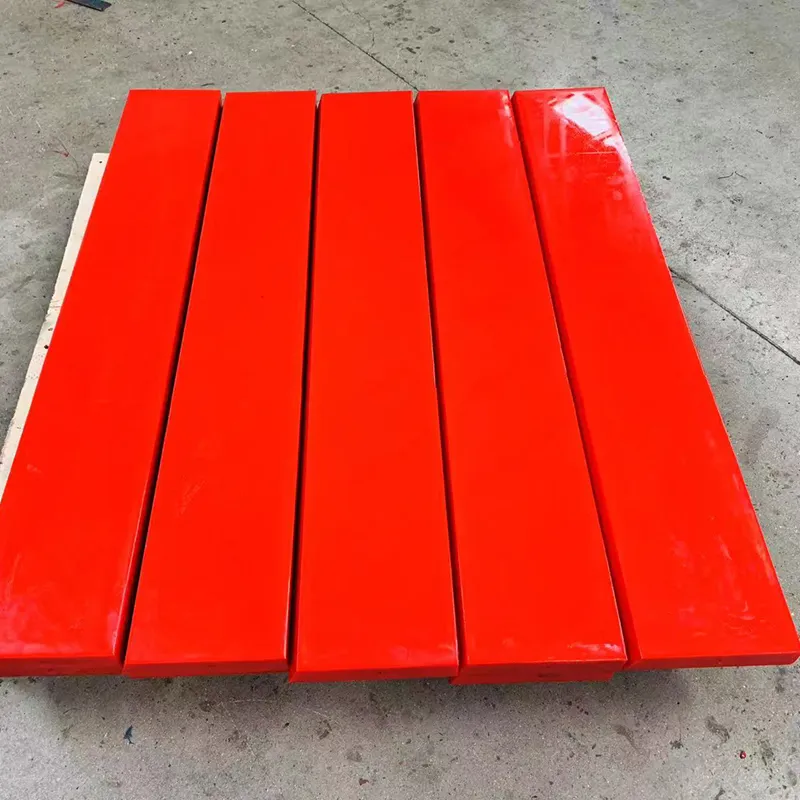
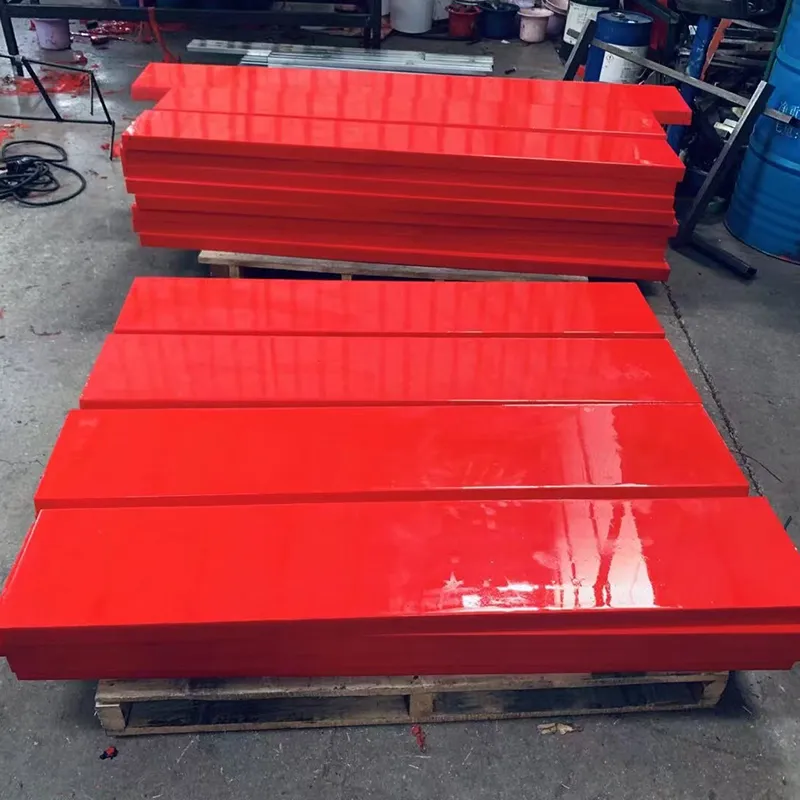
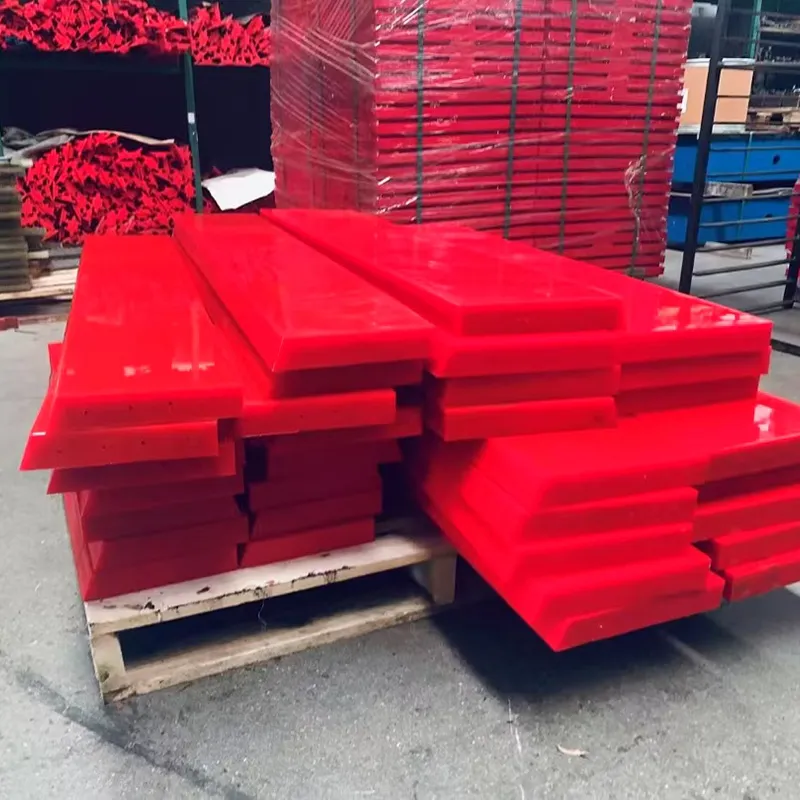
- Surface Treatments: To combat wear and corrosion, plates often undergo surface hardening, heat treatment, or are coated with protective layers such as rubber or polyurethane. These coatings not only enhance resistance to abrasion and impact but can also reduce noise levels.
Key Dimensions and Parameters:
Dimensions vary significantly based on the specific vibrating screen model and application. Critical parameters include length, width, thickness, and bolt hole patterns, which must precisely match the screen deck's specifications.
| Parameter | Description / Value Range | Standard Compliance |
|---|---|---|
| Material Grade | High-tensile alloy steel (e.g., Q235, Q345, S355JR, NM400) | ASTM A36, EN S355, GB/T 1591 |
| Thickness Range | 10 mm to 30 mm (Application Dependent) | ISO 286 (for dimensional tolerances) |
| Length Range | 0.5 m to 3.0 m (Customizable) | Client-specific / Machine OEM |
| Surface Hardness | Up to 500 HB (for wear-resistant variants) | ASTM E10, ISO 6506 |
| Corrosion Resistance | Enhanced with coatings (galvanizing, polyurethane, rubber) | ASTM B117 (Salt Spray Test) |
| Tensile Strength | 400 - 1000 MPa (Dependent on material) | ASTM E8, ISO 6892-1 |
The precise engineering of these specifications dictates the ability of the plate to endure dynamic stresses and maintain constant pressure on the screen media, thus defining what do vibration plates do for you in terms of sustained performance.
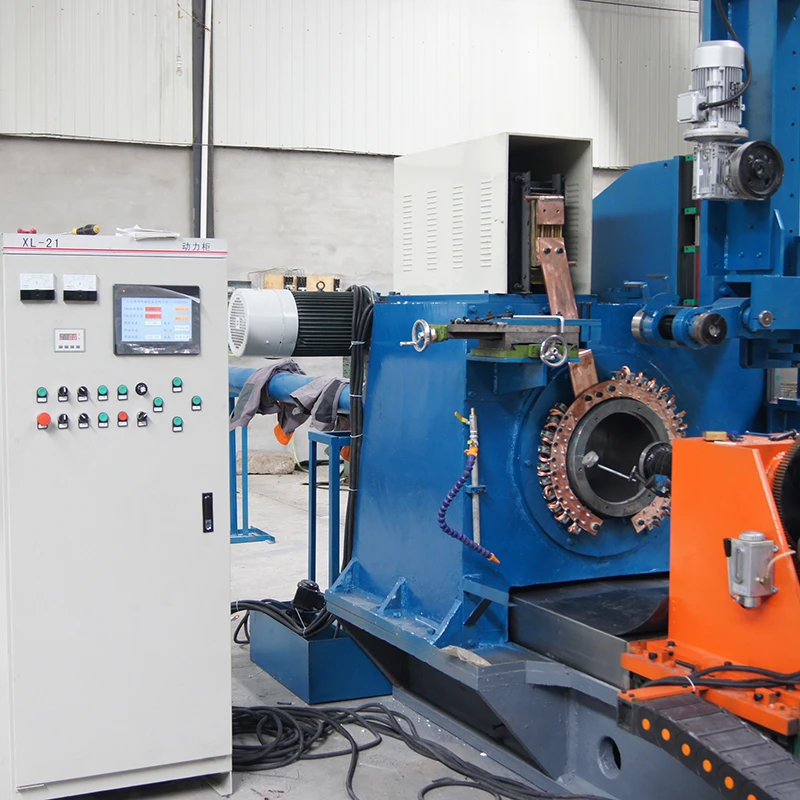
Manufacturing Process Flow for Vibrating Screen Side Pressure Plates
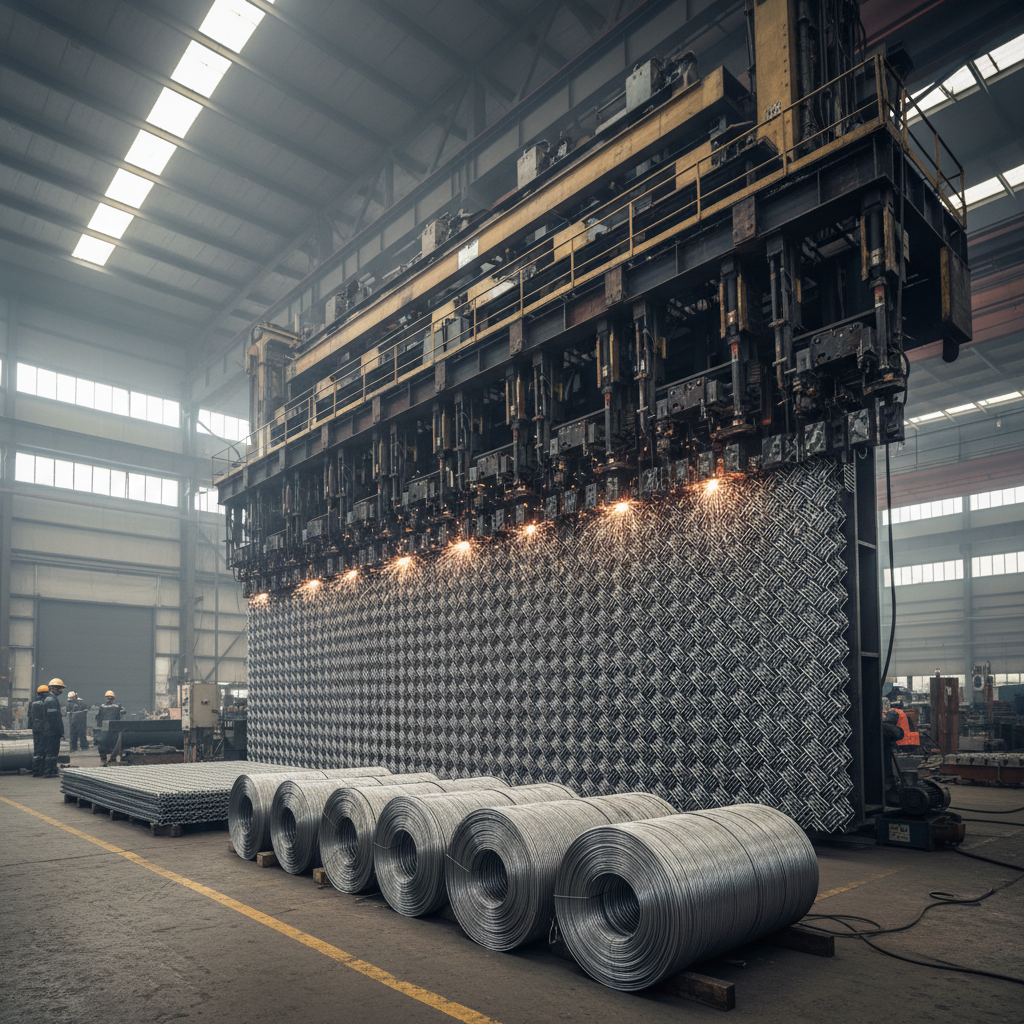
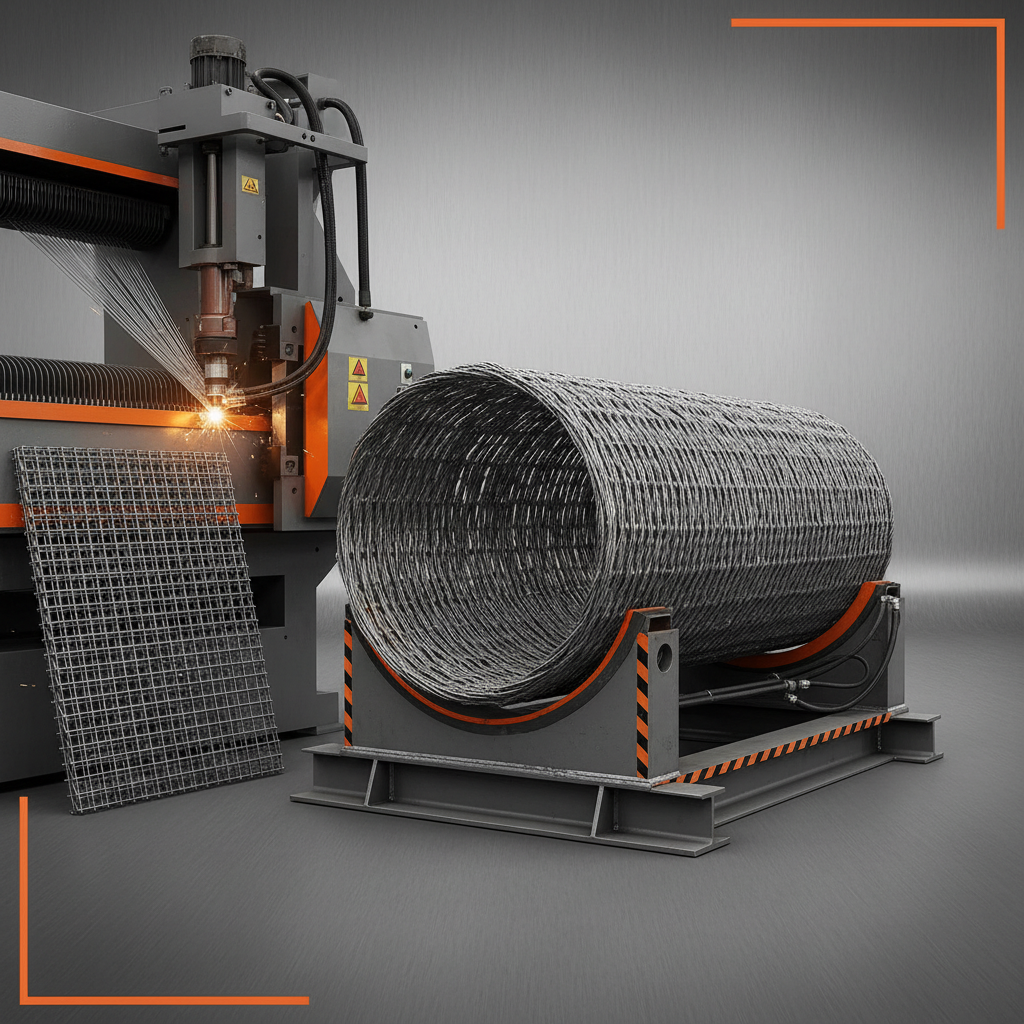
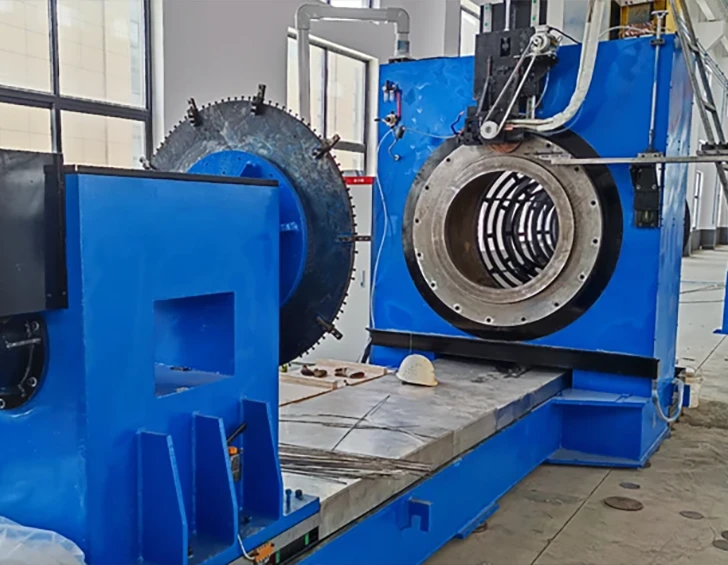
The production of high-quality Vibrating Screen Side Pressure Plates involves a meticulously controlled multi-stage process, ensuring dimensional accuracy, material integrity, and long-term durability. This systematic approach guarantees that the final product consistently performs its crucial function in a vibrating screen, effectively answering the question of what do vibration plates do for you by maintaining screen tension under extreme conditions.
Schematic Manufacturing Process Steps
- Material Selection & Sourcing: High-grade alloy steel plates (e.g., Q345B, S355JR) are selected based on required tensile strength, yield strength, and fatigue resistance. For specialized applications, wear-resistant steels like NM400 might be chosen.
- Cutting: Precision cutting using CNC laser cutting, plasma cutting, or flame cutting ensures accurate dimensions and minimal material waste. This prepares the raw plate for subsequent shaping.
- Forming & Bending (Forging/Casting where applicable): Depending on the design, plates might undergo bending processes to achieve specific profiles. For complex geometries or extremely high-stress applications, forging can provide superior grain structure and strength, while casting is used for highly intricate shapes.
- Drilling & Machining (CNC Machining): Bolt holes and other features are precisely drilled using CNC machining centers. This ensures perfect alignment with the vibrating screen frame and screen media, crucial for even tensioning.
- Welding (if composite): For designs requiring multiple sections or reinforcement, advanced welding techniques (e.g., MIG/MAG, TIG) are employed, followed by post-weld inspection to ensure joint integrity.
- Heat Treatment: Stress relieving, hardening, or tempering processes are applied to optimize material properties, enhancing wear resistance and mitigating internal stresses.
- Surface Treatment & Coating: This critical step involves processes like shot blasting for surface preparation, followed by anti-corrosion priming, painting, galvanizing, or application of wear-resistant coatings (e.g., rubber lining, polyurethane). These treatments significantly extend service life, especially when used with polyurethane screens.
- Quality Control & Testing: Each batch undergoes stringent quality checks including dimensional inspection, material composition analysis (Spectroscopy), mechanical property tests (tensile, hardness), and coating adhesion tests. Compliance with international standards such as ISO 9001, ASTM, and ANSI is rigorously maintained.
- Packaging & Dispatch: Finished products are carefully packaged to prevent damage during transit, ready for distribution to clients worldwide.
This meticulous process ensures that each Vibrating Screen Side Pressure Plate delivers a service life typically ranging from 12 to 36 months, depending on operating conditions and material abrasiveness. Target industries include petrochemical, metallurgy, mining, aggregate processing, and water supply & drainage, where robust and reliable screening components are non-negotiable.
Application Scenarios and Target Industries
The versatility and robust construction of Vibrating Screen Side Pressure Plates make them indispensable across a wide array of heavy industrial applications. Their primary function, in essence, is to define what do vibration plates do for you in diverse, demanding environments where reliable material separation is critical.
- Mining & Mineral Processing: Used extensively in the classification of ores, aggregates, coal, and other minerals. They are crucial for securing screen panels in large vibratory screens, which operate continuously under heavy loads and abrasive conditions. The stability provided by these plates is vital for effective separation, especially with high-performance polyurethane screens.
- Construction & Aggregate Industry: Essential for screening sand, gravel, crushed stone, and recycled materials. Side pressure plates ensure optimal tension for sizing aggregates used in concrete, asphalt, and road construction.
- Metallurgy: In steel mills and metal processing, they secure screens used for separating slag, coke, and various metal powders. The high temperatures and abrasive materials in these environments demand superior material integrity.
- Coal Preparation Plants: Used for sizing and dewatering coal, these plates ensure that screens perform effectively, contributing to the purity and efficiency of coal processing.
- Chemical & Petrochemical Industries: For the separation of solid particles from liquids or granular material classification, requiring corrosion-resistant side pressure plates due to exposure to various chemicals.
- Waste Management & Recycling: In facilities processing municipal solid waste (MSW), construction and demolition (C&D) debris, or other recycled materials, screens equipped with reliable pressure plates sort different fractions efficiently.
- Water Supply & Drainage Systems: Used in wastewater treatment plants for screening incoming raw sewage or industrial effluent to remove large solids, where corrosion resistance is a paramount feature.
In each of these scenarios, the consistent performance enabled by high-quality side pressure plates directly impacts operational uptime, product quality, and cost-efficiency.
Technical Advantages and Performance Benefits
Investing in superior Vibrating Screen Side Pressure Plates yields a multitude of technical and economic advantages for industrial operations. These benefits directly address the core inquiry of what do vibration plates do for you in terms of enhancing overall screening performance.
- Enhanced Screening Efficiency: By ensuring optimal and uniform tensioning of the screen media, side pressure plates prevent material bypassing and improve classification accuracy. This leads to a higher yield of desired product and reduced waste, especially when paired with specialized polyurethane screens.
- Extended Screen Media Service Life: Proper tension significantly reduces premature wear, tearing, and sagging of screen panels. This can extend the life of expensive screen media by up to 30-50%, leading to substantial cost savings.
- Reduced Maintenance Downtime: With fewer instances of screen failure or re-tensioning, operational uptime is maximized, translating directly into increased productivity and profitability.
- Energy Saving: An efficiently tensioned screen requires less energy to achieve optimal vibration and material movement. By preventing "lazy" or inefficient screen action, these plates indirectly contribute to lower power consumption for the entire vibrating screen system.
- Corrosion and Abrasion Resistance: High-quality plates, often with specialized coatings like polyurethane or rubber, offer superior resistance to corrosive substances and abrasive materials, making them ideal for harsh environments such as mining and chemical processing.
- Improved Safety: Securely fastened screen media reduces the risk of panel detachment during operation, enhancing worker safety and minimizing potential for equipment damage.
- Vibration Dampening: Some designs and materials contribute to minor vibration dampening, reducing noise levels and stress on the overall screen structure.
These collective advantages underscore the critical impact of precision-engineered side pressure plates on the efficiency, cost-effectiveness, and safety of industrial screening operations.
Vendor Comparison: Key Differentiators in Side Pressure Plate Manufacturing
When selecting a supplier for Vibrating Screen Side Pressure Plates, discerning B2B buyers must evaluate several critical factors beyond just price. The long-term performance and total cost of ownership are heavily influenced by the vendor's commitment to quality, engineering expertise, and customer support. Understanding what do vibration plates do for you means understanding the underlying quality that delivers those benefits.
| Criterion | High-Quality Vendor | Standard Vendor (Potential Risks) |
|---|---|---|
| Material Quality | Uses certified, high-grade alloy steels (e.g., S355JR, NM400), with documented material origin and specifications. Offers advanced coatings (e.g., specific density polyurethane, ceramic liners). | Utilizes generic or lower-grade steels without clear traceability. Limited or inferior coating options, leading to rapid wear. |
| Manufacturing Precision | Employs CNC machining, laser cutting, and robotic welding. Adheres to strict dimensional tolerances (e.g., ISO 2768-mK). Consistent hole patterns and smooth finishes. | Manual processes, less precise cutting, inconsistent hole alignment, rough finishes. Leads to fitment issues and uneven tensioning. |
| Quality Assurance & Certifications | ISO 9001 certified. Rigorous QC at every stage (material, dimensions, welding, coating). Provides material test certificates and performance data. | Limited or no formal quality management system. Sporadic inspections, no comprehensive documentation. |
| Customization Capabilities | Offers tailored solutions for specific screen models, material types, and operating conditions. Strong R&D for unique challenges. | Limited standard sizes only, inability to adapt to custom requirements, forcing compromises on performance. |
| Technical Support & After-Sales | Dedicated engineering support, installation guidance, troubleshooting, comprehensive warranty, and efficient spare parts supply. | Minimal or no technical assistance, short or unclear warranty, difficulty in sourcing replacements or getting support. |
| Lead Time & Logistics | Transparent lead times, reliable on-time delivery, efficient global logistics network. | Unpredictable delivery schedules, frequent delays, poor communication regarding shipment status. |
Choosing a vendor that excels across these parameters ensures not only a high-quality product but also a partnership that contributes to sustained operational excellence.
Customized Solutions for Unique Screening Challenges
No two industrial screening applications are identical. Variations in material properties, machine types, environmental conditions, and operational goals necessitate a flexible approach to component supply. A truly proficient manufacturer understands that what do vibration plates do for you often depends on their ability to be specifically adapted to a given context.
- Tailored Dimensions and Designs: While standard sizes exist, many operations require custom lengths, widths, thicknesses, or unique bolt hole patterns to perfectly fit non-standard vibrating screens or specific OEM requirements.
- Material Specialization: Depending on the abrasiveness, corrosiveness, or temperature of the processed material, the base metal can be adjusted (e.g., ultra-high-strength steel for extreme impact, stainless steel for chemical resistance).
- Advanced Coatings: For highly abrasive or sticky materials, custom polyurethane, rubber, or ceramic coatings can be applied to the pressure plates. These coatings protect the metal substrate, reduce noise, and prevent material build-up. For example, a 10mm thick polyurethane lining can extend the plate's wear life by over 150% in highly abrasive wet screening applications compared to untreated steel.
- Compatibility with Screen Media: Ensuring seamless integration with various screen media types, from woven wire to modular polyurethane screens, is crucial. Custom pressure plates can be designed with specific profiles or retention mechanisms to optimize the tensioning of these diverse media.
- Engineering Consultation: Leading manufacturers offer engineering support, working closely with clients to analyze their specific operational challenges and design a custom side pressure plate solution that precisely meets their needs, optimizing performance and extending component life.
This bespoke approach maximizes the return on investment by providing components perfectly suited to the application's demands, ultimately enhancing the overall efficiency and reliability of the vibrating screen system.
Application Case Studies & Customer Feedback
Real-world results unequivocally demonstrate the impact of high-quality Vibrating Screen Side Pressure Plates. These case studies highlight what do vibration plates do for you in improving operational metrics and client satisfaction.
- Case Study 1: Large-Scale Aggregate Quarry
A major aggregate producer faced frequent screen media replacement (every 3 months) due to premature tearing caused by uneven tension on their primary scalping screen. After upgrading to custom-designed, polyurethane-coated side pressure plates from a specialized vendor, their screen media life (using polyurethane screens) increased to an average of 9 months. This resulted in an estimated 60% reduction in screen media costs and a 75% decrease in associated downtime for changeovers, leading to an annual saving of over $150,000 for that single screen.
- Case Study 2: Mineral Sands Processing Plant
A mineral sands operation experienced inconsistent separation efficiency and high wear on standard steel pressure plates due to abrasive silica particles and corrosive conditions. Implementing specialized alloy steel side pressure plates with a robust rubber lining significantly extended the plates' service life from 6 months to 18 months. Furthermore, improved screen tension led to a 5% increase in desired mineral recovery, directly impacting the plant's profitability. "The difference in material recovery was noticeable immediately," reported the plant manager. "These plates are a game-changer for our process reliability."
- Case Study 3: Coal Preparation Facility
A coal processing facility struggled with 'blinding' (clogging) of their dewatering screens due to insufficient and inconsistent tension, which led to high moisture content in the final coal product. By replacing worn-out standard plates with precisely machined, high-tolerance side pressure plates, the facility achieved superior screen tension. This led to a 1.5% reduction in final product moisture content and a 10% increase in throughput, highlighting the direct link between component quality and process efficiency. The operational team praised the ease of installation and the immediate performance uplift.
These examples underscore that the correct application of high-quality Vibrating Screen Side Pressure Plates is not just about component replacement, but a strategic investment in the entire screening process, delivering tangible benefits in efficiency, longevity, and cost savings.
Quality Assurance, Certifications, and Authoritative Standards
Authoritativeness and trustworthiness are built upon a foundation of stringent quality control and adherence to international standards. For Vibrating Screen Side Pressure Plates, this commitment ensures consistent performance and reliability, directly informing what do vibration plates do for you in the most critical industrial applications.
- ISO 9001:2015 Certification: A globally recognized standard for quality management systems, ensuring that design, development, production, installation, and service processes consistently meet customer and regulatory requirements. This certification is a hallmark of a vendor's commitment to quality.
- Material Certifications: All raw materials, especially high-strength alloy steels, should be sourced from reputable suppliers and accompanied by Material Test Certificates (MTCs), verifying their chemical composition and mechanical properties against standards like ASTM, EN, or GB.
- Dimensional Accuracy: Manufacturing processes adhere to tight tolerances specified by standards like ISO 286 (for linear and angular dimensions) or specific OEM drawings, critical for perfect fitment and even tensioning of screen media, including polyurethane screens.
- Welding Standards: If plates involve welding (e.g., for reinforcements or specialized profiles), welding procedures (WPS) and welder qualifications (WPQ) must comply with international standards such as ISO 9606 or ASME Section IX, ensuring weld integrity.
- Coating and Surface Finish Standards: For coated plates (e.g., galvanized, rubber, or polyurethane-lined), tests such as adhesion strength (ASTM D3359), hardness (ASTM D2240 for rubber/polyurethane), and corrosion resistance (ASTM B117 salt spray test) are conducted to ensure optimal protection and longevity.
- Internal Testing Protocols: Beyond external certifications, reputable manufacturers implement rigorous internal testing, including fatigue testing, simulated stress analysis, and long-term operational performance validation to ensure components withstand the demanding vibratory environment.
A supplier's adherence to these authoritative standards and commitment to transparent quality assurance processes provides invaluable trust and confidence, ensuring that the Vibrating Screen Side Pressure Plates delivered are of the highest caliber and will perform reliably in the field.
Frequently Asked Questions (FAQ)
Q1: What materials are typically used for Vibrating Screen Side Pressure Plates?
A1: High-strength alloy steels like Q345B, S355JR, or specialized wear-resistant steels such as NM400 are common. For enhanced durability and specific applications, these plates may be coated with rubber or polyurethane.
Q2: How do side pressure plates contribute to energy saving?
A2: By ensuring optimal and uniform tension of the screen media, they allow the vibrating screen to operate at peak efficiency. This reduces wasted energy from inefficient vibration patterns or material bypassing, translating to lower power consumption for the entire screening process. This is a direct answer to what do vibration plates do for you in terms of operational cost.
Q3: Can these plates be customized for specific screen models or applications?
A3: Absolutely. Leading manufacturers offer comprehensive customization services, including tailored dimensions, unique bolt patterns, specialized material grades, and application-specific coatings (e.g., for highly corrosive or extremely abrasive environments).
Q4: What is the typical service life of a high-quality side pressure plate?
A4: While highly dependent on operating conditions (material abrasiveness, vibration intensity, maintenance), high-quality side pressure plates manufactured from robust materials and with appropriate surface treatments can offer a service life typically ranging from 12 to 36 months, significantly outperforming standard alternatives.
Q5: Are these plates compatible with polyurethane screens?
A5: Yes, they are fully compatible. In fact, due to the superior performance and investment in polyurethane screens, using precisely engineered side pressure plates is even more critical to maximize the lifespan and efficiency benefits of polyurethane media.
Lead Time, Warranty, and After-Sales Support
Reliability extends beyond product quality to encompass the entire customer journey, from initial inquiry to post-purchase support.
- Lead Time & Fulfillment:
Standard lead times for Vibrating Screen Side Pressure Plates typically range from 2 to 4 weeks, depending on order volume and customization requirements. Expedited production and shipping options are often available for urgent requirements. Detailed production schedules and real-time order tracking are provided to ensure transparency and timely delivery.
- Warranty Commitments:
A comprehensive warranty of 12-24 months against manufacturing defects is standard. This warranty covers material flaws, structural integrity, and adherence to specified dimensions and coatings under normal operating conditions. Full warranty terms and conditions are provided with every quotation and order.
- Customer Support & Technical Assistance:
Dedicated after-sales support is crucial. This includes access to experienced technical engineers for installation guidance, troubleshooting, and optimization advice. Responsive communication channels (email, phone, online portals) ensure that any operational questions or concerns are addressed promptly, minimizing potential downtime and maximizing the effective lifespan of the components.
This commitment to service ensures that clients not only receive high-quality products but also benefit from a reliable partnership throughout the lifespan of their screening equipment.
Conclusion
The Vibrating Screen Side Pressure Plate, while a seemingly modest component, is an indispensable element in the complex mechanics of industrial screening. Its precise engineering, robust material selection, and critical role in maintaining screen media tension directly answer the question of what do vibration plates do for you – they are fundamental to achieving optimal separation efficiency, extending component life, reducing operational costs, and ensuring safe operation.
As industries continue to demand higher performance, greater durability, and enhanced sustainability from their processing equipment, the importance of investing in high-quality, technically superior side pressure plates becomes increasingly clear. Coupled with advanced screen media like polyurethane screens, these components form the backbone of efficient and reliable material classification, driving productivity and profitability in the most demanding environments.
References
- Mordor Intelligence. "Mining Equipment Market - Growth, Trends, COVID-19 Impact, and Forecasts (2022 - 2027)." (Market analysis on mining equipment demand).
- International Organization for Standardization (ISO). Various standards including ISO 9001, ISO 286, ISO 6892-1, ISO 6506, ISO 9606. (Authoritative standards for quality and testing).
- ASTM International. Various standards including ASTM A36, ASTM E8, ASTM E10, ASTM B117, ASTM D3359, ASTM D2240. (Authoritative standards for materials and testing).
- American National Standards Institute (ANSI). (Relevant for specific mechanical component standards).
- Engineering data from leading manufacturers of vibrating screens and screen media. (Industry-specific performance data).