Understanding the Separation Dynamics: How Does a Centrifuge Separate Materials?
In industrial processes, achieving precise solid-liquid separation is critical for product purity, waste management, and operational efficiency. The fundamental question, how does a centrifuge separate materials, lies at the heart of numerous applications across diverse sectors. Centrifuges harness centrifugal force to accelerate the sedimentation of particles, enabling the efficient separation of components based on density, size, and shape differences. This mechanical separation technology is indispensable for processing slurries, suspensions, and emulsions where gravity alone is insufficient or too slow.
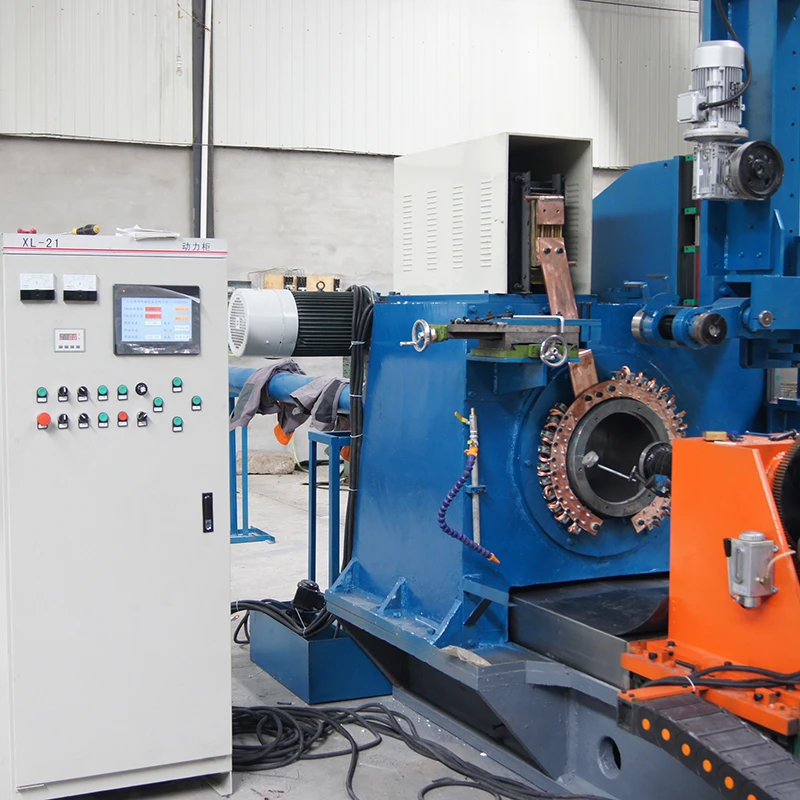
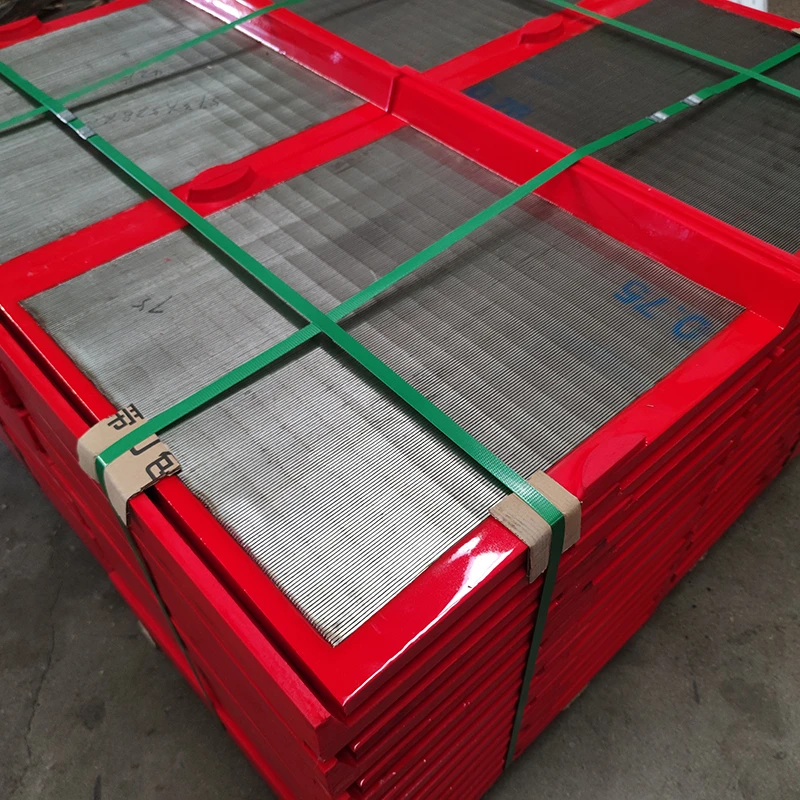
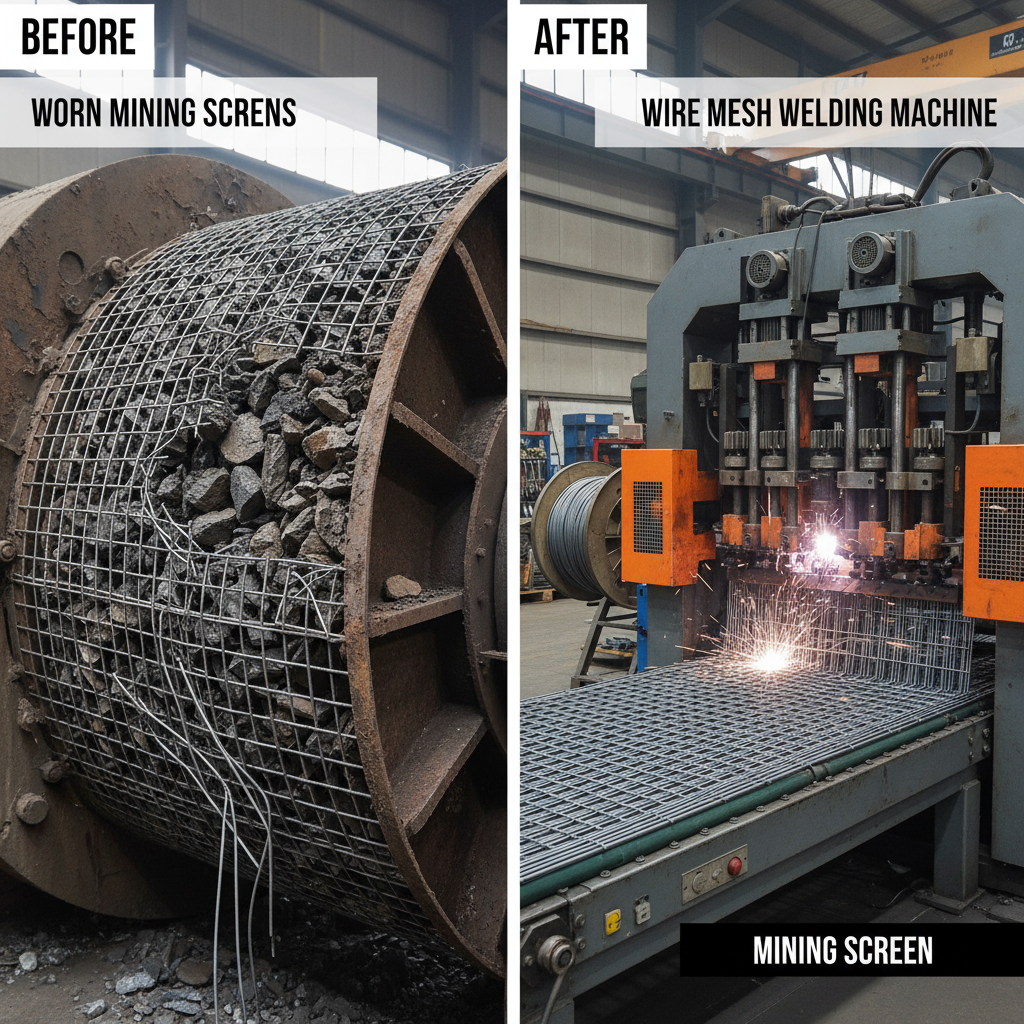
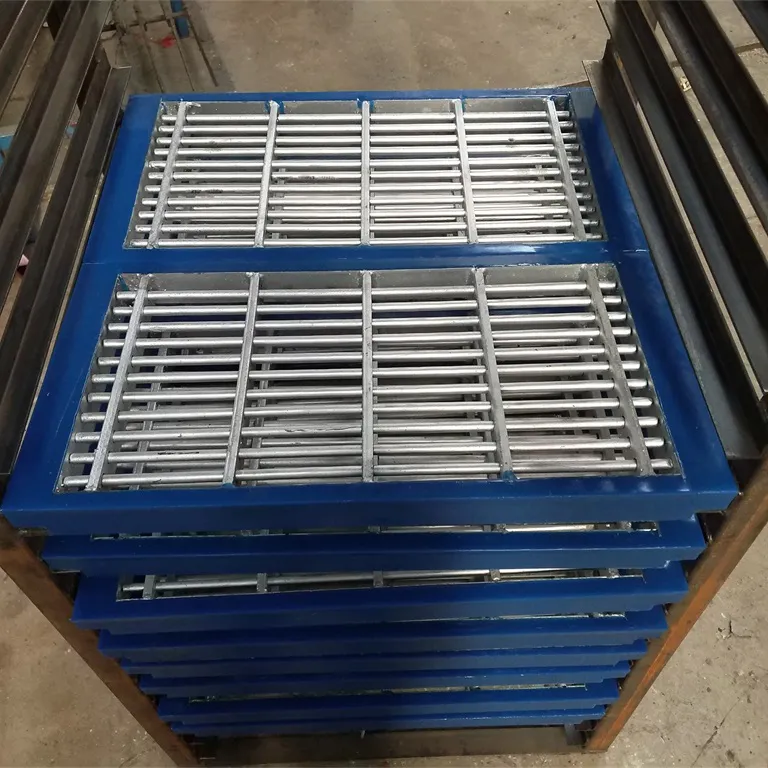
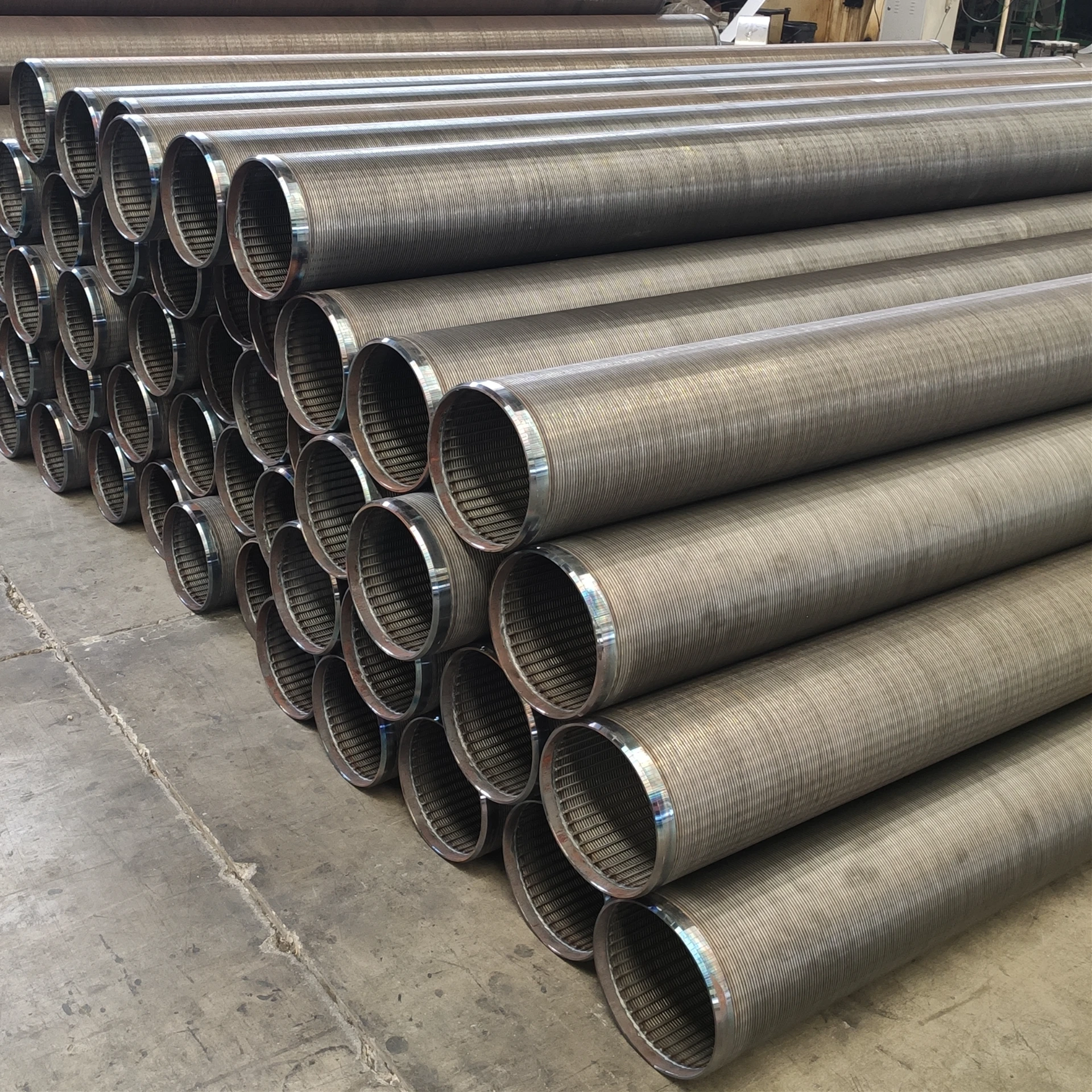
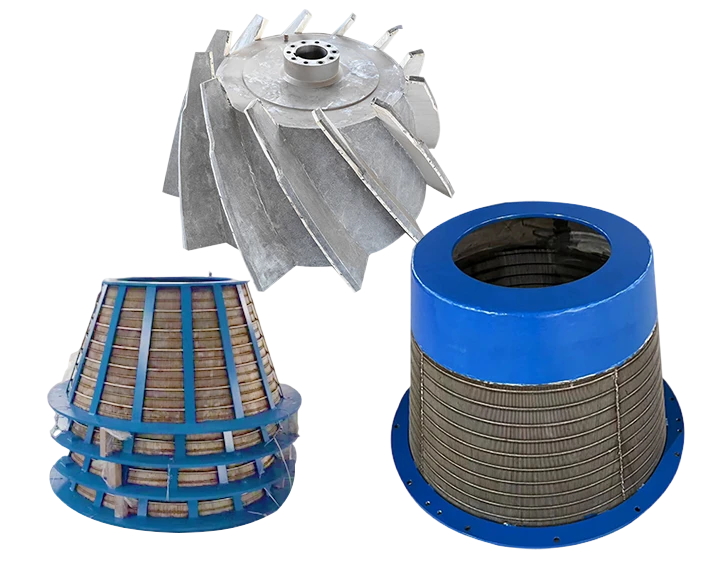
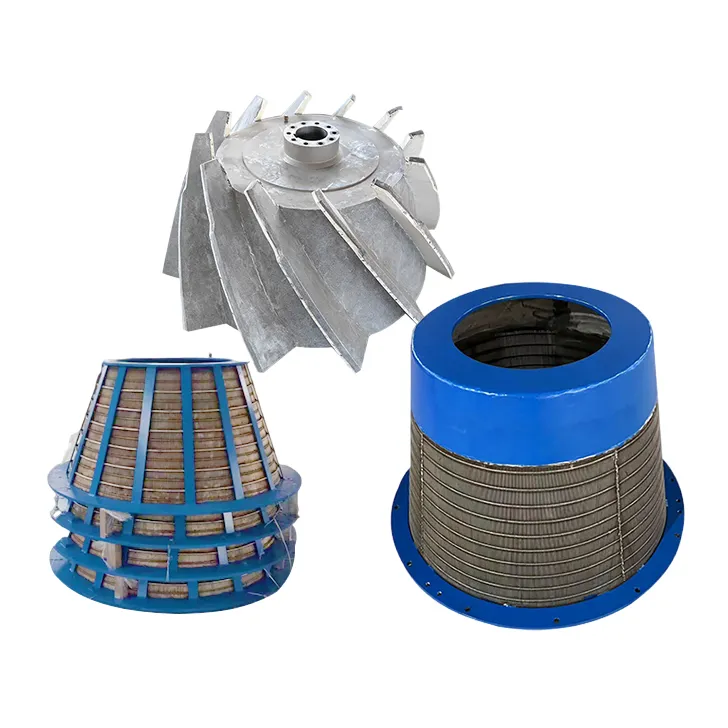
A key component in many industrial centrifuges, particularly those handling fine solids, is the centrifuge sieve or screen. These precisely engineered components, often designed as centrifuge baskets, determine the filtration efficiency and solid purity. The Scraper Centrifuge Unloader, a prime example of advanced centrifugal technology, exemplifies this principle by combining high-speed rotation with an automated scraping mechanism for continuous or batch discharge of solids, ensuring optimal productivity and minimal operator intervention.
Process Flow: Demystifying Centrifugal Separation
The operational sequence of how a centrifuge separates materials involves several integrated steps, designed to maximize efficiency and product recovery. For a Scraper Centrifuge Unloader, the process is largely automated, ensuring consistency and safety.
Detailed Manufacturing Process & Material Selection for Scraper Centrifuge Unloaders:
- 1. Material Selection: High-grade stainless steels (e.g., SS304, SS316L, Duplex Stainless Steel 2205/2507) are predominantly used for contact parts due to their superior corrosion resistance and mechanical strength, crucial for demanding chemical, pharmaceutical, and food processing environments. Specialized alloys like Hastelloy or Titanium are employed for highly aggressive media.
-
2. Component Fabrication:
- Casting/Forging: Components like the main rotor shaft, critical for structural integrity, are often forged from high-strength alloys to withstand extreme rotational forces. Housing parts may be cast.
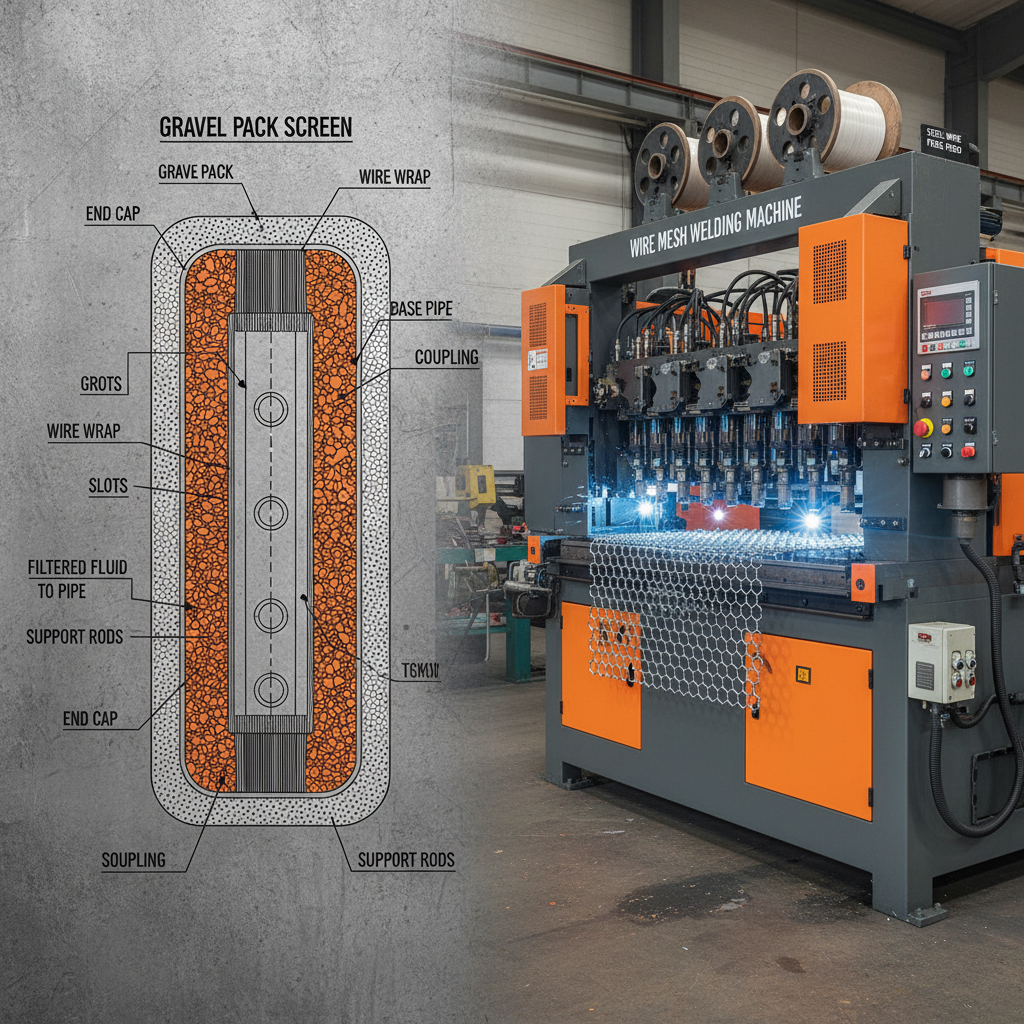
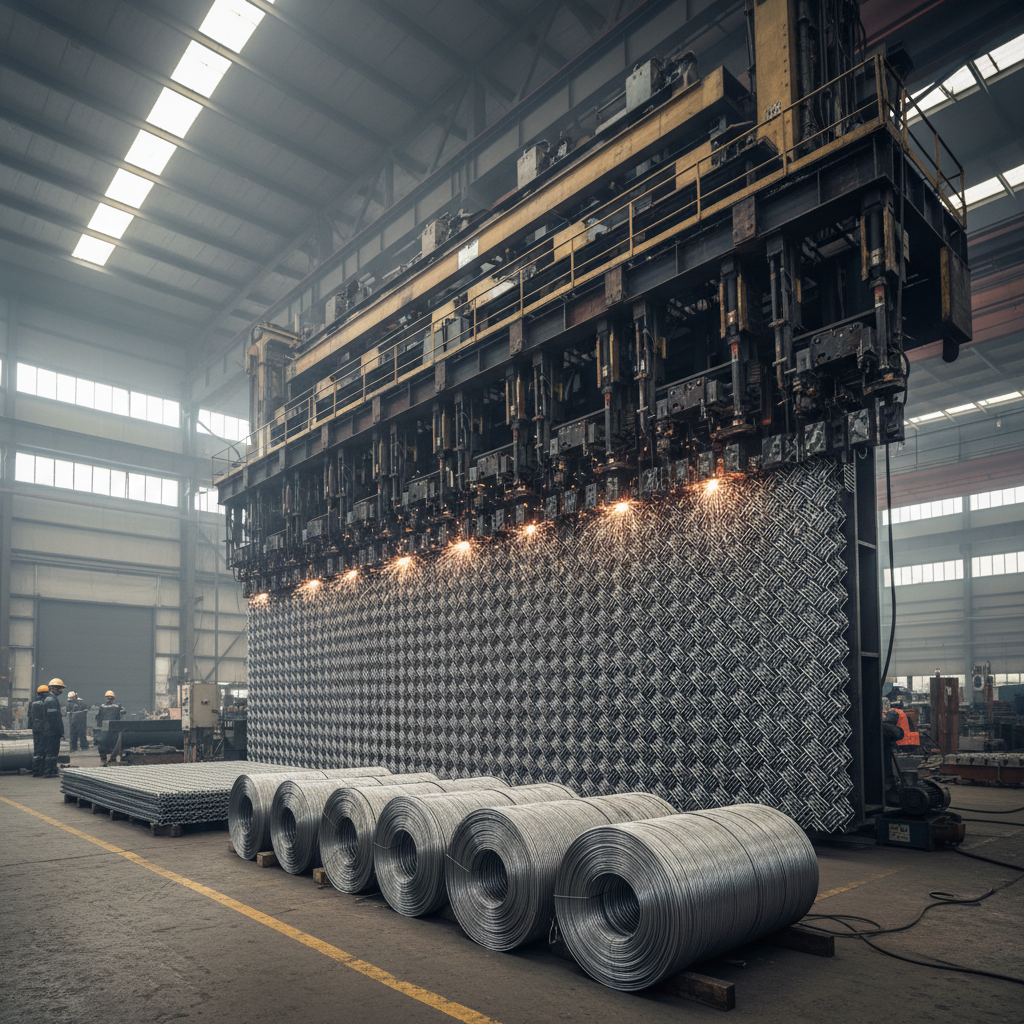
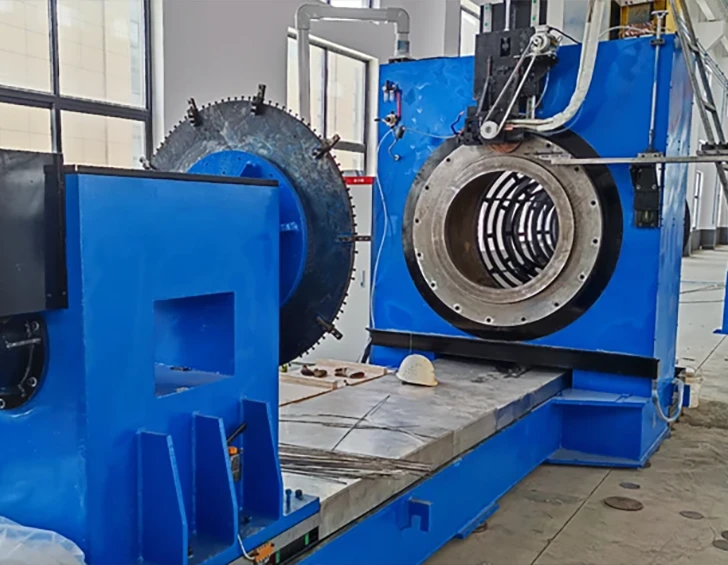
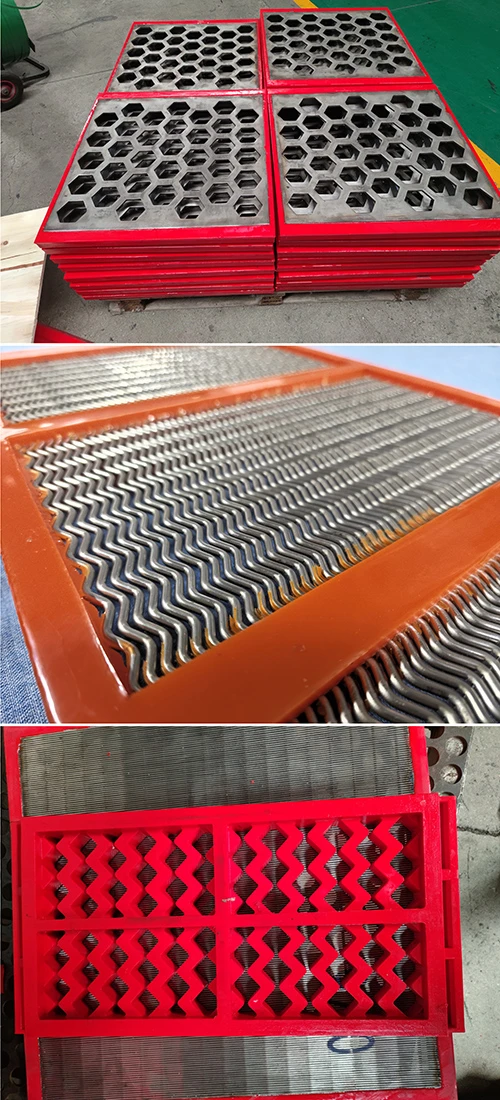
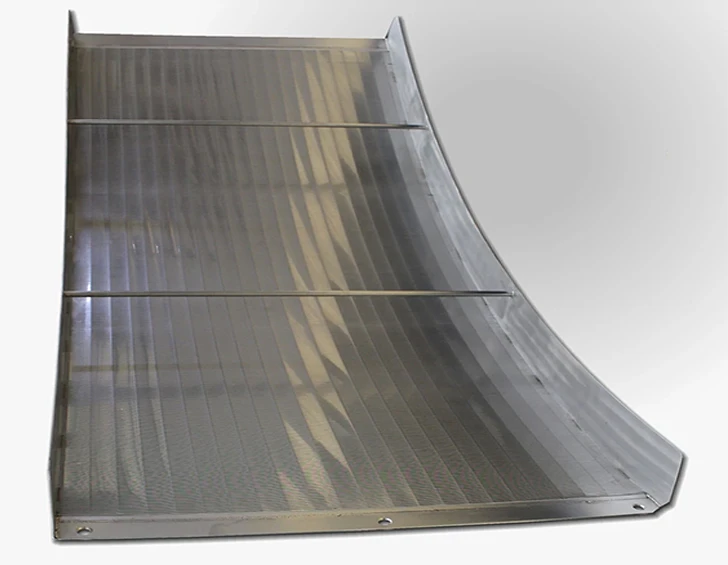
- CNC Machining: Precision is paramount. The centrifuge basket, the scraper blade, and other intricate parts are machined to tight tolerances using advanced CNC equipment. This ensures perfect balance, reduces vibration, and enhances service life. The centrifuge sieve, for instance, requires micro-perforations or wedge wire profiles machined with extreme accuracy.
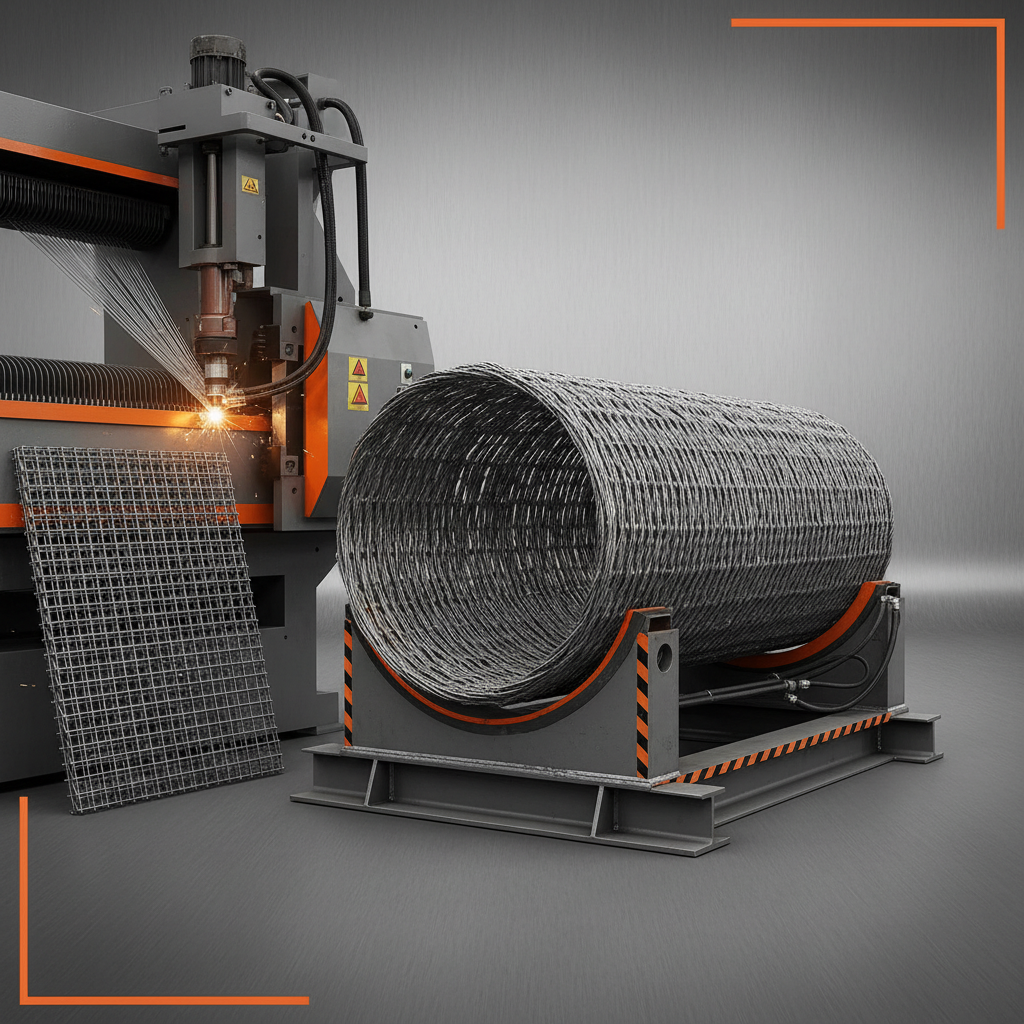
- Welding: Automated welding processes, often using TIG or MIG methods, ensure strong, corrosion-resistant seams, especially for the internal drum and casing.
- 3. Surface Treatment: Polishing, passivization, and specialized coatings (e.g., PTFE lining for highly corrosive applications) are applied to enhance corrosion resistance, reduce adhesion, and meet hygienic standards.
- 4. Assembly & Balancing: Critical rotating components undergo multi-stage dynamic balancing to eliminate vibrations and ensure smooth, stable operation at high speeds, extending the service life significantly (typically 15-20 years with proper maintenance).
- 5. Quality Control & Testing: Adherence to international standards like ISO 9001 for quality management, ANSI for flange connections, and ASME for pressure vessels is strictly maintained. Each unit undergoes rigorous performance testing, including vibration analysis, leak tests, and functional checks to ensure operational integrity.
Operational Schematic Steps:
1. Feeding
Slurry is fed into the rotating centrifuge basket. Centrifugal force rapidly separates solids from liquids.
2. Filtration
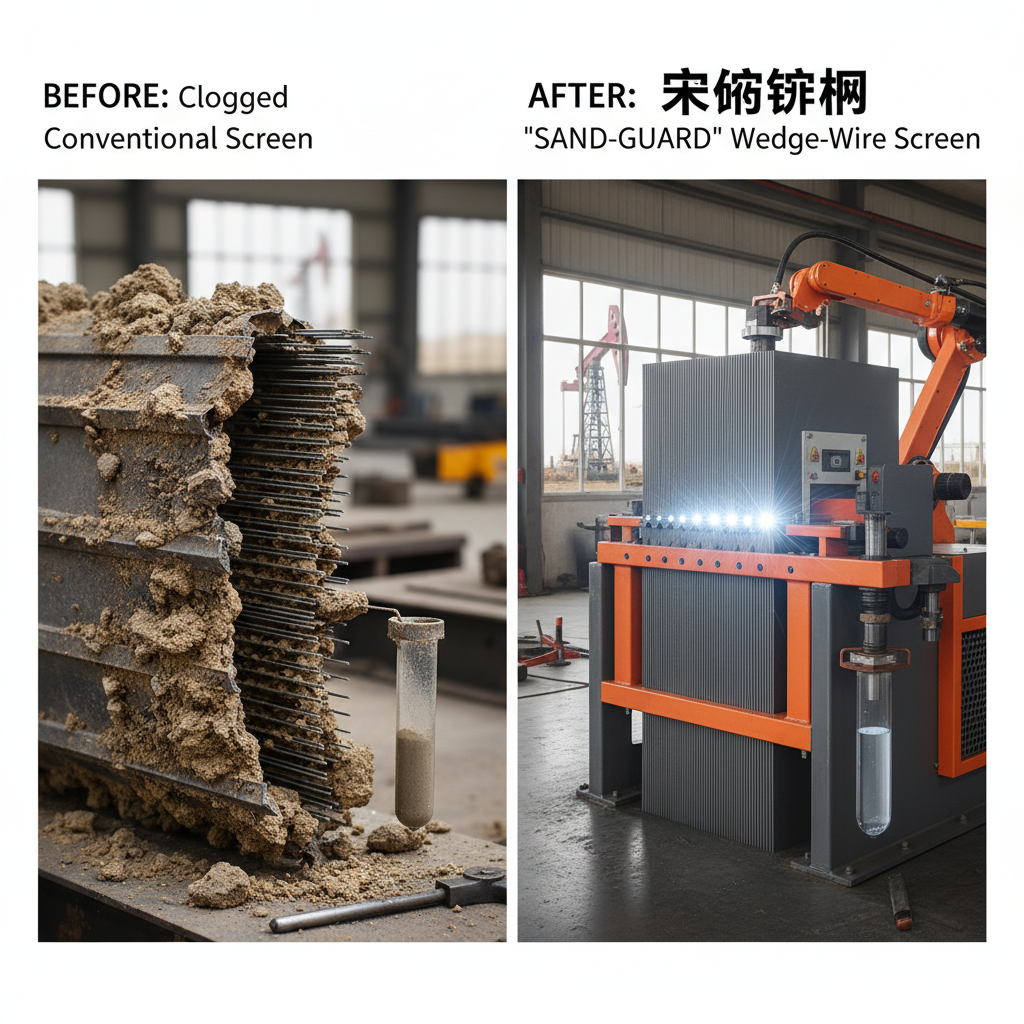
Liquid passes through the centrifuge sieve (filter cloth or wedge wire screen) and is discharged. Solids accumulate on the inner surface.
3. Washing (Optional)
Wash liquid is introduced to purify the solid cake, ensuring high product purity.
4. Drying
High-speed spinning reduces moisture content in the solid cake to desired levels.
5. Unloading
The rotating basket slows, and a scraper blade engages, removing the solid cake for discharge.
Target industries benefiting from this robust separation include petrochemicals (e.g., catalyst recovery), metallurgy (ore processing), pharmaceuticals (active pharmaceutical ingredient isolation), food and beverage (sugar, starch processing), and water supply & drainage (sludge dewatering).
Advantages in Typical Application Scenarios: For instance, in the petrochemical industry, the corrosion resistance of SS316L centrifuges ensures longevity when handling corrosive intermediates, while energy-saving designs with advanced motor controls reduce power consumption by up to 15% compared to older models, leading to significant operational cost reductions. In wastewater treatment, the high dewatering efficiency reduces the volume of sludge for disposal, leading to substantial cost savings and environmental benefits.
Industry Trends & Technical Advancements in Centrifugal Separation
The market for industrial centrifuges is continuously evolving, driven by demands for higher efficiency, greater automation, and enhanced environmental compliance. Key trends revolve around intelligent control systems, improved material science, and modular designs.
- Smart Centrifuges: Integration of IoT sensors and AI-driven predictive maintenance allows for real-time monitoring of vibration, temperature, and wear on components like the centrifuge sieve. This proactive approach minimizes downtime and optimizes performance.
- Energy Efficiency: Development of advanced variable frequency drives (VFDs) and energy recovery systems has significantly reduced power consumption, aligning with global sustainability goals.
- Advanced Materials: The use of ceramics, superalloys, and advanced polymers for wear parts extends service life and reduces maintenance, especially in abrasive or corrosive environments.
- Modular Design: Facilitates easier installation, scalability, and maintenance, allowing for quick adaptation to changing process requirements.
These trends directly influence how a centrifuge separates materials, pushing the boundaries of what's possible in terms of purity, yield, and cost-effectiveness. The Scraper Centrifuge Unloader incorporates many of these advancements, offering a competitive edge in today's demanding industrial landscape.
Technical Specifications & Performance Parameters
The efficiency and suitability of a centrifuge for a specific application are defined by its technical parameters. Understanding these specifications is key to selecting the right equipment.
Typical Scraper Centrifuge Unloader Specifications:
| Parameter | Value Range | Unit | Description |
|---|---|---|---|
| Basket Diameter | 400 - 1600 | mm | Influences batch volume and filtration area of the centrifuge basket. |
| Speed (Max) | 800 - 1500 | rpm | Determines the centrifugal force (G-force) applied. |
| G-force (Max) | 800 - 1200 | G | Measure of separation intensity, critical for fine particle separation. |
| Motor Power | 15 - 110 | kW | Power required for rotation and scraper operation. |
| Material (Contact Parts) | SS304, SS316L, Duplex, Hastelloy | - | Chosen based on corrosion and chemical resistance needs. |
| Filtration Area | 0.5 - 5.0 | m² | Surface area of the centrifuge sieve/screen. |
| Operating Temperature | -20 to +150 | °C | Temperature range the centrifuge can safely operate within. |
| Solids Handling Capacity | 50 - 5000 | kg/batch | Total solid output per cycle, depending on feed concentration. |
*Note: These are typical ranges. Specific models may vary. Consult product datasheets for precise specifications.
Application Scenarios & Technical Advantages
The Scraper Centrifuge Unloader is engineered for versatility and high performance across a multitude of industries, where efficient solid-liquid separation is non-negotiable. Its robust design and operational flexibility make it an ideal choice for challenging applications.
Key Application Areas:
- Chemical Industry: Used for separating crystalline products (e.g., sodium chloride, ammonium sulfate), fine chemicals, and polymer slurries. The ability to handle varying particle sizes and aggressive chemicals is a significant advantage.
- Pharmaceuticals: Essential for isolating Active Pharmaceutical Ingredients (APIs), intermediates, and bulk drugs. GMP-compliant designs, including sterile operation and easy-to-clean surfaces, are paramount.
- Food & Beverage: Separation of starches, sugar crystals, fruit pulps, and various food additives. Hygienic design and food-grade materials are critical for these applications.
- Mining & Metallurgy: Dewatering mineral concentrates, coal slurries, and recovery of valuable metals from process streams. Heavy-duty construction and abrasion-resistant components are vital.
- Wastewater Treatment: Dewatering of municipal and industrial sludges to reduce volume for disposal, making it a critical component in environmental protection.
Technical Advantages:
- High Separation Efficiency: Achieves low residual moisture in solids and high clarity in liquids, optimizing product quality and yield. The design of the centrifuge sieve and basket ensures effective filtration.
- Automated Operation: PLC-controlled cycles for feeding, washing, spinning, and scraping minimize manual intervention, enhancing safety and reducing labor costs.
- Robust Construction: Built with high-quality materials (e.g., SS316L, Hastelloy) and advanced manufacturing techniques (CNC machining, precision welding) to withstand harsh industrial environments, ensuring a long service life and reduced maintenance.
- Flexible Design: Customizable options for basket type, centrifuge sieve media, wash systems, and explosion-proof designs cater to specific process requirements and hazardous area classifications.
- Energy Saving: Optimized motor and drive systems, often with VFDs, reduce power consumption significantly, lowering operational expenditure.
- Safety Features: Equipped with interlocking systems, vibration sensors, over-current protection, and inert gas purging (for hazardous materials) to ensure safe operation.
Vendor Comparison: Evaluating Scraper Centrifuge Unloaders
Choosing the right Scraper Centrifuge Unloader involves a thorough comparison of vendors based on critical parameters beyond just initial cost. This section aids B2B decision-makers in evaluating options.
Comparative Analysis of Leading Scraper Centrifuge Unloader Features:
| Feature | MutoScreen (Our Product) | Competitor A | Competitor B |
|---|---|---|---|
| Material Options | SS304/316L, Duplex, Hastelloy, Titanium | SS304/316L, Limited Duplex | SS304/316L |
| G-Force (Max) | Up to 1200G | Up to 1000G | Up to 900G |
| Automation Level | Full PLC with HMI, Optional remote monitoring | Basic PLC control | Manual/Semi-automatic |
| Explosion Proof (ATEX) | Yes (Certified options) | Limited options | No |
| Certifications | ISO 9001, CE, ASME, Optional FDA/GMP | ISO 9001, CE | ISO 9001 |
| Customization | High (Basket, Sieve, Wash, Scraper design) | Medium | Low |
| After-Sales Support | Global network, 24/7, On-site training | Regional, business hours | Limited |
MutoScreen’s commitment to advanced engineering, stringent quality control, and comprehensive after-sales support positions its Scraper Centrifuge Unloader as a leading solution for industries where performance and reliability are paramount. Our understanding of how does a centrifuge separate materials at a deep technical level allows us to engineer superior solutions.
Customized Solutions & Tailored Engineering
Recognizing that no two industrial processes are identical, MutoScreen specializes in providing customized Scraper Centrifuge Unloader solutions. Our engineering team collaborates closely with clients to understand specific process parameters, material characteristics, and operational constraints.
Customization options include:
- Material of Construction: Selection of exotic alloys like Hastelloy C276 or Titanium for extreme corrosion resistance, or specialized coatings for abrasive applications.
- Basket & Centrifuge Sieve Design: Optimized pore size, wedge wire profile, or multi-layer filter cloths to achieve specific filtration efficiency and cake dryness for diverse particle sizes. This directly impacts how a centrifuge separates materials for specific feedstocks.
- Washing Systems: Implementation of dedicated wash nozzles, counter-current washing, or re-slurry wash systems for enhanced product purity and removal of impurities.
- Safety & Environmental Features: Explosion-proof designs (ATEX/NEC compliant), inert gas purging systems, fully enclosed and gas-tight constructions for handling hazardous or volatile substances, and noise reduction measures.
- Automation & Control: Integration with existing plant DCS (Distributed Control Systems), advanced HMI (Human-Machine Interface) for intuitive operation, and remote diagnostic capabilities.
Application Case Studies & Customer Success
Real-world applications demonstrate the tangible benefits of MutoScreen's Scraper Centrifuge Unloader technology.
Case Study 1: Pharmaceutical API Production
A major pharmaceutical company required a high-purity solid-liquid separation solution for a sensitive Active Pharmaceutical Ingredient (API). Traditional filtration methods resulted in inconsistent moisture content and required extensive manual handling.
- Solution: MutoScreen provided a customized Scraper Centrifuge Unloader (Model PQL-1000), constructed from SS316L, with a specialized centrifuge sieve and a GMP-compliant design, including a fully automatic CIP (Clean-in-Place) system and inert gas purging.
- Results: The client achieved consistent residual moisture of less than 0.5% in the API, a 20% increase in batch throughput, and a 40% reduction in operator exposure due to automation. The unit received FDA validation for its robust and hygienic design.
Case Study 2: Industrial Wastewater Sludge Dewatering
A large chemical complex faced escalating costs for wastewater sludge disposal due to high moisture content. Their existing dewatering system was inefficient and prone to frequent breakdowns.
- Solution: We supplied a heavy-duty Scraper Centrifuge Unloader (Model PQL-1600) with a robust Duplex Stainless Steel centrifuge basket and an optimized dewatering program.
- Results: The centrifuge reduced sludge volume by 65% by achieving a dry solids content of 28-32%, significantly cutting disposal costs by 30%. Energy consumption was also reduced by 12% due to the efficient motor design. The enhanced separation directly demonstrated how does a centrifuge separate materials efficiently for environmental applications.
Case Study 3: Mineral Concentrate Processing
A mining operation needed to dewater fine mineral concentrates, which were highly abrasive and difficult to filter. Their previous equipment suffered from rapid wear and poor separation.
- Solution: MutoScreen provided a Scraper Centrifuge Unloader with a specialized abrasion-resistant coating on the centrifuge basket and scraper blade, along with a robust, interchangeable centrifuge sieve designed for abrasive slurries.
- Results: The client experienced a 50% increase in wear component lifespan and achieved a consistent moisture content suitable for downstream processing, significantly improving overall recovery rates and reducing maintenance downtime.
Frequently Asked Questions (FAQ)
Q1: What types of materials can a Scraper Centrifuge Unloader separate?
A1: These centrifuges are ideal for separating crystalline, granular, or fibrous solids from liquids. They effectively handle materials ranging from fine powders to coarse particles, particularly those that form a stable filter cake on the centrifuge sieve or centrifuge baskets. Examples include salts, sugar, active pharmaceutical ingredients, polymers, mineral concentrates, and various industrial sludges.
Q2: How does a centrifuge separate materials in terms of efficiency?
A2: Centrifugal separation efficiency is primarily governed by the applied G-force, residence time, and the properties of the material (density difference, viscosity, particle size distribution). Scraper centrifuges, with their high G-forces and ability to incorporate washing steps, can achieve very low residual moisture content (often
Q3: What maintenance is required for a Scraper Centrifuge Unloader?
A3: Regular maintenance includes checking for bearing wear, scraper blade condition, filter cloth integrity (for centrifuge sieve), lubrication, and vibration analysis. Automated lubrication systems and smart monitoring can significantly reduce manual effort and predict maintenance needs. MutoScreen provides detailed maintenance schedules and offers service contracts.
Q4: What is the typical lead time for a custom Scraper Centrifuge Unloader?
A4: Lead times vary based on customization complexity, material availability, and current production schedules. Typically, a standard unit might have a lead time of 12-16 weeks, while highly customized units or those requiring specialized materials and certifications could range from 20-30 weeks. We provide a precise timeline upon project scope finalization.
Q5: What warranty and after-sales support do you offer?
A5: MutoScreen offers a standard 12-month warranty from commissioning or 18 months from shipment, whichever comes first, covering manufacturing defects. Our comprehensive after-sales support includes installation supervision, commissioning, operator training, spare parts supply, and 24/7 technical assistance through our global service network. Extended warranty options and preventative maintenance contracts are also available.
Authoritative References
For further technical depth and scientific understanding of centrifugal separation and related technologies, the following resources are highly recommended:
- Svarovsky, L. (2000). Solid-Liquid Separation. 3rd Edition. Butterworth-Heinemann. (Widely regarded as a definitive text on separation technologies, including centrifuges and filtration).
- Perry, R. H., Green, D. W., & Maloney, J. O. (Eds.). (2008). Perry's Chemical Engineers' Handbook. 8th Edition. McGraw-Hill Professional. (Provides extensive data and design principles for various unit operations, including centrifugal separation).
- International Organization for Standardization (ISO) standards for quality management (ISO 9001) and specific machinery safety (e.g., ISO 10474 for centrifuges).
- American Society of Mechanical Engineers (ASME) Boiler and Pressure Vessel Code (BPVC) for pressure-retaining components and safety in centrifuge design.
- European ATEX Directive 2014/34/EU for equipment intended for use in potentially explosive atmospheres, critical for safety in chemical and pharmaceutical applications.