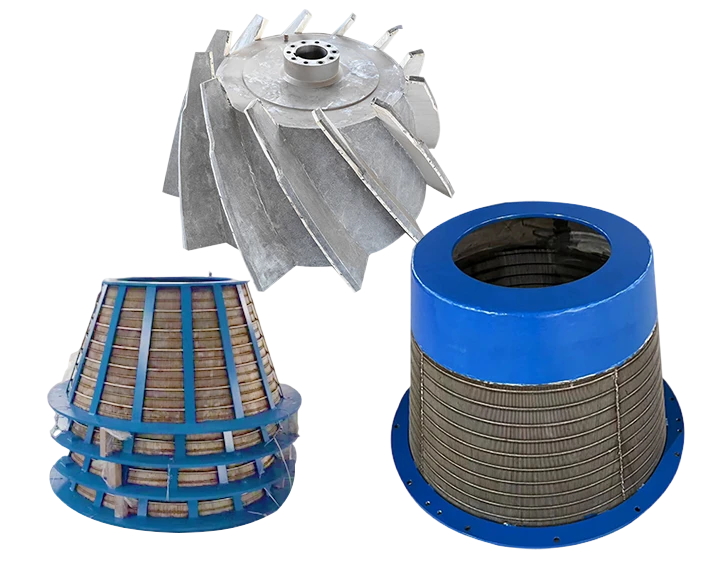
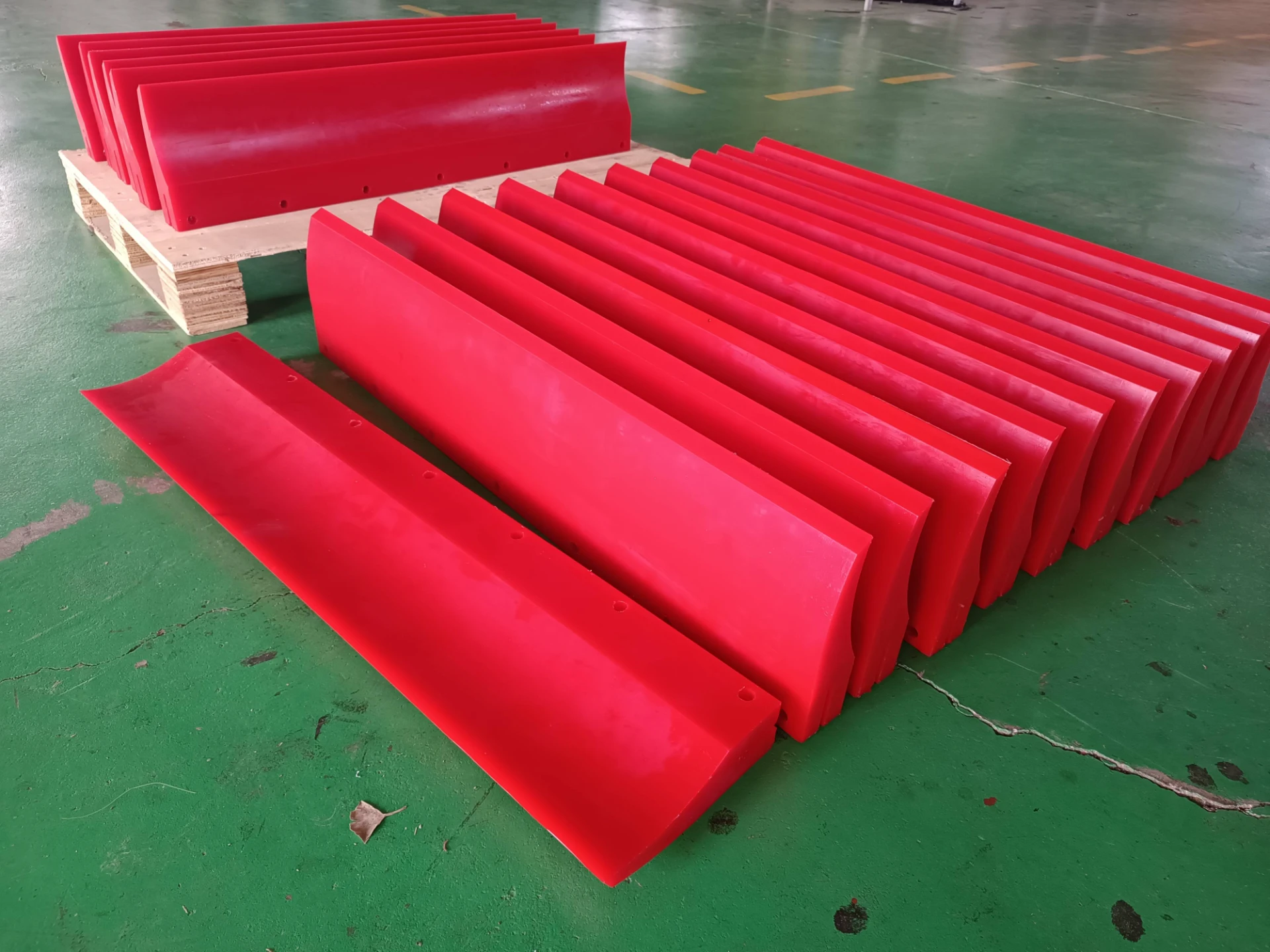
Unveiling the Separation Mechanism in Industrial Centrifuges
Industrial separation processes are critical across numerous sectors, from chemical manufacturing to wastewater treatment. Among the most efficient tools for solid-liquid separation is the centrifuge. Understanding how does a centrifuge separate materials is fundamental to optimizing industrial operations and achieving precise product quality or effective waste management. This detailed exploration will delve into the technical intricacies, operational advantages, and diverse applications of modern centrifuges, with a specific focus on high-performance solutions like the Scraper Centrifuge Unloader.
Centrifugation leverages centrifugal force to accelerate the sedimentation of particles, enabling rapid and efficient separation of solids from liquids or the separation of immiscible liquids with different densities. This principle is applied in various centrifuge designs, each tailored for specific industrial needs, ranging from fine particle removal to high-capacity dewatering.
The Core Mechanism: Detailed Process Flow of Centrifugal Separation
The fundamental process of separation within a centrifuge relies on creating a powerful centrifugal field, significantly multiplying the gravitational force on the materials. This accelerated force causes denser components (solids) to move outwards towards the periphery of the rotating bowl or basket, while lighter components (liquids) remain closer to the center. The efficiency and precision of this separation depend on several factors, including rotational speed, material properties, and the design of the centrifuge sieve and centrifuge baskets.
Step-by-Step Separation Process:
- 1. Feed Introduction: The material slurry, a mixture of solids and liquids, is continuously or batch-fed into the rotating centrifuge basket. Modern systems ensure a steady, controlled feed rate to maintain optimal separation conditions.
- 2. Acceleration and Centrifugation: As the basket rotates at high speeds, typically ranging from hundreds to several thousand RPM, the centrifugal force generated can be thousands of times greater than gravity (G-force). This force drives the denser solid particles towards the inner wall of the centrifuge baskets.
- 3. Solid-Liquid Separation: The solids accumulate as a "cake" on the inner surface of the centrifuge sieve, which acts as a filtration medium. The liquid (filtrate), being less dense, passes through the sieve pores and is discharged separately. The mesh size and design of the sieve are crucial for efficient solid retention and clear liquid discharge.
- 4. Washing (Optional): For applications requiring high purity, a wash liquid can be introduced to rinse the solid cake, displacing residual mother liquor and removing impurities. This step is critical in pharmaceutical and fine chemical production.
- 5. Dewatering and Drying: After washing, the centrifugal force continues to dewater the cake, reducing its moisture content significantly. In some designs, hot air can be passed through to further dry the solids.
- 6. Solids Discharge: Once the separation and dewatering phases are complete, the accumulated solid cake is discharged. In scraper centrifuges, a mechanical scraper blade descends to peel the cake from the basket wall, directing it downwards through a chute. This automated discharge ensures continuous or semi-continuous operation and minimal manual intervention.
Manufacturing Excellence: Materials, Processes, and Standards
The robust construction of centrifuges is paramount for their longevity and performance. High-quality Scraper Centrifuge Unloaders, for instance, are typically fabricated from specialized materials such as stainless steel grades (e.g., SS304, SS316L for corrosion resistance), Duplex Stainless Steel, Hastelloy, or Titanium for highly corrosive or aggressive media.
Manufacturing processes involve precision engineering, including advanced casting and forging techniques to create durable components, followed by state-of-the-art CNC machining for tight tolerances and superior surface finishes. Welding processes adhere to strict standards (e.g., ASME B&PV Code) to ensure structural integrity.
Testing and quality assurance are rigorous, complying with international standards such as ISO 9001 for quality management, ANSI for dimensioning and tolerancing, and CE marking for European market access. Additionally, specific industry standards like FDA (for pharmaceutical/food contact materials) and GMP (Good Manufacturing Practices) are often met. These stringent measures contribute to a typical service life exceeding 15-20 years with proper maintenance.
Target industries benefiting from this robust design include petrochemical, metallurgy, pharmaceutical, food and beverage, and water supply & drainage. The advantages in typical application scenarios are manifold: energy saving through optimized motor control and efficient dewatering, exceptional corrosion resistance due to material selection, reduced operational downtime, and enhanced safety features. This ultimately demonstrates a clear understanding of how does a centrifuge separate materials effectively and reliably.
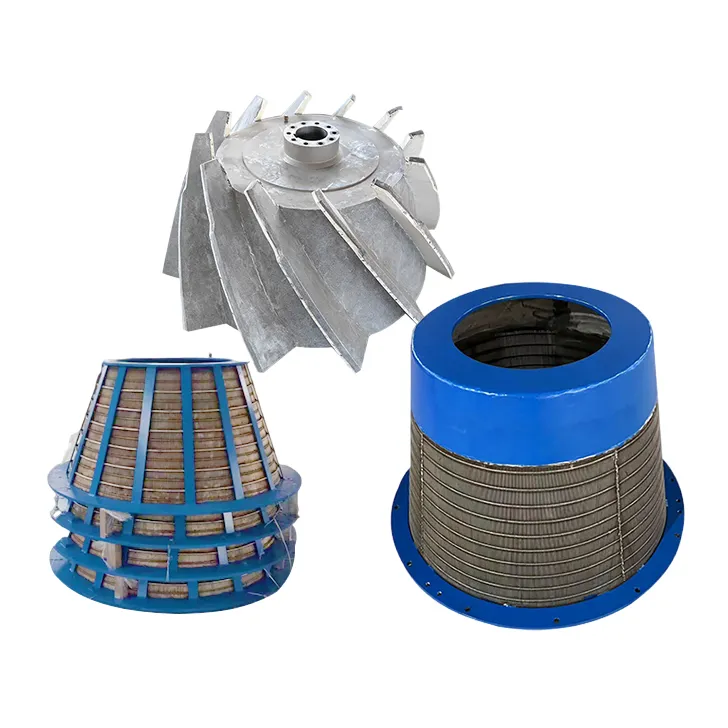
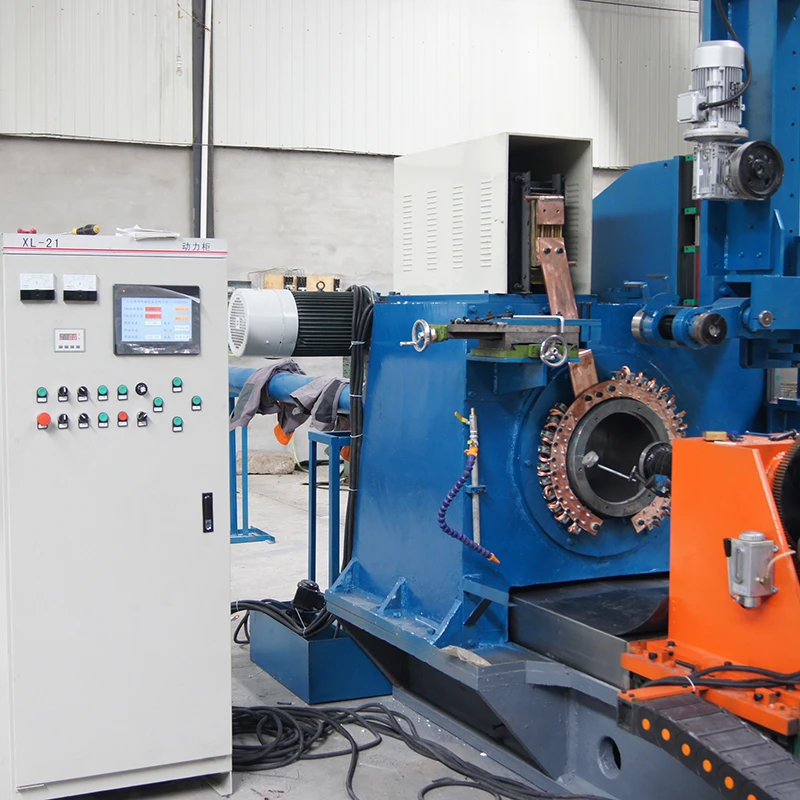
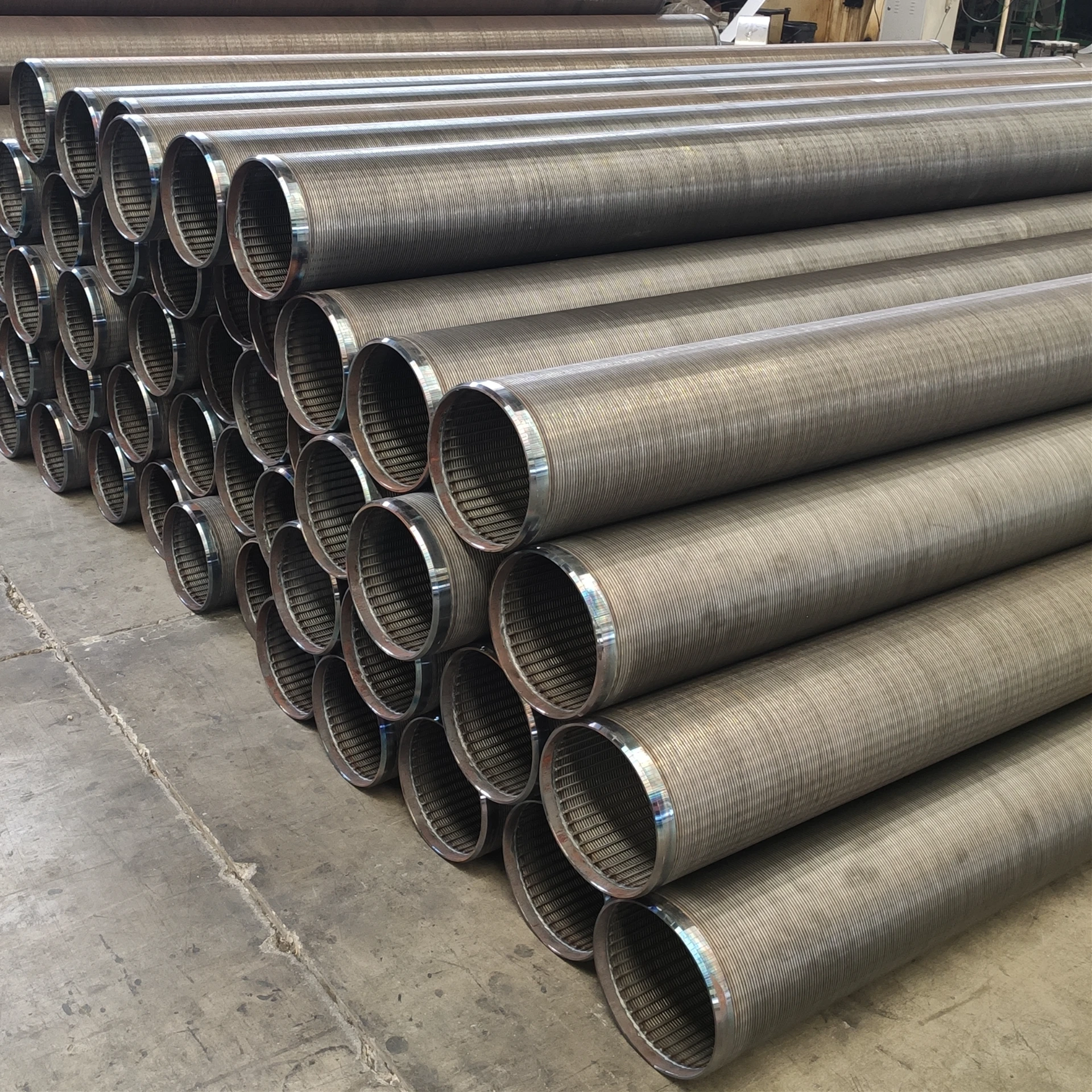
Figure 1: Illustration of a Scraper Centrifuge Unloader's internal components and material flow.
Industry Trends in Centrifugation Technology
The industrial centrifugation sector is continuously evolving, driven by demands for higher efficiency, greater automation, reduced environmental footprint, and enhanced safety. Several key trends are shaping the future of solid-liquid separation equipment:
- Advanced Automation and IoT Integration: Modern centrifuges are increasingly equipped with sophisticated Programmable Logic Controllers (PLCs), Human-Machine Interfaces (HMIs), and sensors for real-time monitoring and control. Integration with Industrial Internet of Things (IIoT) platforms allows for predictive maintenance, remote diagnostics, and optimized process parameters, minimizing manual intervention and maximizing uptime.
- Energy Efficiency: With rising energy costs and environmental concerns, manufacturers are focusing on designs that reduce power consumption. This includes high-efficiency motors, regenerative braking systems, and optimized hydrodynamic designs that minimize turbulence and resistance, directly impacting operational expenditure.
- Specialized Materials and Coatings: To address increasingly corrosive, abrasive, or high-temperature applications, there's a growing adoption of exotic alloys (e.g., Hastelloy, Super Duplex) and advanced ceramic or polymer coatings. These materials extend the service life of components like the centrifuge sieve and main basket, especially in harsh chemical environments.
- Compact and Modular Designs: Space optimization in industrial plants is a constant challenge. Centrifuge manufacturers are developing more compact, modular units that are easier to integrate into existing facilities and offer greater flexibility for scaling operations.
- Environmental Compliance and Sustainability: Stricter regulations on effluent discharge and waste management push for centrifuges that achieve higher dewatering efficiency, resulting in dryer cakes and reduced disposal costs. Closed-loop systems and features for solvent recovery are also gaining prominence.
- Enhanced Safety Features: Focus on operator safety is paramount. This includes explosion-proof designs (ATEX compliance), inert gas purging systems for flammable materials, robust interlocking mechanisms, and vibration monitoring systems to prevent hazardous conditions.
These trends collectively aim to make centrifugation processes more efficient, sustainable, and reliable, further enhancing the understanding of how does a centrifuge separate materials with precision and safety.
Technical Specifications of MutoScreen Scraper Centrifuge Unloaders
MutoScreen Scraper Centrifuge Unloaders are engineered for demanding industrial applications, offering robust construction and high performance. Below is a representative table of key technical specifications, demonstrating the precision and capability of these units. These parameters directly influence how does a centrifuge separate materials for specific process needs.
| Parameter | Unit/Description | Range/Value (Typical) |
|---|---|---|
| Basket Diameter | mm | 400 - 1600 |
| Basket Speed | RPM | 500 - 2000 |
| Maximum G-Force | G's | 800 - 1500 |
| Filtration Area | m² | 0.5 - 5.0 |
| Solids Capacity (Batch) | kg/batch | 50 - 1500 |
| Motor Power | kW | 11 - 90 |
| Material of Construction (Wetted Parts) | SS304, SS316L, Hastelloy C-276, Titanium (customizable) | |
| Operating Temperature | °C | -20 to +150 |
| Compliance Standards | ISO 9001, CE, ATEX (optional), GMP |
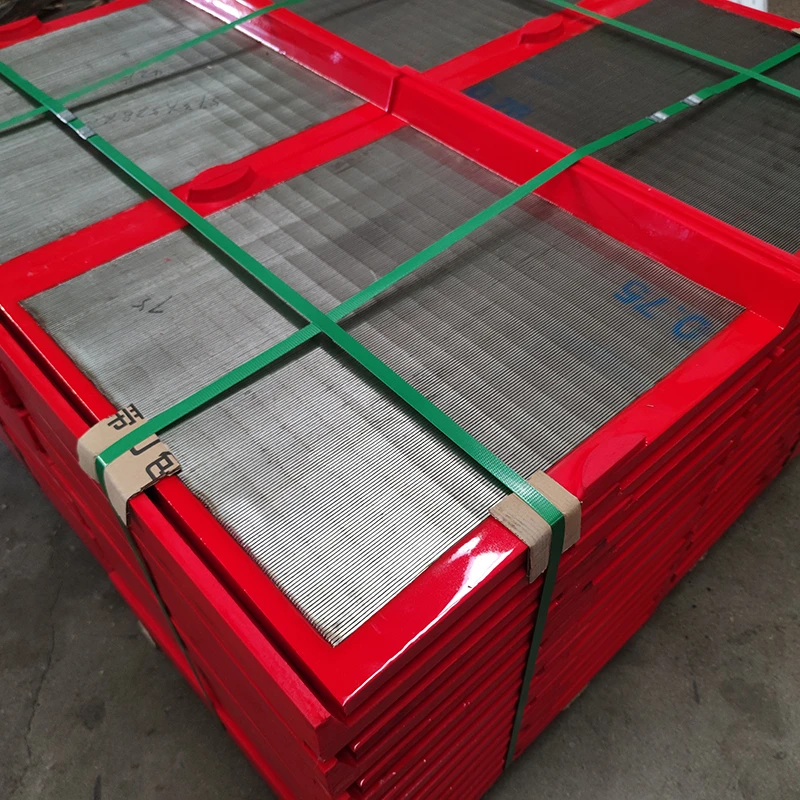
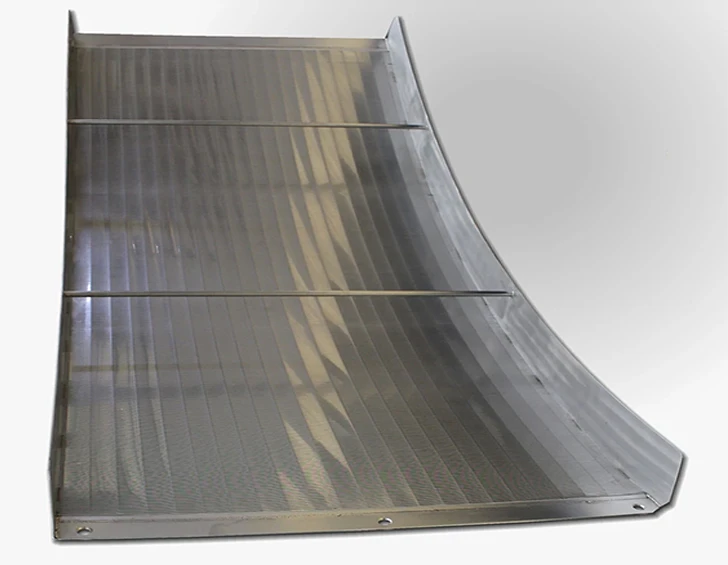
The performance of the centrifuge sieve is critical, typically manufactured from wedge wire or perforated sheets with specific pore sizes to optimize filtration and minimize blinding. The design of the centrifuge baskets, coupled with precise balance and speed control, ensures efficient and consistent separation outcomes, even with challenging slurries.
Application Scenarios Across Diverse Industries
The versatility and efficiency of industrial centrifuges make them indispensable across a wide spectrum of industries for various solid-liquid separation tasks. Their ability to handle diverse materials and achieve high separation efficiencies underpins their broad utility.
- Pharmaceutical Industry: Critical for Active Pharmaceutical Ingredient (API) production, intermediate purification, and crystal separation. Centrifuges ensure high purity and low moisture content in sensitive products. The ability to handle sterile and explosion-proof environments is key.
- Chemical Processing: Widely used for separating catalysts, polymers, pigments, resins, and various fine chemicals. They are essential for dewatering slurries, product recovery, and waste volume reduction. Examples include the separation of polyvinyl chloride (PVC) from its suspension, and dewatering of sodium chloride crystals.
- Food and Beverage: Applications range from sugar crystallization and starch dewatering to fruit juice clarification and yeast separation. Centrifuges help maintain product quality, enhance shelf life, and optimize ingredient recovery.
- Mining and Mineral Processing: Used for dewatering mineral concentrates (e.g., coal, iron ore, copper concentrates) and tailings, reducing transportation costs and improving material handling. They are critical in reducing environmental impact by dewatering mineral waste streams.
- Wastewater Treatment and Environmental Technology: Essential for sludge dewatering in municipal and industrial wastewater treatment plants. Centrifuges significantly reduce the volume of sludge, leading to lower disposal costs and more efficient handling. They also play a role in oil-water separation.
- Petrochemical Industry: For separating catalysts from reaction mixtures, dewatering crude oil sludges, and recovering valuable by-products. Their robust design handles harsh operating conditions and corrosive media.
In each of these sectors, the precise control over the separation parameters and the robust design of the centrifuge are paramount to achieving desired outcomes, highlighting the importance of understanding how does a centrifuge separate materials for optimal process integration.
Key Technical Advantages and Operational Benefits
Investing in a high-quality industrial centrifuge, such as a Scraper Centrifuge Unloader, offers a compelling array of technical and operational advantages that contribute significantly to process efficiency, product quality, and cost savings.
- High Separation Efficiency: Centrifuges can achieve excellent solid-liquid separation, producing very dry cakes (low moisture content, often <5%) and clear liquid filtrates. This is superior to many other dewatering methods, especially for fine particles.
- Versatility: Capable of handling a wide range of solid concentrations, particle sizes, and slurry viscosities. This adaptability makes them suitable for diverse applications and fluctuating process conditions.
- Automated and Continuous/Batch Operation: Modern scraper centrifuges can operate in fully automatic batch cycles, minimizing manual labor and ensuring consistent product quality. Some designs allow for continuous feeding and discharge.
- Minimal Product Loss: Precise control over discharge and wash cycles ensures maximum recovery of valuable solids or liquids, reducing material waste and improving yield.
- Robust Construction and Durability: Built with high-grade materials (e.g., SS316L, Hastelloy) and precision manufacturing, these centrifuges are designed for demanding industrial environments, offering long service life and resistance to corrosion and abrasion.
- Reduced Footprint: Compared to conventional filtration systems of equivalent capacity, centrifuges often require significantly less floor space, which is valuable in constrained industrial facilities.
- Environmental Benefits: By achieving higher dewatering rates, centrifuges reduce the volume of waste requiring disposal, leading to lower environmental impact and reduced disposal costs.
- Enhanced Safety: Fully enclosed systems minimize exposure to hazardous materials, and advanced safety interlocks prevent operation under unsafe conditions, protecting personnel and the environment.
These advantages underscore why choosing the right centrifugal technology is a strategic decision for industries aiming for operational excellence and sustainable practices.
Vendor Comparison and Differentiation
The market for industrial centrifuges is diverse, with various manufacturers offering different designs and capabilities. When evaluating vendors for a critical process component like a centrifuge, it's essential to look beyond basic specifications and consider factors that drive long-term value and operational reliability.
Key Differentiation Factors:
- Engineering Expertise: Leading manufacturers distinguish themselves through deep understanding of process chemistry and mechanics. This translates into optimized designs for the centrifuge sieve and centrifuge baskets, robust bearing systems, and advanced drive technologies.
- Material Quality and Fabrication: While many offer standard stainless steel, top-tier vendors provide a wider range of exotic alloys (e.g., Hastelloy, Titanium, Super Duplex) and superior fabrication techniques (e.g., orbital welding, specialized surface treatments) for enhanced corrosion and wear resistance.
- Automation and Control Systems: Differentiation lies in the sophistication and user-friendliness of PLC/HMI systems, remote monitoring capabilities, and integration readiness with plant-wide DCS (Distributed Control Systems).
- Customization Capabilities: The ability to tailor centrifuge design (e.g., basket geometry, discharge mechanism, wash systems, explosion-proofing, sterile design) to specific process requirements is a significant advantage.
- After-Sales Support and Service Network: A global or strong regional service network, availability of spare parts, technical support, and rapid response times for commissioning and maintenance are critical for minimizing downtime.
- Certifications and Compliance: Adherence to international standards (ISO, CE, ASME, ATEX, FDA, GMP) demonstrates a commitment to quality, safety, and regulatory compliance. MutoScreen, for instance, prides itself on meeting stringent international standards, ensuring reliability and trust for its global clientele.
When selecting a partner for centrifugal separation technology, it is crucial to conduct thorough due diligence, including reference checks and factory acceptance tests (FAT), to ensure the chosen solution aligns with long-term operational goals and provides a clear understanding of how does a centrifuge separate materials efficiently for your specific needs.
Customized Centrifugation Solutions
Standard centrifuge models often serve a wide range of applications, but many industrial processes present unique challenges that necessitate customized solutions. Tailoring a centrifuge to specific operational parameters can significantly enhance performance, optimize yield, and ensure compliance with stringent industry standards.
MutoScreen understands that one size does not fit all. Our approach involves close collaboration with clients to develop centrifugation systems that perfectly align with their specific process requirements.
Areas of Customization Include:
- Material of Construction: Selection of specific alloys (e.g., Hastelloy for strong acids, Titanium for chlorine environments, special coatings for abrasive slurries) beyond standard stainless steel to withstand highly corrosive or abrasive media, extending equipment life and purity.
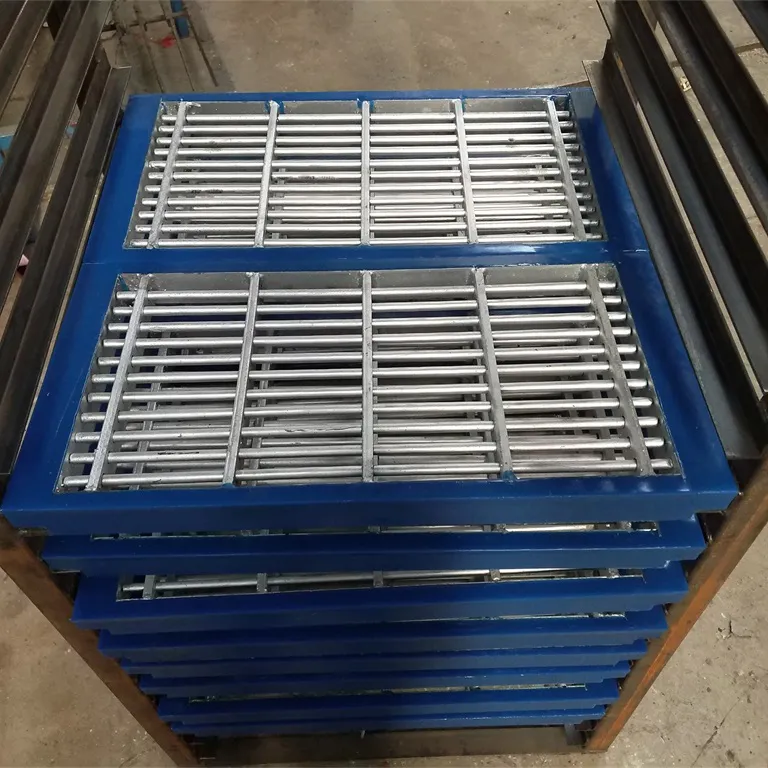
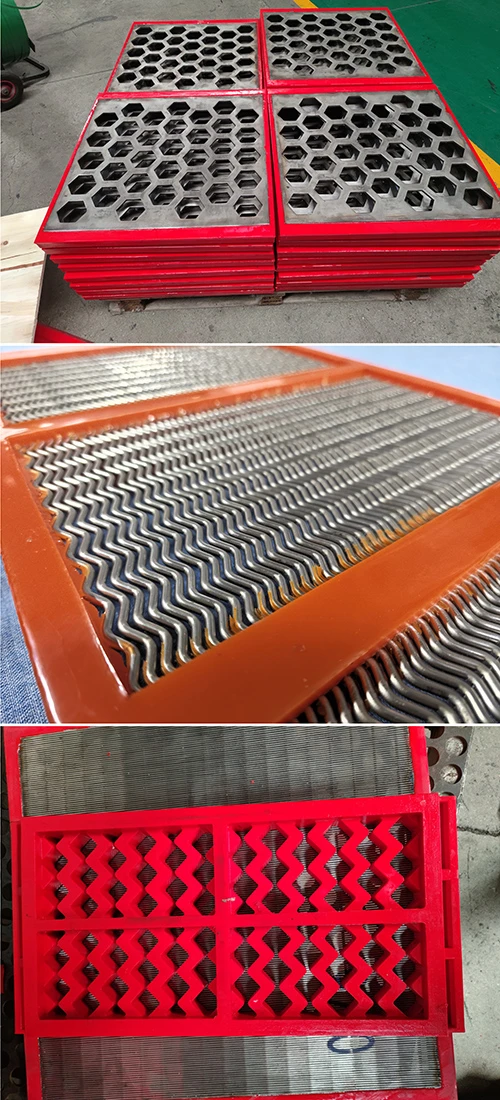
- Basket and Sieve Design: Optimized centrifuge baskets and centrifuge sieve configurations, including different hole patterns, wedge wire profiles, or multi-layer screens, to achieve desired filtration rates and cake dryness for unique particle characteristics.
- Washing Systems: Custom spray nozzle configurations, multiple wash liquid inlets, and precisely timed wash cycles to achieve specific product purity levels, especially crucial in pharmaceutical applications.
- Safety and Environmental Features: Integration of inert gas blanketing for oxygen-sensitive or explosive materials (ATEX compliance), specialized sealing arrangements for toxic substances, and advanced vibration monitoring systems.
- Automation and Control Integration: Tailored PLC programming, specific HMI layouts, and seamless integration with existing plant Distributed Control Systems (DCS) for centralized monitoring and control.
- Temperature Control: Jacketed centrifuges for heating or cooling applications to maintain process temperatures for sensitive materials or to improve separation efficiency.
- Sanitary/Sterile Design: Highly polished surfaces, crevice-free designs, CIP (Clean-In-Place) and SIP (Sterilize-In-Place) capabilities, and validated designs for pharmaceutical and food-grade applications.
Our team of engineers works closely with clients from initial concept and feasibility studies through design, manufacturing, testing, and commissioning, ensuring that the final centrifuge solution delivers optimal performance and long-term reliability for even the most challenging separation tasks.
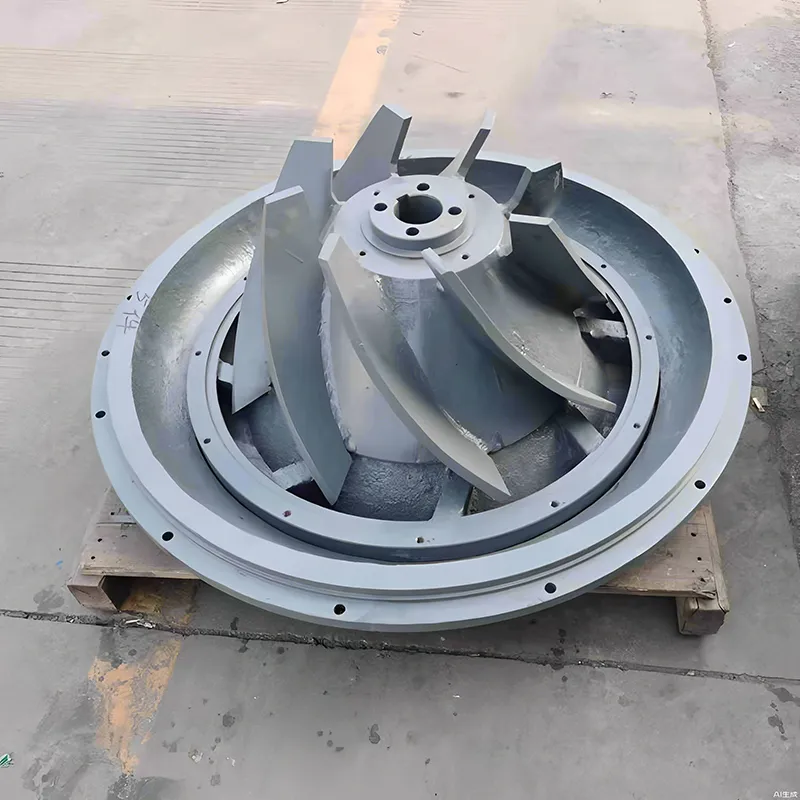
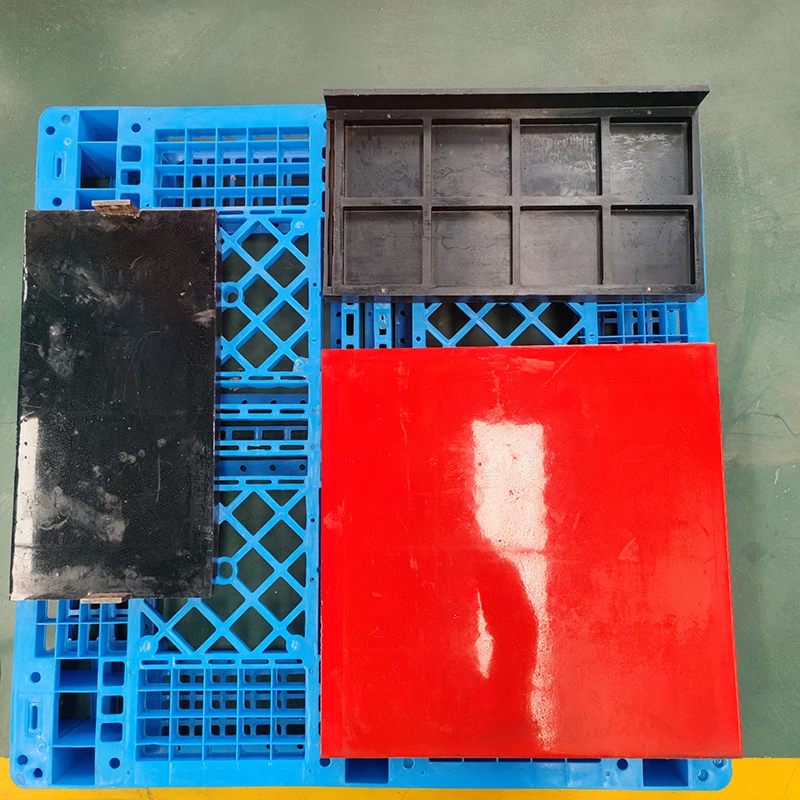
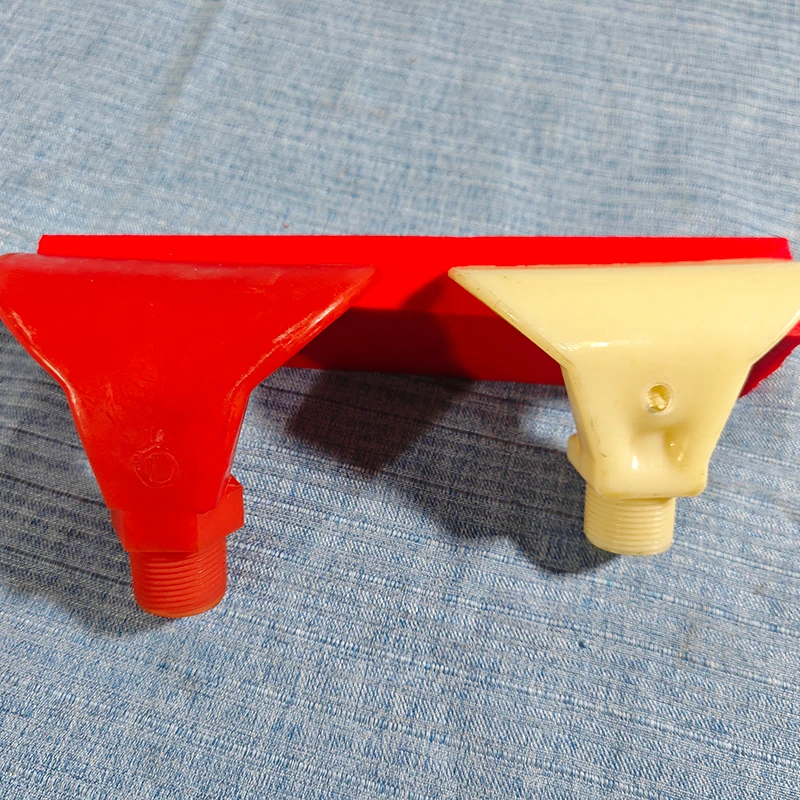
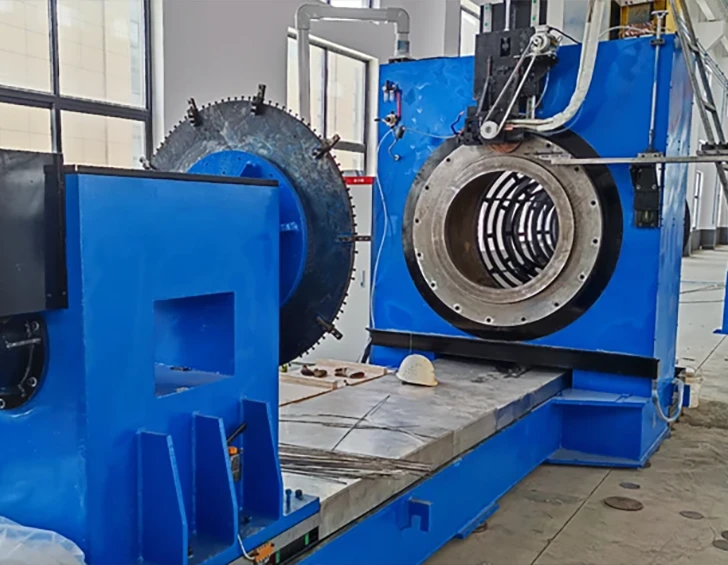
Figure 2: Custom-engineered components of a high-performance industrial centrifuge.
Real-World Application Case Studies
The practical effectiveness of centrifugal separation is best illustrated through real-world applications where these machines have delivered significant operational improvements and cost savings. These cases demonstrate the tangible benefits of understanding and implementing how does a centrifuge separate materials efficiently.
Case Study 1: Catalyst Recovery in a Petrochemical Plant
A major petrochemical company faced challenges in efficiently recovering spent catalysts from a suspension, leading to significant material losses and high disposal costs. Traditional filtration methods were slow, prone to blinding, and resulted in a high moisture content in the recovered catalyst.
- Solution: Implementation of a MutoScreen Scraper Centrifuge Unloader, custom-designed with specific centrifuge baskets and a robust centrifuge sieve made from Hastelloy to resist the corrosive catalyst slurry. The centrifuge was equipped with an inert gas blanketing system for safe operation.
- Results: The new system achieved over 98% catalyst recovery with a moisture content reduced by 15% compared to the previous method. This translated to a 20% reduction in fresh catalyst consumption and a 30% decrease in hazardous waste disposal volumes and costs. The automated operation also reduced operator exposure and improved overall plant safety, showcasing how effectively a centrifuge can separate critical materials.
Case Study 2: API Purification in a Pharmaceutical Facility
A pharmaceutical manufacturer needed to improve the purity and yield of a high-value Active Pharmaceutical Ingredient (API) during its final crystallization and separation step. The existing batch centrifuge was labor-intensive, struggled with consistent cake washing, and introduced potential contamination risks.
- Solution: A MutoScreen Scraper Centrifuge Unloader with a GMP-compliant, fully enclosed sanitary design, including CIP/SIP capabilities and multiple wash cycle programming. The basket and sieve were highly polished SS316L, and the system featured precise temperature control.
- Results: The pharmaceutical plant achieved a consistent API purity level exceeding 99.8%, with residual solvent levels well within regulatory limits. Yield increased by 5%, and the automated, validated cleaning cycle drastically reduced manual handling and cross-contamination risks. The cycle time for each batch was also reduced by 10%, leading to higher throughput.
Case Study 3: Municipal Wastewater Sludge Dewatering
A large municipal wastewater treatment plant faced escalating costs associated with transporting and disposing of wet sludge. Their existing dewatering system could not achieve the required dryness, leading to high trucking volumes.
- Solution: Installation of a high-capacity MutoScreen Scraper Centrifuge Unloader, optimized for continuous dewatering of biological sludge. The system was equipped with advanced polymer dosing controls to enhance flocculation and separation efficiency.
- Results: The plant increased sludge dryness from 18% to 25% dry solids, resulting in a 35% reduction in sludge volume. This directly led to a 25% reduction in transportation and disposal costs, saving the municipality hundreds of thousands of dollars annually. The robust design also demonstrated excellent reliability in continuous, demanding operation.
Ensuring Trust: FAQs, Lead Times, Warranty, and Support
At MutoScreen, we understand that investment in critical process equipment requires not just high-performance machinery, but also comprehensive support and transparency. Our commitment to trustworthiness extends beyond product delivery to encompass every stage of the customer journey.
Frequently Asked Questions (FAQs)
Q: What types of materials can be processed by a Scraper Centrifuge Unloader?
A: Scraper centrifuges are highly versatile and can process a wide range of crystalline, granular, or fibrous materials. They are particularly effective for slurries with a high solid content and when a clean separation of coarse solids from liquid is required, such as in chemical salts, pharmaceuticals, minerals, and wastewater sludge.
Q: How does a centrifuge separate materials compared to traditional filtration?
A: Centrifuges use centrifugal force, which can be thousands of times stronger than gravity, to accelerate separation, leading to much faster processing times and dryer cakes. Traditional filtration relies on pressure differences and can be slower, especially for fine particles, and may result in higher moisture content. Centrifuges also offer better consistency and are often more suitable for continuous or automated batch operations.
Q: What is the typical service life of your Scraper Centrifuge Unloaders?
A: With proper maintenance and operating conditions, our centrifuges are designed for a service life of 15-20 years or more. This is achieved through the use of high-grade materials, precision engineering, and robust component selection, all adhering to international quality standards like ISO 9001.
Q: Are your centrifuges compliant with specific industry regulations (e.g., FDA, ATEX)?
A: Yes, MutoScreen centrifuges can be engineered to comply with various international and industry-specific regulations, including CE marking, ASME standards, ATEX directives for explosive environments, and FDA/GMP guidelines for pharmaceutical and food applications. Customization options are available to meet precise regulatory requirements.
Lead Time and Fulfillment
Typical lead times for MutoScreen Scraper Centrifuge Unloaders vary based on customization requirements and current production schedules, usually ranging from 12 to 24 weeks from confirmed order to factory acceptance test (FAT). We prioritize transparent communication regarding project timelines and provide regular updates throughout the manufacturing process. Expedited options may be available for urgent projects.
Warranty Commitments
MutoScreen offers a standard 12-month warranty from the date of commissioning or 18 months from shipment (whichever comes first) on all manufacturing defects and workmanship. Extended warranty options and comprehensive service contracts are also available to provide long-term peace of mind and minimize unforeseen operational costs.
Customer Support and After-Sales Service
Our commitment to our clients extends throughout the entire lifecycle of our equipment. MutoScreen provides comprehensive after-sales support, including:
- Technical Assistance: Our experienced engineers are available for remote support, troubleshooting, and process optimization.
- Spare Parts Management: A readily available inventory of genuine spare parts ensures minimal downtime.
- On-Site Services: Installation supervision, commissioning, operator training, and preventative maintenance services can be provided globally.
- Upgrades and Modernization: We offer solutions to upgrade older centrifuge models with the latest control systems, materials, and efficiency improvements.
For inquiries or support, please contact us via our website or direct channels. Our team is dedicated to ensuring your MutoScreen centrifuge operates at peak performance for years to come.
References
- Coulson & Richardson's Chemical Engineering Vol 2: Particle Technology and Separation Processes (6th ed.). (2002). Butterworth-Heinemann.
- Svarovsky, L. (2000). Solid-Liquid Separation. Butterworth-Heinemann.
- American Society of Mechanical Engineers (ASME) Boiler and Pressure Vessel Code.
- International Organization for Standardization (ISO) 9001:2015 - Quality management systems.
- European Committee for Standardization (CEN) EN 1127-1:2011 - Explosive atmospheres - Explosion prevention and protection - Part 1: Basic concepts and methodology.