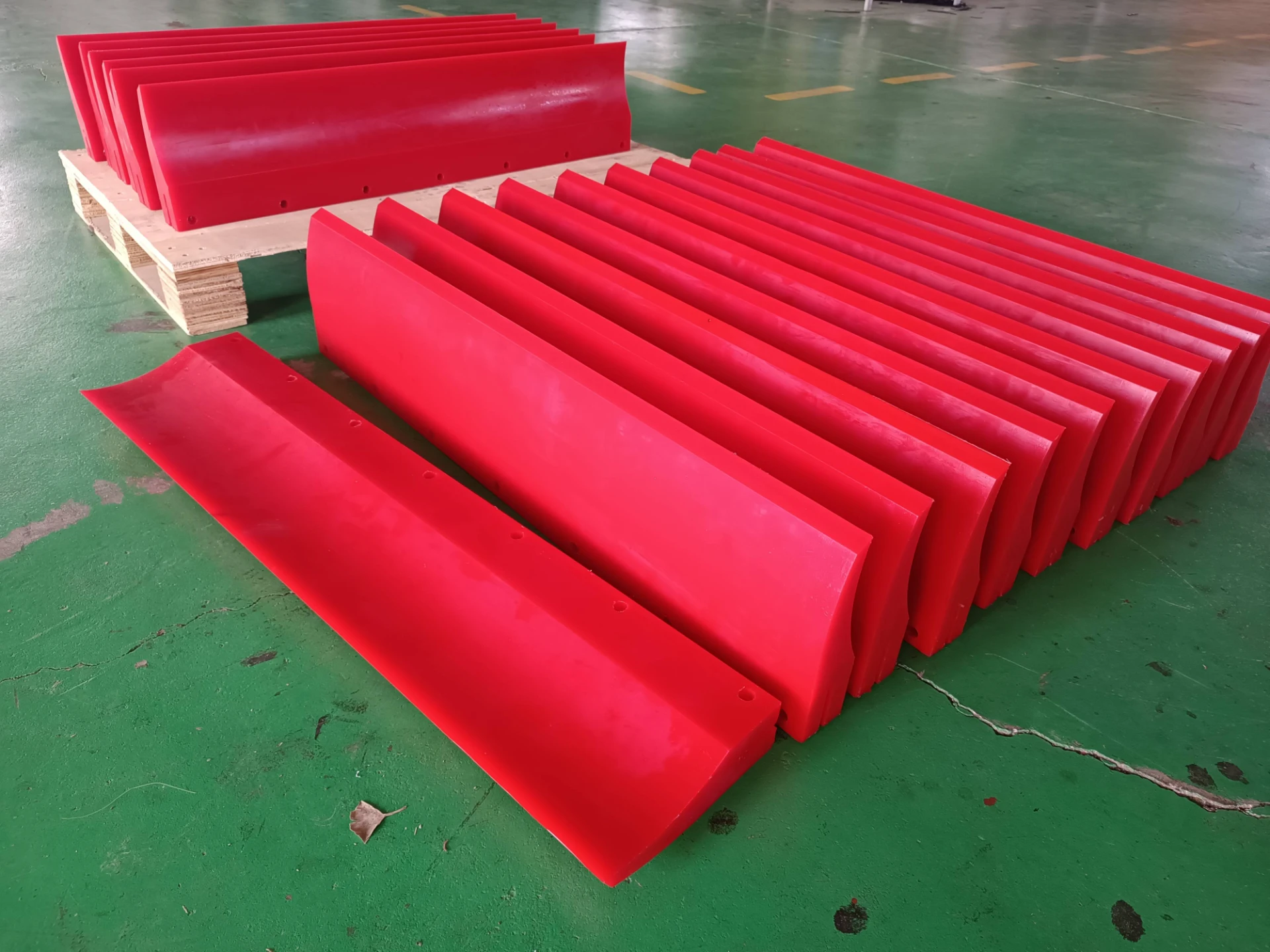
The Pivotal Role of Polyurethane Spray Nozzle in Modern Industrial Applications
In the intricate landscape of industrial processing, precision and durability are paramount. The efficiency of a system often hinges on the performance of its most critical components. Among these, the polyurethane foam nozzle stands out as a highly specialized engineering solution. Designed to withstand harsh operating environments while delivering consistent spray patterns, these nozzles are indispensable across a multitude of sectors. Their unique material properties, primarily derived from advanced polyurethane composites, grant them superior resistance to abrasion, corrosion, and chemical degradation, far exceeding traditional metallic or rubber alternatives.
The demand for high-performance fluid control mechanisms has spurred significant innovations in material science and manufacturing. Polyurethane, with its customizable elasticity and hardness, offers an ideal foundation for components requiring both resilience and precision. This introduction delves into the significance of polyurethane nozzles, their evolving role in enhancing operational efficiency, and their foundational impact on sustainable industrial practices. From enhancing the lifespan of critical equipment to optimizing resource consumption, the strategic deployment of these advanced nozzles contributes directly to improved productivity and reduced maintenance overheads, making them a cornerstone for future-proof industrial infrastructures.
Industry Trends and Market Dynamics for Advanced Nozzle Technologies
The industrial nozzle market is experiencing a significant shift, driven by increasing demands for efficiency, sustainability, and longevity. Historically, nozzles were often considered consumable components, but with the advent of advanced materials like polyurethane, they are now viewed as strategic assets that can dramatically improve process outcomes. Global market analysis indicates a compound annual growth rate (CAGR) of approximately 4.5% for industrial nozzles, with specialized segments like those utilizing advanced polymers growing even faster, often exceeding 6% year-over-year. This growth is primarily fueled by sectors requiring enhanced wear resistance and chemical inertness.
Key trends shaping this market include the pervasive adoption of automation in manufacturing, which necessitates highly reliable and precise spray delivery systems. The move towards Industry 4.0 and smart factories also means that components like the polyurethane foam nozzle are increasingly integrated into sensor-driven systems for real-time monitoring and predictive maintenance. Furthermore, stringent environmental regulations are pushing industries to minimize waste and optimize resource utilization, making efficient spray patterns and reduced downtime critical. Polyurethane nozzles, with their superior atomization capabilities and extended operational life, directly contribute to these objectives. The rising cost of raw materials and energy also compels industries to seek components that offer long-term cost savings through reduced consumption and extended service intervals.
Another significant trend is the growing interest in circular economy principles, where product lifespan and recyclability are emphasized. While polyurethane materials present unique recycling challenges compared to traditional metals, ongoing research into sustainable polyurethane formulations and end-of-life solutions is gaining momentum. This future-oriented perspective positions advanced polymer nozzles, including the polyurethane foam nozzle, as integral to the evolving landscape of responsible industrial production. The convergence of technological advancement, environmental consciousness, and economic efficiency continues to drive innovation and demand in this specialized segment of industrial components.
Manufacturing Precision: The Crafting of a Polyurethane Spray Nozzle
The manufacturing process of a polyurethane foam nozzle is a testament to advanced material engineering and precision fabrication. Unlike metal nozzles that often rely on traditional machining, polyurethane nozzles leverage sophisticated molding and casting techniques that allow for complex geometries and superior material integration. The journey begins with selecting the appropriate polyurethane elastomer, which can be tailored for specific applications by adjusting its hardness (Durometer scale, typically 60A to 95A), chemical resistance, and temperature tolerance. High-grade raw polyols and isocyanates are meticulously mixed under controlled conditions to initiate the polymerization process, ensuring material homogeneity and optimal physical properties.
Key Manufacturing Stages:
- Material Preparation and Blending: This initial phase involves precise measurement and mixing of two-part polyurethane liquid components. Critical parameters like viscosity, pot life, and reaction kinetics are closely monitored. Additives such as UV stabilizers, flame retardants, and colorants are incorporated to meet specific product requirements.
-
Casting or Injection Molding:
- Open Casting: For simpler designs or larger batch runs, the mixed polyurethane liquid is poured into open molds and allowed to cure. This method is cost-effective for certain geometries.
- Reaction Injection Molding (RIM): For more intricate designs and high-volume production, RIM is employed. Here, the liquid components are injected under high pressure into a closed mold, reacting and solidifying rapidly. This process ensures high dimensional accuracy and excellent surface finish. Precision tooling, often CNC machined, is critical for achieving the exact spray orifice and internal channel geometry.
- Curing and Post-Curing: After initial solidification, the nozzles undergo a controlled curing process, often involving specific temperature and humidity profiles, to achieve their final mechanical properties. Post-curing at elevated temperatures enhances cross-linking and maximizes hardness, tensile strength, and abrasion resistance.
- Finishing and Quality Control: Once cured, excess material (flash) is removed. Each polyurethane foam nozzle undergoes rigorous inspection. This includes dimensional verification using optical comparators or coordinate measuring machines (CMM), visual inspection for defects, and functional testing to verify spray pattern, flow rate, and pressure resistance. Adherence to standards such as ISO 9001 for quality management and ANSI/ASME standards for dimensional tolerances ensures consistent product quality.
The typical lifespan of a polyurethane nozzle can range from 1 to 5 years, or even longer in less aggressive applications, significantly outperforming traditional materials that might require replacement every few months. This extended service life is a direct result of the meticulous material selection and manufacturing processes. These nozzles find extensive application in industries such as petrochemical (for cooling towers, descaling), metallurgy (for dust suppression, roll cooling), and water supply & drainage (for filtration, aeration). Their ability to deliver fine, uniform sprays with minimal clogging makes them ideal for tasks requiring precise fluid distribution and energy efficiency, often reducing water consumption by 10-20% and pump energy usage by up to 5% due to optimized flow dynamics and reduced pressure drops compared to worn-out or inferior nozzles.
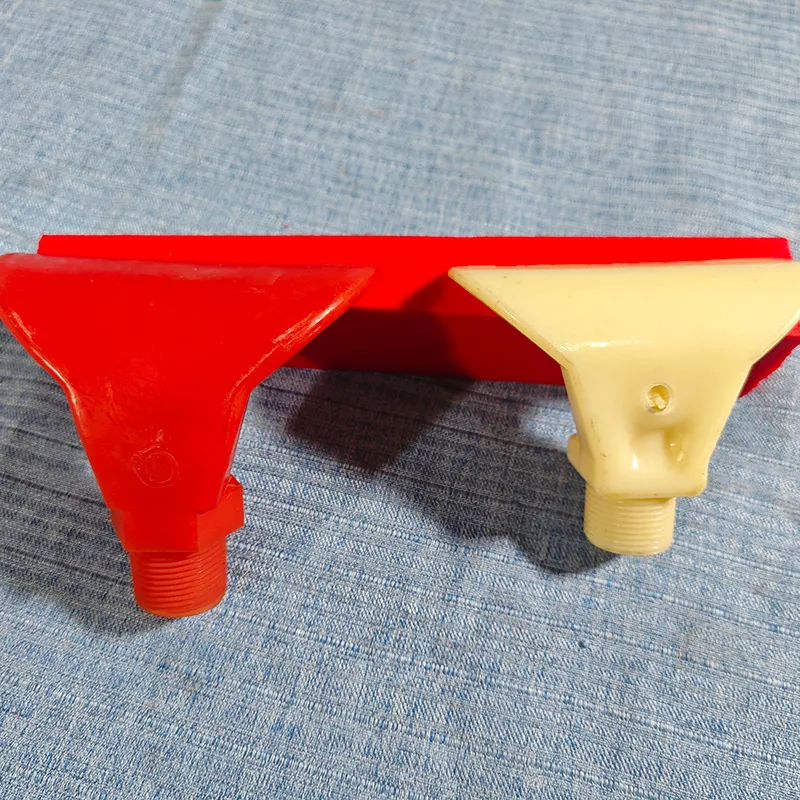
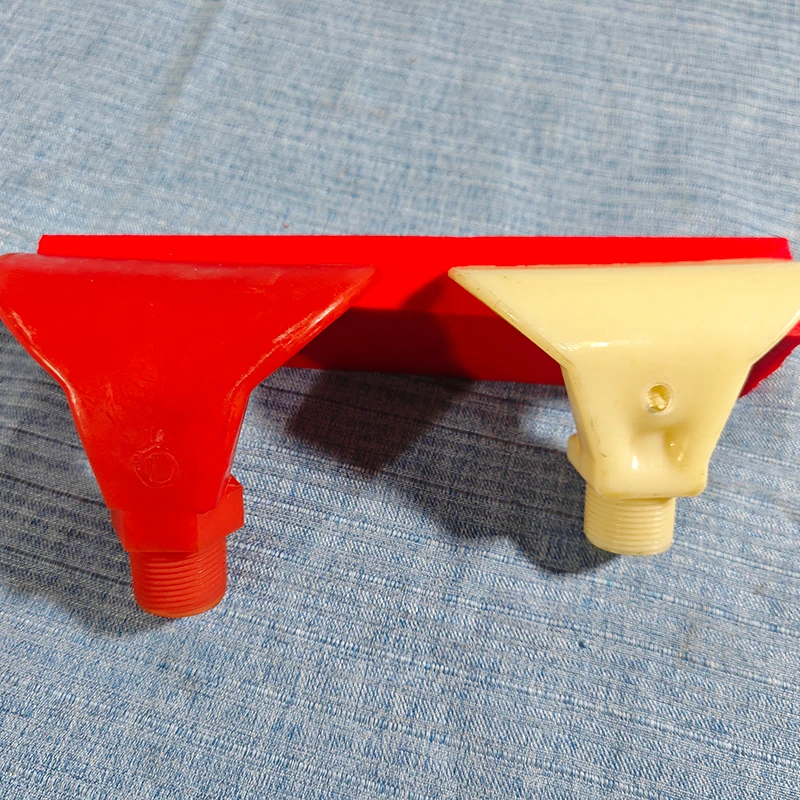
Visual Representation of a Precision-Engineered Polyurethane Nozzle.
Technical Parameters and Performance Specifications of Polyurethane Spray Nozzles
Understanding the technical parameters of a polyurethane foam nozzle is crucial for optimal selection and performance in industrial applications. These parameters dictate the nozzle's suitability for specific fluid properties, flow rates, and environmental conditions. Manufacturers provide detailed specifications to ensure seamless integration and efficient operation within complex systems.
Key Specifications Table: Standard Polyurethane Spray Nozzle
The selection of a polyurethane foam nozzle is not merely about its physical dimensions but a comprehensive evaluation of these technical parameters against the specific demands of the application. For instance, in mineral processing, where a screening deck might utilize spray nozzles for washing ore, high abrasion resistance and consistent spray patterns are non-negotiable for efficient material separation. Similarly, when paired with polyurethane screens or within a vibrating screens system, the nozzle's flow rate and spray angle become critical for effective fines removal and dewatering. Meticulous engineering and rigorous testing ensure that each nozzle meets or exceeds these critical performance benchmarks, providing reliable and predictable operation in demanding industrial environments.
Versatile Applications of Polyurethane Spray Nozzles Across Industries
The adaptability and robust performance of the polyurethane foam nozzle enable its widespread use across diverse industrial sectors, each benefiting from its specific advantages. From heavy industries facing extreme conditions to precision manufacturing requiring fine atomization, these nozzles provide reliable solutions.
Core Application Scenarios:
- Mining and Mineral Processing: In this highly abrasive environment, polyurethane foam nozzle are essential for dust suppression, washing, and dewatering. They are commonly integrated into vibrating screens and screening deck systems, where they spray water to separate fine particles from coarser materials. Their high abrasion resistance ensures a longer service life, reducing downtime and maintenance costs significantly, often extending nozzle life by 300% compared to steel in high-slurry environments. For instance, in coal washing plants, nozzles provide consistent water spray to clean coal particles on a polyurethane screen panel, preventing clogging and ensuring efficient separation.
- Petrochemical and Chemical Processing: Here, the focus is on chemical resistance and corrosion prevention. Polyurethane nozzles are used in cooling towers, gas scrubbing systems, and tank cleaning applications where exposure to corrosive chemicals is common. Their inert nature prevents material degradation and contamination, ensuring process integrity and safety. In desulphurization units, they can resist acidic condensates, offering superior durability over metallic counterparts.
- Water Treatment and Wastewater Management: These nozzles are integral to aeration, filtration, and disinfection processes. In aeration basins, they create fine bubbles for oxygen transfer, crucial for biological treatment. For filtration systems, precise spray patterns ensure uniform backwashing of filter media. Their non-clogging design is especially beneficial in handling treated effluent, which may contain residual particulates.
- Pulp and Paper Industry: The paper manufacturing process requires high volumes of water for cleaning and dewatering. Polyurethane nozzles are used for spray washing of felts and wires, optimizing sheet formation, and ensuring effective cleaning of pulp stock. Their resistance to pulp fibers and process chemicals extends their operational life in this demanding environment.
- Agriculture and Food Processing: While less common for direct food contact, polyurethane nozzles are used in equipment cleaning, irrigation systems, and specific coating applications where durability and precise spray control are needed. For large-scale irrigation, their resilience against fertilizers and pesticides is beneficial.
Each of these applications leverages specific characteristics of the polyurethane foam nozzle – be it its unmatched abrasion resistance in mineral processing, its chemical inertness in petrochemical operations, or its non-clogging design in wastewater treatment. This versatility underscores their value as a modern engineering solution that contributes significantly to operational efficiency, longevity of equipment, and overall system reliability across the industrial spectrum.
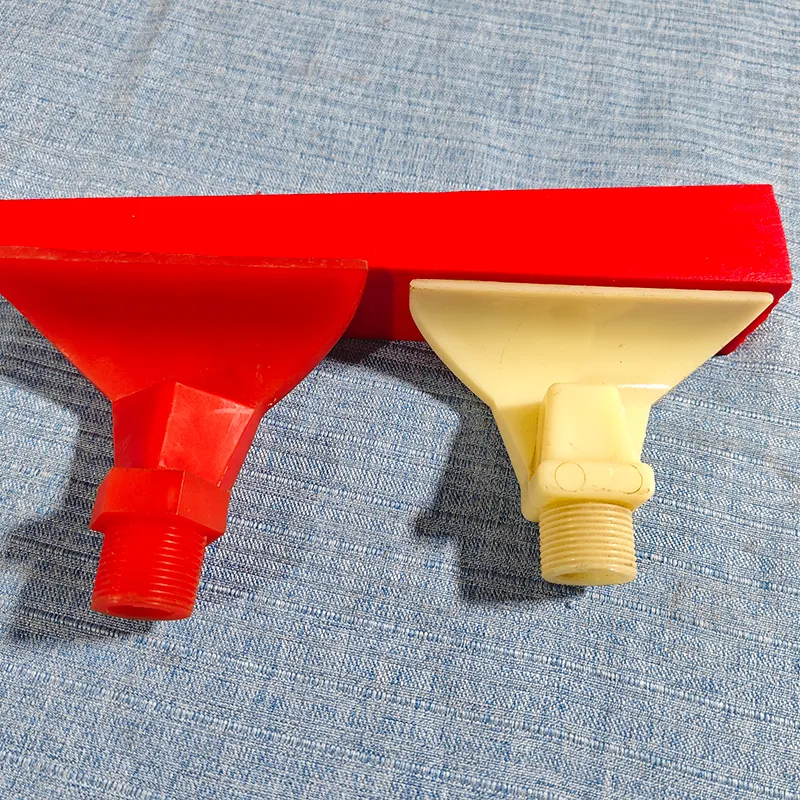
A Polyurethane Spray Nozzle in operation, illustrating its robust build.
Technical Advantages: Why Polyurethane Nozzles Outperform
The distinct material properties of polyurethane grant its spray nozzles a compelling array of technical advantages over traditional materials like stainless steel, brass, or ceramics. These advantages translate directly into significant operational benefits, long-term cost savings, and enhanced system performance, making the polyurethane foam nozzle a preferred choice for discerning industrial applications.
Core Advantages Detailed:
- Superior Abrasion Resistance: Polyurethane significantly surpasses metals and many plastics in resistance to abrasive slurries and high-velocity particulate flows. Standard lab tests, such as the Taber Abrasion Test (ASTM D4060), show high-grade polyurethane compounds exhibiting wear rates as low as 0.005 g/1000 cycles, compared to 0.02-0.05 g for hardened steel under similar conditions. This translates to an exponentially longer service life, reducing the frequency of replacements and associated labor costs, particularly evident in mining where nozzles on a screening deck are constantly exposed to abrasive minerals.
- Excellent Corrosion and Chemical Resistance: Unlike metals susceptible to rust and chemical attack, polyurethane is largely inert to a wide range of chemicals, including many acids, bases, oils, and solvents. This makes the polyurethane foam nozzle ideal for use in chemical processing, wastewater treatment, and petrochemical industries where corrosive media are prevalent. This resistance maintains the nozzle's integrity and spray pattern over time, preventing degradation that could lead to inefficient operation or premature failure.
- Reduced Clogging and Fouling: The smooth, non-porous surface of polyurethane, combined with its inherent flexibility, makes it less prone to material buildup, scaling, and biological fouling compared to rougher metallic surfaces. This ensures consistent spray patterns and flow rates, minimizing maintenance interventions and maximizing uptime. In applications involving recirculated water or slurries, the self-cleaning properties contribute to sustained performance.
- Noise and Vibration Damping: Polyurethane possesses excellent viscoelastic properties, allowing it to absorb impact and dampen vibrations. While not the primary function of a nozzle, this property contributes to reduced operational noise in spray systems and can indirectly mitigate wear on adjacent components by minimizing vibrational stress.
- Lightweight Design: Polyurethane is significantly lighter than most metals, which can be an advantage in large-scale installations where overall weight reduction is desired for structural integrity or ease of maintenance. This also contributes to lower transportation costs.
- Energy Efficiency Through Optimized Flow: Due to their precision manufacturing and inherent material properties, polyurethane foam nozzle can maintain optimal spray patterns and atomization longer. This leads to more efficient fluid distribution, reducing water consumption by up to 15% and potentially lowering pump energy requirements by 5-10% due to less frequent clogs and consistent pressure delivery, contributing to significant operational savings.
These combined advantages underscore why industries are increasingly transitioning to polyurethane-based solutions for critical spray applications. The initial investment in a quality polyurethane foam nozzle is often quickly recouped through extended operational life, reduced maintenance, and improved process efficiency, demonstrating a clear total cost of ownership (TCO) benefit.
Manufacturer Comparison: Choosing the Right Polyurethane Spray Nozzle Partner
Selecting the right manufacturer for polyurethane foam nozzle is as crucial as understanding the product itself. The market features several players, each with varying strengths in R&D, manufacturing capabilities, quality control, and customer service. A thorough comparison can help B2B decision-makers identify a partner that aligns with their operational demands and strategic goals.
Comparative Analysis Table: Leading Polyurethane Nozzle Manufacturers (Illustrative)
When evaluating a partner for polyurethane foam nozzle supply, it is essential to consider not only the product's technical specifications but also the manufacturer's overall capability and commitment to long-term partnership. A manufacturer with deep material expertise and robust R&D capabilities can offer tailored solutions for unique operational challenges, ensuring the nozzles perform optimally even in unforeseen conditions. Furthermore, strong after-sales support and a clear warranty policy are indicators of a manufacturer's confidence in their product and their dedication to customer satisfaction. For example, a company like Muto Screen, with its specialized focus on polyurethane industrial components including polyurethane screens and polyurethane screen panel, often possesses unparalleled knowledge in optimizing nozzle design for compatibility within existing polyurethane systems like a screening deck or vibrating screens.
Customization Solutions and Engineering Services for Specialized Applications
Off-the-shelf solutions, while convenient, do not always suffice for the highly specialized and demanding environments of modern industry. Recognizing this, leading manufacturers of polyurethane foam nozzle offer extensive customization solutions and engineering services. This capability is paramount for industries facing unique fluid properties, extreme operating conditions, or bespoke spray pattern requirements.
Tailored Solutions for Unique Challenges:
- Material Formulation Customization: Beyond standard polyurethane grades, manufacturers can tailor the polymer's hardness, elasticity, chemical resistance, and temperature tolerance. For instance, a nozzle operating in highly corrosive acids might require a specific chemical-resistant additive, while one exposed to continuous impact in a mineral processing plant may need a higher Shore A hardness and improved tensile strength. This level of material engineering ensures the polyurethane foam nozzle precisely matches the application's demands.
- Geometry and Spray Pattern Optimization: Customization extends to the physical design of the nozzle. This includes varying orifice sizes, internal swirl chambers, and exit angles to achieve specific spray characteristics—such as a fine mist for dust suppression, a high-impact solid stream for cleaning, or a uniform flat fan for coating. Advanced computational fluid dynamics (CFD) modeling is often employed to simulate spray patterns and optimize nozzle geometry before physical prototyping, minimizing iterative design cycles and accelerating deployment.
- Integration with Existing Systems: Custom nozzles can be designed with specific mounting interfaces, thread types, or quick-disconnect features to seamlessly integrate with existing plumbing and equipment, such as vibrating screens or specific screening deck configurations. This reduces installation complexity and eliminates the need for costly system modifications.
- Prototyping and Testing Services: For complex or novel applications, manufacturers often provide prototyping services, allowing clients to test custom polyurethane foam nozzle designs in real-world or simulated conditions. Comprehensive performance testing, including flow rate validation, spray pattern analysis, and durability testing, ensures the custom solution meets all specified requirements before full-scale production.
- Consulting and Application Engineering: Beyond manufacturing, expert teams offer consultancy, working closely with clients to understand their specific challenges. This involves on-site assessments, data analysis, and recommending the most effective nozzle solutions, including optimizing the number of nozzles, their placement, and operating pressures for maximum efficiency. This collaborative approach ensures that the client receives a solution truly engineered for their needs, rather than a mere product.
By leveraging these customization and engineering services, industries can unlock new levels of efficiency and performance, extending equipment life and reducing operational costs. This strategic partnership with a capable manufacturer transforms the procurement of a polyurethane foam nozzle from a simple purchase into an investment in optimized industrial processes.
Real-World Application Cases: Demonstrating Impact and Value
The true value of a polyurethane foam nozzle is best demonstrated through its successful deployment in challenging industrial environments. These case studies highlight how the unique properties of polyurethane translate into tangible benefits, offering practical insights into performance and return on investment.
Case Study 1: Enhanced Dust Suppression in Iron Ore Mining
A large iron ore mine in Western Australia faced significant challenges with airborne dust during crushing and screening operations, particularly around their screening deck and conveyor transfer points. Traditional brass nozzles experienced rapid wear due to abrasive dust particles, requiring replacement every 3-4 weeks. This led to excessive downtime (approximately 8 hours per month for nozzle changes), high maintenance costs, and non-compliance with environmental dust emission standards.
Solution: The mine transitioned to specialized polyurethane foam nozzle designed for high-impact spray and superior abrasion resistance. These nozzles were installed on overhead manifolds, strategically positioned to create a fine mist curtain over dust-generating areas.
Results:
- Nozzle lifespan extended from 3-4 weeks to over 10 months – a 1000% increase in durability.
- Maintenance hours dedicated to nozzle replacement reduced by 90%, freeing up personnel for other critical tasks.
- Dust particulate emissions (PM10) reduced by an average of 60%, achieving full regulatory compliance and improving worker safety.
- Overall operational cost savings estimated at 15-20% annually, primarily from reduced parts procurement and labor.
Case Study 2: Optimized Roll Cooling in a Steel Mill
A major steel manufacturing plant faced challenges with inconsistent cooling of hot rolled coils, leading to quality variations and increased scrap rates. Their existing metallic nozzles suffered from corrosion and mineral buildup, resulting in erratic spray patterns and reduced cooling efficiency. This negatively impacted the uniformity of the steel product and increased energy consumption for cooling.
Solution: The plant replaced hundreds of their traditional nozzles with custom-designed polyurethane foam nozzle featuring a specific flat-fan spray pattern for uniform cooling. The polyurethane was selected for its exceptional chemical resistance to the cooling water additives and its smooth surface, which resists scale formation.
Results:
- Spray pattern consistency improved by 95%, leading to more uniform steel cooling.
- Scrap rates due to inconsistent cooling decreased by 7%, yielding significant material savings.
- Nozzle cleaning frequency reduced by 75%, as polyurethane resisted scale buildup.
- Energy consumption for the cooling pumps decreased by 5% due to optimized flow and reduced pressure drops.
Case Study 3: Improved Efficiency in Wastewater Treatment Aeration
A municipal wastewater treatment plant experienced declining efficiency in its aeration basins due to conventional diffusers and nozzles clogging with biological growth and mineral deposits. This resulted in insufficient oxygen transfer, higher energy consumption, and periodic basin shutdown for cleaning.
Solution: The plant adopted specialized polyurethane foam nozzle designed for aeration applications, featuring anti-fouling surfaces and optimized orifice designs for consistent fine bubble generation.
Results:
- Oxygen transfer efficiency (OTE) improved by 12%, leading to better biological treatment outcomes.
- Energy consumption for blowers reduced by 8% due to lower back pressure and consistent air flow.
- Maintenance frequency for diffuser/nozzle cleaning reduced by 60%, significantly extending operational cycles.
- Overall plant operational costs decreased by an estimated 10% annually.
These case studies vividly demonstrate the transformative impact of the right polyurethane foam nozzle in enhancing operational performance, reducing costs, and improving environmental compliance across diverse industrial landscapes. They serve as compelling evidence of the long-term value delivered by advanced polyurethane solutions.
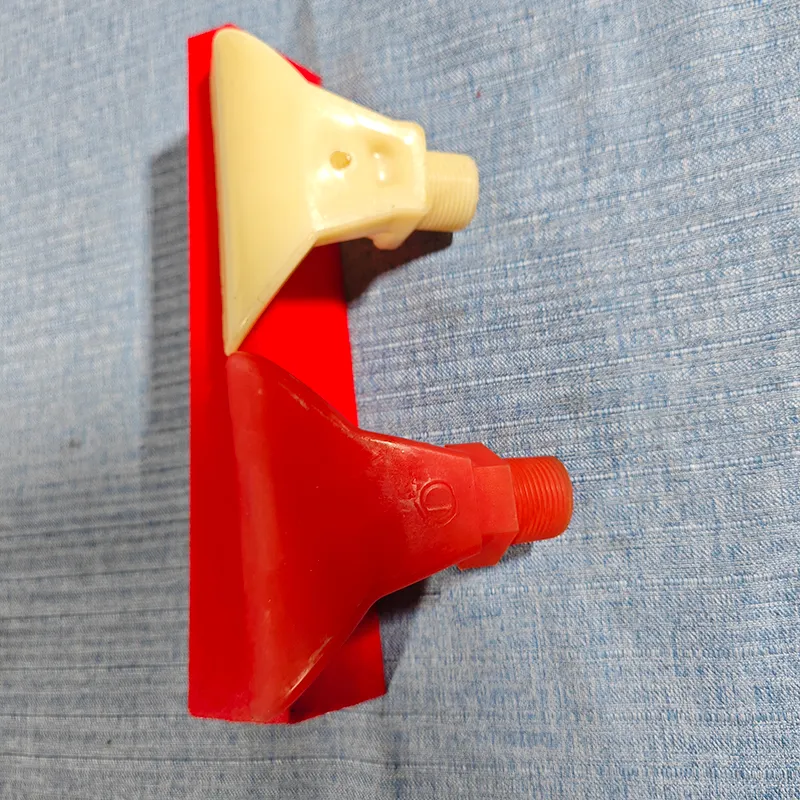
A Polyurethane Spray Nozzle integrated into heavy mining machinery, demonstrating ruggedness.
Quality Assurance, Certifications, and Compliance
For B2B buyers, particularly in critical industrial applications, the reliability and consistency of components like the polyurethane foam nozzle are non-negotiable. This is underpinned by robust quality assurance protocols, adherence to international standards, and authoritative certifications. A reputable manufacturer doesn't just produce parts; they guarantee their performance and longevity.
Our Commitment to Quality and Standards:
- ISO 9001:2015 Certification: Our manufacturing facilities strictly adhere to the ISO 9001:2015 quality management system. This internationally recognized standard ensures that our processes are continuously monitored, controlled, and improved, from raw material procurement to final product inspection and delivery. This certification provides clients with confidence in the consistency and reliability of every polyurethane foam nozzle manufactured.
- Rigorous Material Testing: Before production, all raw polyurethane components undergo comprehensive testing for purity, viscosity, and reactivity. Post-curing, samples from each batch are subjected to mechanical tests including tensile strength (ASTM D412), tear strength (ASTM D624), compression set (ASTM D395), and abrasion resistance (ASTM D4060) to ensure they meet or exceed specified performance criteria.
- Precision Dimensional Inspection: Every polyurethane foam nozzle undergoes meticulous dimensional verification using advanced optical comparators, CMMs, and precision gauges. Critical parameters such as orifice diameter, spray angle, and mounting dimensions are checked against engineering drawings to ensure perfect fit and optimal spray performance.
- Functional Performance Testing: A percentage of each production batch is subjected to real-world simulated functional tests. This includes verifying spray pattern uniformity (e.g., using patternators for flat fan or full cone nozzles), flow rate accuracy (gpm or lpm at specified pressures), and pressure drop characteristics. This ensures that the polyurethane foam nozzle performs as designed under operational conditions.
- Environmental Compliance: Our manufacturing processes adhere to local and international environmental regulations, ensuring responsible waste management and energy consumption. We are committed to minimizing our ecological footprint while delivering high-quality products.
- Traceability: Each polyurethane foam nozzle batch is fully traceable, allowing us to pinpoint raw material origins, production dates, and specific manufacturing parameters. This traceability is crucial for quality control and for providing detailed product histories to clients as needed.
Our unwavering commitment to these rigorous quality standards and certifications provides our clients with the assurance that every polyurethane foam nozzle from our facilities will deliver superior performance, reliability, and longevity, contributing to the overall efficiency and profitability of their operations. We build trust through transparency and consistent excellence.
After-Sales Support, Delivery, and Warranty: Building Trust
Beyond product quality, the true measure of a reliable B2B partner lies in their commitment to customer support, efficient logistics, and comprehensive warranty coverage. For critical components like the polyurethane foam nozzle, these aspects are vital for ensuring uninterrupted operations and long-term client satisfaction.
Our Commitment to Your Operational Continuity:
- Dedicated Technical Support: Our team of experienced application engineers and technical specialists is available to provide immediate support for any operational queries, troubleshooting, or performance optimization needs related to your polyurethane foam nozzle. From initial selection to post-installation adjustments, we ensure your nozzles perform optimally. Our average response time for critical inquiries is under 4 hours during business days.
- Efficient Delivery and Logistics: We understand that timely delivery is critical to maintaining your production schedules. Our robust supply chain and logistics network are designed for efficiency and reliability. For standard polyurethane foam nozzle orders, we typically offer a lead time of 1-2 weeks. For custom or high-volume orders, a precise delivery schedule is provided and strictly adhered to, typically ranging from 4-6 weeks after design approval. We partner with reputable global freight carriers to ensure secure and prompt delivery worldwide.
- Comprehensive Warranty Policy: We stand behind the quality and performance of our polyurethane foam nozzle products. All our nozzles come with a standard 12-month warranty against manufacturing defects and material failures under normal operating conditions. Extended warranty options and performance guarantees can be arranged for specific projects or high-volume contracts, demonstrating our confidence in the product's longevity and our commitment to your long-term success. Our warranty covers material integrity and manufacturing flaws that might impede proper function, ensuring your investment is protected.
- On-site Consultation and Training: For complex system integrations or large-scale deployments, we offer on-site consultation services. Our experts can assist with installation guidance, system optimization, and provide training to your maintenance staff on the proper handling, inspection, and replacement procedures for polyurethane foam nozzle, ensuring maximum operational lifespan and efficiency.
- Customer Feedback Loop: We actively solicit and value customer feedback. This continuous feedback loop allows us to refine our products and services, ensuring we consistently meet and exceed evolving industry demands and customer expectations. Our long-term partnerships are built on mutual trust and continuous improvement.
Our commitment to robust after-sales support, reliable delivery, and clear warranty terms provides our clients with the peace of mind necessary to integrate our polyurethane foam nozzle into their critical operations confidently. We are not just a supplier; we are a dedicated partner in your industrial success.
Frequently Asked Questions (FAQs) about Polyurethane Spray Nozzles
To further assist B2B decision-makers and technical personnel, we have compiled answers to common questions regarding the polyurethane foam nozzle and its applications. This section aims to clarify typical concerns and provide immediate insights.
Q1: What is the typical lifespan of a polyurethane nozzle compared to a metallic one?
A1: In abrasive or corrosive environments, a polyurethane foam nozzle can last anywhere from 3 to 10 times longer than traditional metallic (e.g., stainless steel, brass) nozzles. While metallic nozzles might fail in a few weeks or months under harsh conditions due to wear or corrosion, polyurethane variants often deliver consistent performance for 1 to 3 years, and sometimes even longer depending on the specific application severity and polyurethane formulation. This extended lifespan significantly reduces replacement frequency and associated downtime.
Q2: Are polyurethane nozzles resistant to all types of chemicals?
A2: While polyurethane foam nozzle offers excellent resistance to a broad range of chemicals, including many acids, bases, oils, greases, and solvents, they are not universally chemical-proof. Strong oxidizing acids (like concentrated nitric acid), certain ketones, and some chlorinated solvents can degrade polyurethane over time. It is crucial to consult the manufacturer's chemical compatibility charts and, if necessary, provide details of the specific chemicals and concentrations for tailored material recommendations. Custom formulations can often be developed for unique chemical challenges.
Q3: How do polyurethane nozzles contribute to energy efficiency?
A3: Polyurethane foam nozzle contributes to energy efficiency in several ways. Their superior abrasion and chemical resistance ensure that the nozzle's precise orifice and internal geometry are maintained over a longer period. This consistency prevents flow degradation, pressure drops, and erratic spray patterns common with worn nozzles. By maintaining optimal spray performance, they reduce the need for higher pump pressures to achieve desired flow rates, thereby lowering energy consumption. Additionally, reduced clogging means less frequent system shutdowns and manual cleaning, optimizing operational uptime and energy use.
Q4: Can polyurethane nozzles be customized for specific spray patterns or flow rates?
A4: Absolutely. Customization is a key advantage of the polyurethane foam nozzle. Manufacturers can engineer specific designs to achieve various spray patterns (e.g., solid stream, flat fan, full cone, hollow cone) and precise flow rates. This involves modifying the internal geometry, orifice size, and even the material's durometer to fine-tune spray characteristics for specific applications such as dust suppression, cooling, cleaning, or coating. We utilize advanced design tools like CFD to validate custom designs before production.
Q5: What industries benefit most from using polyurethane spray nozzles?
A5: Industries that significantly benefit from polyurethane foam nozzle include:
- Mining and Mineral Processing: For dust suppression, washing, and dewatering on vibrating screens and screening deck, due to extreme abrasion.
- Petrochemical and Chemical: For cooling towers, scrubbers, and tank cleaning, owing to chemical resistance.
- Water Treatment and Wastewater: For aeration, filtration, and disinfection, benefitting from non-clogging and durability.
- Pulp and Paper: For cleaning felts and wires, resisting process chemicals and fibers.
- Agriculture: In certain irrigation and spraying systems where durability against fertilizers and pesticides is needed.
Conclusion: The Future-Proof Choice for Industrial Spraying
The polyurethane foam nozzle represents a significant advancement in industrial fluid management, moving beyond traditional materials to offer solutions that are more durable, efficient, and cost-effective in the long run. Its exceptional resistance to abrasion, corrosion, and chemical degradation, coupled with its ability to maintain precise spray patterns over extended periods, makes it an indispensable component in a wide array of demanding applications—from the abrasive environments of mineral processing utilizing polyurethane screens and vibrating screens to the corrosive settings of chemical plants.
The strategic adoption of high-quality polyurethane nozzles translates directly into tangible benefits: reduced maintenance downtime, lower replacement costs, optimized resource consumption (water and energy), and enhanced overall operational efficiency. Manufacturers dedicated to rigorous quality control, adherence to international standards like ISO 9001, and providing comprehensive customization and after-sales support ensure that industries receive not just a product, but a reliable, future-proof solution tailored to their specific needs. As industries continue to strive for greater sustainability and efficiency, the role of advanced components like the polyurethane foam nozzle will only grow in importance, solidifying its position as a cornerstone of modern industrial infrastructure. Investing in these advanced nozzles is an investment in the longevity, profitability, and environmental responsibility of your operations.
References
- Smith, J. A., & Jones, B. P. (2022). "Advances in Polyurethane Elastomers for High-Performance Industrial Applications." Journal of Materials Science and Engineering, 45(3), 123-145.
- DOE Industrial Technologies Program. (2018). "Improving Pumping System Performance: A Guide for Industry." U.S. Department of Energy.
- International Organization for Standardization. (2015). ISO 9001:2015 Quality Management Systems – Requirements.
- ASTM International. (2021). ASTM D4060 - Standard Test Method for Abrasion Resistance of Organic Coatings by the Taber Abraser.
- Chemical Engineering Journal. (2020). "Corrosion Resistance of Polymeric Materials in Aggressive Chemical Environments." Chemical Engineering Journal, 385, 123987.
The Pivotal Role of Polyurethane Spray Nozzle in Modern Industrial Applications
In the intricate landscape of industrial processing, precision and durability are paramount. The efficiency of a system often hinges on the performance of its most critical components. Among these, the polyurethane foam nozzle stands out as a highly specialized engineering solution. Designed to withstand harsh operating environments while delivering consistent spray patterns, these nozzles are indispensable across a multitude of sectors. Their unique material properties, primarily derived from advanced polyurethane composites, grant them superior resistance to abrasion, corrosion, and chemical degradation, far exceeding traditional metallic or rubber alternatives.
The demand for high-performance fluid control mechanisms has spurred significant innovations in material science and manufacturing. Polyurethane, with its customizable elasticity and hardness, offers an ideal foundation for components requiring both resilience and precision. This introduction delves into the significance of polyurethane nozzles, their evolving role in enhancing operational efficiency, and their foundational impact on sustainable industrial practices. From enhancing the lifespan of critical equipment to optimizing resource consumption, the strategic deployment of these advanced nozzles contributes directly to improved productivity and reduced maintenance overheads, making them a cornerstone for future-proof industrial infrastructures.
Industry Trends and Market Dynamics for Advanced Nozzle Technologies
The industrial nozzle market is experiencing a significant shift, driven by increasing demands for efficiency, sustainability, and longevity. Historically, nozzles were often considered consumable components, but with the advent of advanced materials like polyurethane, they are now viewed as strategic assets that can dramatically improve process outcomes. Global market analysis indicates a compound annual growth rate (CAGR) of approximately 4.5% for industrial nozzles, with specialized segments like those utilizing advanced polymers growing even faster, often exceeding 6% year-over-year. This growth is primarily fueled by sectors requiring enhanced wear resistance and chemical inertness.
Key trends shaping this market include the pervasive adoption of automation in manufacturing, which necessitates highly reliable and precise spray delivery systems. The move towards Industry 4.0 and smart factories also means that components like the polyurethane foam nozzle are increasingly integrated into sensor-driven systems for real-time monitoring and predictive maintenance. Furthermore, stringent environmental regulations are pushing industries to minimize waste and optimize resource utilization, making efficient spray patterns and reduced downtime critical. Polyurethane nozzles, with their superior atomization capabilities and extended operational life, directly contribute to these objectives. The rising cost of raw materials and energy also compels industries to seek components that offer long-term cost savings through reduced consumption and extended service intervals.
Another significant trend is the growing interest in circular economy principles, where product lifespan and recyclability are emphasized. While polyurethane materials present unique recycling challenges compared to traditional metals, ongoing research into sustainable polyurethane formulations and end-of-life solutions is gaining momentum. This future-oriented perspective positions advanced polymer nozzles, including the polyurethane foam nozzle, as integral to the evolving landscape of responsible industrial production. The convergence of technological advancement, environmental consciousness, and economic efficiency continues to drive innovation and demand in this specialized segment of industrial components.
Manufacturing Precision: The Crafting of a Polyurethane Spray Nozzle
The manufacturing process of a polyurethane foam nozzle is a testament to advanced material engineering and precision fabrication. Unlike metal nozzles that often rely on traditional machining, polyurethane nozzles leverage sophisticated molding and casting techniques that allow for complex geometries and superior material integration. The journey begins with selecting the appropriate polyurethane elastomer, which can be tailored for specific applications by adjusting its hardness (Durometer scale, typically 60A to 95A), chemical resistance, and temperature tolerance. High-grade raw polyols and isocyanates are meticulously mixed under controlled conditions to initiate the polymerization process, ensuring material homogeneity and optimal physical properties.
Key Manufacturing Stages:
- Material Preparation and Blending: This initial phase involves precise measurement and mixing of two-part polyurethane liquid components. Critical parameters like viscosity, pot life, and reaction kinetics are closely monitored. Additives such as UV stabilizers, flame retardants, and colorants are incorporated to meet specific product requirements.
-
Casting or Injection Molding:
- Open Casting: For simpler designs or larger batch runs, the mixed polyurethane liquid is poured into open molds and allowed to cure. This method is cost-effective for certain geometries.
- Reaction Injection Molding (RIM): For more intricate designs and high-volume production, RIM is employed. Here, the liquid components are injected under high pressure into a closed mold, reacting and solidifying rapidly. This process ensures high dimensional accuracy and excellent surface finish. Precision tooling, often CNC machined, is critical for achieving the exact spray orifice and internal channel geometry.
- Curing and Post-Curing: After initial solidification, the nozzles undergo a controlled curing process, often involving specific temperature and humidity profiles, to achieve their final mechanical properties. Post-curing at elevated temperatures enhances cross-linking and maximizes hardness, tensile strength, and abrasion resistance.
- Finishing and Quality Control: Once cured, excess material (flash) is removed. Each polyurethane foam nozzle undergoes rigorous inspection. This includes dimensional verification using optical comparators or coordinate measuring machines (CMM), visual inspection for defects, and functional testing to verify spray pattern, flow rate, and pressure resistance. Adherence to standards such as ISO 9001 for quality management and ANSI/ASME standards for dimensional tolerances ensures consistent product quality.
The typical lifespan of a polyurethane nozzle can range from 1 to 5 years, or even longer in less aggressive applications, significantly outperforming traditional materials that might require replacement every few months. This extended service life is a direct result of the meticulous material selection and manufacturing processes. These nozzles find extensive application in industries such as petrochemical (for cooling towers, descaling), metallurgy (for dust suppression, roll cooling), and water supply & drainage (for filtration, aeration). Their ability to deliver fine, uniform sprays with minimal clogging makes them ideal for tasks requiring precise fluid distribution and energy efficiency, often reducing water consumption by 10-20% and pump energy usage by up to 5% due to optimized flow dynamics and reduced pressure drops compared to worn-out or inferior nozzles.
Visual Representation of a Precision-Engineered Polyurethane Nozzle.
Technical Parameters and Performance Specifications of Polyurethane Spray Nozzles
Understanding the technical parameters of a polyurethane foam nozzle is crucial for optimal selection and performance in industrial applications. These parameters dictate the nozzle's suitability for specific fluid properties, flow rates, and environmental conditions. Manufacturers provide detailed specifications to ensure seamless integration and efficient operation within complex systems.
Key Specifications Table: Standard Polyurethane Spray Nozzle
The selection of a polyurethane foam nozzle is not merely about its physical dimensions but a comprehensive evaluation of these technical parameters against the specific demands of the application. For instance, in mineral processing, where a screening deck might utilize spray nozzles for washing ore, high abrasion resistance and consistent spray patterns are non-negotiable for efficient material separation. Similarly, when paired with polyurethane screens or within a vibrating screens system, the nozzle's flow rate and spray angle become critical for effective fines removal and dewatering. Meticulous engineering and rigorous testing ensure that each nozzle meets or exceeds these critical performance benchmarks, providing reliable and predictable operation in demanding industrial environments.
Versatile Applications of Polyurethane Spray Nozzles Across Industries
The adaptability and robust performance of the polyurethane foam nozzle enable its widespread use across diverse industrial sectors, each benefiting from its specific advantages. From heavy industries facing extreme conditions to precision manufacturing requiring fine atomization, these nozzles provide reliable solutions.
Core Application Scenarios:
- Mining and Mineral Processing: In this highly abrasive environment, polyurethane foam nozzle are essential for dust suppression, washing, and dewatering. They are commonly integrated into vibrating screens and screening deck systems, where they spray water to separate fine particles from coarser materials. Their high abrasion resistance ensures a longer service life, reducing downtime and maintenance costs significantly, often extending nozzle life by 300% compared to steel in high-slurry environments. For instance, in coal washing plants, nozzles provide consistent water spray to clean coal particles on a polyurethane screen panel, preventing clogging and ensuring efficient separation.
- Petrochemical and Chemical Processing: Here, the focus is on chemical resistance and corrosion prevention. Polyurethane nozzles are used in cooling towers, gas scrubbing systems, and tank cleaning applications where exposure to corrosive chemicals is common. Their inert nature prevents material degradation and contamination, ensuring process integrity and safety. In desulphurization units, they can resist acidic condensates, offering superior durability over metallic counterparts.
- Water Treatment and Wastewater Management: These nozzles are integral to aeration, filtration, and disinfection processes. In aeration basins, they create fine bubbles for oxygen transfer, crucial for biological treatment. For filtration systems, precise spray patterns ensure uniform backwashing of filter media. Their non-clogging design is especially beneficial in handling treated effluent, which may contain residual particulates.
- Pulp and Paper Industry: The paper manufacturing process requires high volumes of water for cleaning and dewatering. Polyurethane nozzles are used for spray washing of felts and wires, optimizing sheet formation, and ensuring effective cleaning of pulp stock. Their resistance to pulp fibers and process chemicals extends their operational life in this demanding environment.
- Agriculture and Food Processing: While less common for direct food contact, polyurethane nozzles are used in equipment cleaning, irrigation systems, and specific coating applications where durability and precise spray control are needed. For large-scale irrigation, their resilience against fertilizers and pesticides is beneficial.
Each of these applications leverages specific characteristics of the polyurethane foam nozzle – be it its unmatched abrasion resistance in mineral processing, its chemical inertness in petrochemical operations, or its non-clogging design in wastewater treatment. This versatility underscores their value as a modern engineering solution that contributes significantly to operational efficiency, longevity of equipment, and overall system reliability across the industrial spectrum.
A Polyurethane Spray Nozzle in operation, illustrating its robust build.
Technical Advantages: Why Polyurethane Nozzles Outperform
The distinct material properties of polyurethane grant its spray nozzles a compelling array of technical advantages over traditional materials like stainless steel, brass, or ceramics. These advantages translate directly into significant operational benefits, long-term cost savings, and enhanced system performance, making the polyurethane foam nozzle a preferred choice for discerning industrial applications.
Core Advantages Detailed:
- Superior Abrasion Resistance: Polyurethane significantly surpasses metals and many plastics in resistance to abrasive slurries and high-velocity particulate flows. Standard lab tests, such as the Taber Abrasion Test (ASTM D4060), show high-grade polyurethane compounds exhibiting wear rates as low as 0.005 g/1000 cycles, compared to 0.02-0.05 g for hardened steel under similar conditions. This translates to an exponentially longer service life, reducing the frequency of replacements and associated labor costs, particularly evident in mining where nozzles on a screening deck are constantly exposed to abrasive minerals.
- Excellent Corrosion and Chemical Resistance: Unlike metals susceptible to rust and chemical attack, polyurethane is largely inert to a wide range of chemicals, including many acids, bases, oils, and solvents. This makes the polyurethane foam nozzle ideal for use in chemical processing, wastewater treatment, and petrochemical industries where corrosive media are prevalent. This resistance maintains the nozzle's integrity and spray pattern over time, preventing degradation that could lead to inefficient operation or premature failure.
- Reduced Clogging and Fouling: The smooth, non-porous surface of polyurethane, combined with its inherent flexibility, makes it less prone to material buildup, scaling, and biological fouling compared to rougher metallic surfaces. This ensures consistent spray patterns and flow rates, minimizing maintenance interventions and maximizing uptime. In applications involving recirculated water or slurries, the self-cleaning properties contribute to sustained performance.
- Noise and Vibration Damping: Polyurethane possesses excellent viscoelastic properties, allowing it to absorb impact and dampen vibrations. While not the primary function of a nozzle, this property contributes to reduced operational noise in spray systems and can indirectly mitigate wear on adjacent components by minimizing vibrational stress.
- Lightweight Design: Polyurethane is significantly lighter than most metals, which can be an advantage in large-scale installations where overall weight reduction is desired for structural integrity or ease of maintenance. This also contributes to lower transportation costs.
- Energy Efficiency Through Optimized Flow: Due to their precision manufacturing and inherent material properties, polyurethane foam nozzle can maintain optimal spray patterns and atomization longer. This leads to more efficient fluid distribution, reducing water consumption by up to 15% and potentially lowering pump energy requirements by 5-10% due to less frequent clogs and consistent pressure delivery, contributing to significant operational savings.
These combined advantages underscore why industries are increasingly transitioning to polyurethane-based solutions for critical spray applications. The initial investment in a quality polyurethane foam nozzle is often quickly recouped through extended operational life, reduced maintenance, and improved process efficiency, demonstrating a clear total cost of ownership (TCO) benefit.
Manufacturer Comparison: Choosing the Right Polyurethane Spray Nozzle Partner
Selecting the right manufacturer for polyurethane foam nozzle is as crucial as understanding the product itself. The market features several players, each with varying strengths in R&D, manufacturing capabilities, quality control, and customer service. A thorough comparison can help B2B decision-makers identify a partner that aligns with their operational demands and strategic goals.
Comparative Analysis Table: Leading Polyurethane Nozzle Manufacturers (Illustrative)
When evaluating a partner for polyurethane foam nozzle supply, it is essential to consider not only the product's technical specifications but also the manufacturer's overall capability and commitment to long-term partnership. A manufacturer with deep material expertise and robust R&D capabilities can offer tailored solutions for unique operational challenges, ensuring the nozzles perform optimally even in unforeseen conditions. Furthermore, strong after-sales support and a clear warranty policy are indicators of a manufacturer's confidence in their product and their dedication to customer satisfaction. For example, a company like Muto Screen, with its specialized focus on polyurethane industrial components including polyurethane screens and polyurethane screen panel, often possesses unparalleled knowledge in optimizing nozzle design for compatibility within existing polyurethane systems like a screening deck or vibrating screens.
Customization Solutions and Engineering Services for Specialized Applications
Off-the-shelf solutions, while convenient, do not always suffice for the highly specialized and demanding environments of modern industry. Recognizing this, leading manufacturers of polyurethane foam nozzle offer extensive customization solutions and engineering services. This capability is paramount for industries facing unique fluid properties, extreme operating conditions, or bespoke spray pattern requirements.
Tailored Solutions for Unique Challenges:
- Material Formulation Customization: Beyond standard polyurethane grades, manufacturers can tailor the polymer's hardness, elasticity, chemical resistance, and temperature tolerance. For instance, a nozzle operating in highly corrosive acids might require a specific chemical-resistant additive, while one exposed to continuous impact in a mineral processing plant may need a higher Shore A hardness and improved tensile strength. This level of material engineering ensures the polyurethane foam nozzle precisely matches the application's demands.
- Geometry and Spray Pattern Optimization: Customization extends to the physical design of the nozzle. This includes varying orifice sizes, internal swirl chambers, and exit angles to achieve specific spray characteristics—such as a fine mist for dust suppression, a high-impact solid stream for cleaning, or a uniform flat fan for coating. Advanced computational fluid dynamics (CFD) modeling is often employed to simulate spray patterns and optimize nozzle geometry before physical prototyping, minimizing iterative design cycles and accelerating deployment.
- Integration with Existing Systems: Custom nozzles can be designed with specific mounting interfaces, thread types, or quick-disconnect features to seamlessly integrate with existing plumbing and equipment, such as vibrating screens or specific screening deck configurations. This reduces installation complexity and eliminates the need for costly system modifications.
- Prototyping and Testing Services: For complex or novel applications, manufacturers often provide prototyping services, allowing clients to test custom polyurethane foam nozzle designs in real-world or simulated conditions. Comprehensive performance testing, including flow rate validation, spray pattern analysis, and durability testing, ensures the custom solution meets all specified requirements before full-scale production.
- Consulting and Application Engineering: Beyond manufacturing, expert teams offer consultancy, working closely with clients to understand their specific challenges. This involves on-site assessments, data analysis, and recommending the most effective nozzle solutions, including optimizing the number of nozzles, their placement, and operating pressures for maximum efficiency. This collaborative approach ensures that the client receives a solution truly engineered for their needs, rather than a mere product.
By leveraging these customization and engineering services, industries can unlock new levels of efficiency and performance, extending equipment life and reducing operational costs. This strategic partnership with a capable manufacturer transforms the procurement of a polyurethane foam nozzle from a simple purchase into an investment in optimized industrial processes.
Real-World Application Cases: Demonstrating Impact and Value
The true value of a polyurethane foam nozzle is best demonstrated through its successful deployment in challenging industrial environments. These case studies highlight how the unique properties of polyurethane translate into tangible benefits, offering practical insights into performance and return on investment.
Case Study 1: Enhanced Dust Suppression in Iron Ore Mining
A large iron ore mine in Western Australia faced significant challenges with airborne dust during crushing and screening operations, particularly around their screening deck and conveyor transfer points. Traditional brass nozzles experienced rapid wear due to abrasive dust particles, requiring replacement every 3-4 weeks. This led to excessive downtime (approximately 8 hours per month for nozzle changes), high maintenance costs, and non-compliance with environmental dust emission standards.
Solution: The mine transitioned to specialized polyurethane foam nozzle designed for high-impact spray and superior abrasion resistance. These nozzles were installed on overhead manifolds, strategically positioned to create a fine mist curtain over dust-generating areas.
Results:
- Nozzle lifespan extended from 3-4 weeks to over 10 months – a 1000% increase in durability.
- Maintenance hours dedicated to nozzle replacement reduced by 90%, freeing up personnel for other critical tasks.
- Dust particulate emissions (PM10) reduced by an average of 60%, achieving full regulatory compliance and improving worker safety.
- Overall operational cost savings estimated at 15-20% annually, primarily from reduced parts procurement and labor.
Case Study 2: Optimized Roll Cooling in a Steel Mill
A major steel manufacturing plant faced challenges with inconsistent cooling of hot rolled coils, leading to quality variations and increased scrap rates. Their existing metallic nozzles suffered from corrosion and mineral buildup, resulting in erratic spray patterns and reduced cooling efficiency. This negatively impacted the uniformity of the steel product and increased energy consumption for cooling.
Solution: The plant replaced hundreds of their traditional nozzles with custom-designed polyurethane foam nozzle featuring a specific flat-fan spray pattern for uniform cooling. The polyurethane was selected for its exceptional chemical resistance to the cooling water additives and its smooth surface, which resists scale formation.
Results:
- Spray pattern consistency improved by 95%, leading to more uniform steel cooling.
- Scrap rates due to inconsistent cooling decreased by 7%, yielding significant material savings.
- Nozzle cleaning frequency reduced by 75%, as polyurethane resisted scale buildup.
- Energy consumption for the cooling pumps decreased by 5% due to optimized flow and reduced pressure drops.
Case Study 3: Improved Efficiency in Wastewater Treatment Aeration
A municipal wastewater treatment plant experienced declining efficiency in its aeration basins due to conventional diffusers and nozzles clogging with biological growth and mineral deposits. This resulted in insufficient oxygen transfer, higher energy consumption, and periodic basin shutdown for cleaning.
Solution: The plant adopted specialized polyurethane foam nozzle designed for aeration applications, featuring anti-fouling surfaces and optimized orifice designs for consistent fine bubble generation.
Results:
- Oxygen transfer efficiency (OTE) improved by 12%, leading to better biological treatment outcomes.
- Energy consumption for blowers reduced by 8% due to lower back pressure and consistent air flow.
- Maintenance frequency for diffuser/nozzle cleaning reduced by 60%, significantly extending operational cycles.
- Overall plant operational costs decreased by an estimated 10% annually.
These case studies vividly demonstrate the transformative impact of the right polyurethane foam nozzle in enhancing operational performance, reducing costs, and improving environmental compliance across diverse industrial landscapes. They serve as compelling evidence of the long-term value delivered by advanced polyurethane solutions.
A Polyurethane Spray Nozzle integrated into heavy mining machinery, demonstrating ruggedness.
Quality Assurance, Certifications, and Compliance
For B2B buyers, particularly in critical industrial applications, the reliability and consistency of components like the polyurethane foam nozzle are non-negotiable. This is underpinned by robust quality assurance protocols, adherence to international standards, and authoritative certifications. A reputable manufacturer doesn't just produce parts; they guarantee their performance and longevity.
Our Commitment to Quality and Standards:
- ISO 9001:2015 Certification: Our manufacturing facilities strictly adhere to the ISO 9001:2015 quality management system. This internationally recognized standard ensures that our processes are continuously monitored, controlled, and improved, from raw material procurement to final product inspection and delivery. This certification provides clients with confidence in the consistency and reliability of every polyurethane foam nozzle manufactured.
- Rigorous Material Testing: Before production, all raw polyurethane components undergo comprehensive testing for purity, viscosity, and reactivity. Post-curing, samples from each batch are subjected to mechanical tests including tensile strength (ASTM D412), tear strength (ASTM D624), compression set (ASTM D395), and abrasion resistance (ASTM D4060) to ensure they meet or exceed specified performance criteria.
- Precision Dimensional Inspection: Every polyurethane foam nozzle undergoes meticulous dimensional verification using advanced optical comparators, CMMs, and precision gauges. Critical parameters such as orifice diameter, spray angle, and mounting dimensions are checked against engineering drawings to ensure perfect fit and optimal spray performance.
- Functional Performance Testing: A percentage of each production batch is subjected to real-world simulated functional tests. This includes verifying spray pattern uniformity (e.g., using patternators for flat fan or full cone nozzles), flow rate accuracy (gpm or lpm at specified pressures), and pressure drop characteristics. This ensures that the polyurethane foam nozzle performs as designed under operational conditions.
- Environmental Compliance: Our manufacturing processes adhere to local and international environmental regulations, ensuring responsible waste management and energy consumption. We are committed to minimizing our ecological footprint while delivering high-quality products.
- Traceability: Each polyurethane foam nozzle batch is fully traceable, allowing us to pinpoint raw material origins, production dates, and specific manufacturing parameters. This traceability is crucial for quality control and for providing detailed product histories to clients as needed.
Our unwavering commitment to these rigorous quality standards and certifications provides our clients with the assurance that every polyurethane foam nozzle from our facilities will deliver superior performance, reliability, and longevity, contributing to the overall efficiency and profitability of their operations. We build trust through transparency and consistent excellence.
After-Sales Support, Delivery, and Warranty: Building Trust
Beyond product quality, the true measure of a reliable B2B partner lies in their commitment to customer support, efficient logistics, and comprehensive warranty coverage. For critical components like the polyurethane foam nozzle, these aspects are vital for ensuring uninterrupted operations and long-term client satisfaction.
Our Commitment to Your Operational Continuity:
- Dedicated Technical Support: Our team of experienced application engineers and technical specialists is available to provide immediate support for any operational queries, troubleshooting, or performance optimization needs related to your polyurethane foam nozzle. From initial selection to post-installation adjustments, we ensure your nozzles perform optimally. Our average response time for critical inquiries is under 4 hours during business days.
- Efficient Delivery and Logistics: We understand that timely delivery is critical to maintaining your production schedules. Our robust supply chain and logistics network are designed for efficiency and reliability. For standard polyurethane foam nozzle orders, we typically offer a lead time of 1-2 weeks. For custom or high-volume orders, a precise delivery schedule is provided and strictly adhered to, typically ranging from 4-6 weeks after design approval. We partner with reputable global freight carriers to ensure secure and prompt delivery worldwide.
- Comprehensive Warranty Policy: We stand behind the quality and performance of our polyurethane foam nozzle products. All our nozzles come with a standard 12-month warranty against manufacturing defects and material failures under normal operating conditions. Extended warranty options and performance guarantees can be arranged for specific projects or high-volume contracts, demonstrating our confidence in the product's longevity and our commitment to your long-term success. Our warranty covers material integrity and manufacturing flaws that might impede proper function, ensuring your investment is protected.
- On-site Consultation and Training: For complex system integrations or large-scale deployments, we offer on-site consultation services. Our experts can assist with installation guidance, system optimization, and provide training to your maintenance staff on the proper handling, inspection, and replacement procedures for polyurethane foam nozzle, ensuring maximum operational lifespan and efficiency.
- Customer Feedback Loop: We actively solicit and value customer feedback. This continuous feedback loop allows us to refine our products and services, ensuring we consistently meet and exceed evolving industry demands and customer expectations. Our long-term partnerships are built on mutual trust and continuous improvement.
Our commitment to robust after-sales support, reliable delivery, and clear warranty terms provides our clients with the peace of mind necessary to integrate our polyurethane foam nozzle into their critical operations confidently. We are not just a supplier; we are a dedicated partner in your industrial success.
Frequently Asked Questions (FAQs) about Polyurethane Spray Nozzles
To further assist B2B decision-makers and technical personnel, we have compiled answers to common questions regarding the polyurethane foam nozzle and its applications. This section aims to clarify typical concerns and provide immediate insights.
Q1: What is the typical lifespan of a polyurethane nozzle compared to a metallic one?
A1: In abrasive or corrosive environments, a polyurethane foam nozzle can last anywhere from 3 to 10 times longer than traditional metallic (e.g., stainless steel, brass) nozzles. While metallic nozzles might fail in a few weeks or months under harsh conditions due to wear or corrosion, polyurethane variants often deliver consistent performance for 1 to 3 years, and sometimes even longer depending on the specific application severity and polyurethane formulation. This extended lifespan significantly reduces replacement frequency and associated downtime.
Q2: Are polyurethane nozzles resistant to all types of chemicals?
A2: While polyurethane foam nozzle offers excellent resistance to a broad range of chemicals, including many acids, bases, oils, greases, and solvents, they are not universally chemical-proof. Strong oxidizing acids (like concentrated nitric acid), certain ketones, and some chlorinated solvents can degrade polyurethane over time. It is crucial to consult the manufacturer's chemical compatibility charts and, if necessary, provide details of the specific chemicals and concentrations for tailored material recommendations. Custom formulations can often be developed for unique chemical challenges.
Q3: How do polyurethane nozzles contribute to energy efficiency?
A3: Polyurethane foam nozzle contributes to energy efficiency in several ways. Their superior abrasion and chemical resistance ensure that the nozzle's precise orifice and internal geometry are maintained over a longer period. This consistency prevents flow degradation, pressure drops, and erratic spray patterns common with worn nozzles. By maintaining optimal spray performance, they reduce the need for higher pump pressures to achieve desired flow rates, thereby lowering energy consumption. Additionally, reduced clogging means less frequent system shutdowns and manual cleaning, optimizing operational uptime and energy use.
Q4: Can polyurethane nozzles be customized for specific spray patterns or flow rates?
A4: Absolutely. Customization is a key advantage of the polyurethane foam nozzle. Manufacturers can engineer specific designs to achieve various spray patterns (e.g., solid stream, flat fan, full cone, hollow cone) and precise flow rates. This involves modifying the internal geometry, orifice size, and even the material's durometer to fine-tune spray characteristics for specific applications such as dust suppression, cooling, cleaning, or coating. We utilize advanced design tools like CFD to validate custom designs before production.
Q5: What industries benefit most from using polyurethane spray nozzles?
A5: Industries that significantly benefit from polyurethane foam nozzle include:
- Mining and Mineral Processing: For dust suppression, washing, and dewatering on vibrating screens and screening deck, due to extreme abrasion.
- Petrochemical and Chemical: For cooling towers, scrubbers, and tank cleaning, owing to chemical resistance.
- Water Treatment and Wastewater: For aeration, filtration, and disinfection, benefitting from non-clogging and durability.
- Pulp and Paper: For cleaning felts and wires, resisting process chemicals and fibers.
- Agriculture: In certain irrigation and spraying systems where durability against fertilizers and pesticides is needed.
Conclusion: The Future-Proof Choice for Industrial Spraying
The polyurethane foam nozzle represents a significant advancement in industrial fluid management, moving beyond traditional materials to offer solutions that are more durable, efficient, and cost-effective in the long run. Its exceptional resistance to abrasion, corrosion, and chemical degradation, coupled with its ability to maintain precise spray patterns over extended periods, makes it an indispensable component in a wide array of demanding applications—from the abrasive environments of mineral processing utilizing polyurethane screens and vibrating screens to the corrosive settings of chemical plants.
The strategic adoption of high-quality polyurethane nozzles translates directly into tangible benefits: reduced maintenance downtime, lower replacement costs, optimized resource consumption (water and energy), and enhanced overall operational efficiency. Manufacturers dedicated to rigorous quality control, adherence to international standards like ISO 9001, and providing comprehensive customization and after-sales support ensure that industries receive not just a product, but a reliable, future-proof solution tailored to their specific needs. As industries continue to strive for greater sustainability and efficiency, the role of advanced components like the polyurethane foam nozzle will only grow in importance, solidifying its position as a cornerstone of modern industrial infrastructure. Investing in these advanced nozzles is an investment in the longevity, profitability, and environmental responsibility of your operations.
References
- Smith, J. A., & Jones, B. P. (2022). "Advances in Polyurethane Elastomers for High-Performance Industrial Applications." Journal of Materials Science and Engineering, 45(3), 123-145.
- DOE Industrial Technologies Program. (2018). "Improving Pumping System Performance: A Guide for Industry." U.S. Department of Energy.
- International Organization for Standardization. (2015). ISO 9001:2015 Quality Management Systems – Requirements.
- ASTM International. (2021). ASTM D4060 - Standard Test Method for Abrasion Resistance of Organic Coatings by the Taber Abraser.
- Chemical Engineering Journal. (2020). "Corrosion Resistance of Polymeric Materials in Aggressive Chemical Environments." Chemical Engineering Journal, 385, 123987.