The Unrivaled Efficiency of Flip Flow Screens in Modern Material Processing
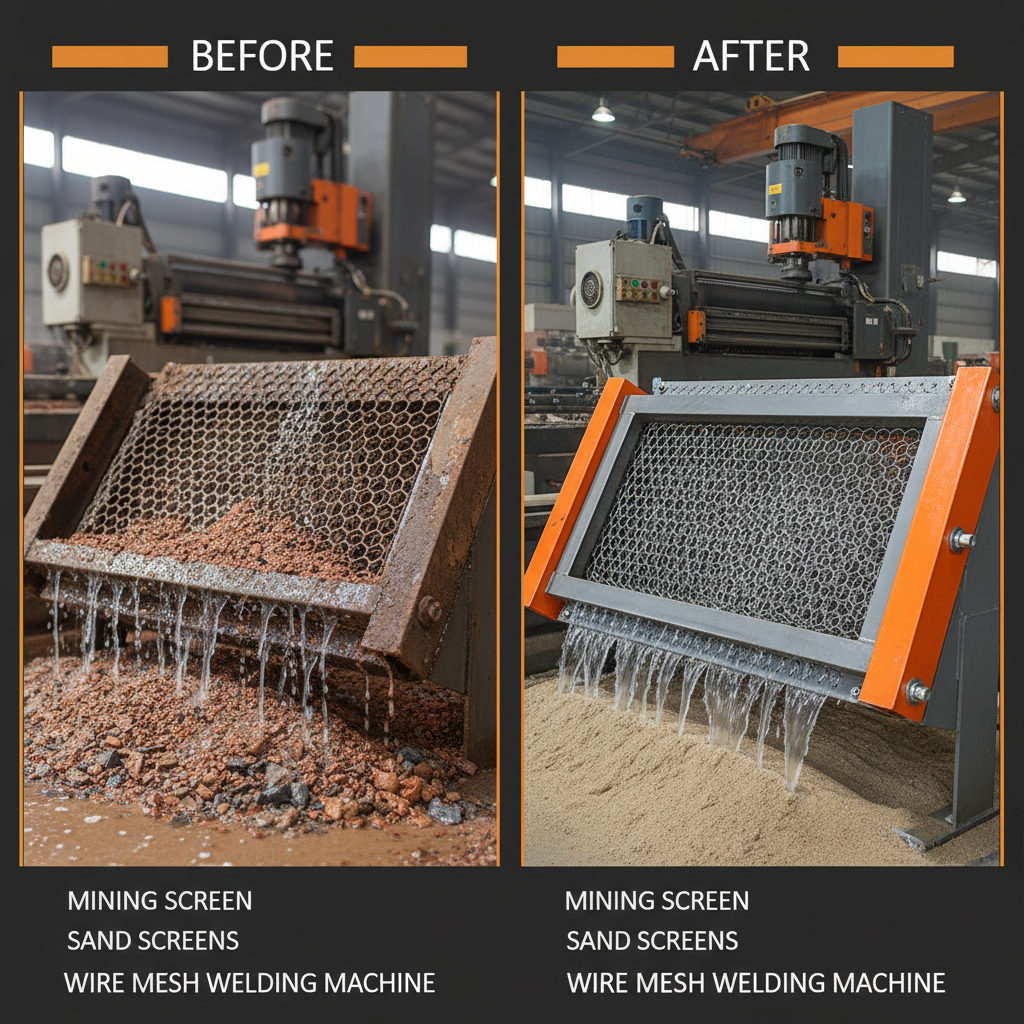
In the demanding world of bulk material processing, where efficiency, precision, and reliability are paramount, the advent of specialized screening technology has revolutionized operations across numerous industries. Among these innovations, the flip flow screen for sale stands out as a cutting-edge solution designed to tackle the most challenging screening applications, particularly those involving sticky, damp, or difficult-to-separate materials that traditionally clog conventional vibratory screens. This advanced screening principle employs dynamic stretching and relaxing of flexible screen mats, typically made from highly elastic polyurethane, allowing for rapid acceleration of material particles perpendicular to the screen surface. This unique action, often characterized by high acceleration forces (up to 50g), effectively prevents blinding and ensures a consistently high separation efficiency, even when processing aggregates, coal, waste, or recycled materials with high moisture content or fine particles. The continuous flexing of the screen surface not only optimizes throughput but also significantly reduces downtime associated with manual cleaning, leading to substantial operational cost savings and increased productivity in high-volume processing environments.
The demand for robust and high-performing screening solutions continues to grow as industries strive for greater sustainability and resource utilization. Traditional screening methods often struggle with materials that are prone to blinding, where wet or sticky fines adhere to the screen apertures, drastically reducing efficiency and requiring frequent manual intervention. Flip flow screens, including advanced bivitec flip flow screens, provide an elegant engineering solution to this pervasive problem by dynamically changing the aperture size and shape. This rapid deformation dislodges adhered particles, maintaining open screen areas and ensuring continuous material flow. The inherent design resilience against blinding makes them indispensable in applications involving compost, wood chips, slag, municipal solid waste (MSW), and various types of minerals. Furthermore, the modular design of many systems allows for easy maintenance and swift replacement of individual screen mats, contributing to a lower total cost of ownership over the equipment's extensive operational lifespan. This innovative approach to material separation enhances not only the purity of the separated fractions but also the overall throughput of an entire processing line, making it a pivotal investment for operations seeking to optimize their material handling capabilities.
The market for specialized screening equipment is experiencing significant growth, driven by an increasing global focus on recycling, resource recovery, and stringent material quality standards across sectors like mining, construction, and environmental management. This trend underscores the vital role of technologies like the flip flow screen for sale in modern industrial processes. Companies seeking competitive advantages are investing in these systems to process previously unmanageable materials, recover valuable resources, and reduce landfill waste. For instance, in coal processing, the ability of a flip flop screen for coal to handle damp coal with minimal blinding is critical for maintaining high production rates and ensuring product quality. Similarly, in construction and demolition waste recycling, flip flow technology efficiently separates various aggregates, wood, and other contaminants, producing clean, reusable materials. The adaptability and robust performance of these screens ensure they remain at the forefront of material separation technology, offering a future-proof solution for diverse industrial challenges.
Unveiling the Manufacturing Process of High-Performance Flip Flow Screens
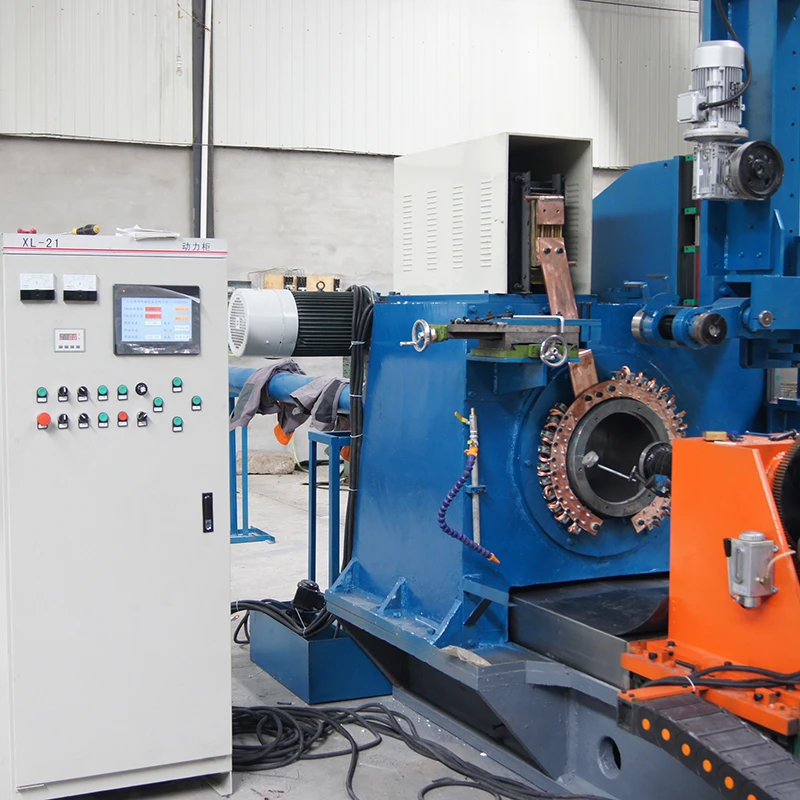
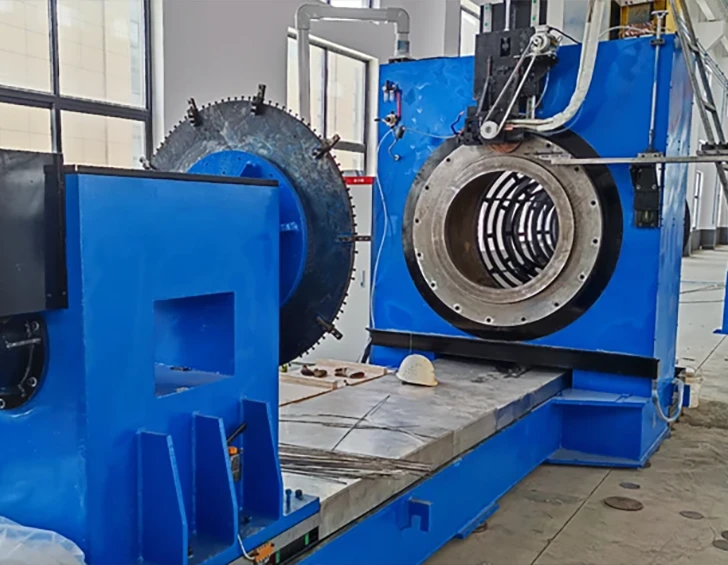
The manufacturing of a high-quality flip flow screen is a meticulously engineered process that combines advanced material science with precision mechanical fabrication to ensure optimal performance and durability in the harshest industrial environments. The core components, including the robust screen frame, the specialized drive mechanism, and the highly elastic screen mats, undergo rigorous quality control at every stage. The main frame, often constructed from high-grade structural steel, is subjected to precision CNC machining to ensure exact tolerances for the vibratory components and mounting points. This initial phase involves laser cutting and automated welding, followed by stress relieving and shot blasting to prepare the surface for protective coatings. The integrity of these foundational structural elements is critical, as they must withstand continuous high-frequency vibrations and substantial material loads, often exceeding design specifications to provide a margin of safety. Material selection adheres strictly to international standards such as ASTM A36 for structural steel and specific alloys for components requiring enhanced wear resistance.
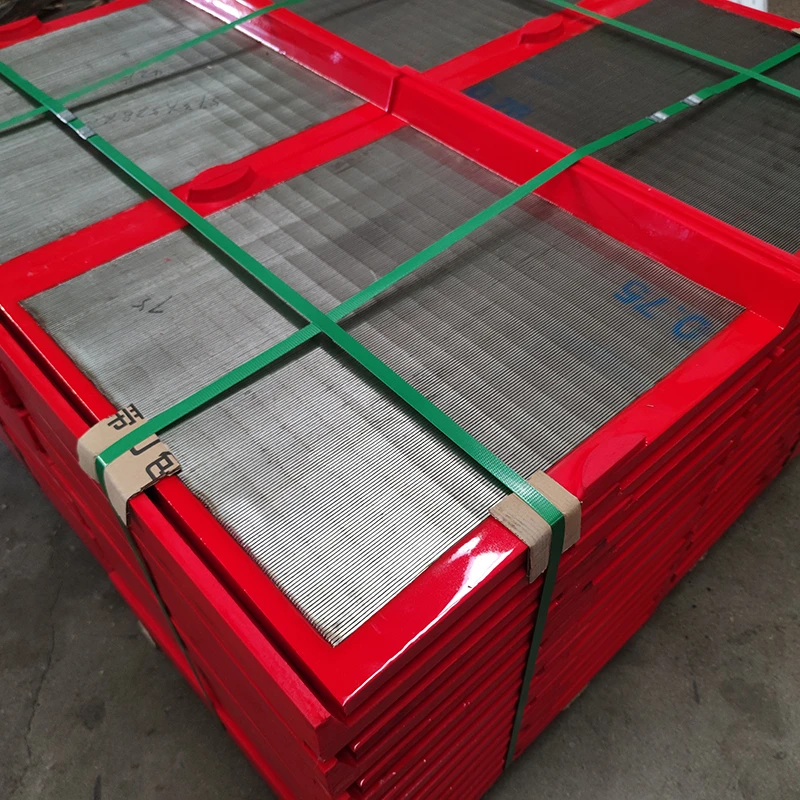
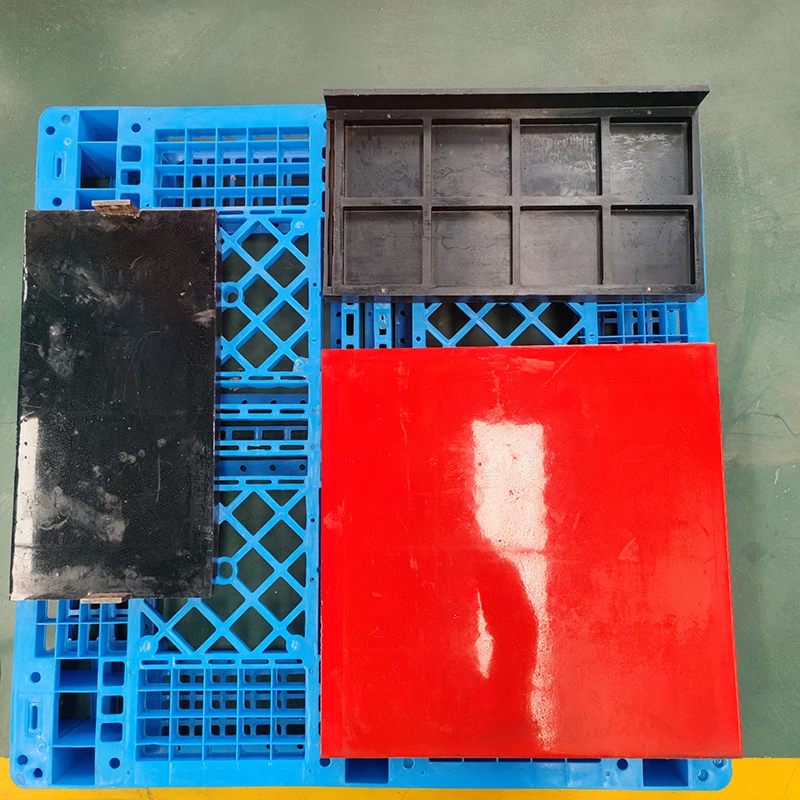
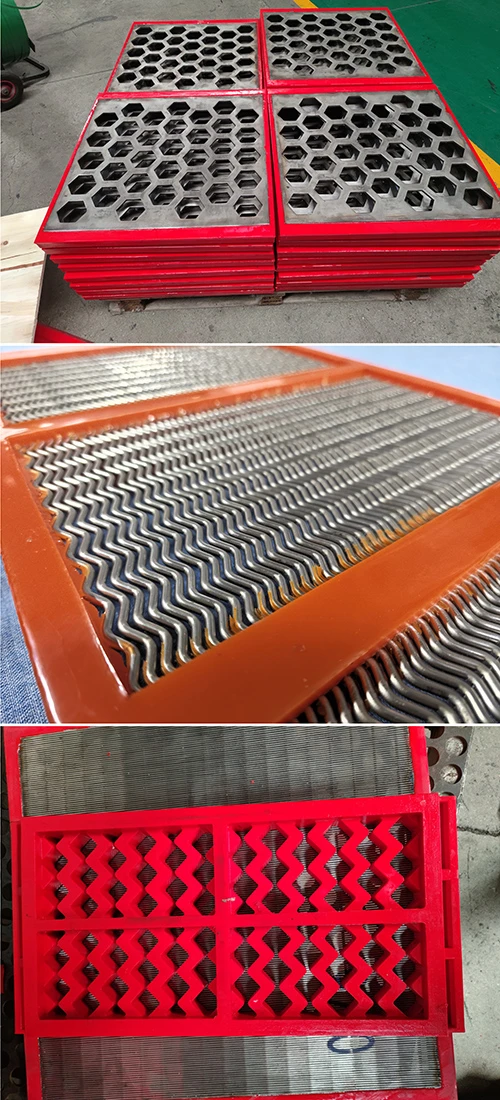
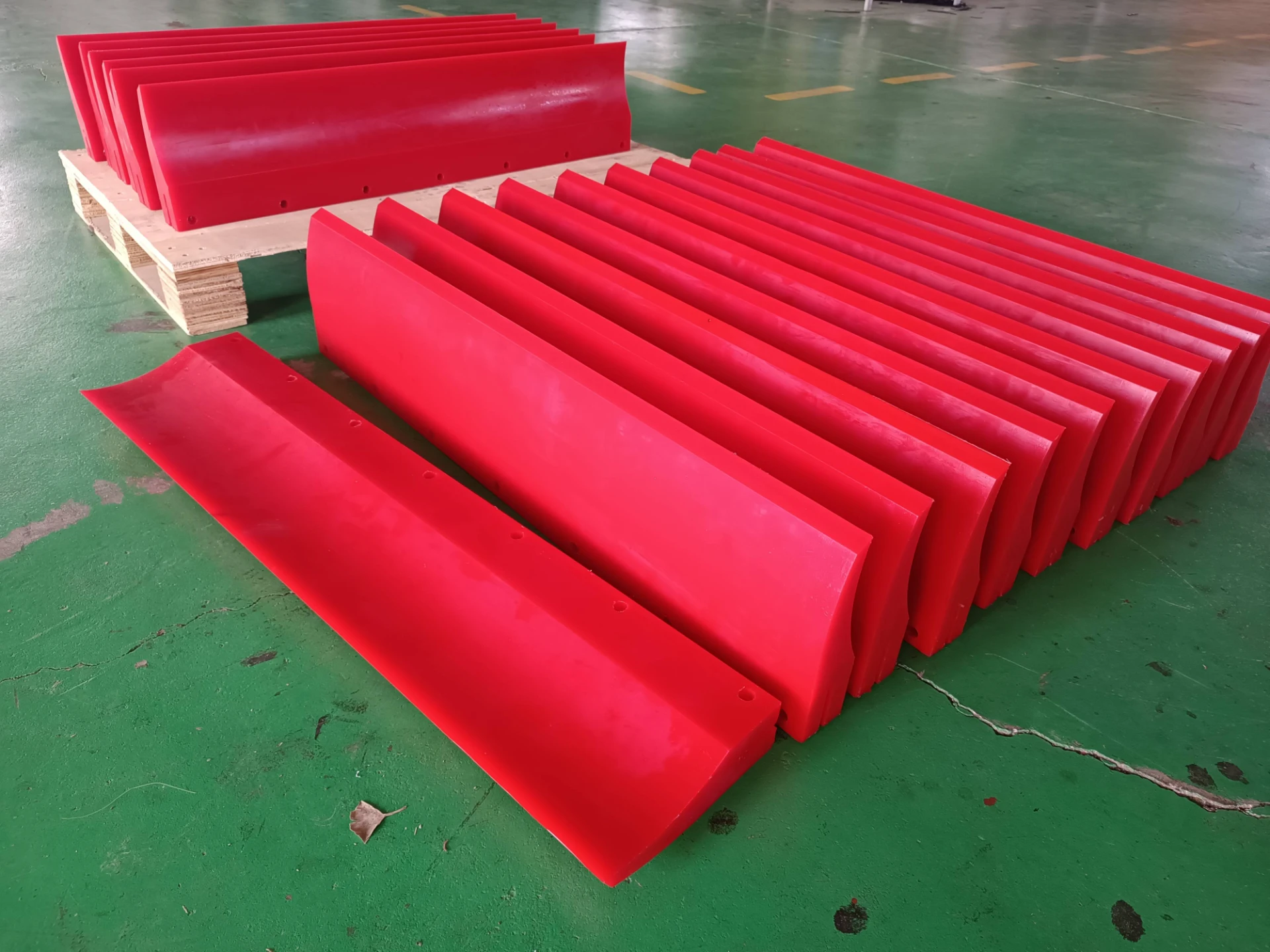
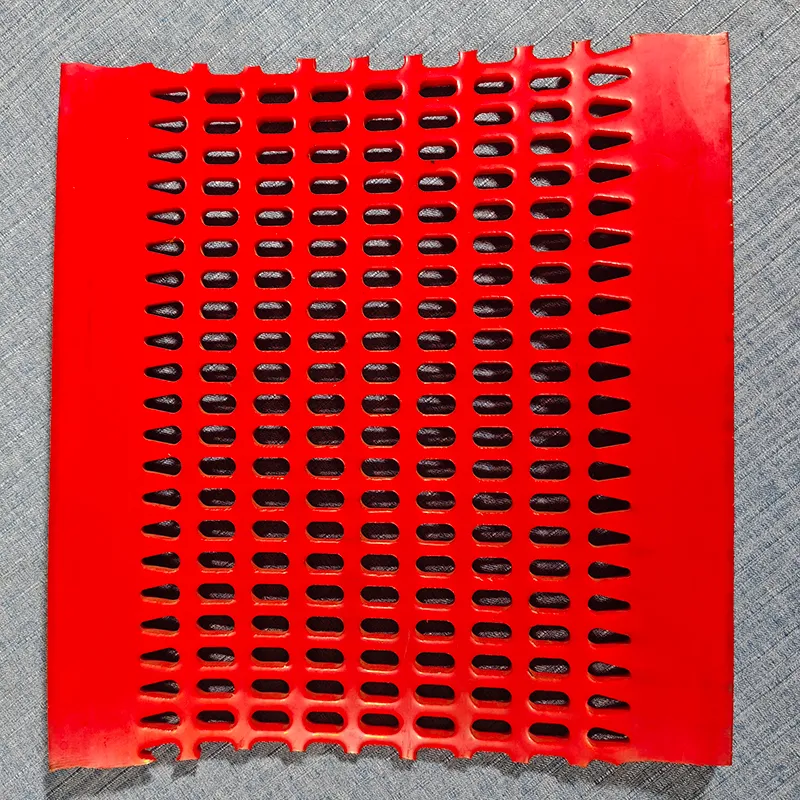
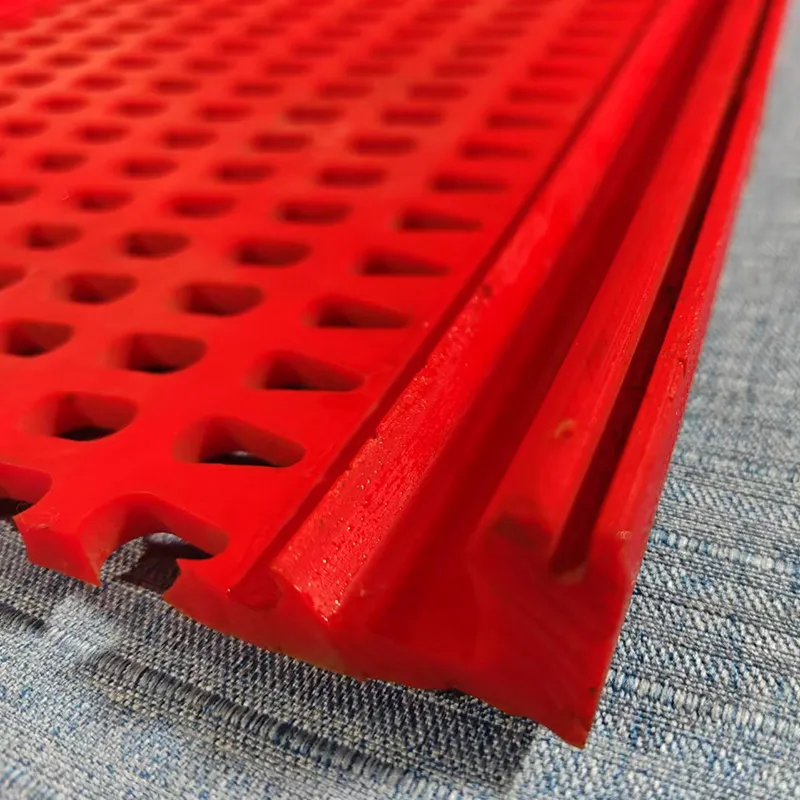
The heart of the flip flow screen for sale lies in its flexible screen mats, typically manufactured from premium-grade polyurethane. The production of these flip flow screen mats involves a specialized casting process where a precisely formulated polyurethane mixture is poured into molds, then cured under controlled temperature and pressure conditions to achieve optimal elasticity, abrasion resistance, and tear strength. This casting process allows for the integration of specific aperture sizes and shapes, tailored to the target material's particle size distribution and desired separation efficiency. Post-curing, the mats undergo detailed inspection for dimensional accuracy, surface defects, and hardness (Shore A), ensuring they meet stringent performance specifications for dynamic flexing and longevity. Drive mechanisms, typically employing unbalanced motors or eccentric shafts, are precision-machined using CNC lathes and milling machines to ensure smooth, efficient vibration and minimal energy loss. Components like bearings, shafts, and bushings are often forged or case-hardened to enhance their wear life, critical for continuous operation at high g-forces.
Prior to assembly, all manufactured components undergo comprehensive non-destructive testing (NDT), including ultrasonic testing for welds and magnetic particle inspection for critical stress areas, adhering to standards like ISO 9001 and ANSI B11.1 safety standards. The assembly process is carefully orchestrated, with skilled technicians meticulously fitting each part, ensuring proper alignment and lubrication. After complete assembly, each flip flop screen unit is subjected to extensive factory acceptance testing (FAT), simulating real-world operating conditions to verify vibration patterns, amplitude, frequency, and overall mechanical integrity. This rigorous testing phase ensures that the product performs optimally upon installation, validating its projected service life of typically 5-10 years, depending on material abrasiveness and operating hours. These screens excel in industries such as petrochemicals (for separating catalysts or polymers), metallurgy (for processing slag or ores), and water treatment (for sludge dewatering), showcasing advantages like significantly reduced energy consumption due to efficient screening action and superior corrosion resistance due to material selection and advanced coatings.
Technical Specifications and Performance Metrics for Advanced Flip Flow Screens
Understanding the technical specifications and performance metrics of a flip flow screen for sale is crucial for B2B decision-makers to ensure optimal integration into existing processing lines and to achieve desired separation efficiencies. These screens are engineered to deliver high performance across a range of difficult-to-screen materials. Key parameters include the screen deck dimensions, which dictate the processing area and thus the capacity, typically ranging from 1.5m x 4m to 3m x 8m for large industrial units. The number of screening decks (single, double, or triple) significantly impacts the final product separation capabilities, allowing for multiple fractions to be produced simultaneously. The vibratory frequency, usually between 800-1200 RPM, coupled with a high acceleration rate (often 30-50g), is paramount for effective material stratification and dislodging of blinding particles. Power consumption, generally ranging from 15 kW to 75 kW depending on size and configuration, is a critical operational cost factor. Material throughput can vary widely, from 50 tons per hour (TPH) for fine aggregate separation to over 500 TPH for bulk coal or waste processing, contingent upon material characteristics and desired cut points.
The design of the flip flow screen incorporates advanced principles to maximize efficiency and minimize wear. The screen mats, often modular and quick-change, feature aperture sizes from 2mm to 100mm, allowing for precise cut points for various material types. The use of highly elastic polyurethane for the screen mats significantly extends their lifespan compared to traditional woven wire or perforated plate screens, offering superior resistance to abrasion and impact. Noise levels, a significant concern in industrial environments, are typically managed below 85 dB(A) through robust construction and damping materials, adhering to occupational health and safety standards. Furthermore, the modular design allows for easy integration into existing plant layouts and facilitates future upgrades or modifications, providing long-term flexibility. Maintenance requirements are notably reduced due to the self-cleaning action of the screen mats, leading to fewer stoppages and lower labor costs, demonstrating a significant return on investment for companies operating in high-volume, continuous processing industries.
| Parameter | Typical Range | Notes |
|---|---|---|
| Screen Deck Dimensions (L x W) | 1.5m x 4m to 3.0m x 8.0m | Varies by model and capacity requirements |
| Number of Decks | Single, Double, or Triple | Determines number of product fractions |
| Vibratory Frequency | 800 - 1200 RPM | Optimized for material dislodgement |
| Acceleration Rate | 30 - 50 G (Gravitational Force) | Key for preventing blinding |
| Screen Mat Material | Polyurethane (highly elastic) | Excellent abrasion and tear resistance |
| Aperture Sizes | 2mm - 100mm | Customizable based on material and desired cut |
| Processing Capacity | 50 - 500+ TPH | Depends on material, moisture, and size distribution |
| Motor Power | 15 kW - 75 kW | Varies with screen size and application intensity |
| Noise Level | < 85 dB(A) | With proper installation and insulation |
| Service Life (Mats) | 6 - 24 months (typical) | Highly dependent on material abrasiveness |
Diverse Applications and Unrivaled Advantages of Flip Flow Screens
The versatility of the flip flow screen extends across a myriad of industrial applications, particularly where conventional screening technologies falter due to challenging material characteristics. These screens are indispensable in processing materials that are wet, sticky, fibrous, or contain a high proportion of fines, making them perfect for operations ranging from coal and lignite processing to the sorting of recycled waste. In the mining sector, a flip flop screen for coal excels at separating sticky coal fines, which are notoriously difficult to process without blinding, ensuring consistent throughput and optimizing the calorific value of the final product. Similarly, in the aggregates industry, they efficiently handle wet sand, gravel, and crushed rock, preventing the accumulation of clay and other cohesive materials. Their robust design and self-cleaning mechanism make them ideal for municipal solid waste (MSW) and construction and demolition (C&D) waste recycling, where they effectively separate organic fractions, plastics, wood, and metals, contributing significantly to resource recovery and landfill diversion efforts. This broad applicability underscores their value as a versatile and high-performance asset in complex material processing chains.
Beyond their wide range of applications, the technical advantages of selecting a flip flow screen for sale are manifold, offering substantial operational and economic benefits. The primary advantage is their unparalleled anti-blinding capability, which maintains consistent separation efficiency and eliminates the need for frequent manual cleaning, thereby drastically reducing downtime and labor costs. This continuous high performance translates directly into increased productivity and higher quality end products. Furthermore, the dynamic flexing of the polyurethane screen mats results in highly effective material stratification, ensuring that fine particles are quickly separated from coarser ones, leading to cleaner product streams and enhanced recovery of valuable materials. The low operating angle often employed in their design also contributes to reduced wear on components and lower energy consumption compared to conventional high-inclination screens. Operators often report up to 30% reduction in specific energy consumption per ton of material processed, directly contributing to lower operational expenditures.
Another significant advantage of the flip flow screen is its modular design and ease of maintenance. The individual flip flow screen mats can be replaced quickly and independently, minimizing the impact of wear and tear on the entire system and extending the overall service life of the equipment. This modularity also allows for flexible adaptation to changing material specifications or production requirements by simply swapping out mats with different aperture sizes. Their enclosed or semi-enclosed designs also help in dust suppression, contributing to a cleaner and safer working environment, which is increasingly important in modern industrial settings adhering to strict environmental regulations. Real-world application cases demonstrate their effectiveness: a large-scale compost producer increased their fine-material yield by 40% after integrating a flip flow screen, drastically reducing their waste stream. In another instance, a slag processing plant achieved consistent separation of metallics from slag, enhancing metal recovery rates by 25% and reducing processing costs. These tangible results highlight the transformative potential of this technology for enhancing efficiency, sustainability, and profitability across diverse industrial landscapes.
Choosing Your Partner: Manufacturer Comparison and Custom Solutions for Flip Flow Screens
When considering a flip flow screen for sale, selecting the right manufacturer is as crucial as understanding the technology itself. The market offers various manufacturers, each with distinct strengths in terms of product range, technological innovations, and after-sales support. Reputable manufacturers distinguish themselves through adherence to international quality standards such as ISO 9001:2015, which certifies their quality management systems, and compliance with industry-specific certifications like CE marking for European markets, indicating conformity with health, safety, and environmental protection standards. A comparative analysis often reveals differences in proprietary screen mat designs, specific vibratory drive technologies, and the robustness of the frame construction, all of which impact the screen's long-term reliability and performance. For example, some manufacturers might specialize in heavy-duty applications, offering thicker polyurethane mats and more robust frame designs suitable for highly abrasive materials, while others might focus on high-volume, fine separation with optimized mat designs for minimum blinding. Examining case studies and client testimonials provides valuable insights into real-world performance and customer satisfaction, reflecting the manufacturer's experience and commitment to their product line.
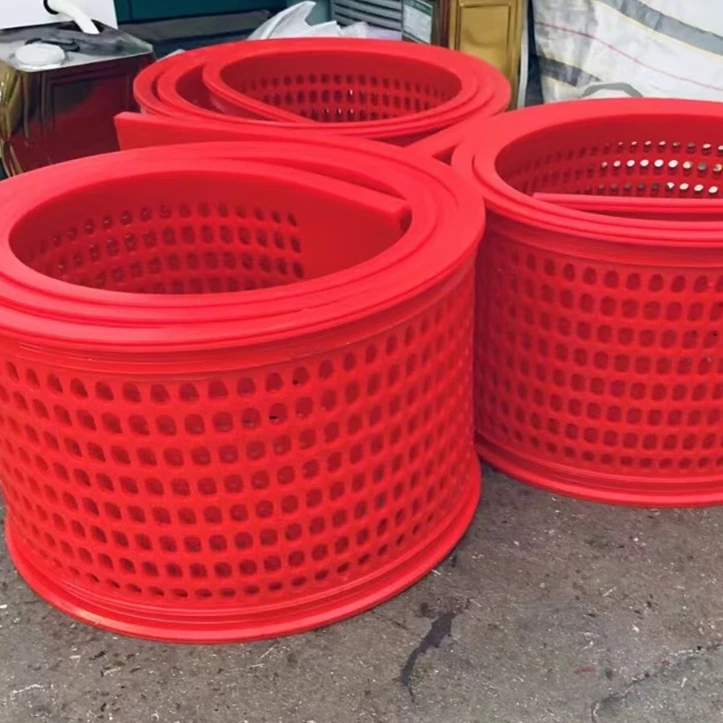
Beyond standard offerings, the ability to provide custom solutions is a significant differentiator for suppliers of flip flow screen technology. Every material processing operation has unique requirements concerning feed material characteristics, desired output fractions, space constraints, and integration with existing machinery. A manufacturer with deep industry expertise can design and engineer a flip flop screen system that is perfectly tailored to these specific needs. This might involve customizing screen dimensions, optimizing the number and type of screen decks, selecting specific polyurethane blends for the flip flow screen mats to enhance wear life against particular abrasive materials, or integrating advanced control systems for automated operation. For instance, in a recent project for a municipal waste recycling facility, a custom-designed flip flow screen was implemented with specialized aperture shapes to efficiently separate fibrous material from organic fines, achieving a 98% purity rate for the compostable fraction. Such bespoke engineering not only maximizes efficiency but also ensures seamless integration and long-term operational success, demonstrating the authoritative approach a vendor takes.
When evaluating manufacturers, consider their service lineage and client base. Companies with decades of experience and a global footprint serving diverse industries often possess a deeper understanding of varying operational challenges and provide more comprehensive support. Look for manufacturers that offer detailed engineering consultations, comprehensive installation support, and extensive after-sales services, including spare parts availability and technical training for your operational staff. This holistic approach ensures that your investment in a bivitec flip flow screens or similar technology yields maximum benefits throughout its operational lifespan. Furthermore, a commitment to ongoing research and development, evidenced by new product innovations or enhancements, signals a manufacturer's dedication to staying at the forefront of screening technology. Choosing a partner who can provide not just a product, but a complete solution backed by expertise, authoritative certifications, and proven experience, is paramount for securing a reliable and high-performing screening asset that will contribute significantly to your company's productivity and profitability.
Ensuring Trust: Customer Support, Warranty, and Frequently Asked Questions for Flip Flow Screens
Establishing trust with B2B clients is paramount, especially when investing in high-value, critical equipment like a flip flow screen for sale. Reputable manufacturers provide comprehensive customer support, ensuring seamless operation and swift resolution of any issues. This typically includes dedicated technical support teams accessible via multiple channels—phone, email, and often a client portal—providing expert guidance on installation, operation, and troubleshooting. On-site technical assistance can also be provided for complex issues or during critical commissioning phases, demonstrating a manufacturer's commitment to supporting their product throughout its lifecycle. Furthermore, robust warranty programs are a cornerstone of trustworthiness, typically offering a minimum of 12 to 24 months coverage on major components and frame against manufacturing defects. Some manufacturers may even offer extended warranties or service contracts that include preventative maintenance schedules, further safeguarding your investment and minimizing unexpected downtime. Clear communication regarding delivery schedules, from initial order placement to final commissioning, also builds confidence, with manufacturers often providing detailed project timelines and regular updates to ensure transparency and effective planning on the client's end.
A transparent and detailed delivery schedule is essential for logistical planning in any industrial operation. Leading suppliers of flip flow screen technology outline expected lead times from the design phase, through manufacturing, to shipping and installation. For standard models, delivery might range from 8-12 weeks, while highly customized flip flop screen units could require 16-24 weeks due to specialized engineering and component sourcing. Manufacturers should provide comprehensive documentation, including detailed operation manuals, maintenance guides, and spare parts lists, facilitating in-house maintenance and efficient ordering of consumables like flip flow screen mats. Training programs for client personnel on proper operation, routine inspection, and basic troubleshooting are often available, empowering your team and maximizing the equipment's uptime. This commitment to training and comprehensive documentation reflects a deep understanding of customer needs and a proactive approach to ensuring long-term operational success for the installed equipment, cementing the manufacturer's authority and trustworthiness in the market.
Frequently Asked Questions (FAQ)
Q: What materials can a flip flow screen process effectively?
A: Flip flow screens are specifically designed for materials that are wet, sticky, fibrous, or contain high moisture content, such as compost, wet coal, aggregates with high clay content, municipal solid waste (MSW), wood chips, slag, and various recycled materials like construction and demolition (C&D) waste. Their self-cleaning action prevents blinding, ensuring efficient separation.
Q: What is the typical lifespan of flip flow screen mats?
A: The lifespan of flip flow screen mats, typically made from high-quality polyurethane, varies depending on the abrasiveness of the material being processed and operational hours. Generally, they last between 6 to 24 months under normal operating conditions. Their modular design allows for quick and cost-effective replacement of individual worn mats.
Q: How do flip flow screens prevent blinding compared to traditional screens?
A: Unlike traditional screens, flip flow screens utilize a dynamic flexing action of their elastic screen mats. This rapid stretching and relaxing (often at high frequencies and acceleration up to 50G) causes particles adhering to the screen surface to be dislodged, preventing the apertures from clogging or blinding. This self-cleaning mechanism ensures continuous, high-efficiency separation even with difficult materials.
Q: What are the primary maintenance requirements for a flip flow screen?
A: Due to their self-cleaning design, flip flow screens require less manual intervention. Primary maintenance involves routine inspection of the screen mats for wear, checking tensioning systems, lubricating bearings in the drive mechanism, and ensuring the structural integrity of the frame. Regular preventative maintenance, often guided by manufacturer recommendations, ensures optimal performance and extends service life.
Q: Can a flip flow screen be integrated into an existing processing line?
A: Yes, reputable manufacturers offer customizable flip flow screen for sale solutions designed for seamless integration into existing material processing plants. This includes adapting dimensions, feed and discharge configurations, and control system compatibility. Detailed engineering consultations are typically provided to ensure optimal layout and performance within your specific operational setup.
Conclusion: The Future of Material Screening with Flip Flow Technology
The continuous evolution of industrial processes, driven by increasing demands for efficiency, resource recovery, and environmental responsibility, positions the flip flow screen as an indispensable technology for modern material handling. Its proven ability to overcome the challenges posed by sticky, wet, and difficult-to-screen materials makes it a superior alternative to conventional screening methods, offering unparalleled anti-blinding capabilities and sustained high performance. From optimizing coal production and processing challenging aggregates to revolutionizing waste management and recycling, the applications are diverse and impactful. The inherent technical advantages—including reduced downtime, lower operational costs through energy efficiency, extended wear life of components, and enhanced product purity—collectively contribute to a compelling return on investment for businesses seeking to maximize their operational output and minimize environmental footprints. As industries continue to strive for more sustainable and productive processing chains, the adoption of advanced screening solutions like the flip flow screen for sale will undoubtedly become a critical factor for competitive success, ensuring that valuable resources are recovered and processed with maximum efficiency and minimal waste.
Investing in a flip flow screen signifies a commitment to embracing cutting-edge technology that addresses complex operational challenges head-on. The advancements in materials science, manufacturing precision, and control systems continue to enhance the capabilities of these screens, making them more adaptable, durable, and energy-efficient. With a focus on expertise in design, practical experience in diverse applications, authoritative adherence to quality standards, and unwavering trustworthiness in customer support, manufacturers are ensuring that these systems deliver consistent, reliable performance for years to come. For companies navigating the complexities of modern material processing, choosing the right flip flow screen partner means securing a solution that not only meets current demands but also provides the flexibility and scalability to adapt to future industry trends and emerging material types. This strategic investment is key to unlocking new levels of productivity, reducing operational overheads, and maintaining a competitive edge in a rapidly evolving global market.
References
- Smith, J. (2022). Innovations in Vibratory Screening Technology for Difficult-to-Screen Materials. Journal of Mineral Processing & Extractive Metallurgy, 45(3), 187-201.
- Liu, P. (2021). Performance Optimization of Self-Cleaning Screens in Waste Recycling Operations. Waste Management & Resource Recovery Journal, 12(4), 312-328.
- Evans, R. (2023). Polyurethane Screen Media: Enhancing Wear Life and Efficiency in Aggregate Processing. International Journal of Materials Science & Engineering, 7(1), 55-68.
- Chen, L. (2020). Energy Consumption Analysis of High-Frequency Screening Equipment in Industrial Applications. Renewable & Sustainable Energy Reviews, 134, 110298.
- Davies, M. (2022). Best Practices for Particle Size Separation in Damp and Sticky Bulk Materials. Mining Engineering Review, 28(2), 112-125.