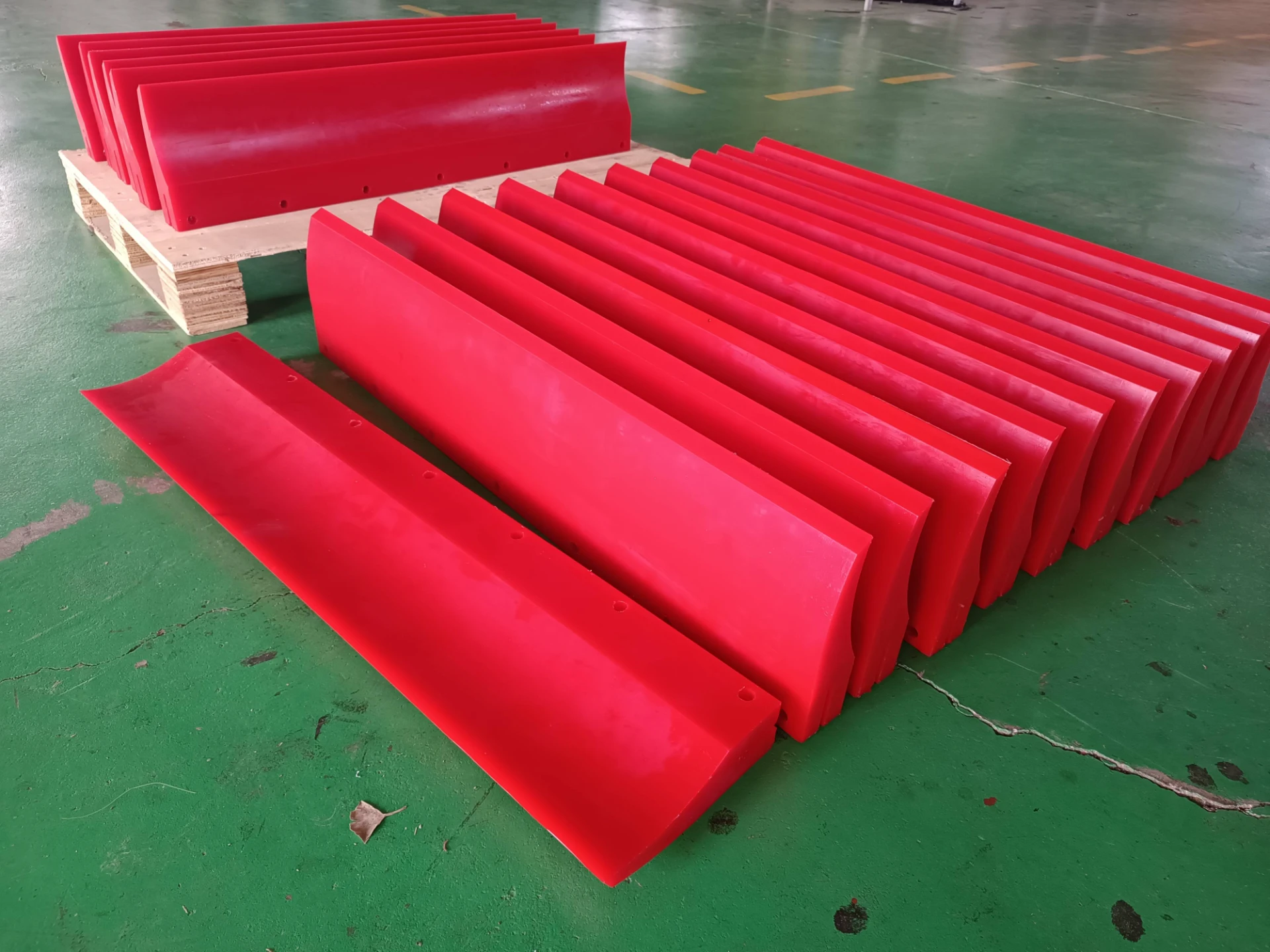
Polyurethane Screening Panels: Durable Solutions in Industrial Screening
Having spent well over a decade working hands-on in industrial equipment, I can honestly say that the evolution of screening media has been quite fascinating. Polyurethane screening panels are, in my experience, one of those subtle game-changers that quietly keep operations running smoother and more efficiently.
Why? Well, for starters, they strike a great balance between longevity and performance. Unlike traditional steel or woven wire screens, polyurethane — which you might know as a tough, rubbery plastic — adds a layer of resilience that pays off over the long haul. I’ve seen panels sustain heavy abrasion, impact, and even harsh chemical exposure without the usual rapid wear or costly downtime.
Oddly enough, despite being synthetic, these panels feel impressively "alive" on the screen deck. They absorb vibration, which reduces noise and damage downstream. Some clients have told me it’s like the difference between walking on hardwood floors versus cushioned tiles. It’s a bit poetic, but true enough. You notice it, especially in environments where mills or crushers pound relentlessly.
Material and Design Insights
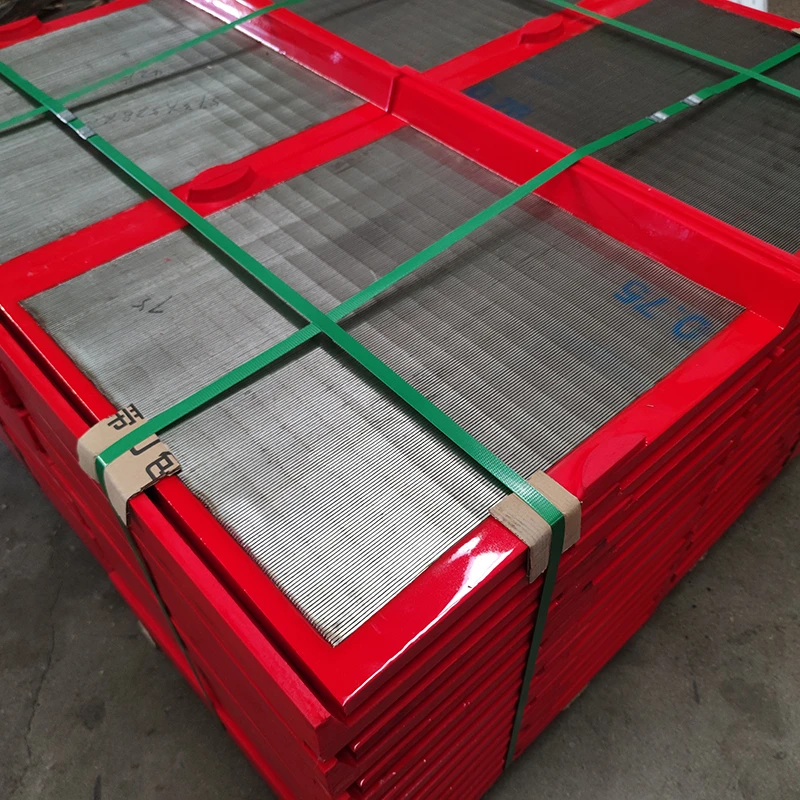
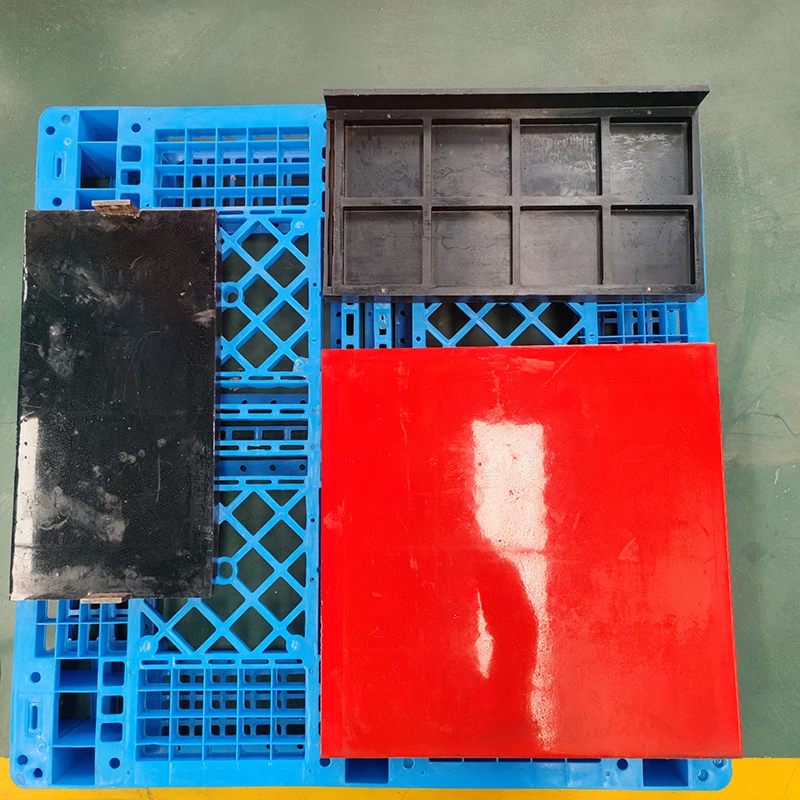
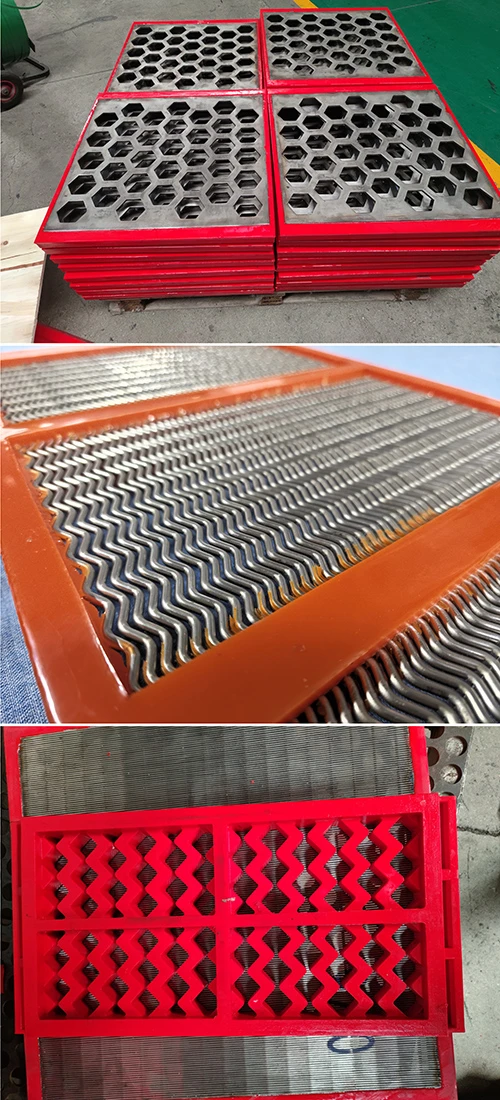
Most polyurethane panels are made using a blend optimized for toughness and flexibility. The key is in the chemistry — enhancing tear strength while preserving resistance to abrasion. I recall one early project analyzing panels that were bonded to steel backing plates, giving structure without sacrificing elasticity. This composite design really helps when dealing with sharp or jagged feed materials that tend to chew through traditional screens quickly.
Customization is another big plus. Whether you need a fine mesh for delicate sorting or rugged slotted panels that handle large rock sizes, the range of thicknesses and aperture sizes can be tailored to fit very specific operational parameters. Your plant’s unique needs really benefit when you can specify exact panel properties, which isn’t always possible with old-school wire mesh solutions.
Product Specifications Overview
| Feature | Specification | Benefit |
|---|---|---|
| Material Type | Thermoplastic Polyurethane (TPU) | Excellent abrasion & tear resistance |
| Panel Thickness | 10 - 25 mm | Customization for different screening needs |
| Aperture Types | Slotted, square, round | Adapts to material types and sizing requirements |
| Backing Plate | Galvanized or stainless steel | Structural support and mounting ease |
| Temperature Resistance | -40°C to 80°C | Suitability for varied environments |
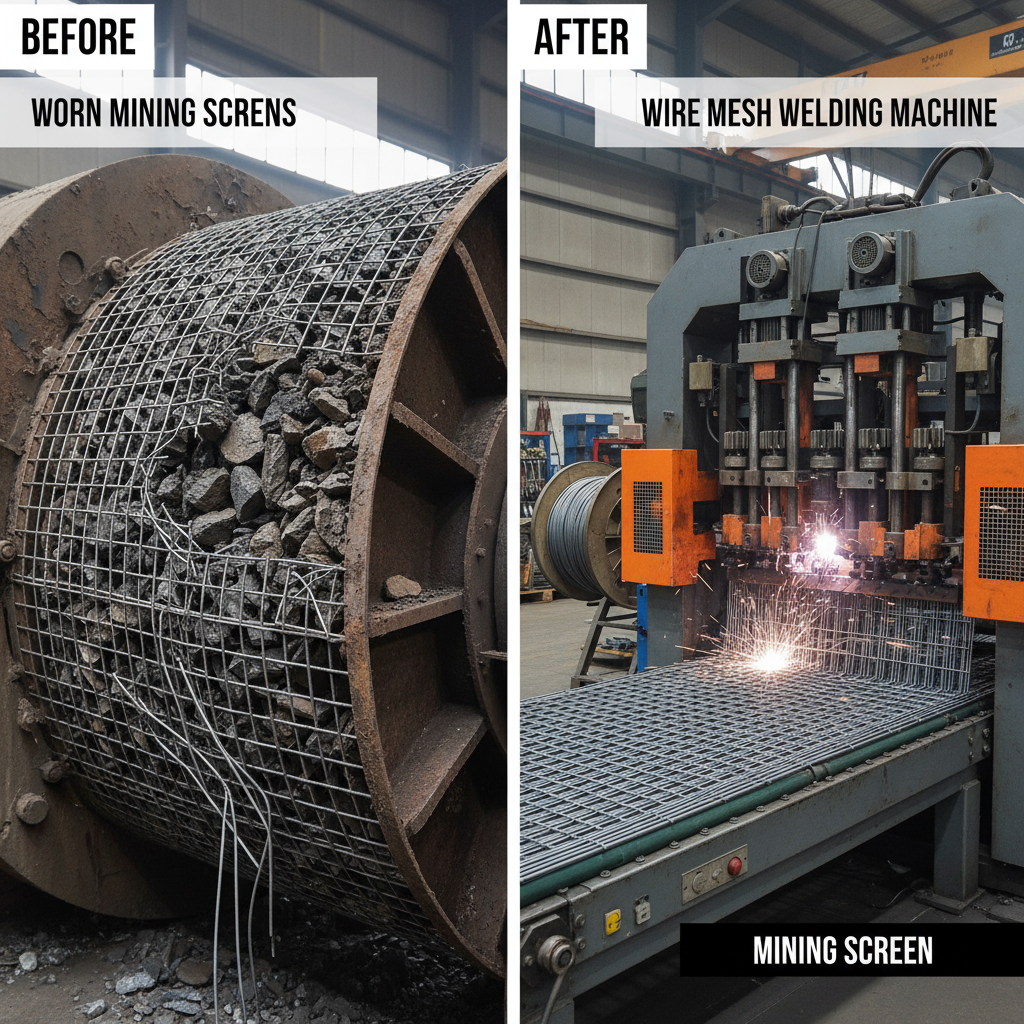
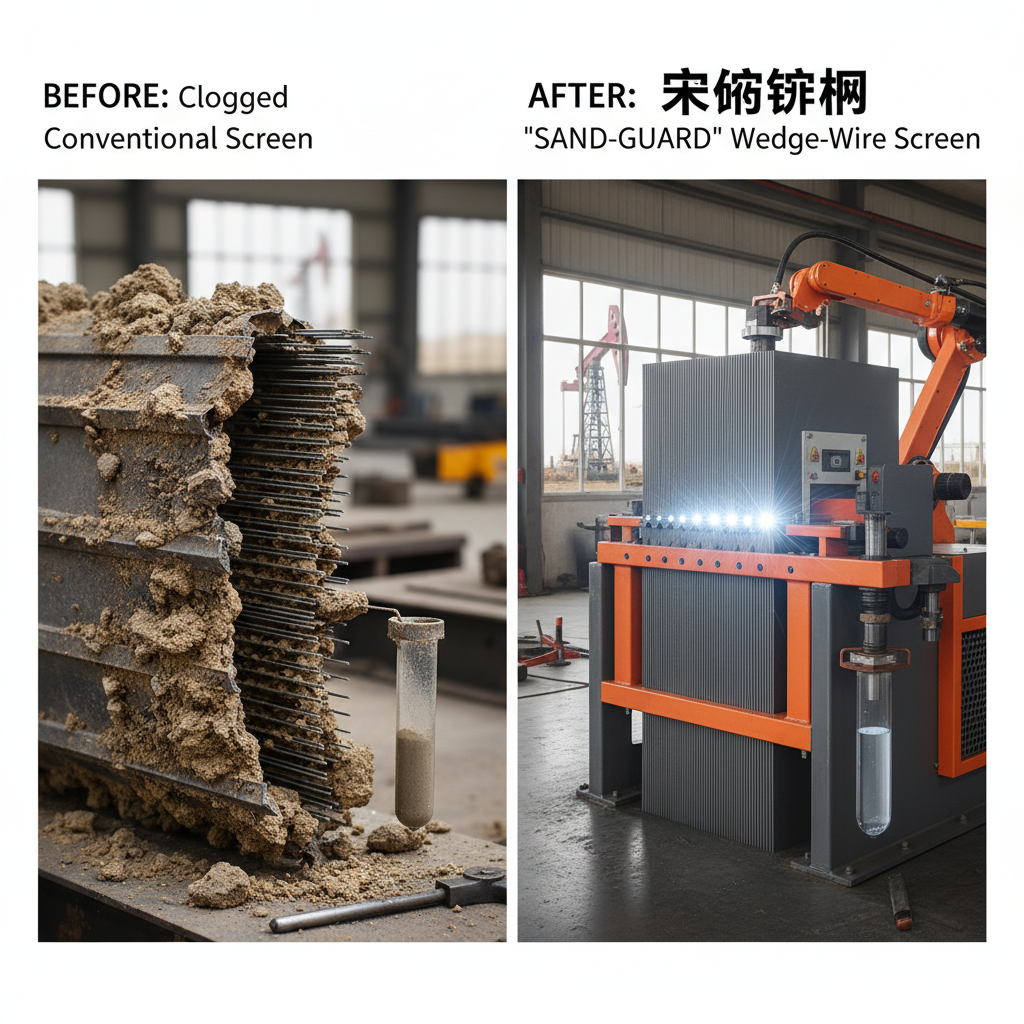
One memorable case took place at a quarry where their traditional steel screens kept failing spectacularly under gravel loads. After switching to polyurethane panels, their downtime dropped sharply. I suspect part of that was due to these panels’ flexibility, which helps them shed sticky or wet material better, reducing blinding and plugging.
Vendor Comparison: What to Consider
| Feature | Mutoscreen | Competitor A | Competitor B |
|---|---|---|---|
| Material Quality | Premium TPU blends with proprietary additives | Standard TPU | Basic molded polyurethane |
| Customization Options | Wide range: thickness, apertures, backing | Limited aperture sizes | Fixed dimensions |
| Durability Testing | Extensive industrial real-world trials | Lab tests only | Limited data available |
| Lead Time | 2-4 weeks (typical) | 4-6 weeks | 3-5 weeks |
| Customer Support | Dedicated technical reps | Standard support | Email support only |
Now, as someone who’s balanced cost and performance concerns over a ton of projects, I have to say: picking the right vendor isn’t just about specs. It’s about support, timely delivery, and adapting quickly if your needs change. That’s why I’ve recommended polyurethane screening panels from Mutoscreen more than a few times — their consistency and engineering know-how really stand out.
Some Final Thoughts
In real terms, these panels aren’t just another commodity — they’re an investment in uptime and process reliability. But, like any industrial product, their effectiveness hinges on proper selection, installation, and maintenance. It feels like I’ve said that many times, but it bears repeating! After all, the best panel in the world won’t make up for poor screening deck design or neglect.
So, if you’re still leaning on old wire mesh screens, it might be the right moment to explore some more resilient options. Polyurethane screening panels? Definitely worth a look.
References:
- Industry durability studies - Aggregate Equipment Journal, 2023
- Mutoscreen Product Catalog, 2024 Edition
- Site visits: Quarry operations, Midwest US, 2019-2022