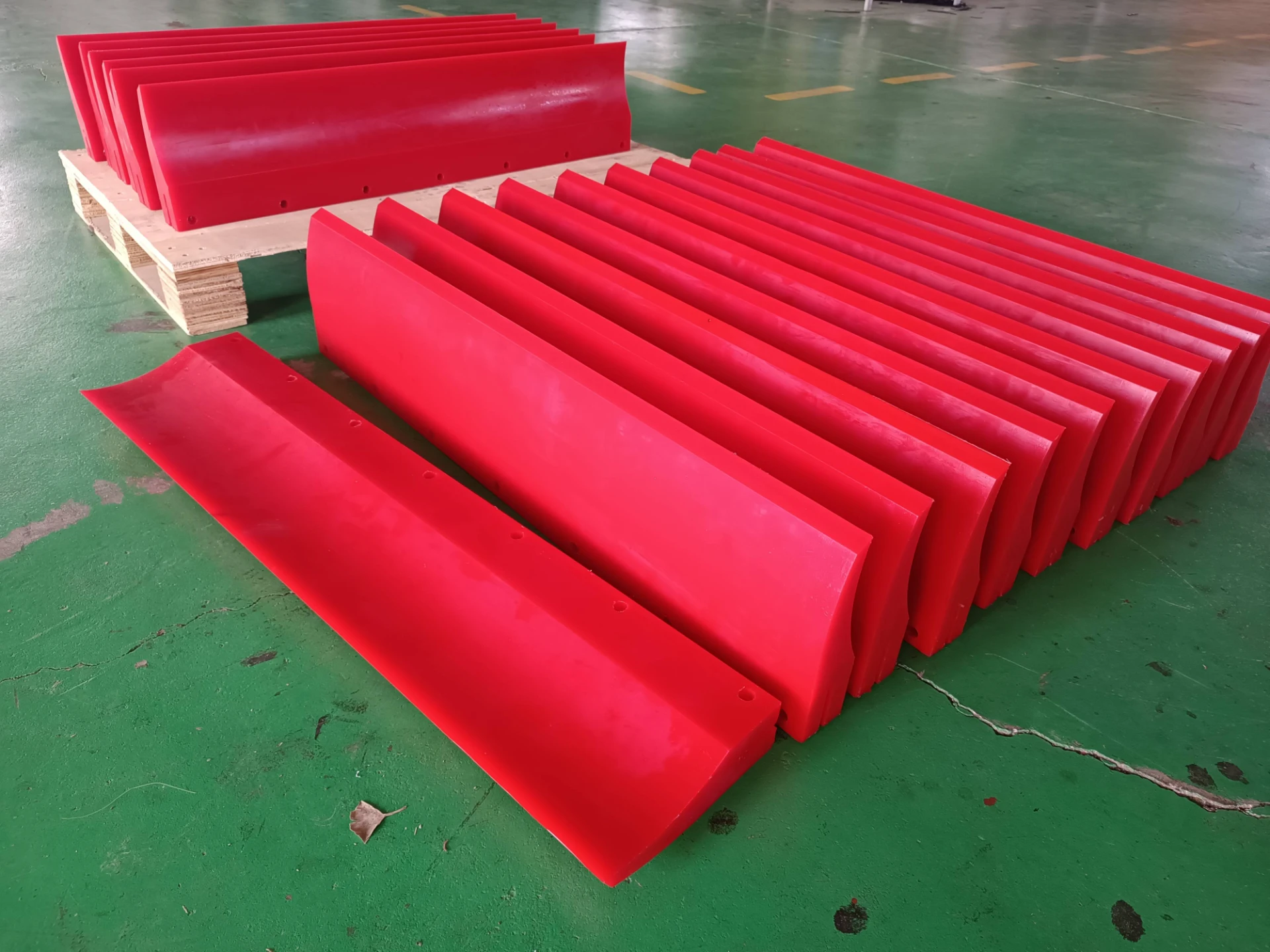
Understanding Polyurethane Screen Mesh: An Industrial Game-Changer
Polyurethane screen mesh has quietly become a vital component across several industries worldwide. You might not notice it at first glance, but this engineered mesh material plays a key role in processes ranging from mining to agriculture, and even humanitarian relief. Why? Because it solves some thorny problems related to durability, efficiency, and adaptability—problems that industries face on a global scale as demand for sustainable and cost-effective materials grows.
Globally, industries are looking for screening solutions that can handle abrasive materials without wearing out quickly, reducing downtime and waste. According to ISO standards for industrial safety and quality management, materials like polyurethane meshes help meet strict requirements, especially where human safety and environmental impact matter.
Polyurethane screen mesh isn’t just a niche material; it’s a globally relevant solution improving efficiency, sustainability, and reliability in complex industrial operations.
What Exactly Is Polyurethane Screen Mesh?
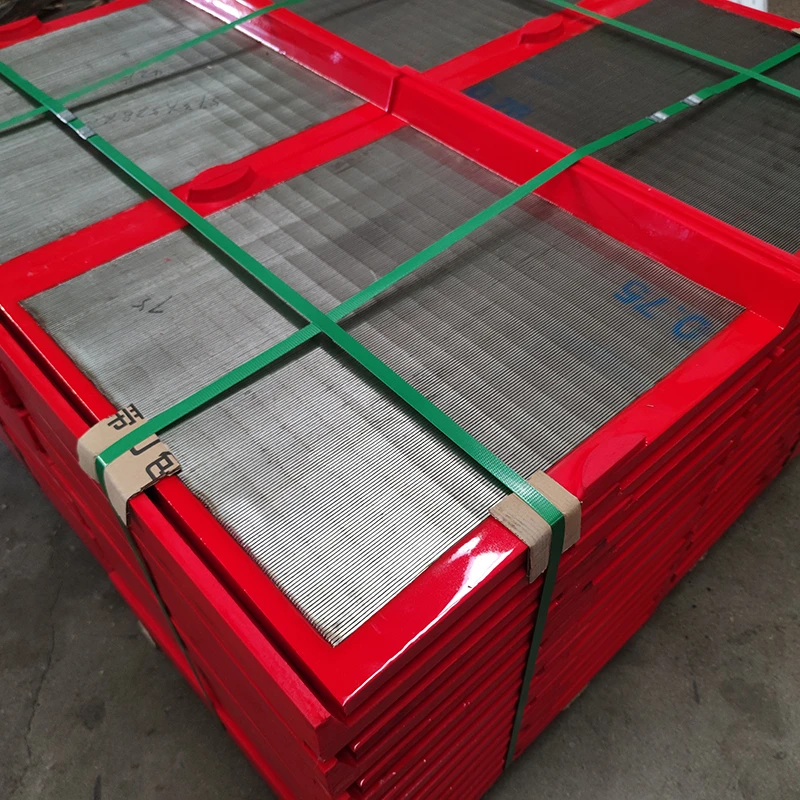
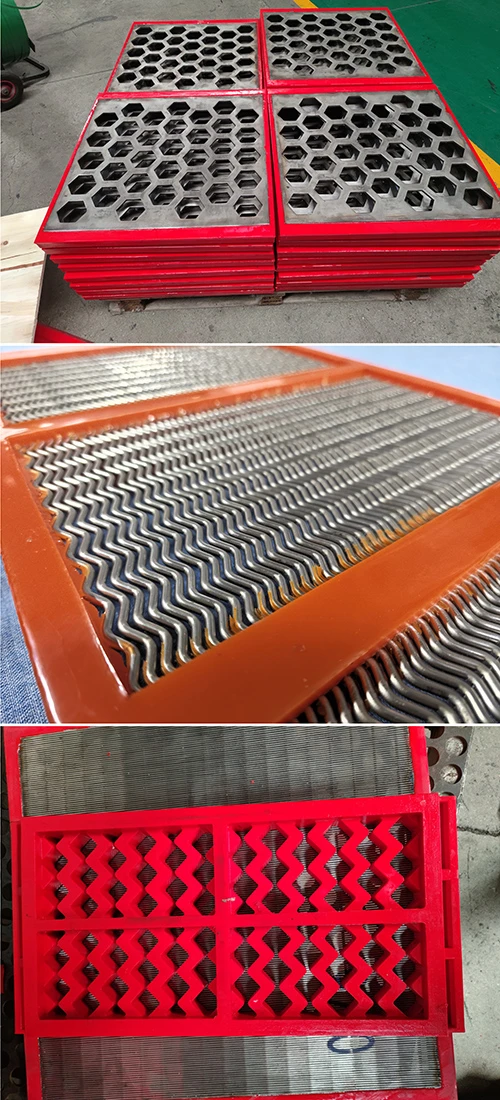
At its core, polyurethane screen mesh is a flexible, durable mesh fabricated from polyurethane—a polymer known for its elasticity and abrasion resistance. Think of it as an evolved sieve or filter that can flex slightly without breaking, ideal for separating materials in crushing, grading, or sorting processes. It's notably used in mining, agriculture, and water filtration systems.
In humanitarian contexts, resilient materials like polyurethane mesh support effective water purification and waste management, particularly in post-disaster zones, where conventional materials might fail under tough environmental stress.
Core Components and Critical Properties
- Durability: Polyurethane's abrasion resistance far outpaces traditional rubber or wire meshes, meaning less frequent replacement and downtime.
- Flexibility: This mesh bends without rupturing, accommodating material flows that rigid materials can't, which is vital for complex screening.
- Chemical Resistance: It withstands oils, solvents, and other aggressive chemicals often present in industrial waste streams.
- Customization: Mesh sizes and thicknesses can be tuned specifically for diverse screening needs—from fine dust filtration to coarse rock separation.
- Cost Efficiency: Despite initial costs that might seem higher, the lifespan and performance reduce overall operational expenses.
- Environmental Compatibility: Some polyurethane meshes are recyclable and comply with ISO 14001 environmental standards, minimizing ecological footprint.
Durability and adaptability make polyurethane screen mesh uniquely suited for demanding industrial environments.
Global Applications & Real-world Use Cases
Industries worldwide leverage polyurethane screen mesh. In Australia’s mining sector—one of the globe’s largest—these meshes screen ore materials with remarkable efficiency. Meanwhile, in agricultural regions like the Midwest USA, polyurethane meshes help separate seeds and grains with minimal damage.
Oddly enough, humanitarian organizations also count on it. For example, in Nepal’s monsoon aftermath, relief teams utilized polyurethane meshes to filter potable water, supporting thousands. In remote industrial zones of Canada, the mesh facilitates efficient waste recycling, where harsh weather demands long-lasting materials.
| Property | Typical Value | Units |
|---|---|---|
| Tensile Strength | 25-30 | MPa |
| Abrasive Wear Resistance (mm³) | 120-150 | mm³ (volume loss) |
| Operating Temperature Range | -40 to +80 | °C |
| Elongation at Break | 350-450 | % |
| Thickness Range | 1-12 | mm |
Advantages & Long-Term Value
What’s truly compelling about polyurethane screen mesh is how it marries practical performance with broader sustainability. The durability means fewer replacements, reducing waste and saving money. The material’s chemical resistance prevents contamination, protecting workers and the environment. And frankly, it fosters innovation—engineers can tailor meshes for unique problems, like separating microplastics from water or grading crushed stone precisely.
On a human level, these improvements translate into safer workplaces and more reliable infrastructure, often in communities where such confidence can feel rare. Trust in the materials your processes depend on is priceless.
Vendor Comparison at a Glance
| Vendor | Material Grade | Customization | Eco-Friendliness | Global Reach | Price Range |
|---|---|---|---|---|---|
| MutoScreen | Premium Polyurethane | High (mesh size/thickness) | ISO 14001 Certified | Worldwide | $$$ |
| ScreenWorks Inc. | Standard Polyurethane | Medium | Limited | North America, Europe | $$ |
| EcoMesh Solutions | Recycled Polyurethane | Low (standard sizes) | High (Fully recyclable) | Asia, Europe | $ |
Looking Ahead: Trends and Innovations
Material science never rests, and polyurethane screen mesh is evolving too. Innovations include bio-based polyurethanes with lower carbon footprints and meshes embedded with sensors to monitor wear in real-time—pretty futuristic, but increasingly practical. Plus, as digital transformation sweeps factories globally, polyurethane screen mesh manufacturers are integrating production data to offer smarter, tailor-made products.
Green energy policies and circular economy frameworks push manufacturers to rethink materials lifecycle—using recycled polymers is becoming more common, matching global sustainability goals outlined by the United Nations environment programs.
Challenges & Smart Solutions
Of course, no material is perfect. Polyurethane mesh can degrade under extreme UV exposure or excessively high temperatures. Installation requires expertise to avoid premature tearing. Some clients have noted upfront cost hurdles compared to wire mesh alternatives.
Yet, these challenges are tackled by blending materials with UV stabilizers, improving installation training, and demonstrating long-term return on investment through detailed lifecycle analyses. Frankly, in tough industrial environments, the durability gains outweigh the initial sticker shock.
FAQ: Frequently Asked Questions About Polyurethane Screen Mesh
- Q: How does polyurethane screen mesh compare to traditional wire mesh in durability?
A: Polyurethane screen mesh generally offers superior abrasion resistance and flexibility compared to wire mesh, meaning it lasts longer in harsh environments and reduces downtime caused by breakage. - Q: Can polyurethane screen mesh be customized for different industrial applications?
A: Yes, mesh thickness, hole size, and rigidity can be tailored to specific operational needs, making it versatile for industries such as mining, agriculture, and water filtration. - Q: Is polyurethane screen mesh eco-friendly?
A: Increasingly so. Many manufacturers now produce recyclable or bio-based polyurethane meshes compliant with environmental standards like ISO 14001, contributing to sustainability goals. - Q: What’s the expected lifespan of polyurethane screen mesh in typical mining operations?
A: Depending on usage and material grade, these meshes often last several years, significantly longer than rubber or wire options, which reduces replacement frequency and costs. - Q: Are there global suppliers that ship polyurethane screen mesh worldwide?
A: Yes, leading companies like MutoScreen provide international shipping and customized solutions, supporting industries globally.
Conclusion: Why Polyurethane Screen Mesh Matters
In real terms, polyurethane screen mesh represents more than just an industrial input; it’s a strategic asset for any operation that values reliability, sustainability, and performance. Its adaptability across global markets—from mining pits in Australia to humanitarian relief sites in Asia—underscores its versatility. If you’re looking at screening solutions that don’t just meet today’s challenges but anticipate tomorrow’s, exploring polyurethane screen mesh makes smart sense.
Interested? Visit our website: https://www.mutoscreen.com to learn more and find the right solutions for your needs.
Final thought: Durable, customizable, and eco-conscious—polyurethane screen mesh might not make headlines, but it quietly propels modern industries forward.
References:
1. ISO 14001 Environmental Management
2. Polyurethane - Wikipedia
3. United Nations Environment Programme, Circular Economy Briefings