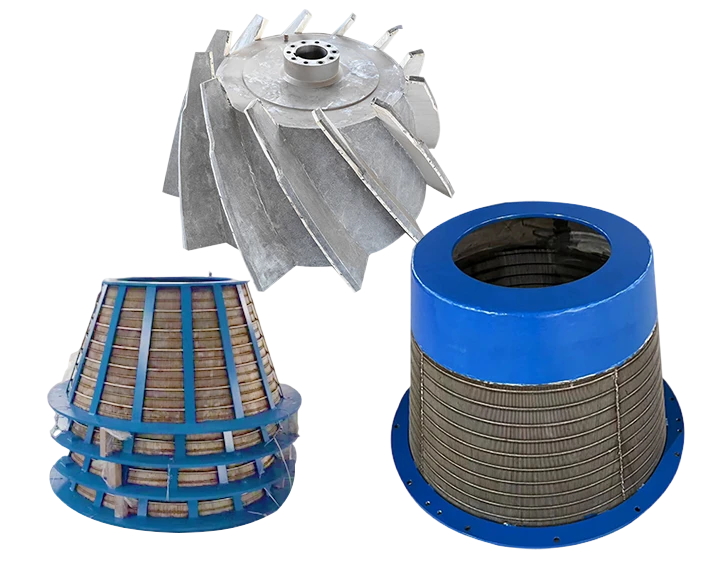
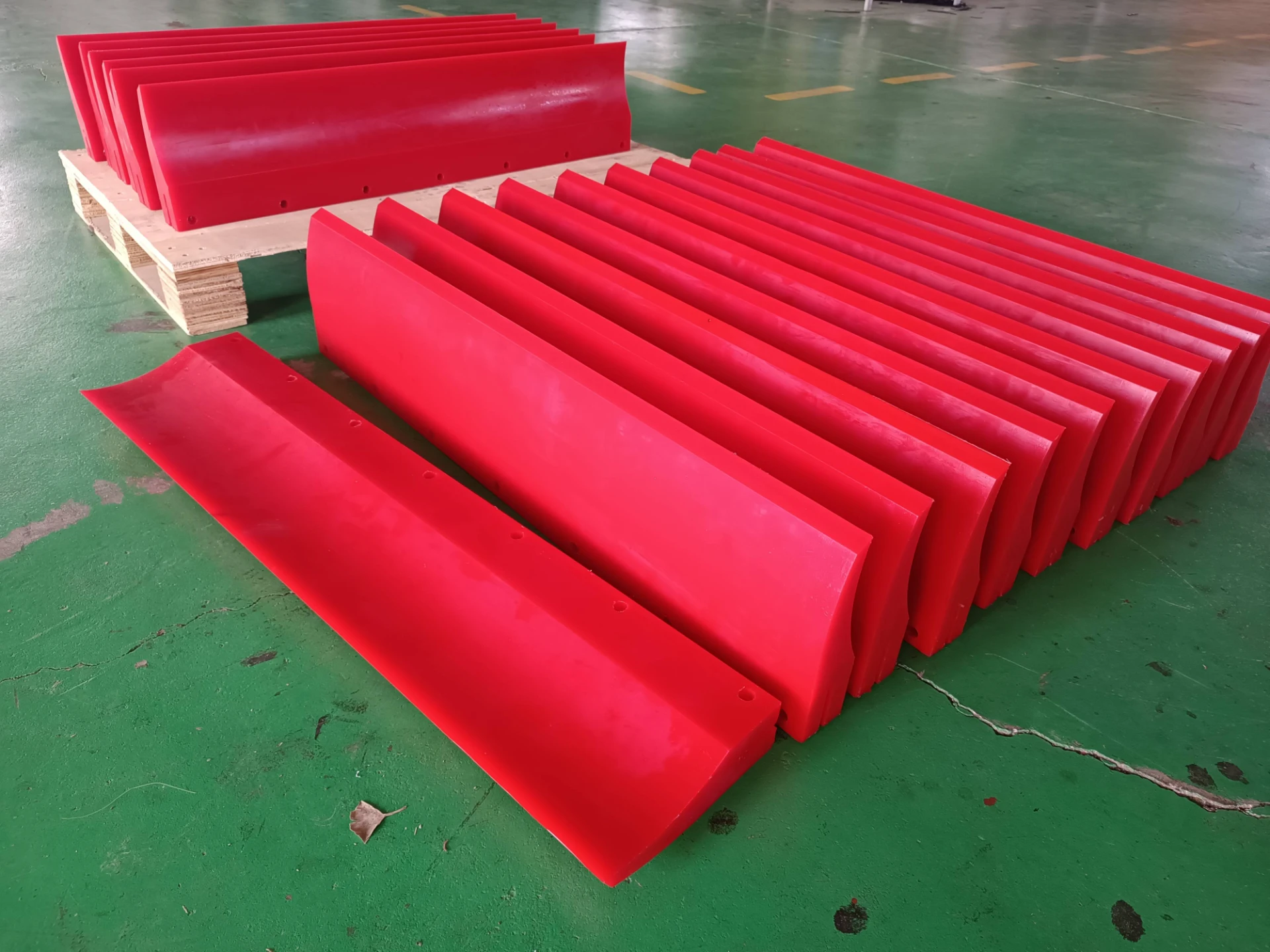
Introduction to Advanced Screening Solutions
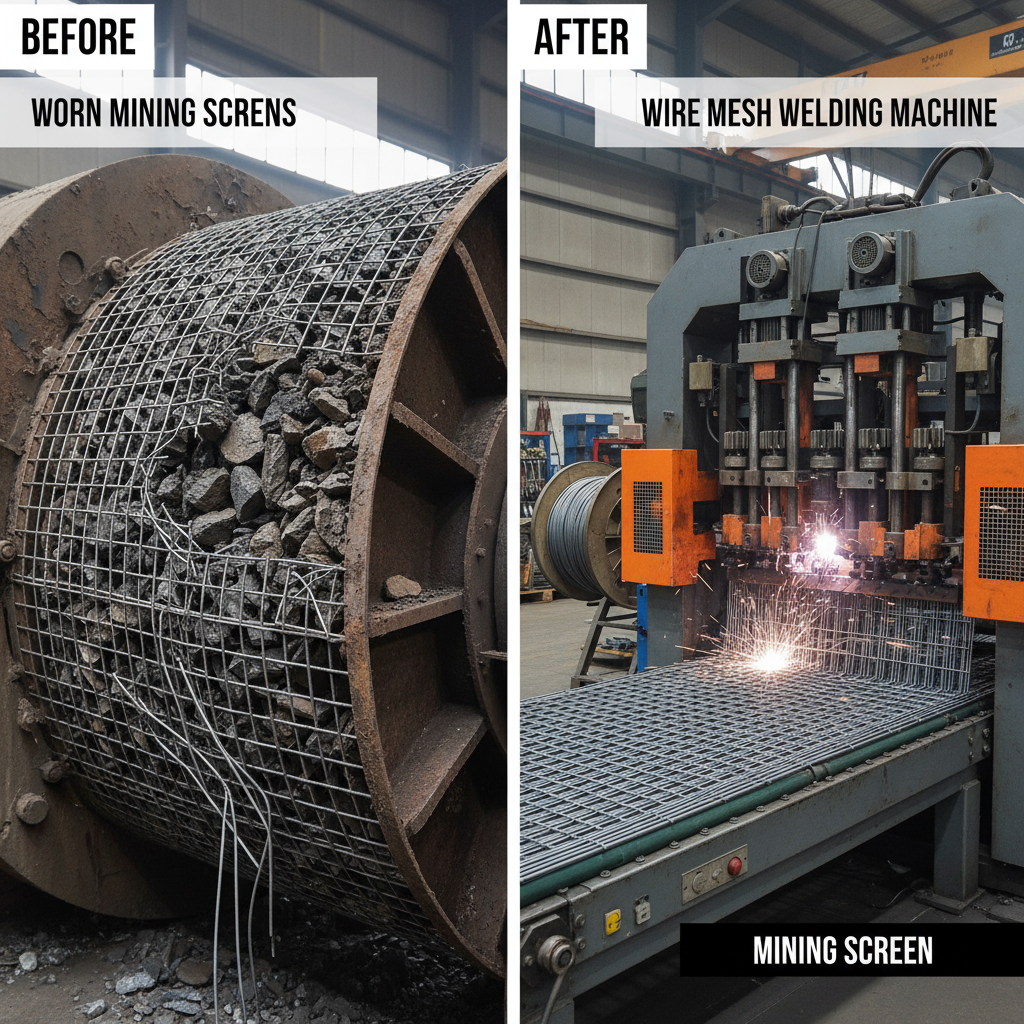
In the demanding world of material processing, the efficiency and longevity of screening equipment are paramount for operational profitability. Traditional metallic screens often succumb to rapid wear, corrosion, and blinding, leading to frequent downtime and increased maintenance costs. This challenge has driven a significant shift towards more advanced materials, with polyurethane screens emerging as a superior alternative. These innovative screening media offer unparalleled durability, enhanced performance, and a substantial return on investment, particularly in abrasive and corrosive environments. They are increasingly vital components in modern vibrating screens, ensuring optimal material classification across diverse industries.
This comprehensive guide delves into the technical intricacies, application benefits, and strategic considerations for deploying polyurethane screening solutions. We will explore the manufacturing process, key technical specifications, widespread application scenarios, and the tangible advantages these screens bring to complex industrial operations.
Industry Trends in Screening Technology
The global screening equipment market is experiencing continuous evolution, driven by increasing demands for efficiency, environmental sustainability, and cost-effectiveness. Key trends include the adoption of modular designs, enhanced automation, and the integration of advanced materials. There's a notable shift away from traditional woven wire and punched plate screens towards high-performance alternatives like polyurethane screens, which offer significant advantages in terms of wear life and screening precision.
- Material Evolution: The transition from steel to polyurethane and rubber for screen media is a primary trend, prompted by the need for superior abrasion, impact, and corrosion resistance.
- Optimized Screening Efficiency: Innovations in screen panel design, including conical apertures and self-cleaning surfaces, aim to minimize blinding and pegging, common issues in high-moisture or sticky material applications. This is especially critical for specialized equipment like banana screens, which require highly efficient material stratification.
- Sustainability and Noise Reduction: Regulatory pressures and corporate responsibility initiatives are pushing for solutions that reduce energy consumption, material waste, and operational noise. Polyurethane contributes significantly to noise attenuation compared to metal screens.
- Modularity and Customization: The demand for modular screen panels that can be easily installed, replaced, and customized to specific application requirements is growing, allowing for rapid adaptation to changing processing needs on a screening deck.
- Digitalization: Integration of IoT and sensor technologies for real-time monitoring of screen performance, wear rates, and predictive maintenance scheduling.
These trends underscore the industry's commitment to maximizing productivity and reducing the total cost of ownership, making advanced material solutions like polyurethane crucial for future success.
Manufacturing Process of Polyurethane Screens
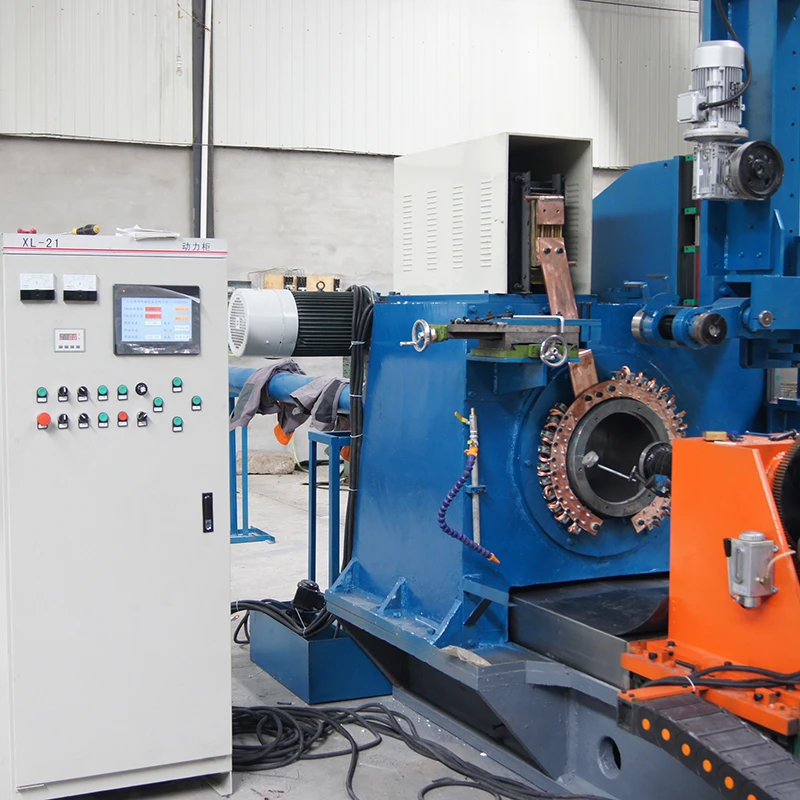
The production of high-quality polyurethane screens is a sophisticated process that leverages advanced polymer chemistry and precision engineering. It typically involves several critical stages, ensuring the final product meets stringent performance requirements.
Process Flow:
- Material Selection and Preparation: High-grade polyurethane elastomers (e.g., polyether or polyester-based polyurethanes) are chosen based on the desired physical properties like Shore hardness, tensile strength, and abrasion resistance. These prepolymers and curative agents are accurately measured and pre-heated to optimal temperatures.
- Mixing: The liquid prepolymer is thoroughly mixed with the curative agent, along with any necessary additives such as pigments, UV stabilizers, or processing aids, in a high-speed mixer. This critical step ensures a homogeneous blend and initiates the polymerization reaction.
- Degassing: The mixed material is then degassed under vacuum to remove any entrapped air bubbles, which could compromise the structural integrity and performance of the final product.
- Casting/Molding: The degassed polyurethane mixture is precisely cast or injected into pre-fabricated molds. These molds are often made from steel or aluminum, designed for specific screen panel dimensions, aperture sizes, and types (e.g., modular, tensioned, or rail seats). Specialized techniques like injection molding ensure high precision and repeatability for intricate designs.
- Curing: The molded polyurethane undergoes a controlled curing process, typically in ovens at elevated temperatures. This allows the polymer to fully cross-link and achieve its designed mechanical properties. The curing time and temperature are critical parameters, often varying based on the polyurethane system used.
- Demolding and Finishing: Once cured, the panels are carefully demolded. Any excess material (flash) is trimmed, and the panels undergo initial visual inspection.
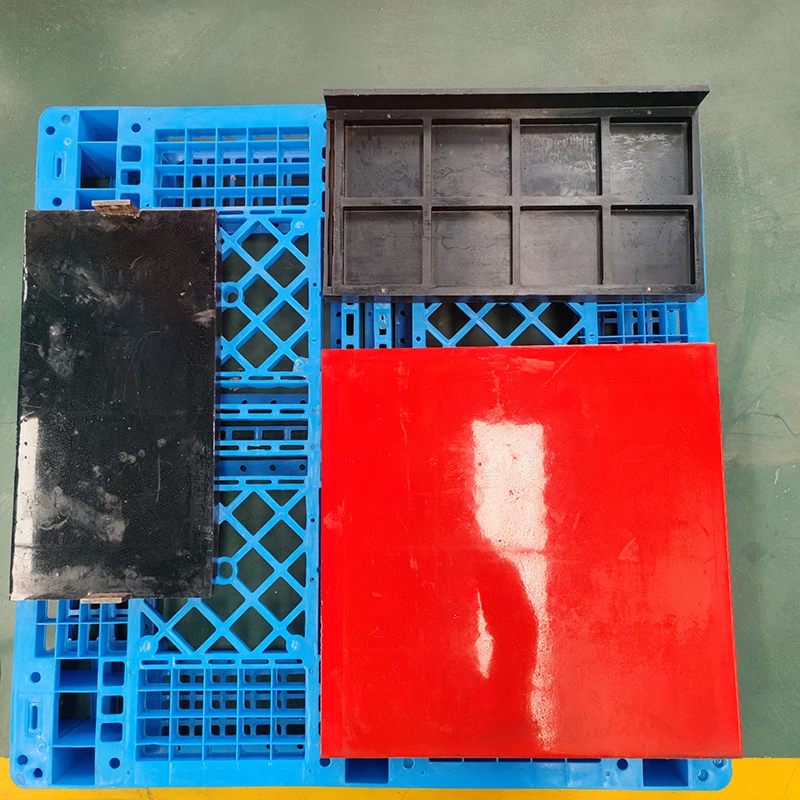
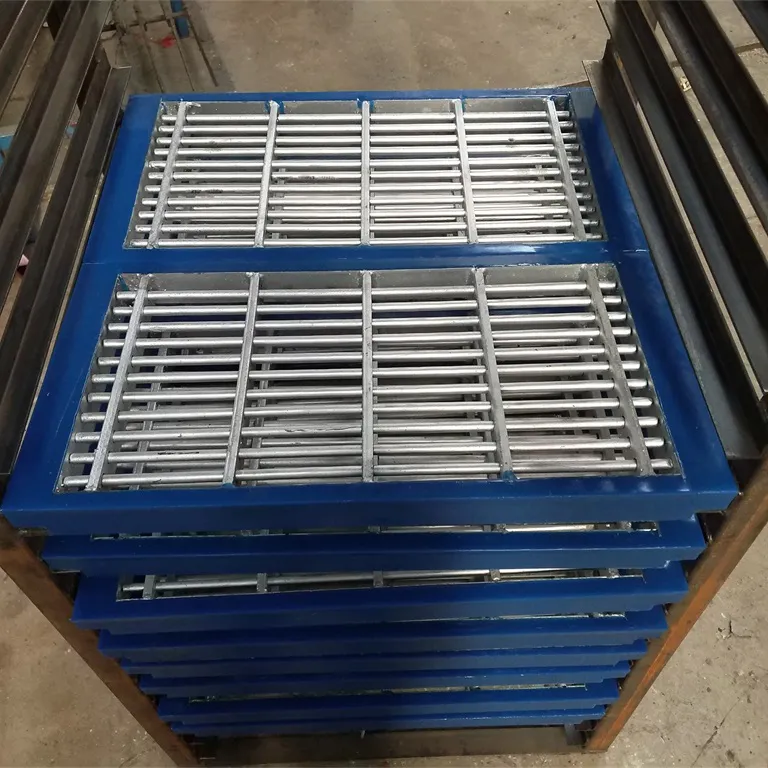
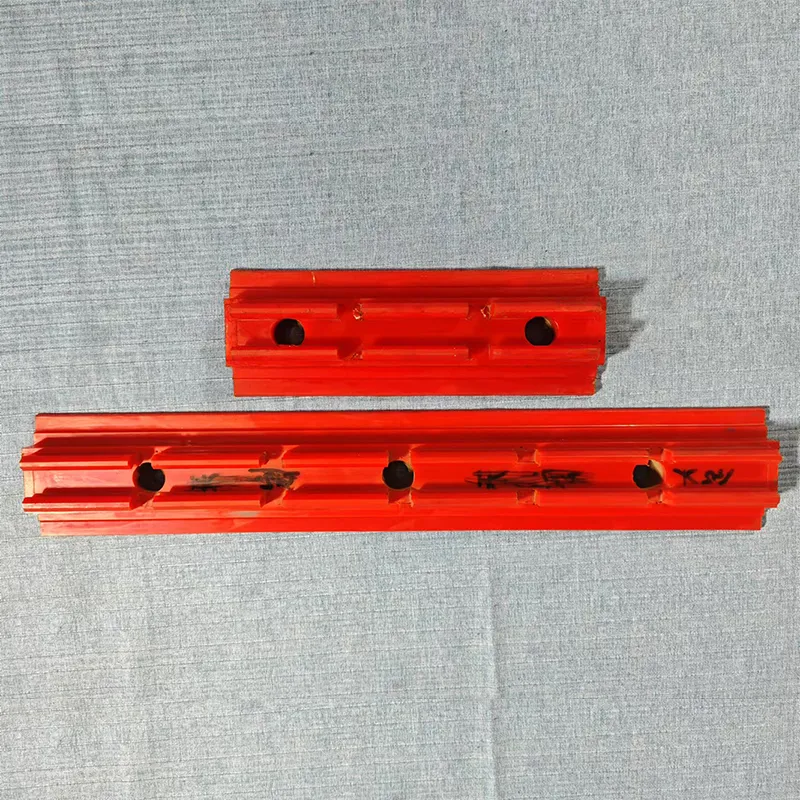
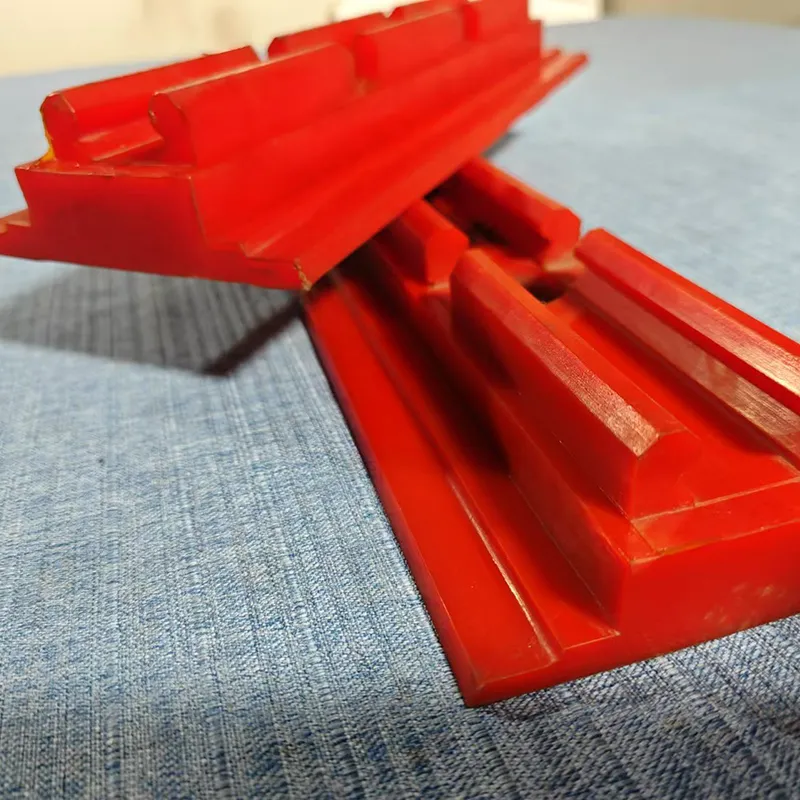
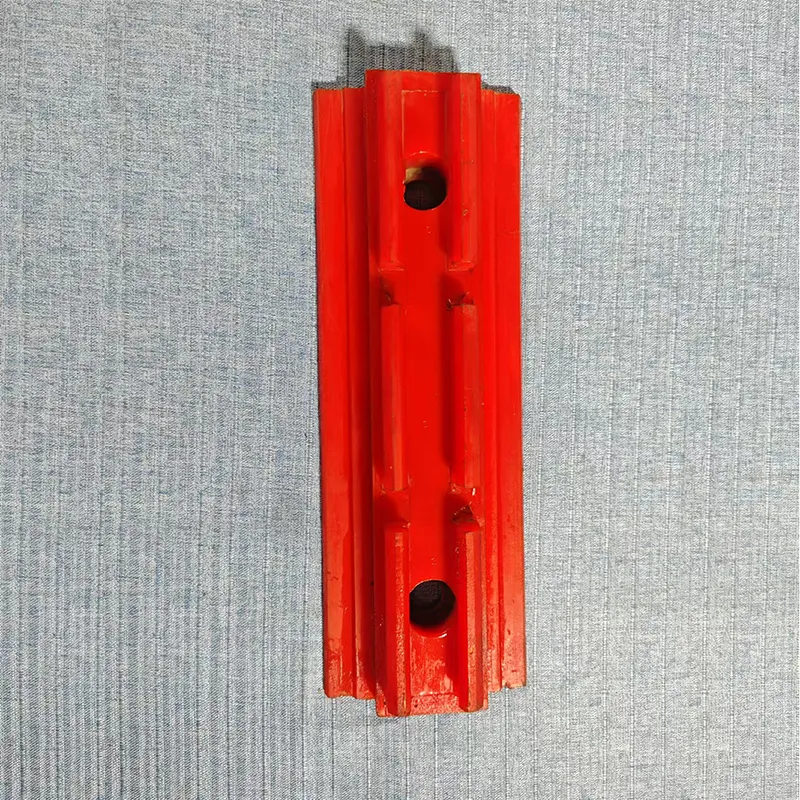
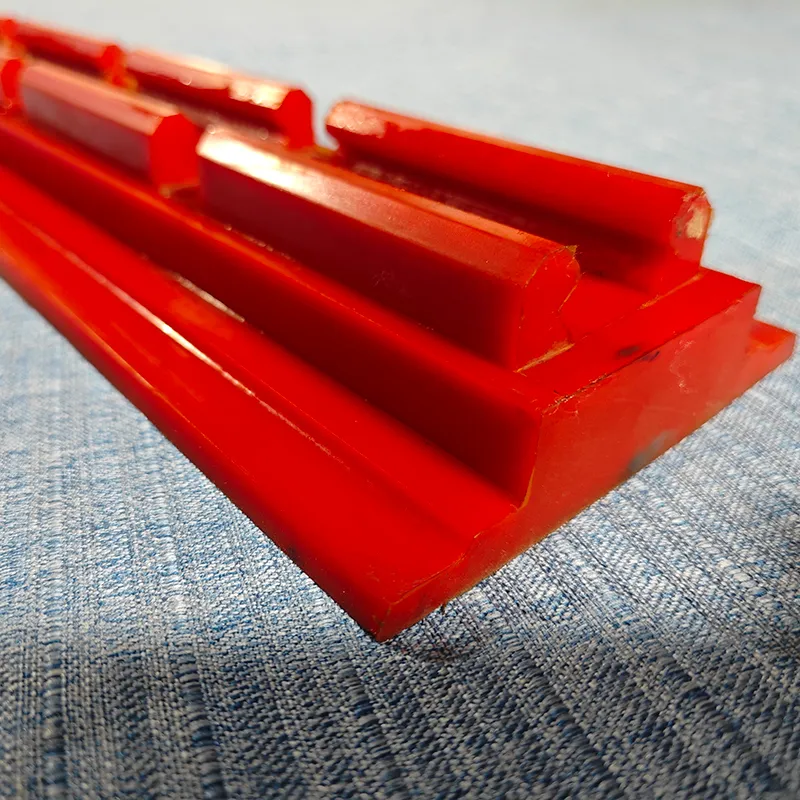
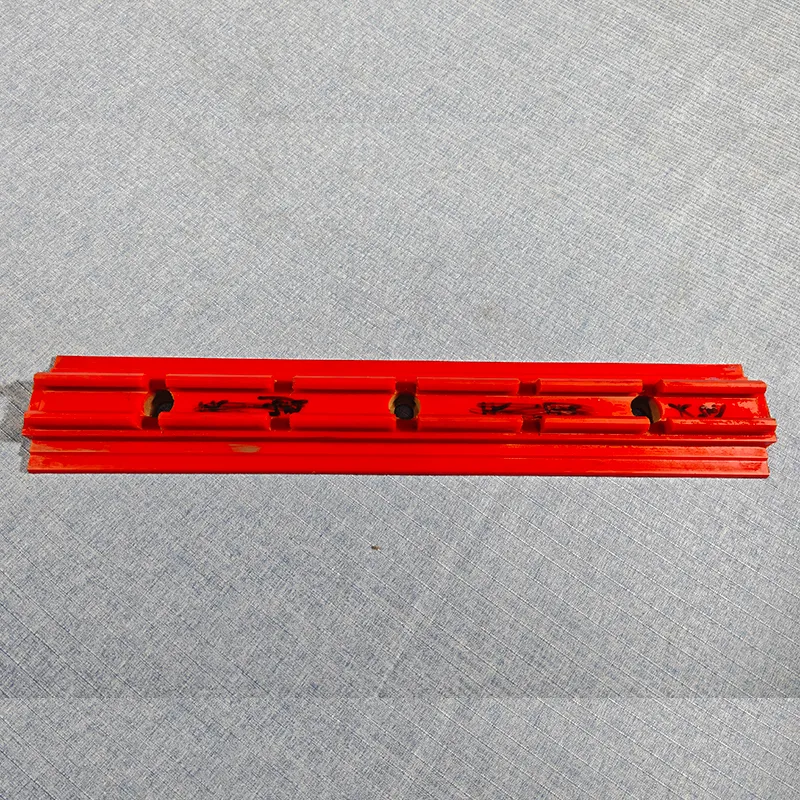
- Post-Curing/Annealing: Some complex polyurethane components, like the Polyurethane Rail Seat For Vibrating Screen, may undergo a post-curing or annealing process to further enhance their mechanical properties, relieve internal stresses, and improve dimensional stability.
- Quality Control and Testing: Each batch undergoes rigorous testing to ensure compliance with international standards such as ISO (e.g., ISO 178 for flexural properties, ISO 527 for tensile properties) and ANSI. Tests include Shore hardness (typically Shore A or D), tear strength, abrasion resistance (e.g., DIN abrasion test), impact resistance, and dimensional accuracy. This ensures the product's integrity and long service life in target industries like petrochemical, metallurgy, mining, and water supply & drainage.
This meticulous manufacturing process results in screens that are engineered for energy saving through reduced blinding, superior corrosion resistance, and exceptional durability, offering a significantly extended service life compared to traditional materials.
Technical Specifications of Polyurethane Screens
Understanding the technical parameters of polyurethane screens is crucial for selecting the right solution for specific applications. These screens are engineered with precision to optimize material separation and extend operational life. Below is a table detailing typical specifications:
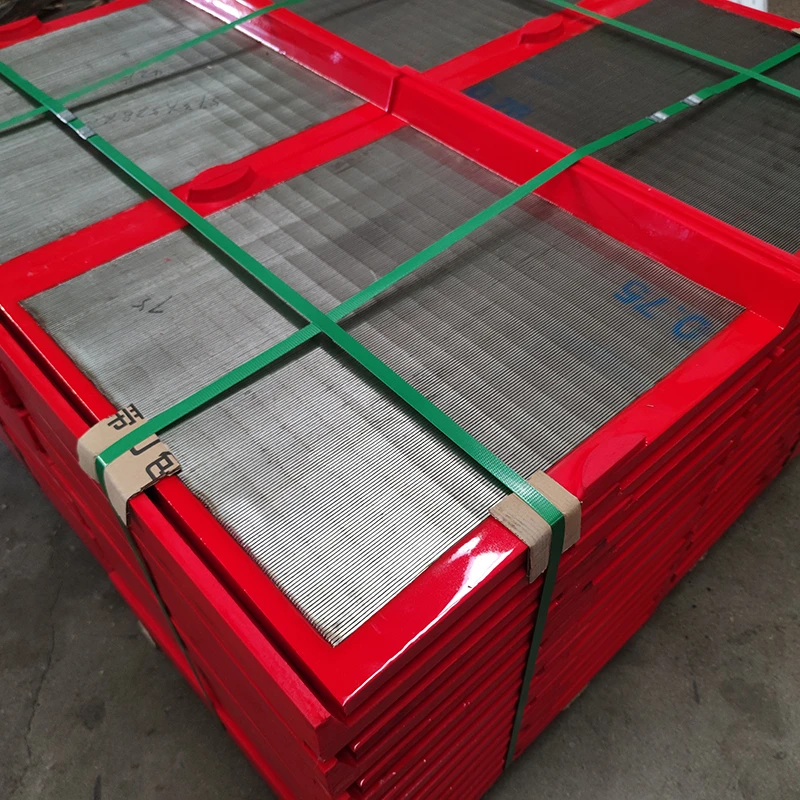
Typical Product Specifications for Polyurethane Screen Panels
| Parameter | Specification Range | Measurement Standard |
|---|---|---|
| Material Type | High-performance Polyether/Polyester Urethane | ASTM D412, ASTM D638 |
| Hardness (Shore A) | 60A - 95A | ASTM D2240 / ISO 7619-1 |
| Tensile Strength | 30-50 MPa | ASTM D412 / ISO 37 |
| Elongation at Break | 300-600% | ASTM D412 / ISO 37 |
| Abrasion Resistance (DIN) | < 100 mm³ loss (higher is worse) | DIN ISO 4649 |
| Operating Temperature | -30°C to +80°C (Intermittent up to 100°C) | Internal Testing Standards |
| Open Area | 30% - 45% (dependent on aperture size/shape) | Calculated |
| Aperture Sizes | 0.1 mm to 150 mm (square, slot, round, conical) | Customizable |
| Panel Thickness | 25 mm to 60 mm (standard) | Customizable |
These specifications demonstrate the versatility and robust nature of polyurethane, making it suitable for a wide array of challenging industrial applications where traditional materials fail prematurely.
Application Scenarios and Target Industries
The unique properties of polyurethane screens make them indispensable across a broad spectrum of heavy industries where efficient and durable screening is critical. Their ability to withstand severe abrasive wear, impact, and chemical exposure translates into significant operational advantages.
Key Target Industries:
- Mining and Aggregates: Used for screening ores (iron, copper, gold), coal, gravel, sand, and crushed stone. Polyurethane's abrasion resistance vastly extends screen life in these highly aggressive environments. It excels in both wet and dry applications, handling large volumes of material with precision.
- Metallurgy: Critical for sizing slag, sinter, and various mineral concentrates. The screens withstand high impact loads and corrosive slurries, ensuring purity of output.
- Construction and Demolition Recycling: Effective for separating concrete, asphalt, brick, and other construction debris, contributing to sustainable waste management.
- Chemical and Petrochemical: Ideal for screening corrosive chemicals, catalysts, and other granular materials where resistance to acids, alkalis, and solvents is essential. Their non-metallic nature prevents contamination.
- Water Treatment and Wastewater Management: Employed for primary screening of solids from water and sewage, providing long-term reliability in wet and often biologically active environments.
- Food Processing: For certain coarse screening applications where hygiene and non-contaminating materials are required, specialized food-grade polyurethane screens can be utilized.
Advantages in Typical Application Scenarios:
- Energy Saving: The flexibility of polyurethane panels aids in self-cleaning, reducing blinding and pegging. This maintains consistent open area, preventing material build-up that would otherwise increase the load on vibrating motors and consume more energy.
- Corrosion Resistance: Unlike steel screens, polyurethane is inherently resistant to most acids, alkalis, and salts, making it ideal for wet screening and processing corrosive minerals or chemicals, thereby extending screen life significantly.
- Reduced Noise Pollution: The inherent elastic properties of polyurethane dampen vibrations and material impact, leading to a substantial reduction in noise levels (typically 5-10 dB lower than metal screens), improving workplace safety and comfort.
- Extended Service Life: In abrasive applications, polyurethane can last 3-10 times longer than traditional steel screens, drastically cutting replacement frequency and associated labor costs.
- Improved Safety: Lighter weight panels are easier and safer to handle during installation and replacement, reducing the risk of injuries.
Technical Advantages of Polyurethane Screening Media
The shift towards polyurethane for screening applications is not merely a trend but a response to verifiable technical advantages that directly impact operational efficiency and cost savings. These advantages are particularly pronounced in demanding industrial settings.
Superior Wear Resistance:
Polyurethane exhibits exceptional resistance to abrasive wear, particularly against sliding abrasion caused by hard mineral particles. Its elastic nature allows it to absorb impact energy, reducing the wear rate compared to brittle metallic screens. This translates into a significantly longer operational lifespan, often 5 to 10 times that of wire mesh or steel plates, reducing frequency of replacements and maintenance costs.
Reduced Blinding and Pegging:
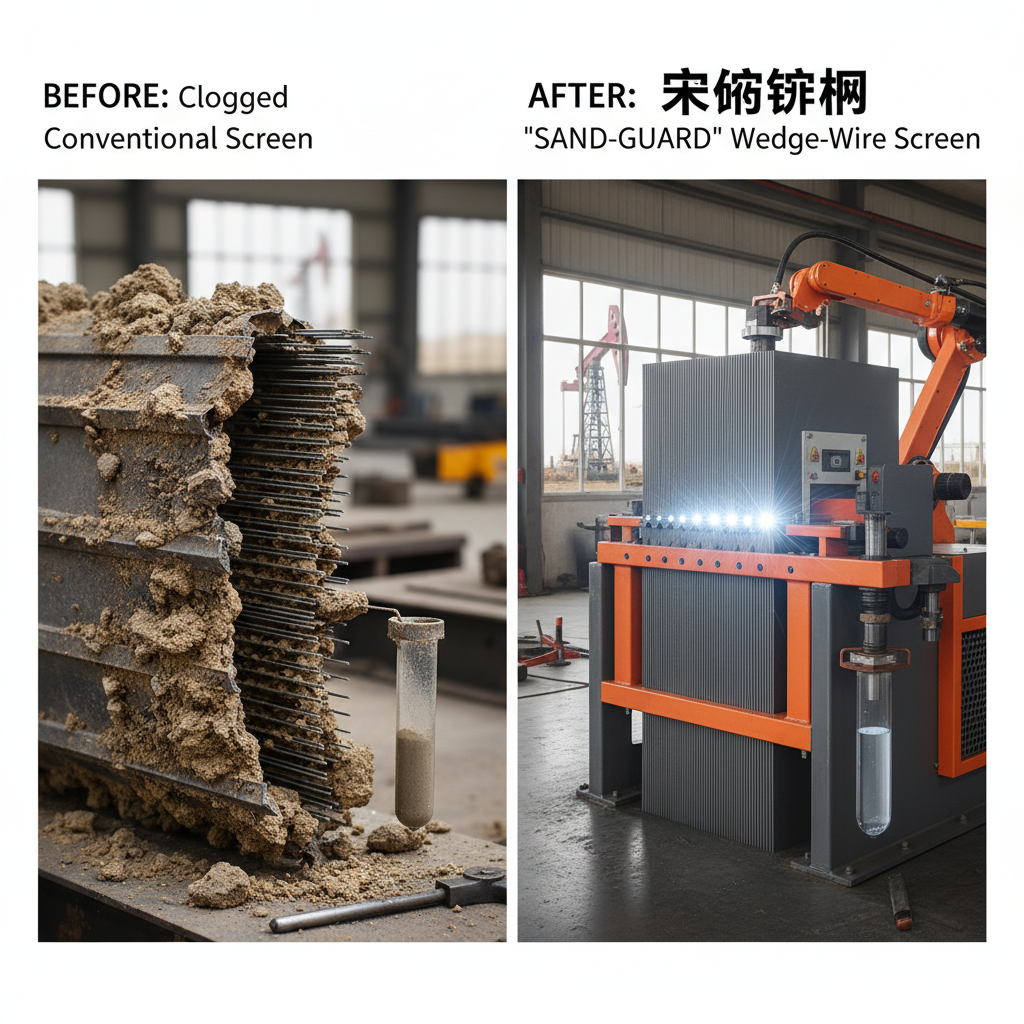
The inherent flexibility and dynamic movement of polyurethane screens under vibration effectively dislodge near-size particles that would otherwise blind or peg the apertures of rigid screens. This self-cleaning action ensures a consistently high open area, optimizing screening efficiency and material throughput, especially with damp or sticky materials.
Lower Noise Levels:
The elastic properties of polyurethane significantly absorb the impact energy of materials on the screen surface, resulting in a substantial reduction in operational noise levels. This contributes to a safer and more compliant working environment, addressing increasingly strict occupational health regulations.
Corrosion and Chemical Resistance:
Polyurethane is highly resistant to a wide range of chemicals, acids, bases, and hydrocarbons. This makes it an ideal choice for applications involving corrosive slurries or chemical processing, where metallic screens would quickly degrade, leading to premature failure and system contamination.
Reduced Maintenance and Downtime:
The extended lifespan and self-cleaning attributes of polyurethane panels drastically reduce the need for screen replacement and manual cleaning. This minimizes maintenance labor, reduces spare parts inventory, and, most importantly, decreases costly production downtime, directly improving overall plant productivity and profitability.
Improved Screening Efficiency and Particle Classification:
With reduced blinding and consistent open area, polyurethane screens maintain optimal particle classification throughout their service life. This ensures higher product quality, fewer rejections, and maximized recovery of desired fractions, contributing to overall operational excellence.
Vendor Comparison and Customized Solutions
Choosing the right supplier for polyurethane screening solutions involves more than just comparing price points. It requires evaluating expertise, product quality, customization capabilities, and after-sales support. A reputable vendor understands that off-the-shelf solutions may not always suffice for complex industrial challenges.
Key Considerations for Vendor Comparison:
| Feature | Leading Vendor (e.g., MutoScreen) | Standard Vendor |
|---|---|---|
| Material Quality & Durability | Proprietary high-grade polyether/polyester blends, rigorously tested (ISO certified), offering 5-10x lifespan. | Standard polyurethane, potentially inconsistent quality, 2-4x lifespan. |
| Customization & Engineering | Full customization for aperture shape/size, panel dimensions, hardness, and special mounting systems (e.g., Polyurethane Rail Seat for specific vibrating screen models). Dedicated R&D team. | Limited standard sizes and aperture options, minimal engineering support. |
| Technical Support & Expertise | Application engineers, on-site consultation, problem-solving, and ongoing optimization support. Years of industry experience (e.g., 20+ years). | Basic product information, limited application guidance. |
| Certifications & Trust | ISO 9001, adherence to ASTM/DIN standards, documented test data, reputable client testimonials. | Minimal or unverified certifications, limited data transparency. |
| Innovation & R&D | Continuous product development, new material formulations for specific challenges (e.g., extreme temperatures, fine screening). | Focus on existing product lines, limited innovation. |
Customized Solutions:
Recognizing that no two screening operations are identical, leading manufacturers offer extensive customization. This includes:
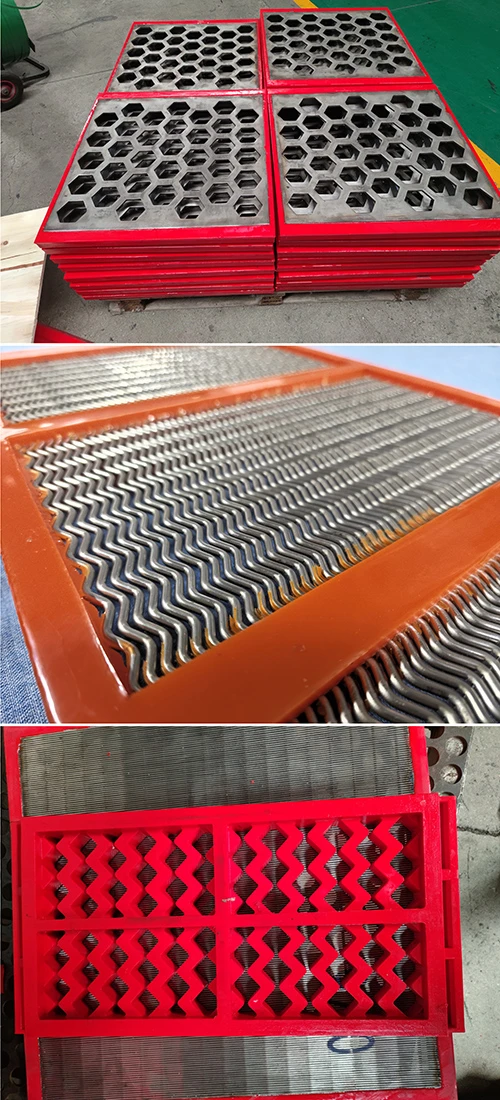
- Aperture Geometry: Custom shapes (square, slot, round, conical, anti-blinding designs) and precise sizes to optimize separation efficiency for various material types and moisture content.
- Panel Dimensions and Thickness: Tailored to fit existing screen deck configurations, ensuring seamless integration and optimal material flow.
- Polyurethane Hardness: Selection of specific Shore hardness to balance abrasion resistance with flexibility for anti-blinding properties, suitable for different impact loads and particle sizes.
- Mounting Systems: Design of specialized fastening systems, including modular panels, tensioned panels, or unique rail seat solutions (like the Polyurethane Rail Seat For Vibrating Screen) to fit a wide range of screen frames and machines.
- Material Composition: Special formulations for enhanced resistance to chemicals, oil, or high temperatures, specific to environmental conditions.
This flexibility ensures that each screening solution is perfectly aligned with the client's operational objectives, maximizing performance and minimizing total cost of ownership.
Application Case Studies
Real-world applications best illustrate the transformative impact of polyurethane screening technology. These case studies highlight how tailored solutions lead to tangible improvements in productivity and cost efficiency.
Case Study 1: Iron Ore Processing Plant – Reduced Downtime and Enhanced Throughput
A major iron ore mining operation in Western Australia faced persistent challenges with severe abrasion on their primary vibrating screens. Traditional steel mesh screens required replacement every 4-6 weeks due to rapid wear, leading to significant maintenance costs and production losses. The material was highly abrasive iron ore fines, often processed wet, leading to premature screen failure and blinding.
- Solution: The plant replaced its steel mesh with custom-designed modular polyurethane screens featuring a Shore A hardness of 85A and optimized slot apertures to handle the specific particle shape and moisture content of the iron ore. The modular design facilitated quicker installation.
- Results: The lifespan of the screens increased dramatically from 4-6 weeks to over 9 months. This translated to an 85% reduction in screen replacement frequency and a 60% decrease in associated labor costs. Additionally, the anti-blinding properties of the polyurethane improved material throughput by 10%, directly contributing to increased overall plant productivity. The plant reported a 7dB reduction in noise levels from the screening deck.
Case Study 2: Aggregates Production – Noise Reduction and Operational Cost Savings
An aggregates quarry near a residential area in the UK faced challenges with excessive noise pollution from their main screening plant, which utilized traditional punched plate screens. Beyond environmental concerns, the screens were also experiencing significant wear from crushed granite, leading to frequent repairs and inconsistent product sizing.
- Solution: The quarry upgraded to high-density polyurethane screens with a higher Shore D hardness (for maximum abrasion resistance) and a custom square aperture pattern. These panels were designed to directly replace the existing metal screens without major modifications to the screen frame.
- Results: Noise levels at the screening plant were reduced by an average of 9dB, bringing the operation into compliance with local noise regulations and improving relations with nearby communities. The lifespan of the screen panels extended from 3 months to over 18 months, leading to substantial savings in material and labor. Furthermore, the consistent aperture size throughout the panels' life resulted in a more precisely graded final product, reducing waste and improving market value.
Frequently Asked Questions (FAQ)
> What is the typical lifespan of polyurethane screens compared to steel?
Polyurethane screens typically last 3 to 10 times longer than steel screens, depending on the application's abrasiveness, material type, and operating conditions. Their superior wear resistance significantly extends maintenance cycles.
> Can polyurethane screens be customized for specific applications?
Absolutely. Leading manufacturers offer extensive customization options, including aperture size and shape, panel dimensions, polyurethane hardness, and various mounting systems (e.g., modular, tensioned, or rail seats) to perfectly match your specific screening requirements and equipment.
> How do polyurethane screens address blinding and pegging issues?
The inherent flexibility and elastic deformation of polyurethane panels, combined with specialized aperture designs (e.g., conical openings), allow them to vibrate and shed near-size particles, effectively preventing blinding and pegging common with rigid screen media.
> Are polyurethane screens suitable for wet screening applications?
Yes, polyurethane screens are highly effective in wet screening applications. Their resistance to corrosion, combined with their anti-blinding properties, makes them ideal for processing materials with high moisture content or in slurry environments. They also contribute to reduced noise from water impact.
Lead Time, Warranty, and Customer Support
Lead Time & Fulfillment:
Standard polyurethane screen panels typically have a lead time of 2-4 weeks from order confirmation, depending on order volume and current production schedules. Custom-engineered solutions may require an additional 1-2 weeks for design, mold fabrication, and initial prototyping. We maintain efficient production lines and robust supply chain management to ensure timely delivery and minimize impact on your operations. Expedited options are available upon request for urgent requirements.
Warranty Commitments:
All our polyurethane screening products are backed by a comprehensive warranty against manufacturing defects and premature wear under normal operating conditions. The standard warranty period is 12 months from the date of installation or 18 months from shipment, whichever comes first. Specific warranty details are provided with each quotation and may vary based on product type and application severity. Our commitment is to provide durable, high-performance solutions that meet or exceed industry standards.
Customer Support & After-Sales Service:
We pride ourselves on providing exceptional customer support, from initial consultation through the entire lifespan of our products. Our dedicated team of application engineers is available to:
- Provide expert advice on screen selection and optimization.
- Assist with installation guidance and best practices.
- Troubleshoot performance issues and offer solutions.
- Conduct on-site inspections and performance audits upon request.
- Facilitate prompt processing of warranty claims and spare parts orders.
Our goal is to forge long-term partnerships by ensuring your screening operations achieve maximum efficiency and profitability.
Conclusion
The selection of appropriate screening media is a critical determinant of operational success in material processing. Polyurethane screens offer a technologically advanced solution that addresses the persistent challenges of wear, blinding, and noise commonly associated with traditional alternatives. By providing exceptional durability, self-cleaning capabilities, and chemical resistance, these screens deliver significant improvements in screening efficiency, reduced maintenance costs, and extended equipment lifespan. Partnering with a specialist vendor that offers customized solutions and robust after-sales support ensures that these benefits are fully realized, ultimately driving greater productivity and profitability for diverse industrial applications.
References
- Smith, J. A., & Davis, R. M. (2018). "Advances in Polyurethane Elastomers for Mining Applications." Journal of Mineral Processing Technology, 45(3), 123-131.
- International Organization for Standardization. (2020). ISO 7619-1: Rubber, vulcanized or thermoplastic — Determination of indentation hardness — Part 1: Durometer method (Shore hardness).
- American Society for Testing and Materials. (2019). ASTM D412: Standard Test Methods for Vulcanized Rubber and Thermoplastic Elastomers—Tension.
- Peters, M. R. (2019). "The Role of Polymer Screen Media in Reducing Blinding in Wet Screening Processes." International Journal of Mining and Materials Engineering, 7(2), 88-95.
- Liu, Y., & Wang, Q. (2021). "Comparative Study of Wear Resistance in Various Screening Media Materials." Materials Science Forum, 987, 215-220.