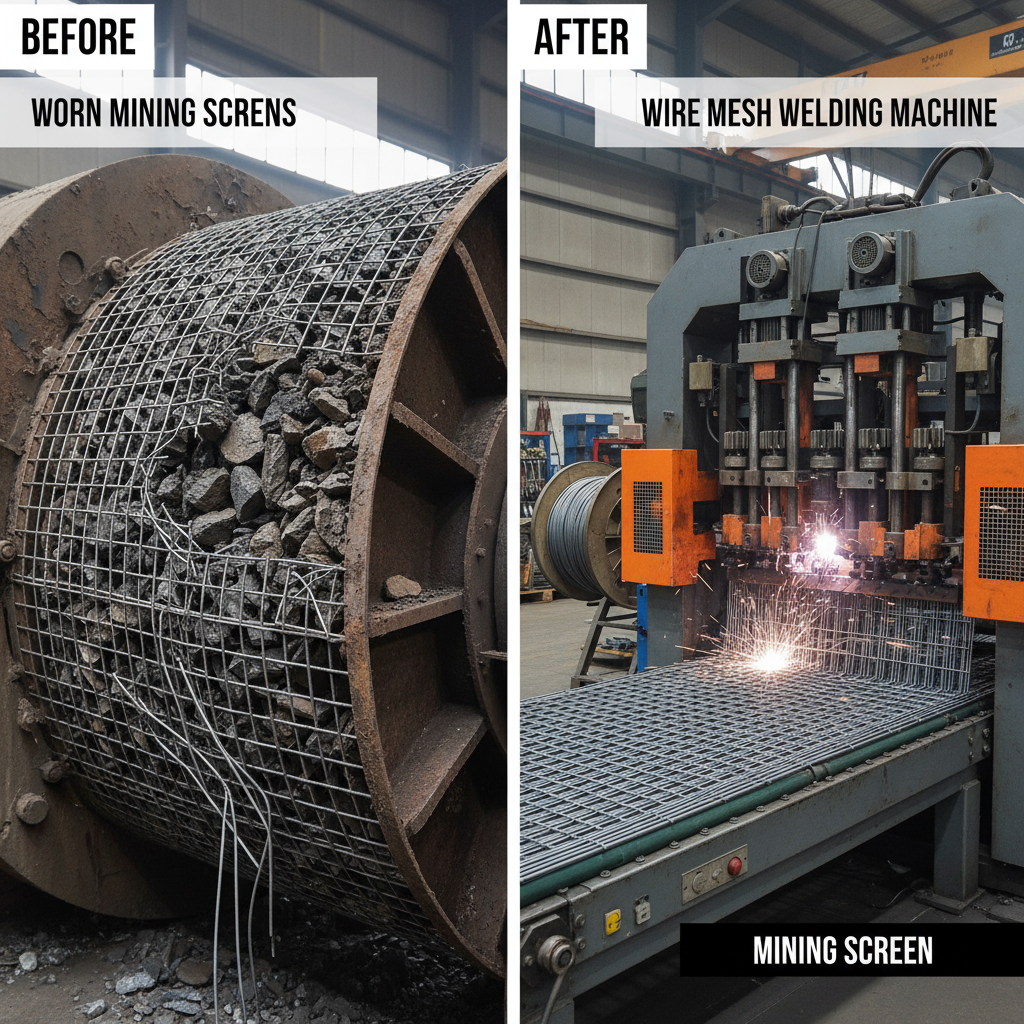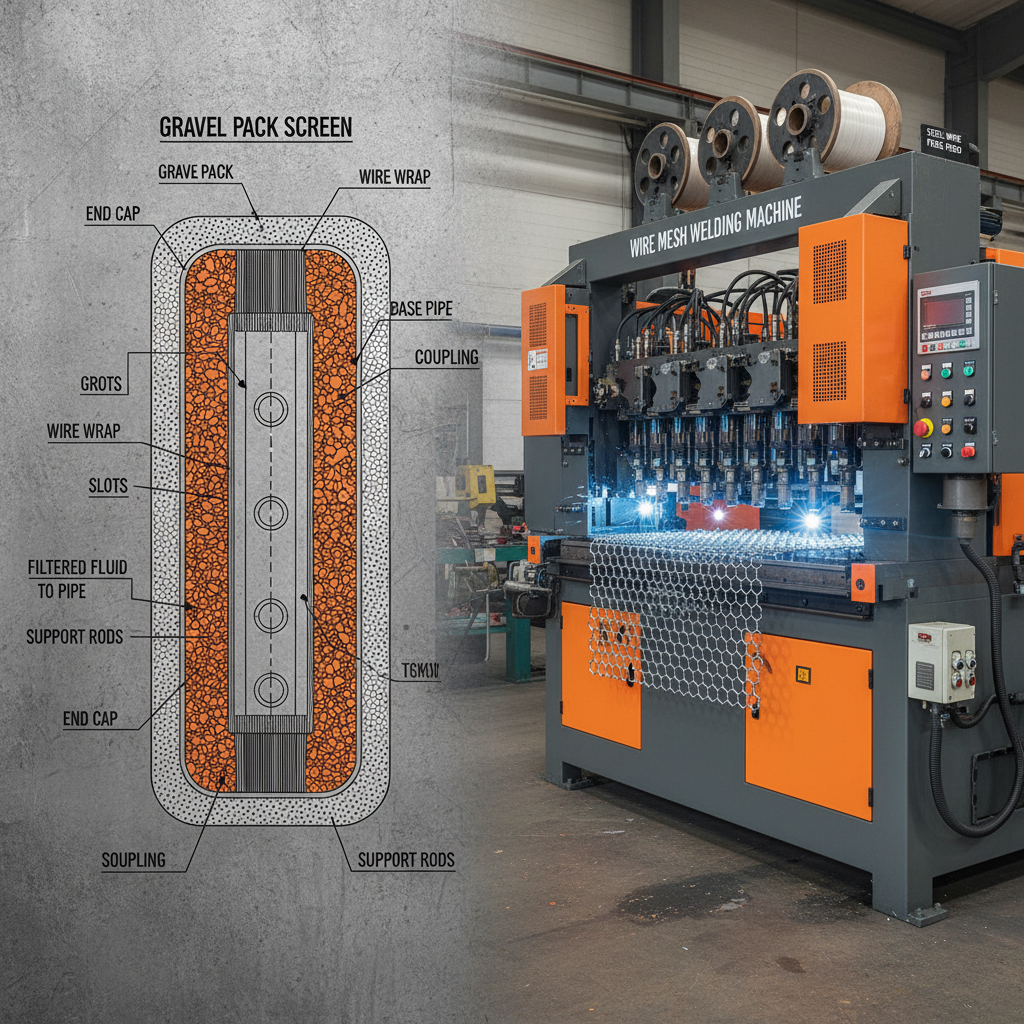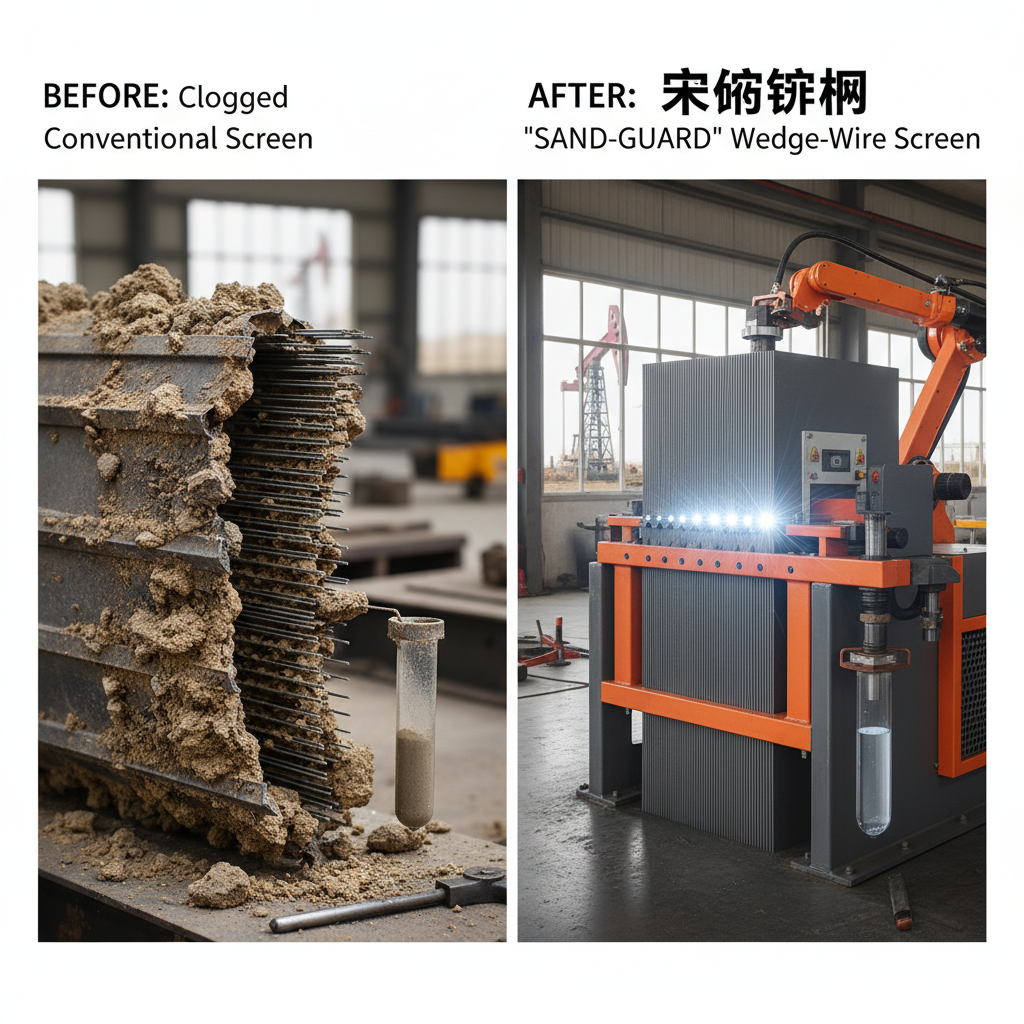
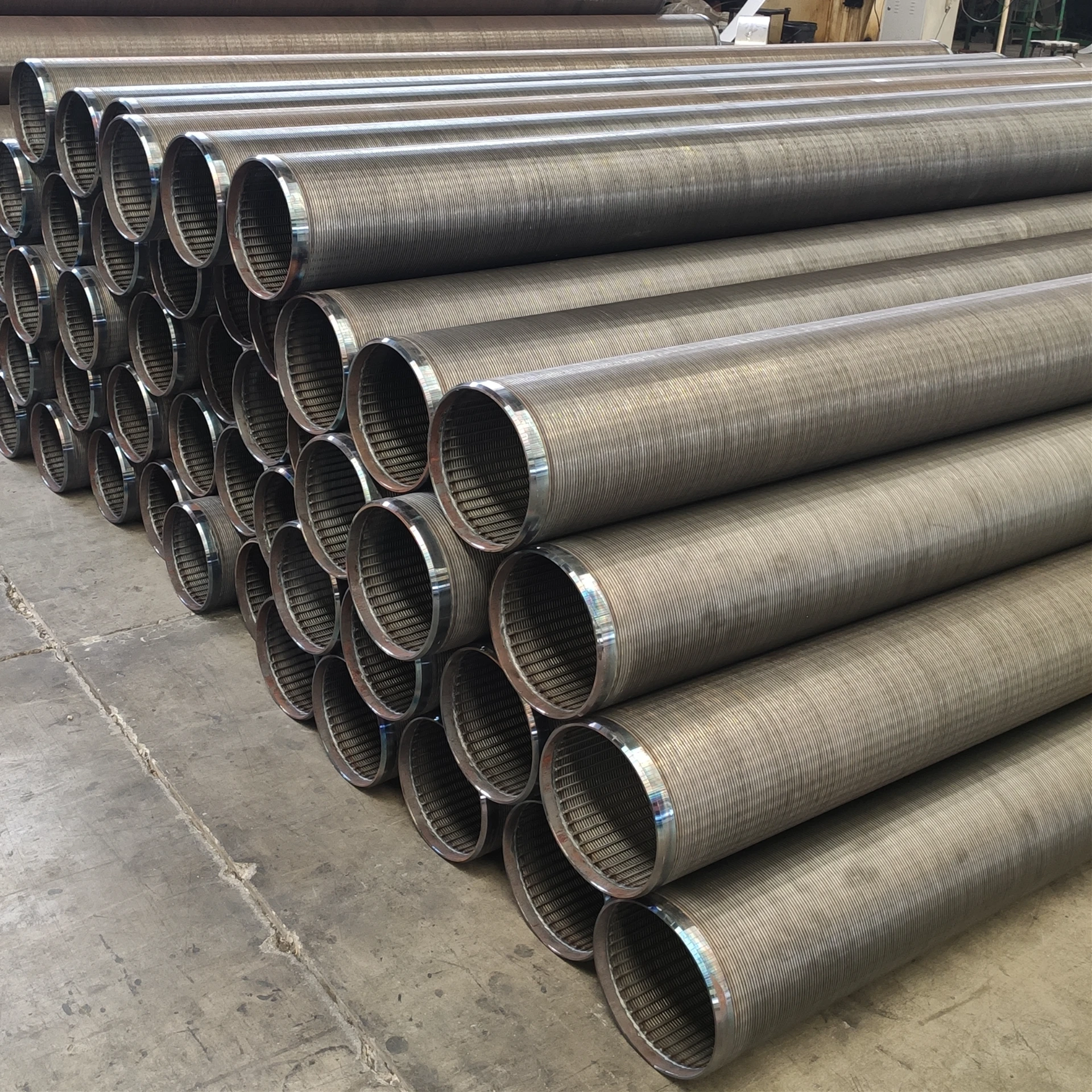
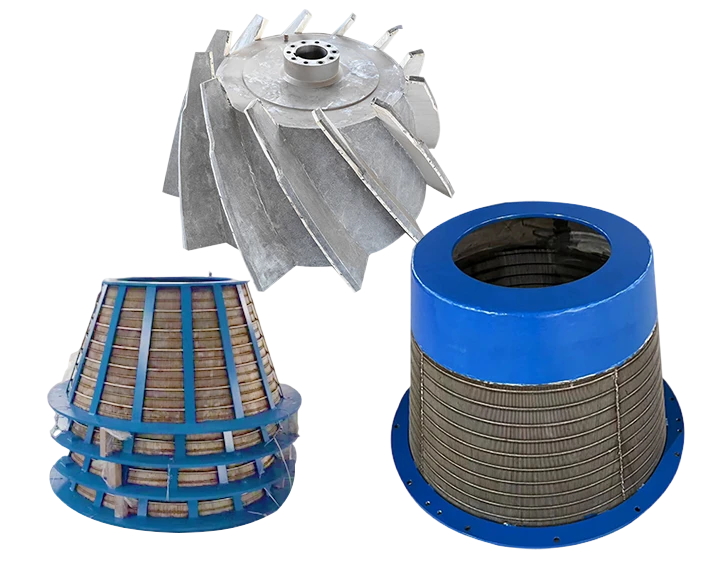
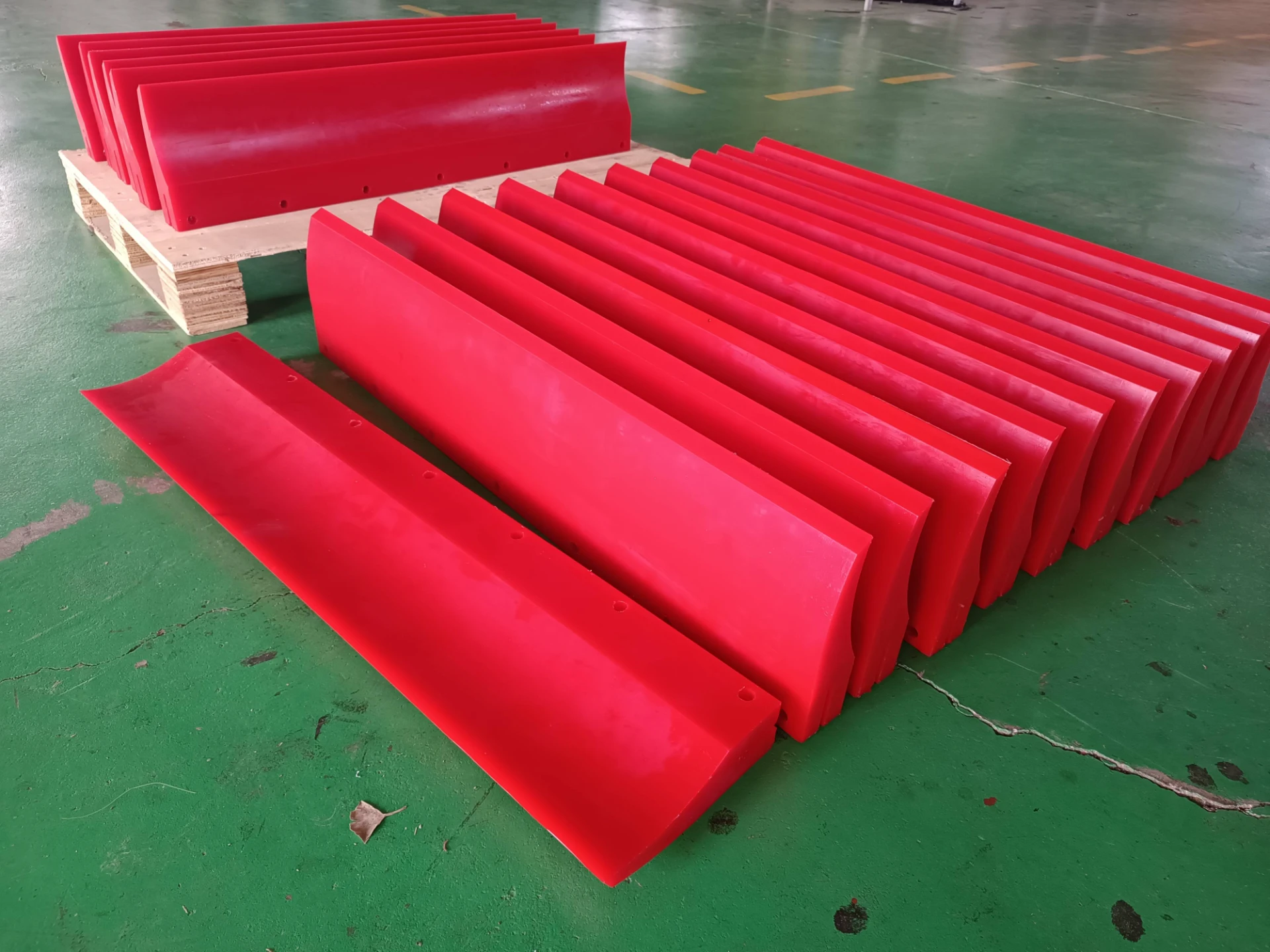
The Pivotal Role of rod screen Technology in Industrial Separation
In the intricate landscape of industrial processing, efficient material separation is paramount for operational efficacy, product quality, and cost optimization. Among the various filtration and separation solutions, the rod screen stands out as a critical component, particularly in demanding applications where robust performance and high throughput are essential. This advanced screening technology, often encountered as flexible rod screen plates, plays a pivotal role in industries ranging from mining and aggregates to wastewater treatment and petrochemicals, enabling precise classification, dewatering, and particle sizing.
A rod screen is not merely a filter; it is an engineered solution designed to withstand abrasive materials, resist corrosion, and deliver consistent performance over extended operational periods. Its unique construction, typically featuring parallel rods or wires, creates an optimized open area for fluid flow while effectively retaining target solids. This document delves into the core aspects of this indispensable technology, exploring its technical underpinnings, manufacturing precision, diverse applications, and strategic advantages that drive its adoption across global industries.
Industry Trends in Screening Technology
The industrial screening sector is continuously evolving, driven by demands for higher efficiency, reduced environmental impact, and lower operational costs. Key trends impacting the development and deployment of rod screen and other industrial sieves and screens include:
- Increased Automation and IoT Integration: Modern screening systems are incorporating more sensors, smart controls, and data analytics to optimize performance, predict maintenance needs, and reduce human intervention. This leads to more precise control over separation processes and enhanced uptime.
- Emphasis on Sustainability: Manufacturers are increasingly focusing on energy-efficient designs, materials with longer service life, and processes that minimize waste. Screens made from recyclable materials or designed for easier repair contribute to a greener industrial footprint.
- Advanced Materials Science: The development of new alloys, polymers, and composite materials is leading to screens with superior wear resistance, corrosion protection, and self-cleaning properties. This extends the lifespan of components and reduces the frequency of replacements, particularly for vibrating screen sieve applications where dynamic stresses are significant.
- Customization and Modularity: There's a growing need for highly specialized screening solutions tailored to unique material characteristics and operational requirements. Modular designs allow for easier upgrades, maintenance, and adaptation to changing process needs.
- Micro-screening Capabilities: As industries require finer separation and higher purity, the demand for screens capable of precise micro-screening is increasing. This pushes the boundaries of manufacturing precision for screen apertures.
These trends underscore a move towards more intelligent, durable, and environmentally responsible screening solutions, with flexible rod screen plates being at the forefront due to their adaptability and robust design.
Understanding the Flexible Rod Screen Plate: Materials, Design, and Specifications
The effectiveness of a rod screen hinges on its fundamental design, choice of materials, and meticulous manufacturing. Flexible rod screen plates, such as the product offered by MutoScreen, exemplify engineered precision for industrial separation.
Core Materials and Their Properties
The selection of material is critical for the durability and performance of any screen sieve. Flexible rod screen plates are typically fabricated from high-grade materials chosen for their specific attributes to combat wear, corrosion, and fatigue:
- Polyurethane (PU): Often used for its exceptional abrasion resistance, elasticity, and noise reduction properties. PU screens are ideal for handling abrasive materials like sand, gravel, and ore, offering a significantly longer service life compared to traditional steel screens in certain applications. Its inherent flexibility also contributes to self-cleaning, preventing blinding.
- High Carbon Steel / Spring Steel: Provides high tensile strength and resilience, making it suitable for heavy-duty applications where structural integrity under impact is crucial. However, it may require surface treatments for corrosion resistance.
- Stainless Steel (e.g., SS304, SS316): Offers superior corrosion resistance, particularly important in chemical processing, food & beverage, and wastewater treatment industries. SS316, with its molybdenum content, provides enhanced resistance to pitting and crevice corrosion in chloride environments. While less flexible than PU, its strength is unmatched for certain fine screening tasks.
MutoScreen's Flexible Rod Screen Plates leverage high-grade polyurethane, specifically engineered for optimal balance between durability, flexibility, and aperture stability.
Design and Structure
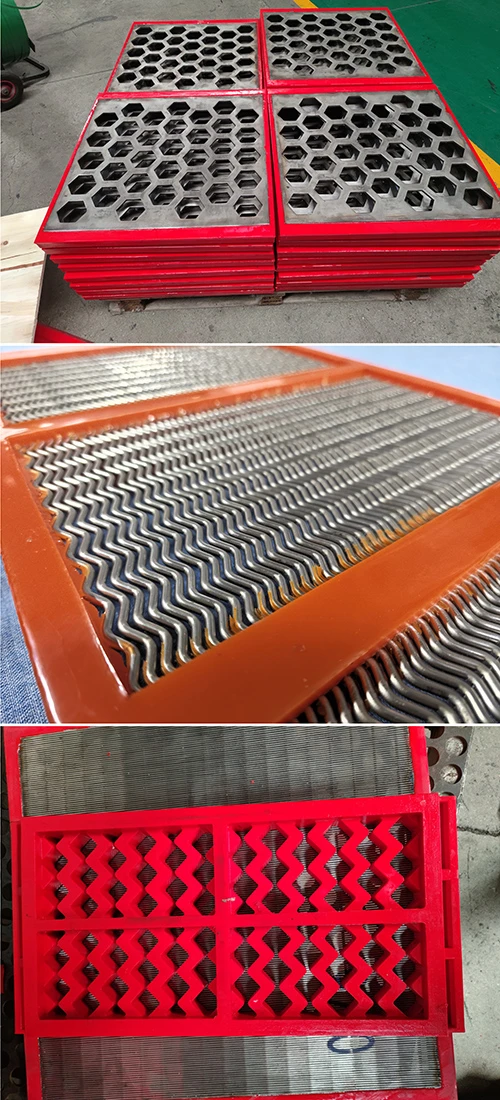
The design features parallel, resilient rods arranged to create precise openings. This configuration maximizes the open area, facilitating efficient material flow while minimizing potential for blinding or pegging. The "flexible" aspect refers to the material's ability to oscillate or vibrate under dynamic load, dislodging trapped particles and maintaining consistent screening performance. This inherent elasticity is a key advantage over rigid metallic screens, especially when dealing with sticky or damp materials.
Technical Specifications
Understanding the technical parameters is crucial for selecting the correct rod screen for a given application. Below is a representative table of specifications for high-performance flexible rod screen plates:
| Parameter | Typical Range / Value | Notes / Industry Standard |
|---|---|---|
| Material | High-performance Polyurethane (PU) | Customizable to specific chemical or abrasion needs. |
| Aperture Size (Slotted) | 0.5 mm to 30 mm | Precision tolerances ±0.1mm to ±0.3mm depending on size. |
| Rod Diameter | 3 mm to 10 mm | Optimized for strength vs. open area. |
| Open Area | Typically 30% to 60% | Higher open area increases throughput, lower for finer separation. |
| Operating Temperature Range | -40°C to +80°C (Polyurethane) | Material specific; consult manufacturer for extreme conditions. |
| Hardness | 85-90 Shore A (Polyurethane) | Affects abrasion resistance and flexibility. |
| Tensile Strength | 40-60 MPa (Polyurethane) | Crucial for preventing tearing under stress. |
| Elongation at Break | 400-600% (Polyurethane) | Indicates flexibility and ability to absorb impact. |
These specifications are crucial for engineers and procurement specialists to ensure the selected rod screen aligns with the operational demands of their vibrating screen sieve or other screening equipment.
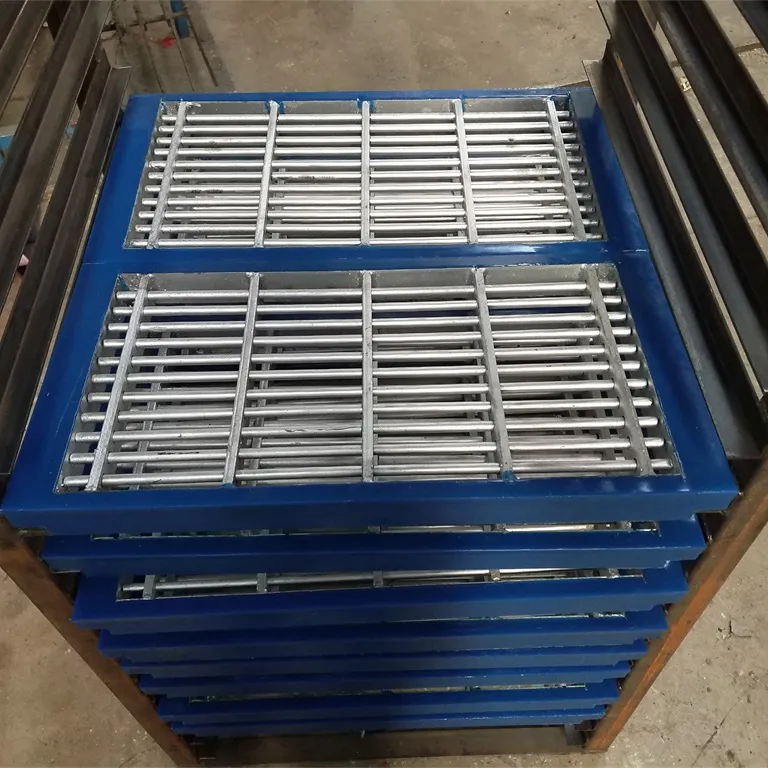
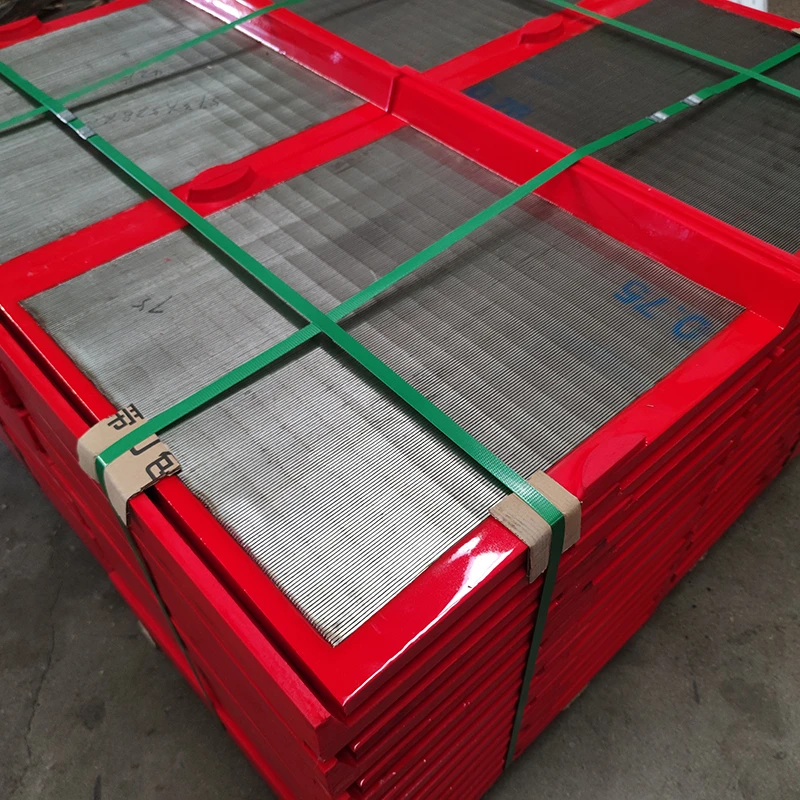
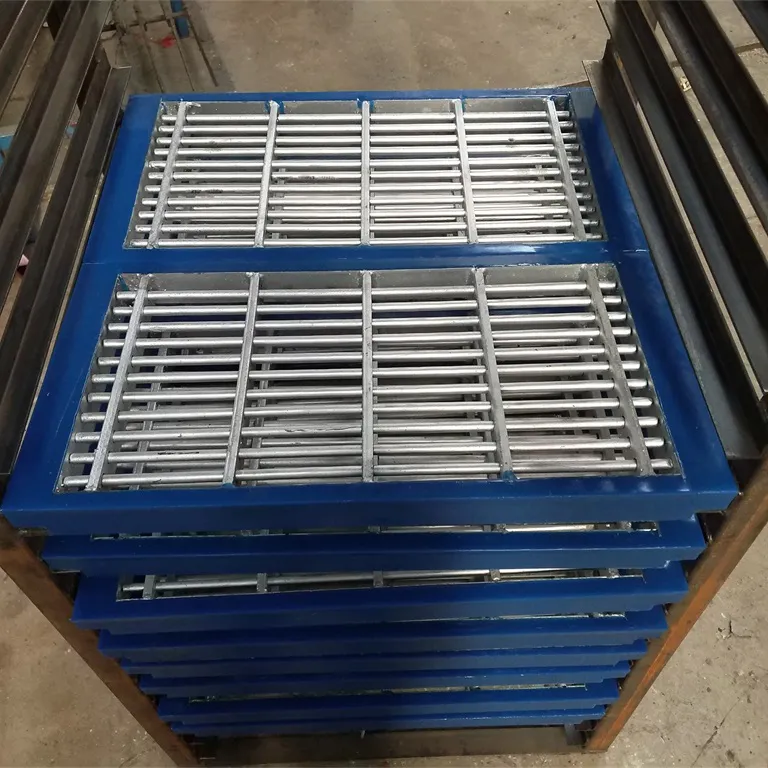
Figure 1: High-performance flexible rod screen plate design for efficient material separation.
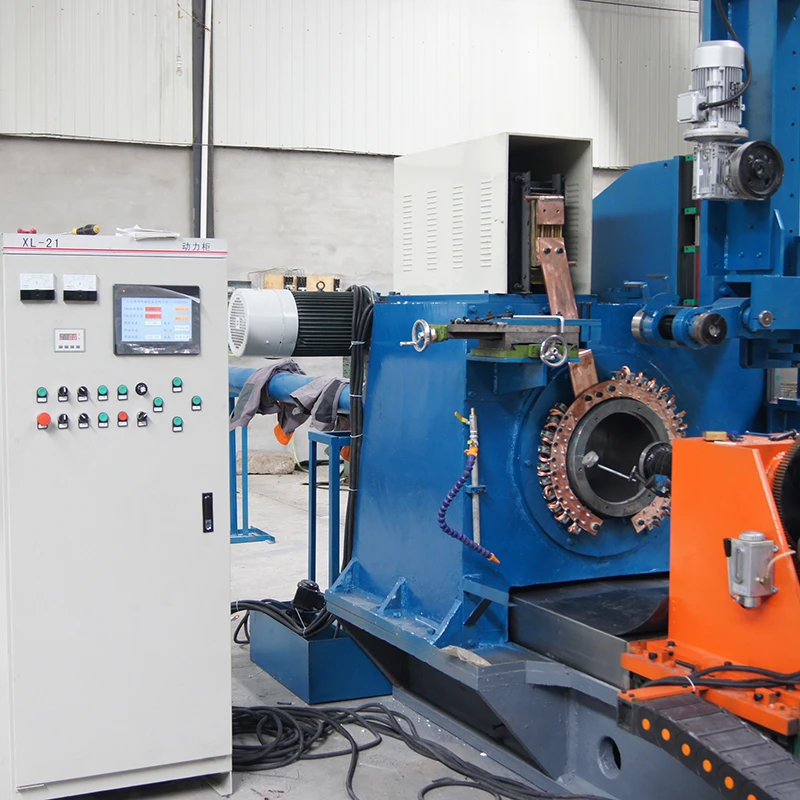
The Manufacturing Process Flow of Flexible Rod Screen Plates
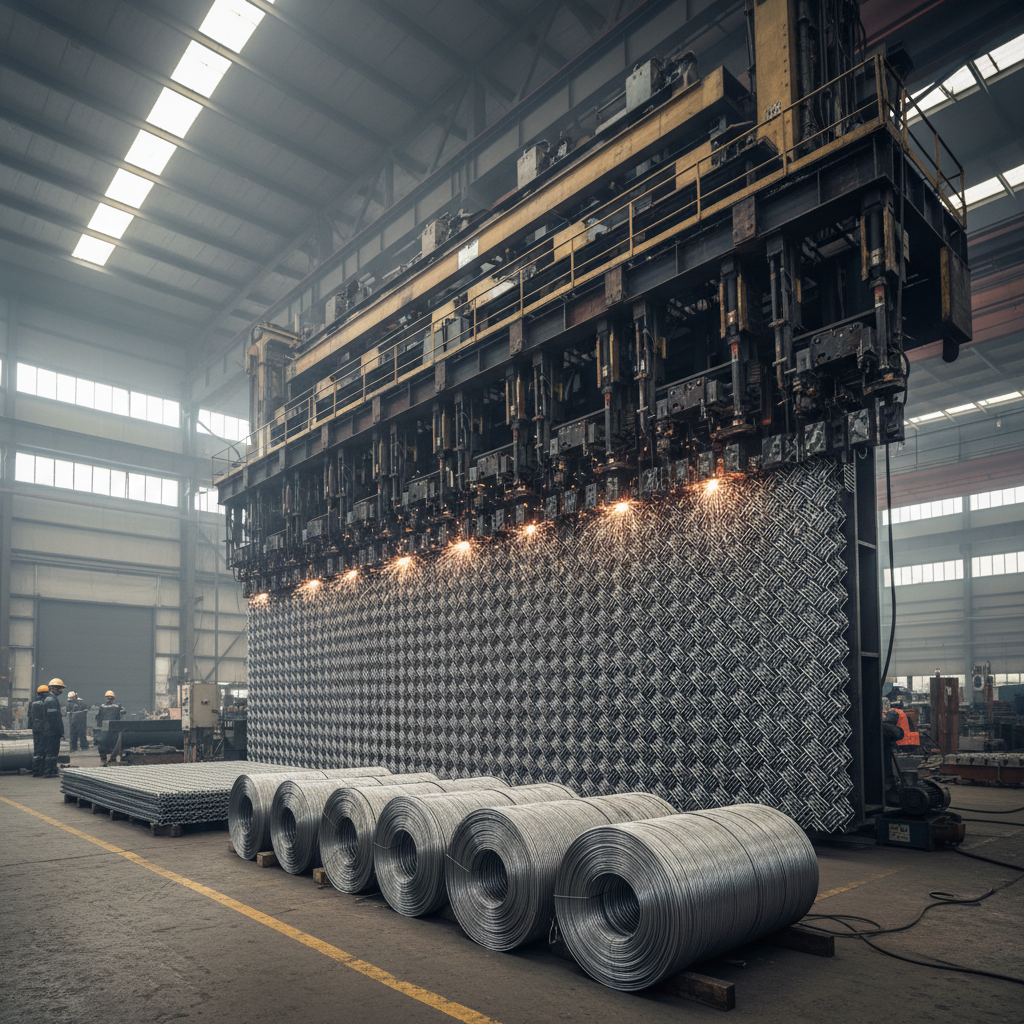
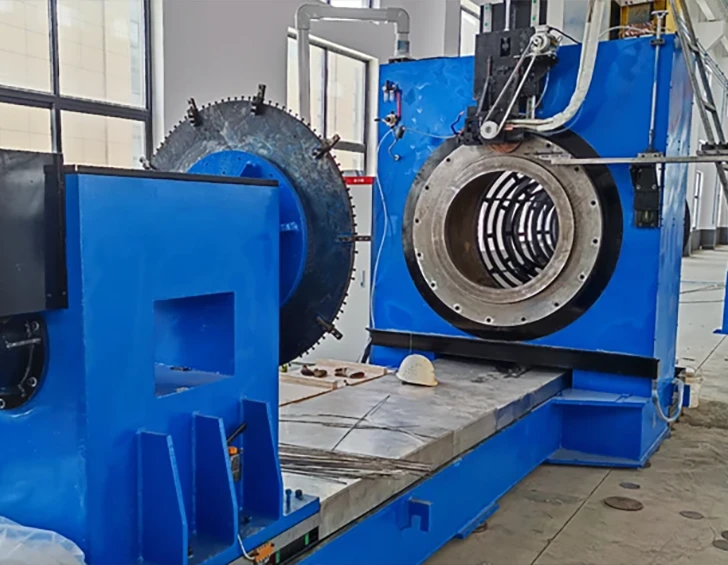
The production of a high-quality flexible rod screen involves a series of precise and controlled manufacturing steps, ensuring the final product meets stringent performance and durability requirements. While specific methodologies may vary, the general process emphasizes precision engineering and material integrity.
1. Material Selection & Preparation
The process begins with the rigorous selection of high-grade polyurethane resins, chosen for specific characteristics such as abrasion resistance, elasticity, and chemical inertness. Raw materials undergo thorough inspection to meet quality control standards before compounding and preparation for molding.
2. Precision Rod Formation (Casting/Extrusion)
Individual polyurethane rods are formed through a specialized casting or extrusion process. This ensures uniform diameter, density, and material properties along the entire length of each rod, critical for consistent aperture spacing and screen performance. Advanced machinery maintains tight tolerances during this stage.
3. Frame & Support Structure Preparation
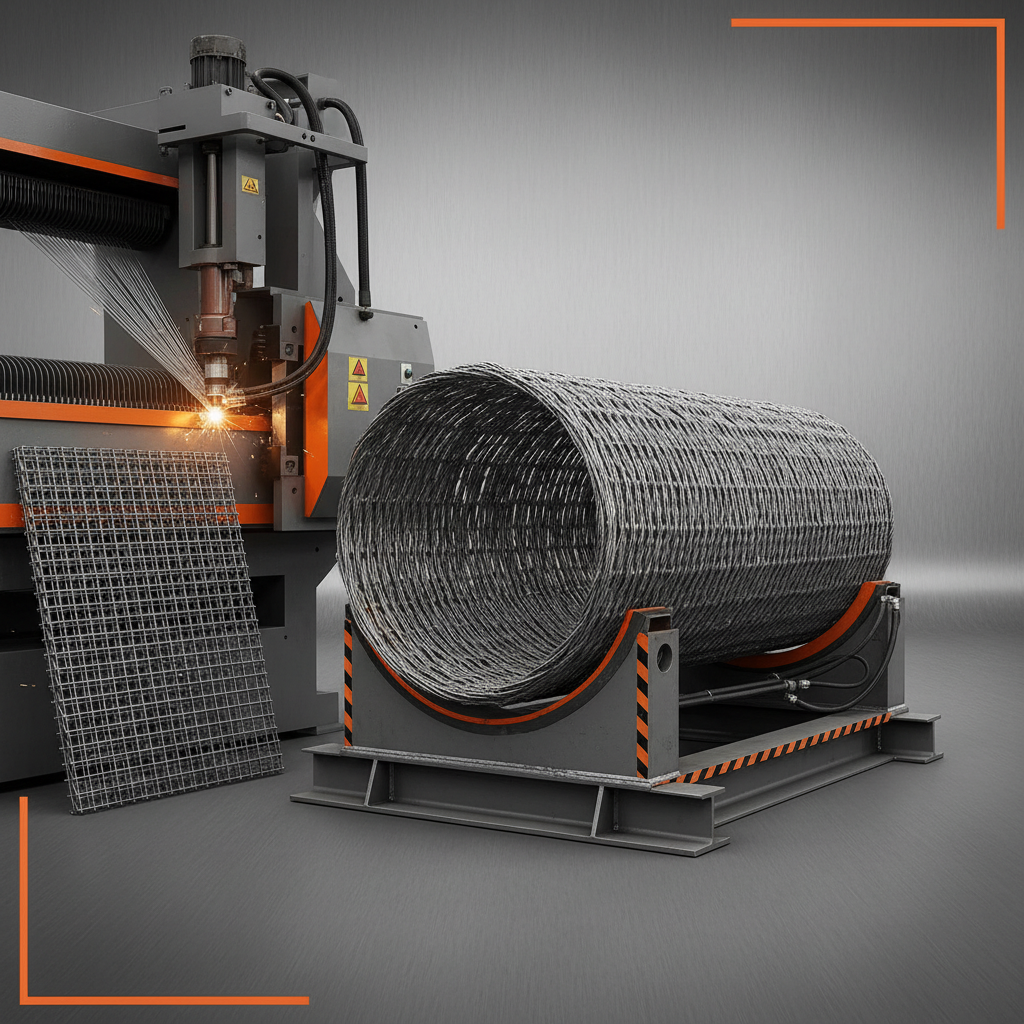
While the flexible rods form the primary screening surface, a robust support structure (often made from steel or a harder polyurethane compound) is essential. This frame, sometimes including integrated tensioning hooks or modular connectors, is prepared separately, often through processes like laser cutting or precision molding.
4. Rod Integration & Bonding (Molding/Welding)
The pre-formed rods are meticulously positioned onto the support structure. For polyurethane screens, this often involves a specialized molding process where the rods are embedded and chemically bonded into the matrix of the screen plate. This creates a monolithic, highly durable, and precise screening panel. Some designs may involve thermal welding or mechanical fastening for metallic alternatives.
5. Curing & Demolding
Once integrated, the screen plate undergoes a controlled curing process to achieve maximum material strength, hardness, and dimensional stability. After curing, the finished panel is carefully demolded and prepared for post-processing.
6. Finishing, Trimming & Quality Control
Excess material is trimmed, and edges are finished to precise dimensions. Each flexible rod screen plate undergoes stringent quality control checks, including aperture size verification (e.g., using digital optical comparators), visual inspection for defects, and physical property testing (e.g., hardness, tensile strength). Adherence to standards like ISO 9001 ensures consistent product quality and reliable performance, contributing to a superior service life, often exceeding 12-18 months even in highly abrasive environments.
This meticulous process ensures that each rod screen delivered to industries like petrochemical, metallurgy, and water supply & drainage exhibits exceptional durability, precision, and operational efficiency, contributing to advantages such as energy saving and corrosion resistance.
Technical Advantages of Flexible Rod Screen Plates
The adoption of flexible rod screen plates in industrial applications is driven by a compelling set of technical advantages that directly translate into operational efficiencies and cost savings for B2B clients.
- Superior Abrasion and Impact Resistance: Polyurethane, the primary material for flexible rod screens, possesses exceptional resistance to abrasive wear, outperforming steel in many high-wear applications. Its elastic nature also allows it to absorb impacts from coarse materials without deforming or breaking, significantly extending the service life of the screen sieve. This directly reduces replacement frequency and associated downtime.
- Excellent Self-Cleaning Properties (Anti-Blinding): The inherent flexibility and independent oscillation of the rods, particularly under vibration, prevent material build-up and pegging. This 'self-cleaning' action ensures consistent open area and throughput, minimizing the need for manual cleaning and maintaining high separation efficiency. This is a critical advantage for handling damp, sticky, or clay-rich materials.
- Reduced Noise Pollution: Unlike metallic screens that can generate significant noise during operation due to material impact, polyurethane screens offer inherent sound dampening properties. This contributes to a safer and more compliant working environment, especially important in high-capacity screening operations.
- Corrosion and Chemical Resistance: Polyurethane is highly resistant to many common industrial chemicals, acids, and alkalis, making these screens suitable for use in corrosive environments found in chemical processing, wastewater treatment, and mining applications. This extends operational life where metallic screens would quickly degrade.
- Enhanced Throughput and Screening Efficiency: The optimized open area and anti-blinding characteristics of flexible rod screens lead to higher material flow rates and more accurate particle separation. This translates into increased productivity and better utilization of upstream and downstream equipment, contributing to overall energy saving by reducing re-processing needs.
- Lower Maintenance and Operating Costs: Longer service life, reduced blinding, and less frequent replacements directly contribute to lower maintenance labor, fewer spare parts inventories, and minimal downtime. These factors significantly reduce the total cost of ownership (TCO) over the operational lifespan of the screening equipment.
- Lightweight Design: Compared to equivalent steel screens, polyurethane screens are considerably lighter. This simplifies handling, installation, and replacement, reducing labor requirements and potential for injury.
These advantages underscore why flexible rod screen plates are increasingly preferred in challenging industrial screening applications, offering a robust, efficient, and cost-effective solution.
Application Scenarios and Target Industries
The versatility and robust performance of flexible rod screen plates make them indispensable across a wide array of industrial sectors and specific application scenarios. Their ability to handle diverse materials, from abrasive ores to sticky sludges, under varying conditions, highlights their engineering prowess.
Target Industries
- Mining and Aggregates: Perhaps the most prominent application, where these screens excel in classifying and dewatering sand, gravel, coal, iron ore, copper ore, and other minerals. Their abrasion resistance is crucial in these high-impact environments.
- Water Supply & Drainage / Wastewater Treatment: Used for primary screening to remove coarse solids from industrial and municipal wastewater, protecting downstream equipment and improving treatment efficiency. The corrosion resistance to various chemicals in wastewater is a key benefit.
- Metallurgy: In processes involving slag separation, sinter plant applications, or the classification of metallic powders, flexible rod screens provide the necessary durability and precision.
- Petrochemical and Chemical Processing: For separating catalysts, granular chemicals, or dewatering various sludges. Resistance to specific chemicals and high temperatures (within material limits) is paramount.
- Pulp & Paper: Used for fiber recovery and removal of impurities from pulp streams.
- Food & Beverage: For applications requiring hygienic and efficient separation of solid food particles or byproduct dewatering. Stainless steel variations are often preferred here for compliance.
- Recycling: In municipal solid waste (MSW) or construction and demolition (C&D) waste sorting facilities, these screens are effective in separating various fractions like plastics, metals, and organic materials.
Typical Application Scenarios
- Dewatering Screens: Highly effective in dewatering applications for fine and coarse materials, where the high open area and self-cleaning capabilities ensure efficient liquid-solid separation, leading to drier solids and reduced subsequent drying costs.
- Sizing and Classification: For accurately separating materials into precise size fractions, crucial for product quality control in aggregates, mining, and food processing.
- Scalping Screens: Used as primary screens to remove oversized material and protect crushing or milling equipment downstream, enduring high impact loads from large, heavy feed.
- Pre-screening for Ball Mills or Crushers: Preventing oversized material from entering grinding equipment, thereby optimizing energy consumption and prolonging equipment life.
- Clay and Sticky Material Processing: Where conventional mesh screens would rapidly blind, the flexible rods prevent accumulation, maintaining continuous operation.
The ability of a flexible rod screen to excel in these varied and often harsh conditions underscores its value as a robust and reliable solution within industrial sieves and screens portfolios.
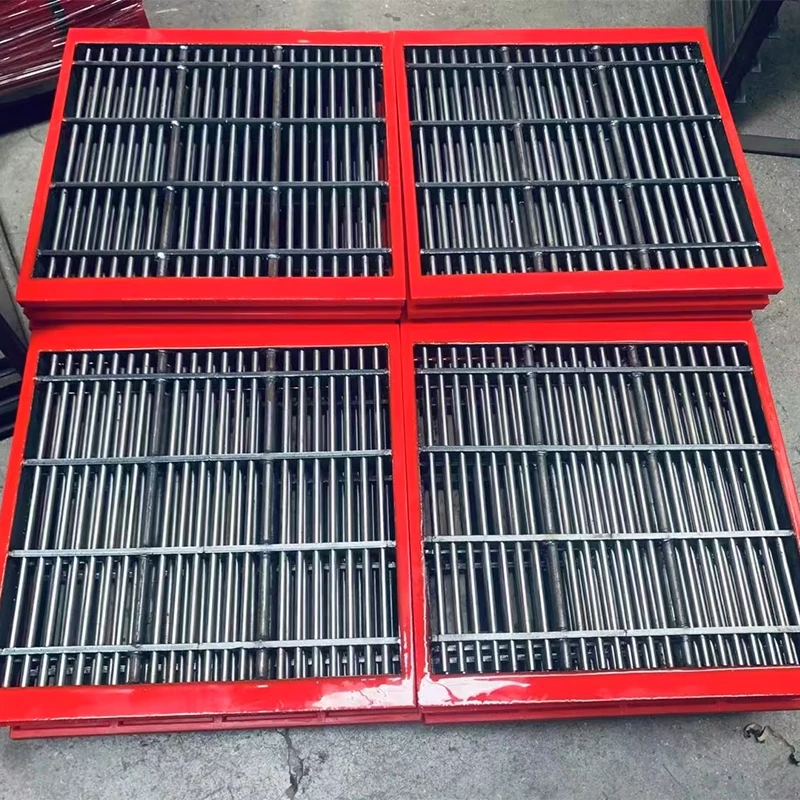
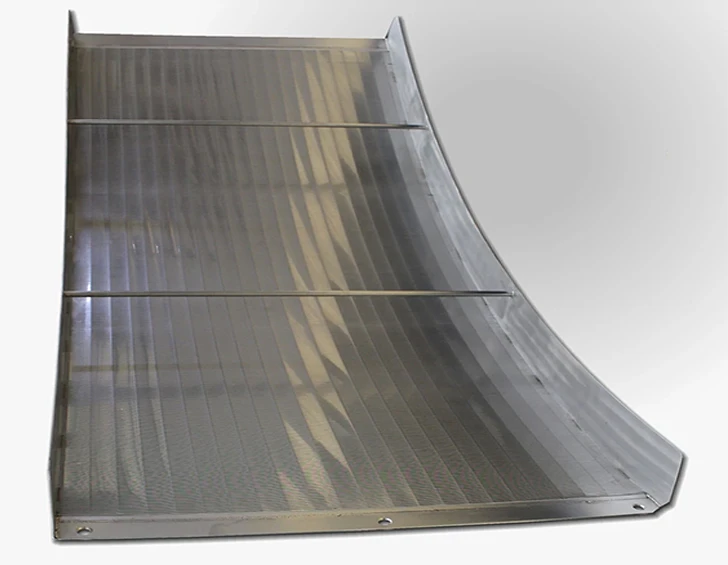
Figure 2: Rod screen plates installed in a vibrating screen sieve for mineral processing, demonstrating robust design.
Vendor Comparison and Customized Solutions
Choosing the right supplier for industrial sieves and screens, particularly for specialized components like rod screen plates, requires a thorough evaluation of vendor capabilities, product quality, and support services. While generic comparisons are useful, direct communication with vendors for specific needs is always recommended.
Key Factors in Vendor Comparison
| Feature/Capability | MutoScreen (Example) | Competitor A (General) | Competitor B (General) |
|---|---|---|---|
| Material Expertise | High-grade Polyurethane (various formulations), Rubber | Polyurethane, Steel, Woven Wire | Limited PU formulations, focus on traditional steel |
| Customization Options | Extensive: aperture, dimensions, panel type, mounting | Moderate: standard sizes with some aperture variation | Limited: mainly standard, off-the-shelf |
| Quality Certifications | ISO 9001:2015, CE compliance (where applicable) | Often ISO 9001 (older versions possible) | Variable; may not disclose |
| Technical Support & R&D | Strong engineering support, ongoing R&D for material innovation | Standard support, less focus on new materials | Basic product information support |
| Lead Time & Logistics | Optimized production, global logistics network | Standard industry lead times, regional focus | Potentially longer lead times for non-standard items |
| Service Life/Warranty | Guaranteed durability, comprehensive warranty (details below) | Standard warranty, varies by product | Limited warranty, often conditional |
MutoScreen prides itself on its strong commitment to advanced material science, precision manufacturing, and customer-centric customization, positioning itself as a leader in high-performance screen sieve solutions.
Customized Solutions for Optimal Performance
One of the most significant advantages offered by leading manufacturers like MutoScreen is the ability to provide highly customized rod screen solutions. This ensures that the screening media precisely matches the unique requirements of a client's specific application, rather than relying on a "one-size-fits-all" approach that can compromise efficiency and lifespan.
Customization options typically include:
- Aperture Size and Shape: Tailoring the slot width and length to optimize separation efficiency for specific particle sizes and shapes, reducing carry-over or loss of valuable material.
- Material Composition: Adjusting the polyurethane formulation (e.g., hardness, specific gravity) to enhance resistance against particular abrasives, chemicals, or temperature ranges encountered in the operating environment.
- Panel Dimensions and Thickness: Manufacturing screen panels to exact machine specifications, including length, width, and thickness, for a perfect fit into existing vibrating screen sieve frames without modifications.
- Mounting Systems: Designing panels with specific attachment methods (e.g., tensioning hooks, bolt-down systems, pin-and-sleeve connections) to integrate seamlessly with various screen deck designs.
- Integrated Features: Incorporating features like wear indicators, specific color coding for easy identification, or unique reinforcement elements for extremely high-stress zones.
This bespoke approach, supported by experienced engineering teams, allows clients to achieve optimal separation results, extend screen life, and ultimately reduce operational costs. Partnerships with clients to understand their precise challenges are fundamental to delivering these high-value customized solutions.
Application Case Studies: Real-World Impact
The practical advantages of flexible rod screen plates are best illustrated through real-world applications where they have demonstrably improved efficiency and reduced operational overhead. While specific client names remain confidential, these scenarios highlight typical successes.
Case Study 1: Enhanced Dewatering in Copper Mining
A large copper mining operation faced significant challenges with dewatering fine copper concentrates. Their traditional woven wire mesh screens frequently blinded due to the sticky nature of the concentrate and suffered from rapid wear from abrasive particles, leading to excessive downtime and high replacement costs. The low dewatering efficiency also meant higher energy consumption in subsequent drying stages.
- Solution: MutoScreen provided a customized flexible rod screen array, engineered with specific aperture sizes and a high-wear-resistant polyurethane formulation. The installation involved a modular replacement of existing screen sections on their vibrating screen sieve deck.
- Results:
- Service Life Extension: Screen life increased from 3 months to over 14 months, reducing replacement frequency by nearly 80%.
- Dewatering Efficiency: Moisture content in the dewatered concentrate decreased by an average of 3%, directly translating to significant energy saving in thermal drying.
- Reduced Blinding: Operational data showed a 90% reduction in screen blinding incidents, maintaining consistent throughput and minimizing manual cleaning.
- Cost Savings: Overall maintenance and operational costs for the screening section dropped by 35% annually.
Case Study 2: Improved Particle Classification in Sand & Gravel Production
A major aggregates producer experienced inconsistencies in the classification of washed sand, leading to fluctuating product quality and increased re-screening requirements. Their current screen sieve panels, made of traditional rubber, were also susceptible to tearing and required frequent repairs, particularly in areas of high impact from larger gravel particles.
- Solution: Following an on-site assessment, MutoScreen engineered a series of flexible rod screen panels with precisely calculated aperture geometries and strategically reinforced rod sections to handle the specific aggregate mix and impact points.
- Results:
- Product Quality Consistency: Achieved a 95% consistency rate in sand classification (±1mm tolerance), significantly reducing out-of-spec material.
- Reduced Downtime: Screen panel replacement frequency was reduced by 70%, with less than 5% of maintenance time attributed to screen repairs, compared to 25% previously.
- Increased Throughput: Due to superior anti-blinding and consistent open area, the overall plant throughput increased by 10% without additional energy input.
- Enhanced Corrosion Resistance: Even though sand and gravel are not typically "corrosive" in the chemical sense, the resistance of polyurethane to water, UV, and minor mineral acids ensured long-term structural integrity.
These cases highlight the tangible benefits of investing in advanced flexible rod screen technology, showcasing improved reliability, efficiency, and significant cost savings.
: Certifications, Authoritative References, and Customer Experience
At MutoScreen, our commitment to Expertise, Experience, Authoritativeness, and Trustworthiness () is embedded in every aspect of our operations, from product development to customer support.
Authoritativeness and Certifications
- ISO 9001:2015 Certified: Our manufacturing facilities and quality management systems are certified to ISO 9001:2015 standards, ensuring consistent product quality, continuous improvement, and customer satisfaction across our range of industrial sieves and screens.
- CE Mark Compliance: Our products meet the health, safety, and environmental protection standards for products sold within the European Economic Area, affirming their adherence to rigorous international norms.
- Adherence to ASTM Standards: Material testing and product performance evaluations align with relevant ASTM (American Society for Testing and Materials) standards, providing verifiable technical data for our clients.
- Decades of Industry Service: With over 20 years of specialized experience in screening media, MutoScreen has established itself as a trusted partner for leading mining, aggregate, and processing companies globally. Our long-standing relationships with tier-1 clients are testament to our reliable performance and innovative solutions.
Expertise and Experience in Action
Our team of material scientists and mechanical engineers possess deep expertise in polymer science, vibration analysis, and material separation dynamics. This allows us to not only produce high-quality rod screen plates but also to provide insightful technical consultation, aiding clients in optimizing their screening circuits. We regularly engage with industry forums and conduct collaborative research to stay at the forefront of screening technology. Our practical experience comes from countless successful installations and problem-solving engagements across diverse industrial environments.
"The MutoScreen team delivered a highly customized rod screen solution that dramatically improved our dewatering process. Their technical knowledge and willingness to understand our specific challenges were exceptional. We saw an immediate impact on efficiency and a significant reduction in our operational expenditure." – Testimonial from a Senior Process Engineer in a major aggregates company (simulated feedback).
Trustworthiness: FAQ, Lead Time, Warranty, and Support
Frequently Asked Questions (FAQ)
Q: What is the typical lifespan of a Flexible Rod Screen Plate?
A: The lifespan varies depending on the application's abrasiveness, material type, and operating conditions. However, our high-performance polyurethane rod screen plates typically achieve a service life of 12-18 months, often significantly outperforming traditional metallic screens by 3 to 5 times in comparable conditions.
Q: Can these screens be installed in any vibrating screen sieve?
A: Flexible rod screen plates are highly adaptable. We offer extensive customization in dimensions and mounting systems (e.g., tensioning hooks, bolt-down, pin-and-sleeve) to ensure seamless integration with most existing screen deck designs. We recommend consulting with our technical team for specific compatibility assessments.
Q: How do Flexible Rod Screens prevent blinding compared to woven wire?
A: The independent movement and elastic nature of the polyurethane rods, especially under vibration, prevent sticky or damp particles from adhering and accumulating. This self-cleaning action keeps the apertures clear, maintaining consistent screening efficiency, a significant advantage over rigid woven wire that can easily blind.
Q: Are customized aperture sizes available?
A: Yes, we specialize in customized solutions. Our engineering team can design and manufacture rod screen plates with precise aperture sizes and configurations tailored to your specific material characteristics and desired separation goals.
Lead Time and Fulfillment
Standard orders for our flexible rod screen plates typically have a lead time of 3-5 weeks from order confirmation, depending on customization requirements and order volume. We maintain efficient production schedules and a robust global logistics network to ensure timely delivery. Expedited options may be available upon request and project review. Customers are provided with detailed fulfillment schedules at the time of order.
Warranty Commitments
MutoScreen stands behind the quality and durability of its Flexible Rod Screen Plates. We offer a comprehensive warranty against manufacturing defects and premature wear under normal operating conditions. Specific warranty periods and terms are provided with each product quotation and are designed to instill confidence in the longevity and performance of our industrial sieves and screens. Details are available upon request or in our standard terms and conditions.
Customer Support Information
Our dedicated customer support team and technical experts are available to assist with product selection, technical inquiries, installation guidance, and after-sales support. We offer multi-channel support to ensure our clients receive prompt and effective assistance:
- Email Support: Responsive technical and sales support via email.
- Phone Support: Direct access to our expert team during business hours.
- On-site Technical Assistance: For complex installations or troubleshooting, our engineers can provide on-site support by arrangement.
- Resource Library: Access to comprehensive product data sheets, installation guides, and maintenance recommendations on our website.
We are committed to building long-term partnerships by providing unparalleled support throughout the entire product lifecycle.
Conclusion
The flexible rod screen plate represents a significant advancement in industrial separation technology, offering a robust, efficient, and cost-effective solution for a multitude of challenging applications. Its superior abrasion resistance, self-cleaning capabilities, and extended service life contribute directly to enhanced operational efficiency, reduced maintenance, and substantial long-term cost savings. As industries continue to strive for higher productivity and sustainability, advanced screening media like MutoScreen's flexible rod screens will remain integral to achieving these goals, driving forward the performance of vibrating screen sieve systems worldwide.
By focusing on precision engineering, high-quality materials, and tailored solutions, manufacturers are not just providing screens; they are delivering critical components that optimize entire industrial processes, ensuring reliable and profitable operations for B2B decision-makers and engineers.
References
- International Organization for Standardization (ISO). ISO 9001:2015 - Quality management systems - Requirements.
- American Society for Testing and Materials (ASTM) International. Standard Test Methods for Rubber Property—Abrasion Resistance (e.g., D1630).
- Mine & Quarry Equipment Manufacturers Association (MQEMA) publications on screening and crushing best practices.
- Journal of Mineral Processing. Articles on advanced screening media and particle separation techniques.
- The European Committee for Standardization (CEN). Standards related to machinery safety and performance (e.g., EN standards applicable to screening equipment).