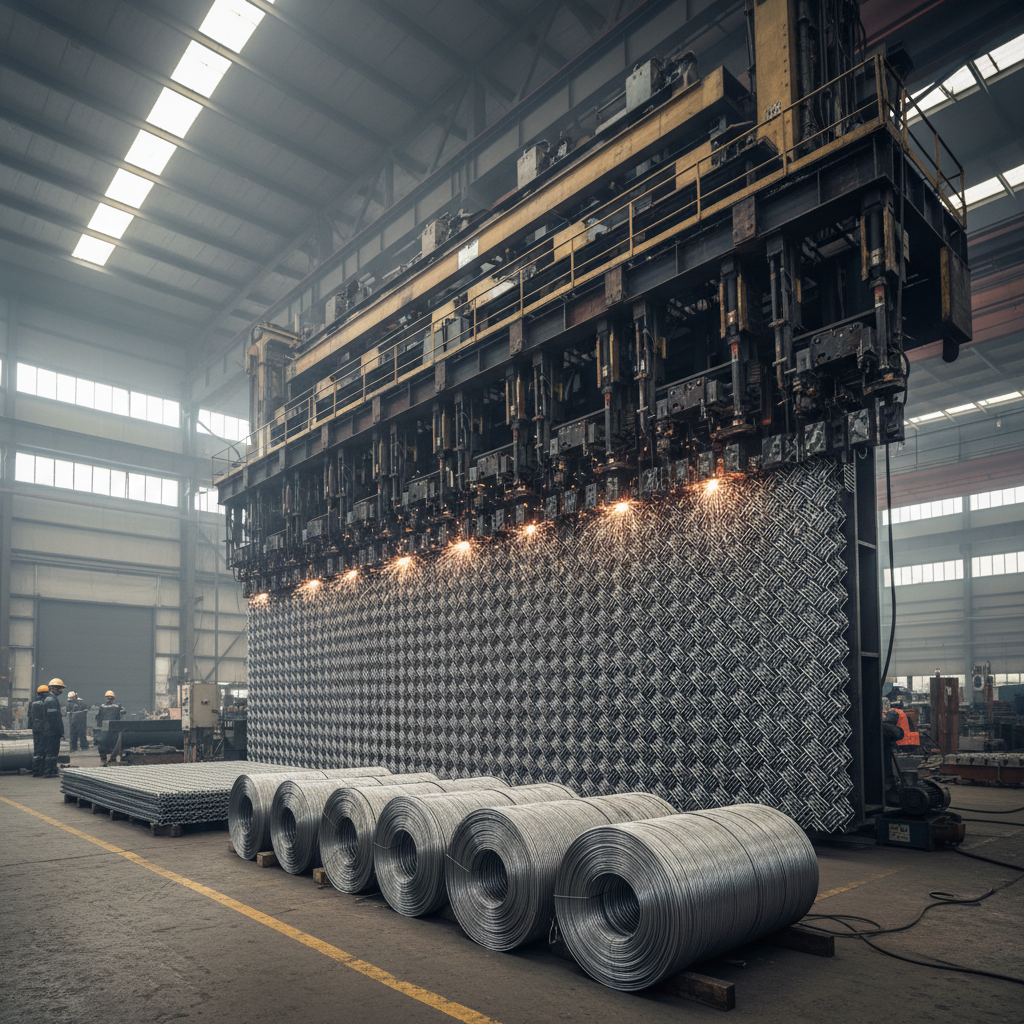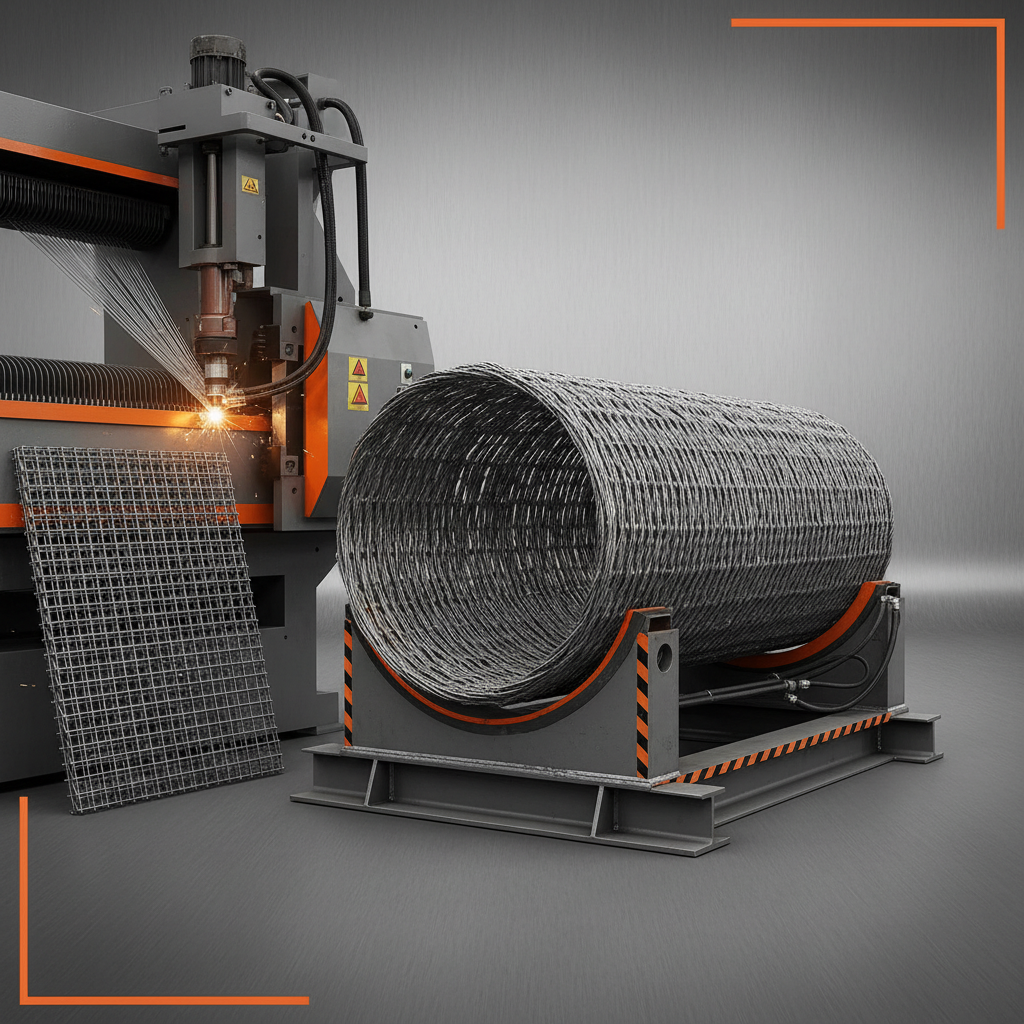
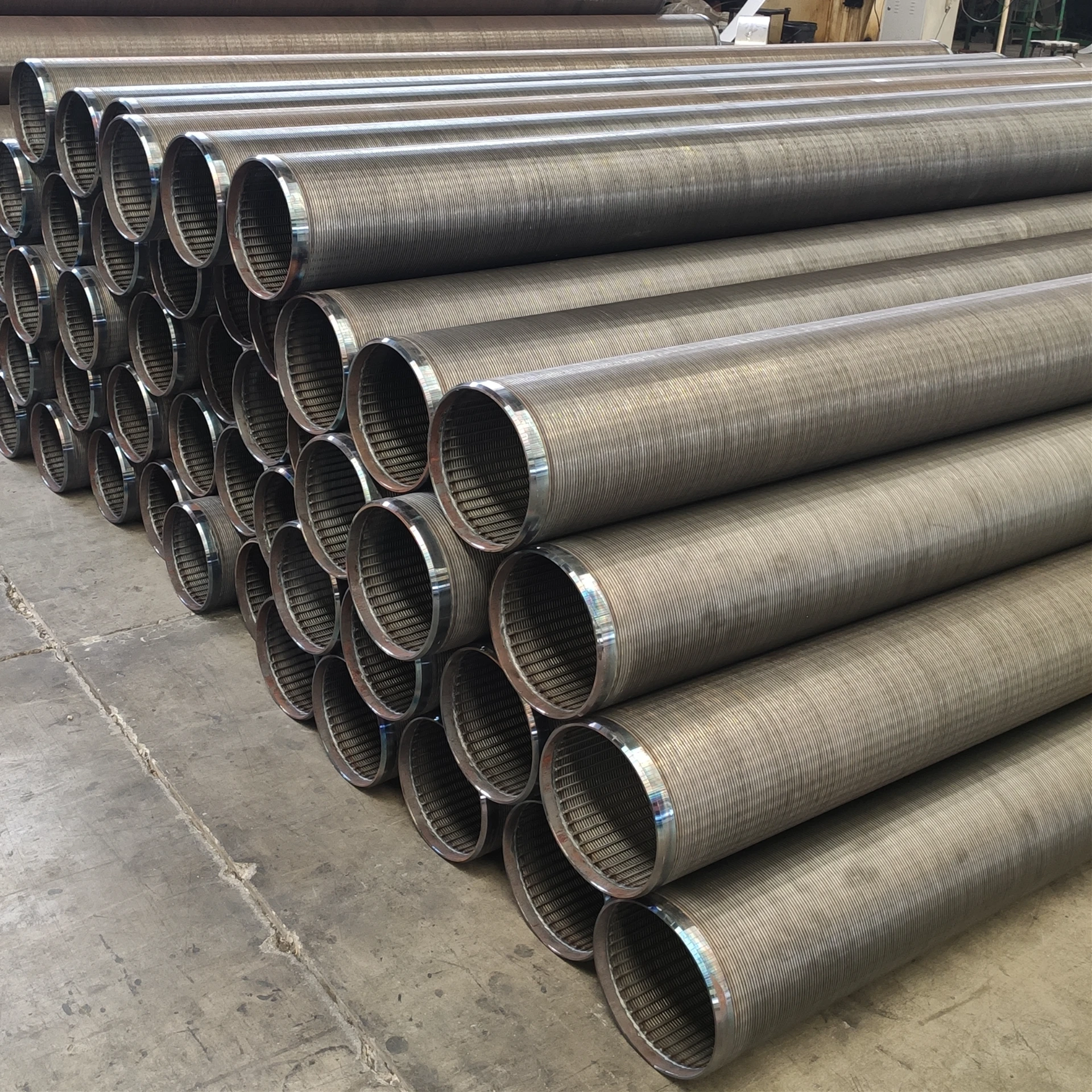
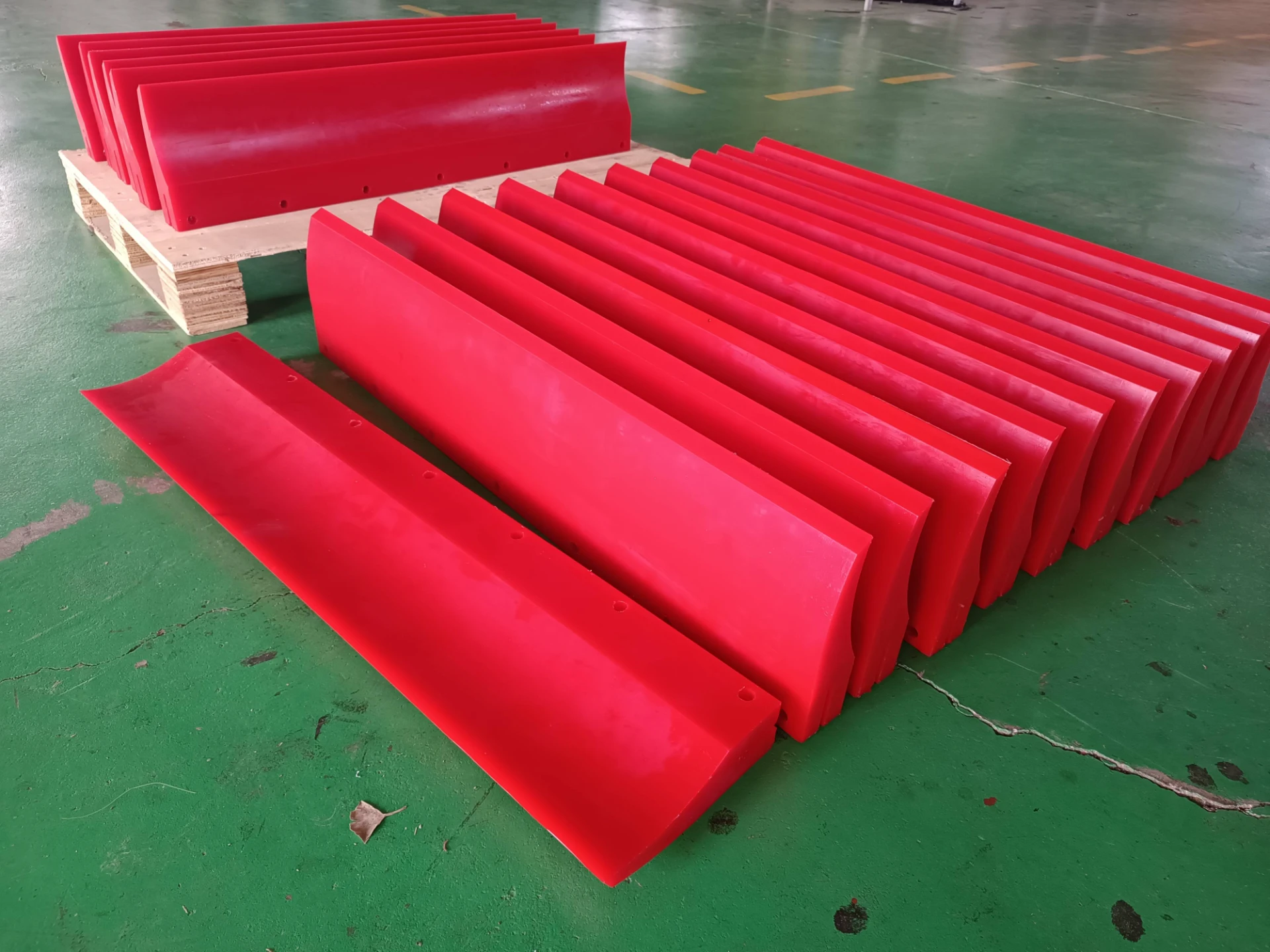
The Flexible Rod Screen Plate has revolutionized the way industries handle material separation, offering a robust solution for screening, filtering, and grading processes. Designed with advanced materials and innovative engineering, this product is a critical component in various industrial applications. In this article, we delve into its core features, advantages, technical specifications, and real-world applications, while also exploring the company behind this cutting-edge technology.
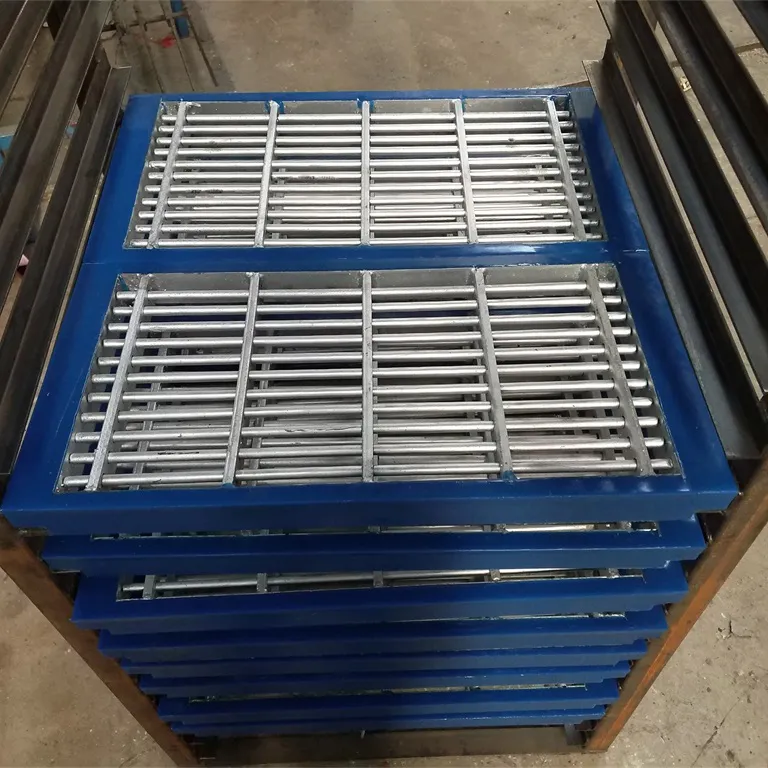
Core Features of the Flexible Rod Screen Plate
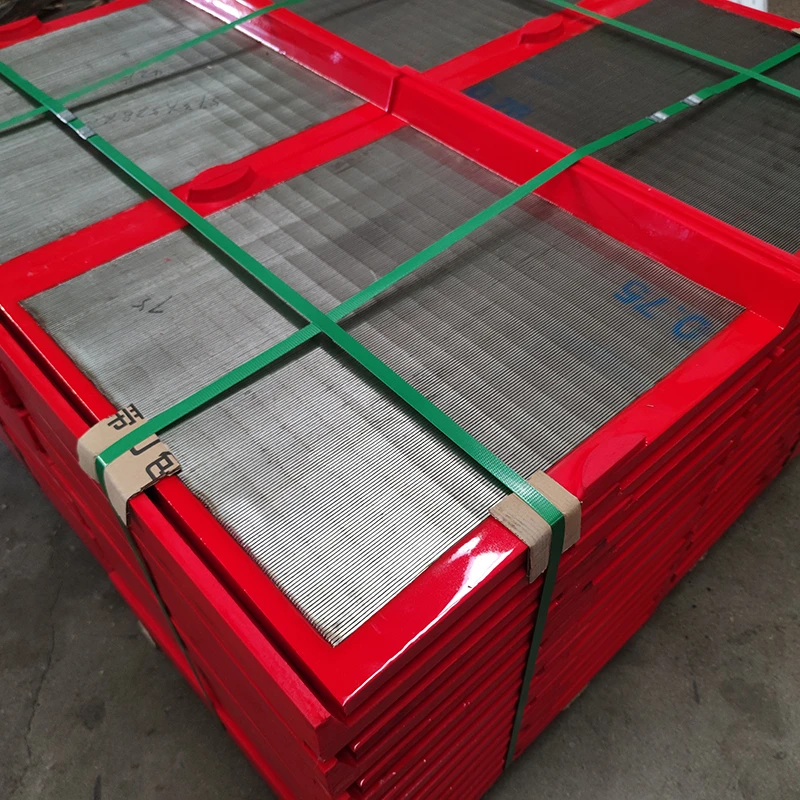
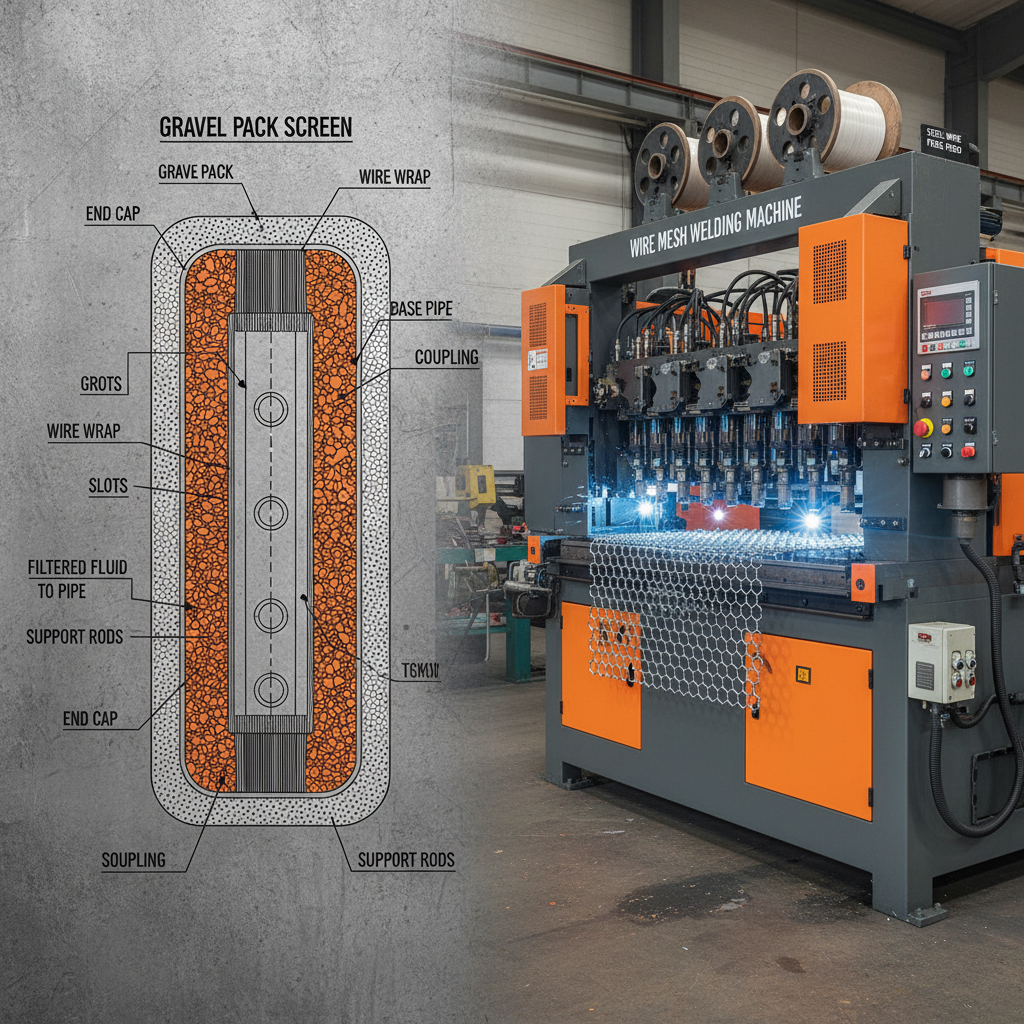
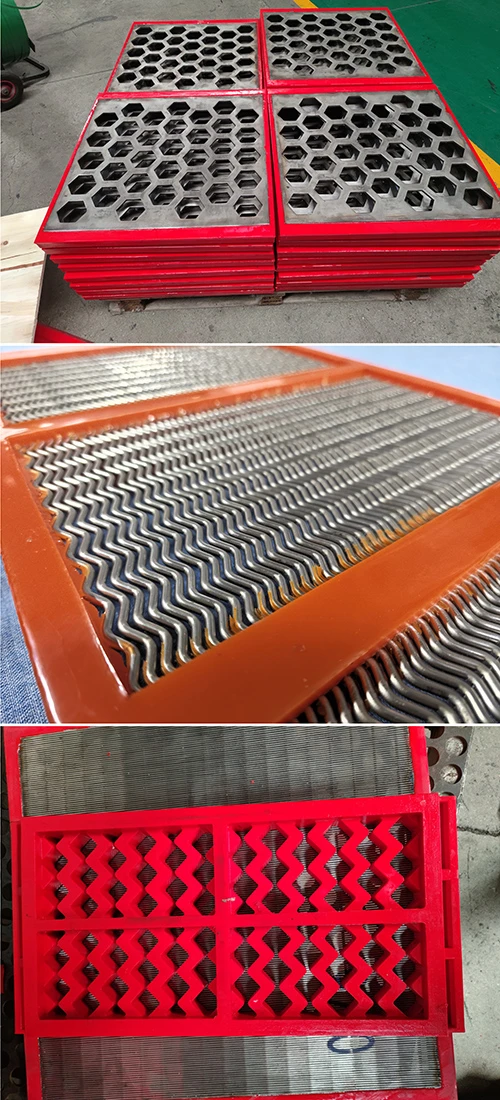
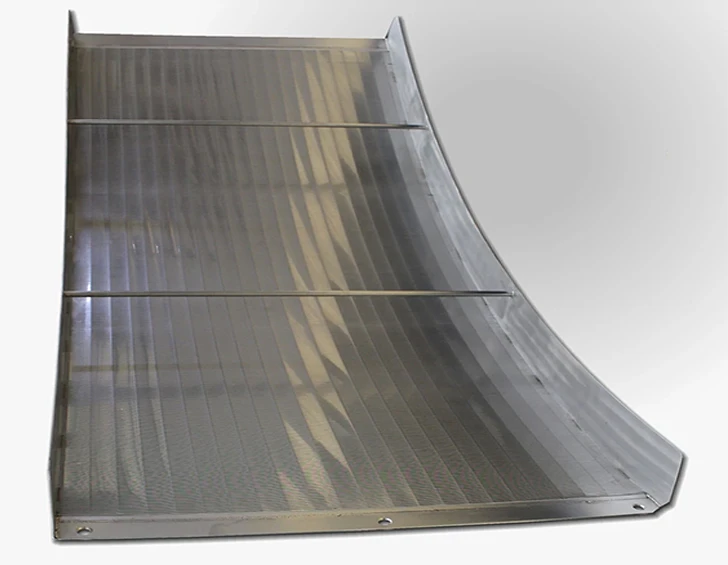
The Flexible Rod Screen Plate is engineered to meet the demanding requirements of industrial screening. Its construction combines spring steel with polyurethane, ensuring durability and flexibility. The screen surface is designed with evenly spaced gaps, allowing for precise separation of materials based on particle size. This unique configuration enables the plate to adapt to different screening needs, whether handling coarse or fine particles.
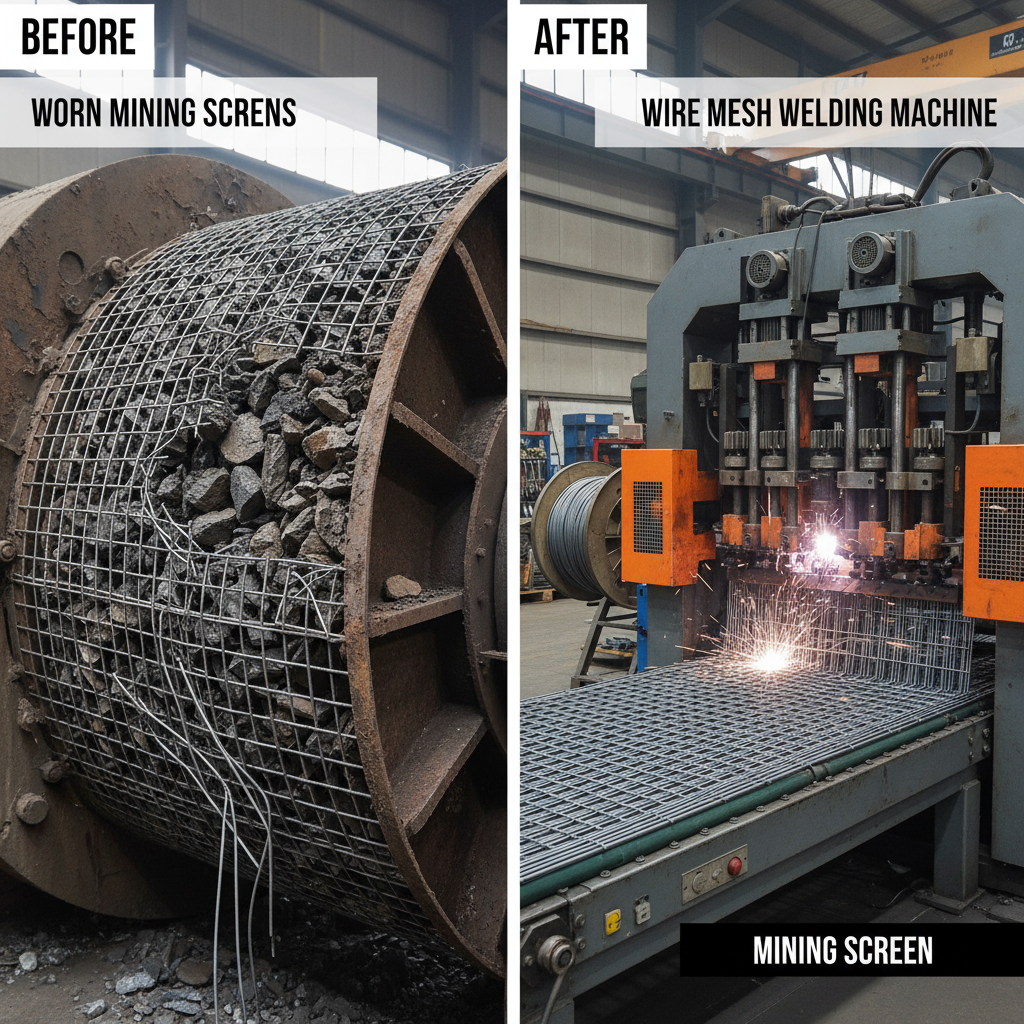
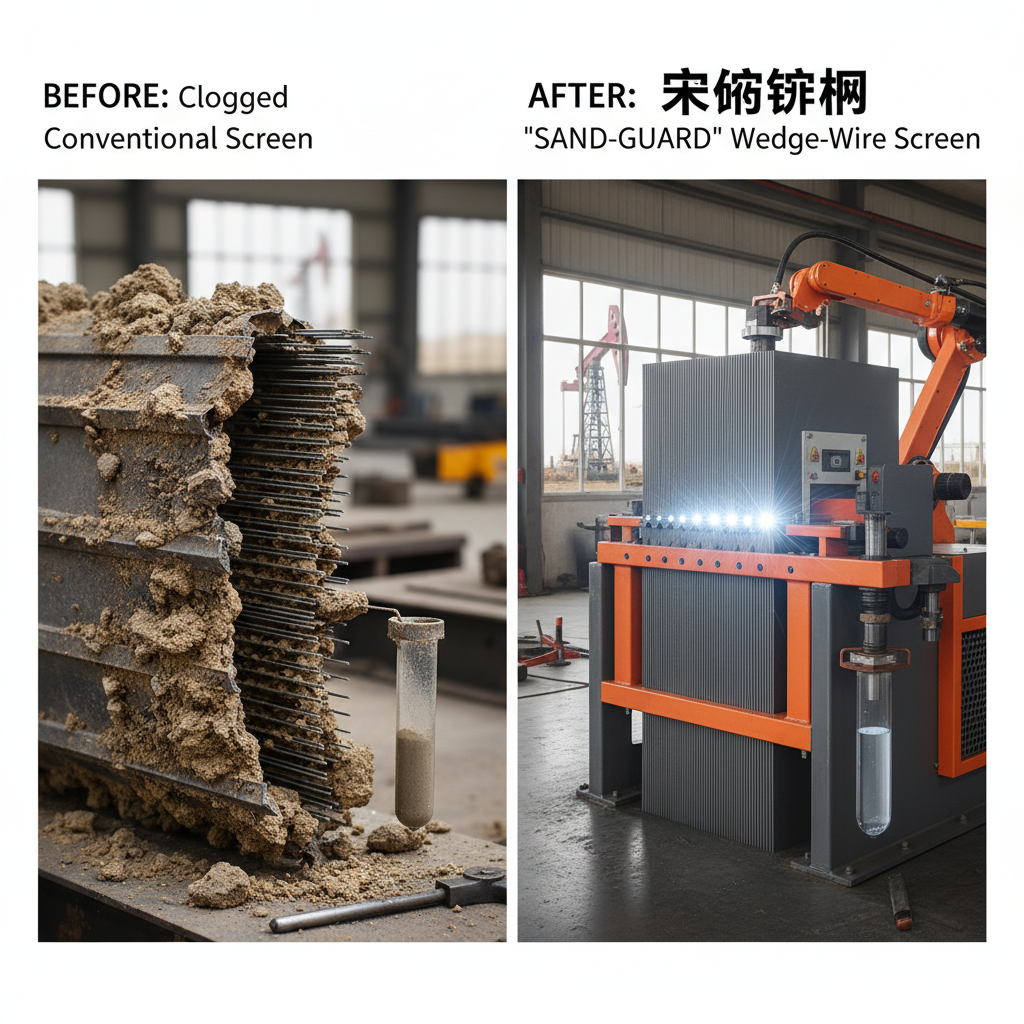
One of the standout features of this screen plate is its elasticity and deformation ability. The flexible rods allow the screen to maintain its integrity under heavy loads and harsh conditions, reducing wear and tear. This design not only enhances the longevity of the product but also ensures consistent performance over time. Additionally, the self-cleaning function of the screen plate minimizes clogging, which is a common issue in traditional screening systems.

Advantages of the Flexible Rod Screen Plate
The Flexible Rod Screen Plate offers several advantages that make it a preferred choice in industrial settings. Its high strength and wear resistance ensure it can withstand the rigors of continuous operation. This is particularly important in environments where the material being screened is abrasive or corrosive. The use of stainless steel and polyurethane in the construction further enhances its resistance to wear, extending its service life.
Another significant advantage is the efficiency of the screening process. The flexible design allows for better material flow, reducing the energy required for screening. This translates to lower operational costs and increased productivity. Furthermore, the adjustable mesh size enables the screen plate to be customized for specific applications, ensuring optimal performance across different industries.
The ease of maintenance is another benefit. The polished or coated surface of the screen plate facilitates cleaning, reducing downtime and maintenance costs. This is particularly crucial in industries such as food processing, where hygiene is a top priority. The corrosion-resistant finish also ensures that the product remains in good condition even in challenging environments.
Technical Specifications
| Specification | Description |
|---|---|
| Material | Durable materials such as stainless steel, spring steel, and polyurethane. |
| Screen Type | Flexible rod screen plate, utilizing flexible rods to enhance separation efficiency. |
| Mesh Size | Ranges from coarse to fine, depending on the application requirements. |
| Rod Diameter | Commonly ranges from 6 mm to 10 mm. |
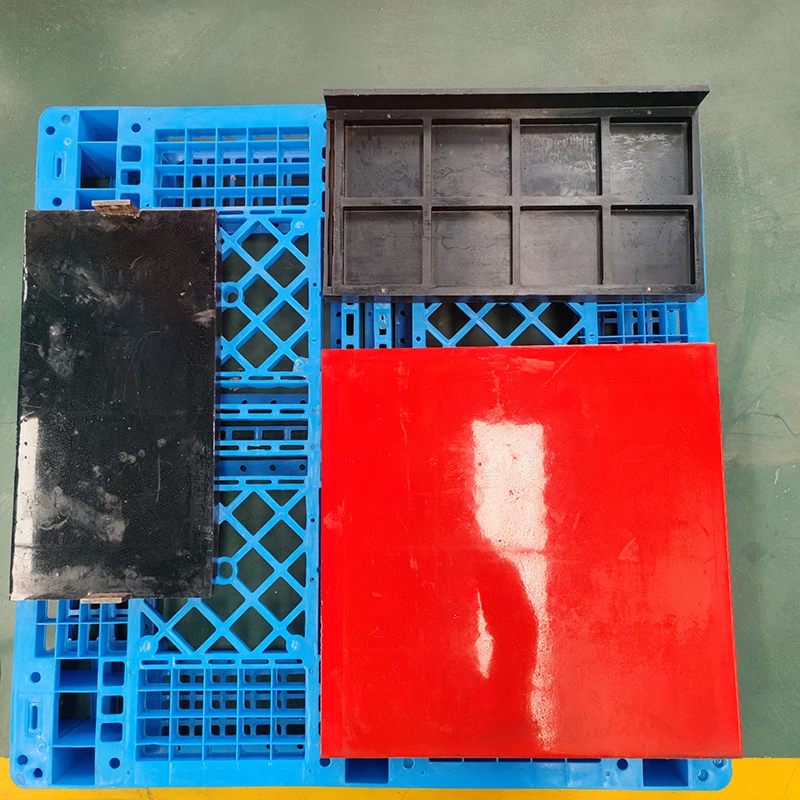
| Frame Material | Polyurethane or stainless steel. |
| Surface Finish | Polished or coated to enhance corrosion resistance and ease of cleaning. |
Applications in Various Industries
The Flexible Rod Screen Plate is widely used in multiple industrial sectors, including mining, metallurgy, chemical industry, and food processing. In mining, it is employed to separate raw materials, ensuring that only the desired particle sizes are processed. The metallurgical industry benefits from its ability to handle high volumes of material efficiently, while the chemical industry relies on it for precise filtration and grading of substances.
In the food industry, the Flexible Rod Screen Plate plays a vital role in maintaining hygiene standards. Its corrosion-resistant surface and easy-to-clean design make it ideal for screening ingredients and finished products. The self-cleaning function also reduces the risk of contamination, ensuring compliance with food safety regulations.
The construction industry also utilizes this technology for screening aggregates and other materials. Its durability and flexibility make it suitable for harsh environments, where traditional screening methods may fail. By providing a reliable solution, the Flexible Rod Screen Plate contributes to the efficiency and safety of construction projects.
About Muto Wire Screen Co., Ltd.
The Flexible Rod Screen Plate is developed and manufactured by Muto Wire Screen Co., Ltd., a company based in Anping County, China. With a focus on industrial sieves and screens, the company has established itself as a leader in the field. Their commitment to innovation and quality has enabled them to provide solutions that meet the evolving needs of various industries.
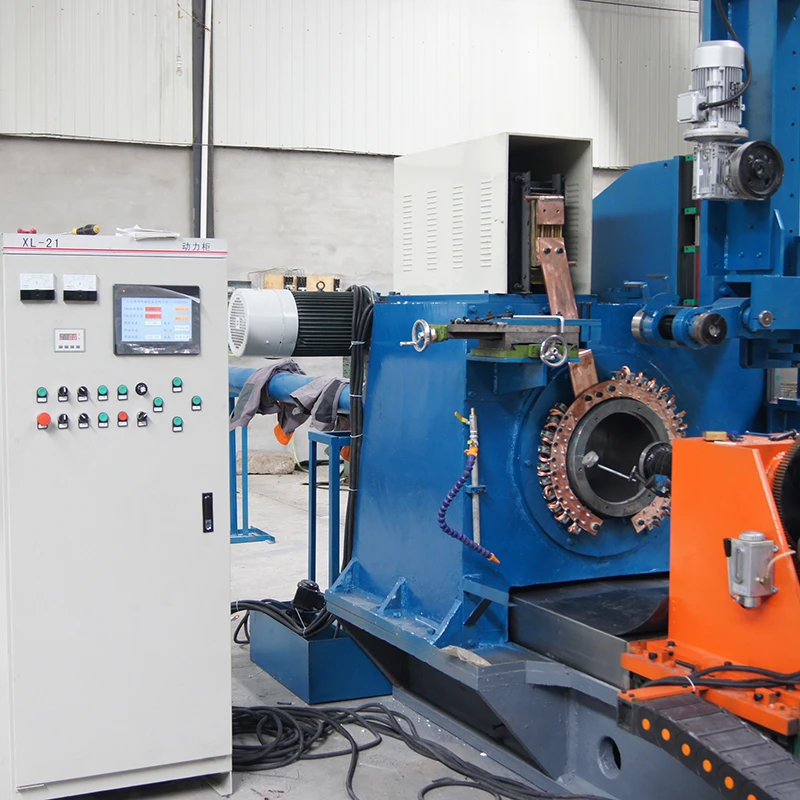
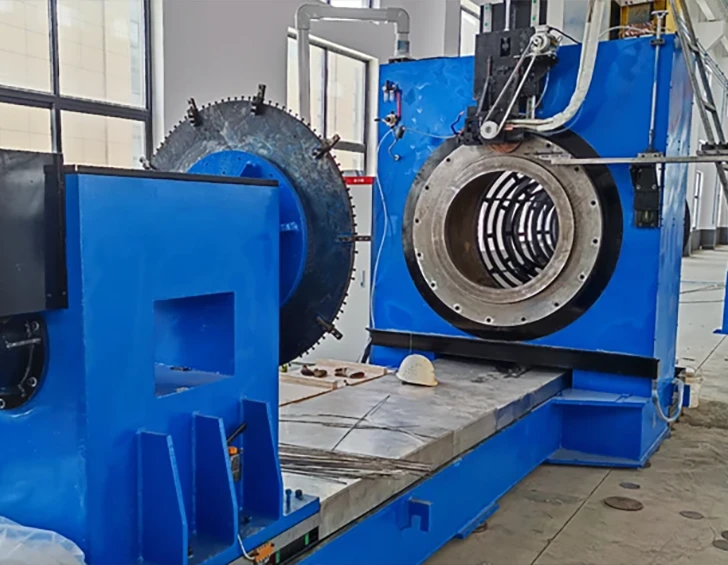
As a manufacturer of high-quality industrial equipment, Muto Wire Screen Co., Ltd. leverages advanced manufacturing technology to produce flexible rod screen plates that are both durable and efficient. Their products are designed to withstand the challenges of industrial environments, ensuring long-term performance and reliability.
The company's dedication to customer satisfaction is reflected in their comprehensive support and technical expertise. By understanding the unique requirements of their clients, Muto Wire Screen Co., Ltd. offers tailored solutions that enhance productivity and reduce operational costs. Their commitment to excellence has earned them a reputation as a trusted partner in the industrial sector.
Why Choose the Flexible Rod Screen Plate?
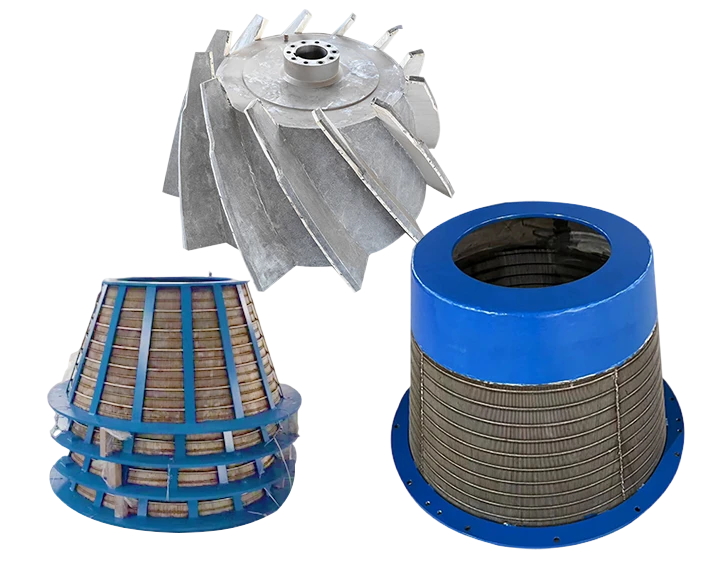
Choosing the Flexible Rod Screen Plate offers numerous benefits that can significantly impact industrial operations. Its superior design ensures that it can handle a wide range of materials, from coarse aggregates to fine powders. This versatility makes it an ideal solution for industries that require precise material separation.
The long service life of the Flexible Rod Screen Plate is another compelling reason to choose this product. The use of high-quality materials and advanced manufacturing techniques ensures that the screen plate can withstand the demands of continuous operation. This reduces the need for frequent replacements, saving both time and money.
Moreover, the efficiency of the Flexible Rod Screen Plate contributes to operational cost savings. By minimizing energy consumption and reducing downtime, this product helps industries achieve higher productivity. The self-cleaning function further enhances efficiency, ensuring that the screening process remains uninterrupted.
For businesses looking to improve their screening processes, the Flexible Rod Screen Plate is an excellent investment. Its reliability, durability, and efficiency make it a valuable asset in any industrial setting. By choosing this product, companies can enhance their operational performance and stay competitive in their respective markets.
Conclusion
The Flexible Rod Screen Plate represents a significant advancement in industrial screening technology. Its innovative design, superior materials, and versatile applications make it a preferred choice for industries seeking reliable and efficient solutions. Whether in mining, food processing, or construction, this product offers a robust and durable option for material separation.
Manufactured by Muto Wire Screen Co., Ltd., the Flexible Rod Screen Plate exemplifies the company's commitment to quality and innovation. With a focus on customer satisfaction and technical excellence, the company continues to set the standard for industrial sieves and screens. For businesses looking to enhance their screening processes, the Flexible Rod Screen Plate is an investment that delivers long-term value and performance.
To learn more about the Flexible Rod Screen Plate and other industrial solutions offered by Muto Wire Screen Co., Ltd., visit their product page or explore their company website.
Authoritative Citations
While specific citations for the Flexible Rod Screen Plate were not found in the provided context, the principles of material science and industrial engineering that underpin this technology are supported by research from reputable institutions. For example, the National Institute of Standards and Technology (NIST) conducts extensive research on materials and manufacturing processes, which contributes to the development of durable and efficient industrial equipment. Their work on corrosion resistance and material durability aligns with the design of the Flexible Rod Screen Plate.
Additionally, the NIST provides standards and guidelines for industrial applications, ensuring that products meet the highest levels of quality and performance. These standards are critical in the development of technologies like the Flexible Rod Screen Plate, which require precision and reliability in their operation.
For further information on NIST's contributions to industrial technology, visit their official website.