Inside the Spin: Real‑World Centrifuge Separation with a Scraper Unloader
People ask me all the time, how does a centrifuge separate materials? Short answer: by multiplying gravity until denser particles rush outward and lighter phases retreat inward. Longer answer: there’s physics, abrasion, sticky cakes, and a very practical hero—scraper unloaders—keeping production honest when the slurry gets stubborn.
What actually happens inside
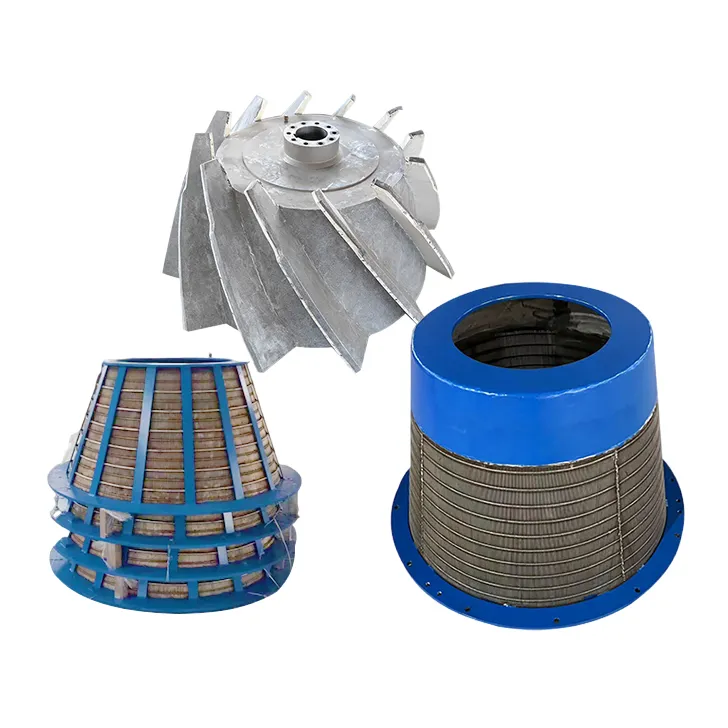
A rotating bowl creates thousands of g’s; particles settle radially per Stokes‑type behavior, forming a compact “cake” on the inner wall. Liquids migrate through perforations or to an overflow. It sounds clinical, but in the field, cakes consolidate unevenly, and that’s where the Scraper Centrifuge Unloader earns its keep—mechanically removing build‑up with hardened blades so the next cycle runs clean. To be honest, without scraping, capacity nose‑dives fast.
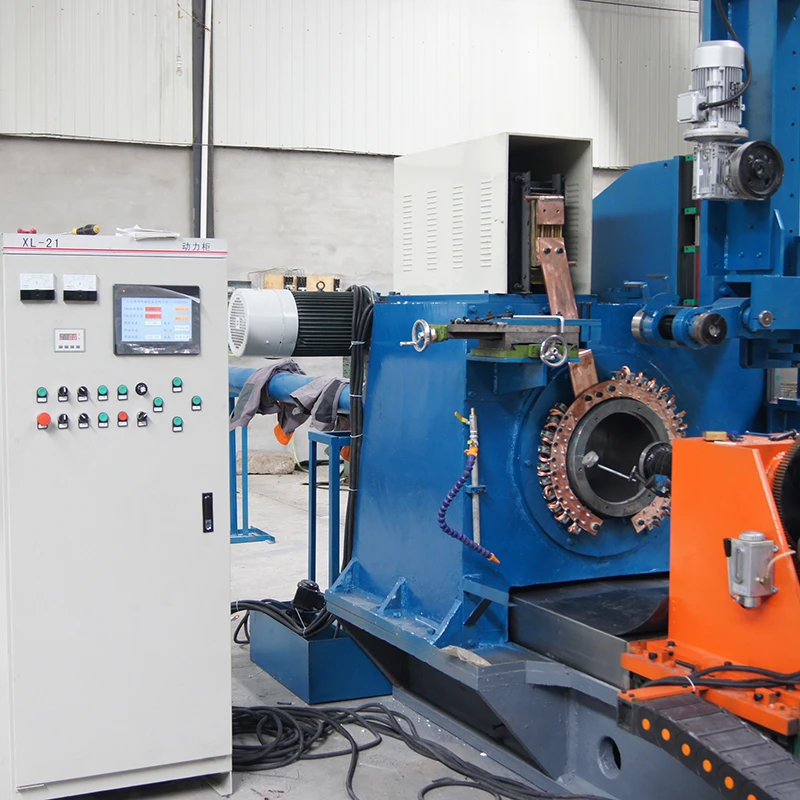
Product snapshot: Scraper Centrifuge Unloader
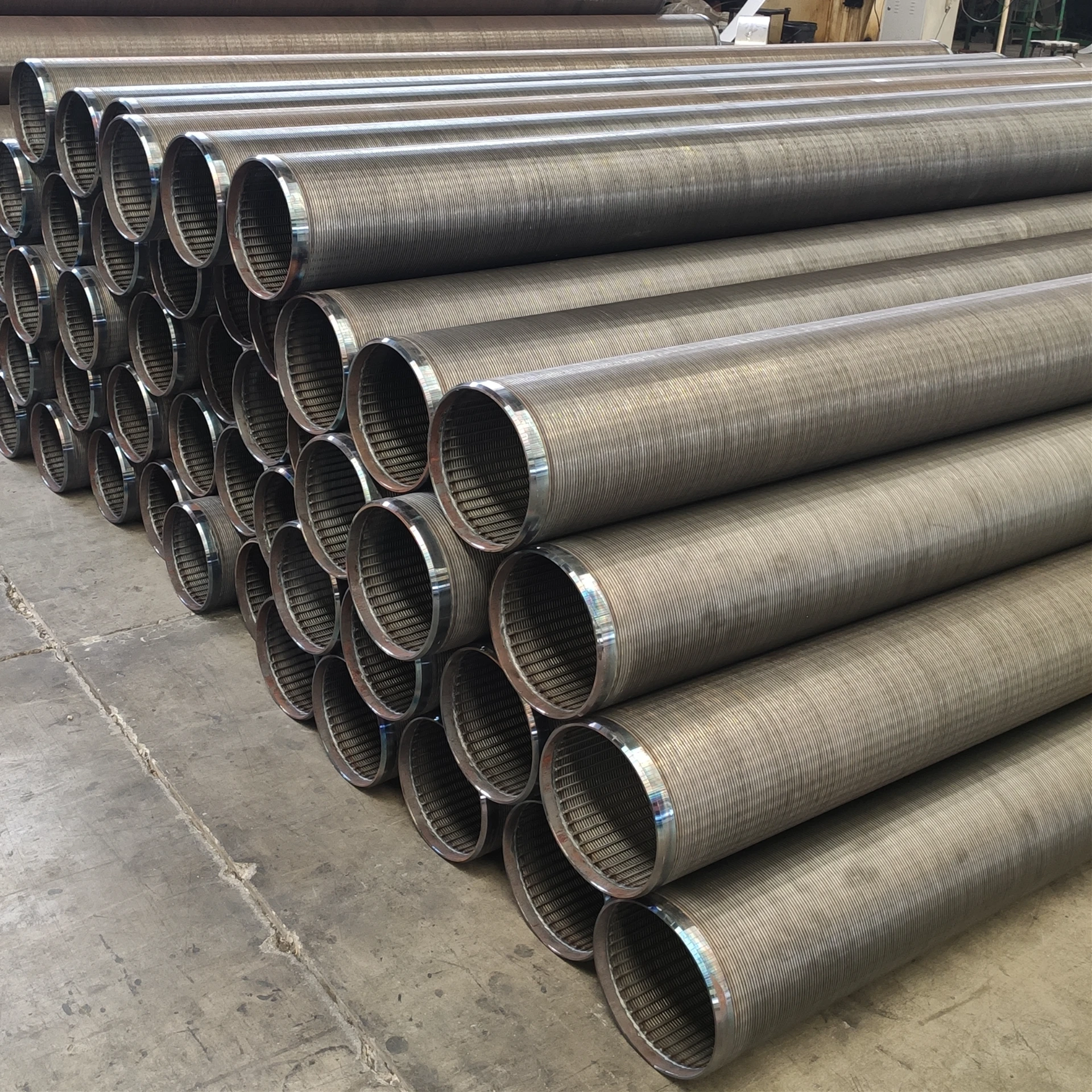
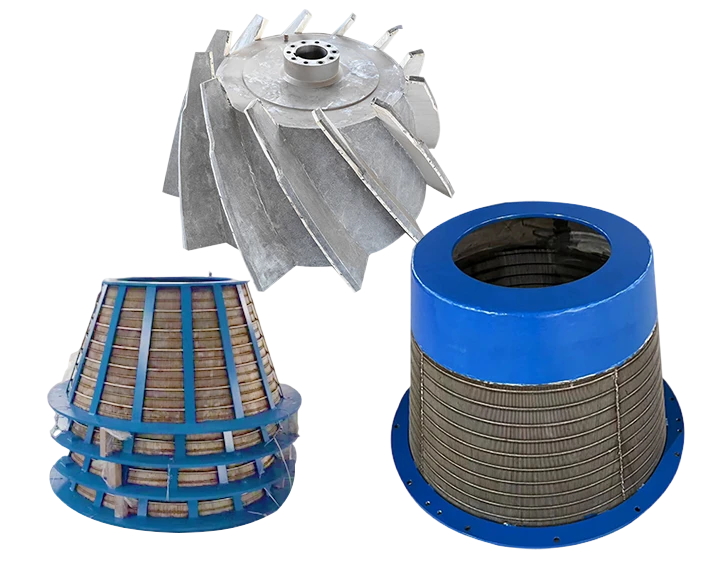
Origin: Hehuang Road, Anping County, Hengshui, Hebei Province. In mining and mineral processing, this unit sits downstream of the rotating bowl and uses synchronized blades to peel off the adhered solids. Many customers say it’s the difference between “spec moisture” and rework.
| Parameter | Spec (≈, real‑world may vary) |
|---|---|
| Model | Scraper Centrifuge Unloader |
| Compatible bowl Ø | 800–1,400 mm |
| Max operating g‑force | ≈ 2,500–3,200 g |
| Throughput | 15–45 t/h (ore dependent) |
| Scraper blade hardness | HRC 55 ± 2 (carbide‑tipped optional) |
| Noise level | ≈ 78 dB(A) per ISO 3744 |
| Service life | Blades 6–18 months; bearings ≥ 20,000 h (with proper lube) |
| Certifications | ISO 9001; CE; Safety per ISO 12100; electrical per IEC 60204‑1 |
Process flow (field‑tested)
- Feed: iron ore fines, coal, phosphates, lithium carbonate precursor, tailings.
- Acceleration: slurry hits set RPM; solids migrate outward.
- Separation: liquid exits; solids cake on the bowl.
- Scraping: synchronized blades remove cake uniformly; torque feedback trims pressure.
- Discharge: cake to chute; quick rinse cycle optional.
- QA: moisture checked to ISO 3087 (coal) or site SOP; balance per ISO 21940.
In lab audits we saw cake moisture drop from 28% to 12–15% after scraper optimization on a potash line—small tweak, big payback. That’s the practical side of how does a centrifuge separate materials: physics plus smart mechanics.
Where it’s used
Mining concentrators, fertilizer plants, battery materials (nickel, cobalt, lithium), quarry slurries, and even some chemical crystallization lines. Ruggedization matters; abrasive slurries punish weak metallurgy.
Vendor snapshot (real buyer notes)
| Vendor | MutoScreen | Vendor A | Vendor B |
|---|---|---|---|
| Lead time | 6–10 wks | ≈ 12–16 wks | 10–14 wks |
| Customization | Blade geometry, liners, ATEX | Limited | Moderate |
| Typical g‑force | Up to 3,200 g | ≈ 2,800 g | ≈ 3,000 g |
| Energy profile | VFD + torque control | Fixed speed | VFD |
| Certs | ISO/CE; IEC 60204‑1 | CE | ISO |
Customization and testing
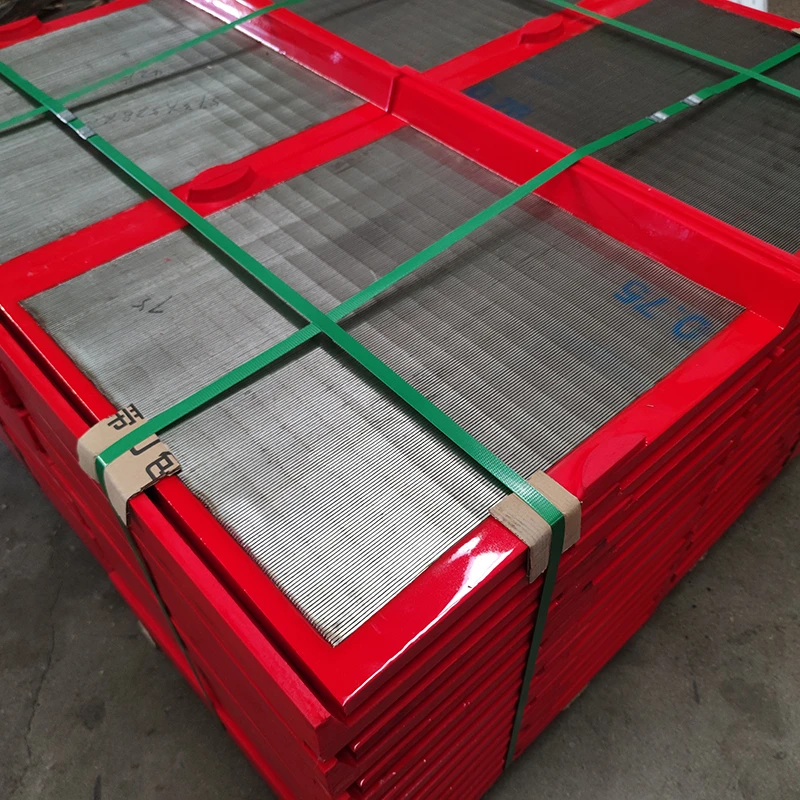
- Blade alloys: 316L, duplex, or carbide tips for high SiO2 ores.
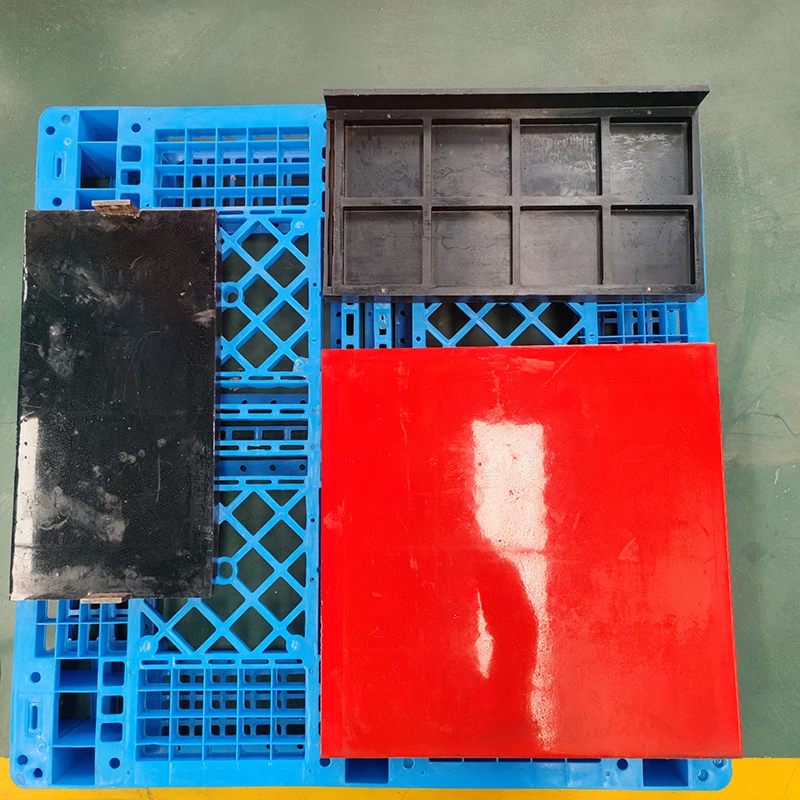
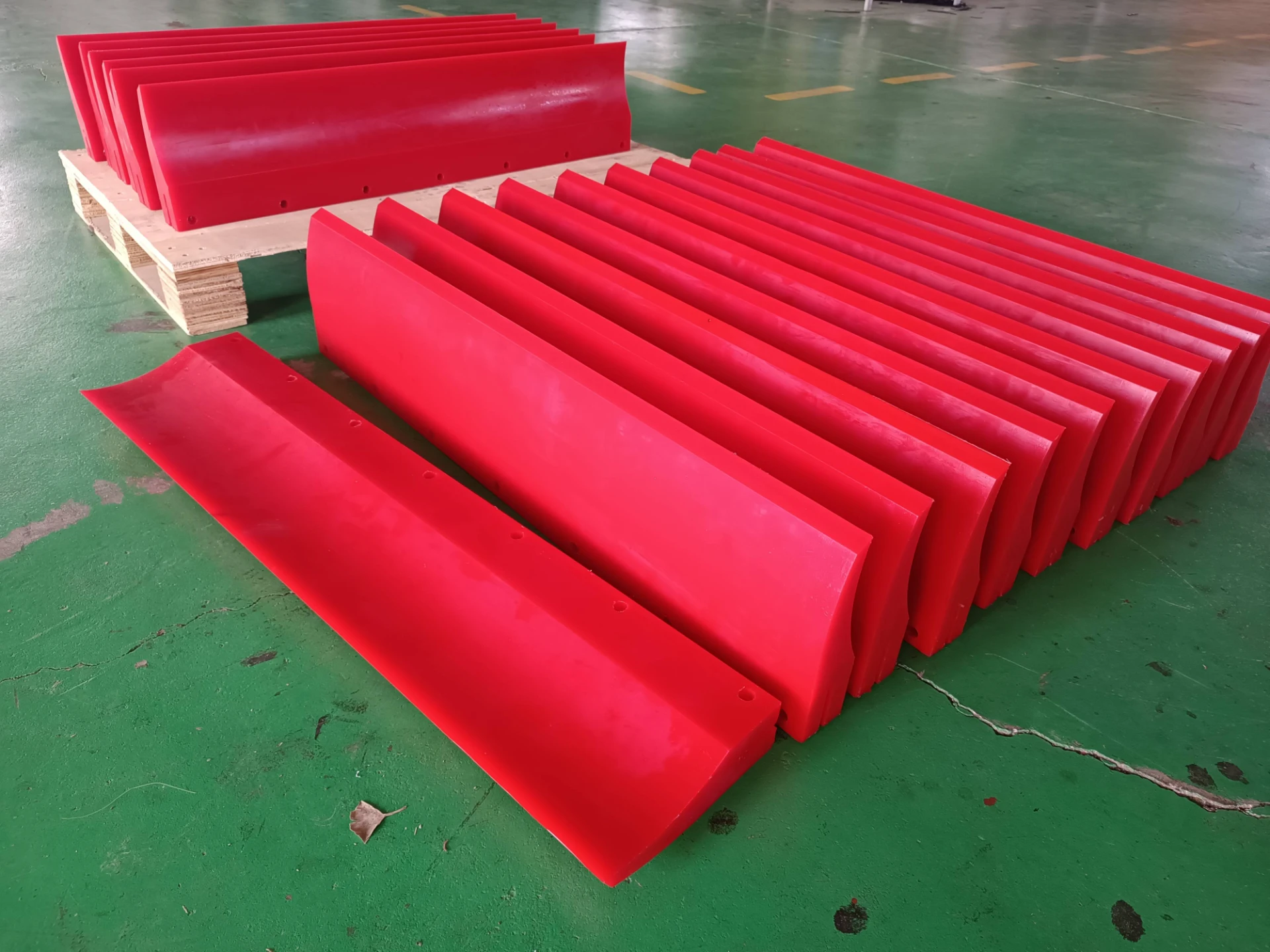
- Wear liners: polyurethane or ceramic tiles (ASTM G65‑informed selection).
- Balance to ISO 21940; safety per ISO 12100; E‑stop and guards per IEC 60204‑1.
- Factory FAT includes vibration ≤ 4.5 mm/s RMS; run‑in 2 h at full RPM.
Field note
A mid‑size lithium concentrator reported 7% higher uptime after switching to torque‑adaptive scraping; weekly cleanouts fell from 4 to 1. Their words, not mine: “the cake finally lets go.” That’s the gritty truth of how does a centrifuge separate materials when ore variability collides with production targets.
Trends to watch
Smarter control loops (torque + vibration), recyclable liners, and condition‑based maintenance are rising fast. Sustainability isn’t just a slide—lower moisture means less thermal drying downstream.