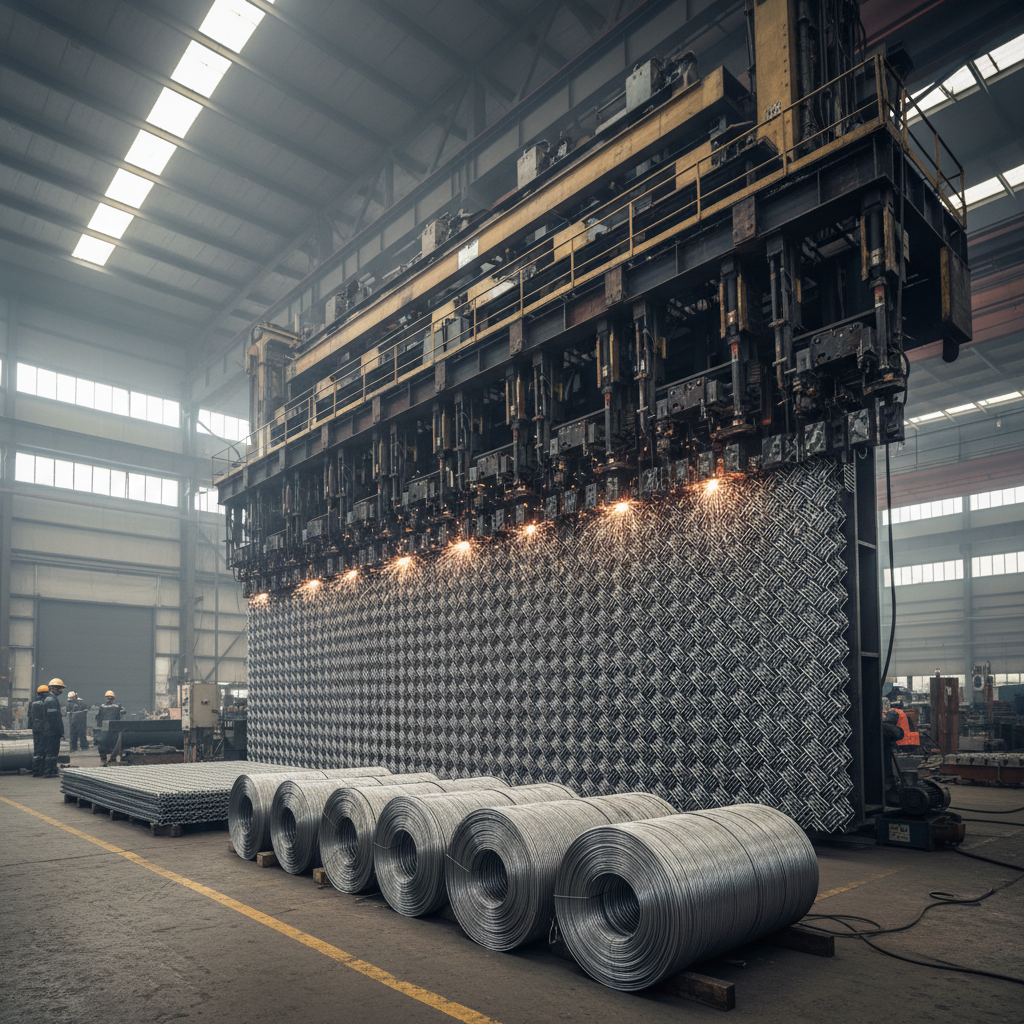
If you work anywhere near headworks, breweries, or recirc aquaculture, you’ve heard the buzz around rotary drum screens. To be honest, the tech isn’t new—but the latest wedge wire builds are smarter, tougher, and a lot friendlier to operators than the units I climbed into a decade ago on night shift.
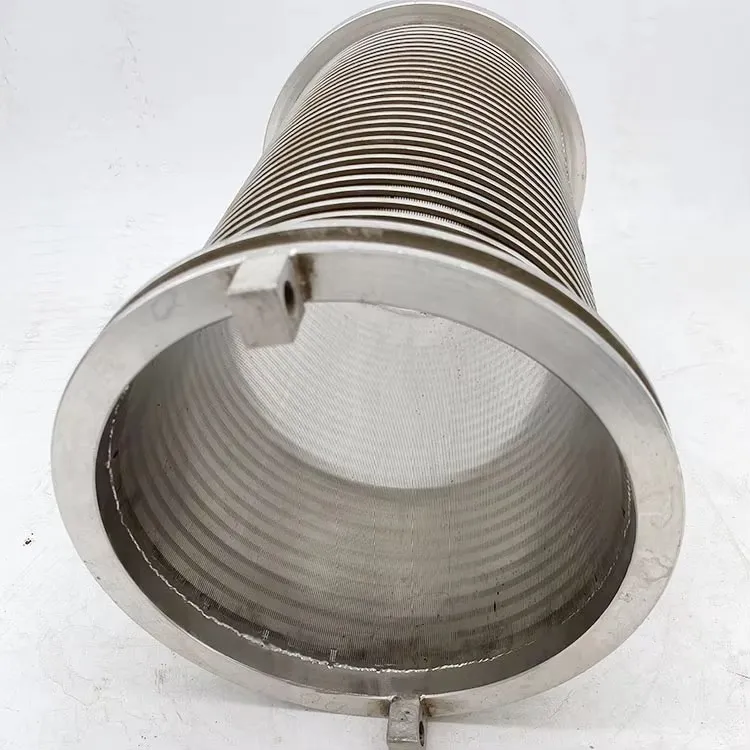
What’s trending and why it matters
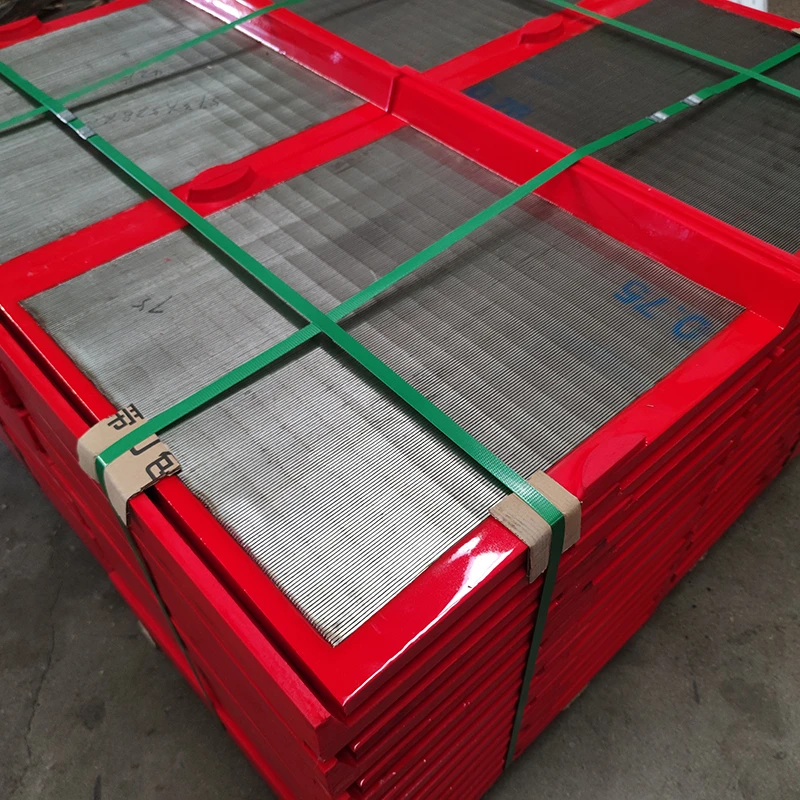
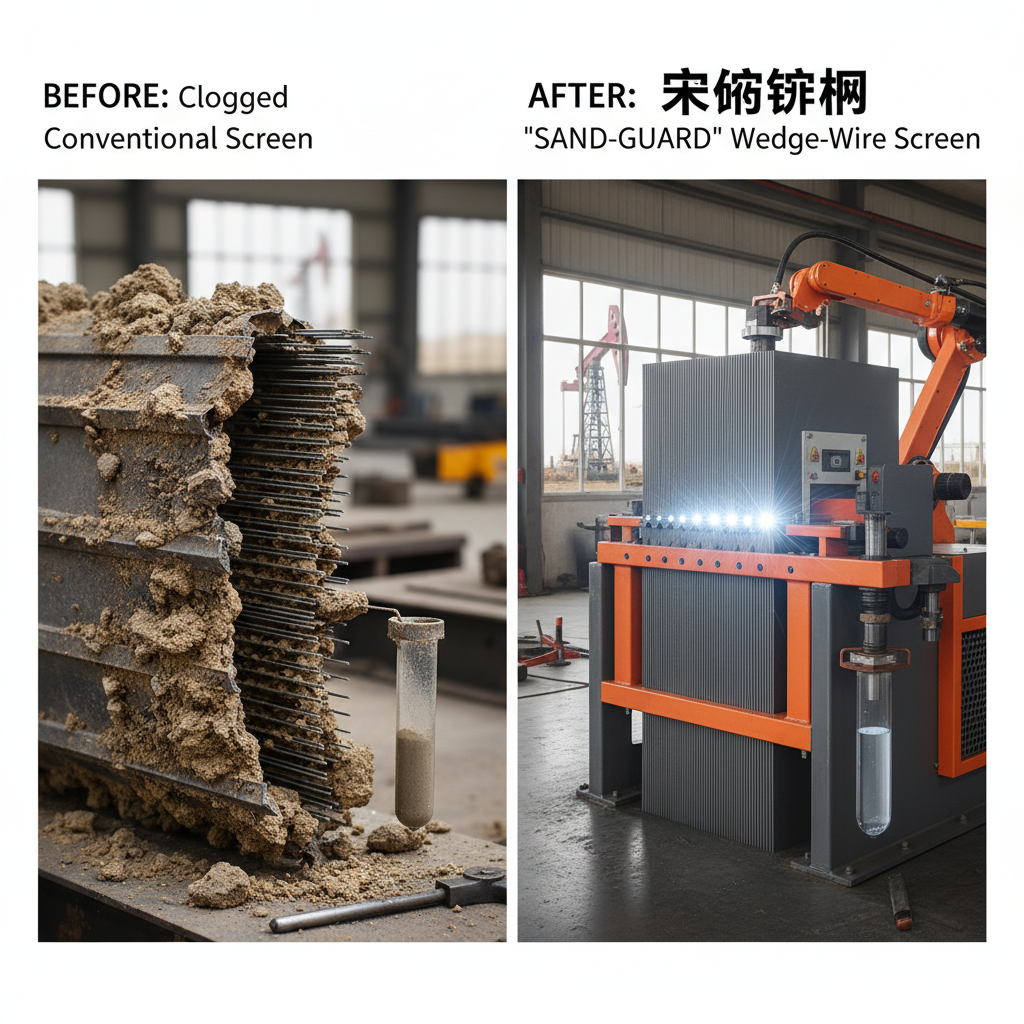
Utilities keep pushing for lower OPEX and higher capture rates. Many customers say the new rotary drum screens are hitting a sweet spot: clog-resistant V-wire, modest power draw, and predictable maintenance. In fact, the most requested upgrades I hear about are finer slots (down to ≈0.25–0.5 mm), stainless 316L for brine or caustic cycles, and better spray bars for greasy loads. Origin-wise, this model comes out of Hehuang Road, Anping County, Hengshui, Hebei Province—an area that’s quietly become a wedge wire hub.
Quick spec snapshot (real‑world use may vary)
| Parameter | Typical Range | Notes |
|---|---|---|
| Slot aperture | 0.25–3.0 mm | V-wire wedge reduces blinding |
| Drum diameter | 600–2500 mm ≈ | Custom larger diameters on request |
| Length | 1–4.5 m around | Scales with flow and TSS |
| Material | SS304 / SS316L | ASTM A240 plate/wire |
| Open area | 18–38% ≈ | Depends on slot and profile wire |
| Rotation speed | 2–10 rpm | VFD optional |
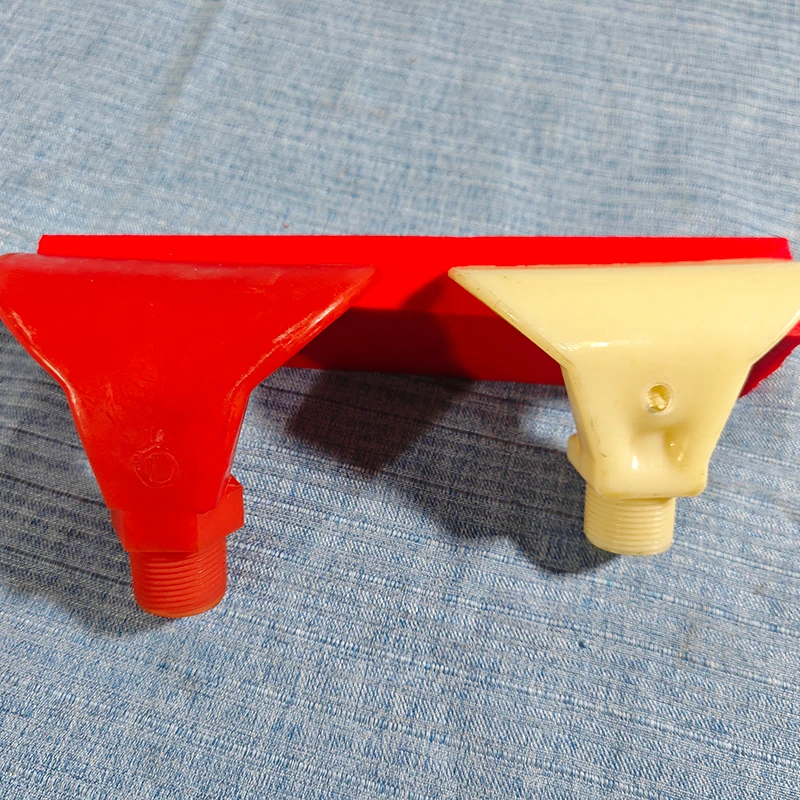
| Spray bar | 3–6 bar | CIP-friendly, anti-drip |
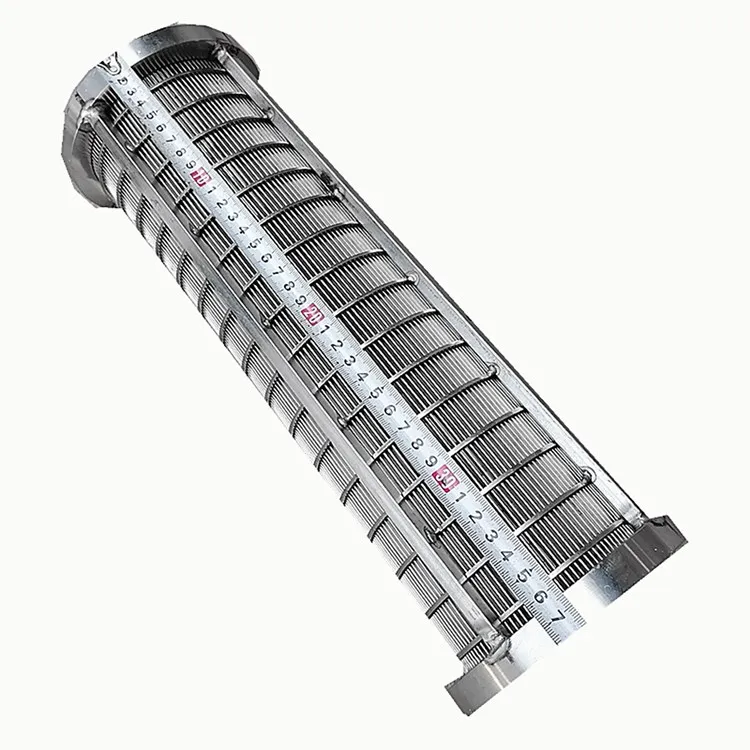
How they’re built (materials, methods, tests)
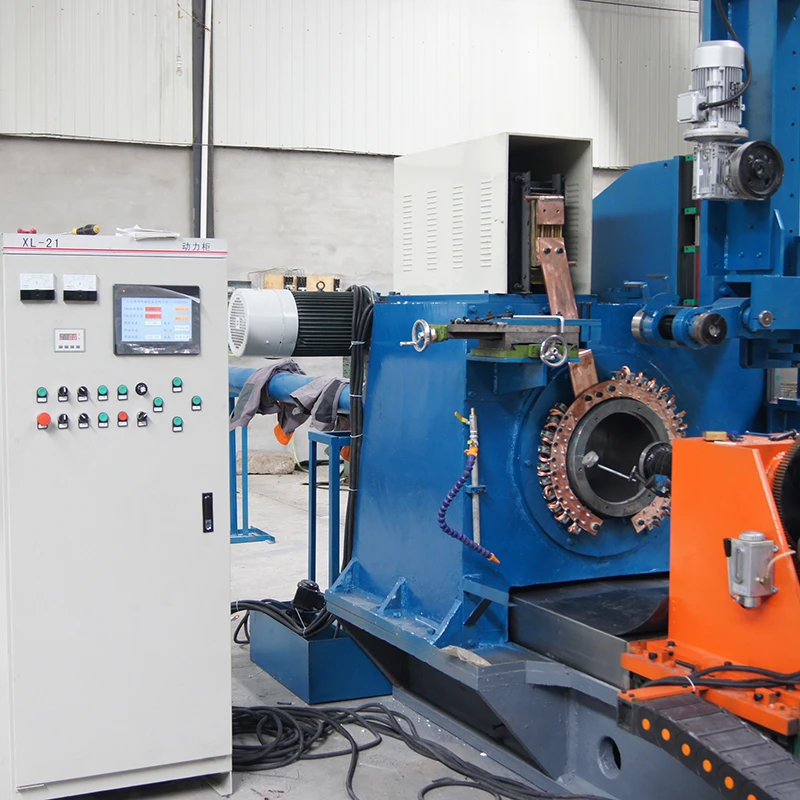
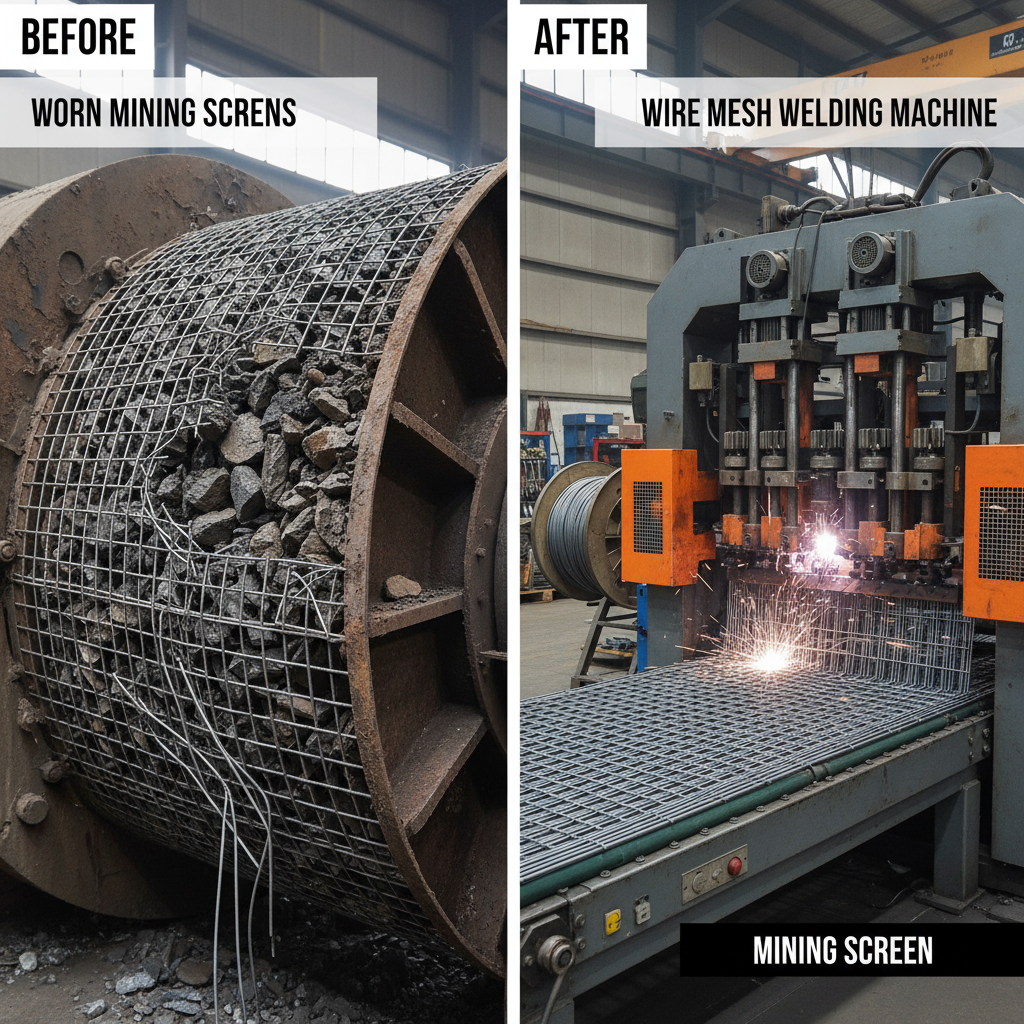
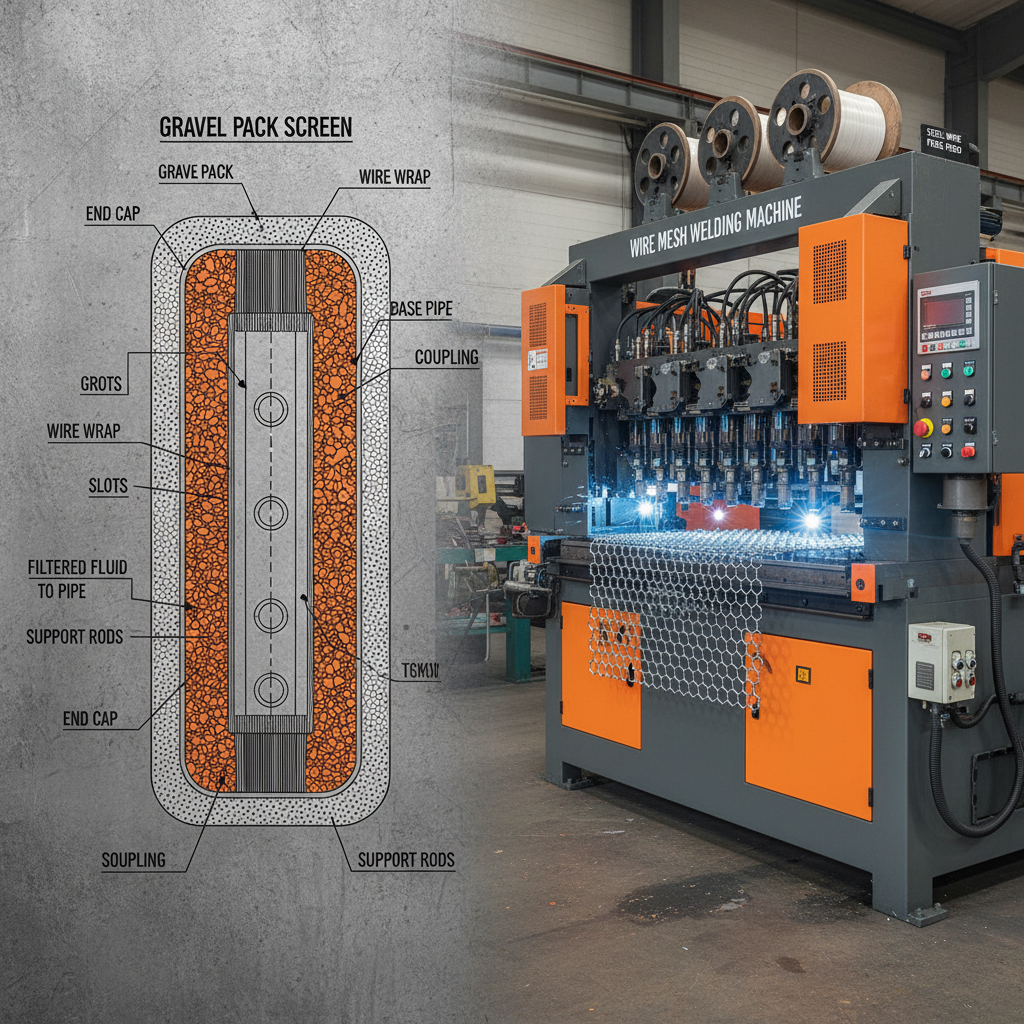
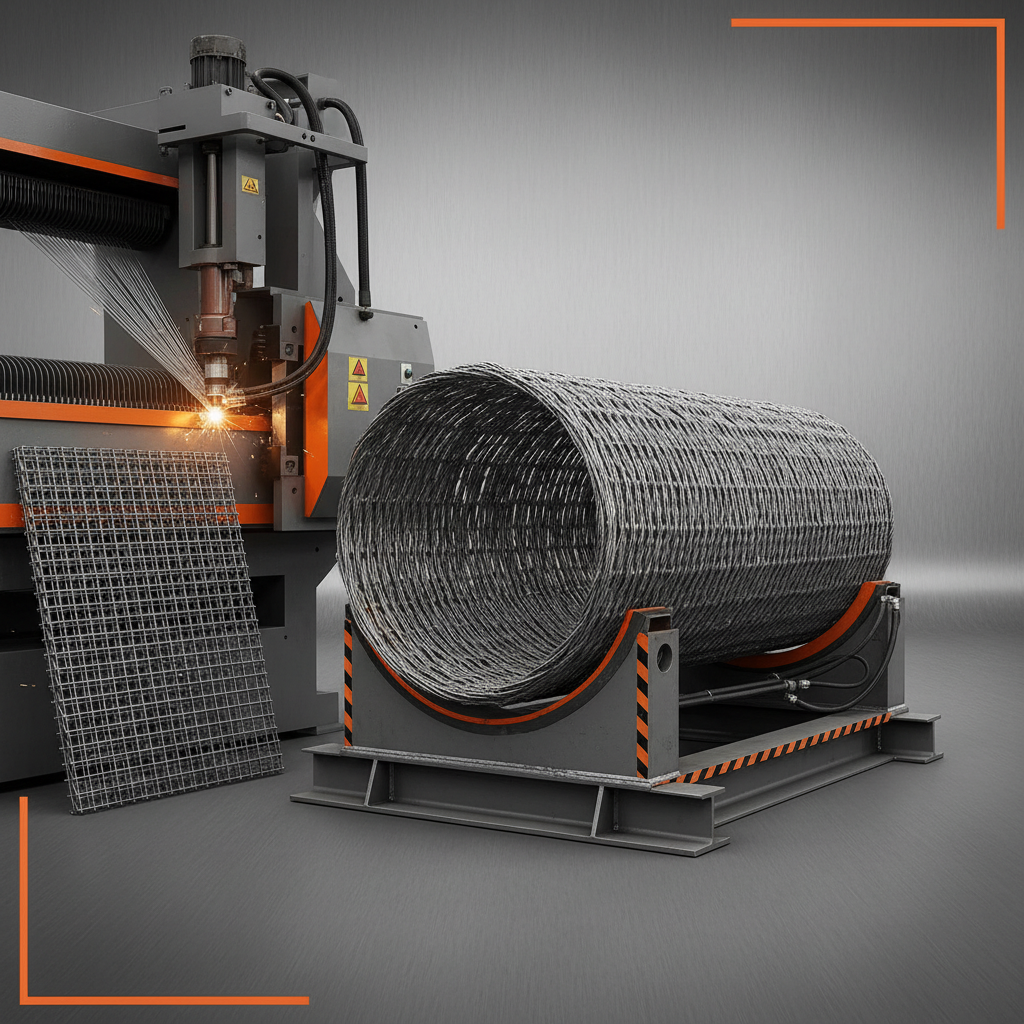
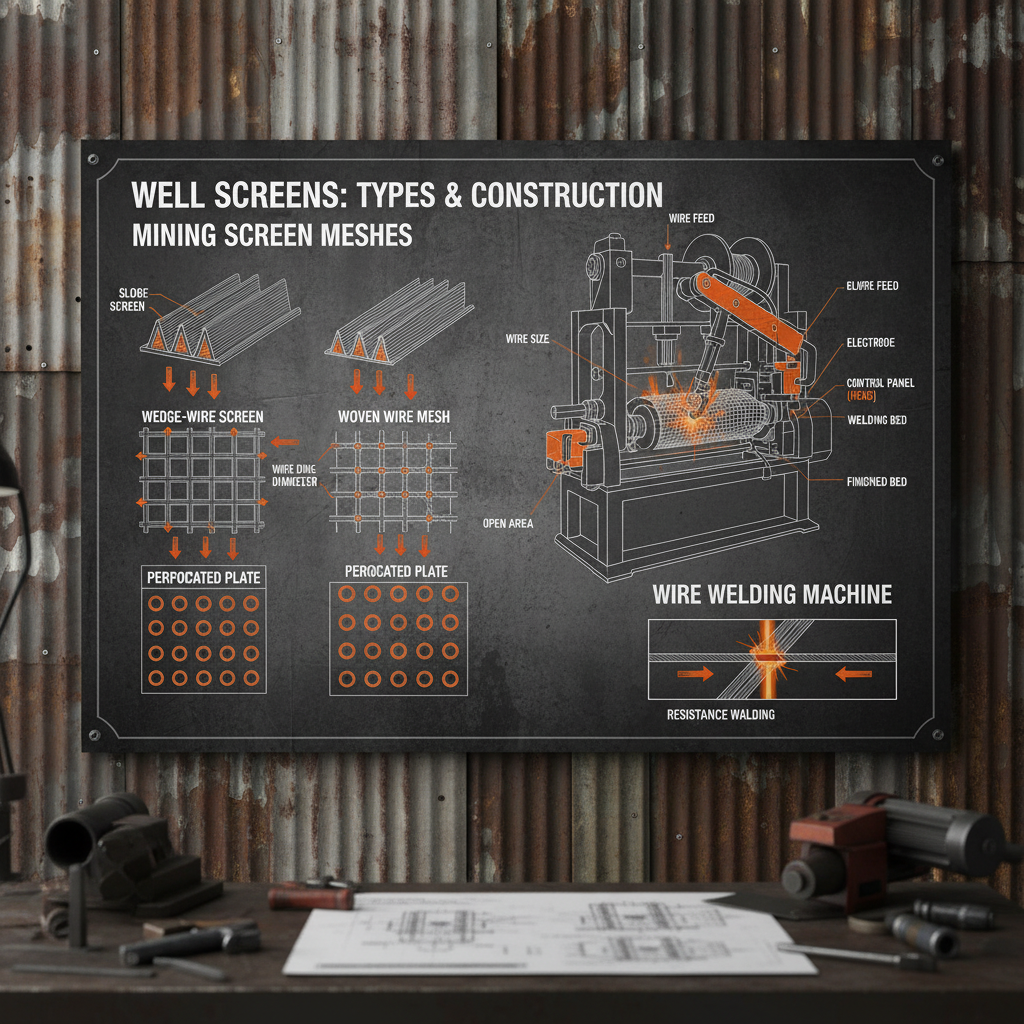
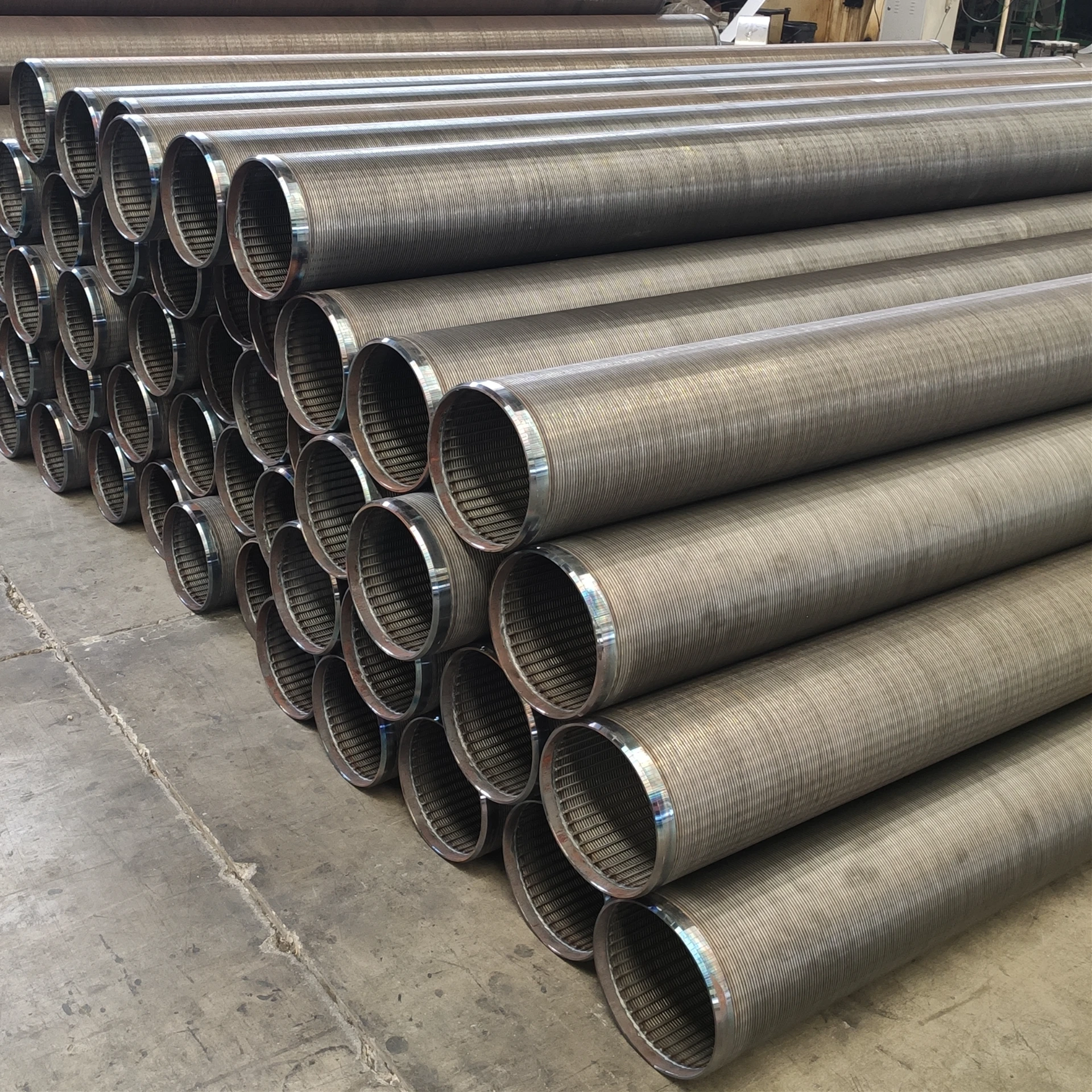
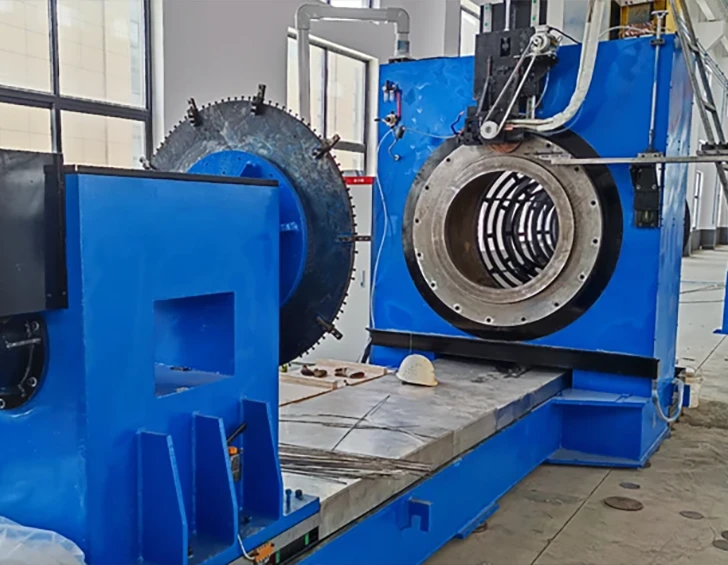
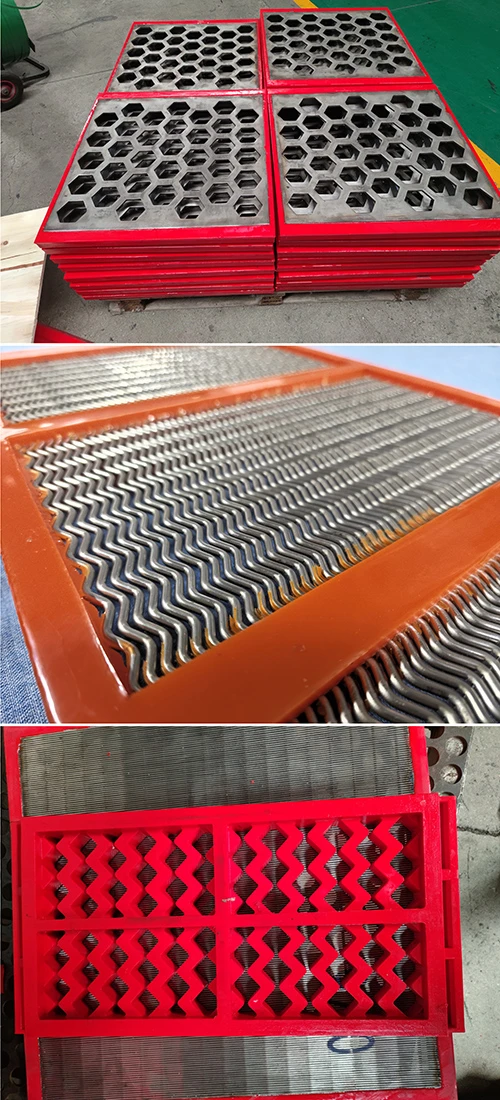
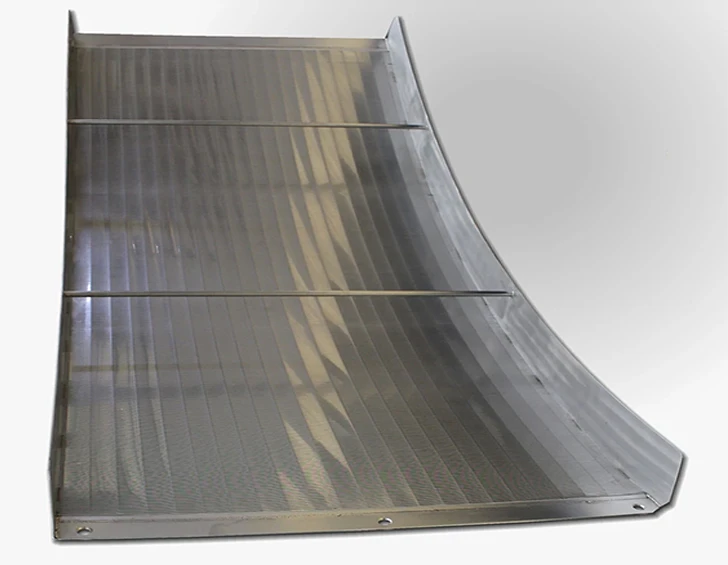
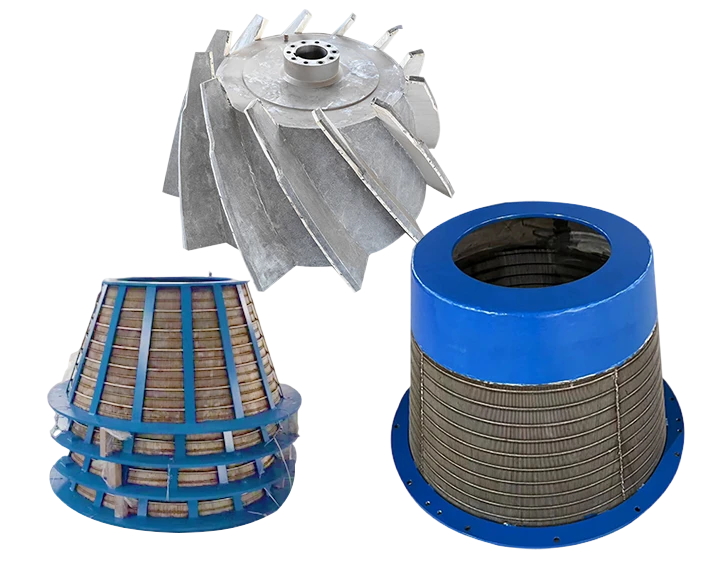
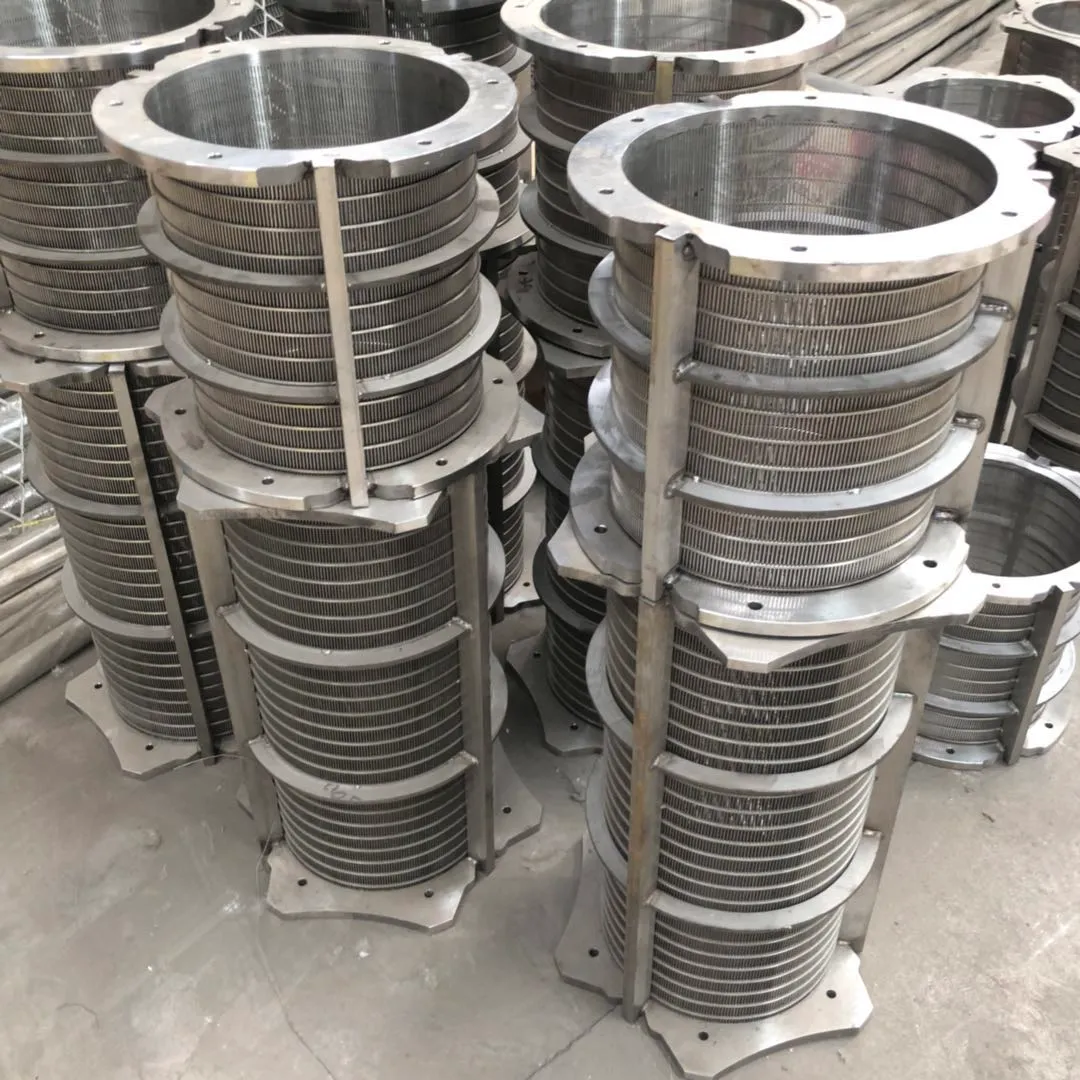
The drum is a resistance‑welded wedge wire cylinder (V-shaped profile wrapped on support rods). Materials are typically SS304/316L; passivated to ASTM A967. Weld processes follow EN ISO 3834 principles; balance checked to ISO 1940‑1 to keep bearings happy. Aperture verified with calibrated feeler gauges; surface roughness for food lines often ≤ Ra 0.8–1.2 μm. I guess the quiet hero is the drive: sealed gearmotor, IP65+ with stainless guards.
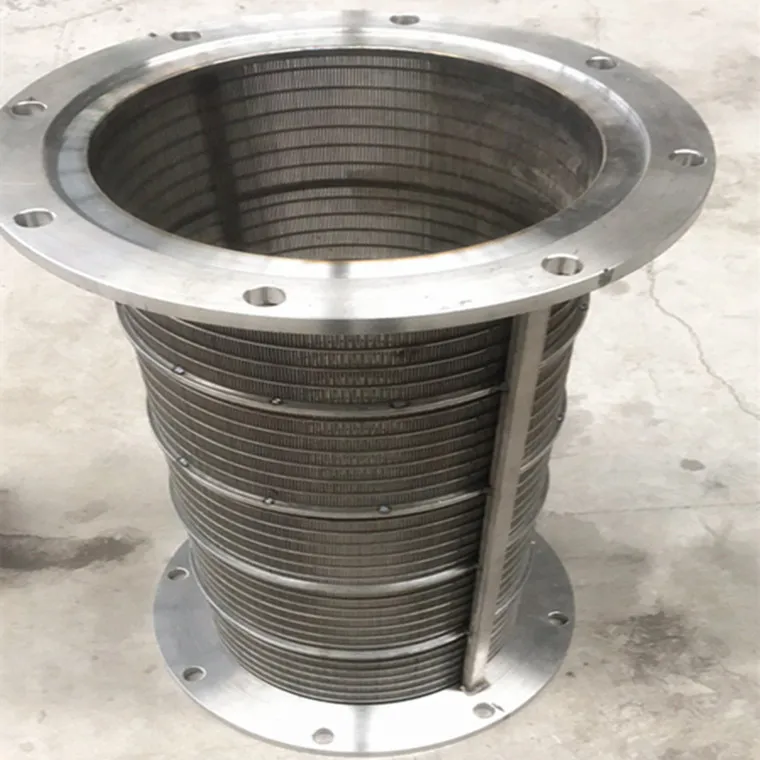
Where they shine
- Municipal headworks: primary solids capture before grit/DAF; rotary drum screens trim rag loads.
- Food & beverage: fruit/veg, poultry, dairy CIP loops; optional 316L and hygienic spray bars.
- Pulp & paper: whitewater fiber recovery (pays back surprisingly fast).
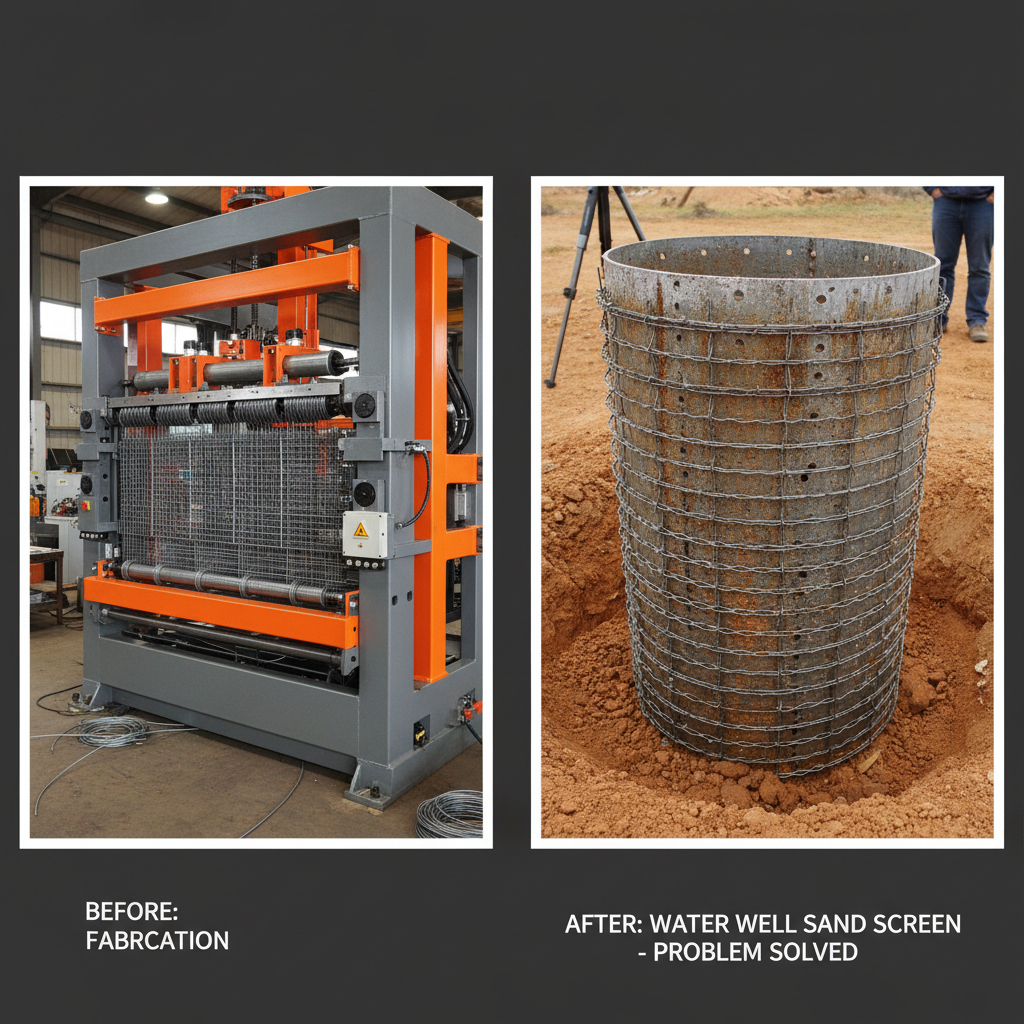
- Mining/process water: sand and scale removal before membranes.
- Aquaculture: RAS systems want fine slots to protect biofilters.
Advantages I keep hearing: low headloss, self-cleaning V-wire, compact footprint, and service life in the 5–10 year band depending on abrasives and chemistry.
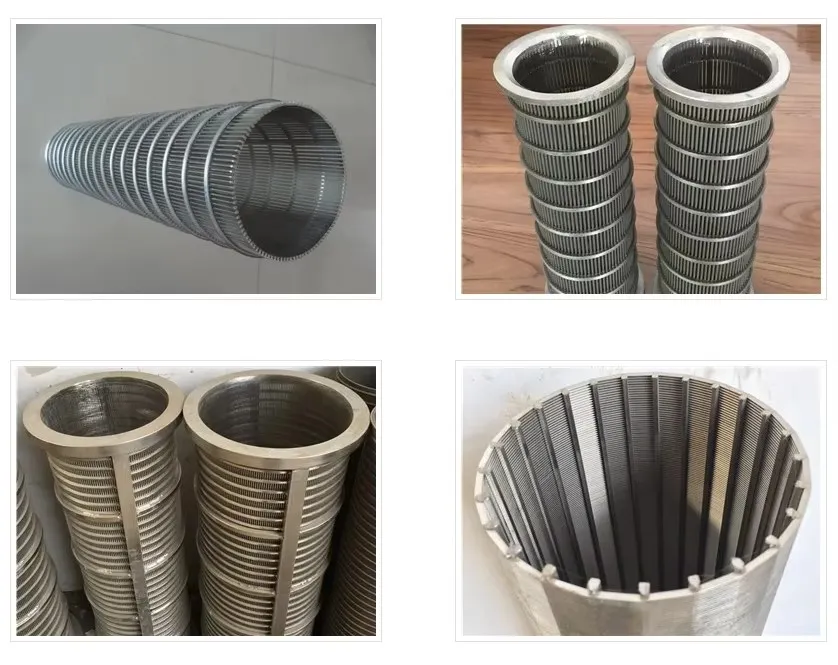
Field notes and results
- Municipal, 20 MLD: 1.0 mm slot rotary drum screens delivered ≈35–60% TSS removal upfront; rake maintenance dropped markedly.
- Food processor (sauces): 0.75 mm slot unit cut DAF load ≈25% and saved polymer; operators liked the tool‑less spray bar nozzles.
Customization menu
Slots (0.25–3.0 mm), diameter/length, SS304/316L, end flanges, influent boxes, seals, scraper types, CIP spray arrays, VFD control, and odor covers. Compliance typically aligns with ISO 9001 QA; electrical panels can be CE-marked; food lines may request 3‑A style hygienic finishes.
Vendor landscape (my pragmatic take)
| Vendor type | Lead time | Customization | Certs/QA | After‑sales | Price band |
|---|---|---|---|---|---|
| Specialist wedge‑wire maker (e.g., MutoScreen) | 4–8 weeks ≈ | High | ISO 9001; material certs | Direct parts + remote support | Mid |
| Large OEM importer | 8–14 weeks | Medium | Global docs, broader SKUs | Dealer network | High |
| Local fabricator | 2–6 weeks | Variable | Basic docs | On‑site handy | Low–Mid |
Testing, standards, and service life
Expect material traceability (ASTM A240), passivation (ASTM A967), rotor balance (ISO 1940‑1), run‑in leak checks, and slot gauge QC. With sensible spray pressure, bearings, and chemistry control, rotary drum screens typically last 5–10 years; abrasive slurries shorten that—plan spares accordingly.
Bottom line
If your plant fights rags, seeds, peels, or fibers, a well‑sized rotary drum screens package cuts headaches upstream and saves energy downstream. I’ve seen them quietly pay for themselves by easing DAF loading and protecting membranes—nothing flashy, just solid first‑barrier work.
- ASTM A240/A240M – Standard Specification for Chromium and Chromium‑Nickel Stainless Steel Plate, Sheet, and Strip. https://www.astm.org/a0240_a0240m-20.html
- ASTM A967/A967M – Standard Specification for Chemical Passivation Treatments for Stainless Steel Parts. https://www.astm.org/a0967_a0967m-17.html
- ISO 1940‑1 – Mechanical vibration — Balance quality requirements for rotors in a constant (rigid) state. https://www.iso.org/standard/72064.html
- Water Environment Federation (WEF) Manual of Practice No. 8: Design of Municipal Wastewater Treatment Plants, Headworks screening guidance. https://www.wef.org/