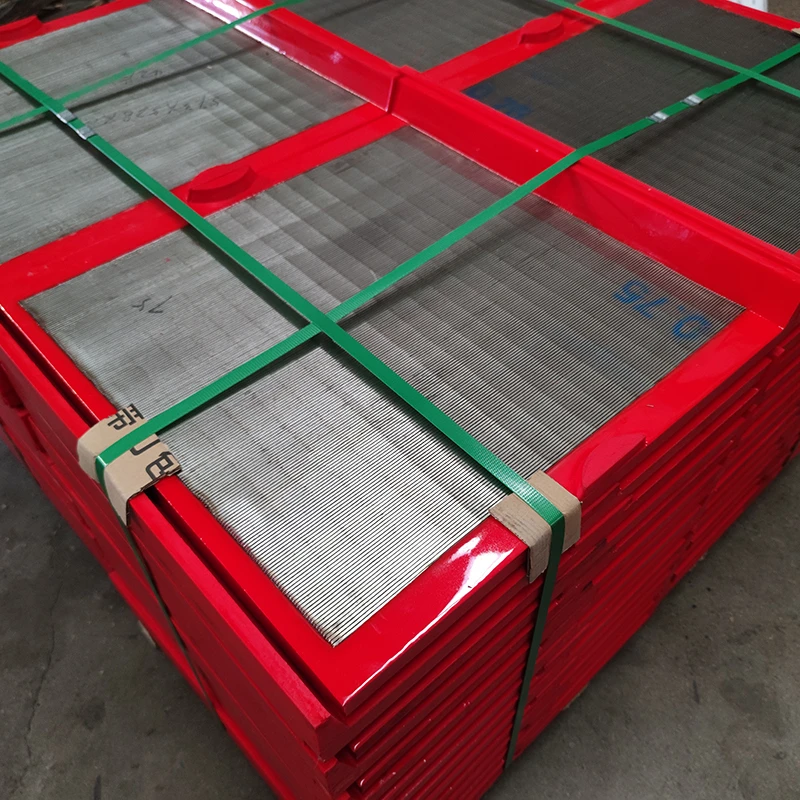

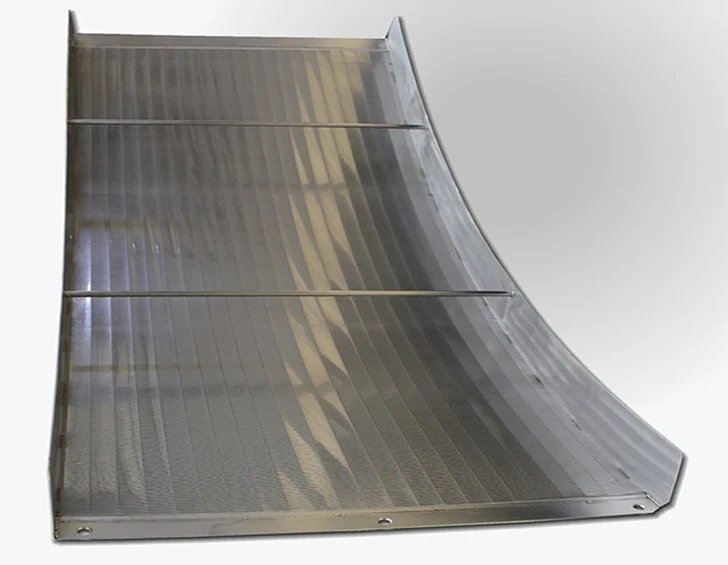
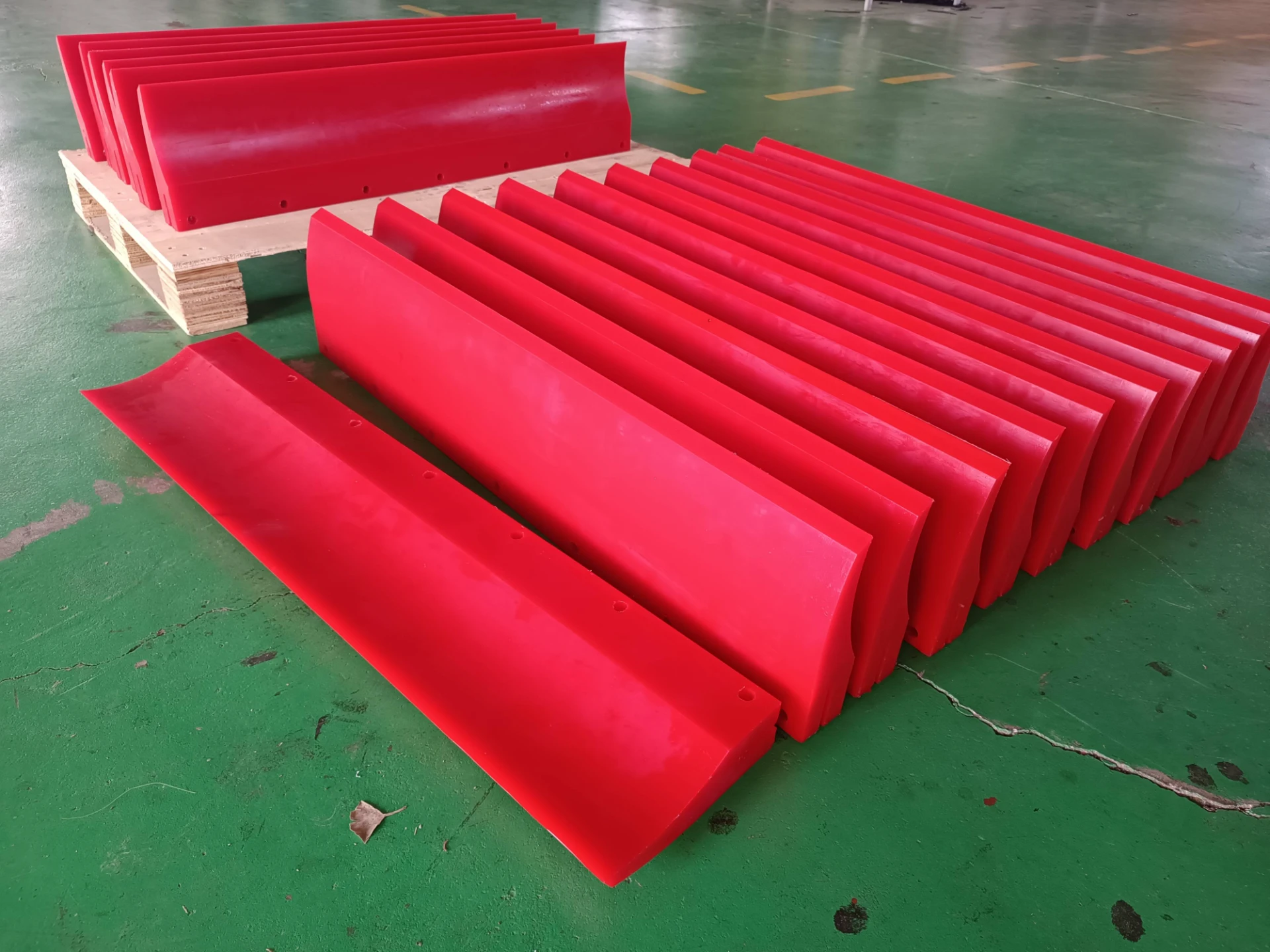

A perforated plate screen should match the feed material, separation opening, plate thickness, and screening equipment. Our Perforated Plate combines a steel perforated screen with a polyurethane frame for grading, screening, and dehydration of coal, ores, stones, and other materials. Define the process, hole pattern, material, thickness, and screen dimensions before requesting a configuration.
Match the plate to the processed material and process condition, including coal, iron ore, copper, gold, other ores, and dry or wet operation.
Specify the opening size from 1 to 350 mm, then select the hole shape, thickness from 1 to 20 mm, plate material, and customized or stock screen dimensions.
Check that the polyurethane frame and selected screen size fit the existing screening equipment and intended grading, screening, or dehydration task.
The right perforated plate screen starts with the separation task. Our Perforated Plate uses a polyurethane frame around an internal steel perforated plate screen. The frame adds flexibility for absorbing shocks and reducing operating noise, while the uniform openings support separation with less risk of clogging or blinding.
For procurement, define four items first: the material being processed, whether the process is dry or wet, the required opening size, and the dimensions of the screen position. These decisions determine whether the plate suits grading, screening, dehydration, or another separation step.
Match the screen to the material and process
This perforated plate screen is intended for coal, iron ore, copper, gold, and other ores. It can handle dry and wet materials, so the process condition should be part of the initial specification. A dry screening line may need a different opening and plate material from a wet dehydration application, even when both use the same general screen format.
The product is suitable for separation from coarse stones to fine materials. Picture the feed entering a screening machine where the selected openings control which particles pass through. For a wet process, picture the plate supporting separation and dehydration while water and smaller material move through the openings. Send the material description and target separation with the inquiry so we can match the configuration to the operating task.
The polyurethane frame matters where the screen receives impact from the feed. Its flexibility helps absorb shocks, and the steel screen supplies the perforated separation surface. This combination suits buyers who need a framed plate for various screening equipment.
Set the opening size and hole pattern
Opening size is the main separation control. Our Perforated Plate has an opening range of 1 to 350 mm. Round, rectangular, square, and hexagonal hole shapes are available. Choose the opening based on the particle size you need to pass through and the grading result you want from the machine.
A smaller opening suits a finer separation target within the product range. A larger opening suits applications handling coarse stones or larger material. Include the hole shape in the specification because it defines the geometry of the open area and the way the feed meets the plate.
Do not specify only a general screen name. Send the required opening dimension, hole shape, feed material, and target use together. That gives us the information needed to prepare a plate for grading, screening, or dehydration rather than treating every application as the same.
Choose thickness and material for the working condition
Plate thickness ranges from 1 to 20 mm. A thicker plate can be considered when the application requires a heavier screen section within this range, while a thinner plate may suit a different equipment configuration. Make the final choice with the opening size, material, and available screen position together.
Material options include 65Mn manganese steel wire, stainless steel, medium carbon steel, and high carbon steel. Stainless steel is one option for a different material requirement, while manganese steel and carbon steel provide other choices within the product range. Tell us the processed material and operating environment so we can identify a suitable material option instead of selecting by thickness alone.
The polyurethane and steel combination is resistant to abrasion and corrosion. This is relevant for ore screening and applications where the plate encounters abrasive feed or wet processing conditions. Specify the actual ore, material condition, and screen dimensions so the configuration matches the working task.
Check dimensions and equipment fit
Screen size is customized, and the polyurethane frame is compatible with various screening equipment. Before ordering, measure the screen position in the machine and record the required length, width, plate thickness, opening size, and hole shape. Include the frame arrangement if the existing equipment has a defined mounting position.
The product can be selected from custom sizes or stock options. Custom sizing is useful when a replacement must fit an existing screen position or when the equipment layout requires a particular plate dimension. A stock selection may suit a standard requirement when its size and opening meet the separation task.
A practical site check is to compare the proposed plate dimensions with the machine's screen deck and access route. Confirm how the frame will sit in the equipment before releasing the order. The polyurethane frame is easy to install, but the screen position still needs to accept the selected dimensions.
Prepare one complete purchase specification
A clear inquiry should contain the material name, dry or wet process, application such as grading or dehydration, opening size, hole shape, thickness, material option, and screen dimensions. This list connects the product choice to the working condition and reduces the chance of receiving a plate with the right general name but the wrong separation geometry.
For example, a buyer screening iron ore can start with the ore type, required separation opening, and machine dimensions. A buyer handling wet material can add the dehydration requirement and identify the preferred material option. In both cases, select the plate as a complete configuration: polyurethane frame, steel screen material, thickness, opening, hole geometry, and custom size.
Details buyers often clarify before ordering
Can we request a stock size instead of a custom plate?
Yes, the Perforated Plate can be manufactured to custom sizes or selected from stock options. A stock option suits a standard screen position when its dimensions and opening meet the separation task. Custom sizing suits a replacement or equipment layout with a particular plate dimension. Include the required screen size with the opening and hole shape in either request.
What other product names can appear on a purchase request?
Perforated metal and perforated sheet are also used for this type of plate. Include the product name together with the application and configuration details so the request identifies a screening plate, not only a generic sheet. The useful details are the feed material, process condition, opening size, hole shape, thickness, material option, and screen dimensions.
What does the polyurethane frame add to the plate?
The polyurethane frame increases the screen's overall strength and adds flexibility. That flexibility helps absorb shocks and reduce operating noise during screening. The frame surrounds the internal steel perforated plate screen, and its installation is easy. Include the frame arrangement when the plate is intended to replace a screen in existing equipment.
Send the working details with your inquiry
Our Perforated Plate suits buyers who need a polyurethane-framed steel screen for grading, screening, or dehydration of coal, ores, stones, and other materials in dry or wet conditions. Send the feed material, process type, opening size, hole shape, thickness, material preference, screen dimensions, and required quantity so we can prepare the appropriate configuration.

About the author
The company