What Sets Today's Mining Screen Manufacturers Apart
 Having spent more than a decade around the mining and industrial equipment sector, I’ve seen firsthand how mining screens have evolved—and how crucial they are on-site. No matter how sophisticated your crushers or conveyors, if the screens fail, the whole operation’s efficiency drops. It’s almost like a hidden bottleneck people overlook until downtime hits.
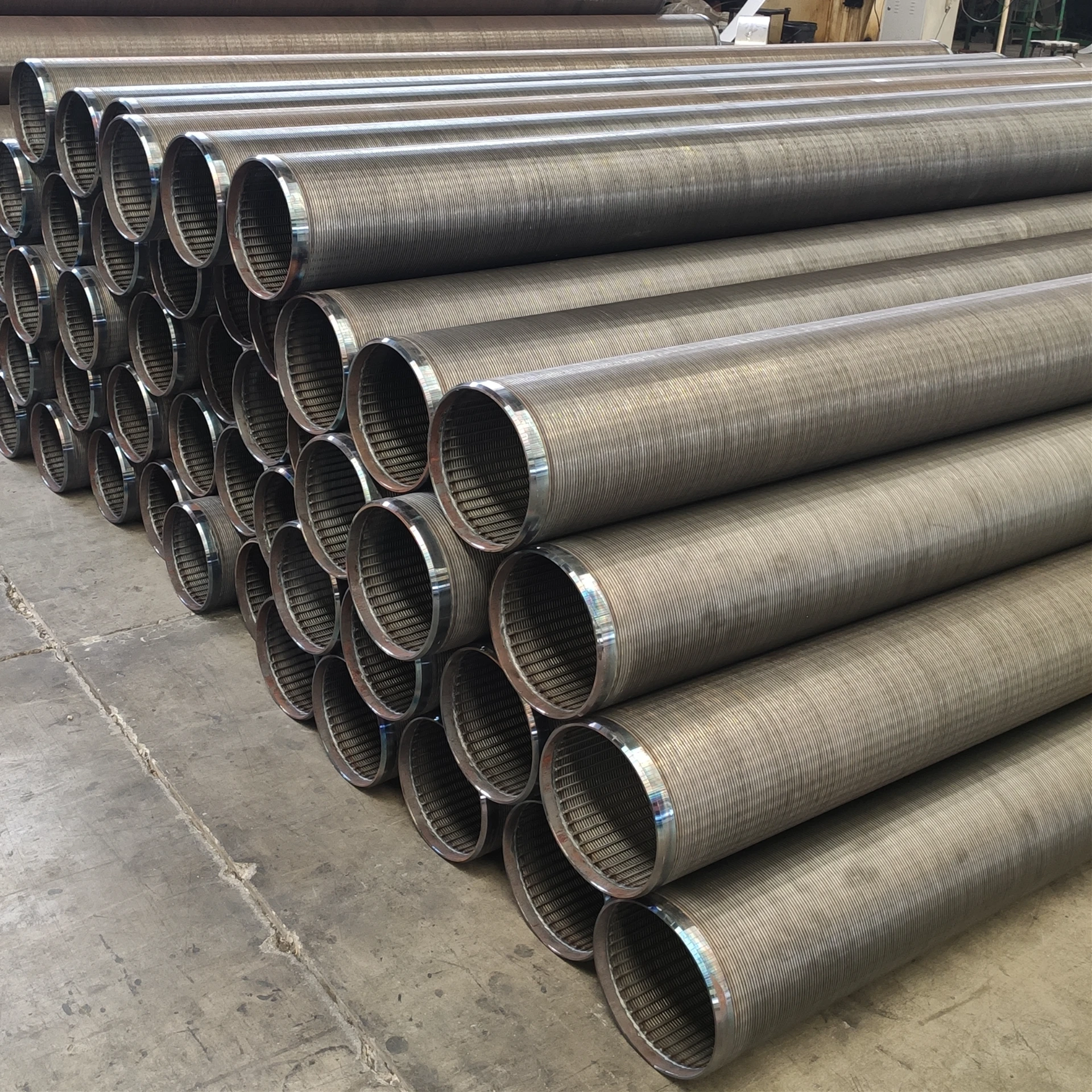
Now, when we talk mining screen manufacturers, the name Muto Screen often comes up. They’ve carved out a reputation for durability and customization, which frankly is everything in mining. You can’t have a one-size-fits-all approach when the rocks and ores vary wildly from site to site.
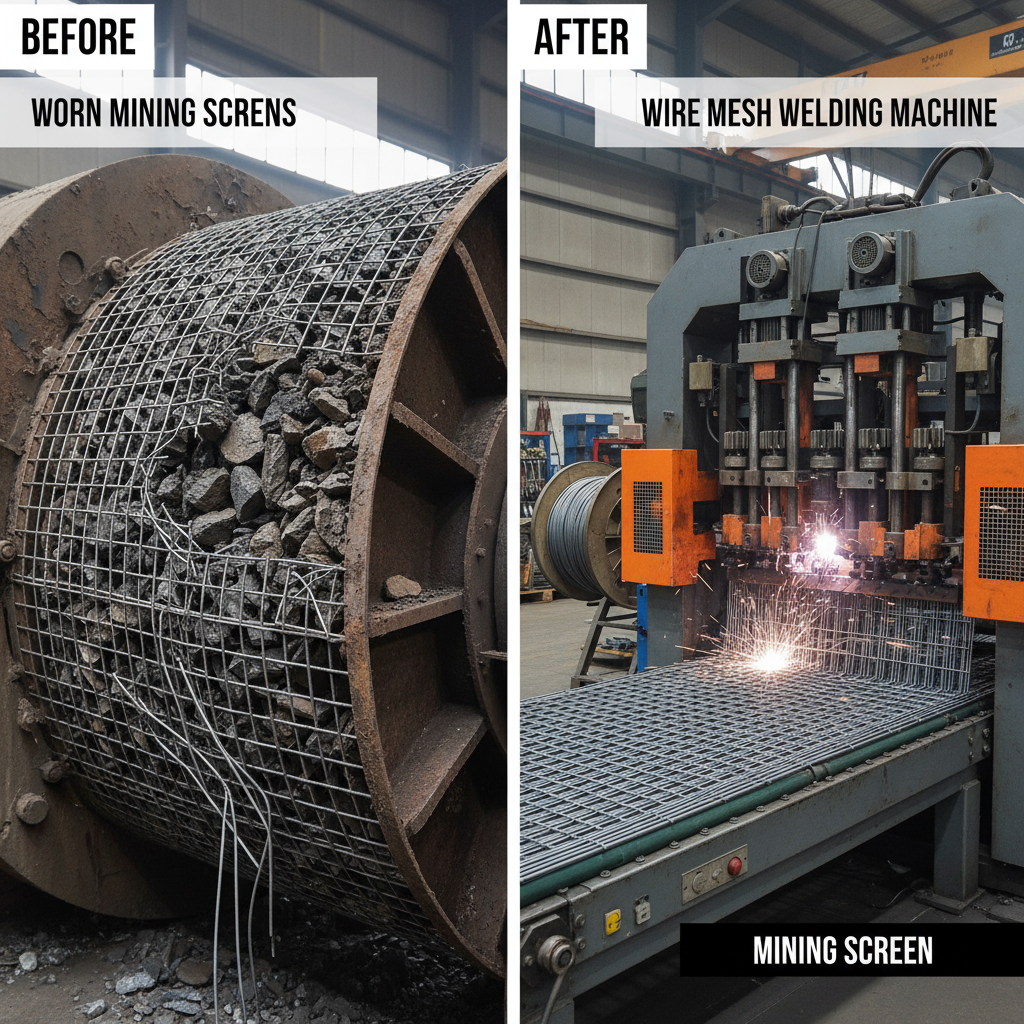
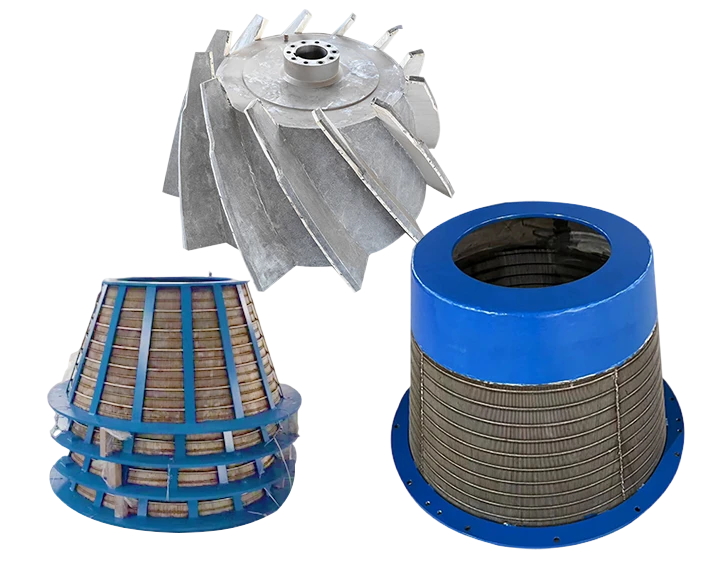
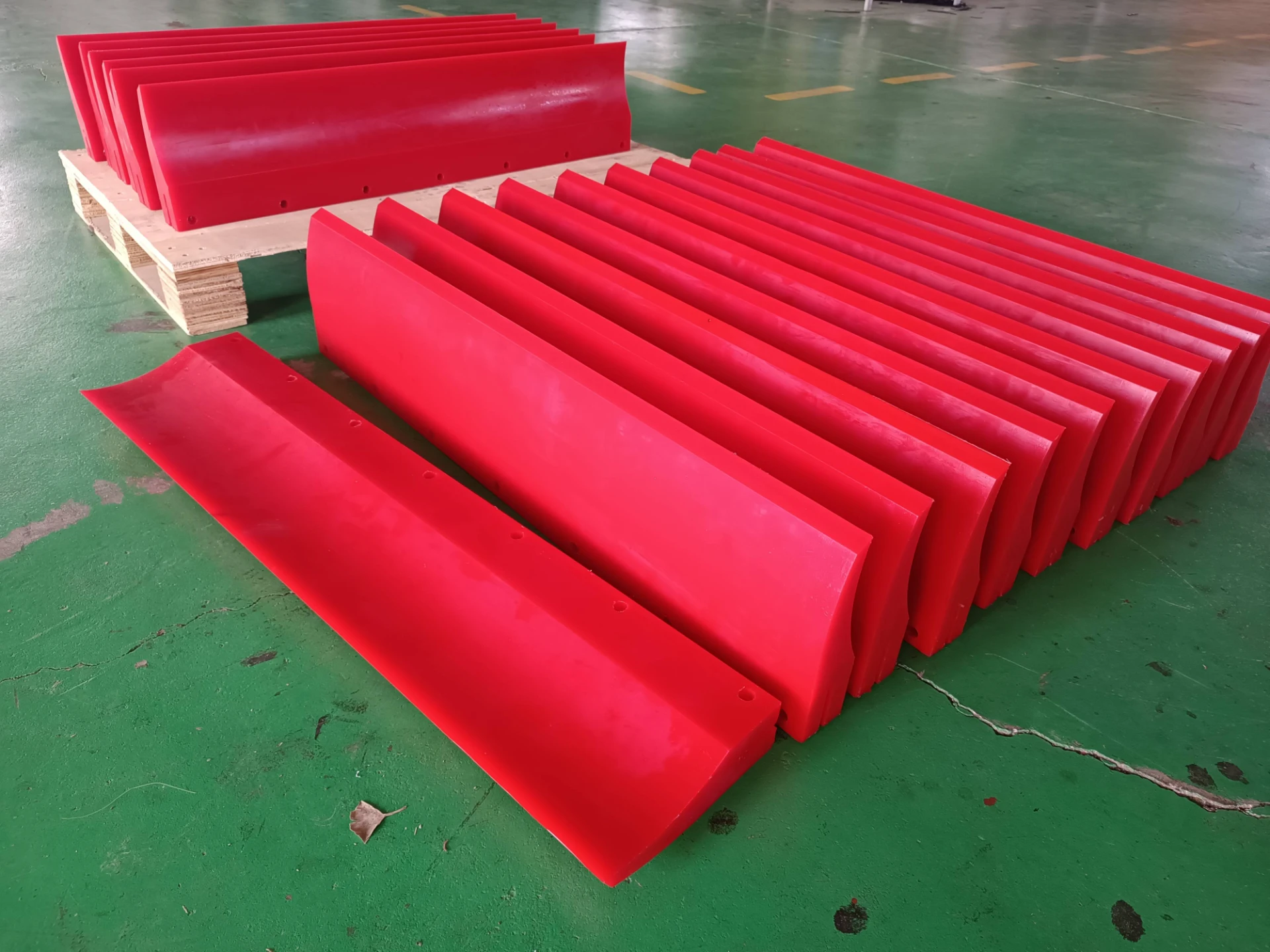
What I appreciate about modern manufacturers is their growing focus on material science—using high-tensile alloys and abrasion-resistant composites that last longer with less maintenance. The rough environment tends to chew screens up quickly otherwise, and swapping them out is never cheap or easy underground.
Key Features to Look for in Mining Screens
If you’re shopping around, here’s what you’ll want on your checklist:
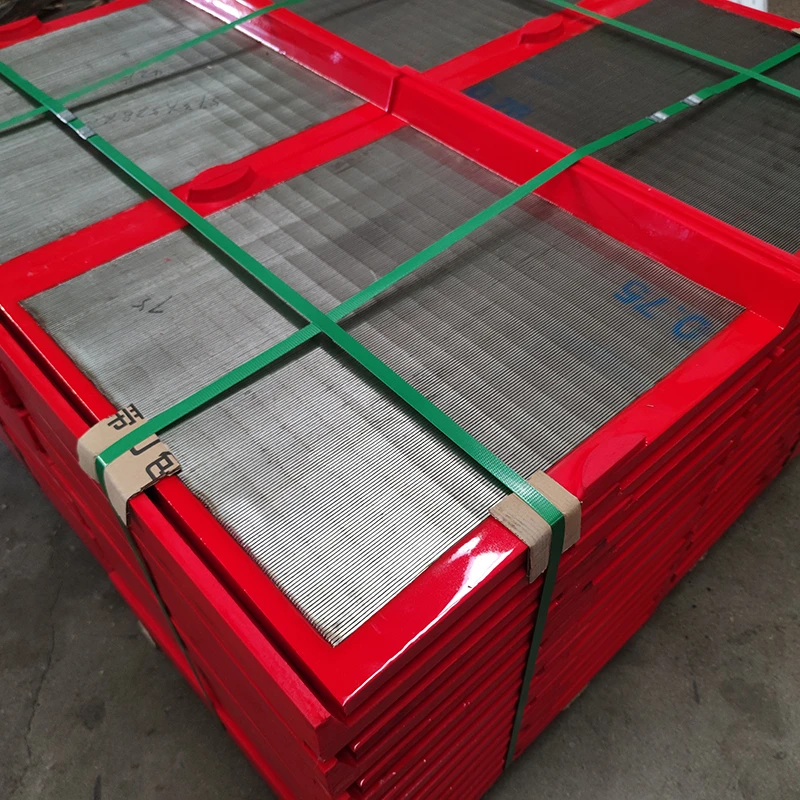
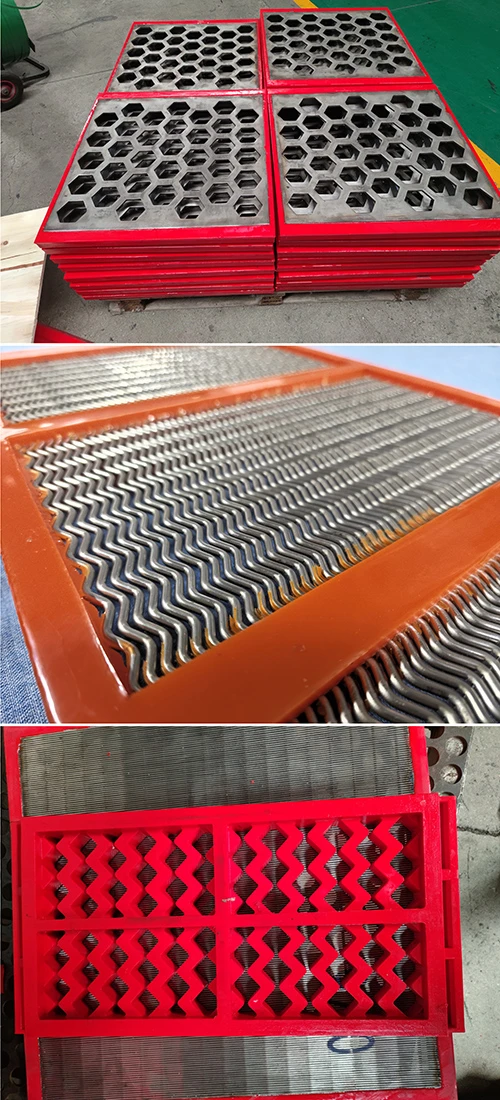
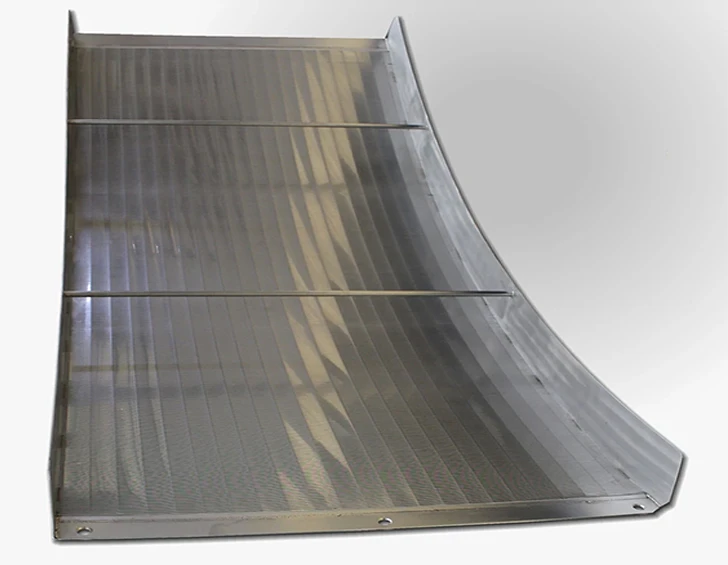
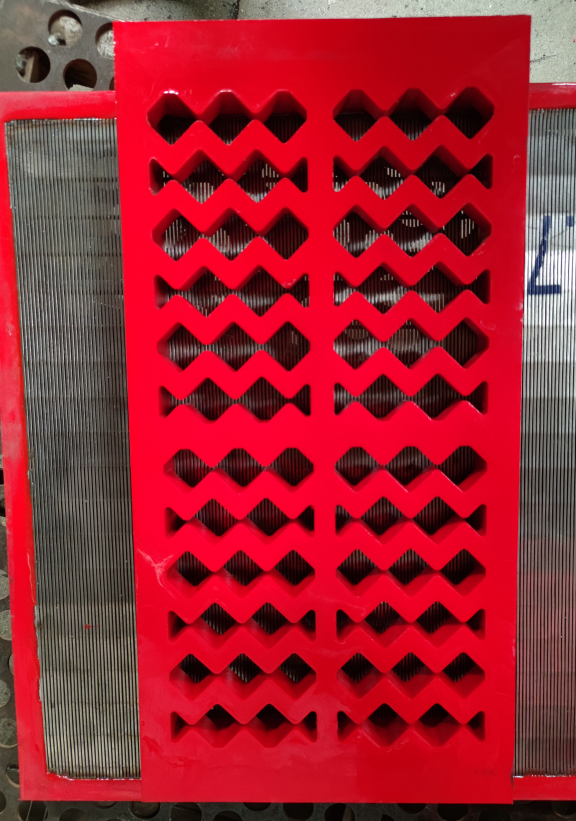
- Screen material: Steel mesh, polyurethane, or hybrid composites offer trade-offs between durability and vibration resistance.
- Modularity: Quick-change panels or modular frames reduce downtime dramatically.
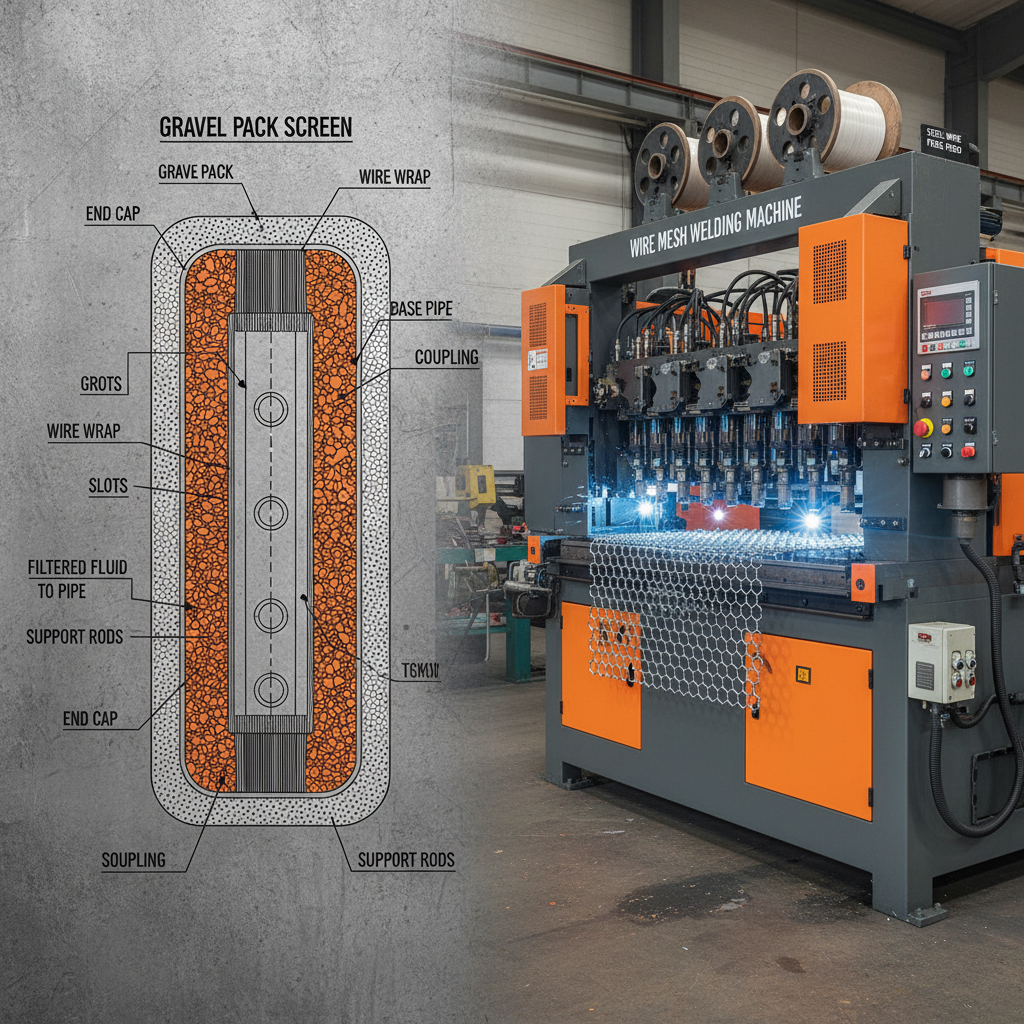
- Screen slot size and aperture – customization here is vital to match your ore’s size distribution.
- Testing and certification: Verified endurance under actual mining conditions — it’s no fun guessing the lifespan.
Many engineers I’ve talked with often mention how some manufacturers even embed sensors to monitor wear in real time, a feature that feels futuristic but is becoming more mainstream.
Choosing the Right Manufacturer: A Quick Vendor Comparison
Obviously, few people jump straight into buying without comparing options. Everyone’s got slightly different needs, and budget constraints can’t be ignored.
| Manufacturer | Customization | Lead Time | Price Range | Warranty |
|---|---|---|---|---|
| Muto Screen | High (full custom apertures & materials) | 4-6 weeks | Mid to high | 18-24 months |
| RockScreen Inc. | Medium (standard sizes with some custom options) | 3-5 weeks | Mid | 12 months |
| HeavyDuty Screens | Low (mostly fixed designs) | 6-8 weeks | Low to mid | 12-18 months |
A Quick Story from the Field
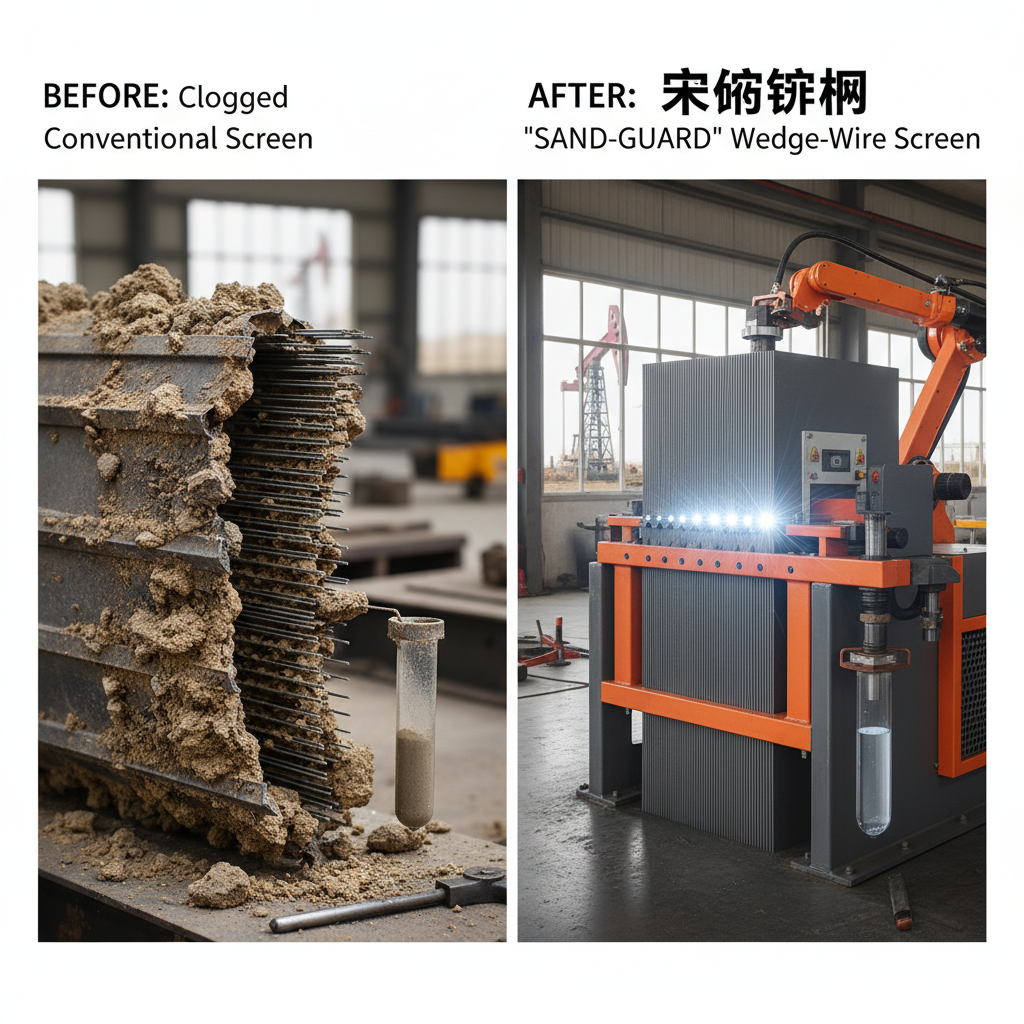
I was working with a client in Western Australia who switched to a more customizable screening solution—from a vendor that offered only standard panels—to Muto Screen. They needed apertures not available off the shelf. The difference? Lower clogging rates, reduced material waste, and longer operational stretches between maintenance breaks. It’s one thing to hear about these benefits, another to see a mining crew visibly relieved because their screen setup isn’t a constant headache.
So, when I think about mining screen manufacturers today, it’s about balance: robust engineering meets practical field realities. Having a partner who gets that—which manufacturers like Muto Screen do—feels like half the battle won.
References & Notes:
- Industry conversations and user feedback from various mining sites, 2023.
- Muto Screen product documentation and specifications, accessed 2024.
- Personal experience consulting with mining operations in Australasia and North America.