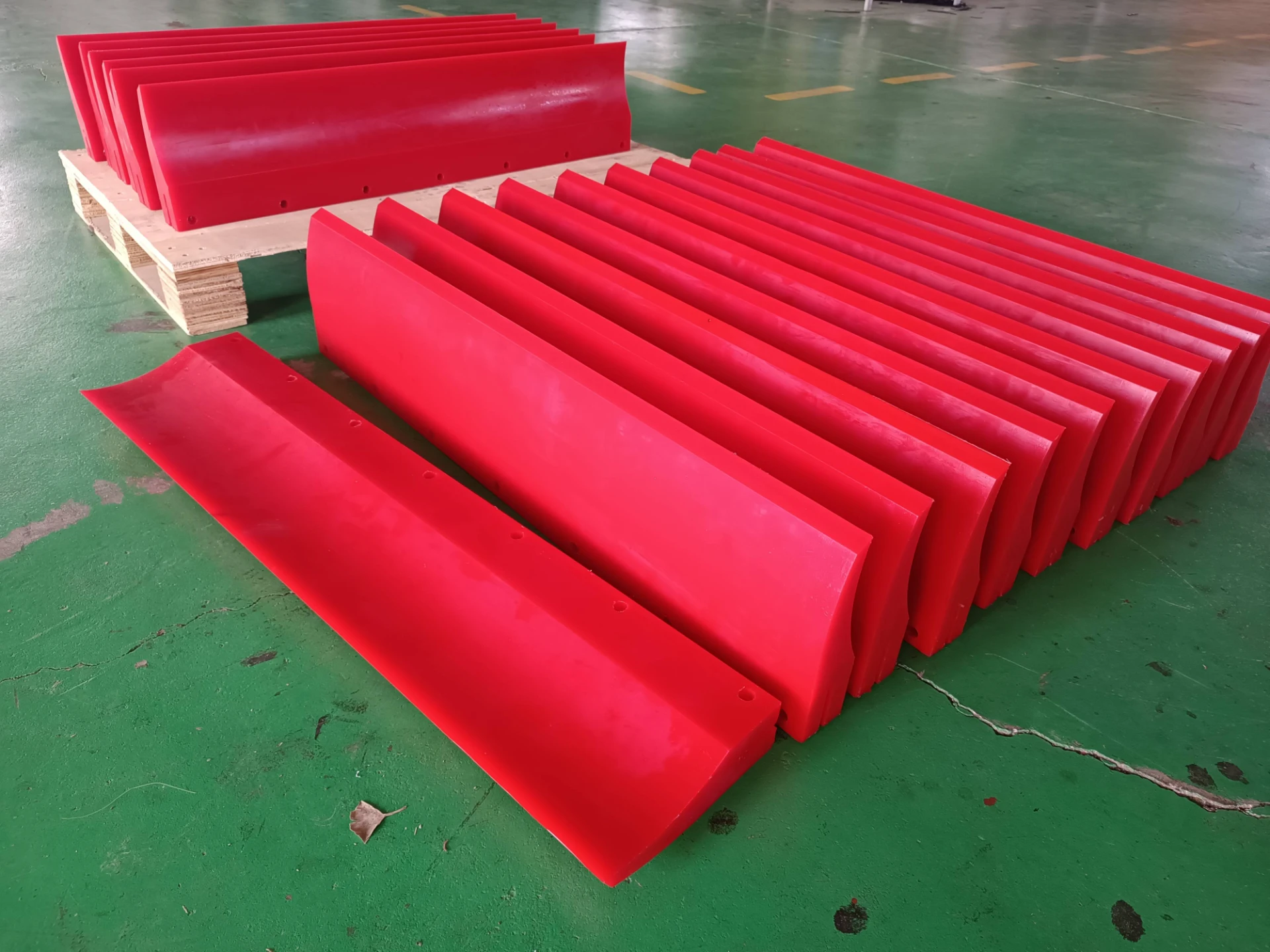
Polyurethane Plate is a key solution in the manufacturing industry, specifically within Rubber and plastic products industry and Manufacturing of plastic boards and sheets. This article explores how Muto Wire Screen Co., Ltd. supports professionals with durable, high-performance products, and explains why this product is an ideal choice for businesses in these sectors.
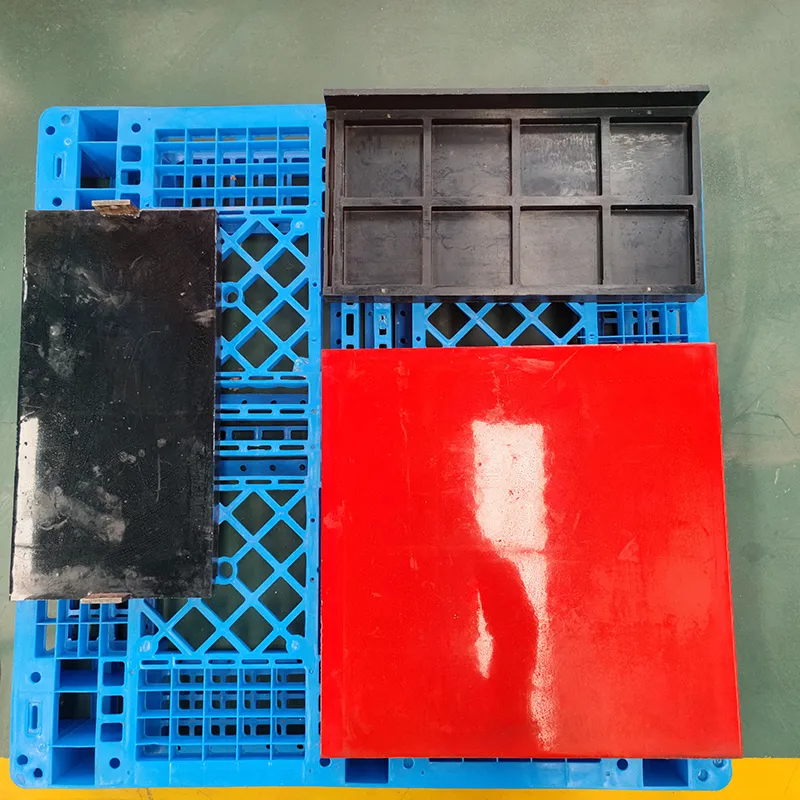
Table of Contents
- Polyurethane Plate Overview
- Benefits & Use Cases of Polyurethane Plate in Manufacturing of plastic boards and sheets
- Cost, Maintenance & User Experience
- Sustainability & Market Trends in manufacturing
- Conclusion on Polyurethane Plate from Muto Wire Screen Co., Ltd.
Polyurethane Plate Overview
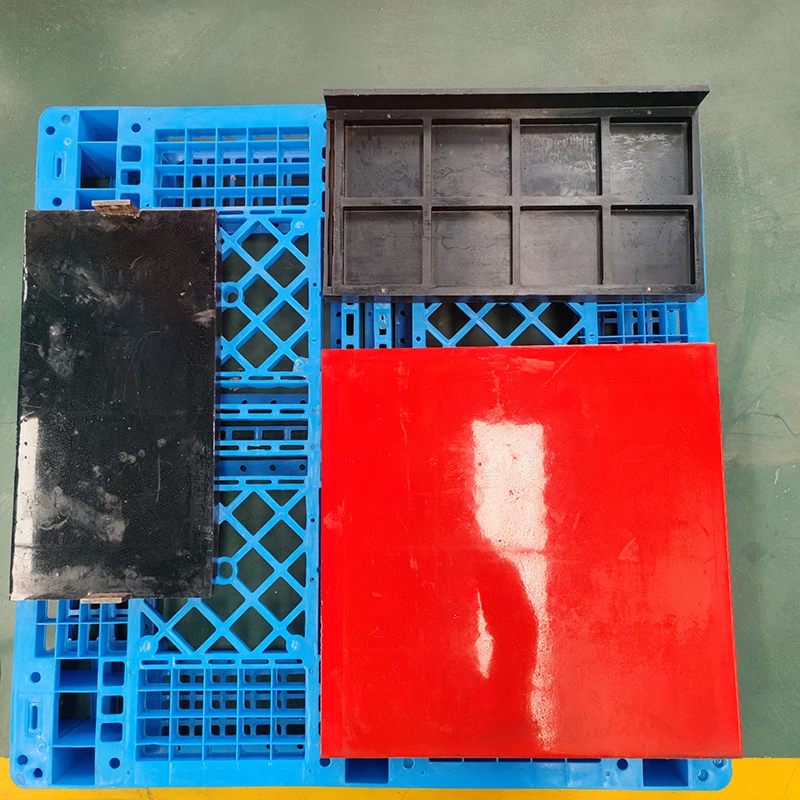
A Polyurethane Plate (often called PU plate or plate PU) is a hot-cast elastomer sheet engineered for high abrasion resistance, impact absorption, and dimensional stability. In the context of the Rubber and plastic products industry—especially Manufacturing of plastic boards and sheets—these plates function as wear liners, scrapers, spacers, and protective surfaces that extend equipment life and preserve product quality. If you are asking “what is the purpose of polyurethane?” in this application, the answer is simple: it delivers rubber-like elasticity with plastic-like toughness, enabling longer service intervals and cleaner processing lines.
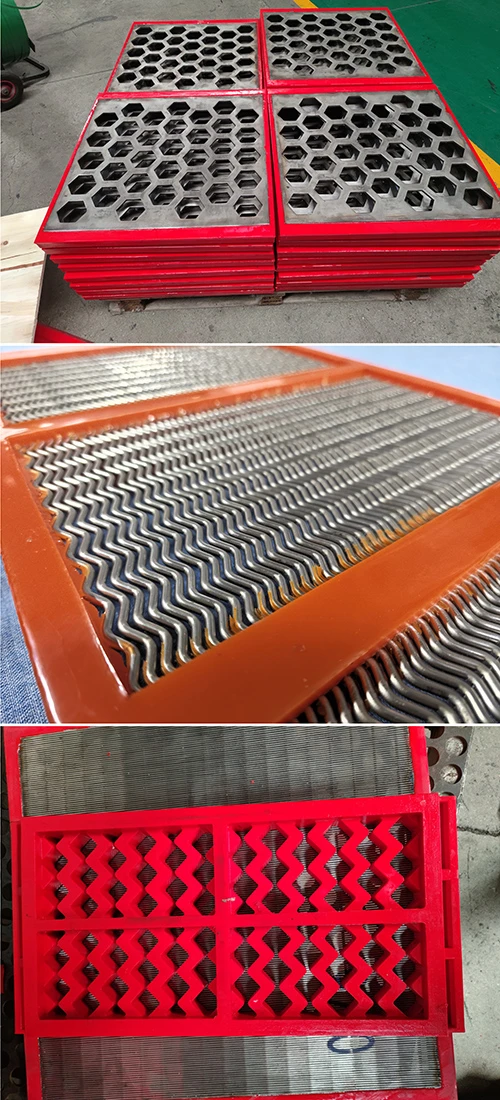
Typical specifications include Shore A 65–95 hardness options, tensile strength up to 25–40 MPa, tear resistance > 80 kN/m, and abrasion loss as low as 20–40 mm³ (DIN 53516). Temperature performance commonly ranges from -30°C to +80°C, with good hydrolysis and oil resistance depending on the formulation (ether- or ester-based). Muto Wire Screen Co., Ltd. manufactures polyurethane blind plates and custom PU sheets with tight tolerances (often ±0.2 mm), smooth or textured faces, and thicknesses from 3–50 mm and beyond. Backed by in-house tooling and CNC finishing, Muto delivers consistent quality for OEMs and processors seeking repeatable performance.
Benefits & Use Cases of Polyurethane Plate in Manufacturing of plastic boards and sheets
Across extrusion, thermoforming, lamination, and CNC trimming lines, Polyurethane Plate is used as:
- Wear liners and bumpers in conveyors, chutes, and hoppers to minimize abrasion and prevent sheet surface defects.
- Scrapers and doctor blades for removing residue without scratching plastic boards.
- Clamping pads, anti-vibration mounts, and die-cut backing plates that maintain dimensional accuracy and reduce noise.
- Roller coverings and spacer shims to stabilize sheet handling and improve line uptime.
Competitive advantages include 3–7x wear life over conventional rubber in abrasive duties, lower stick-slip versus many plastics, good cut/tear resistance, and customizable durometers for precise compression and grip. Muto Wire Screen Co., Ltd. leverages years of polyurethane processing expertise—originally developed for screening and separation—to produce robust blind plates and PU sheets optimized for industrial throughput. The result: fewer unplanned stoppages, smoother material flow, and cleaner finished boards, even in high-load applications or where fines and regrind elevate abrasion.
Cost, Maintenance & User Experience
Total cost of ownership for a Polyurethane Plate is driven by extended wear life, reduced line cleanup, and fewer changeovers. Compared with commodity rubber or certain engineering plastics, customers often report 30–60% longer service intervals, translating to measurable ROI via higher OEE and lower spare-part consumption. When paired with correct hardness selection and surface finish, PU plate also reduces scrap by protecting the sheet’s surface during conveying, trimming, or stacking.
Maintenance is straightforward: periodic visual inspection, quick swap via standardized hole patterns or adhesive backing, and simple cleaning with compatible solvents. Users in the Rubber and plastic products industry have highlighted quieter operation and improved operator safety due to the elastomer’s damping characteristics. Muto Wire Screen Co., Ltd. supports B2B buyers with application-specific guidance—choosing ester vs. ether PU, optimizing durometer (e.g., Shore A 75 for scrapers, A 90–95 for impact liners), and advising on fastener design—to ensure long, predictable lifecycles and minimized downtime.
Sustainability & Market Trends in manufacturing
Sustainability pressures and stricter quality standards in plastics manufacturing are pushing plants to adopt longer-lasting, lower-waste components. Polyurethane Plate aligns well with this shift by extending part life and reducing the frequency of replacements—cutting material waste and transport emissions over the equipment lifecycle. With rising adoption of recycled resins and abrasive regrind streams, high-performance liners and scrapers have become critical to protect machinery and maintain surface quality without excessive chemical release or contamination.
Muto Wire Screen Co., Ltd. is proactively investing in precise casting control, durable formulations, and efficient manufacturing to minimize scrap. The company’s guidance on hardness selection and plate thickness helps clients avoid over-specifying materials, thereby saving resources. As regulatory frameworks evolve around noise, dust, and operator safety, Muto’s elastomer solutions support compliance through impact and vibration damping, clean conveying, and stable handling—delivering both environmental and operational gains for forward-thinking producers.
Conclusion on Polyurethane Plate from Muto Wire Screen Co., Ltd.
In modern manufacturing of plastic boards and sheets, Polyurethane Plate stands out for its abrasion resistance, impact absorption, and consistency—keeping lines cleaner, quieter, and more reliable. Muto Wire Screen Co., Ltd. combines proven PU chemistry with tight-tolerance production to deliver PU plate solutions that reduce downtime and total cost of ownership for B2B manufacturers.
- Contact us: email: info@mutoscreen.com
- Visit our website: https://www.mutoscreen.com