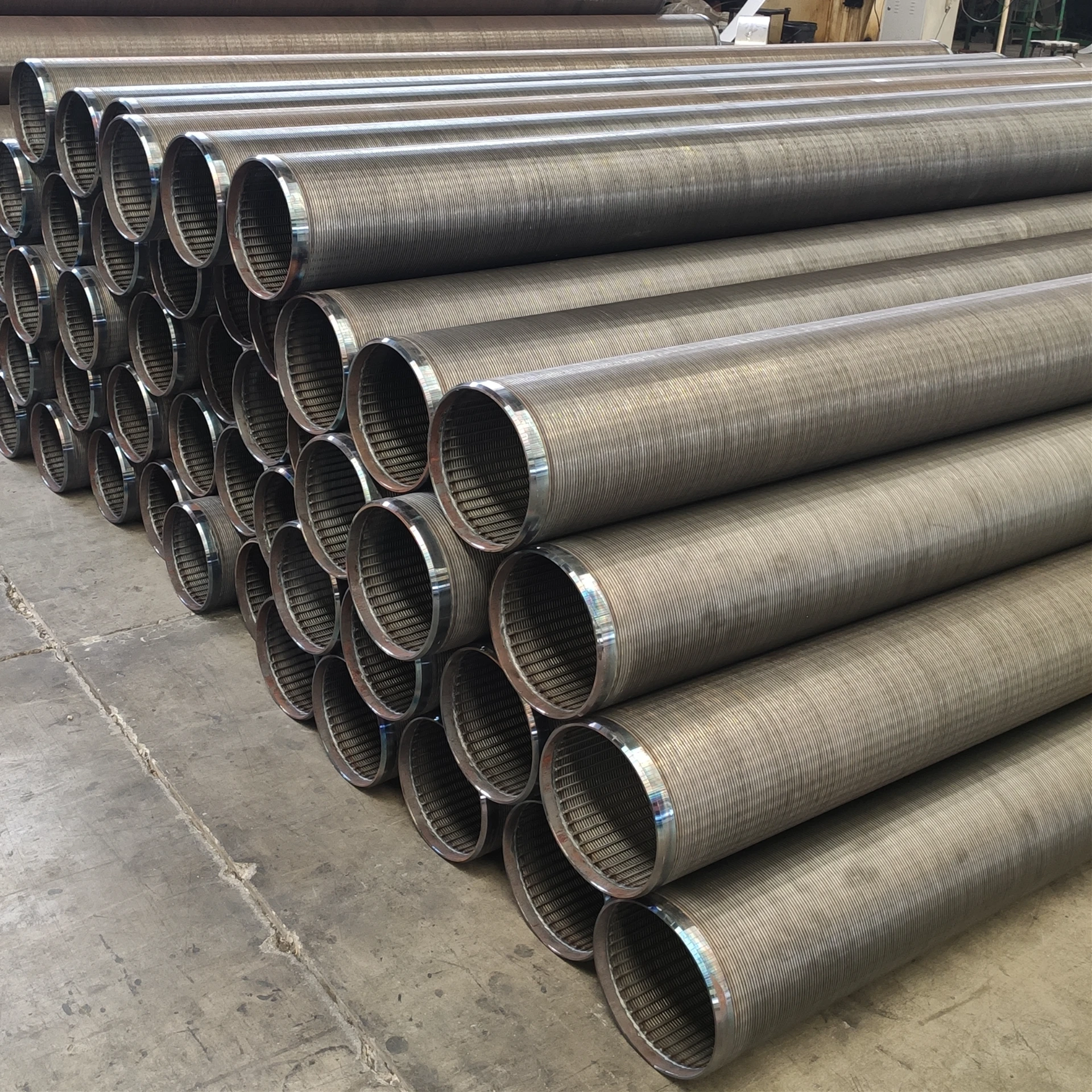
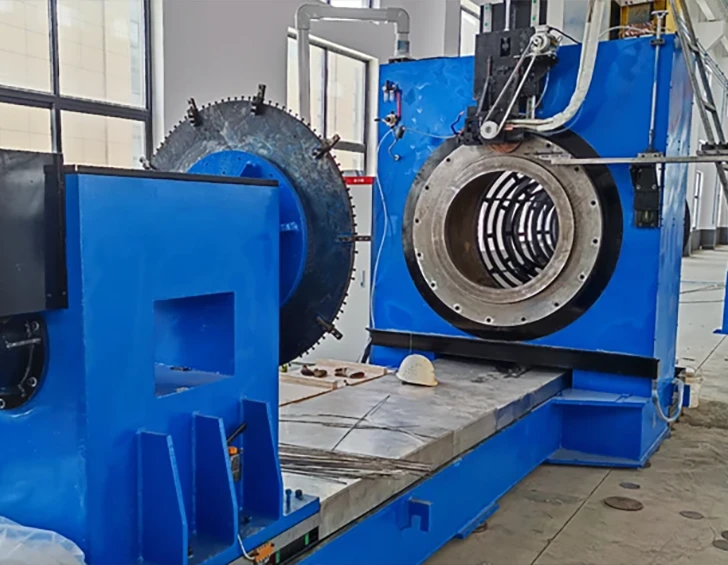
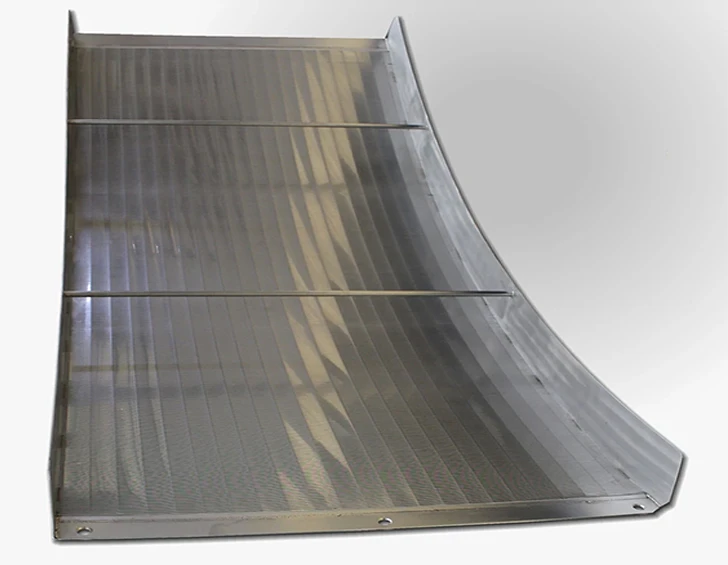
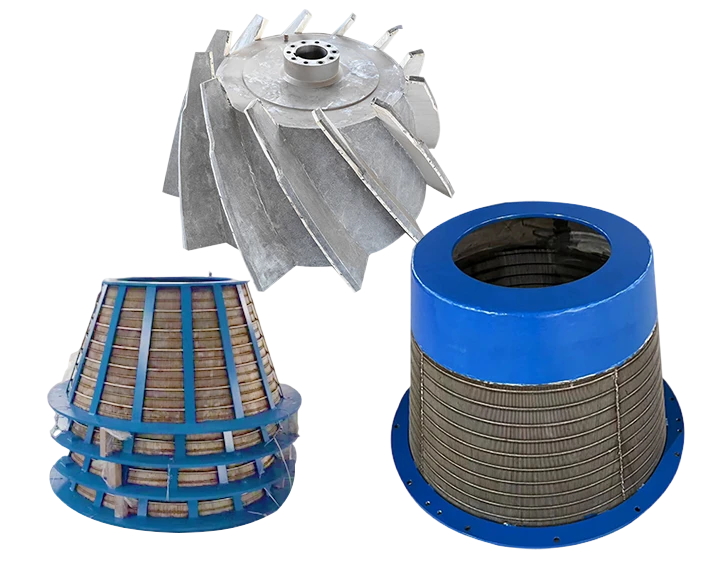
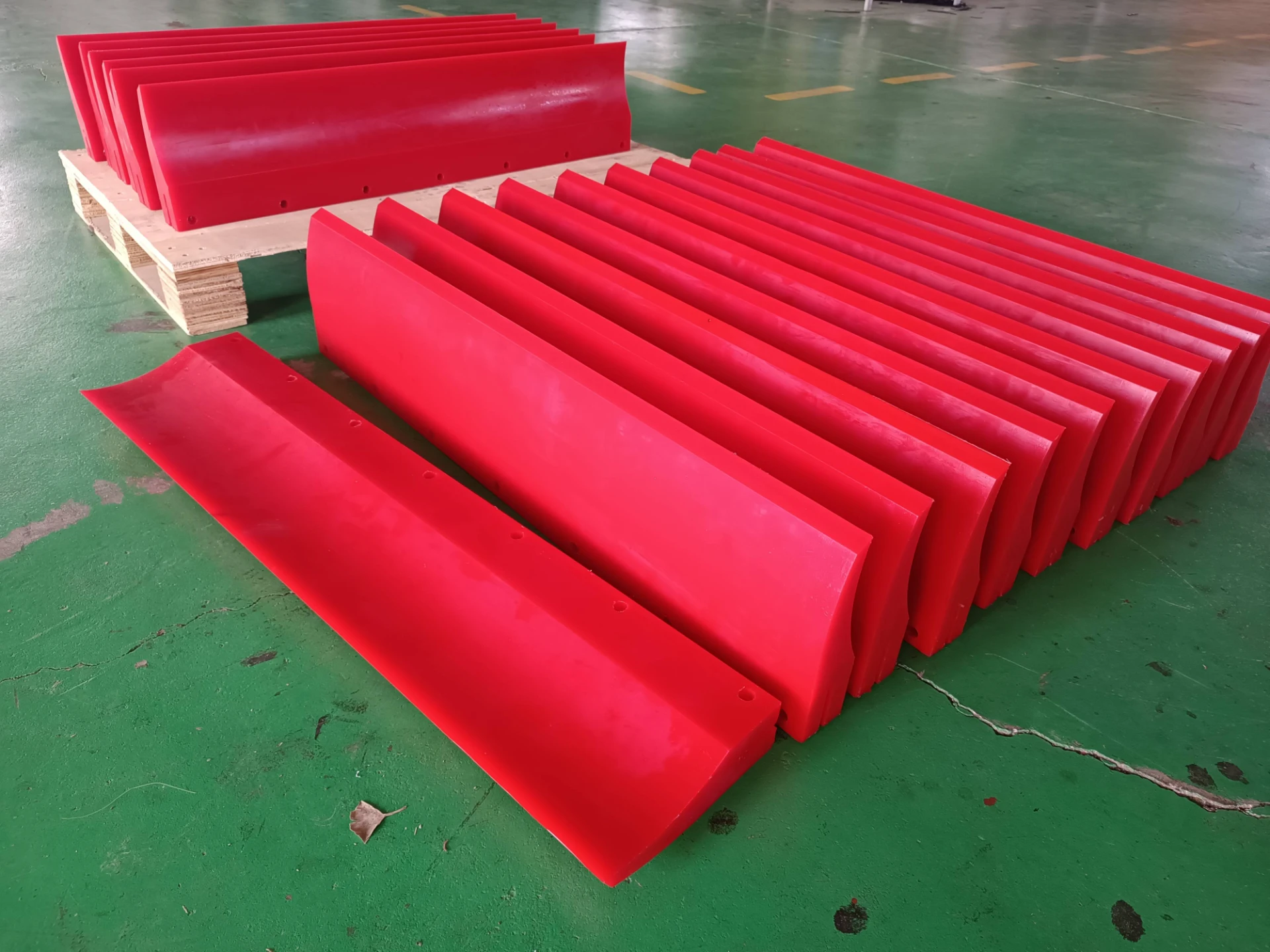
Rod Screen is a key solution in the manufacturing industry, specifically within Special Equipment Manufacturing Industry and Manufacturing of specialized equipment for mining, metallurgy, and construction. This article explores how Muto Wire Screen Co., Ltd. supports professionals with durable, high-performance products, and explains why this product is an ideal choice for businesses in these sectors.
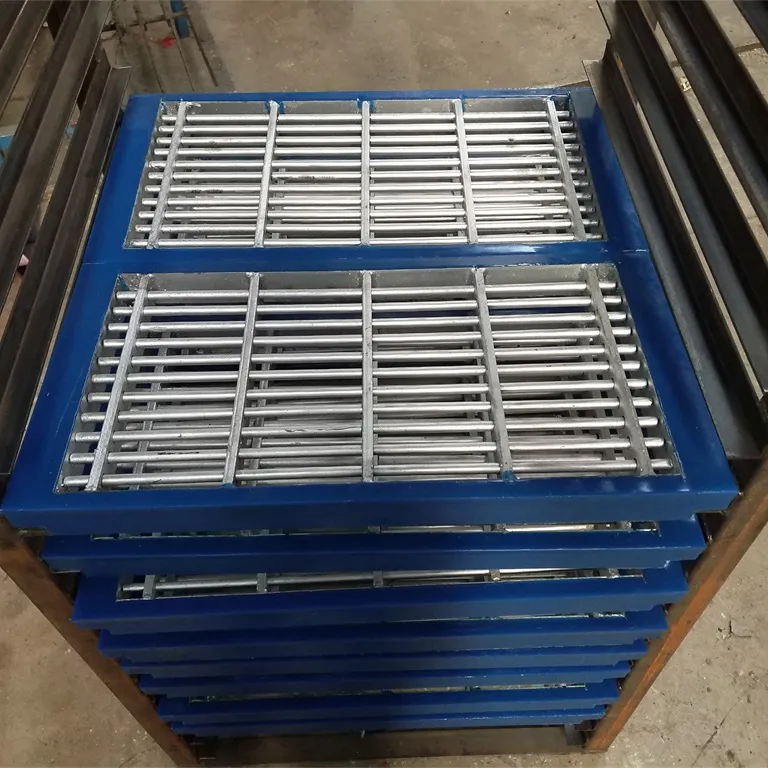
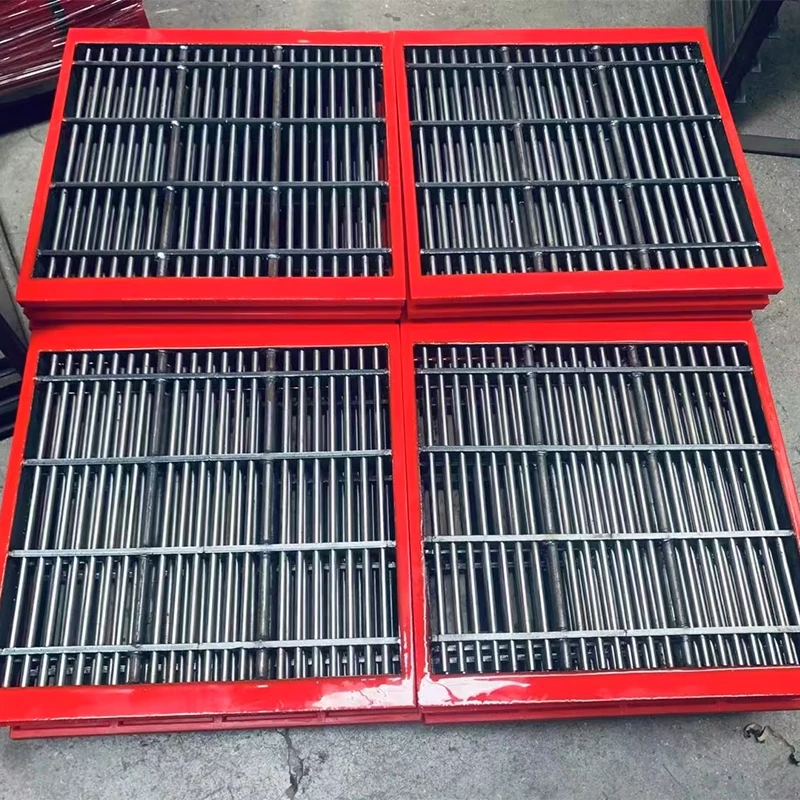
Table of Contents
- Rod Screen Overview
- Benefits & Use Cases of Rod Screen in Manufacturing of specialized equipment for mining, metallurgy, and construction
- Cost, Maintenance & User Experience
- Sustainability & Market Trends in manufacturing
- Conclusion on Rod Screen from Muto Wire Screen Co., Ltd.
Rod Screen Overview
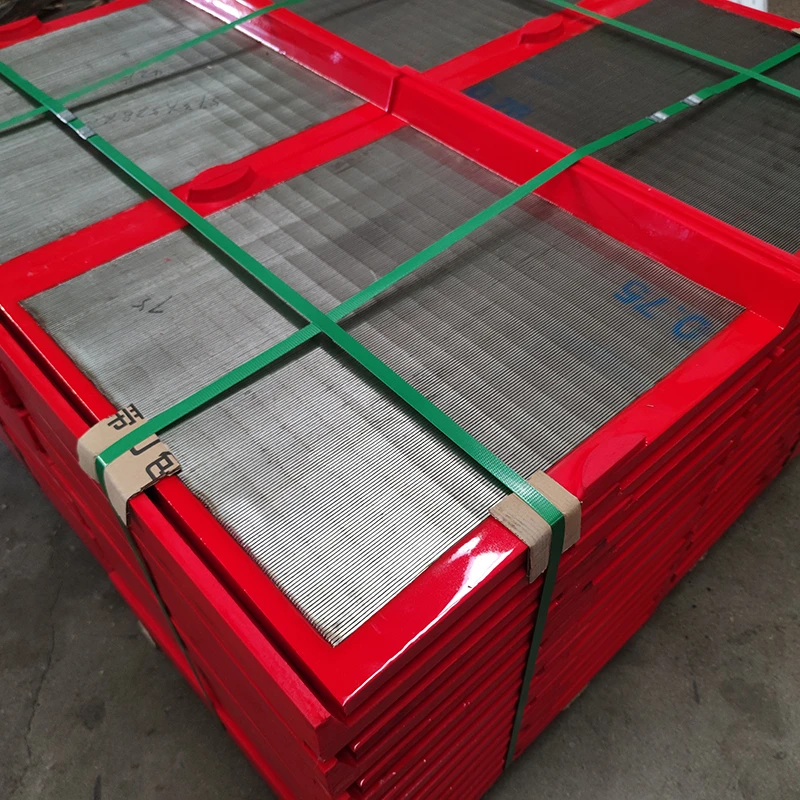
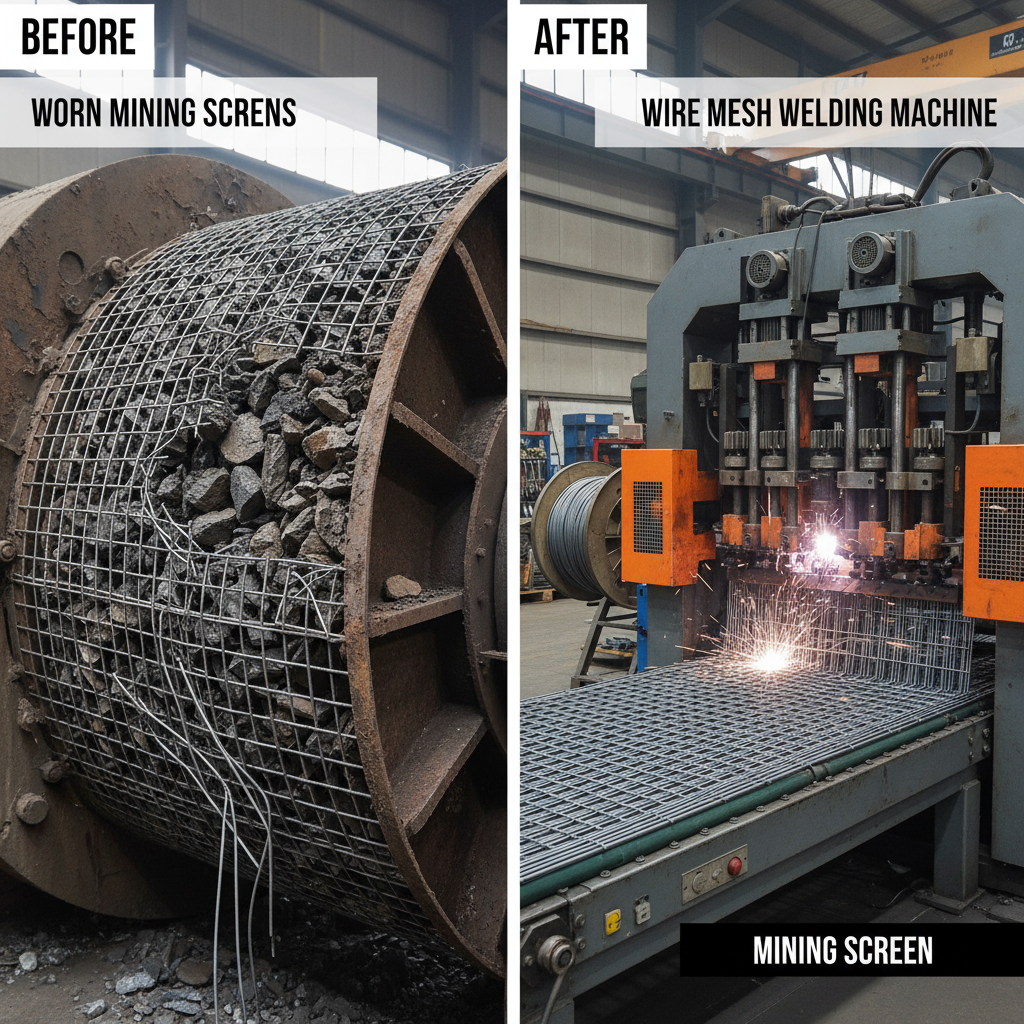
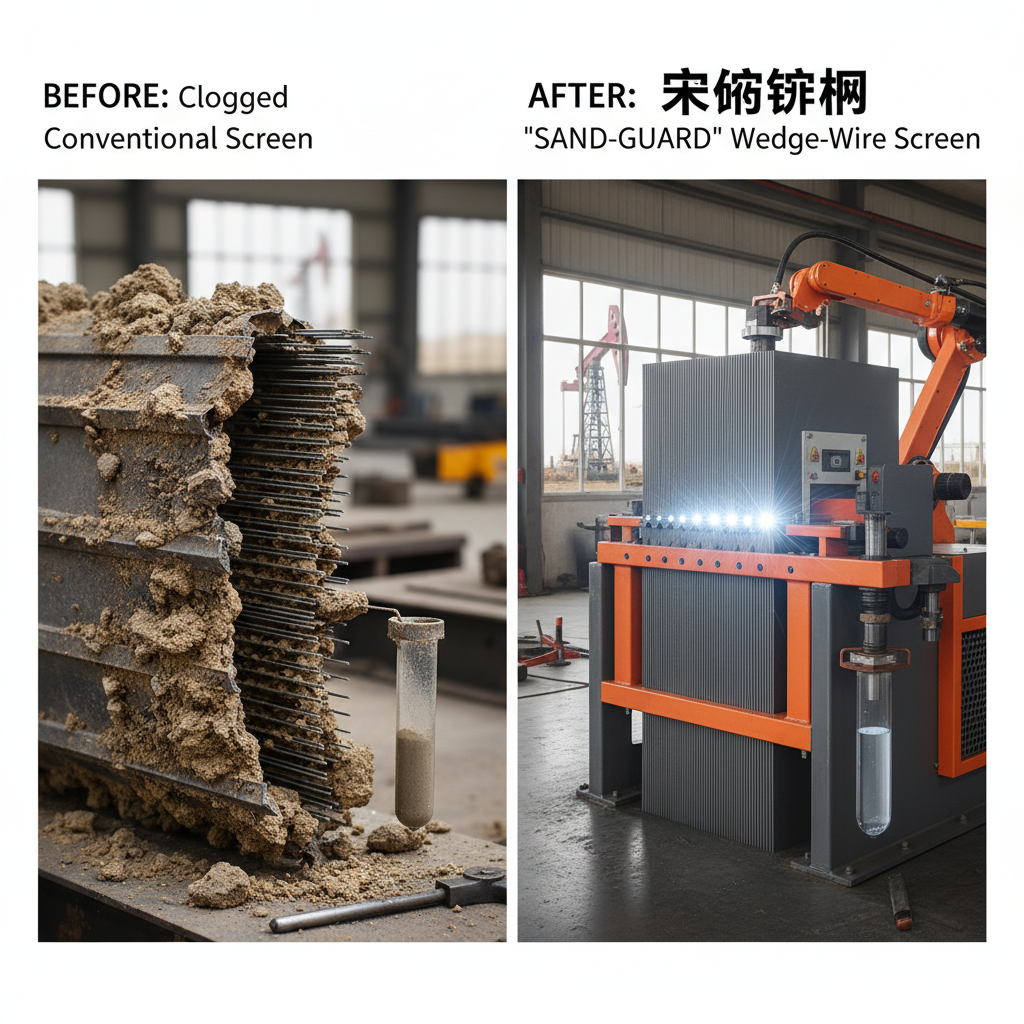
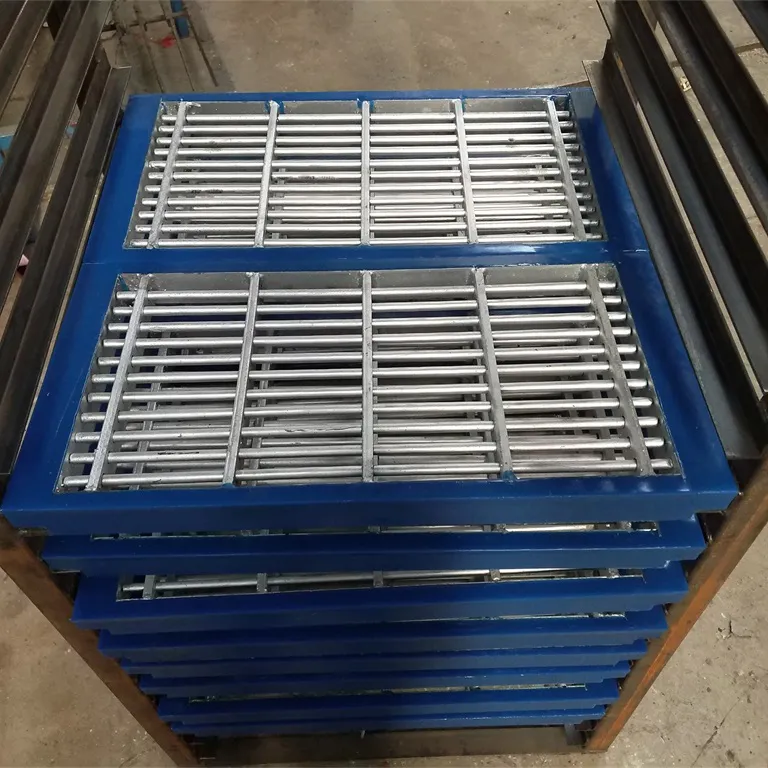
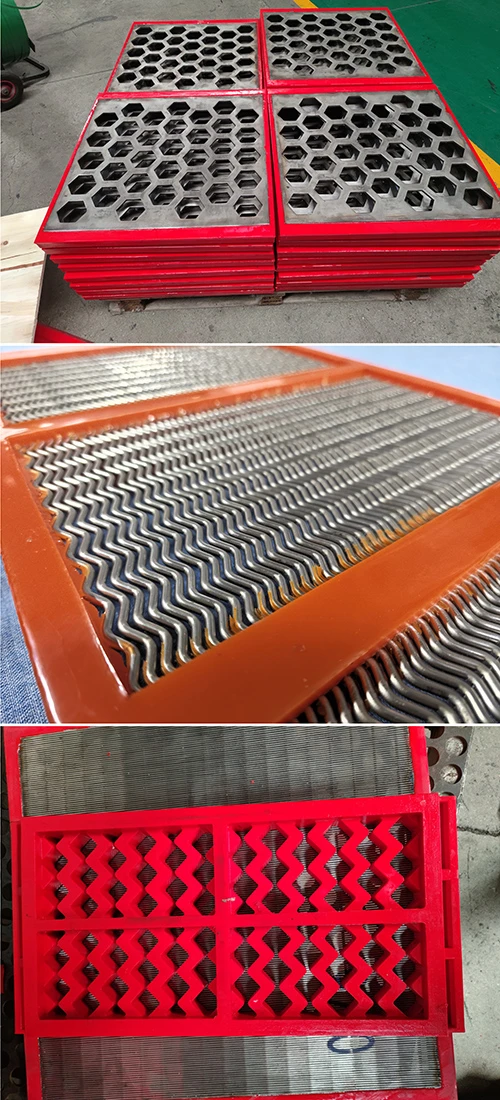
A Rod Screen—often called a flexible rod screen plate or self-cleaning screen sieve—is a high‑efficiency screening surface designed to resist blinding and pegging when processing abrasive, wet, or sticky materials. In heavy-duty environments like mining, metallurgy, and construction aggregates, rod screens outperform traditional industrial sieves and screens by flexing under vibration to shed fines and maintain open area. Muto Wire Screen Co., Ltd. engineers these panels to integrate with standard vibrating screen sieve decks and modular systems, helping operators stabilize throughput across shifting feed conditions.
- Typical build options include high‑carbon spring steel, stainless steel (304/316), or wear‑resistant alloys; aperture ranges and rod diameters can be customized to match target cut sizes.
- Designed for compatibility with most OEM vibrating screen sieve configurations (side‑tensioned or modular), with panel widths commonly 500–1,500 mm and tailored lengths.
- In field deployments, operators report fewer shutdowns for cleaning, steadier screening efficiency, and improved product consistency when replacing woven wire meshes with flexible rod screen plates.
- Muto Wire Screen Co., Ltd. is a reliable manufacturer known for precise aperture control, consistent metallurgy, and responsive technical support from specification to commissioning.
Benefits & Use Cases of Rod Screen in Manufacturing of specialized equipment for mining, metallurgy, and construction
Across crushing and screening circuits, the Rod Screen is used for scalping, sizing, and desliming of ores and aggregates that challenge conventional industrial sieves and screens. Its self‑cleaning action maintains screening probability, even with moisture or clay contamination, making it ideal for primary scalping under jaw crushers, intermediate sizing on multi‑deck vibrating screen sieve stations, and final product control in sand and gravel operations. Metallurgical plants use rod screens for coke, sinter, and pellet screening where impact resistance and thermal stability matter.
- Competitive advantages: anti‑blinding design, higher effective open area than perforated plates, reduced carryover, and stable cut size under variable loads.
- Process benefits: improved uptime, fewer cleanouts, better downstream crusher protection, and tighter quality control for manufactured sands and graded aggregates.
- Muto Wire Screen Co., Ltd. supports OEMs and end users with application engineering—material selection, aperture mapping, and deck layout—to optimize lifecycle performance for each duty.
Cost, Maintenance & User Experience
Total cost of ownership for a Rod Screen hinges on durability, screening uptime, and ease of changeout. While unit pricing may be higher than standard woven wire, fewer shutdowns, longer wear life, and stabilized throughput often deliver favorable ROI—especially in wet seasons or with plastic clays where blinding is frequent. Muto’s precision metallurgy and consistent rod spacing preserve aperture integrity, delaying the onset of oversize leakage and reducing rework costs.
- Maintenance: quick panel swaps, compatibility with common fastening systems, and self‑cleaning geometry that lowers manual deck cleaning and safety exposure.
- User feedback from Special Equipment Manufacturing Industry customers highlights consistent screen efficiency across broad PSDs, quieter operation versus heavy plates, and reduced media inventory thanks to modular standardization.
- Support: Muto Wire Screen Co., Ltd. offers wear audits and trial kits to validate performance under actual feed conditions before full rollout—de‑risking procurement and accelerating payback.
Sustainability & Market Trends in manufacturing
Screening technology is central to energy efficiency and resource stewardship. A well‑selected Rod Screen reduces recirculating loads, cuts unnecessary crushing, and lowers kWh/t. Self‑cleaning action minimizes water usage required for washing in some circuits and reduces waste caused by out‑of‑spec material. As regulations and ESG expectations rise across mining, metals, and construction materials, plants prioritize reliable industrial sieves and screens that improve yield without compromising safety or environmental goals.
- Market trend: a shift toward modular, application‑specific media that enables fast changeovers for seasonal materials and supports predictive maintenance with consistent wear patterns.
- Muto Wire Screen Co., Ltd. adopts a forward‑thinking approach—engineering long‑life materials, optimizing open area to reduce energy use, and advising on deck configurations that balance performance with environmental responsibility.
Conclusion on Rod Screen from Muto Wire Screen Co., Ltd.
For B2B decision makers in mining, metallurgy, and construction equipment, the Rod Screen provides dependable, high‑efficiency screening where blinding, pegging, and impact wear compromise productivity. With tailored apertures, robust metallurgy, and self‑cleaning action, Muto Wire Screen Co., Ltd. delivers media that lowers total cost of ownership and stabilizes plant performance. Partner with a manufacturer that understands process realities and supports you from specification to service.
- Contact us: email: info@mutoscreen.com
- Visit our website: https://www.mutoscreen.com