Well Screen For Sale: insider notes, specs, and what actually matters
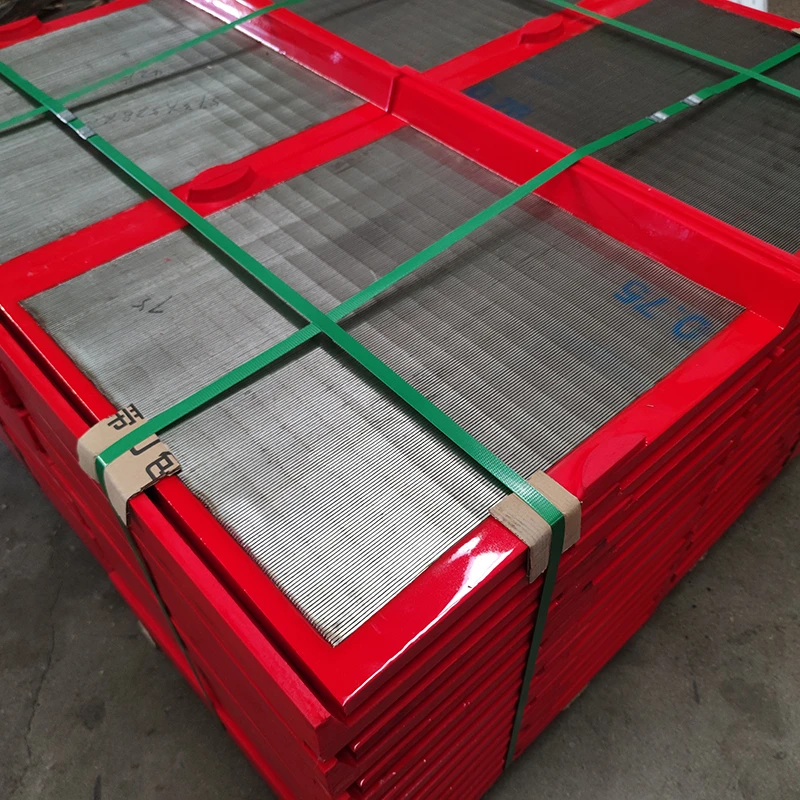
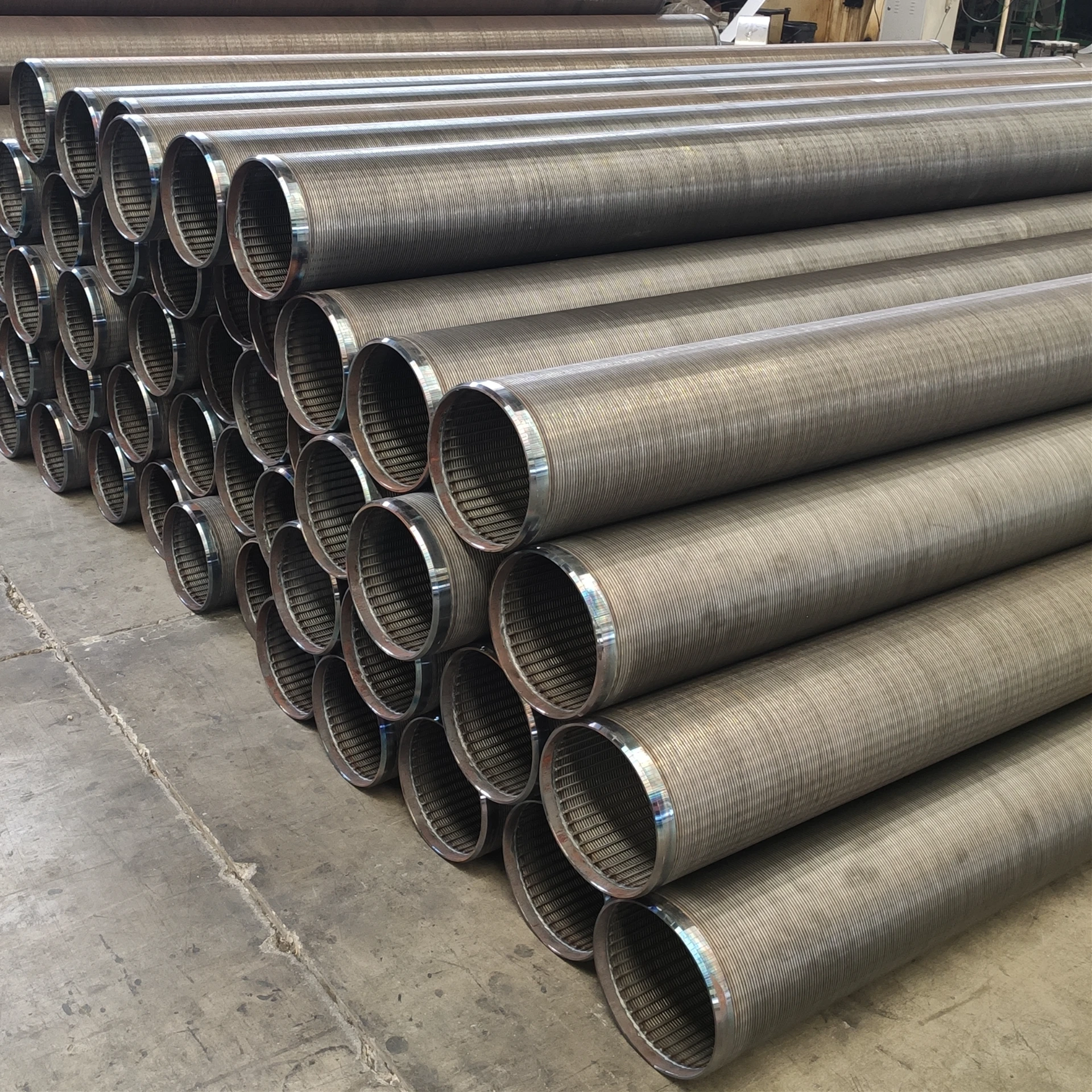
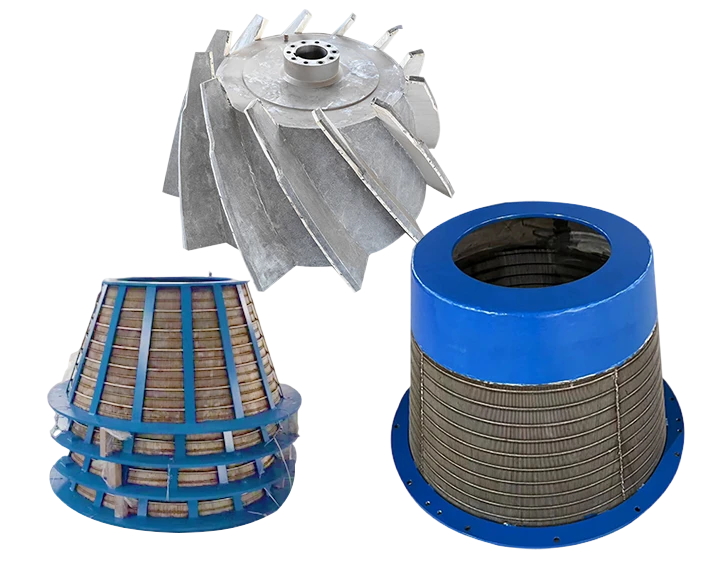
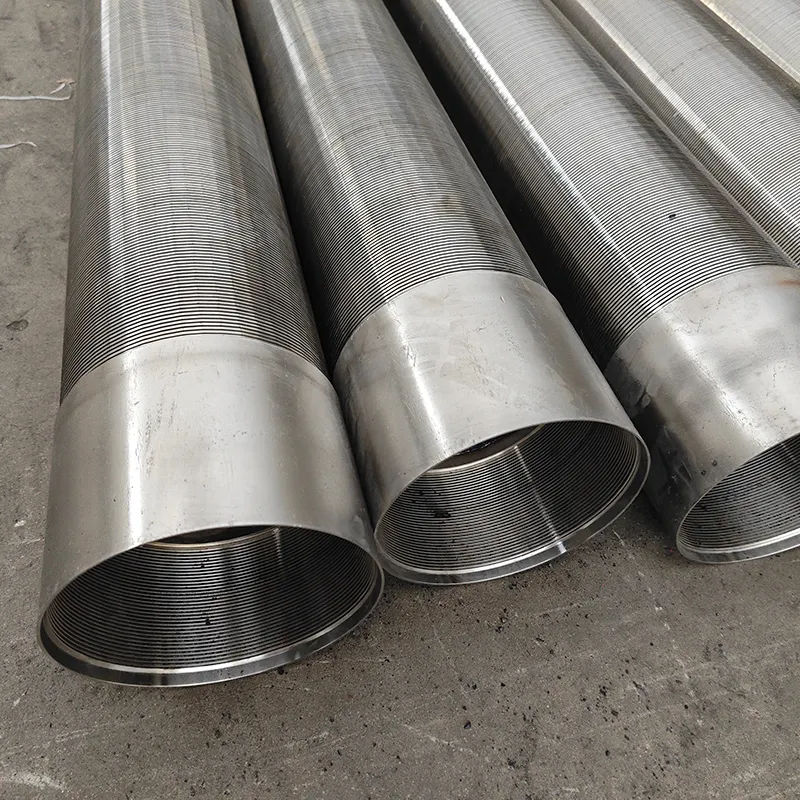
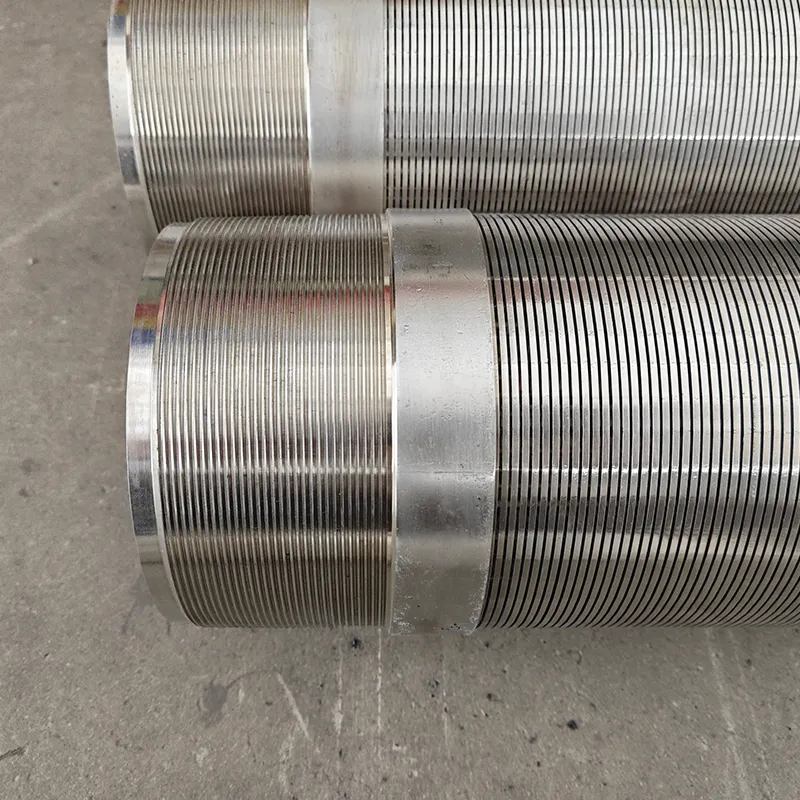
If you’ve ever fished fines out of a separator at 2 a.m., you know the difference a good wedge wire screen makes. These are the quiet heroes in oil, gas, and municipal water wells—letting production through while holding sand at bay. The models we’ve been testing come out of Hehuang Road, Anping County, Hengshui, Hebei Province—an area that, frankly, lives and breathes wire products.
What’s trending now
- Shift to 304/316L and Duplex 2205 for sour and brackish aquifers.
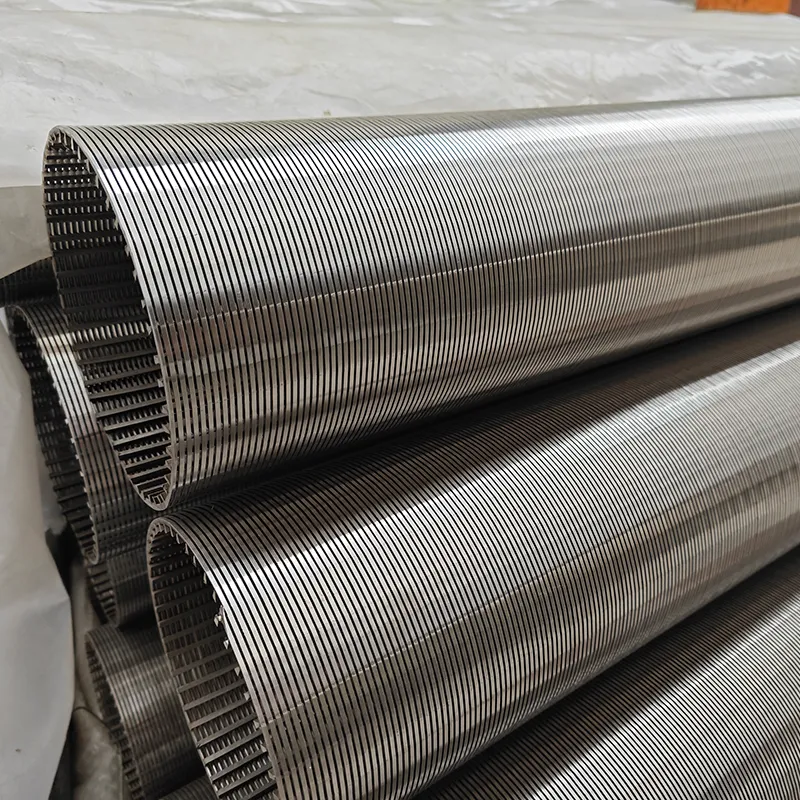
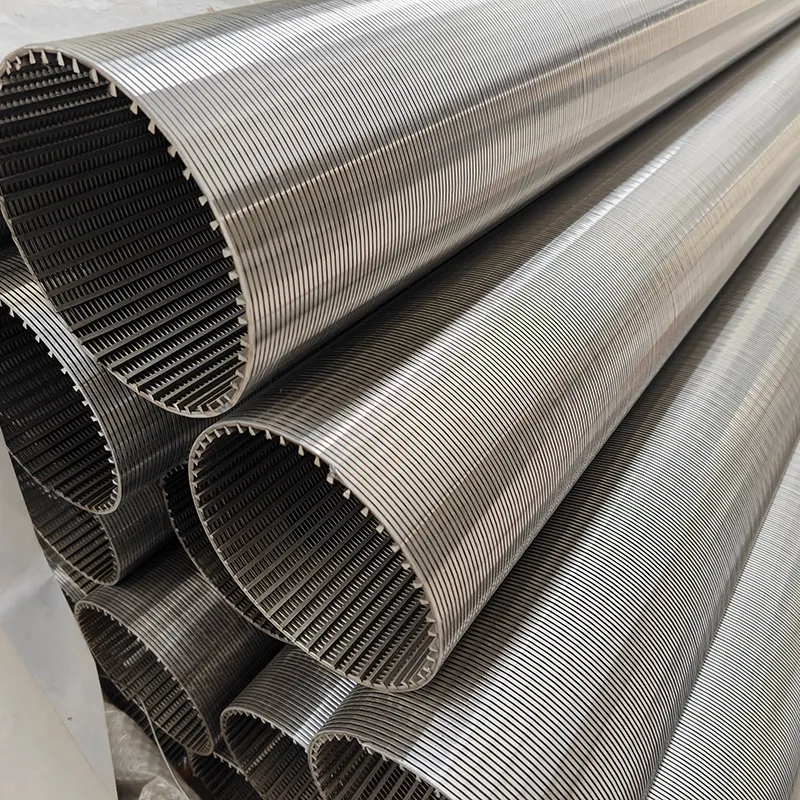
- Finer slots (≈0.15–0.25 mm) for unconsolidated formations; more open area with keystone profile wire.
- Data-backed QA: ISO 17824 screen tests and laser slot verification—no guesswork.
Core specs at a glance
| Parameter | Typical options (≈ values; real-world use may vary) |
|---|---|
| Material | SS304/316L, Duplex 2205, 904L (per ASTM A240/A276) |
| Slot size | 0.15–1.00 mm (±0.03 mm typical) |
| Open area | 20–36% |
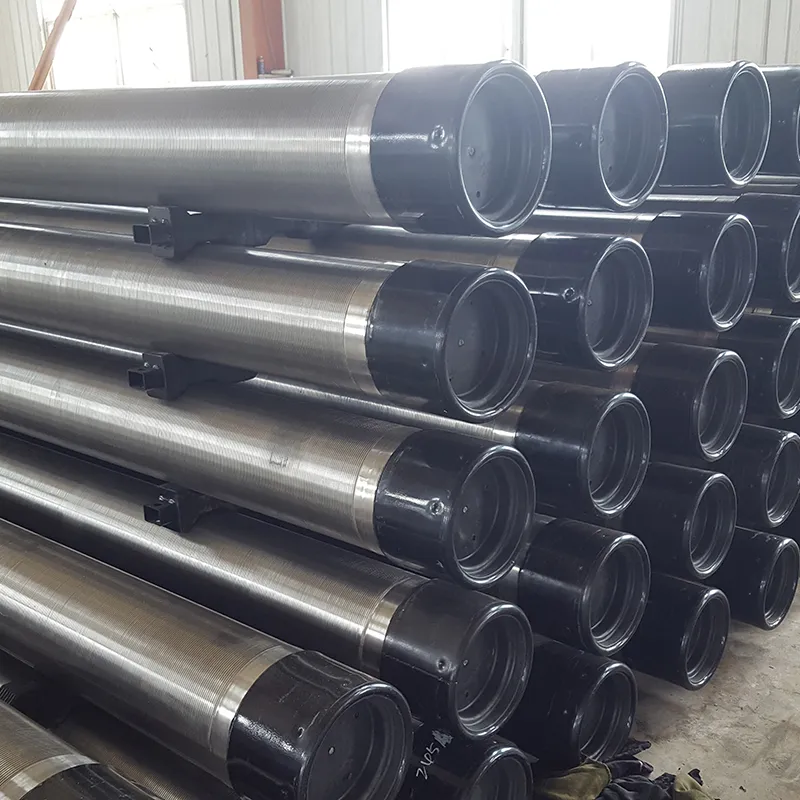
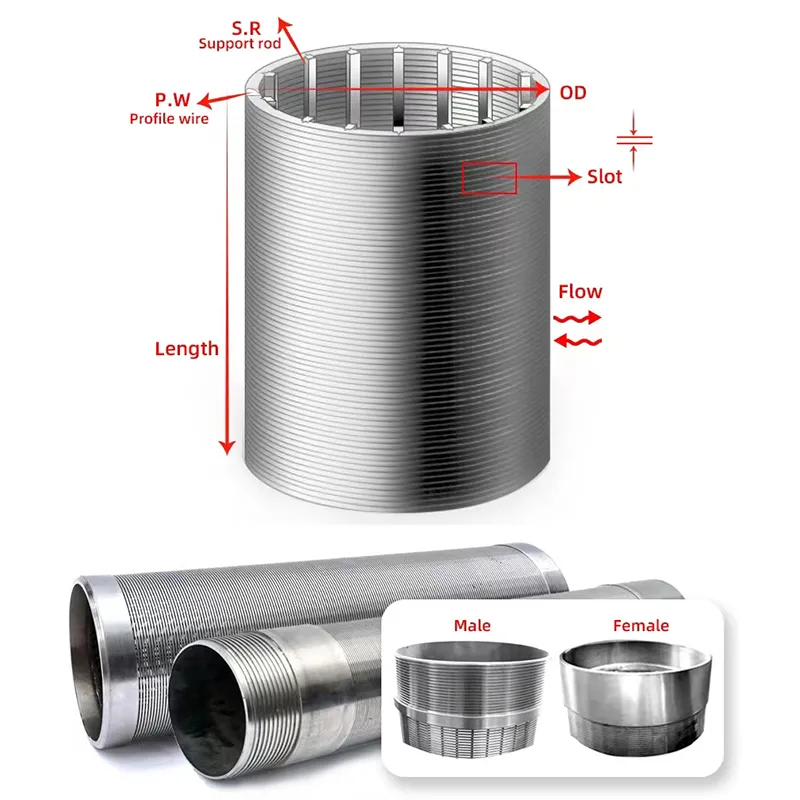
| Diameter / Length | 2"–20" OD; up to 6 m single joint |
| End connection | Plain end, NPT, BSP, butt-weld, custom flanges |
| Testing | ISO 17824, slot gauge, DP test, collapse/torque |
How it’s made (short version)
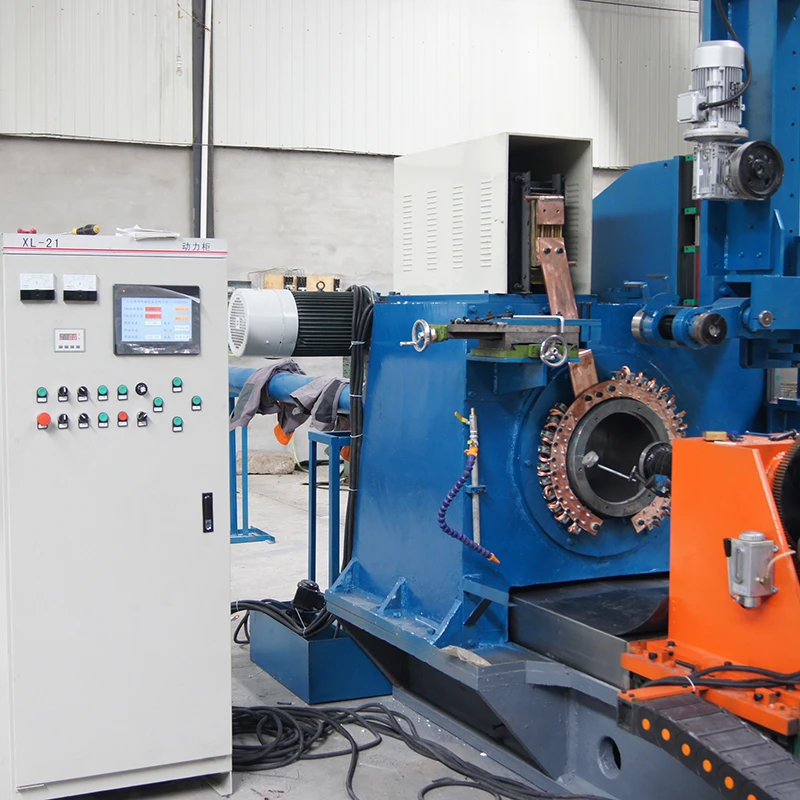
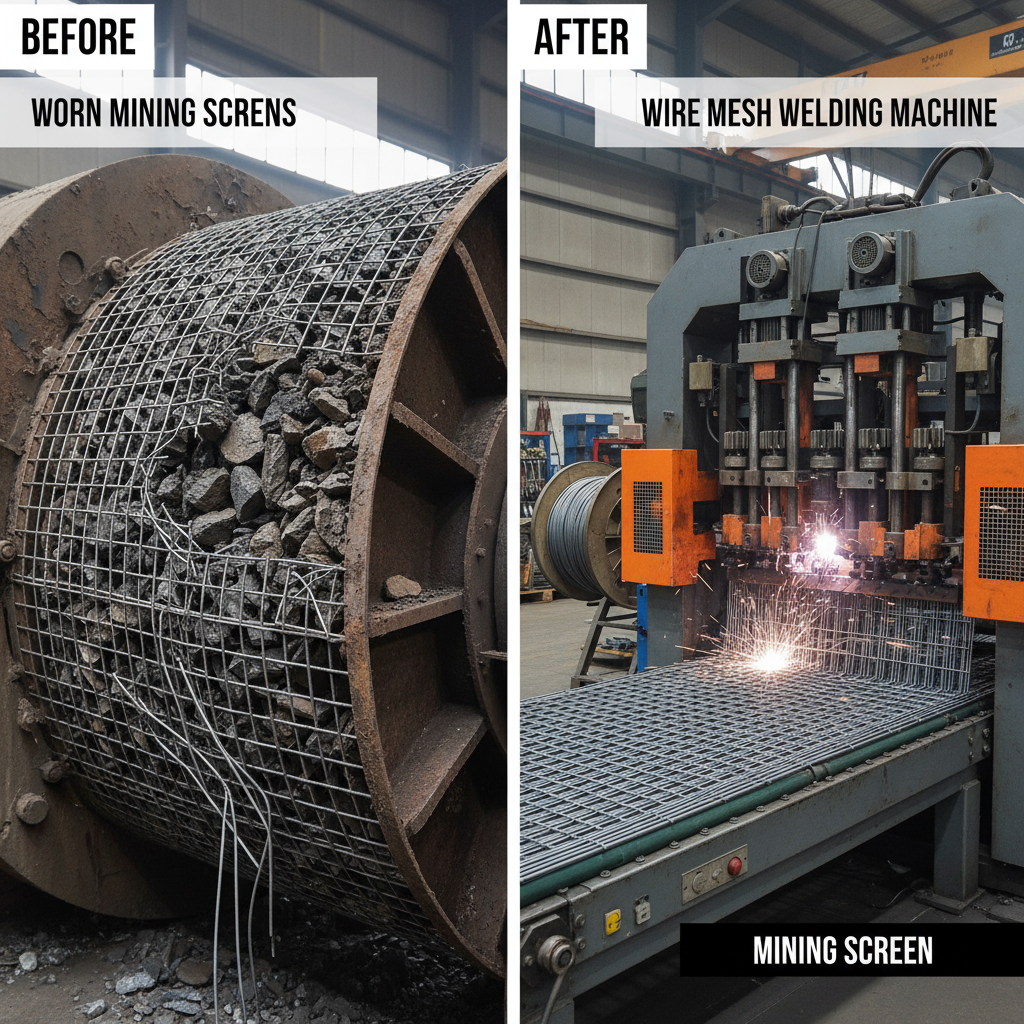
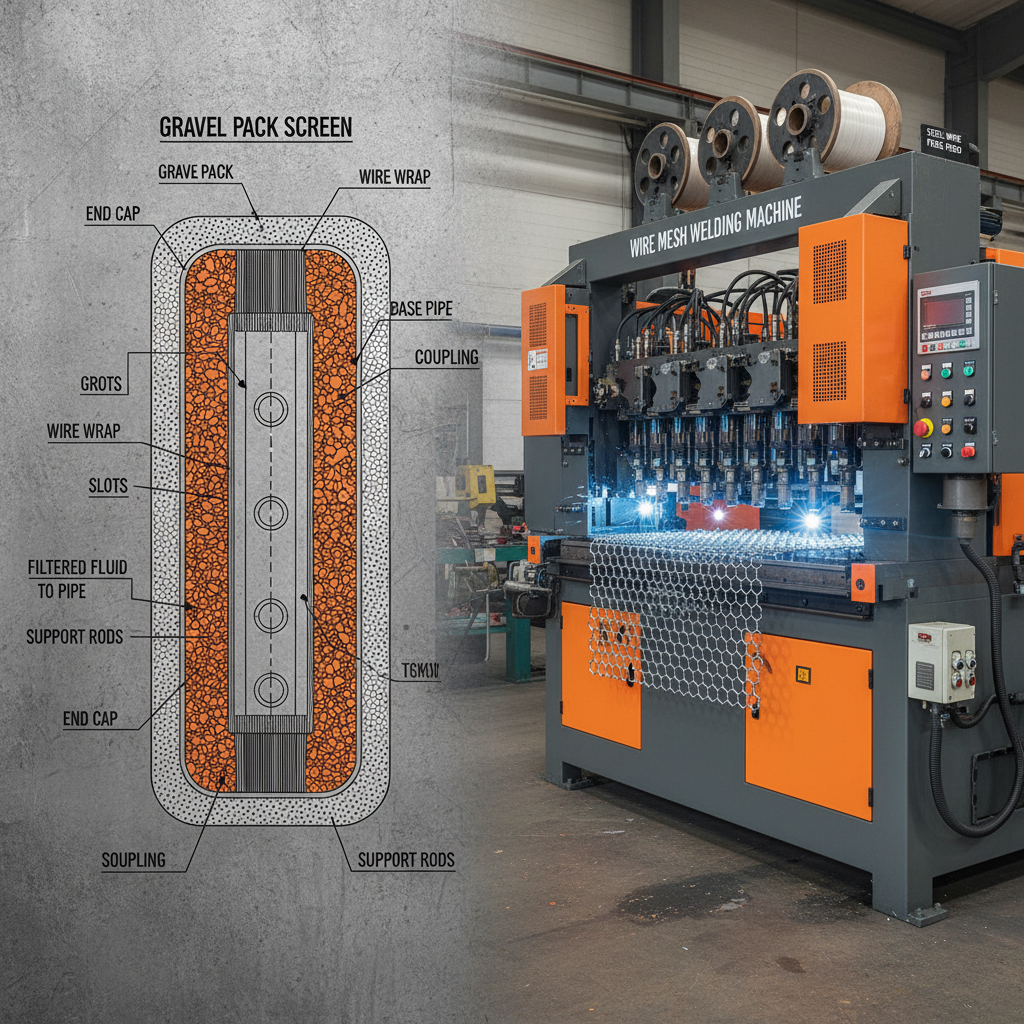
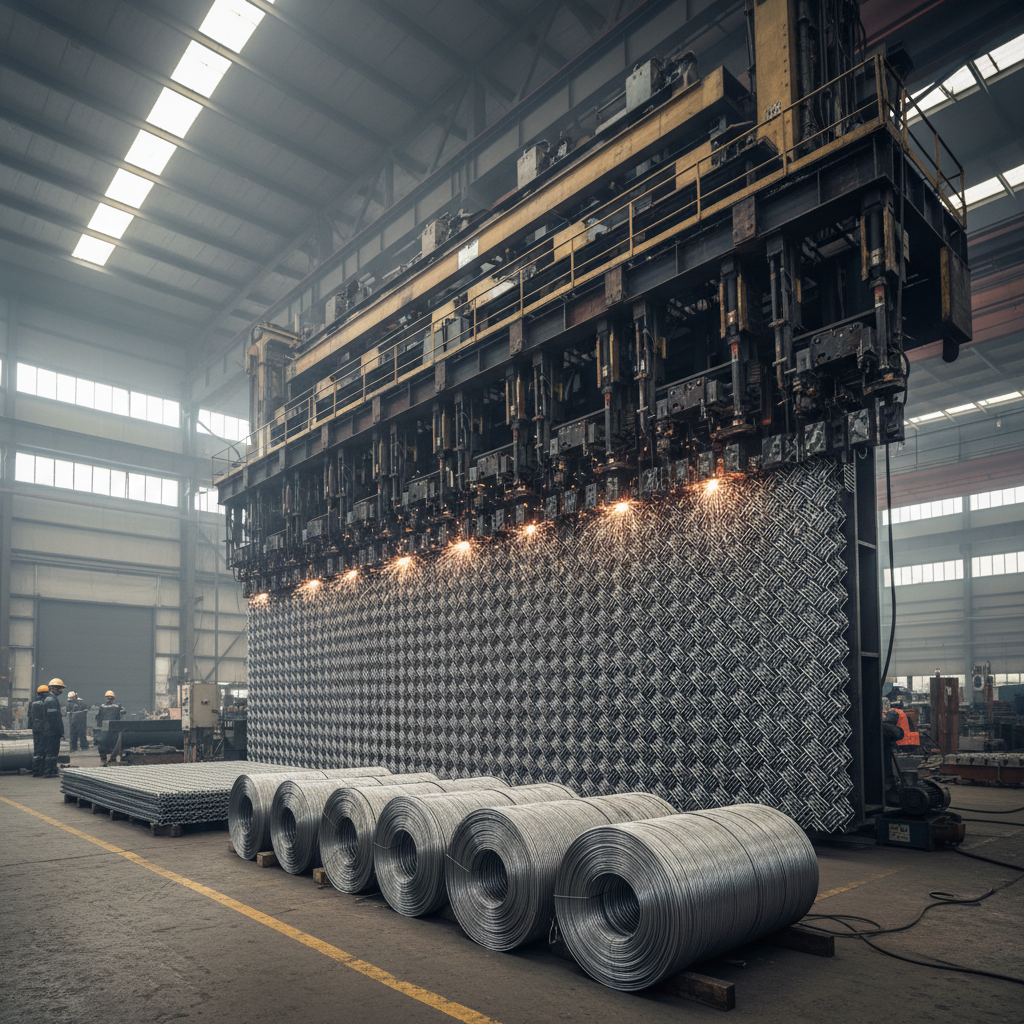
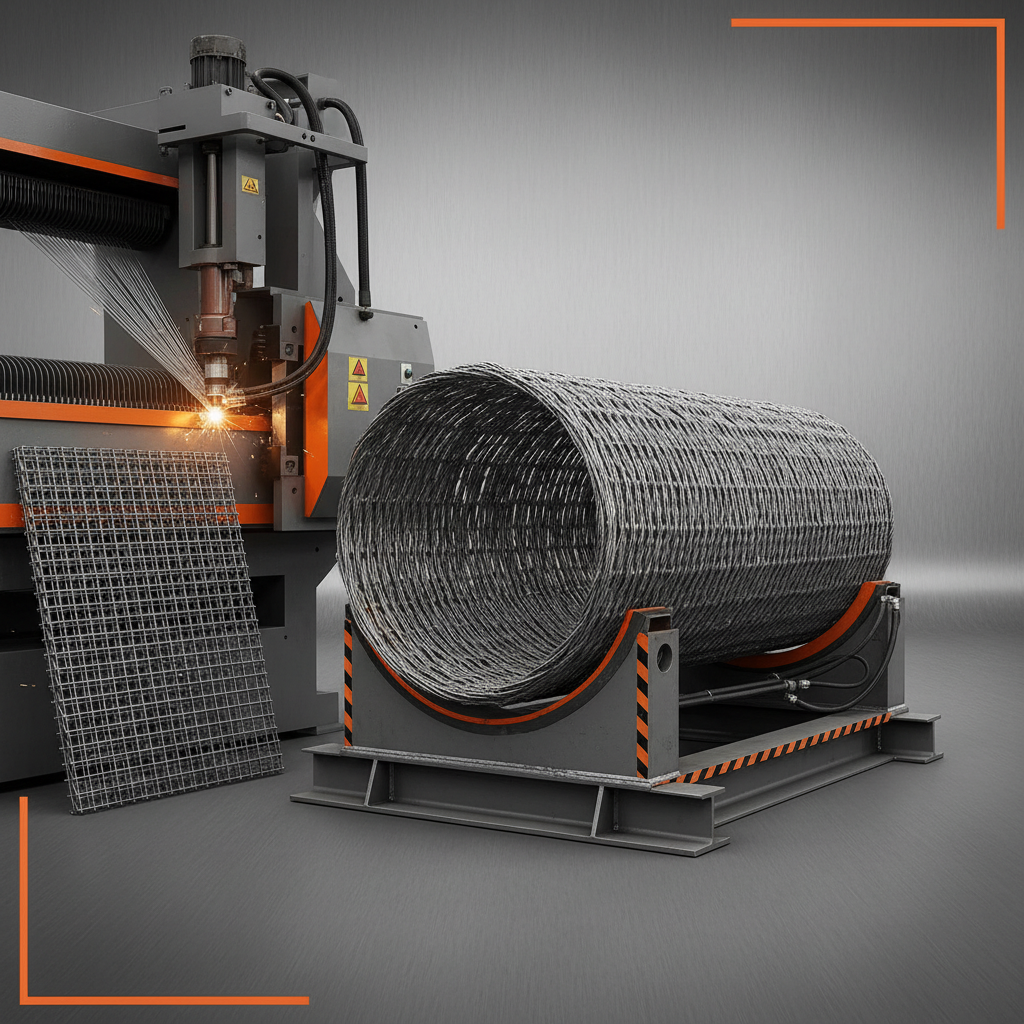
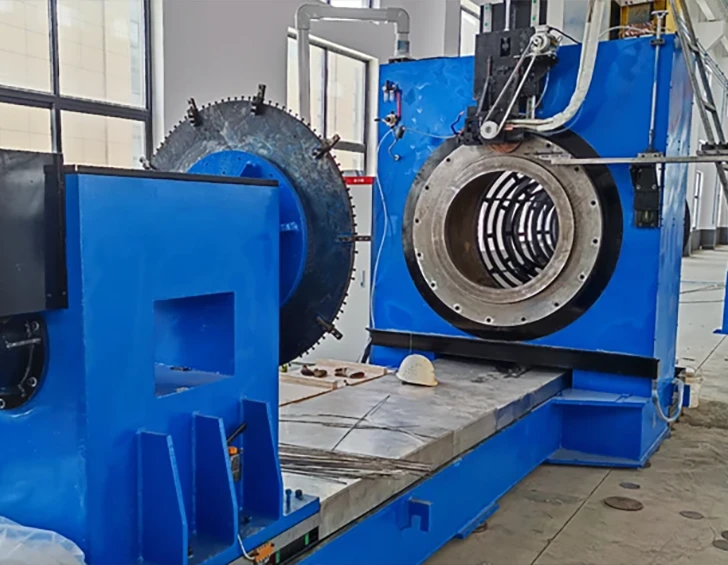
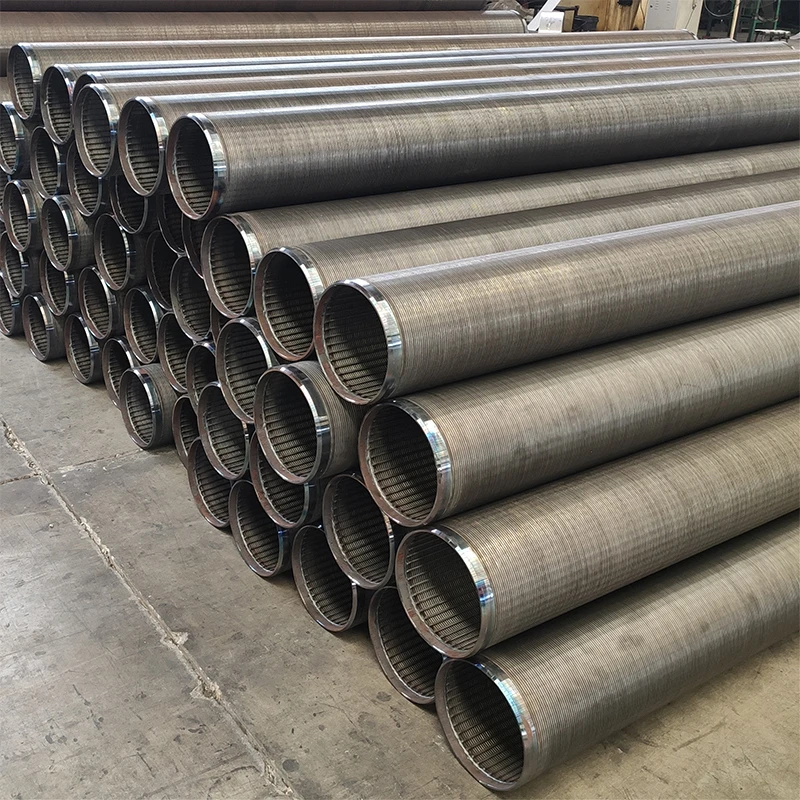
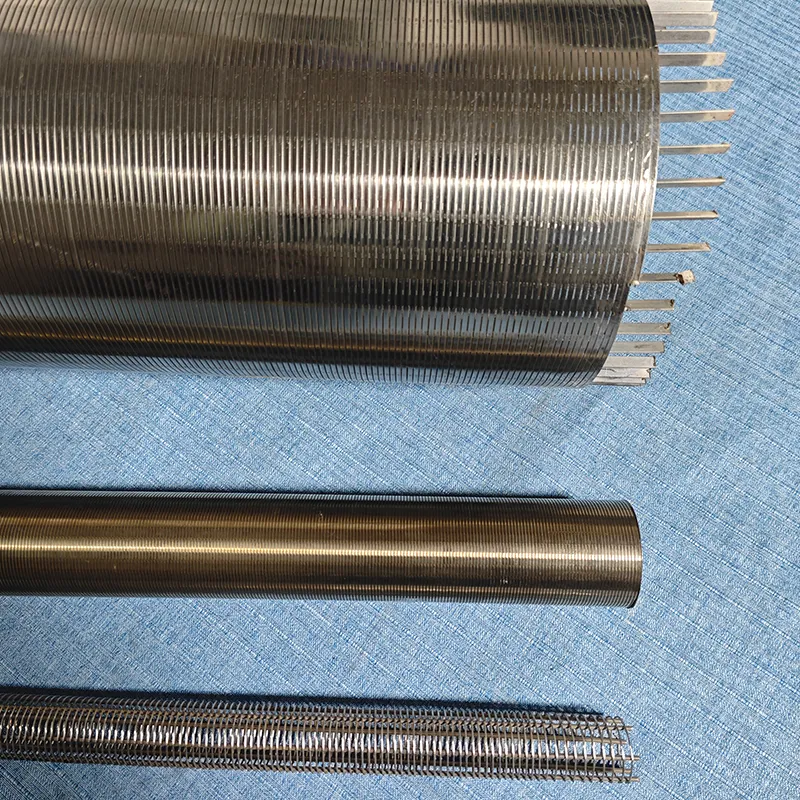
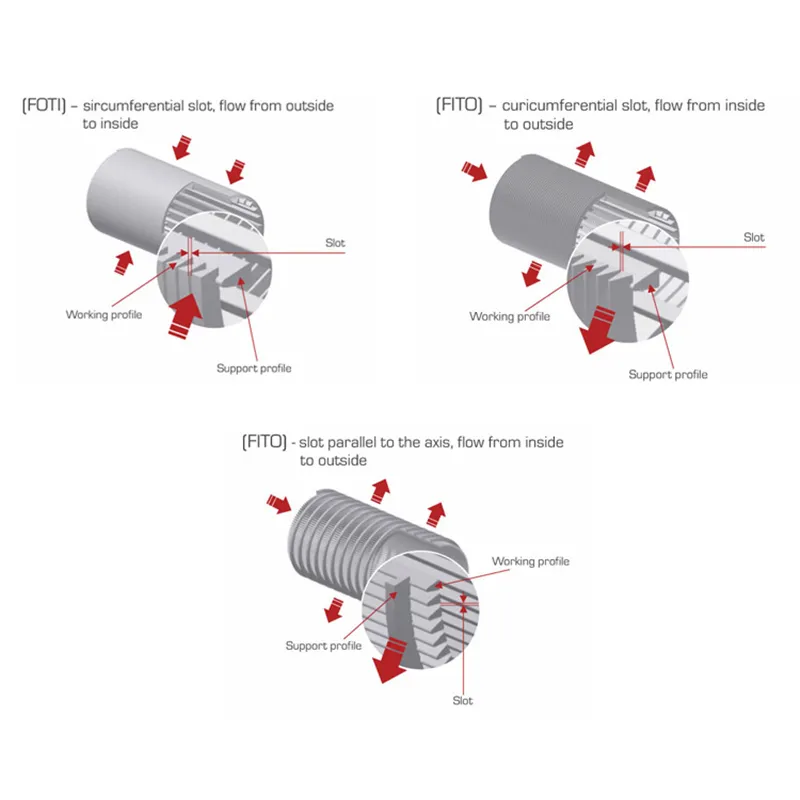
Profile wire is wound around support rods and resistance welded—uniformly, repeatably. Materials go through PMI, then wire/rod alignment, automated welding, stress relief, hydro-cleaning, slot verification, and finally ISO 17824 performance checks. Service life? In municipal wells 10–20 years is common; in harsh oilfields, to be honest, plan around 5–10 with proper chemistry.
Where they excel
- Municipal/ag water wells with fine sands.
- Oil and gas completions (as standalone or pre-pack screens).
- Dewatering, mining sumps, geothermal, and remediation wells.
Many customers say the biggest surprise is lower drawdown thanks to higher open area. I guess that’s the wedge-wire geometry doing its quiet magic.
Real test data (recent batch)
- Collapse strength: ≈ 3.2 MPa on 6-5/8" OD screen (ISO 17824 rig).
- Corrosion: ASTM G48 Method A, 24 h, mass loss
- Flow: ΔP 1.0 bar → 12.5 m³/h per 1 m screen, 0.3 mm slot, 6" OD.
Vendor snapshot (field-notes)
| Vendor | Slot tolerance | Lead time | Customization | Certs | Price band |
|---|---|---|---|---|---|
| MutoScreen (Hebei) | ±0.03 mm | 10–20 days | High (bespoke OD/slot/end) | ISO 9001 | $$ |
| Vendor B | ±0.05 mm | 3–5 weeks | Medium | ISO 9001 | $ |
| Vendor C | ±0.03 mm | 4–6 weeks | High | ISO 9001, 3.1 MTC | $$$ |
Customization that actually helps
- Formation-matched slots (based on sieve curves; ASTM E11 refs).
- Alloy upgrades for H2S/CO2 (NACE MR0175/ISO 15156 guidance).
- Gravel-pack compatible centralizers and pre-packed options.
Mini case files
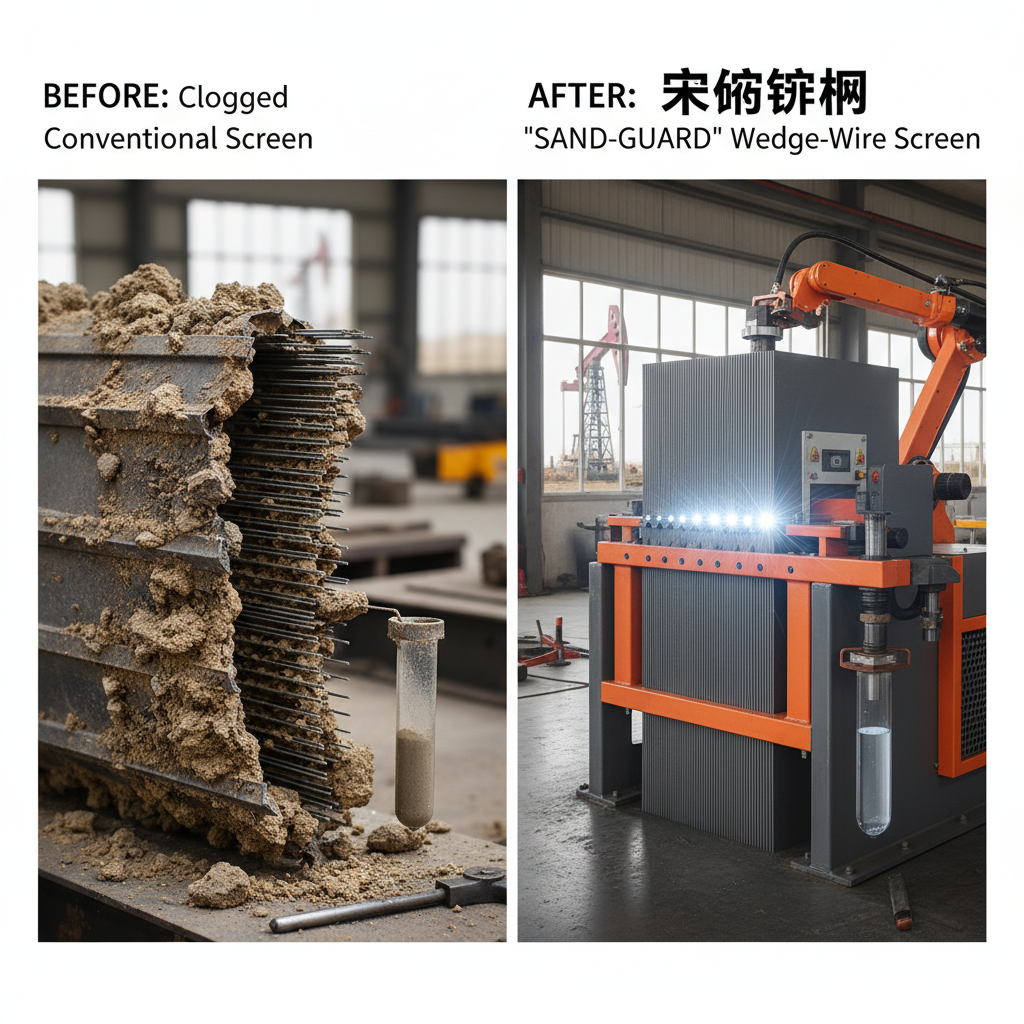
Coastal municipal well: 316L, 0.25 mm slot, pump drawdown cut by ~12% versus louvered casing. Zero sand carryover after 90 days. Heavy oil pilot: Duplex 2205, 0.3 mm slot as standalone screen—solids at separator dropped 40% week-on-week. Feedback was, “quieter well, fewer cleanouts.”
If you’re scanning for a Well Screen For Sale that balances flow, strength, and longevity, this wedge-wire build is a safe bet. Origin: Hehuang Road, Anping County, Hengshui—close to the world’s densest mesh-making supply chain, which, surprisingly, keeps spares fast and affordable.
Certifications and paperwork
- ISO 9001:2015 QA, MTC EN 10204 3.1, slot inspection reports.
- Compliance with ISO 17824 for sand control screens.
Need a formal quote on a Well Screen For Sale? Share the formation sieve curve, target flow, chemistry, and any casing constraints. That’s how you get a screen that behaves in the field—not just on paper.
References
- ISO 17824: Petroleum and natural gas industries — Sand control screens.
- ISO 9001:2015 — Quality management systems.
- NACE MR0175/ISO 15156 — Materials for H2S in oil and gas production.
- ASTM G48 — Pitting/crevice corrosion testing of stainless steels.
- ASTM A240/A276 — Stainless steel plate/sheet and bar specifications.