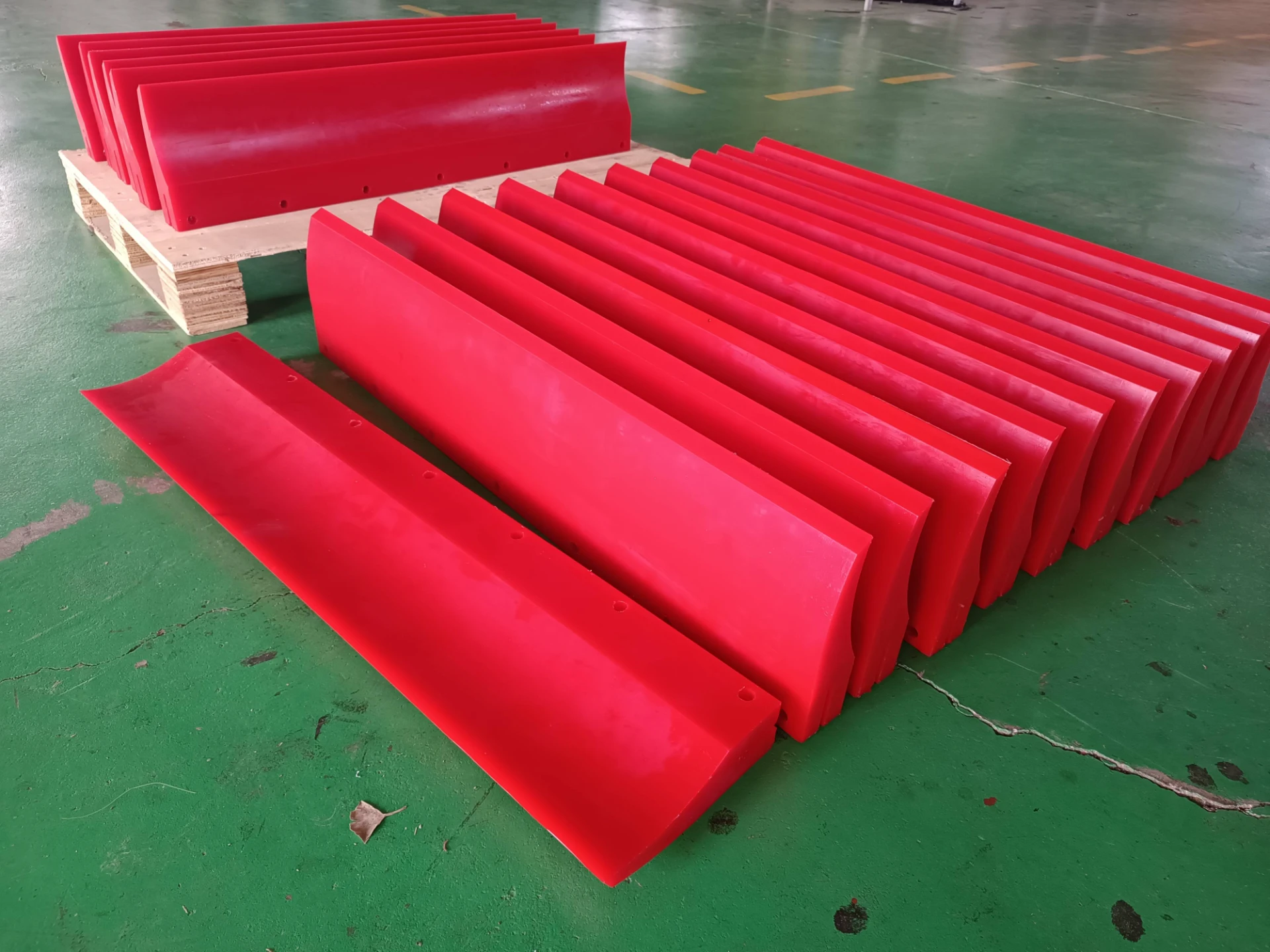
Flexible Rod Screen Plate: Field Notes, Specs, and What Buyers Are Really Choosing
If you process wet, sticky aggregates or coal, you already know the pain: blinding, pegging, endless clean-downs. The fix many plants lean on now is the Rod Screen—specifically the Flexible Rod Screen Plate. To be honest, the name sounds a bit niche, but the impact is very real. The elastic rods flex under vibration, self-clean almost naturally, and keep throughput steady when the weather (or the ore) gets messy.
What it is and why it matters
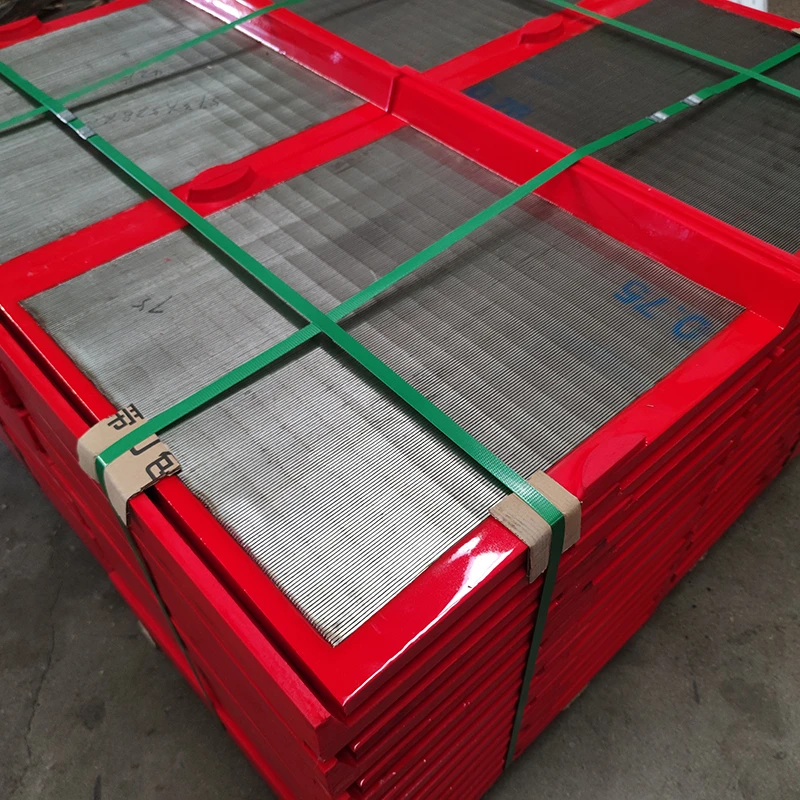
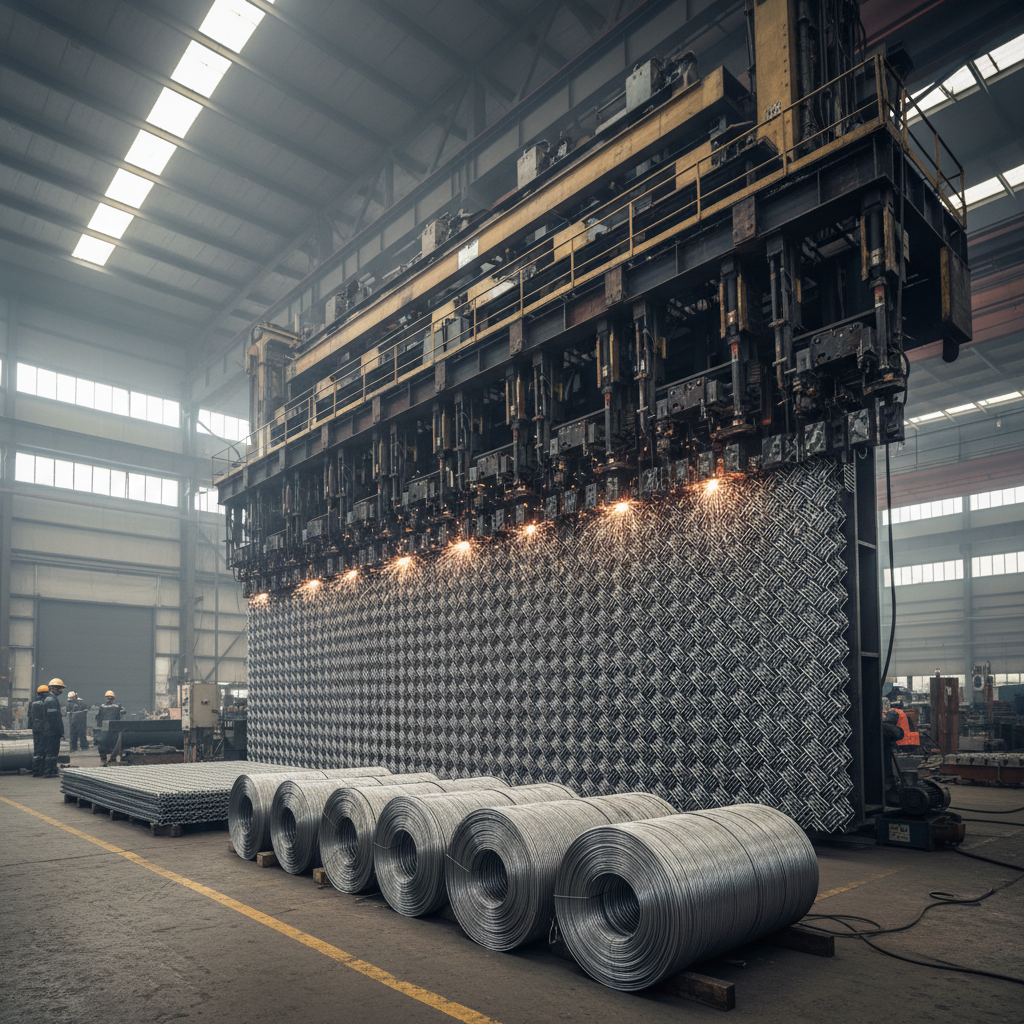
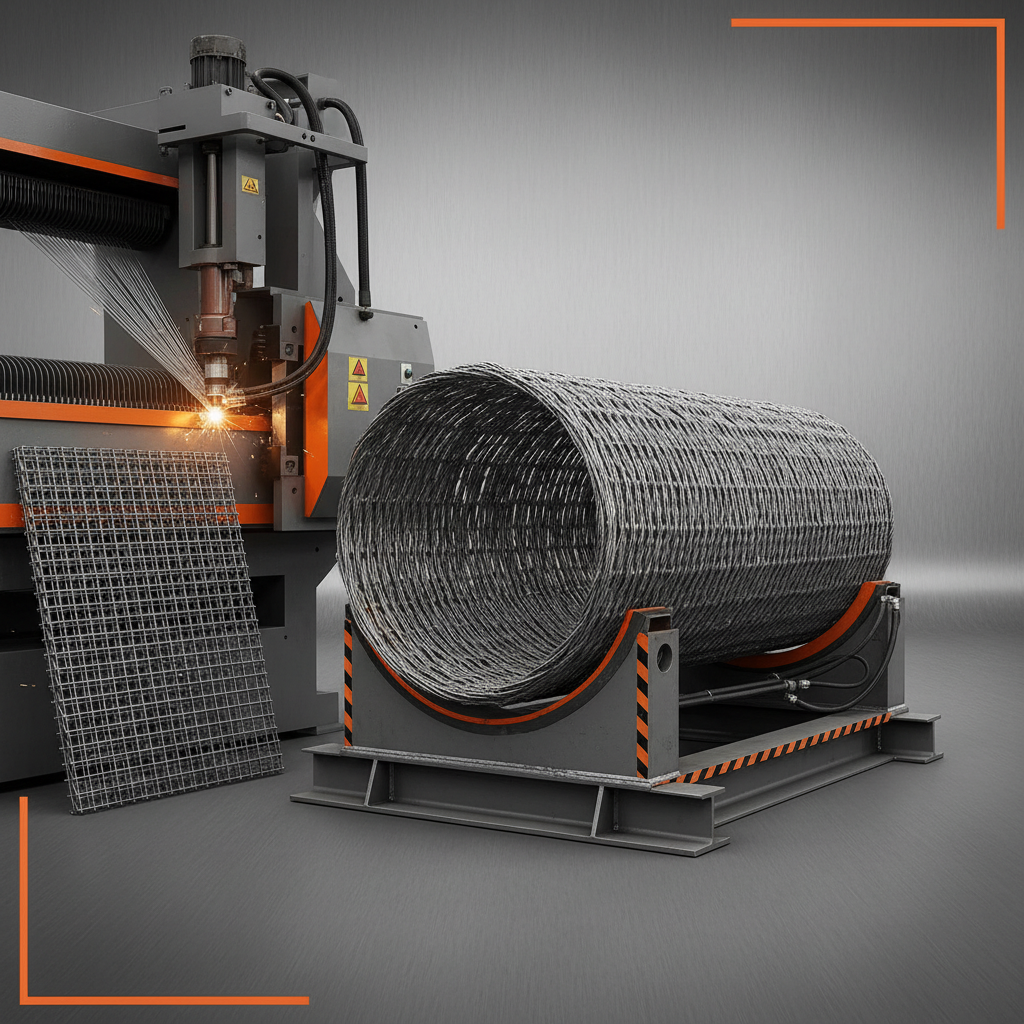
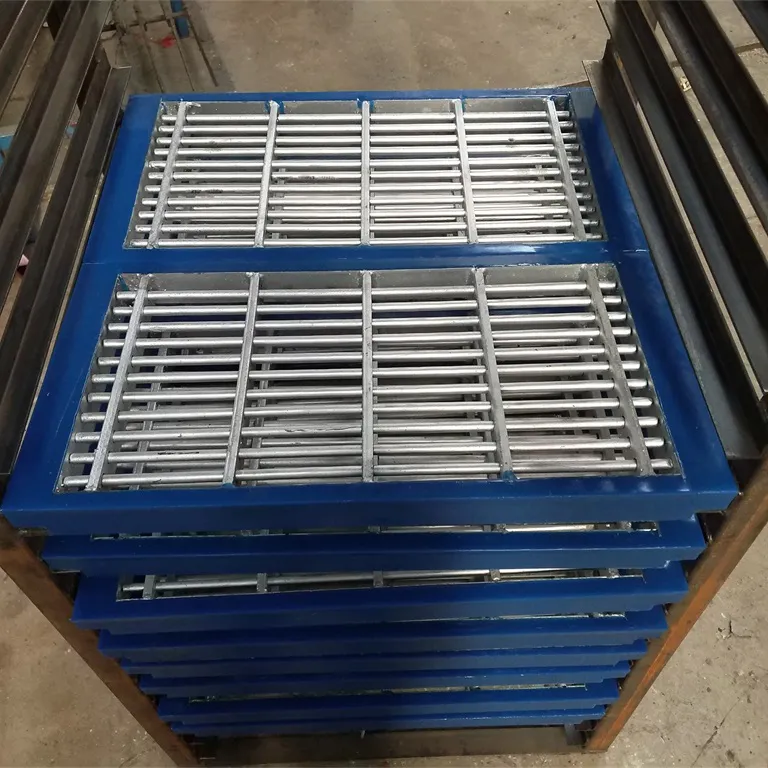
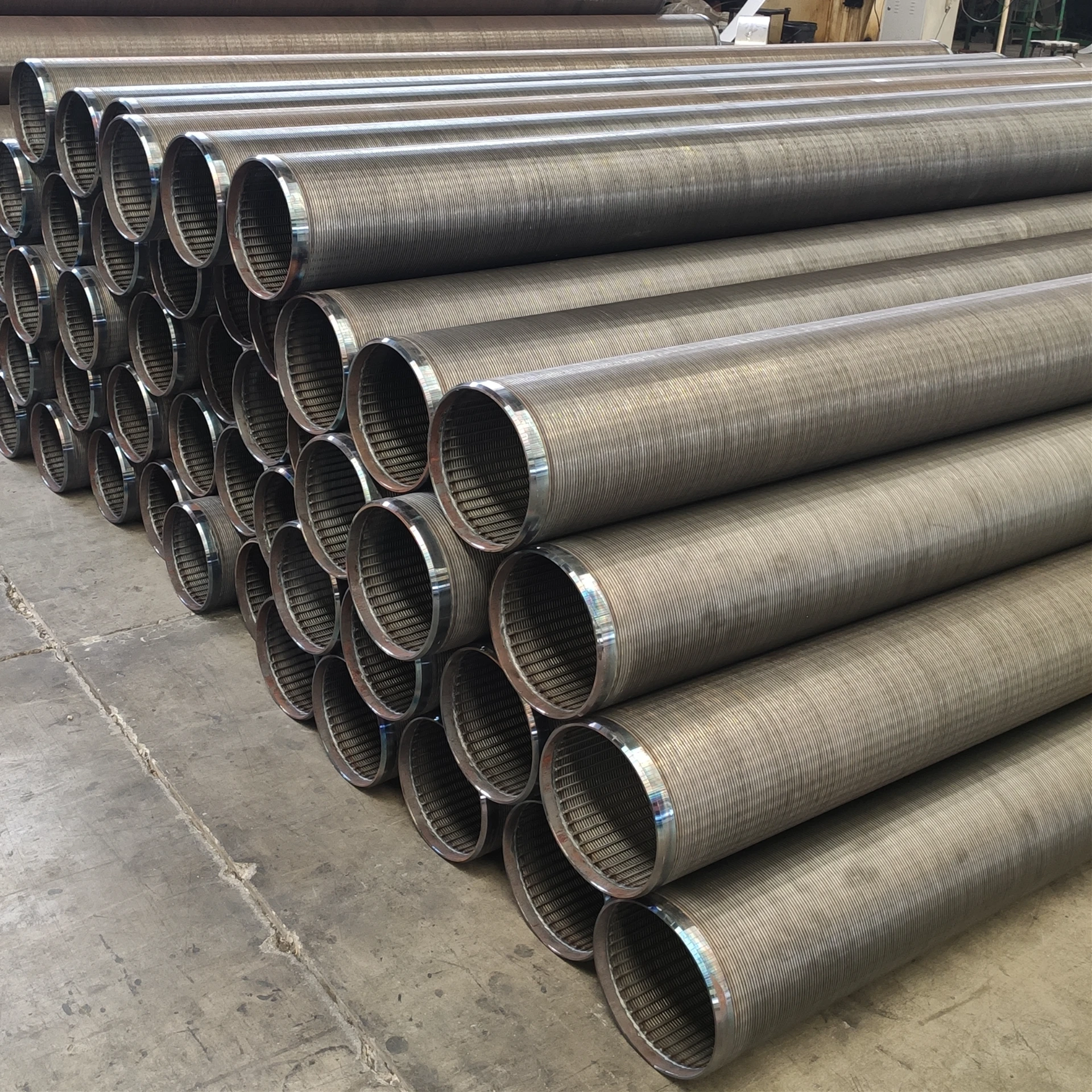
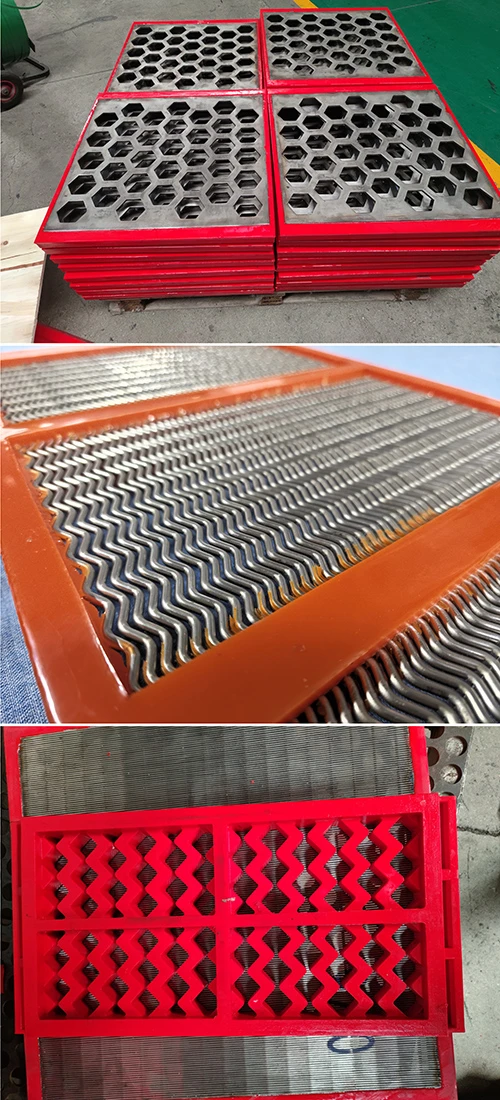
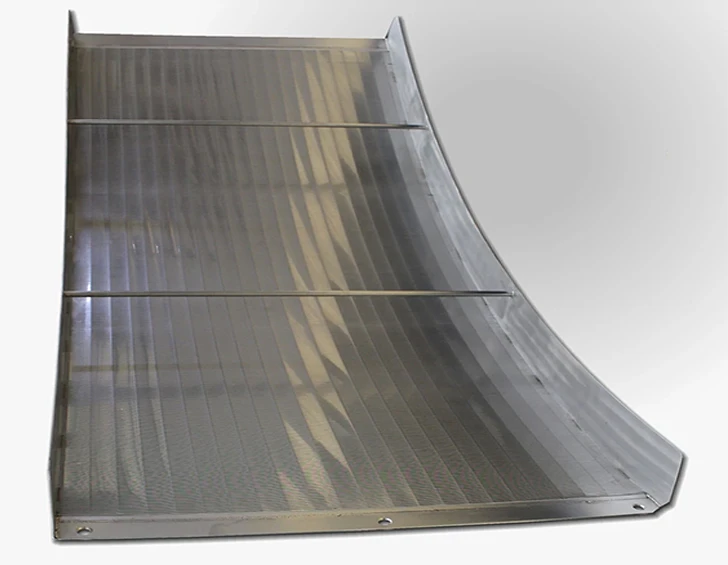
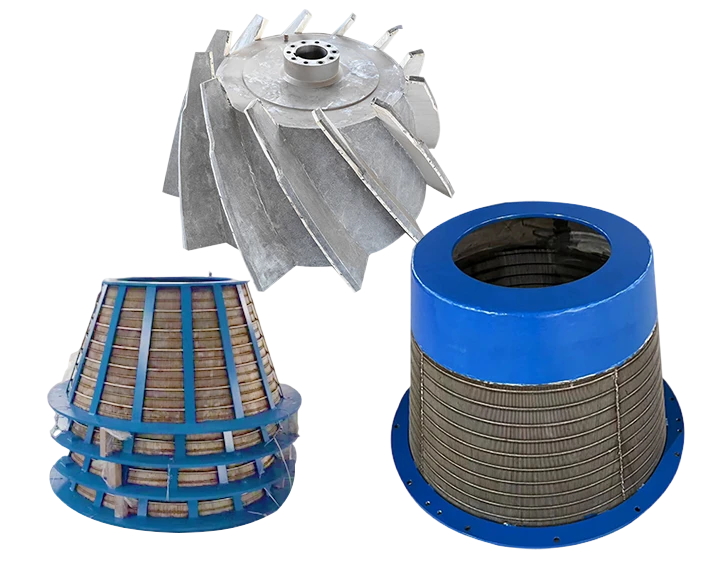
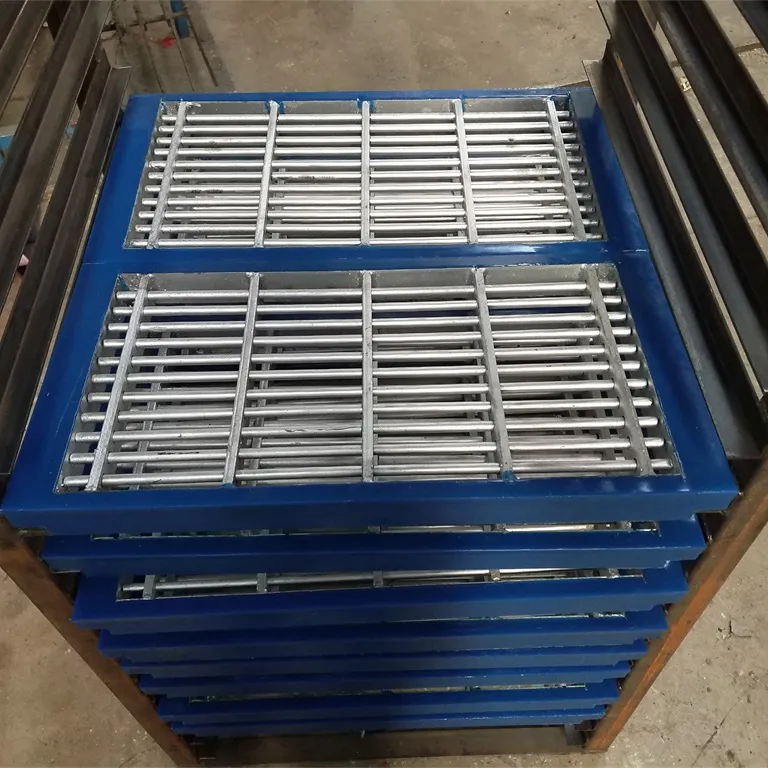
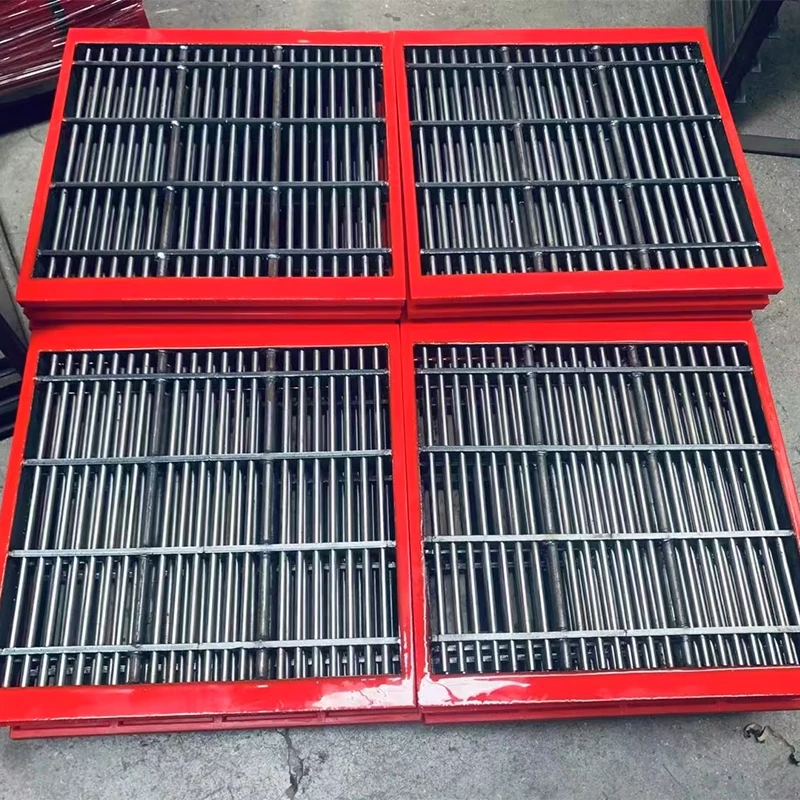
The Flexible Rod Screen Plate is built from high‑strength spring steel rods, assembled via a precise linking system to form a resilient screening surface. In wet, granular screening—coal preparation, sand & gravel, fertilizer, even biomass—those rods flex just enough to shed fines and prevent clogging. Many customers say the first surprise is less downtime; the second is a cleaner cut size when the feed is sloppy.
Industry trends (in plain language)
- Shift from rigid woven wire to Rod Screen designs for wet feed and variable moisture.
- Modular, quick-change panels to reduce maintenance hours.
- Higher-strength spring steels and PU-overmold options for better wear life.
Materials, process, testing: how it’s actually made
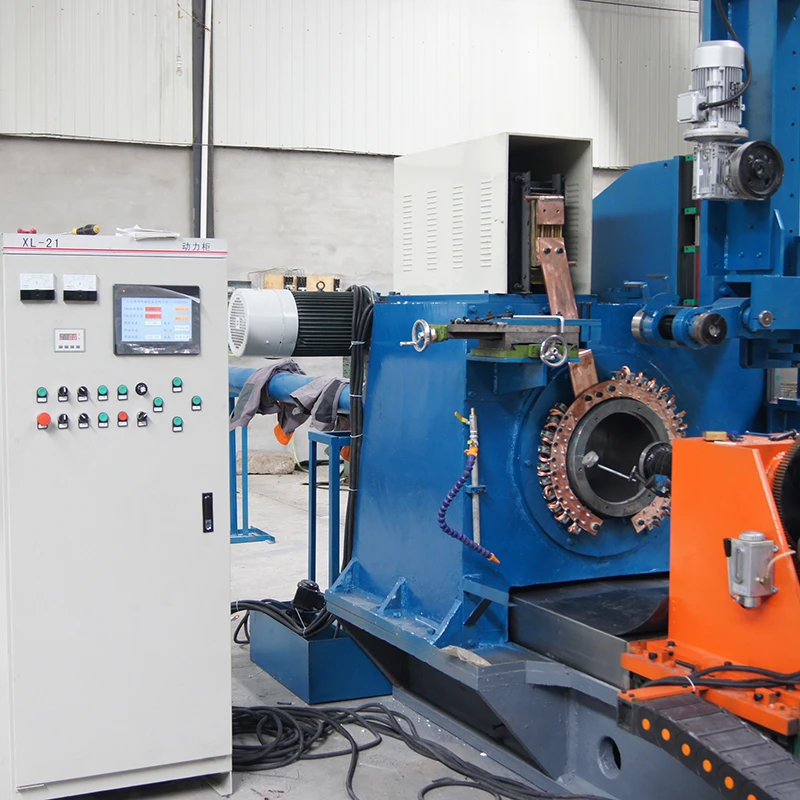
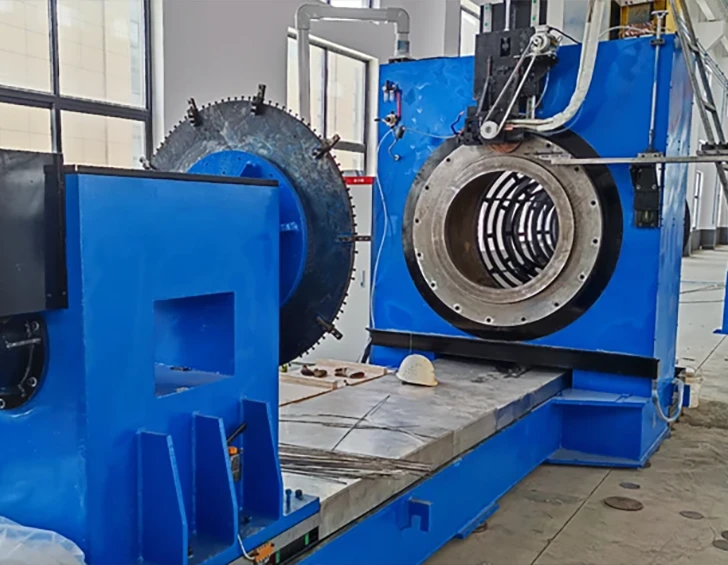
Origin matters. These plates are produced in Hehuang Road, Anping County, Hengshui, Hebei. The process generally goes:
- Material selection: spring steel wire (EN 10270‑1 or ASTM A228 equivalents), sometimes with PU saddles.
- Rod forming: controlled diameter, cut length; heat treatment for tensile ≈1800–2100 MPa; optional shot peening for fatigue resistance.
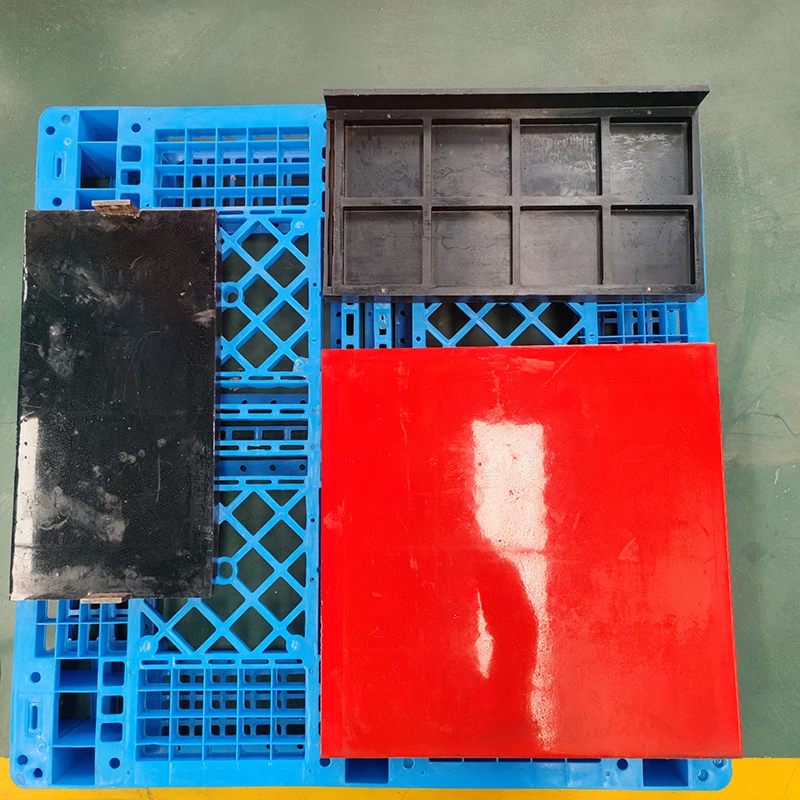
- Assembly: rods linked with cross-members; edge hooks or modular pin/sleeve connectors.
- QA and testing: aperture gauge checks, proof-load flex cycles, abrasion testing (ASTM G65), vibration endurance (ISO 21940 guidance), corrosion checks (where applicable).
Service life? It varies—real-world use may range 6–18 months depending on feed abrasiveness and screen angle. In cyclone underflow or sticky clay mixes, expect the flexibility to pay off quickly.
Typical product specs
| Parameter | Value (≈ / typical) |
|---|---|
| Rod material | Spring steel (EN 10270‑1, ASTM A228) |
| Aperture range | 4–60 mm (custom beyond on request) |
| Rod diameter | 5–12 mm, application‑dependent |
| Panel size | Modular or hooked; up to ≈1200×2000 mm |
| Operating temperature | ‑20 to +200 °C (real‑world may vary) |
| Noise level | ≤85 dB in typical decks |
| Throughput impact | +15–30% vs rigid wire in wet feeds |
Applications and what users report
Use cases: coal prep, de-sliming river sand, fertilizer granules, MSW pre-sorting fines, quarry scalp decks. One maintenance lead told me, “We swapped to Rod Screen panels on the middle deck and cut wash-downs by half. Not perfect, but a lifesaver in rainy weeks.”
Advantages you can actually feel on shift
- Self-cleaning action reduces blinding and pegging.
- Consistent cut size under variable moisture.
- Lower maintenance time; safer changeouts with modular Rod Screen panels.
Vendor landscape: who does what
| Vendor | Strengths | Potential gaps | Notes |
|---|---|---|---|
| MUTO (Anping, Hebei) | Specialized in flexible Rod Screen; custom apertures; fast turnarounds | Lead time during peak seasons | Strong QC, export-ready |
| Overseas broker | Wide sourcing, aggressive pricing | Spec variability; post-sale support | Check certificates and test data |
| Local fabricator | Quick service, on-site measurement | Limited alloy options | Great for urgent replacements |
Customization checklist
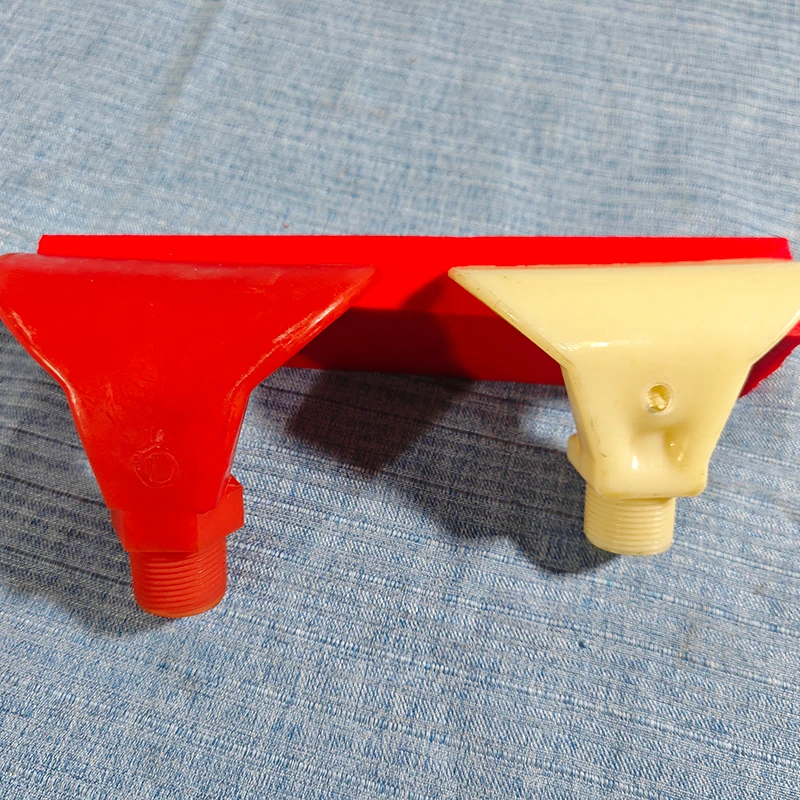
Before ordering Rod Screen plates, lock down: deck size, aperture target, rod diameter, connection type (hooked edge, PU saddle, pin-and-sleeve), screen angle, and top-deck versus middle-deck duty. Ask for abrasion data and a fatigue test summary.
Mini case study
A North China sand plant moved its wet scalp deck from woven wire to flexible Rod Screen panels (10 mm aperture). Results after 4 weeks: +22% throughput on rainy days, blinding complaints dropped to near zero, and panel life estimated at 10–12 months based on wear inspections. Not a lab miracle—just fewer headaches.
Compliance and certifications
Look for ISO 9001 quality systems, CE compliance where applicable, material conformance to EN 10270‑1 or ASTM A228, abrasion data per ASTM G65, and vibration practices referencing ISO 21940. It sounds bureaucratic, but it saves rework later.
References: [1] EN 10270‑1 Spring Steel Wire. [2] ASTM A228 Music Wire. [3] ASTM G65 Abrasion Testing. [4] ISO 21940-2 Rotor Balancing/Vibration. [5] ISO 9001:2015 Quality Management.