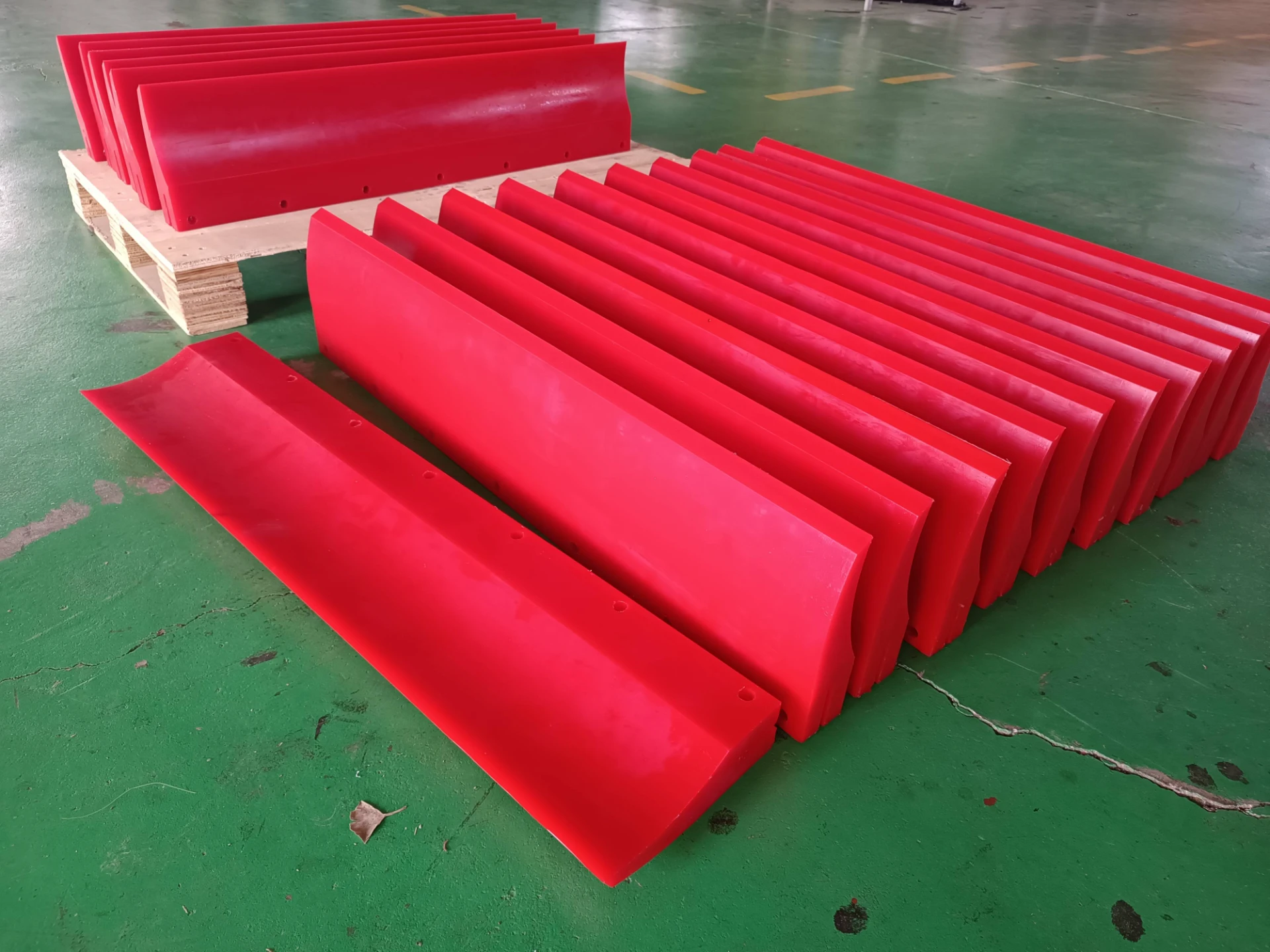
What Is Jigging Method? The insider’s guide to the screen plate that makes it tick
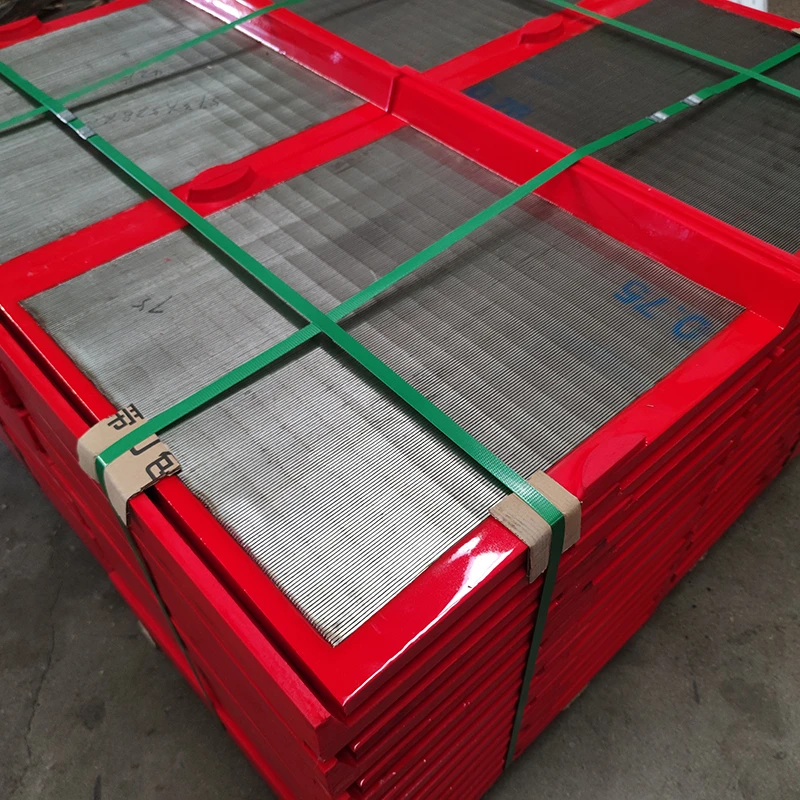
If you’ve ever wondered What Is Jigging Method, here’s the quick version: jigging is a gravity separation process where a pulsating fluid (usually water) stratifies particles by density and size. The unsung hero under that pulsating bed is the Jigging Screen Plate—supporting, draining, and defining cut points. I’ve stood beside jigs from Indonesia to Inner Mongolia; the consistent feedback is simple: get the screen plate right, and the plant runs smooth. Get it wrong, and, well, you’ll be swapping plates on the night shift.
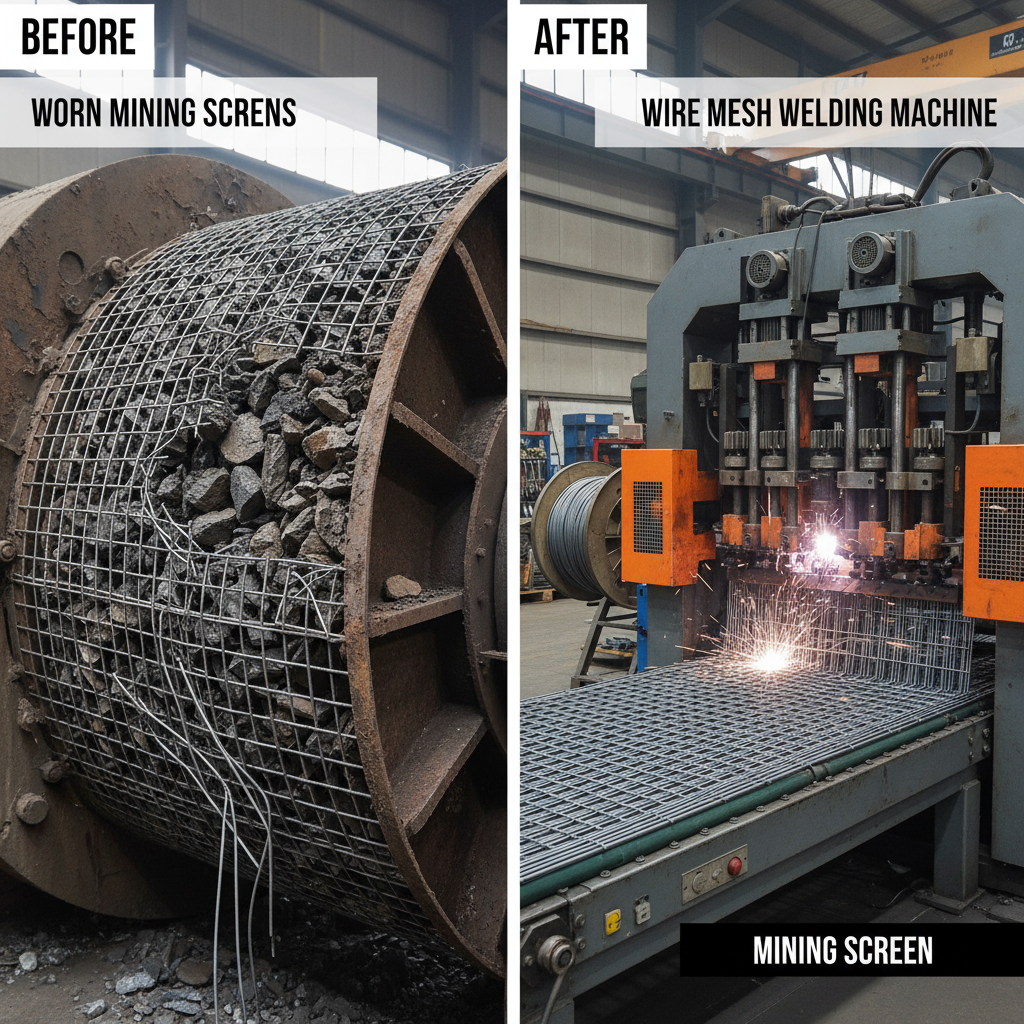
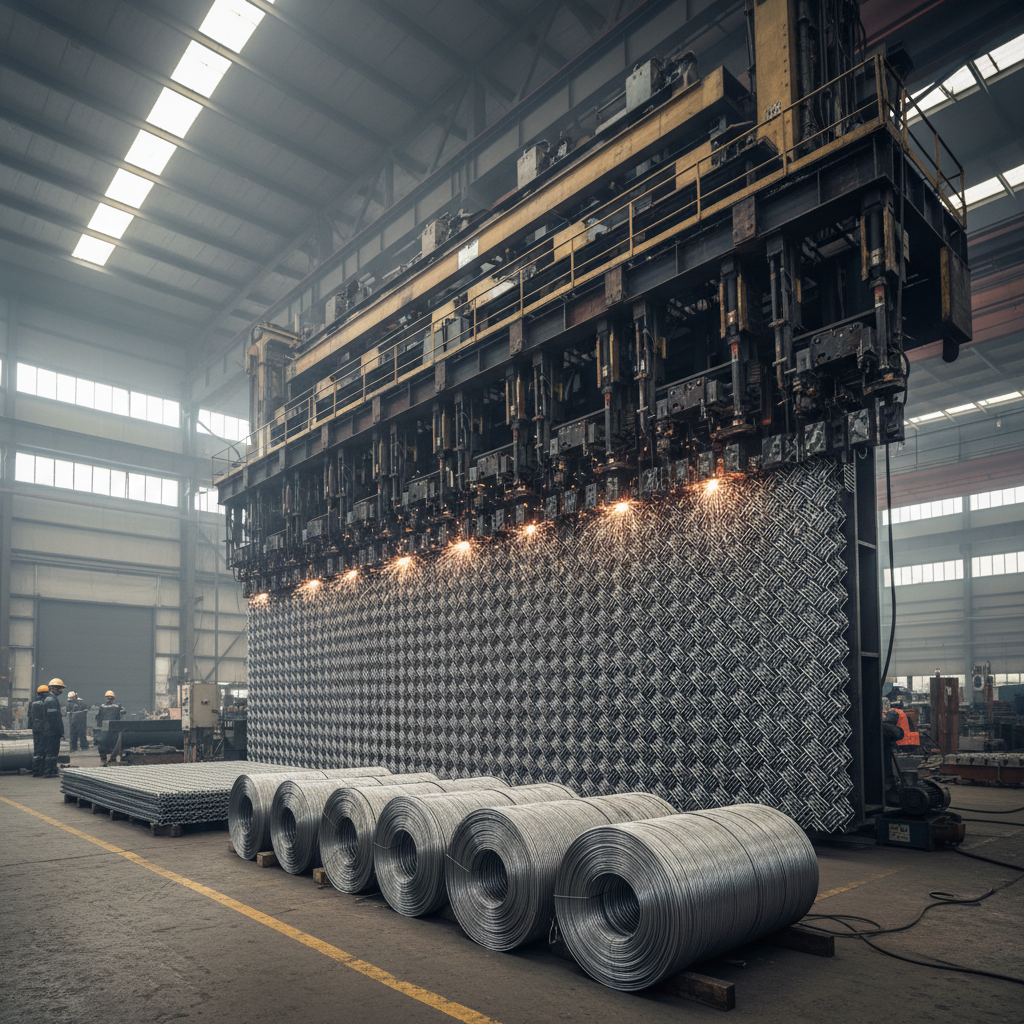
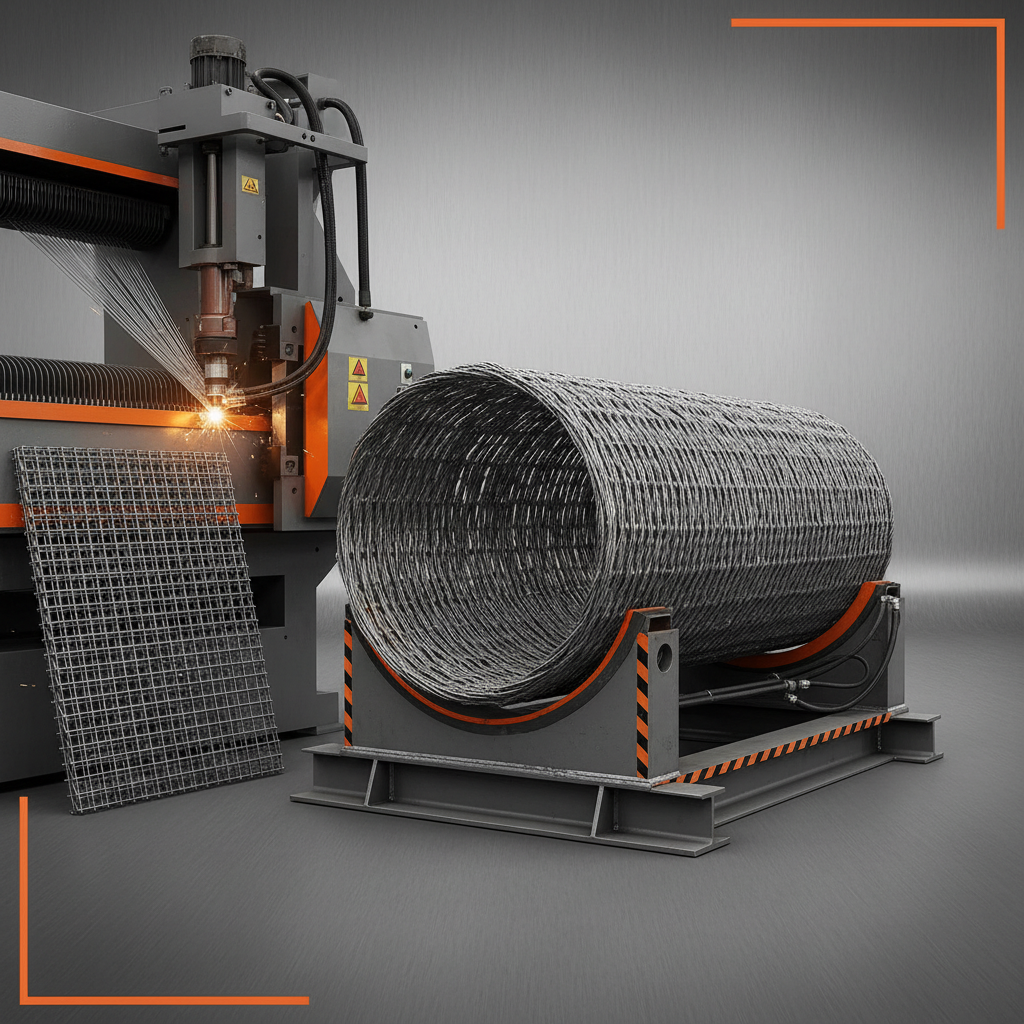
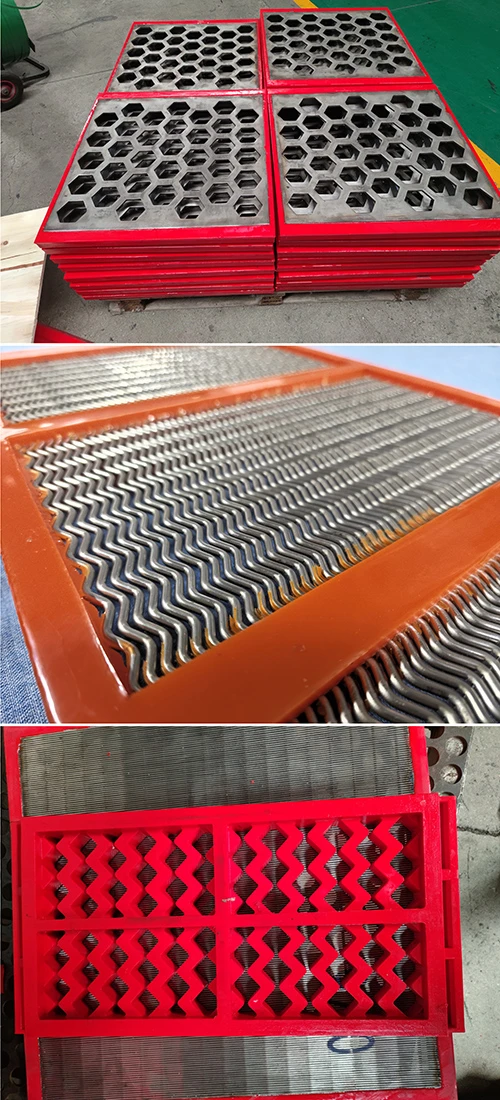
MutoScreen’s jigging screen plates come from Hehuang Road, Anping County, Hengshui, Hebei Province—an area that quietly powers a huge slice of the world’s screening media. Materials? Typically polyurethane (PU), manganese steel (Mn13/High-Mn), or stainless (304/316). Each has its moment depending on ore, water chemistry, and budget.
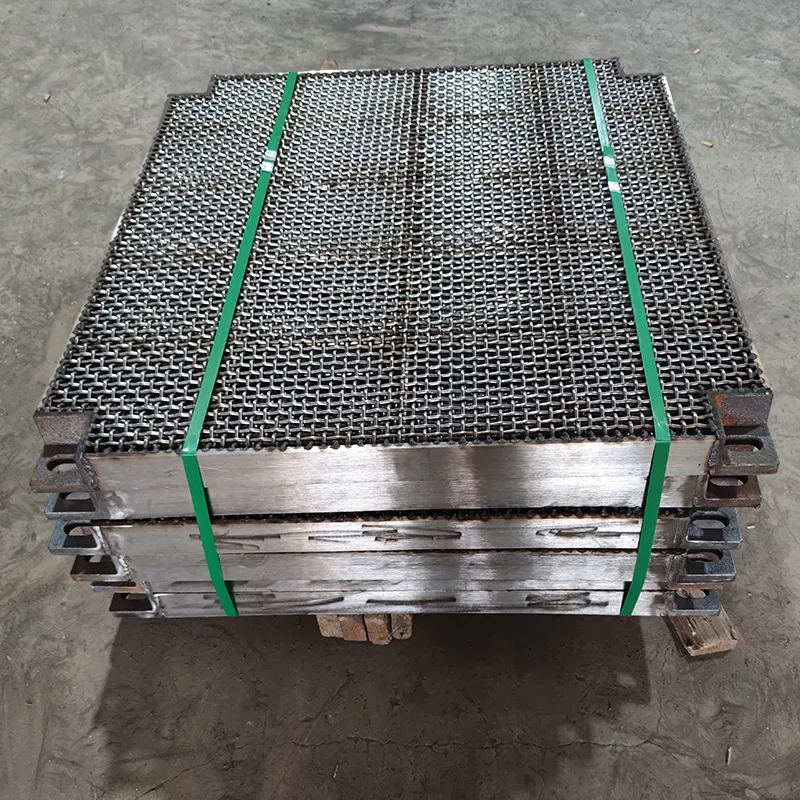
How the jigging process flows (and where the screen plate matters)
- Feed: crushed ore or recycled aggregate (usually 0–25 mm) fed onto the screen bed.
- Pulsation: diaphragm/air pulse creates alternating upflow/downflow, causing density stratification.
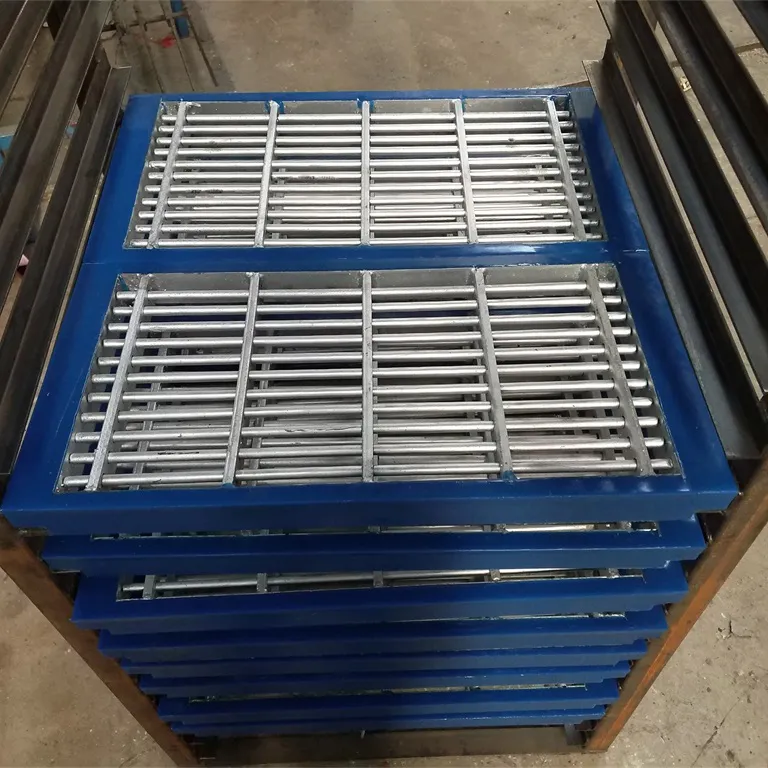
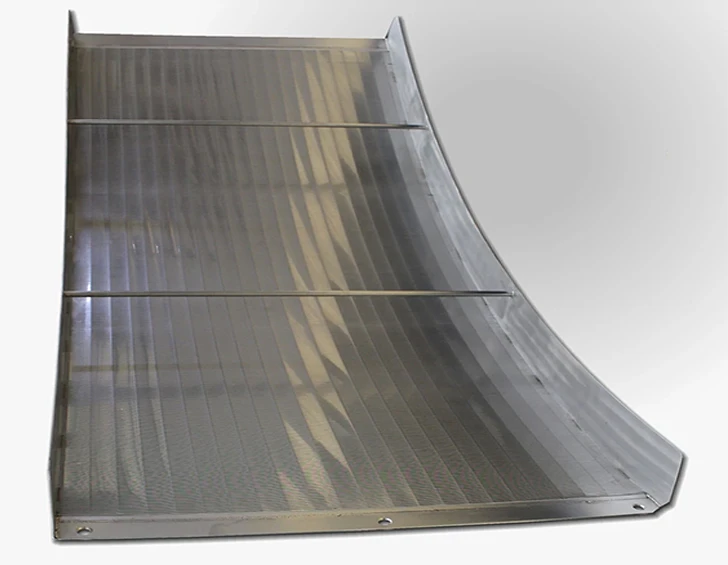
- Bed support: the plate’s apertures (square/slot/pin) control the fines drainage and bed stability.
- Cut point: aperture size + open area ≈ effective size cut; flow regime tunes density split.
- Discharge: heavies sink to hutch; lights/tails overflow—screen must resist abrasion + impact.
- Testing: aperture accuracy per ISO 3310/ISO 9044; PU hardness per ASTM D2240; abrasion per ASTM G65.
Typical specifications (real-world use may vary)
| Parameter | Polyurethane (PU) | Manganese Steel | Stainless 304/316 |
|---|---|---|---|
| Aperture range | 0.5–50 mm | 2–80 mm | 0.5–40 mm |
| Open area | 35–55% ≈ | 30–50% ≈ | 35–60% ≈ |
| Hardness | Shore A 85–95 (ASTM D2240) | ASTM A128 Grade | HB 150–200 |
| Temp. limit | ≤ 80–90°C | ≤ 400°C | ≤ 250°C |
| Service life | 6–18 months (ore-dependent) | 4–12 months | 8–16 months (corrosion-prone) |
| Fixing | Modular pin/bolt | Bolt/weld-in | Bolt-in |
Vendor snapshot (what buyers actually compare)
| Vendor | Lead Time | Certifications | Notes |
|---|---|---|---|
| MutoScreen (Hebei) | 10–20 days | ISO 9001:2015; material test reports | Strong custom apertures; quick prototypes |
| Generic Import | 20–35 days | Varies | Lower price; mixed QC |
| Local Fabricator | 5–15 days | Often ISO 9001 | Fast service; limited tooling |
Applications, benefits, and what users say
- Mining: hematite, magnetite, tin, gold, manganese; Coal prep; slag and recycled aggregates.
- Advantages: better stratification stability, reduced pegging (PU), corrosion resistance (SS), high-impact tolerance (Mn).
- Customers report: 8–15% lower misplacement when switching to tighter tolerance apertures; less downtime with modular PU panels.
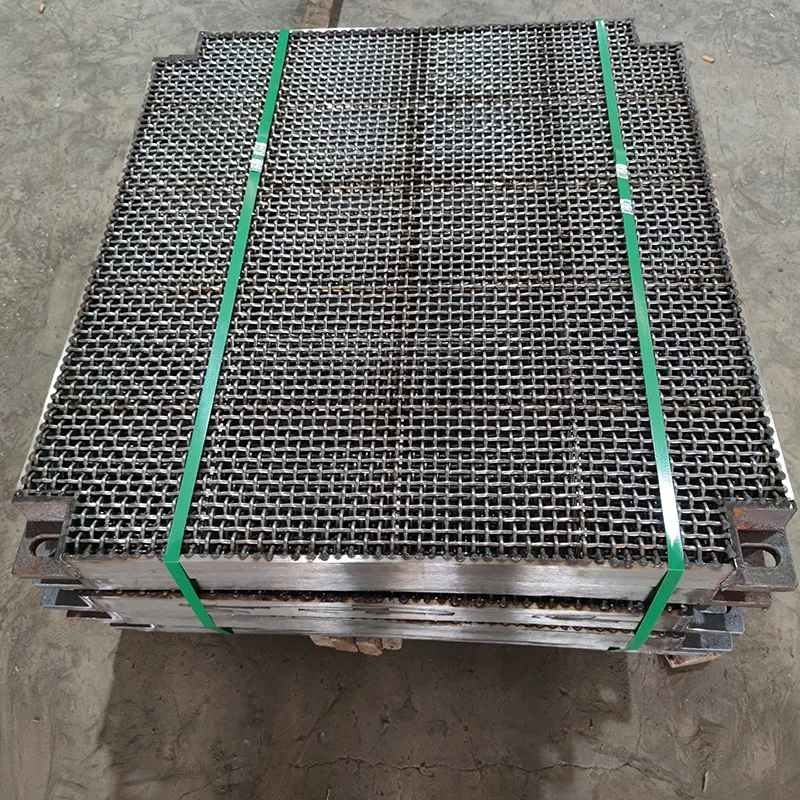
Customization and QA
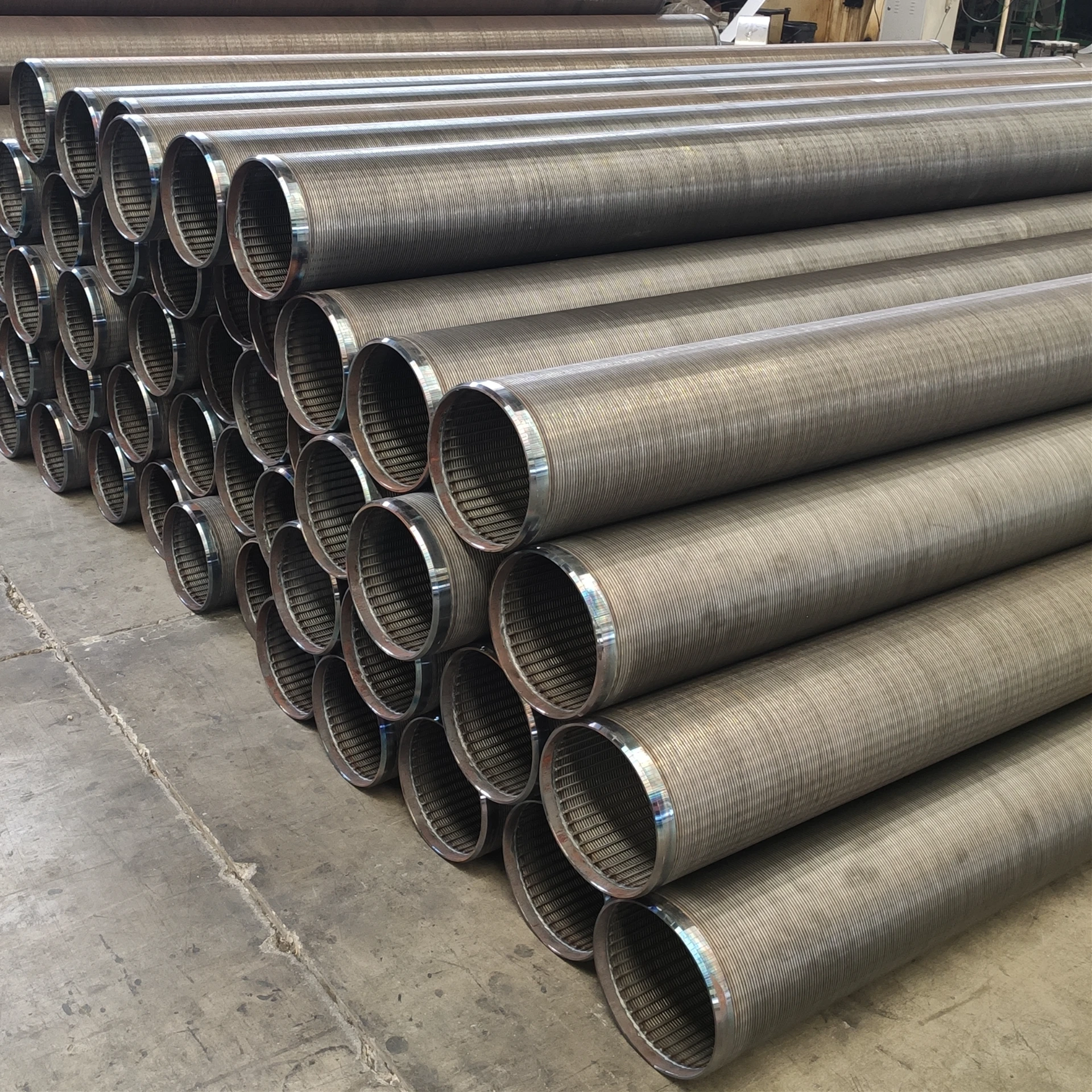
Apertures (square/slot/round), panel thickness, fastening geometry, and rubber/PU hardness can be tailored. Aperture tolerance is checked to ISO 3310/ISO 9044; PU tested per ASTM D2240, abrasion per ASTM G65; stainless pickled/passivated to resist pitting. Traceability lot-by-lot with MTRs; optional third-party inspection (SGS, BV) on request.
Case briefs and data
- Iron ore jig, WA: swapped worn Mn plate for PU 12 mm slot. Misplacement down ≈ 11%, availability +3.2%, plate life from 5 to 11 months.
- Coal jig, Shanxi: stainless 316 slotted plate in acidic water. Corrosion failures dropped to zero in 9 months; ash rejection improved 6%.
Trends I’m seeing
More plants are standardizing on modular PU, leaning into digital wear monitoring, and pushing higher open area designs. Sustainability matters too—longer life, fewer changeouts, safer installs. And yes, the question What Is Jigging Method still pops up in meetings; the answer keeps evolving with smarter media.
Authoritative references
- Wills, B.A. & Finch, J., Wills’ Mineral Processing Technology, 8th Ed., Elsevier.
- SME Mining Engineering Handbook, Society for Mining, Metallurgy & Exploration.
- ISO 3310-1: Test sieves—Technical requirements and testing—Metal wire cloth.
- ISO 9044: Industrial wire screens and woven wire cloth—Technical requirements.
- ASTM D2240: Standard Test Method for Rubber Property—Durometer Hardness.
- ASTM G65: Standard Test Method for Measuring Abrasion Using the Dry Sand/Rubber Wheel.