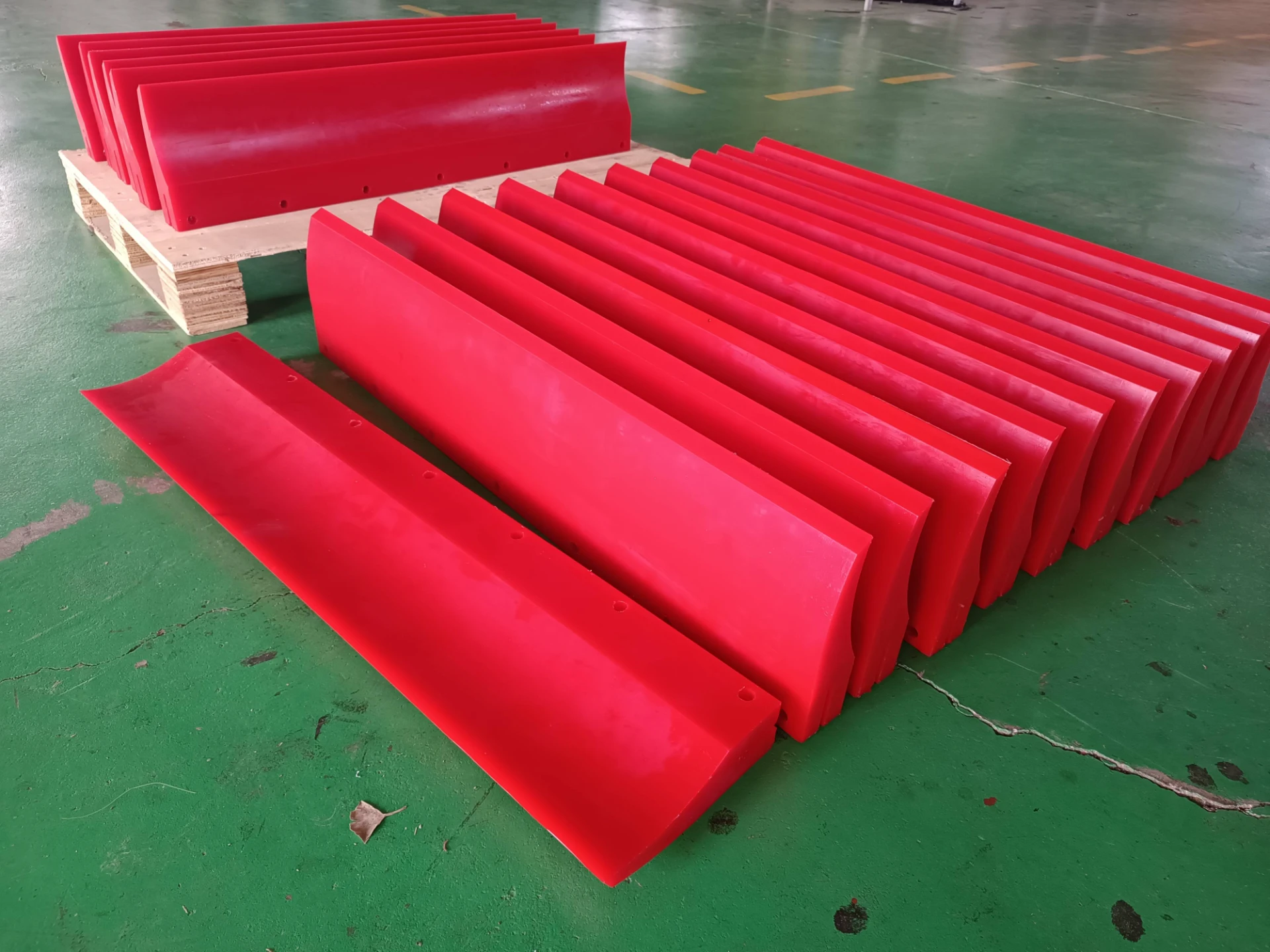
Understanding PU Screen Mesh: A Subtle Revolution in Industrial and Environmental Applications
At first glance, pu screen mesh may sound like just another technical fabric variation — but its impact quietly spans across industries from construction to environmental management. Globally, this technology contributes to better resource efficiency, improved safety, and increasingly sustainable solutions. That's no small thing considering the constant urban expansion and the demand for resilient, adaptable materials everywhere from skyscrapers in Dubai to humanitarian setups in disaster regions.
PU Screen Mesh in a Global Context: Why It Matters
The world produced roughly 2.1 billion tons of construction material waste each year (according to the UN Environment Programme). Materials that can be durable yet lightweight, easy to replace, and environmentally savvy — like pu screen mesh — are crucial parts of the solution. Its robust nature helps to reduce material wastage, promote safety in structures, and, importantly, provide breathable barriers that prevent dust or insects from causing health issues in agricultural or residential settings.
However, the challenge remains: How to find meshes that deliver long-term durability in harsh conditions without escalating costs or increasing ecological footprints? And that’s where PU screen mesh, with its special polyurethane coating, steps into the spotlight.
Defining PU Screen Mesh: What Is It, Really?
Put simply, PU screen mesh is a fabric-like material made from a base mesh — often polyester or nylon — coated with polyurethane. This coating gives it excellent mechanical strength, water resistance, and flexibility. The PU creates a protective layer that can resist UV rays, chemical exposure, and physical abrasion better than untreated meshes.
You might wonder, why not just use regular mesh? Well, untreated fabric meshes often lose their integrity under prolonged sun exposure or when they're wet. PU screen mesh changes the game, especially in industries needing breathable yet tough materials — think insect screens for homes, dust barriers in factories, mesh fencing, or even in agriculture to shield plants.
Key Attributes Driving PU Screen Mesh Performance
Durability
The polyurethane coating extends the mesh’s lifespan, resisting tears, mold, and UV deterioration much more effectively than plain mesh fabrics. This means fewer replacements, less waste, and better cost-efficiency in the long run.
Breathability & Airflow
Despite being robust, PU screen mesh maintains excellent airflow, which is crucial for applications like insect protection or greenhouse shading where ventilation is key to health and efficiency.
Water Resistance
The PU layer repels water and contaminants, preventing clogging and degradation — a huge advantage in humid or rainy climates.
Customization & Scalability
Manufacturers can tint, thickness-adjust, or weave PU mesh in different patterns, accommodating diverse needs from fine insect screens to heavy-duty industrial sieves.
Cost Efficiency
While initially pricier than untreated mesh, the longevity and maintenance savings often make PU screen mesh a better economic choice, especially for long-term projects.
Product Specifications: A Typical PU Screen Mesh at a Glance
| Feature | Specification |
|---|---|
| Base Material | Polyester or Nylon Mesh |
| PU Coating Thickness | 50-120 microns |
| Tensile Strength | 18-30 N/cm |
| UV Resistance | Up to 1500 hours (accelerated testing) |
| Water Vapor Transmission | High (breathable, >1000g/m²/day) |
| Common Colors | Black, Gray, White, Green |
Global Applications & Use Cases
From industrial warehouses in North America to mosquito nets in tropical Africa, PU screen mesh plays a quiet but vital role.
- Agricultural shading: Protecting crops from harmful sun rays and pests while maintaining airflow helps farmers improve yields sustainably.
- Insect screens for housing: In malaria-endemic zones, durable and breathable PU mesh screens prevent disease transmission.
- Construction dust barriers: Cities with growing urban populations use PU screen mesh to control dust and debris in work sites, enhancing air quality.
- Industrial filtration: Factories use this mesh to sieve particles without clogging or fading under harsh chemical exposure.
- Disaster relief shelters: Mesh tents or temporary enclosures benefit from PU mesh to ensure ventilation but resist weather extremes.
In short, wherever lightweight, durable, yet breathable barriers are needed, the mesh proves its worth, sometimes almost invisibly but always effectively.
Comparing Leading PU Screen Mesh Vendors
| Vendor | Material Options | Customization | Pricing | Lead Time |
|---|---|---|---|---|
| MutoScreen Solutions | Polyester, Nylon base; PU & TPU coatings | Color, weave density, roll widths | Mid-range | 2-3 weeks |
| EcoWeave Industries | Recycled Polyester; PU coating only | Limited to pre-set options | Budget-friendly | 3-4 weeks |
| Duratex Fabrics | Nylon with advanced PU layers | Full bespoke service | Premium | 1-2 weeks |
Advantages and Long-Term Value of PU Screen Mesh
The tangible benefits speak volumes. Cost savings come not only from less frequent replacements but also from the avoidance of downtime and health risks related to dust and pest ingress. Emotionally, there’s a sense of peace of mind—knowing that a breathable mesh barrier can protect families from mosquitoes or keep factories cleaner and safer.
Plus, its alignment with sustainability goals makes PU screen mesh even more attractive. Being lightweight reduces shipping emissions; durability reduces waste; and some types incorporate recycled materials — ticking multiple boxes for corporate responsibility.
Emerging Trends and Innovations in PU Screen Mesh
Innovation is busy cooking in this space. For one, companies are experimenting with bio-based polyurethanes to lower reliance on fossil fuels. Digital textile printing is enabling bespoke designs for specialty applications. Smart meshes embedded with sensors can now monitor environmental conditions remotely — quite futuristic but already underway.
Automation in production lines promises more consistent quality and lower costs, making PU screen mesh accessible to emerging-market buyers.
Challenges & Practical Solutions
No solution is perfect though. Common issues include sensitivity to extreme chemicals (requiring special coatings), and difficulty recycling mixed materials once worn out. The industry is tackling these with new formulations, and modular, easy-to-repair designs that extend usable life.
Working closely with end-users helps vendors adapt products to real-world wear patterns — sometimes that’s where the most useful innovation happens.
FAQ: Your Questions About PU Screen Mesh Answered
Q1: How does PU screen mesh compare to traditional insect screens?
A: PU screen mesh offers greater durability and weather resistance compared to traditional fiberglass or aluminum screens. Its breathable yet tough surface withstands UV exposure and resists tearing, making it ideal for long-term outdoor use.
Q2: Can PU screen mesh be customized to specific industry needs?
A: Absolutely. Manufacturers tailor mesh weave density, base fabric, coating thickness, and color to fit applications from fine filtration to heavy-duty construction screens.
Q3: Is PU screen mesh environmentally friendly?
A: While PU production involves fossil-based materials, ongoing research is introducing bio-based alternatives and recycled content. Its durability also means less frequent replacements and waste.
Q4: How do I maintain PU screen mesh for longevity?
A: Regular cleaning to remove debris and avoiding harsh solvents helps maintain performance. In extreme environments, periodic inspections for damage allow timely repairs.
Q5: Where can I source high-quality PU screen mesh?
A: Trusted vendors like MutoScreen Solutions offer customizable products with reliable lead times and technical support.
In Closing: The Long Game of PU Screen Mesh
Frankly, it feels like this is one of those unassuming innovations quietly reshaping industrial and humanitarian landscapes. It’s not flashy, but it’s essential. PU screen mesh delivers strength, breathability, and resilience — a trifecta that many industries desperately need.
If you’re considering durable, cost-effective screening solutions that keep both the environment and your bottom line in mind, then exploring PU screen mesh options might just be a source of inspiration.