Conveyor Belt Scraper Blades: Essential Components for Industrial Efficiency
Conveyor belts are the unsung heroes of modern industry—transporting raw materials, products, and waste efficiently across vast distances inside factories, mines, and ports. But the true magic often lies in small yet vital parts, like conveyor belt scraper blades. These components help keep belts clean, prevent material carryback, reduce wear, and boost operational uptime. Globally, industries that depend on bulk material handling—from mining to agriculture—know that optimizing scraper blades means better productivity and lower costs.
Understanding conveyor belt scraper blades is more than just knowing a piece of equipment. It opens a window into smarter manufacturing processes, sustainability efforts, and safety protocols worldwide.
Global Context: Why Conveyor Belt Scraper Blades Matter
According to the International Organization for Standardization (ISO), conveyor systems move over 70% of all bulk solid materials globally in sectors like mining, cement, and food processing. However, one major challenge remains: material carryback—the leftover residue that sticks to belts after unloading.
This carryback leads to costly downtime, belt damage, and safety hazards including slips or spills. Conveyor belt scraper blades tackle this problem directly. Major mining operations in Australia, Brazil, and South Africa, for example, report up to 30% longer belt life and significant reduction in maintenance hours thanks to advanced scraper blade designs.
Simply put, clean belts = efficient, safer, more sustainable operations. It’s the kind of small innovation with outsized global impact.
What Are Conveyor Belt Scraper Blades?
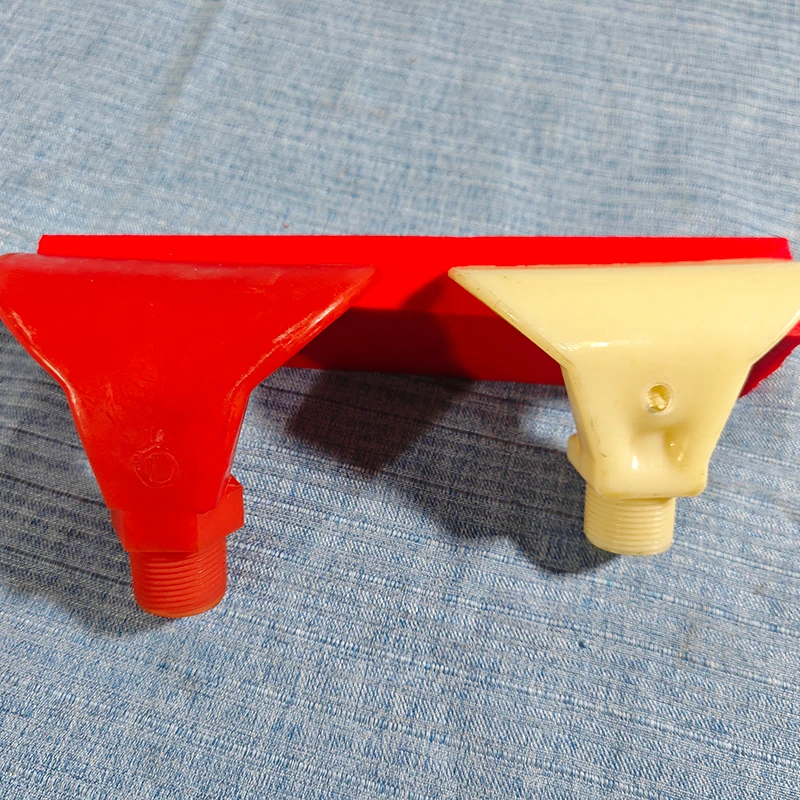
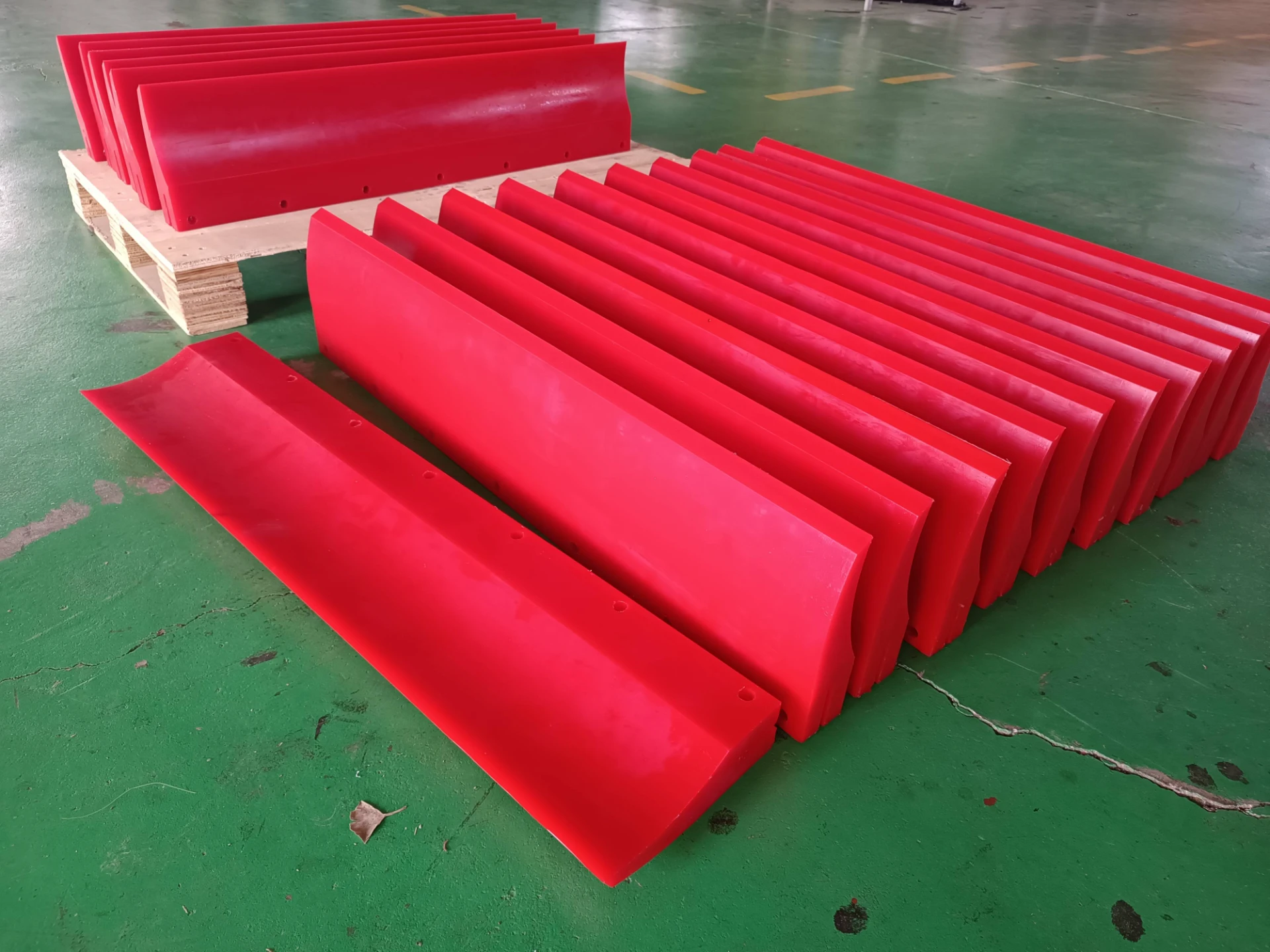
In simplest terms, conveyor belt scraper blades are specially designed strips made of wear-resistant materials and mounted typically behind the conveyor’s discharge pulley. Their job: scrape off any bulk material stuck to the conveyor’s surface as it moves along.
Think of it like windshield wipers for the conveyor. Without them, leftover material can build up, causing damage and inefficiencies that ripple across the entire transport chain.
They connect to humanitarian needs too. In disaster relief logistics, for instance, materials like sandbags or food packets must be precisely and cleanly transported to avoid messy delays or contamination.
Core Components & Key Factors
1. Durability
Scraper blades face constant friction and exposure to abrasive materials. High-quality blades are usually made from polyurethane, tungsten carbide, or hardened steel—each chosen for resistance to wear, temperature, and chemical exposure.
2. Adjustability and Ease of Installation
Because belts vary in width and material type, scraper blades often come with adjustable mounting systems. Quick installation and blade replacement reduce downtime, a crucial factor in industries where every minute counts.
3. Material Compatibility
The right blade depends on the conveyored material: sticky clays require softer blades to avoid belt damage, while heavy rock or ore might need harder, sharper blades to scrape effectively.
4. Cost Efficiency
Of course, the best scraper blade balances upfront cost with longevity. Investing in a blade that lasts through thousands of hours without replacement means lower total costs in the long term.
5. Environmental Consideration
Some newer scraper blade materials are designed to be recyclable or have longer lifecycle sustainability, aligning with growing environmental standards across industries.
Product Specification Table: Typical Conveyor Belt Scraper Blade
| Feature | Specification |
|---|---|
| Material | Polyurethane with tungsten carbide edge |
| Thickness | 6 – 10 mm |
| Working Temperature | -20°C to +80°C |
| Blade Length | Customized to belt width |
| Mount Type | Adjustable bracket with tension spring |
| Average Lifespan | 12–18 months under typical heavy usage |
Global Applications & Use Cases
Conveyor belt scraper blades are everywhere—from massive copper mines in Chile to grain processing in the US Midwest, and from coal transportation in China’s power plants to recycling centers in Europe.
- Mining: Scraper blades protect belts from abrasive ores and reduce carryback, thus extending belt life and boosting uptime.
- Food Processing: Sanitary-grade blades ensure no residue buildup that could contaminate products.
- Waste Management: Durable blades help clean belts transporting scrap or refuse, reducing fire hazards caused by material buildup.
- Humanitarian Logistics: In post-disaster relief zones, clean conveyor belts expedite rapid material delivery, lowering delays.
Operationally, these blades save hours in maintenance, decrease equipment failures, and cut replacement costs—a real win for companies operating on razor-thin margins.
Vendor Comparison Table: Leading Conveyor Belt Scraper Blade Suppliers
| Vendor | Materials Offered | Customization Options | Warranty | Typical Delivery Time |
|---|---|---|---|---|
| MutoScreen | Polyurethane, Steel, Tungsten Carbide | Tailored lengths & mounting systems | 12 months | 2–3 weeks |
| ConveyX | Rubber, Steel | Standard sizes only | 6 months | 4–5 weeks |
| BeltGuard | Polyurethane, Ceramic composite | Custom & rapid prototyping | 18 months | 3–4 weeks |
Advantages & Long-Term Value
Investing in high-quality conveyor belt scraper blades offers tangible returns:
- Reduced Downtime: Less carryback means fewer unscheduled maintenance sessions and belt replacements.
- Lower Operational Costs: Extended equipment lifespan and reduced cleanup hours translate to better budgets.
- Workplace Safety: Preventing material spills lowers slip hazards and related injuries.
- Environmental Impact: Cleaner workspaces and less waste contribute to sustainability goals.
- Trust & Reliability: Operators can count on consistent performance, building confidence in their supply chain.
Emotionally, knowing your equipment is running smoothly reduces stress for plant managers and operators. There’s a quiet reassurance in minimizing surprises on a packed factory floor.
Future Trends & Innovations
Looking ahead, a few exciting trends shape the scraper blade landscape:
- Smart Materials: New composites with embedded sensors could monitor blade wear in real-time and alert maintenance teams.
- Automation Integration: Scraper systems combined with AI-driven predictive maintenance tools for optimized scheduling.
- Eco-Friendly Components: Bio-based materials and end-of-life recycling initiatives reduce environmental footprints.
- 3D Printing Customization: On-site blade fabrication tailoring shapes exactly to individual conveyor needs.
These innovations promise to improve efficiency and sustainability together—a much-needed one-two punch for industries worldwide.
Challenges & Solutions
Still, conveyor belt scraper blades face hurdles:
- Blade Wear and Tear: Despite advances, abrasive materials inevitably wear scrapers down. Solution? Regular inspections combined with longer-wear materials.
- Incorrect Installation: Misalignment can reduce scraper effectiveness. Expert training and adjustable mounting systems help overcome this.
- Cost Constraints: Especially for smaller operations, upfront costs can seem high. Leasing or modular blade kits offer budget-friendly alternatives.
- Compatibility: Finding the right blade for unusual materials may require consulting manufacturers or custom orders.
Oddly enough, many companies discover that proactive maintenance and supplier partnerships often solve the biggest issues before they manifest.
FAQ: Frequently Asked Questions About Conveyor Belt Scraper Blades
- Q: How often should conveyor belt scraper blades be replaced?
- A: Generally, scraper blades last between 12 to 18 months under heavy use, but exact replacement depends on material abrasion, operating conditions, and blade quality. Regular visual inspections every 3 months help catch wear early.
- Q: Can scraper blades be customized for any conveyor belt size?
- A: Yes, many vendors offer tailored lengths and adjustable mounting systems for different belt widths and types, ensuring optimal scraping performance without damaging the belt.
- Q: What materials are best for scraper blades in corrosive environments?
- A: Polyurethane with tungsten carbide edges or specialized reinforced composites are preferred, as they resist chemical damage while maintaining wear resistance.
- Q: How do conveyor belt scraper blades improve workplace safety?
- A: By preventing material carryback and spills, scraper blades reduce slip hazards and the accumulation of dust, which can be fire or explosion risks in certain industries.
- Q: Are eco-friendly scraper blades available?
- A: Yes, some manufacturers now provide blades made from recyclable materials or bio-based polymers, aligning with sustainability initiatives.
Conclusion: The Small Components Making a Big Difference
Conveyor belt scraper blades might seem like humble parts, but their impact reverberates across entire industries. From lifting operational efficiency and product quality to supporting environmental and safety standards, these blades are indispensable.
If you’re looking to elevate your bulk materials handling system, exploring modern scraper blade options could be the simple change that pays dividends over years. Visit our website to learn more about tailored solutions that meet your unique conveyor needs.
In the end, it’s about trusting that every piece of your operation is finely tuned—even the little ones that keep the belt running clean.
Quick Takeaway
High-quality conveyor belt scraper blades are essential for industrial efficiency, safety, and sustainability—small upgrades that lead to big savings and smoother operations.