Enhancing Efficiency and Durability in Industrial Screening with Advanced Polyurethane Solutions
In demanding industrial environments, the selection of robust and high-performance components is critical for operational continuity and efficiency. Among these, the polyurethane foam nozzle stands out as a superior choice for various applications, particularly in sectors requiring precision spraying, dewatering, or material separation. This article delves into the intricacies of these advanced nozzles, exploring their manufacturing processes, technical specifications, diverse application scenarios, and the profound technical advantages they offer over traditional materials. We will also examine current industry trends, provide a comparative analysis of vendor capabilities, and illustrate their impact through real-world case studies, underscoring their role in optimizing performance within systems involving polyurethane screens, vibrating screens, screening deck, and pu screen panel.
Industry Trends Driving Polyurethane Adoption
The industrial landscape is continuously evolving, with a growing emphasis on sustainability, operational efficiency, and extended service life of equipment. This paradigm shift directly impacts component selection, favoring materials that can withstand harsh operating conditions while minimizing maintenance and downtime. Polyurethane, with its exceptional abrasion resistance, chemical inertness, and superior elasticity, is perfectly positioned to meet these demands. We observe a significant trend towards replacing metallic and rubber components with polyurethane alternatives, especially in critical wear parts like nozzles and screen media. The demand for specialized polyurethane screens and pu screen panel systems for vibrating screens is escalating, driven by the need for finer separation, reduced noise levels, and enhanced throughput. Furthermore, the integration of advanced manufacturing techniques, such as precision molding and additive manufacturing for customized geometries, is expanding the potential applications and performance benchmarks for components like the polyurethane foam nozzle. These trends are particularly pronounced in mining, aggregate processing, petrochemical, and waste-water treatment sectors, where material resilience directly translates into substantial cost savings and environmental benefits.
The Meticulous Manufacturing Process of Polyurethane Foam Nozzles
The production of a high-quality polyurethane foam nozzle involves a sophisticated multi-stage process, ensuring optimal physical and chemical properties tailored for industrial use. Adherence to stringent quality control throughout these stages is paramount for product reliability and performance.
1. Material Selection and Preparation:
The foundation of a durable polyurethane nozzle lies in the selection of high-grade polyurethane elastomers. These are typically multi-component systems comprising a pre-polymer (isocyanate) and a curative (polyol or diamine). Specific formulations are chosen based on desired hardness (Shore A or D), abrasion resistance, chemical compatibility, and temperature stability. Raw materials undergo rigorous inspection to ensure purity and consistent properties, aligning with international standards such as ASTM D412 for tensile properties and ASTM D2240 for hardness.
2. Precision Mixing and Degassing:
The pre-polymer and curative are precisely weighed and thoroughly mixed under controlled temperature conditions. This step is critical to initiate the polymerization reaction. Following mixing, the compound is degassed under vacuum to remove any entrapped air bubbles, which could otherwise compromise the material's structural integrity and lead to porosity in the final product.
3. Molding or Casting:
For `polyurethane foam nozzles`, casting is the predominant manufacturing method due to its ability to produce complex geometries with high precision and excellent surface finish. Molds, often machined from steel or aluminum using CNC technology, are preheated to an optimal temperature. The degassed polyurethane mixture is then poured into these molds. The casting process allows for the creation of intricate internal channels and specific spray patterns, which are vital for the nozzle's performance. Unlike traditional casting, polyurethane casting doesn't involve forging, but rather a chemical reaction in the mold.
4. Curing and Post-Curing:
Once poured, the material undergoes an initial curing phase within the mold, typically at elevated temperatures, to solidify. After demolding, the nozzles are subjected to a post-curing process in specialized ovens. This post-cure is essential for achieving the material's full physical properties, including ultimate hardness, tensile strength, and chemical resistance. This stage is crucial for meeting target service life metrics.
5. Finishing and Quality Control:
Post-curing, the nozzles undergo trimming of any flash and may receive minor finishing operations. Each nozzle is then rigorously inspected against design specifications and international testing standards such as ISO 9001 for quality management and ANSI/ASME B1.20.1 for pipe threads. Key tests include dimensional accuracy, visual inspection for defects, and functional performance checks like spray pattern consistency and flow rate. This ensures compliance with application requirements for industries like petrochemical, metallurgy, and water supply & drainage. The superior corrosion resistance and energy-saving designs are validated during this phase.
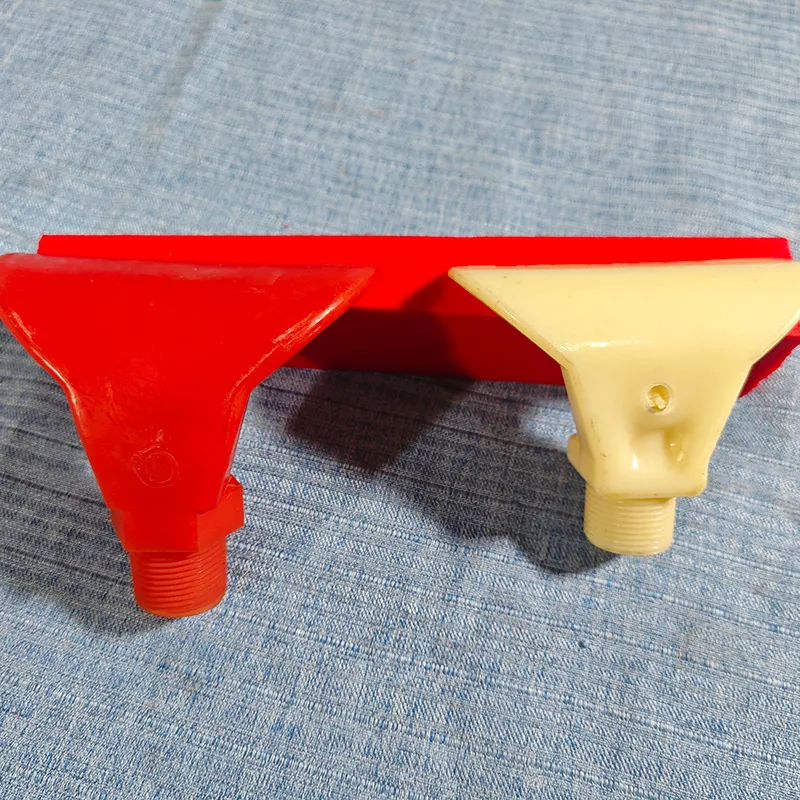
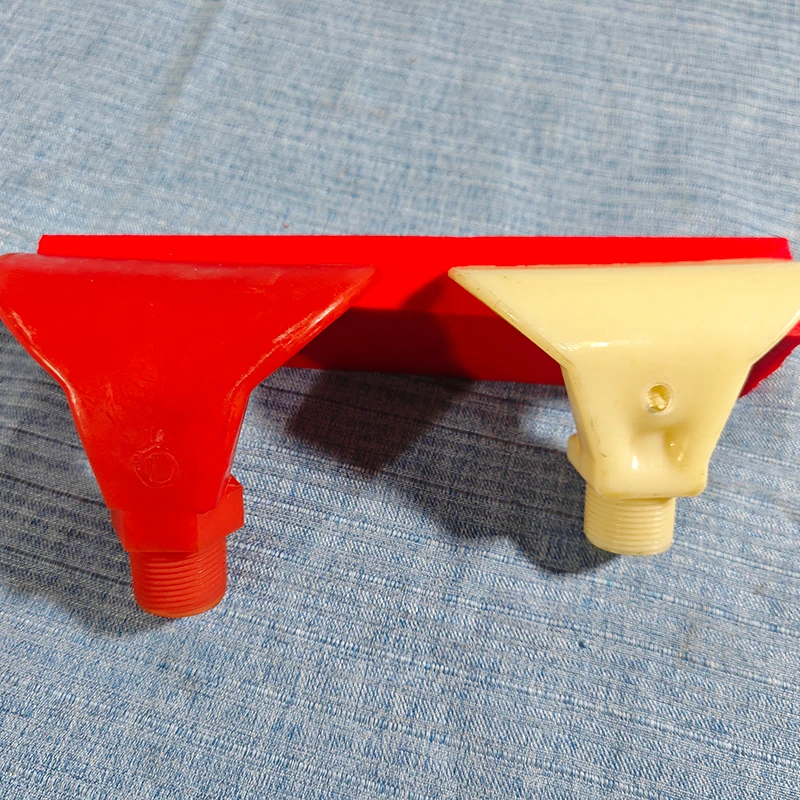
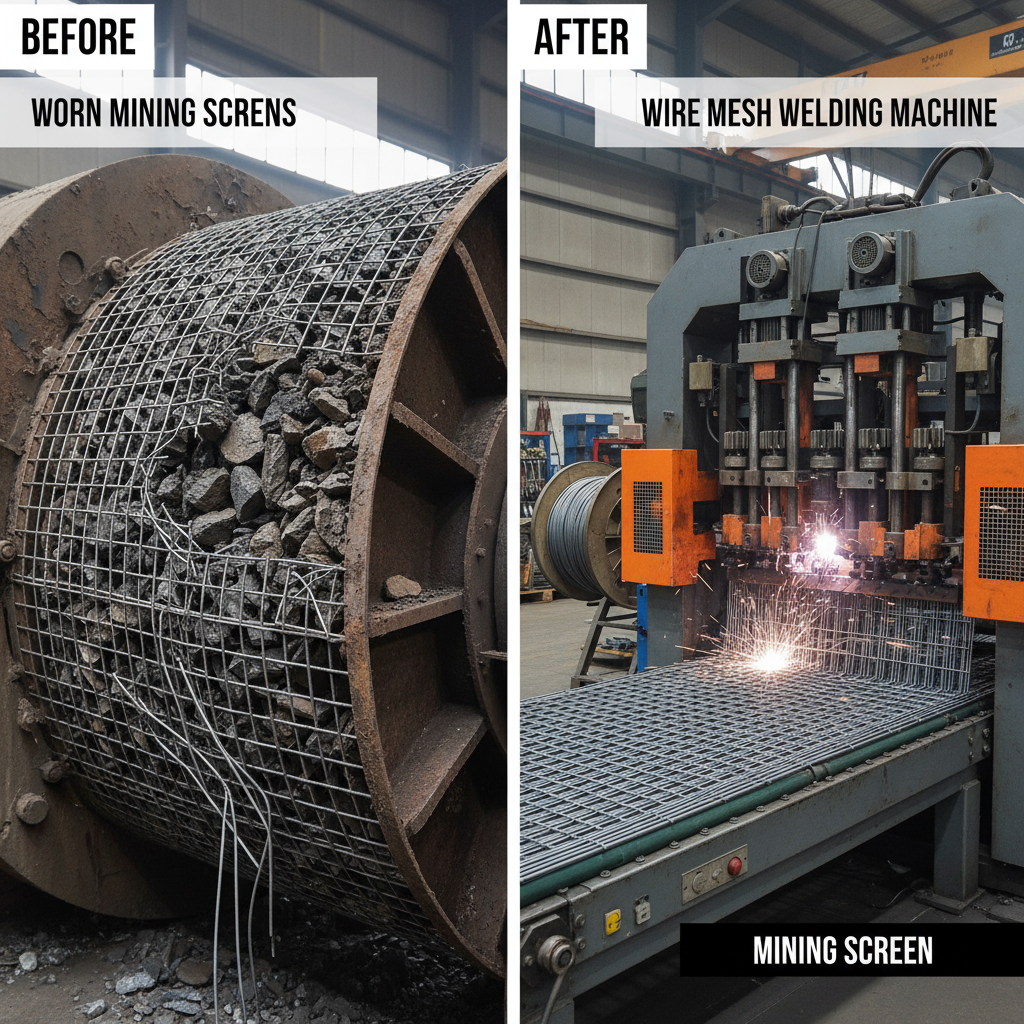
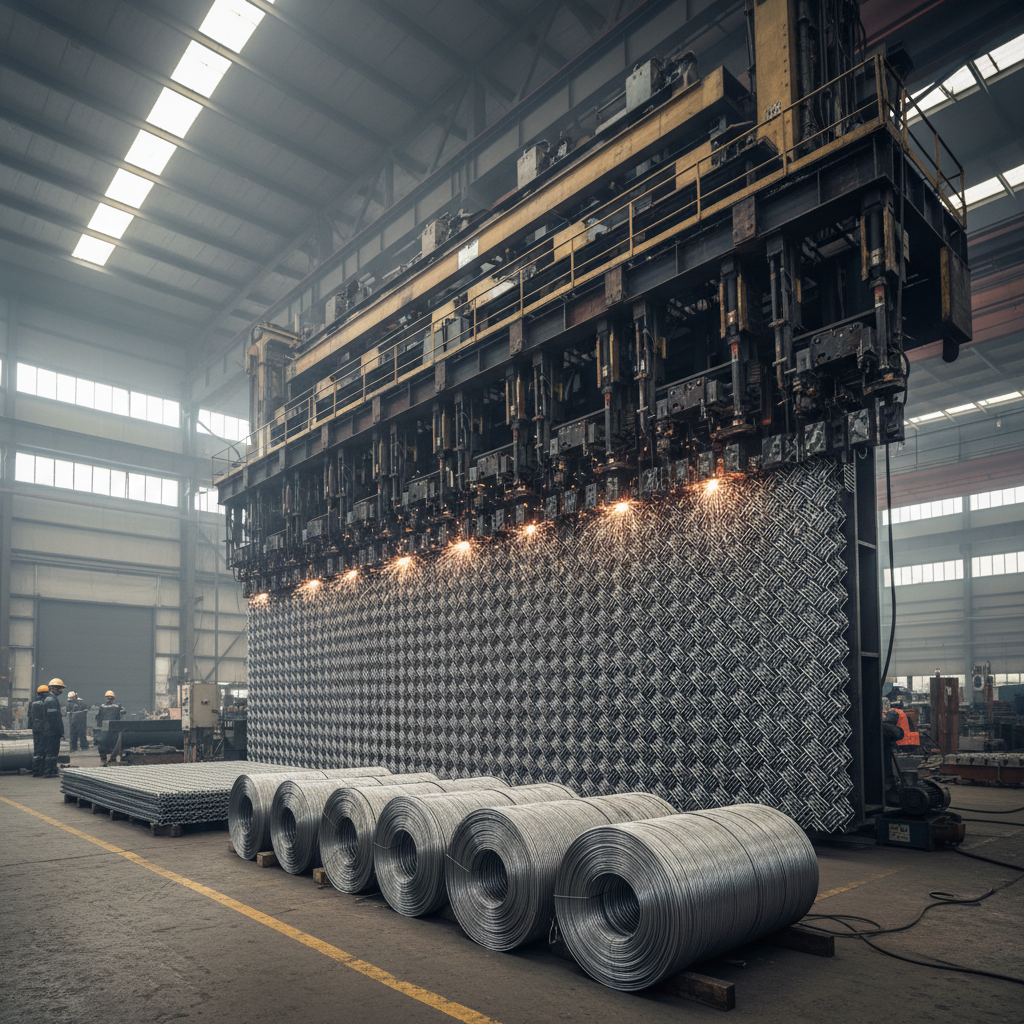
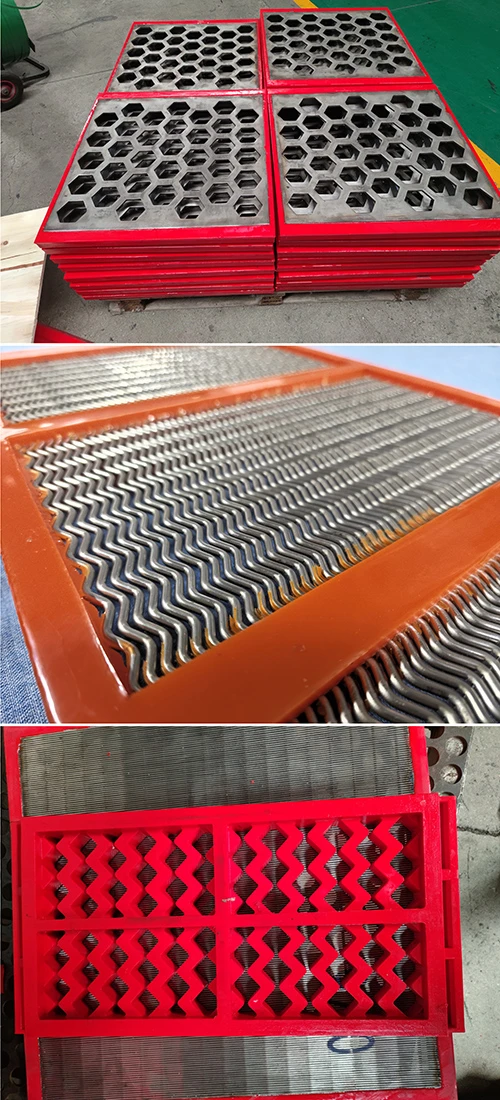
Figure 1: Illustration of a specialized polyurethane component, indicative of nozzle precision.
Technical Specifications of Polyurethane Foam Nozzles
The performance of a polyurethane foam nozzle is defined by a range of critical technical parameters. These specifications guide engineers in selecting the optimal nozzle for their specific process requirements, ensuring efficiency, longevity, and operational safety.
| Parameter | Value/Range | Standard/Test Method |
|---|---|---|
| Material Hardness | 75-95 Shore A or 50-70 Shore D | ASTM D2240 |
| Tensile Strength | ≥ 35 MPa (5000 psi) | ASTM D412 |
| Abrasion Resistance | ≤ 0.05 cm³ loss (Taber Abraser, 1000 cycles, 1000g load) | ASTM D4060 |
| Operating Temperature Range | -30°C to +80°C (continuous) | Manufacturer Specific |
| Chemical Resistance | Excellent to oils, greases, solvents, dilute acids/bases | ISO 2812-1 |
| Nozzle Orifice Diameter | Varies by application (e.g., 0.5mm to 10mm) | Dimensional Inspection |
| Spray Pattern | Full cone, flat fan, solid stream, hollow cone (customizable) | Flow Testing / Visual Inspection |
| Connection Type | NPT, BSPT, Flanged (customizable) | ANSI/ASME B1.20.1 |
These parameters are meticulously engineered to ensure that each polyurethane foam nozzle delivers consistent performance over an extended operational lifespan, often surpassing traditional materials by a factor of two or three in abrasive environments. This translates directly to reduced operational costs and enhanced system reliability, especially when integrated into high-throughput vibrating screens and screening deck systems.
Diverse Application Scenarios
The versatility of polyurethane foam nozzles allows for their deployment across a broad spectrum of industrial applications where precise fluid dispersion, material cleaning, or dewatering is required. Their robust construction makes them ideal for environments where conventional nozzles fail prematurely.
- Mining and Aggregate Processing: In these abrasive industries, nozzles are crucial for washing, dust suppression, and dewatering. Polyurethane nozzles, particularly in conjunction with polyurethane screens, are utilized on vibrating screens to efficiently clean mineral aggregates, remove clay fines, and assist in material classification. Their resistance to impact and abrasion significantly extends service life compared to metallic nozzles when handling slurry.
- Coal Preparation Plants: For washing coal and removing impurities, these nozzles deliver uniform spray patterns critical for effective separation. They are often integrated into wash plants alongside pu screen panel systems, providing consistent spray coverage across the screening deck to maximize cleaning efficiency and minimize water consumption.
- Chemical and Petrochemical Industry: Polyurethane's excellent chemical resistance makes these nozzles suitable for spraying corrosive liquids, gas scrubbing, and tank cleaning applications. They maintain structural integrity even when exposed to a wide range of acids, bases, and solvents, reducing the need for frequent replacement.
- Water Treatment and Wastewater Management: Used in biological treatment processes for aeration, foam suppression, and for cleaning filter media. Their non-corrosive nature ensures they do not contribute to water contamination and can withstand continuous exposure to various chemical treatments.
- Food Processing: For rinsing and cleaning produce or equipment, where hygiene and non-contaminating materials are paramount. Specialized FDA-compliant polyurethane formulations can be used in these sensitive applications.
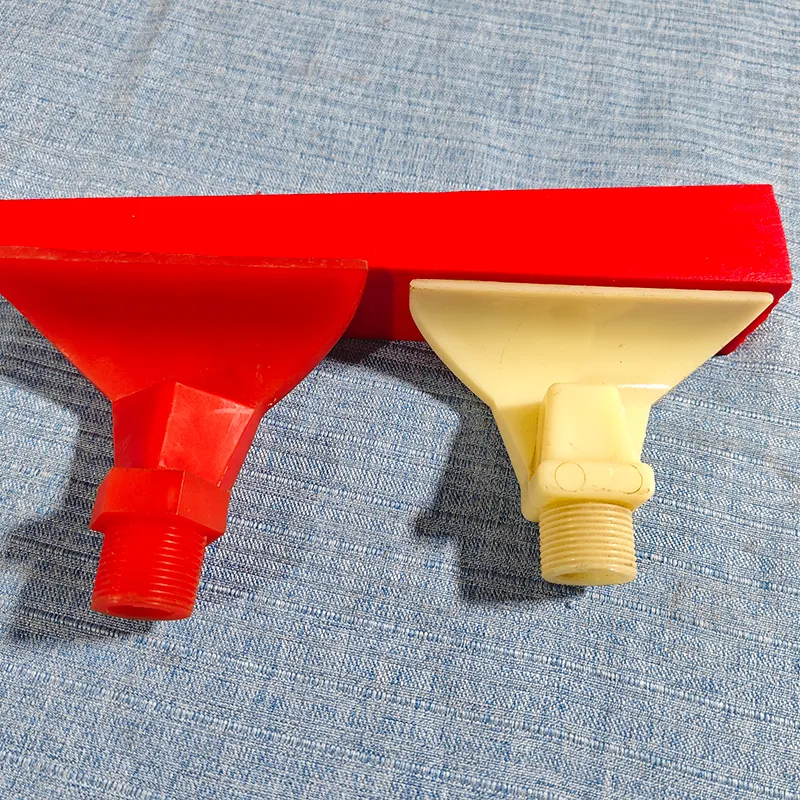
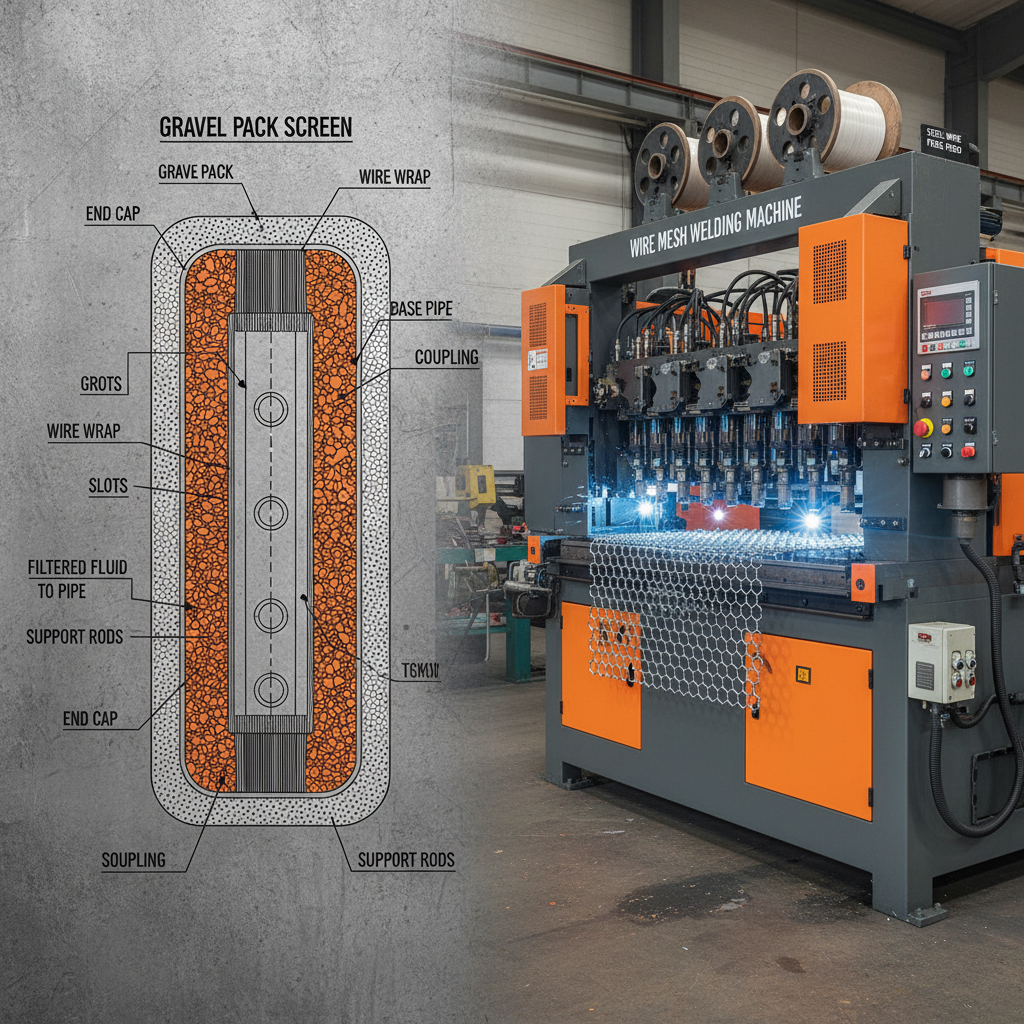
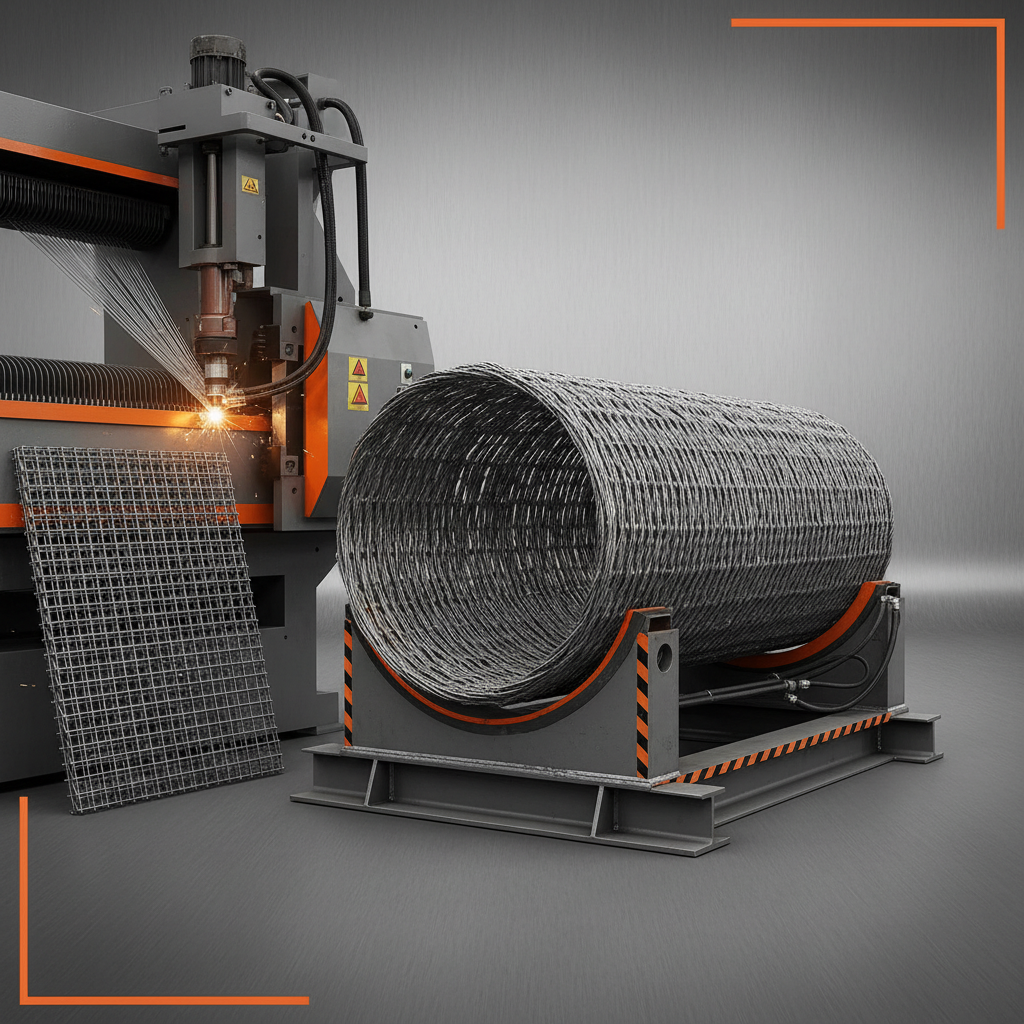
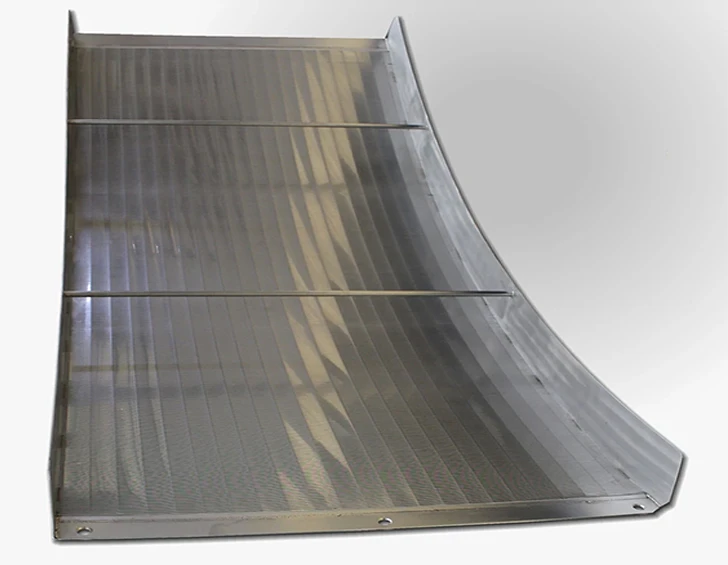
Figure 2: Polyurethane nozzle in an active industrial spray application.
Technical Advantages of Polyurethane Foam Nozzles
The adoption of polyurethane foam nozzles is driven by a compelling set of technical advantages that translate into significant operational benefits. These advantages address common pain points associated with traditional metallic or ceramic nozzles.
- Superior Abrasion Resistance: Polyurethane exhibits exceptional resistance to abrasive slurries and high-velocity particulate impact. This property significantly extends the nozzle's operational life, reducing replacement frequency and associated downtime compared to steel or brass nozzles, which can erode rapidly in such conditions. Data suggests polyurethane can outlast traditional materials by 3-5 times in highly abrasive applications.
- Excellent Chemical Resistance: Unlike many metals susceptible to corrosion, specific polyurethane formulations offer robust resistance to a wide range of chemicals, including acids, alkalis, oils, and solvents. This ensures stable performance and integrity in corrosive environments typical of chemical processing or wastewater treatment.
- Impact Resilience and Elasticity: Polyurethane possesses inherent elasticity and impact absorption capabilities. This protects the nozzle from damage due to unexpected impacts or pressure surges, which could crack or deform brittle materials like ceramics or rigid plastics. This resilience minimizes the risk of catastrophic failure.
- Lighter Weight: Being considerably lighter than metallic alternatives, polyurethane nozzles reduce the overall load on spray systems and supporting structures. This can simplify installation, reduce shipping costs, and improve safety during handling.
- Noise Reduction: The inherent dampening properties of polyurethane contribute to reduced operational noise levels, which is a significant benefit in industrial settings aiming for quieter operations and improved worker safety, especially when integrated into large vibrating screens systems.
- Precise Spray Patterns: Through advanced manufacturing processes like precision casting, polyurethane nozzles can be produced with highly accurate internal geometries, ensuring consistent and predictable spray patterns (e.g., uniform full cone or sharp flat fan) vital for effective cleaning, cooling, or material handling on a screening deck.
- Cost-Effectiveness: While the initial unit cost might sometimes be comparable to or slightly higher than basic metallic nozzles, the extended service life, reduced maintenance, and fewer replacements result in a significantly lower Total Cost of Ownership (TCO) over the operational lifespan.
Vendor Comparison: Selecting the Right Partner
Choosing the right supplier for industrial components like the polyurethane foam nozzle is as critical as the product itself. A reliable vendor not only provides quality products but also offers comprehensive support, expertise, and customization capabilities.
| Feature/Criterion | MutoScreen (Example) | Generic Vendor B (Typical) |
|---|---|---|
| Material Grade & Quality | High-performance, application-specific polyurethanes, ISO 9001 certified. | Standard industrial grade, potentially less specialized. |
| Manufacturing Process | Precision casting, strict QC, validated against ANSI/ASTM. | Standard molding, possibly less stringent quality checks. |
| Customization Capabilities | Extensive design flexibility for spray patterns, sizes, and connections. | Limited to standard configurations. |
| Technical Support & Expertise | Dedicated engineering team, application specialists, years of field experience. | Basic product support, less specialized advice. |
| Product Range | Comprehensive for nozzles, polyurethane screens, pu screen panel, and entire screening deck solutions. | Potentially limited to specific product types. |
| Lead Time & Fulfillment | Streamlined logistics, competitive lead times, global shipping. | Variable, less reliable for urgent orders. |
For optimal performance and long-term value, it is imperative to partner with a vendor demonstrating a deep understanding of polyurethane technology and its specific industrial applications. A vendor with strong references, transparent quality control, and a commitment to R&D ensures access to cutting-edge solutions for your vibrating screens and other processing equipment.
Customized Solutions and Design Flexibility
Recognizing that every industrial process presents unique challenges, leading manufacturers of polyurethane foam nozzles offer extensive customization options. This flexibility extends beyond standard product lines, enabling engineers to design solutions perfectly tailored to their operational parameters.
- Material Formulation: Tailoring the polyurethane compound to resist specific chemicals, operate at extreme temperatures, or achieve a particular Shore hardness for specialized abrasion resistance.
- Nozzle Geometry: Modifying orifice size, spray angle, and internal channel design to achieve specific flow rates, spray patterns (e.g., extremely fine mist, high-impact jet), and coverage areas. This is crucial for optimizing washing efficiency on a screening deck.
- Connection Interfaces: Custom threading, flange designs, or quick-connect mechanisms to ensure seamless integration with existing piping and manifold systems, including those feeding polyurethane screens.
- Integrated Solutions: Designing nozzles as part of a larger system, such as a complete spray bar or manifold, optimized for specific vibrating screens or dewatering units.
This bespoke approach ensures maximum efficiency, minimizes waste, and enhances overall system performance, directly contributing to energy savings and prolonged equipment life.
Application Case Studies
Real-world deployments demonstrate the tangible benefits of integrating polyurethane foam nozzles into industrial operations. These examples highlight performance improvements, cost reductions, and enhanced operational reliability.
Case Study 1: Iron Ore Processing Plant
A major iron ore processing facility in Western Australia faced persistent challenges with severe abrasion on their metallic spray nozzles used for washing ore fines on their primary vibrating screens. Nozzles required replacement every 3-4 weeks, leading to significant downtime and maintenance costs. By transitioning to custom-designed polyurethane foam nozzles with optimized spray patterns, the plant achieved a service life exceeding 6 months. This represented an over 500% increase in lifespan, translating into an estimated annual savings of USD 150,000 in replacement parts and labor, alongside reduced water consumption due to more consistent spray.
Case Study 2: Municipal Wastewater Treatment Plant
A large municipal wastewater treatment plant utilized traditional brass nozzles for foam suppression and cleaning of their biological filters. These nozzles frequently clogged and corroded due to chemical exposure, resulting in inconsistent spray and increased operational labor for cleaning. Implementing specialized polyurethane foam nozzles with enhanced chemical resistance and anti-clogging designs led to a 70% reduction in clogging incidents and extended their service interval from 2 months to over 9 months. The consistent spray performance also improved filter efficiency, demonstrating the reliability of the pu screen panel elements.
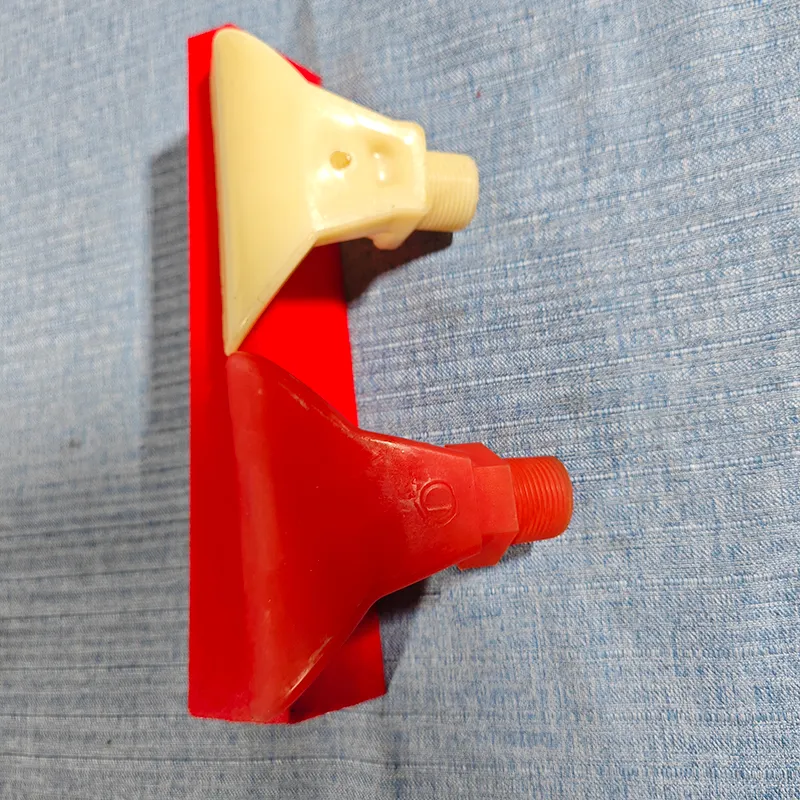
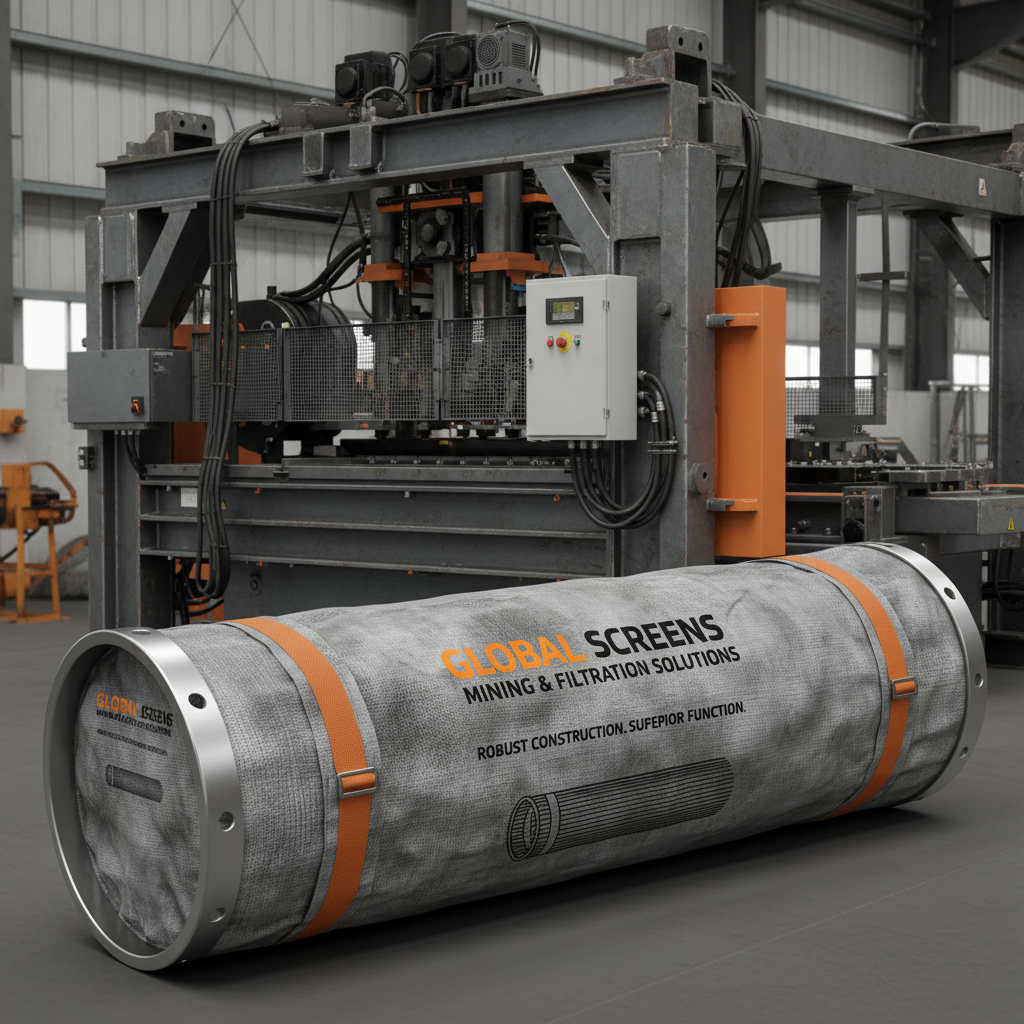
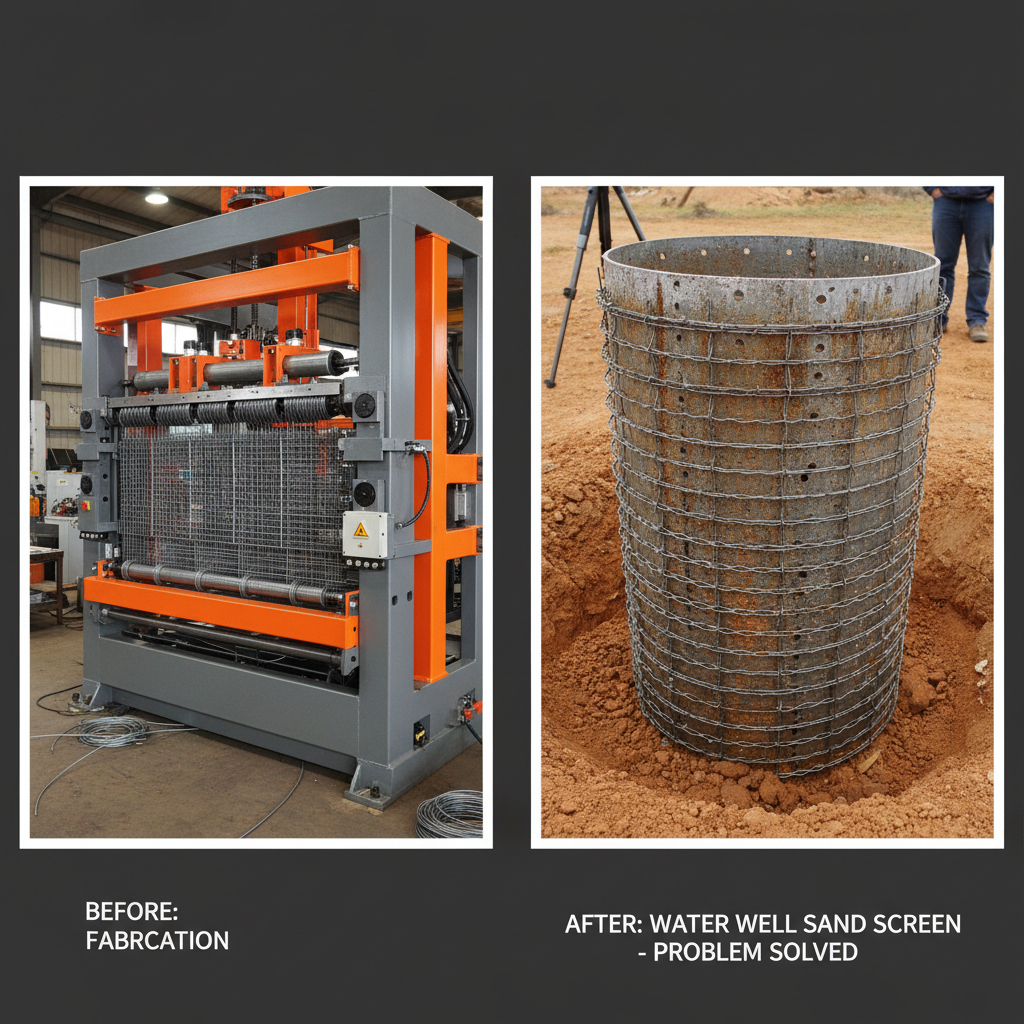
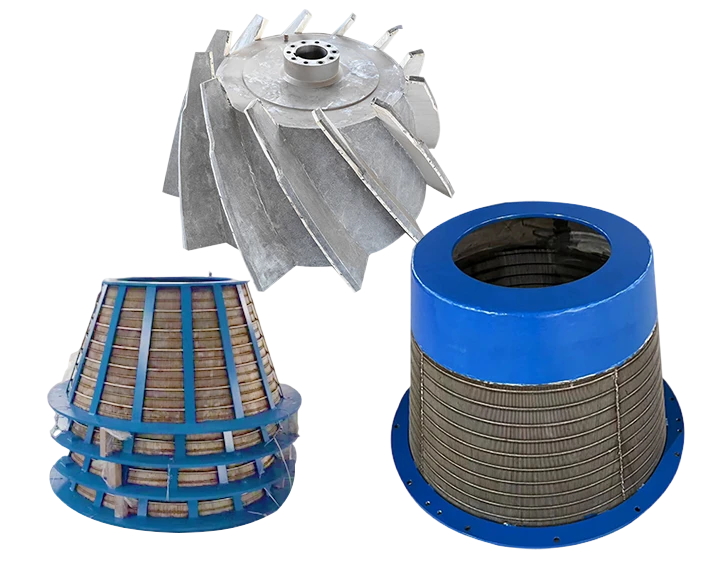
Figure 3: Polyurethane nozzles integrated into a screening machine.
Frequently Asked Questions (FAQ)
Q: How does the service life of a polyurethane foam nozzle compare to metallic nozzles?
A: In abrasive applications, polyurethane nozzles typically offer 2-5 times the service life of traditional metallic nozzles due to their superior abrasion and corrosion resistance. This significantly reduces replacement frequency and maintenance costs.
Q: Can polyurethane nozzles withstand high temperatures?
A: Standard polyurethane formulations are generally suitable for continuous operation up to 80°C. For applications requiring higher temperature resistance, specialized high-temperature polyurethane or hybrid materials can be formulated. Always consult with the manufacturer for specific thermal limits.
Q: Are these nozzles suitable for corrosive chemicals?
A: Yes, polyurethane exhibits excellent resistance to many corrosive chemicals, including mild acids, bases, and various solvents. However, resistance can vary depending on the specific chemical concentration, temperature, and duration of exposure. It is crucial to specify the chemical environment when ordering to ensure the correct formulation is used.
Q: What is the typical lead time for custom polyurethane nozzles?
A: Lead times for custom solutions can vary based on complexity and order volume. For standard configurations, lead times often range from 2-4 weeks. For highly customized designs requiring new tooling, it can be 6-10 weeks. Expedited options may be available upon request. MutoScreen offers streamlined production processes to minimize lead times without compromising quality.
Logistics, Warranty, and Customer Support
Ensuring a seamless customer experience, beyond product quality, involves robust logistical support, clear warranty commitments, and responsive after-sales service.
- Lead Time and Fulfillment: We maintain efficient production schedules and inventory management for standard polyurethane foam nozzle products, enabling quick dispatch. Custom orders are managed through a transparent project timeline, providing clients with regular updates from design to delivery. We partner with reputable logistics providers to ensure timely and secure global delivery.
- Warranty Commitment: All our polyurethane products are backed by a comprehensive warranty against manufacturing defects and material failures under specified operating conditions. We stand by the quality and durability of our nozzles, offering peace of mind to our industrial clients. Specific warranty terms are provided with each quotation and order confirmation.
- Customer Support: Our dedicated technical support team is available to assist with product selection, installation guidance, troubleshooting, and custom design requests. With years of experience in industrial screening and processing applications, our engineers provide expert advice to optimize system performance and extend component life. We also offer on-site consultation and training where required.
Conclusion
The polyurethane foam nozzle represents a significant advancement in industrial fluid management and material processing. Its unparalleled resistance to abrasion, corrosion, and impact, combined with its capacity for precision engineering and customization, positions it as an indispensable component in challenging environments. From enhancing the efficiency of vibrating screens and polyurethane screens to reducing operational costs and environmental impact, these nozzles deliver substantial long-term value. As industries continue to seek more durable, efficient, and sustainable solutions, the adoption of advanced polyurethane components will undoubtedly accelerate, driving innovation across various sectors.
References
- Ashby, M. F., & Johnson, K. (2019). Materials and the Environment: Eco-informed Material Choice. Butterworth-Heinemann.
- Callister, W. D., & Rethwisch, D. G. (2018). Materials Science and Engineering: An Introduction. John Wiley & Sons.
- ASTM International. (2020). ASTM D2240: Standard Test Method for Rubber Property—Durometer Hardness.
- ISO. (2015). ISO 9001: Quality management systems—Requirements.