The Flexible Rod Screen Plate represents a breakthrough in industrial screening technology, combining advanced materials and intelligent design to deliver unparalleled efficiency and reliability. Developed by Muto Wire Screen Co., Ltd., this product addresses the challenges of screening wet, sticky, or fine-grained materials across diverse industries. This article explores its core features, technical specifications, applications, and the company's commitment to quality, supported by authoritative references from the National Institute of Standards and Technology (NIST).
Read More About vibrating screen sieve
Product Overview: A Fusion of Flexibility and Strength
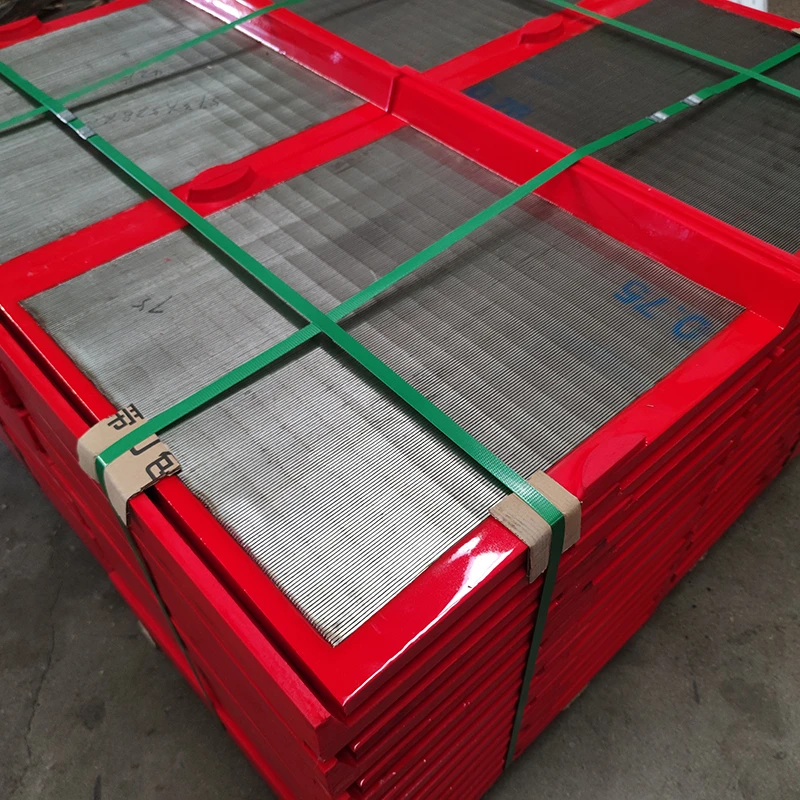
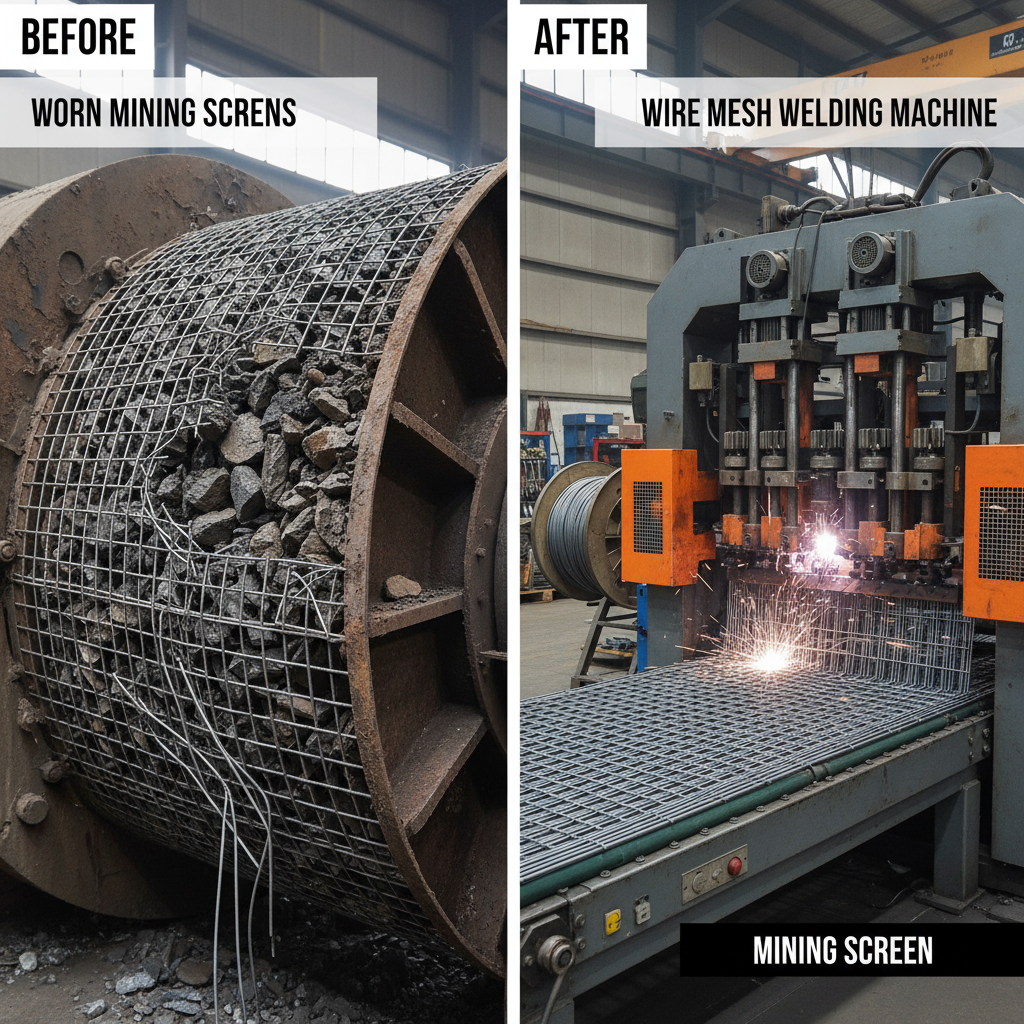
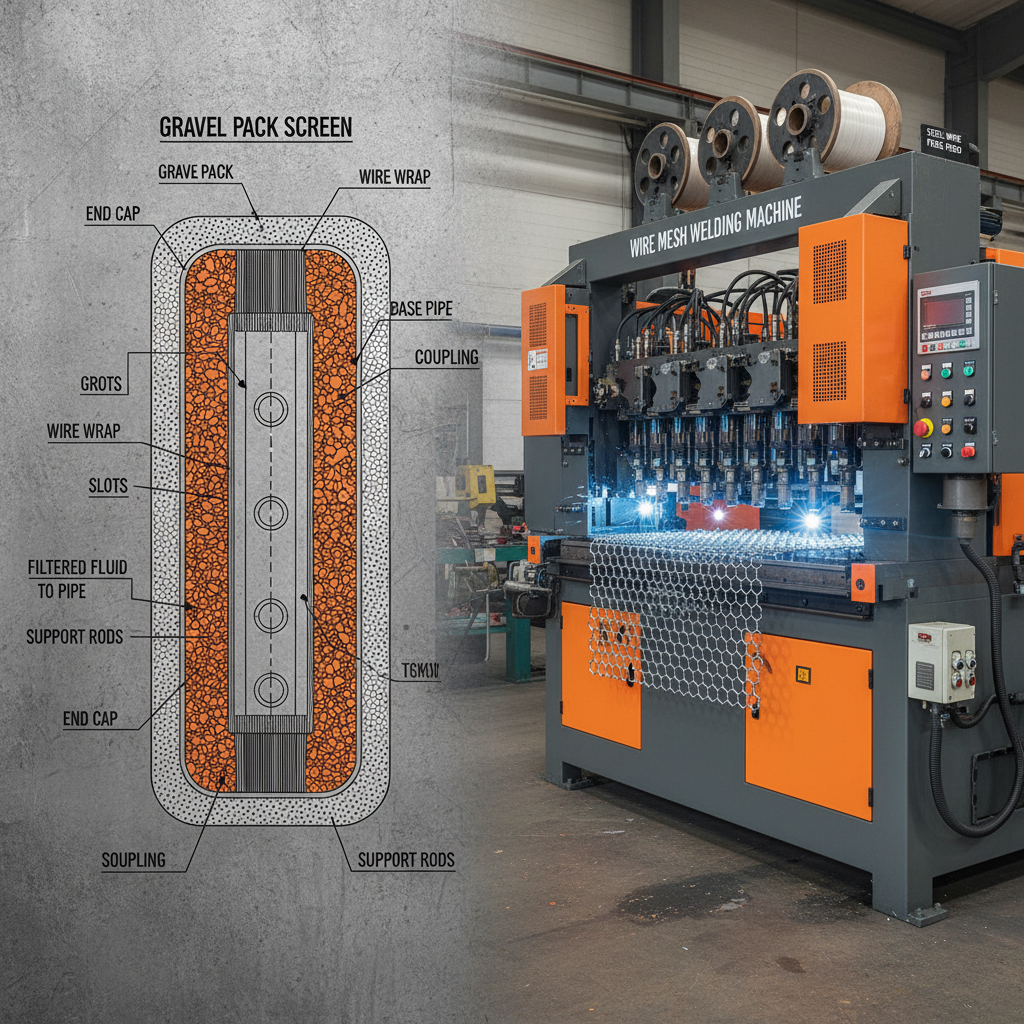
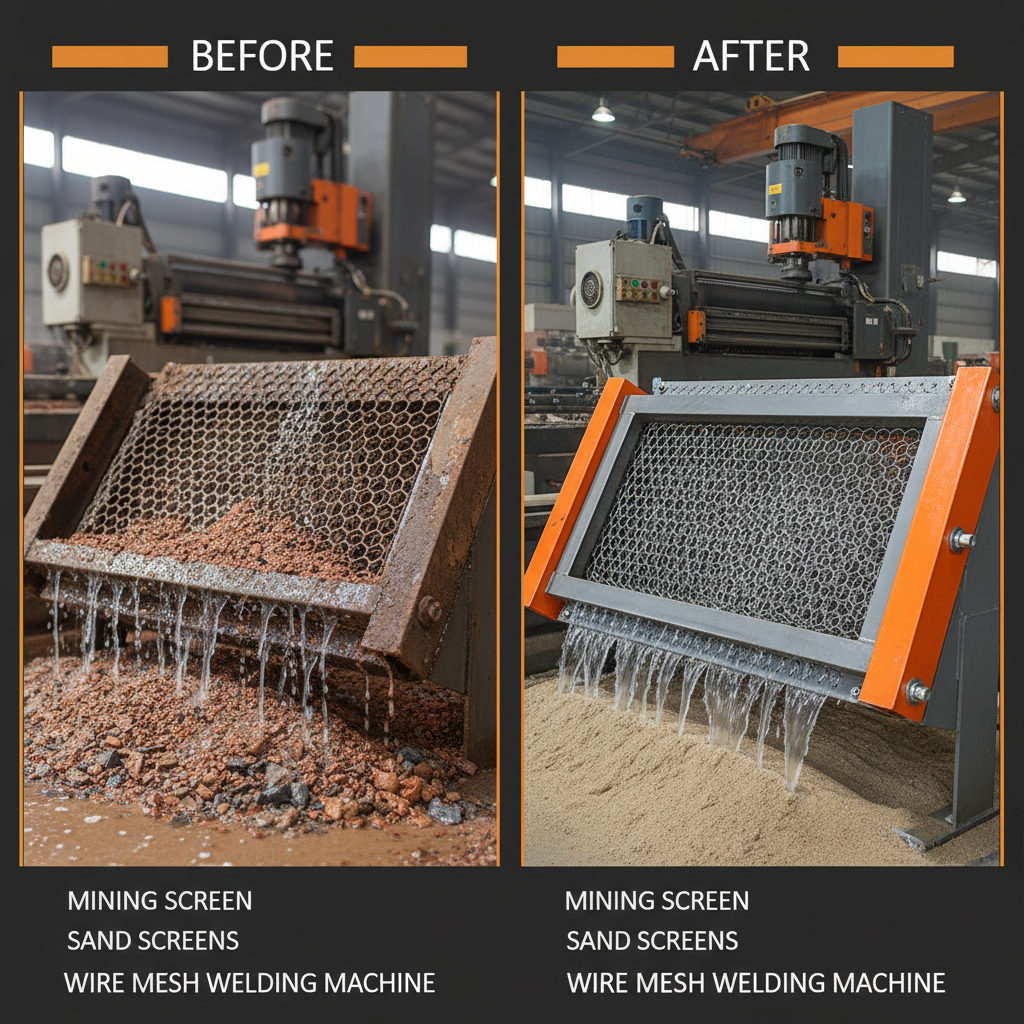
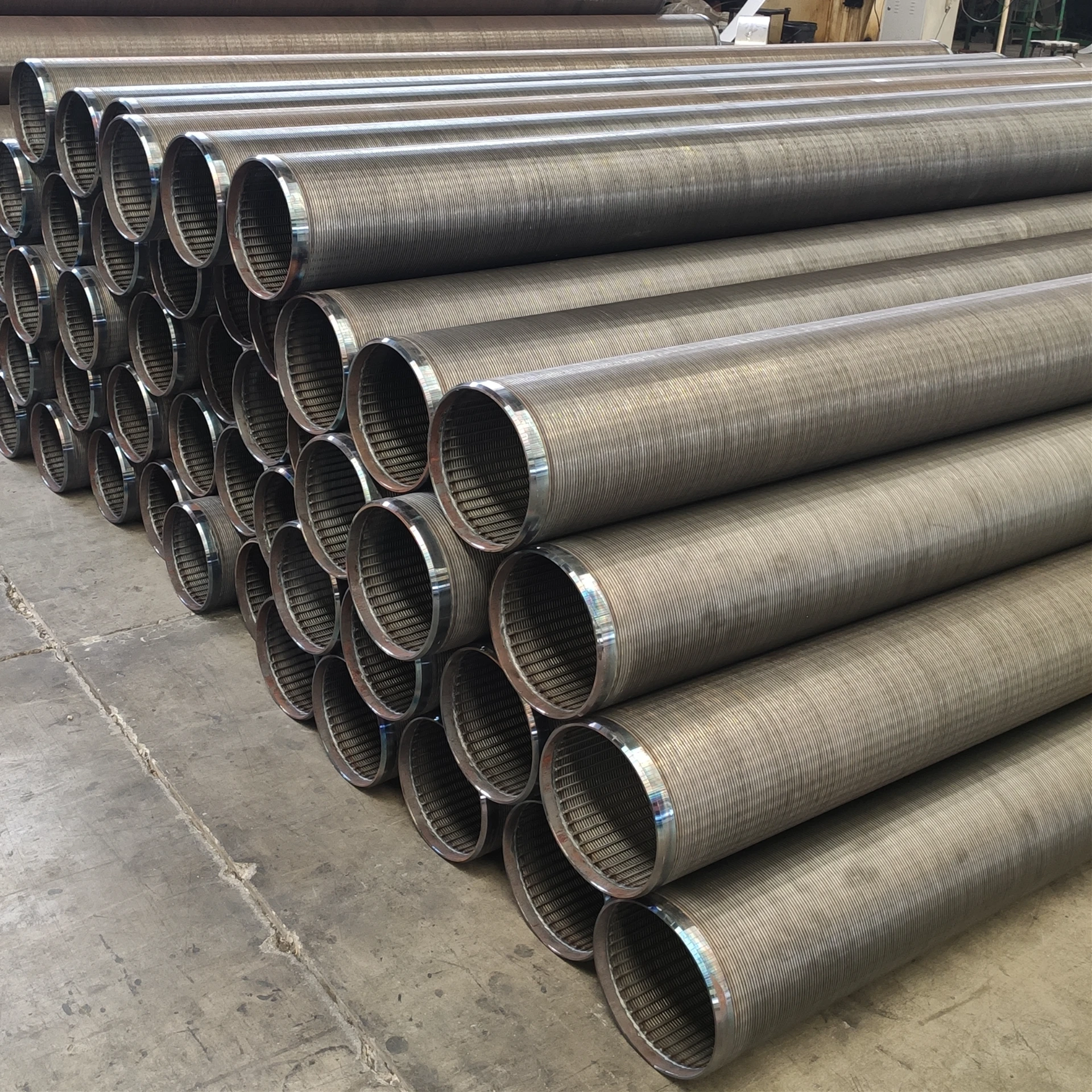
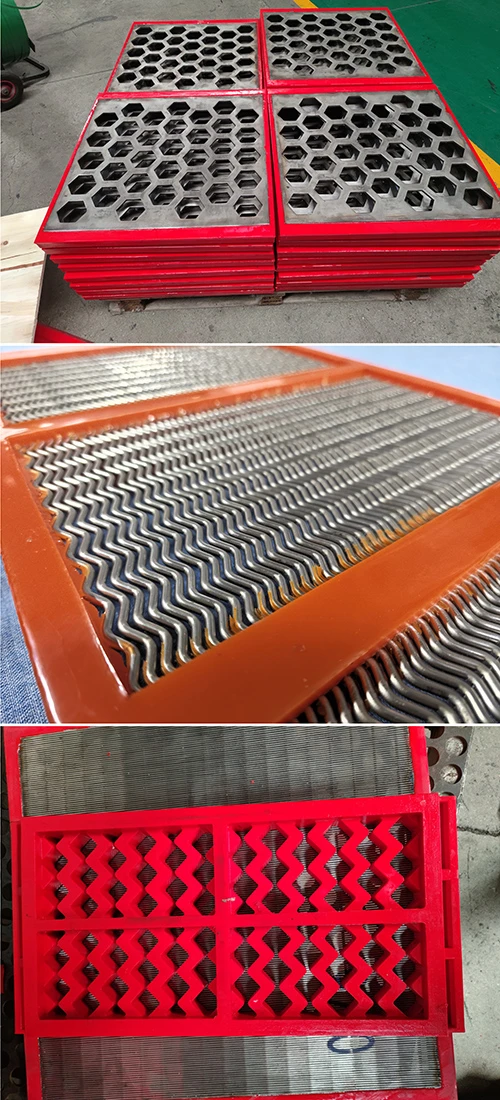
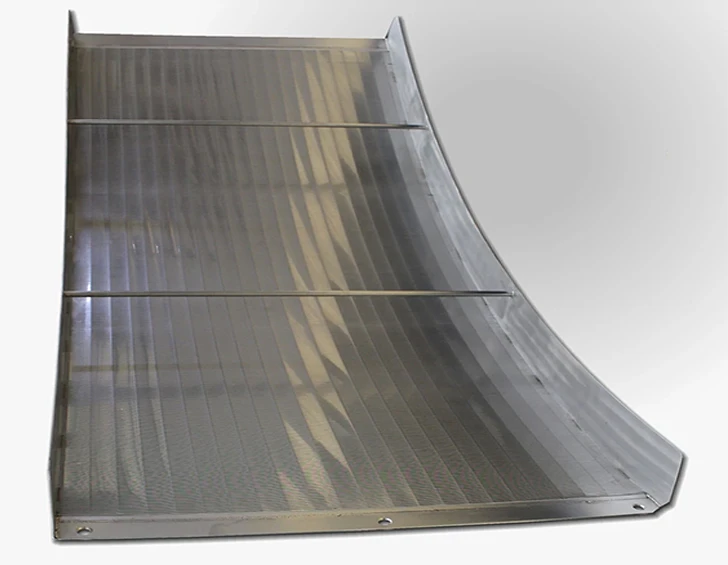
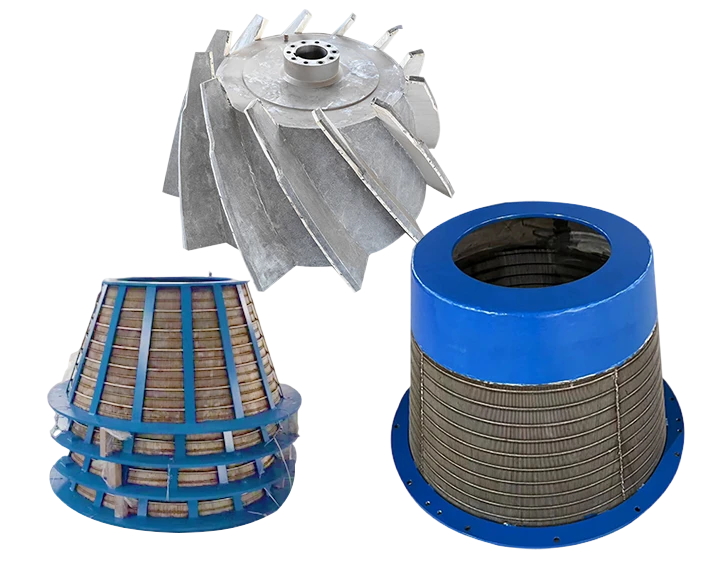
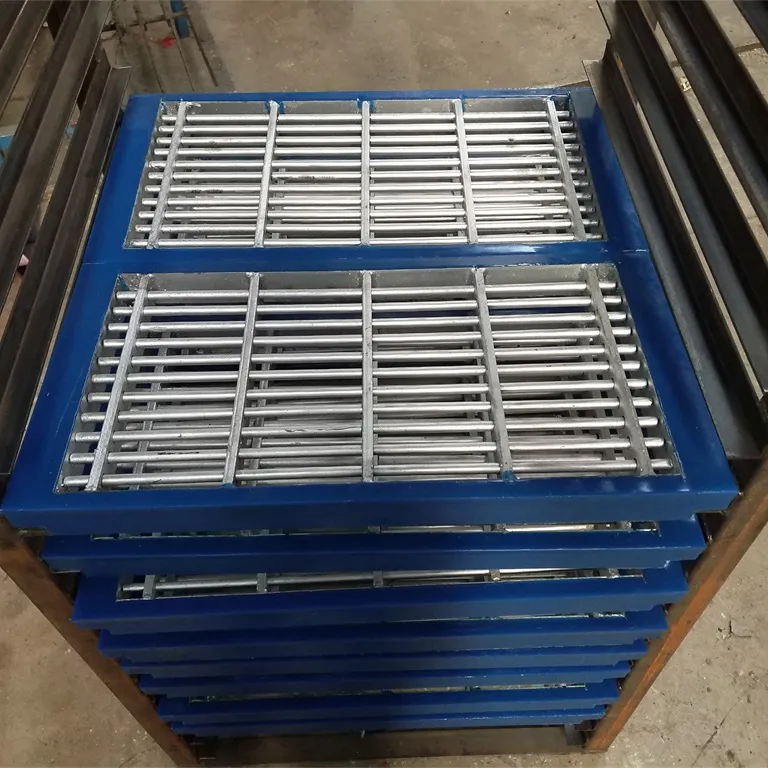
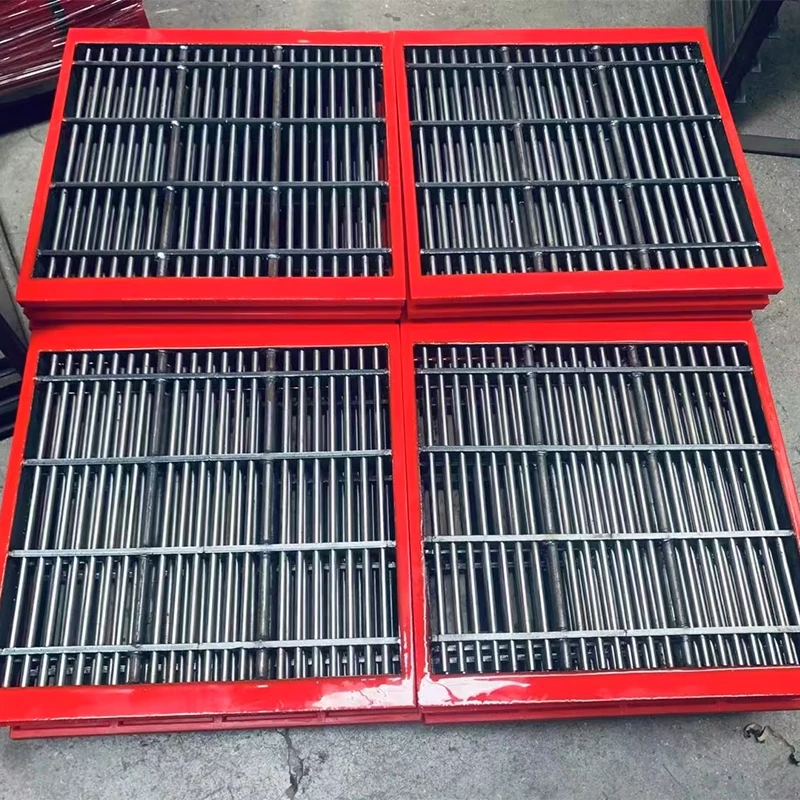
The Flexible Rod Screen Plate is engineered with a unique design that integrates spring steel rods coated with polyurethane, creating a dynamic screening surface. This combination allows the plate to adapt to varying material loads while maintaining structural integrity. Unlike traditional rigid screens, the flexible rods enable self-cleaning properties, reducing clogging and improving throughput. The product is particularly effective in environments where materials are moist, sticky, or prone to clumping, such as in the food processing or mineral separation industries.
According to NIST, "Advanced materials and adaptive design are critical for enhancing the performance of industrial equipment in challenging conditions." The Flexible Rod Screen Plate exemplifies this principle, leveraging materials science to overcome common screening limitations.
Read More About vibrating screen sieve
Key Features and Advantages
1. Enhanced Screening Efficiency
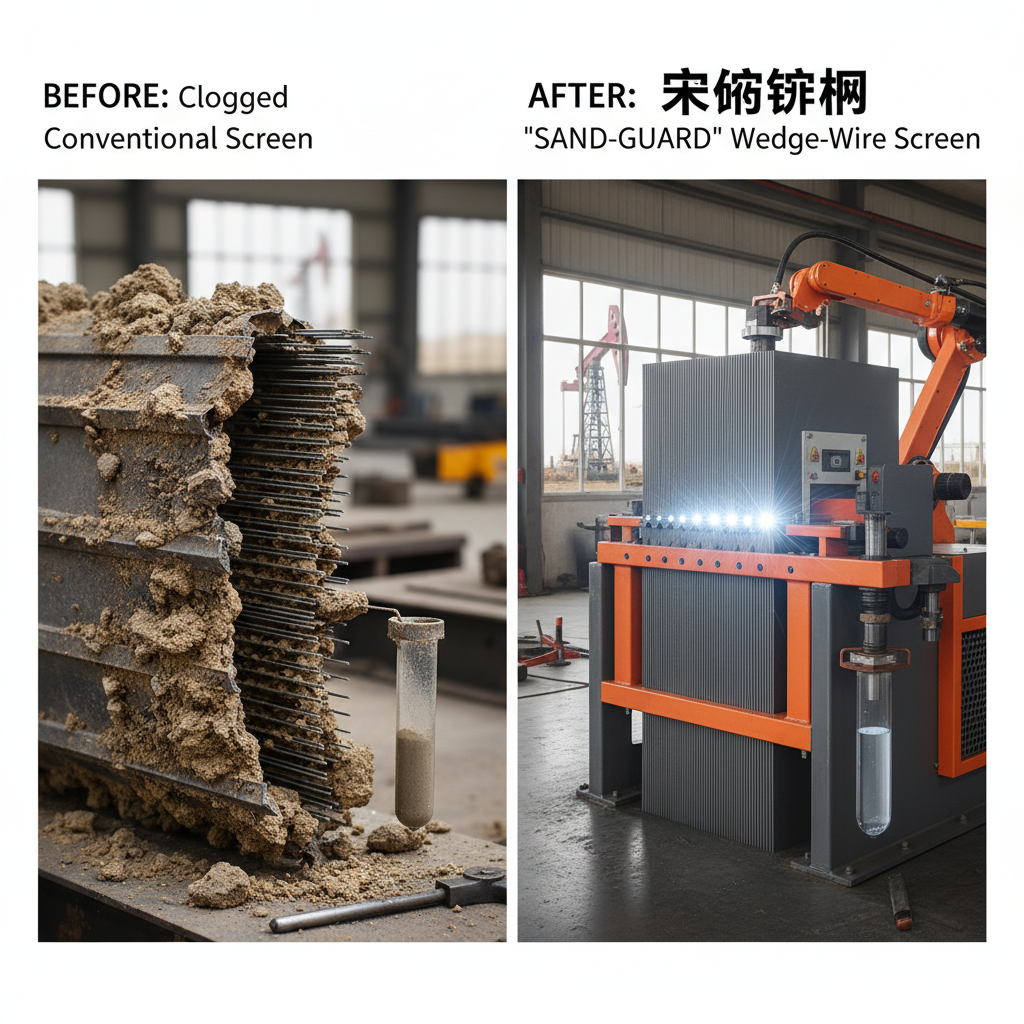
The flexible rod design allows the screen plate to vibrate and flex during operation, creating a self-cleaning action that prevents blockages. This feature is particularly beneficial for processing materials with high moisture content, such as coal, sand, or food particles. The even distribution of gaps between rods ensures consistent particle separation, reducing the need for manual intervention.
2. Durability and Longevity
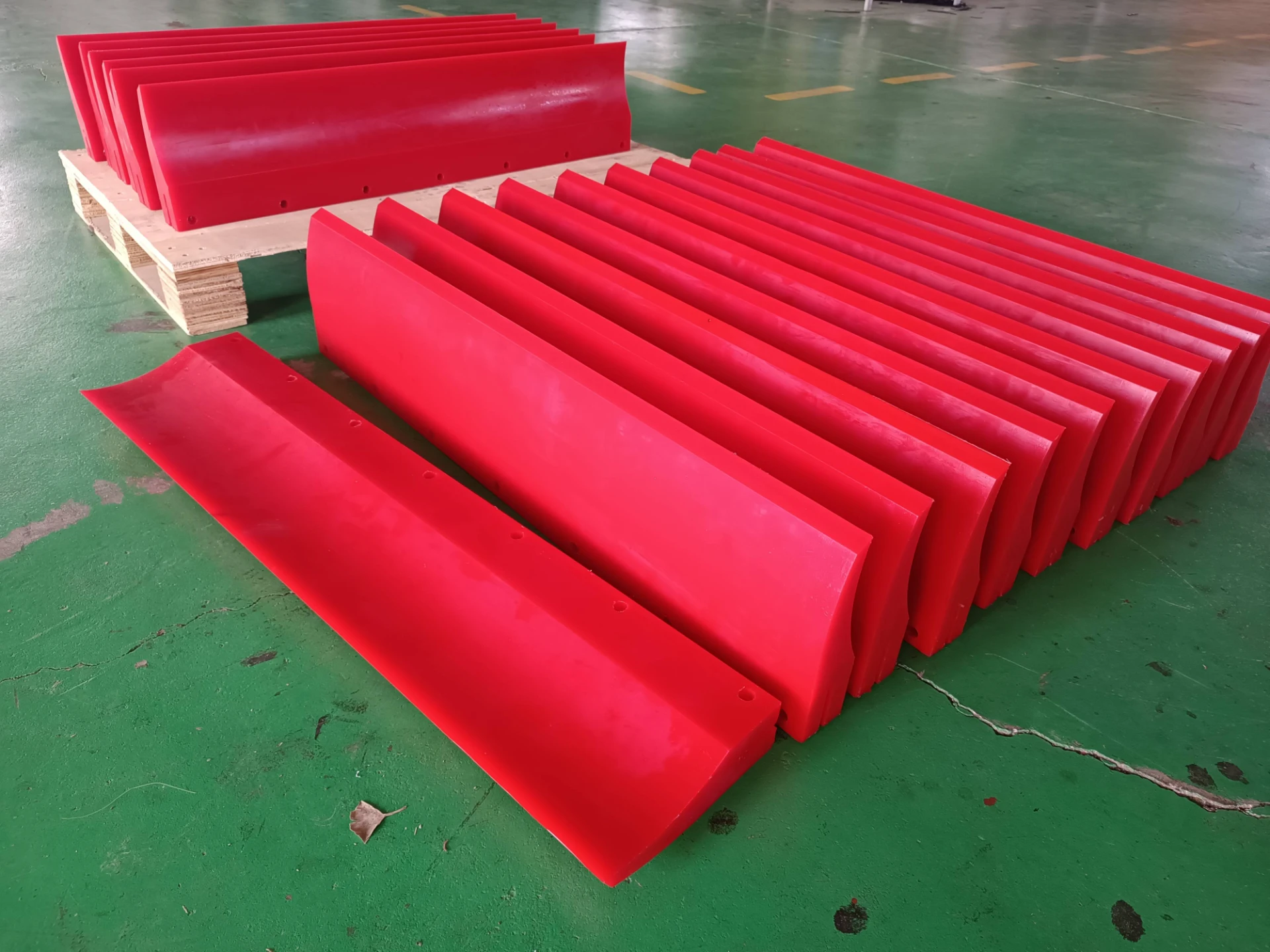
Made from high-strength spring steel and polyurethane, the Flexible Rod Screen Plate is engineered to withstand harsh industrial environments. Polyurethane coatings enhance resistance to abrasion and corrosion, while the spring steel rods provide flexibility without compromising structural strength. This durability translates to extended service life, reducing maintenance costs and downtime.
3. Versatile Applications
The product's adaptability makes it suitable for a wide range of industries. From mining and metallurgy to chemical processing and food production, the Flexible Rod Screen Plate can be customized to meet specific mesh size requirements. Its ability to handle both coarse and fine particles ensures it is a versatile solution for material classification tasks.
Technical Specifications: Precision in Design
| Specification | Description |
|---|---|
| Material | Stainless steel, spring steel, polyurethane |
| Screen Type | Flexible rod screen plate with elastic rods |
| Mesh Size | Coarse to fine, customizable based on application |
| Rod Diameter | 6 mm to 10 mm |
| Frame Material | Polyurethane or stainless steel |
| Surface Finish | Polished or coated for corrosion resistance |
Applications Across Industries
The Flexible Rod Screen Plate is a critical component in various industrial processes. Here's how it is utilized in key sectors:
1. Mining and Metallurgy
In mining operations, the screen plate is used to separate valuable minerals from raw ore. Its ability to handle large volumes of material while maintaining efficiency makes it ideal for primary and secondary screening stages. The self-cleaning function minimizes downtime, ensuring continuous production.
2. Chemical Industry
The chemical sector relies on precise material separation for processes like powder blending and granulation. The Flexible Rod Screen Plate's customizable mesh sizes and resistance to chemical corrosion make it a preferred choice for handling reactive or sensitive materials.
3. Food Processing
Food manufacturers use the screen plate to sort ingredients by size, ensuring uniformity in products like flour, sugar, and spices. Its hygienic design and easy-to-clean surface comply with food safety standards, reducing contamination risks.
4. Pharmaceutical Industry
Pharmaceutical companies utilize the screen plate for classifying powders and granules during drug formulation. The precision of the flexible rods ensures accurate particle separation, critical for maintaining product quality and regulatory compliance.
Company Background: Muto Wire Screen Co., Ltd.
Founded in Anping County, Hebei Province, China, Muto Wire Screen Co., Ltd. has established itself as a leader in the production of industrial screening solutions. With over two decades of experience, the company focuses on innovation, quality control, and customer-centric design. Their commitment to excellence is reflected in the development of the Flexible Rod Screen Plate, which combines traditional metallurgical expertise with modern engineering techniques.
According to NIST, "Manufacturers that prioritize research and development in material science and process optimization are better positioned to meet evolving industrial demands." Muto Wire Screen Co., Ltd. exemplifies this approach, continuously refining its products to address industry challenges.
Conclusion: A Reliable Solution for Modern Industries
The Flexible Rod Screen Plate is a testament to the power of innovation in industrial equipment design. Its unique combination of flexibility, durability, and efficiency makes it an indispensable tool for industries requiring precise material separation. By leveraging advanced materials and adaptive technology, Muto Wire Screen Co., Ltd. has set a new standard in screening solutions.
For more information about the Flexible Rod Screen Plate or other industrial sieves and screens, visit Muto Wire Screen Co., Ltd.’s official website. Explore how this product can enhance your screening processes and drive operational efficiency.
References
National Institute of Standards and Technology (NIST). (n.d.). Driving Innovation. Retrieved from https://www.nist.gov/.