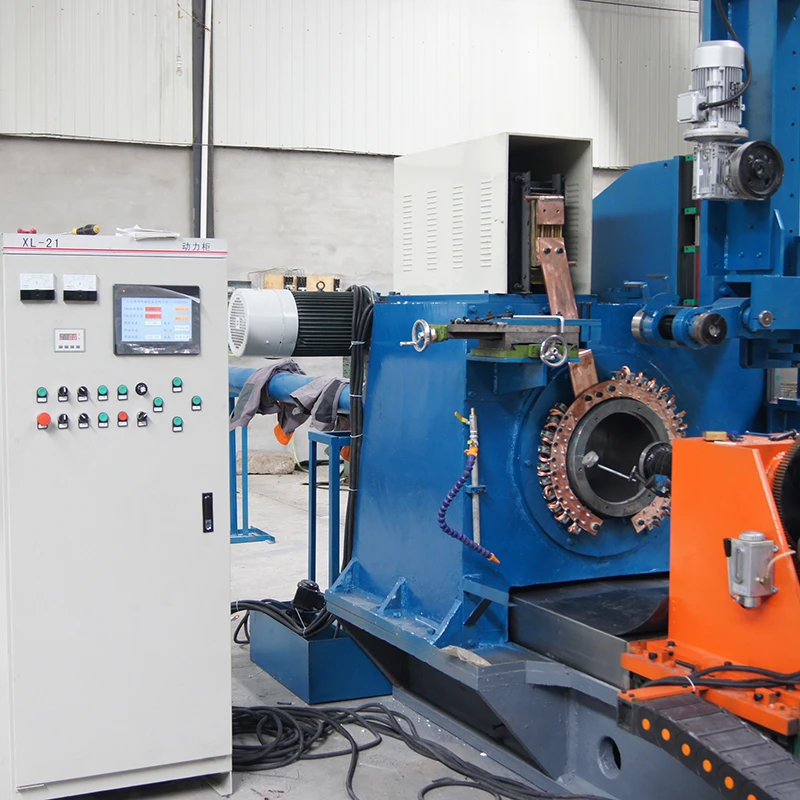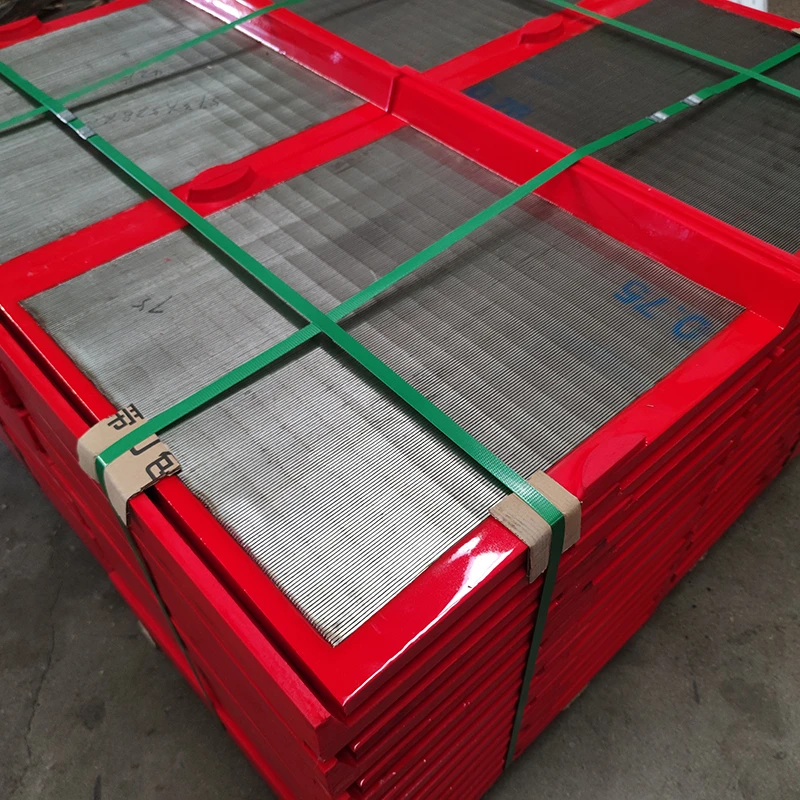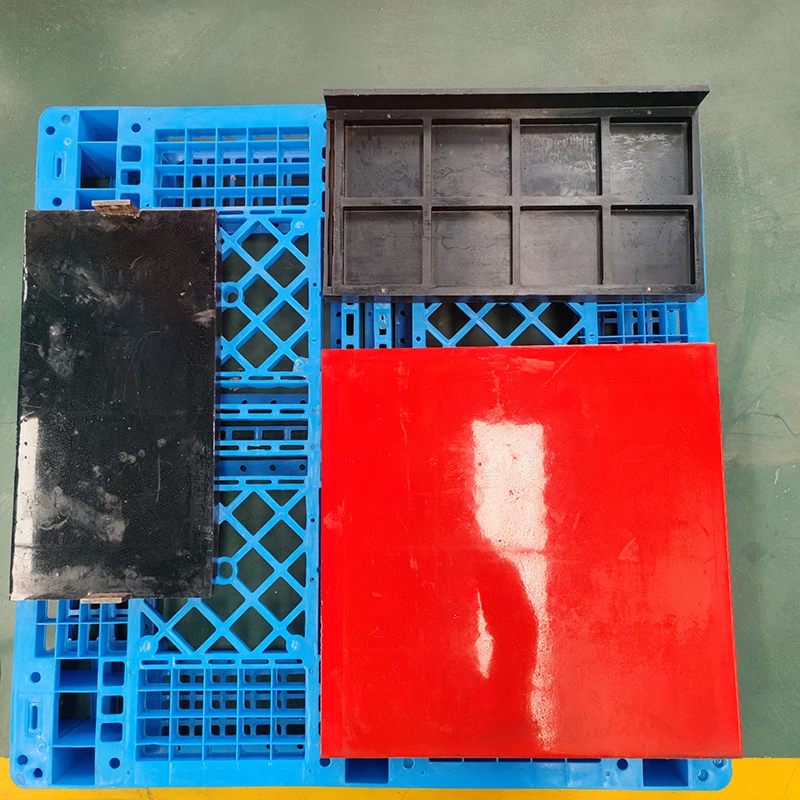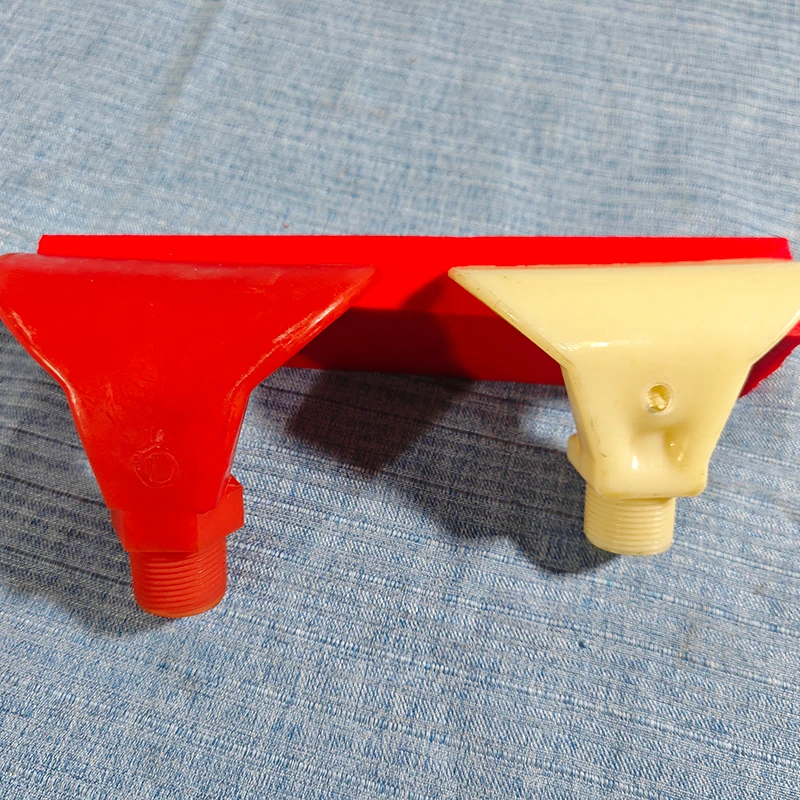
Understanding Flip Flow Screen Technology: A Strategic Overview
In bulk material processing, efficient and reliable screening solutions are paramount for maximizing productivity and product purity. The demand for advanced screening technologies, particularly for handling difficult-to-screen materials, has led to the widespread adoption of flip flow screen for sale. These innovative screens are engineered to overcome common challenges associated with traditional screening methods, such as blinding, pegging, and low throughput, especially when dealing with sticky, moist, or fine materials.
Flip flow screens are distinguished by their dynamic screening action. Instead of a static deck, their flexible screening mats are subjected to alternating tensile and compressive stresses, causing them to rapidly stretch and relax. This creates a trampoline-like effect, effectively loosening material and preventing blockages. This mechanism makes them indispensable in industries processing a diverse range of challenging materials, from damp coal and biomass to construction and demolition waste.
The continuous self-cleaning action not only ensures consistent screening efficiency but also reduces downtime for maintenance, directly impacting operational costs and overall plant profitability. This article delves into the technical intricacies, application benefits, and strategic considerations for businesses seeking a robust screening solution.
Current Industry Trends and Market Demand
The global material handling equipment market is undergoing significant transformation, driven by increased infrastructure development, mining activities, and recycling initiatives. Within this landscape, the demand for high-efficiency screening solutions like the flip flow screen is surging. Data from industry reports indicates a steady growth in the mineral processing and recycling sectors, projected to expand at a compound annual growth rate (CAGR) of 4.5% from 2023 to 2030. This growth is directly fueling the market for specialized screens capable of handling increasingly complex material compositions.
Key trends impacting the adoption of flip flow screens include:
- Emphasis on Fines Recovery: As valuable material resources become scarcer, efficient recovery of fine particles from waste streams is critical. Flip flow technology excels in this area, preventing valuable fines from being discarded with oversized material.
- Sustainability and Recycling: The circular economy model promotes recycling and reuse. Flip flow screens are essential in processing construction & demolition (C&D) waste, municipal solid waste (MSW), and other difficult-to-separate materials, contributing significantly to sustainability goals.
- Automation and Digitization: Modern screening plants increasingly integrate automation for optimized performance. Advanced flip flow screen systems can be equipped with sensors and control systems for real-time monitoring and adjustment, enhancing operational efficiency.
- Robustness for Harsh Environments: Mining and heavy industrial applications demand machinery that can withstand extreme conditions. The durable construction and specialized materials used in flip flow screen mats ensure longevity and consistent performance in abrasive and corrosive environments.
The market for bivitec flip flow screens, a notable variant, continues to expand, reflecting the industry’s need for proven, high-performance solutions capable of processing the toughest materials.
Technical Specifications and Operating Principles
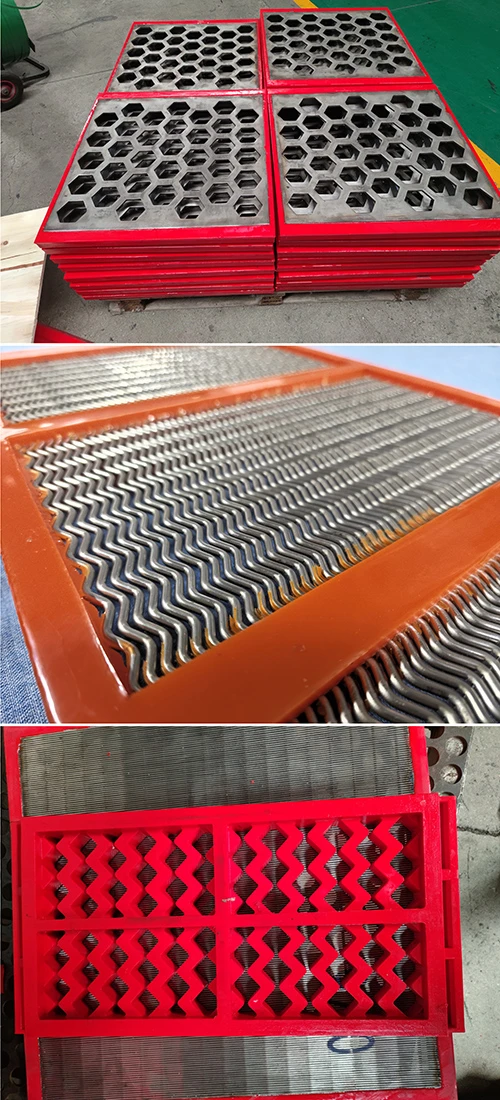
The core advantage of a flip flow screen for sale lies in its unique operational principle. Unlike conventional vibratory screens with fixed screen media, flip flow screens utilize flexible polyurethane or rubber screen mats. These mats are mounted on dynamic support frames that are independently excited by eccentric shafts or vibrator motors. The oscillation causes the screen mats to alternate between a stretched and relaxed state at frequencies typically ranging from 800 to 1200 cycles per minute. This rapid flexing action generates high accelerations, up to 50g, preventing material adhesion and ensuring efficient separation even for notoriously difficult materials.
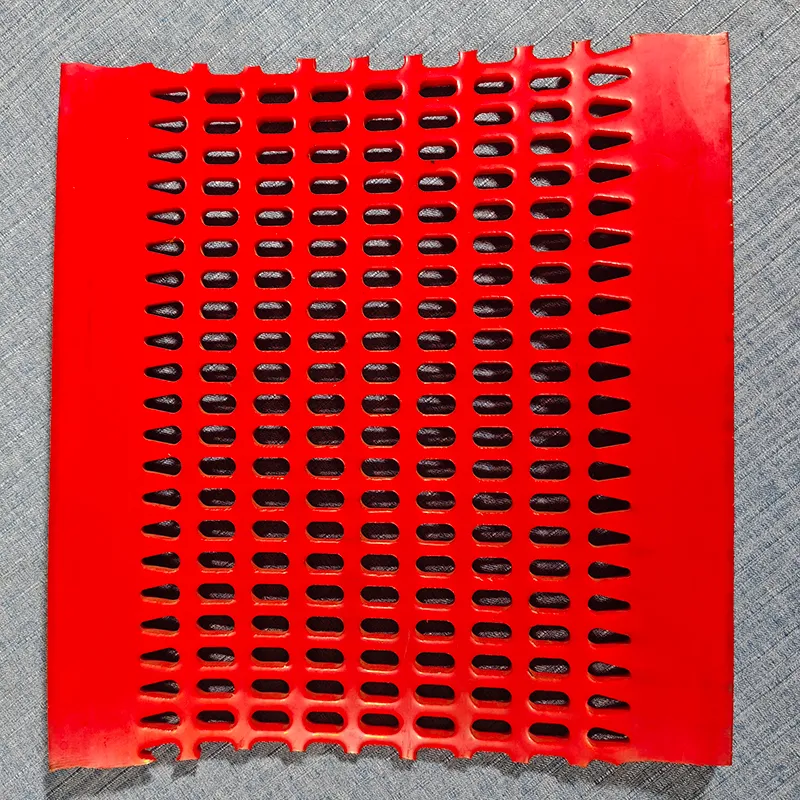
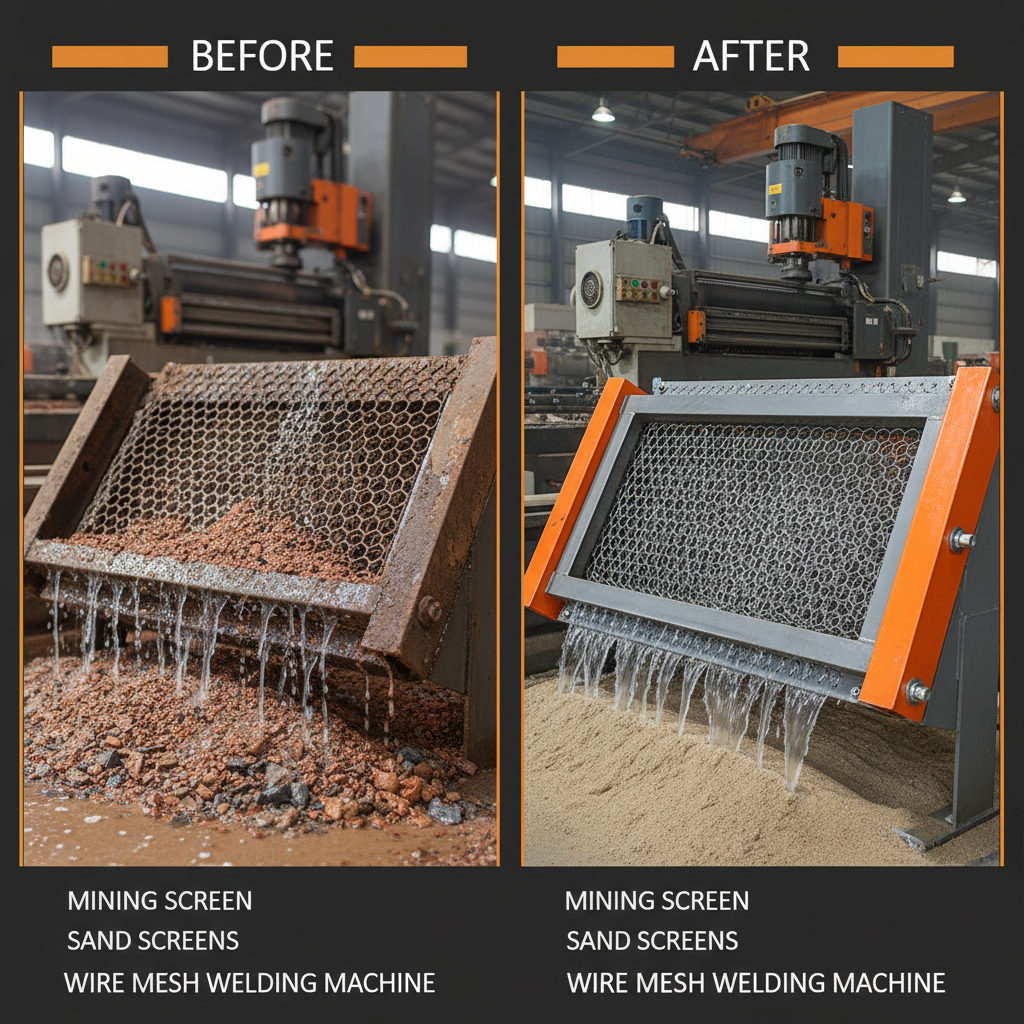
Figure 1: Close-up of a Flip Flow Screen Deck
Key technical parameters of a typical flip flow screen include:
The unique kinematics of bivitec flip flow screens, a prominent brand in this segment, ensure minimal material buildup and maximum screening efficiency, especially with difficult materials.
Detailed Manufacturing Process of a Flip Flow Screen
The production of a high-quality flip flow screen for sale is a meticulously engineered process, combining advanced materials science with precision manufacturing techniques.
Process Flow:
- Design & Engineering: Utilizing CAD/CAM software, engineers design the screen frame, excitation mechanism, and specialized flip flow screen mats. This stage considers specific application requirements, material characteristics, and desired throughput. Material selection is critical, often involving high-strength steels (e.g., Hardox, Weldox) for the frame and wear-resistant polymers for the mats.
-
Frame Fabrication:
- Material Sourcing: High-grade structural steel and abrasion-resistant alloys are sourced, compliant with international standards such as ASTM A36 or EN 10025.
- Cutting & Bending: CNC plasma or laser cutting machines precisely cut steel plates. Hydraulic press brakes form components to exact specifications.
- Welding: Components are meticulously welded using advanced techniques (e.g., MIG/MAG, TIG) by certified welders, ensuring structural integrity. Welds are often subjected to non-destructive testing (NDT) like ultrasonic or dye penetrant inspection.
- Stress Relieving: For critical components, heat treatment processes such as stress relieving are employed to enhance durability and prevent premature fatigue failures.
-
Excitation Mechanism Manufacturing:
- Shaft Machining: Eccentric shafts, crucial for the flip flow action, are typically forged from high-alloy steel and then precision CNC machined to extremely tight tolerances for optimal vibration characteristics.
- Bearing Housing Production: Housings are often cast or forged from robust materials and then machined.
- Balancing: All rotating components undergo dynamic balancing to minimize vibrations and extend bearing life, adhering to ISO 21940 standards.
-
Screen Mat Production:
- Material Mixing: High-quality polyurethane or rubber compounds are mixed with specific additives to achieve desired hardness, elasticity, and abrasion resistance.
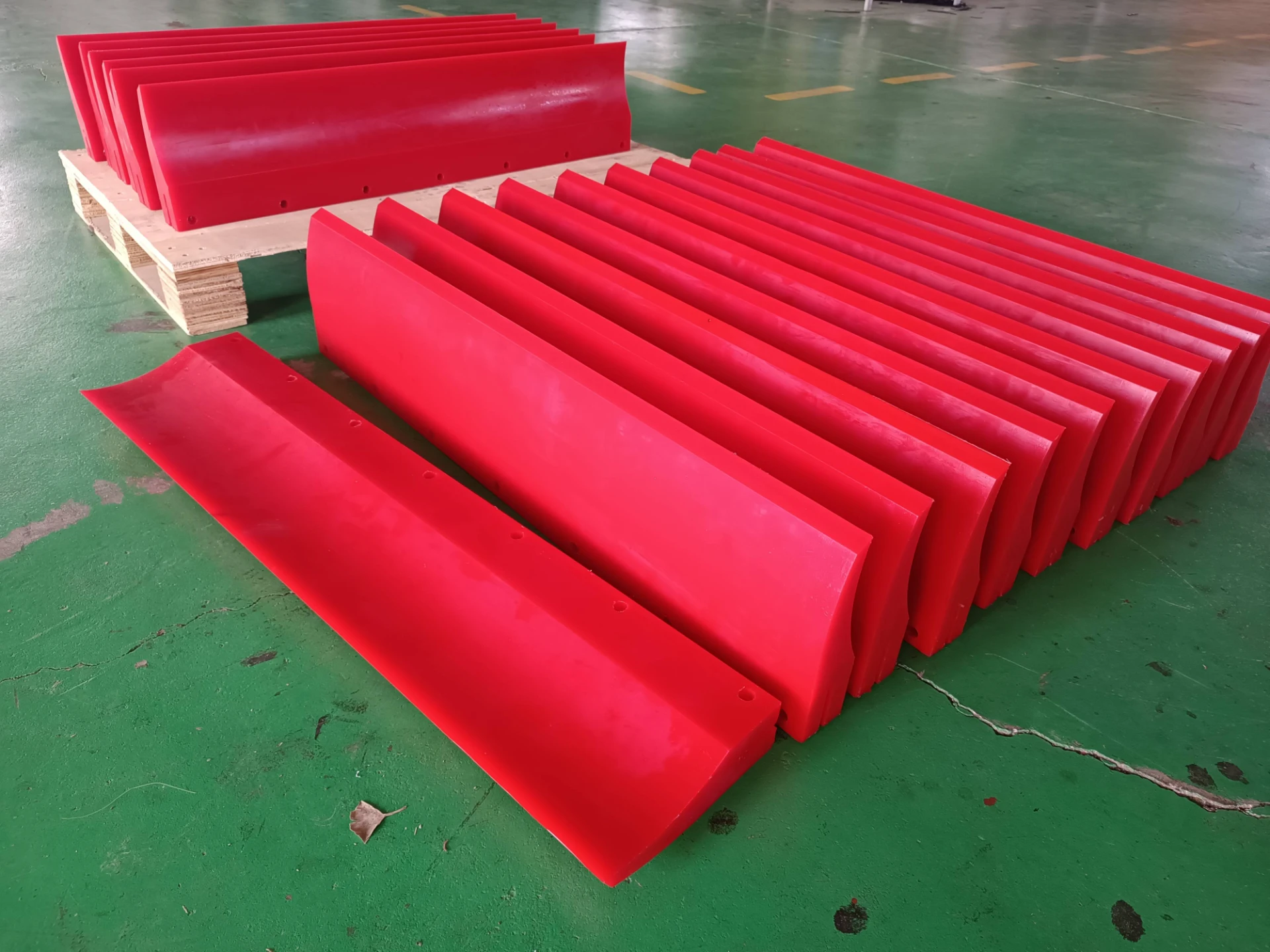
- Molding/Casting: The compounds are then cast or compression molded into the specific shapes and aperture sizes required for the flip flop screen, ensuring precise hole geometry and consistent mat thickness.
- Curing: Mats undergo a controlled curing process to achieve final material properties, crucial for their flexibility and service life.
- Assembly: All manufactured components are assembled onto the main frame. This involves careful alignment of the excitation system, installation of bearings, motors, and the flexible screen mats.
-
Quality Control & Testing: Each flip flow screen undergoes rigorous testing:
- Vibration Analysis: Ensuring correct amplitude and frequency according to design specifications.
- Noise Level Assessment: Compliance with industrial safety standards.
- Load Testing: Simulating operational conditions to verify structural integrity.
- Material & Component Inspection: Adherence to ISO 9001 quality management system, ANSI standards for structural integrity, and often specific client-mandated testing.
- Protective Coating & Packaging: The screen is treated with durable, corrosion-resistant coatings suitable for the target industry (e.g., marine-grade paint for petrochemical, epoxy for water treatment). It's then securely packaged for transport.
The typical service life of a well-maintained flip flow screen frame can exceed 20 years, with flip flow screen mats requiring replacement based on wear, usually every 6-24 months depending on material abrasiveness. Advantages in typical scenarios include up to 30% energy saving compared to traditional screens when processing moist, sticky materials due to reduced blinding, and superior corrosion resistance from specialized coatings and mat materials.
Key Application Scenarios and Target Industries
The versatility and efficiency of flip flow screens make them indispensable across a spectrum of heavy industries, particularly where traditional vibratory screens struggle with challenging materials. Their ability to handle wet, sticky, or fine aggregates without blinding significantly broadens their application scope.
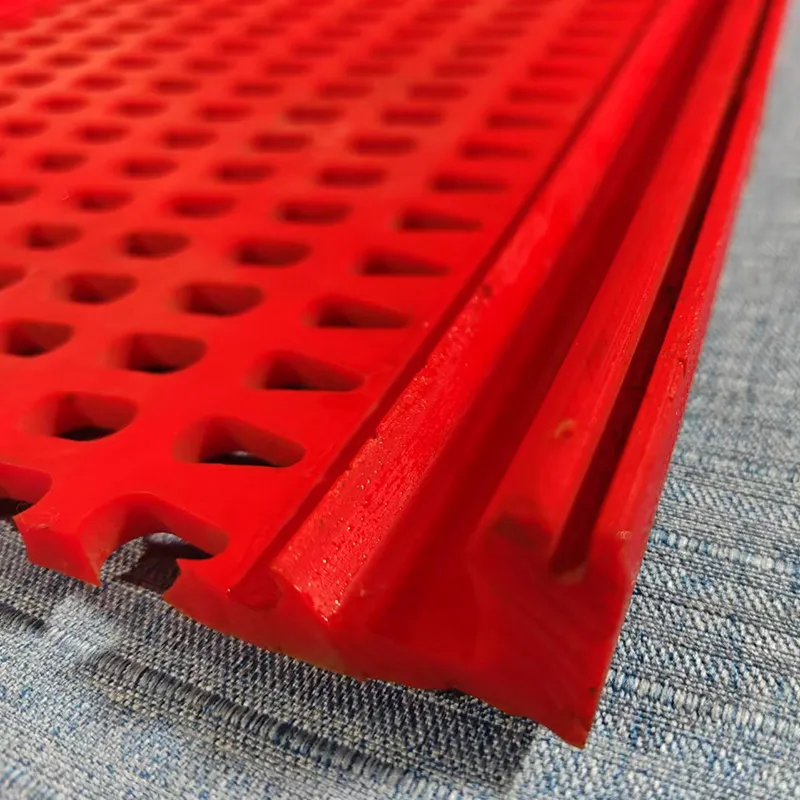
Figure 2: Flip Flow Screen in a Material Processing Plant
Target Industries:
- Mining & Aggregates: Screening of damp coal, lignite, clay-rich ores, sand, gravel, and limestone. The flip flop screen for coal is particularly effective in removing fine moisture-laden particles, enhancing downstream processing.
- Recycling (C&D Waste, MSW, Biomass): Separation of various fractions from construction and demolition debris, municipal solid waste, and wood chips for biofuel. The self-cleaning action prevents clogging from plastics, textiles, and organic matter.
- Metallurgy: Sizing of moist iron ore fines, slag, and coke. Essential for preparing feed materials for sintering or blast furnaces.
- Industrial Minerals: Processing of gypsum, potash, salt, and other hygroscopic minerals.
- Chemical & Petrochemical: Applications involving granular chemical products, catalysts, or industrial sands where precise sizing and anti-blinding capabilities are crucial.
- Water Supply & Drainage: While less common for bulk solid screening, specialized versions can be used for separating larger solids from industrial sludge or waste streams, though primary applications are in dry/damp material processing.
Typical Application Scenarios:
- Pre-Screening: Effectively removing fines before primary crushing, reducing wear on crushers and optimizing their performance.
- Final Sizing: Producing precisely sized end products in mineral processing and aggregate production.
- Scalping: Separating large oversized material from the feed stream efficiently.
- Processing Sticky Materials: Handling materials with high moisture content or clay components that would blind conventional screens. This is where a flip flow screen for sale truly shines.
- Dewatering (Limited): While primarily for dry screening, the aggressive action can assist in separating some free moisture from solid particles.
Technical Advantages Over Traditional Screening Methods
The technological superiority of flip flow screens becomes evident when comparing their performance against conventional vibrating screens, particularly in challenging applications.
Primary Advantages:
- Anti-Blinding Capability: The rapid flexing of the flip flow screen mats prevents material from sticking and accumulating in the apertures, a critical advantage when processing wet, clayey, or sticky materials. This significantly reduces downtime associated with manual cleaning.
- High Screening Efficiency: Due to the aggressive self-cleaning and high material acceleration, flip flow screens achieve superior separation efficiency, leading to cleaner product streams and enhanced recovery of valuable fines. Studies often show up to 95% screening efficiency even with materials containing up to 20% moisture.
- Increased Throughput: By maintaining open screen apertures, these screens can process a higher volume of material per hour compared to traditional screens that suffer from reduced capacity due to blinding.
- Extended Wear Life of Screen Media: While the mats are flexible, they are made from highly abrasion-resistant polyurethane or rubber, which often outlasts woven wire or punched plate screen media in abrasive environments. The dynamic action also distributes wear more evenly.
- Reduced Maintenance & Operating Costs: Less downtime for cleaning and screen media replacement translates directly to lower labor costs and higher operational uptime. The robust design also ensures a longer operational lifespan for the machine itself.
- Flexibility in Material Handling: Capable of handling a wide range of particle sizes and material characteristics, making them a versatile investment.
Comparative Analysis: Flip Flow vs. Traditional Screens
This comparison underscores why investing in a flip flow screen for sale is a strategic decision for operations dealing with problematic bulk materials.
Vendor Comparison and Customized Solutions
When considering a flip flow screen for sale, evaluating potential vendors is crucial. The market offers a range of manufacturers, each with varying specialties, and the choice often hinges on specific project requirements, budget, and after-sales support. Key players include manufacturers of bivitec flip flow screens, known for their robust designs, and other specialized engineering firms.
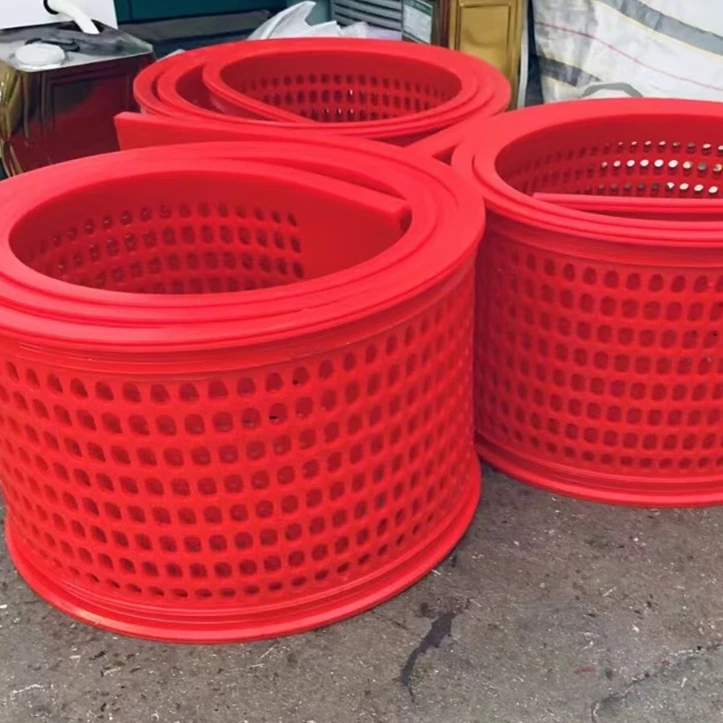
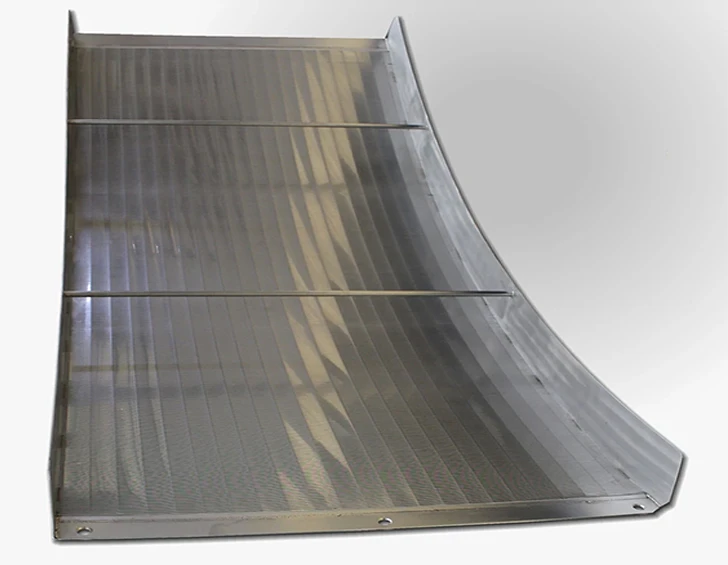
Figure 3: Modular Design of a Flip Flow Screen
Key Factors in Vendor Comparison:
- Experience & Reputation: Look for manufacturers with a proven track record (e.g., 10+ years in the industry) and positive client testimonials, especially for applications similar to yours.
- Technical Expertise: Assess their engineering capabilities, including R&D, design flexibility, and adherence to international standards (ISO, CE).
- Product Range & Customization: Can they provide screens tailored to unique material properties, throughputs, and footprint constraints?
- Quality of Components: Inquire about the origin and specifications of critical components like motors, bearings, and especially the flip flow screen mats.
- After-Sales Support: Availability of spare parts, technical assistance, installation, and commissioning services are vital.
- Total Cost of Ownership (TCO): Beyond the initial purchase price, consider energy consumption, maintenance costs, and expected lifespan.
Customized Solutions:
Leading suppliers understand that a 'one-size-fits-all' approach rarely works for complex screening applications. Customized flip flow screens are designed to meet exact operational demands:
- Material-Specific Mat Design: Tailoring the aperture shape, size, and material composition of the flip flow screen mats (e.g., specific hardness, elasticity, chemical resistance) to optimize screening for a particular feed material, whether it's abrasive aggregates or fibrous biomass.
- Multi-Deck Configurations: Designing screens with two or more decks to achieve multiple separation cuts simultaneously, maximizing efficiency in a single unit.
- Modular & Compact Designs: For operations with limited space, manufacturers can engineer compact units or modular systems that integrate seamlessly into existing plant layouts.
- Specialized Coatings & Construction: Applying specialized paints (e.g., anti-corrosive, food-grade) or using stainless steel for the frame in environments with high humidity, chemical exposure (e.g., petrochemicals), or hygiene requirements.
- Integration with Ancillary Equipment: Designing the flip flop screen to interface perfectly with upstream feeders, conveyors, and downstream crushers or stockpiling systems, often including sensor integration for automated control.
- Vibration Control & Noise Reduction: Implementing advanced isolation systems to minimize vibrations transferred to surrounding structures and acoustic enclosures for noise reduction, critical for urban sites or worker safety.
Application Case Studies & Customer Success
The effectiveness of the flip flow screen for sale is best illustrated through real-world applications where they have delivered tangible benefits to clients.
Case Study 1: Damp Coal Processing in a Power Plant
A major power generation company in Eastern Europe faced significant challenges screening high-moisture lignite coal (up to 18% moisture content). Their conventional vibrating screens suffered from severe blinding, leading to frequent shutdowns for manual cleaning, reducing throughput by 30%, and causing excessive wear on downstream crushers.
- Solution: Installation of a two-deck flip flop screen for coal with a total screening area of 12 m², using specialized polyurethane flip flow screen mats with trapezoidal apertures.
- Results:
- Eliminated blinding entirely, reducing screen cleaning time by 100%.
- Increased coal throughput by 25% due to consistent material flow.
- Improved overall plant uptime by 15%.
- Reduced wear on crushers by effectively removing fines before crushing.
- Customer Feedback: "The flip flow screen has revolutionized our coal handling. The return on investment was achieved within 18 months through reduced operational costs and increased output."
Case Study 2: Construction & Demolition Waste Recycling
A C&D waste recycling facility in North America struggled with separating mixed aggregates, wood, plastics, and fines, especially during wet seasons. Traditional screens clogged constantly, making material recovery inefficient and costly.
- Solution: Implementation of a robust bivitec flip flow screen integrated into their existing mobile plant, designed to handle varying particle sizes and moisture content.
- Results:
- Achieved up to 90% separation efficiency for C&D waste fines, producing cleaner aggregates for reuse.
- Reduced maintenance time by 60%, significantly improving operational hours.
- Successfully processed sticky demolition waste that previously caused complete system blockages.
- Customer Feedback: "The flip flow screen allowed us to process materials we previously couldn't, opening up new revenue streams and making our operation much more profitable."
Ensuring Trustworthiness: FAQ, Lead Time, Warranty, and Support
For B2B decision-makers, product performance is only part of the equation; reliability of the supplier, transparency in operations, and comprehensive support are equally critical. When acquiring a flip flow screen for sale, these factors underpin long-term operational success.
Frequently Asked Questions (FAQ):
- Q: How often do flip flow screen mats need to be replaced?
- A: The lifespan of flip flow screen mats varies depending on the abrasiveness of the material, throughput, and operational hours. Typically, mats last anywhere from 6 months to 2 years. We recommend regular inspection to assess wear.
- Q: Can a flip flow screen handle varying moisture content?
- A: Yes, this is one of their primary advantages. They are designed to efficiently screen materials with moisture content up to 20-25% without significant blinding, making them ideal for challenging conditions.
- Q: What is the power consumption of a flip flow screen?
- A: Power consumption depends on the screen size and number of decks. For a typical single-deck screen, motor power ranges from 7.5 kW to 30 kW. We provide detailed power requirements for each specific model during the quotation process.
- Q: Is installation complicated?
- A: Our screens are designed for straightforward integration. We offer comprehensive installation guides, and our technical team can provide on-site supervision or full installation services if required, ensuring optimal setup and commissioning.
Lead Time and Fulfillment:
Standard flip flow screen models typically have a lead time of 10-14 weeks from order confirmation to ex-works delivery. Customized solutions may extend this period by 2-4 weeks, depending on the complexity of engineering and component sourcing. We maintain transparency throughout the manufacturing process, providing regular updates to clients on production milestones. Expedited manufacturing options are available upon request and feasibility assessment.
Warranty Commitments:
We offer a standard 12-month warranty on all mechanical components of our flip flow screens, covering defects in materials and workmanship, effective from the date of commissioning or 18 months from delivery, whichever comes first. Extended warranty packages are available for critical components, providing enhanced peace of mind. Consumable parts like flip flow screen mats are covered for initial manufacturing defects but not typical wear and tear, which depends on operational parameters.
Customer Support and After-Sales Service:
Our commitment extends far beyond the sale. We provide comprehensive after-sales support, including:
- Technical Assistance: A dedicated team of service engineers available for remote support, troubleshooting, and on-site visits.
- Spare Parts Management: A robust inventory of genuine spare parts, ensuring quick availability and minimizing operational disruptions. We recommend stocking essential wear parts, especially flip flow screen mats.
- Training Programs: On-site or remote training for your operational and maintenance staff to ensure they are proficient in operating and servicing the equipment.
- Preventative Maintenance Plans: Tailored service agreements designed to extend equipment life and optimize performance through regular inspections and scheduled maintenance.
Conclusion
The selection of a screening solution is a critical investment for any material processing operation. The advanced engineering and dynamic functionality of a flip flow screen provide a compelling advantage, particularly when faced with materials that challenge traditional screening technologies. From enhanced efficiency and increased throughput to significant reductions in operational and maintenance costs, the benefits are clear. Businesses seeking to optimize their material separation processes, improve product quality, and ensure consistent plant uptime will find the flip flow screen for sale to be an invaluable asset. By partnering with reputable manufacturers offering customized solutions and comprehensive after-sales support, organizations can secure a reliable and high-performing asset for years to come.
References
- Schönert, M. (2012). Particle Technology: Processing of Particulate Solids. Springer Science & Business Media.
- Kelly, E. G., & Spottiswood, D. J. (1990). Introduction to Mineral Processing. John Wiley & Sons.
- Coal Age Magazine. (2023). Innovations in Coal Preparation. (Industry publication).
- ISO 9001:2015 - Quality management systems — Requirements. International Organization for Standardization.
- ASTM International. (Various standards related to steel and material testing).