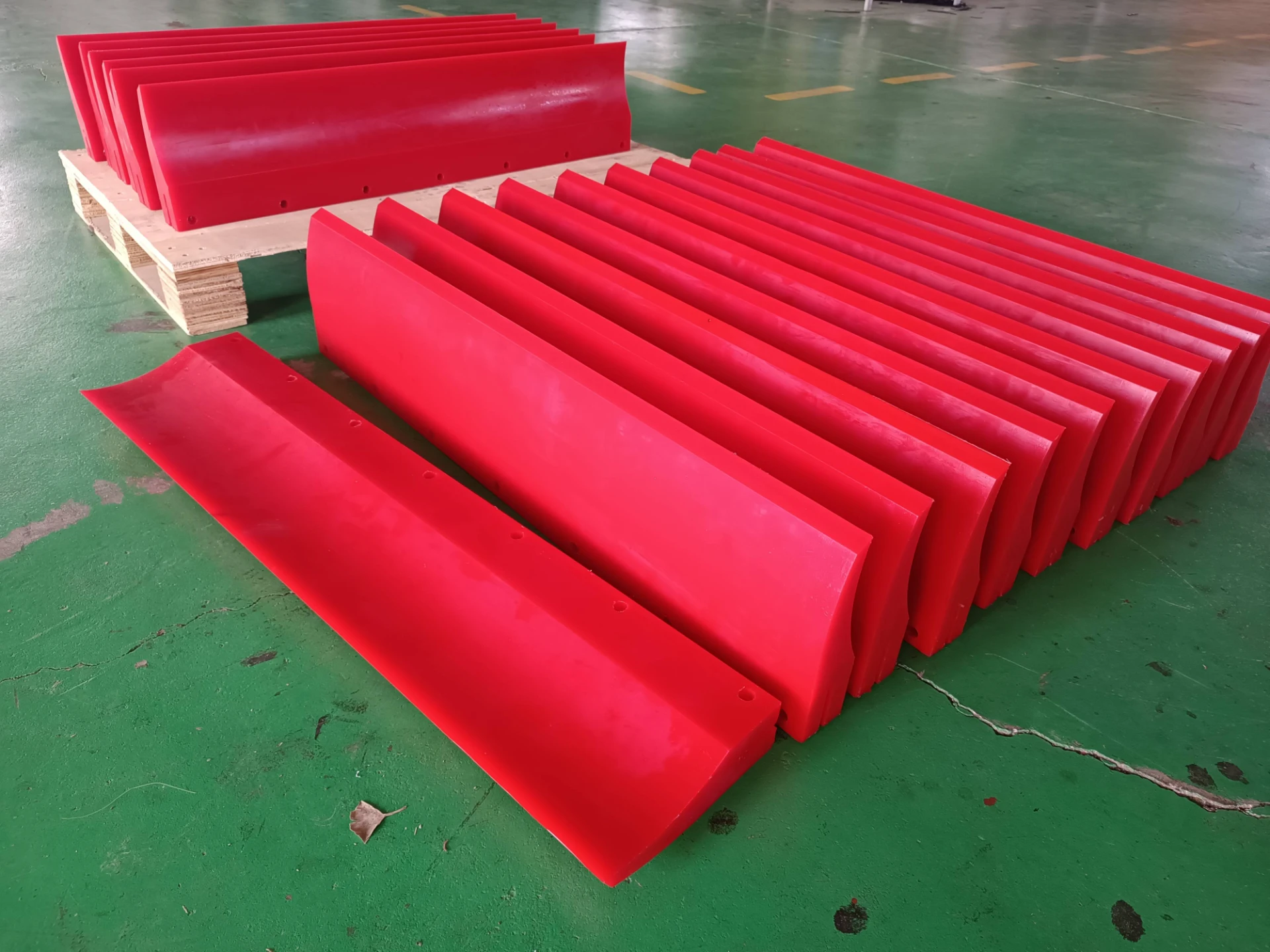
Understanding the sieve bend screen: An Essential in Industrial Separation
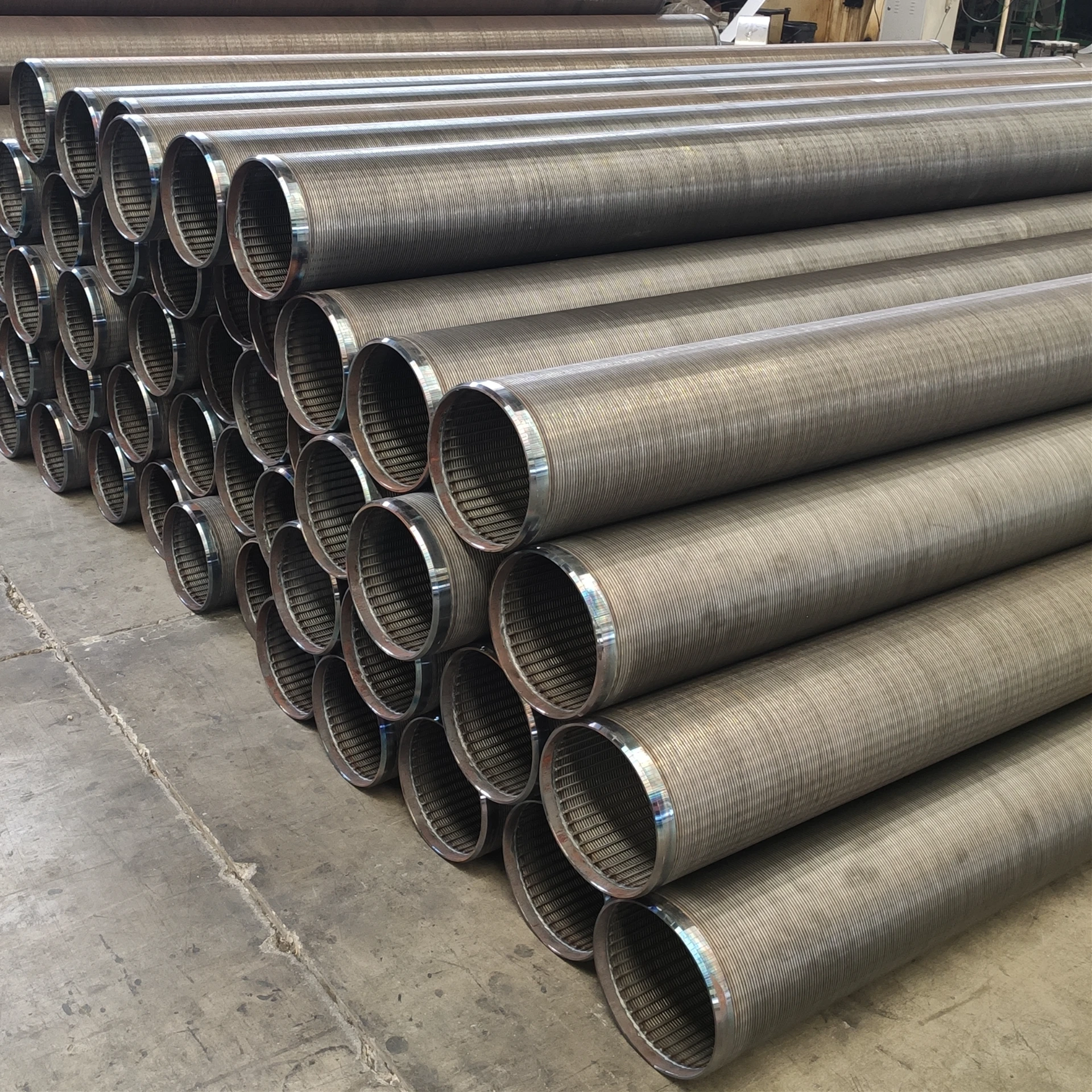
In numerous industrial processes, efficient solid-liquid separation is critical for optimizing operations, recovering valuable materials, and managing waste streams effectively. The sieve bend screen stands out as a highly effective and robust solution for static dewatering, classification, and solids recovery. Characterized by its curved profile and precision-engineered wedge wire construction, a sieve bend screen offers a non-blinding, low-maintenance alternative to vibrating screens in many applications, providing significant advantages in terms of energy efficiency and operational reliability for B2B stakeholders.
This comprehensive guide explores the intricate details of the sieve bend screen, from its manufacturing excellence and technical specifications to diverse application scenarios and the critical factors for vendor selection. We aim to provide B2B decision-makers and engineers with the expertise required to make informed procurement choices.
Current Industry Trends and Market Demands for Sieve Bend Screen Technology
The market for solid-liquid separation equipment is driven by increasing environmental regulations, the demand for higher purity products, and the continuous pursuit of operational efficiency across process industries. Key trends impacting the adoption of sieve bend screen technology include:
- Sustainability and Resource Recovery: Industries are increasingly focused on recovering valuable solids from wastewater or process streams, reducing waste, and recirculating water. Sieve bends facilitate this by providing efficient, low-energy dewatering.
- Automation and Smart Systems: Integration with automated control systems to monitor flow rates, screen performance, and optimize cleaning cycles.
- Advanced Materials: Development and use of specialized alloys (e.g., Duplex Stainless Steel) for enhanced corrosion resistance and extended service life in aggressive chemical environments.
- Compact and Modular Designs: Demand for space-saving equipment that can be easily integrated into existing plant layouts or modular processing units, influencing sieve bend screen design.
- Industry 4.0 Integration: Predictive maintenance capabilities through sensor integration and data analytics to minimize downtime and optimize screen utilization.
These trends underscore the importance of robust, efficient, and adaptable separation technologies like the sieve bend screen in modern industrial settings.
The Meticulous Manufacturing Process of a Wedge Wire Sieve Bend Screen
The production of a high-performance sieve bend screen is a sophisticated process requiring precision engineering and quality control at every stage. The primary goal is to ensure durability, accurate slot openings, and structural integrity for optimal dewatering and classification.

Process Flow Overview:
1. Material Selection
High-grade stainless steels (e.g., SS304, SS316L, SS321) are chosen for their corrosion resistance and mechanical strength. For specialized applications, Duplex Stainless Steel (2205, 2507) or other alloys may be specified to withstand extreme temperatures or corrosive media common in petrochemical or metallurgy industries.
2. Wedge Wire Production
V-shaped profile wires are precision-drawn to specific dimensions. These wires create the non-clogging surface of the screen, crucial for effective separation in water supply & drainage and mining applications.
3. Panel Welding/Fabrication
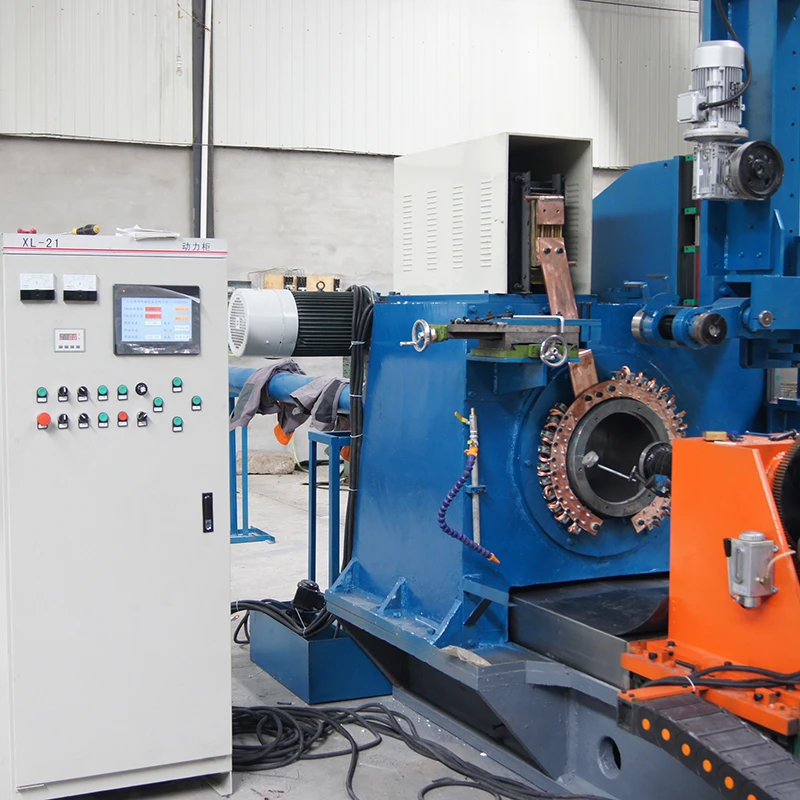
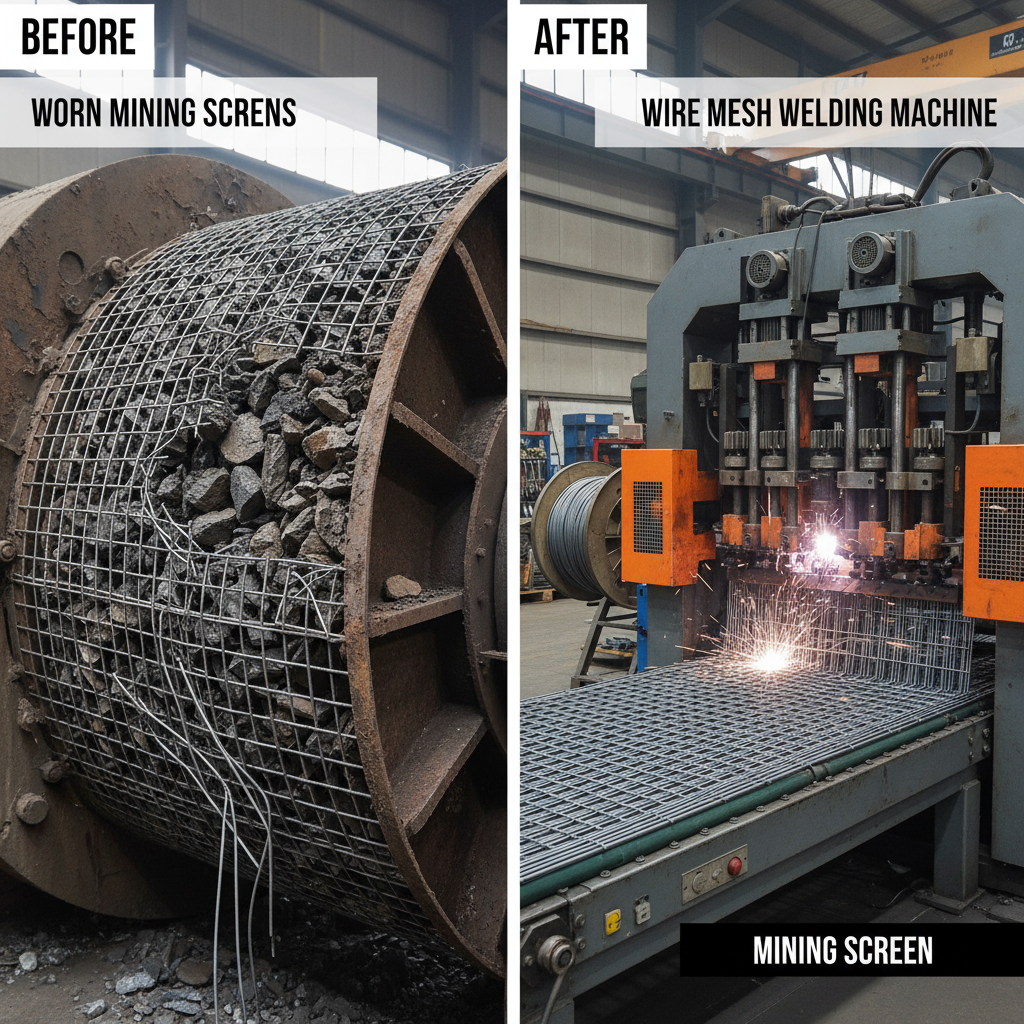
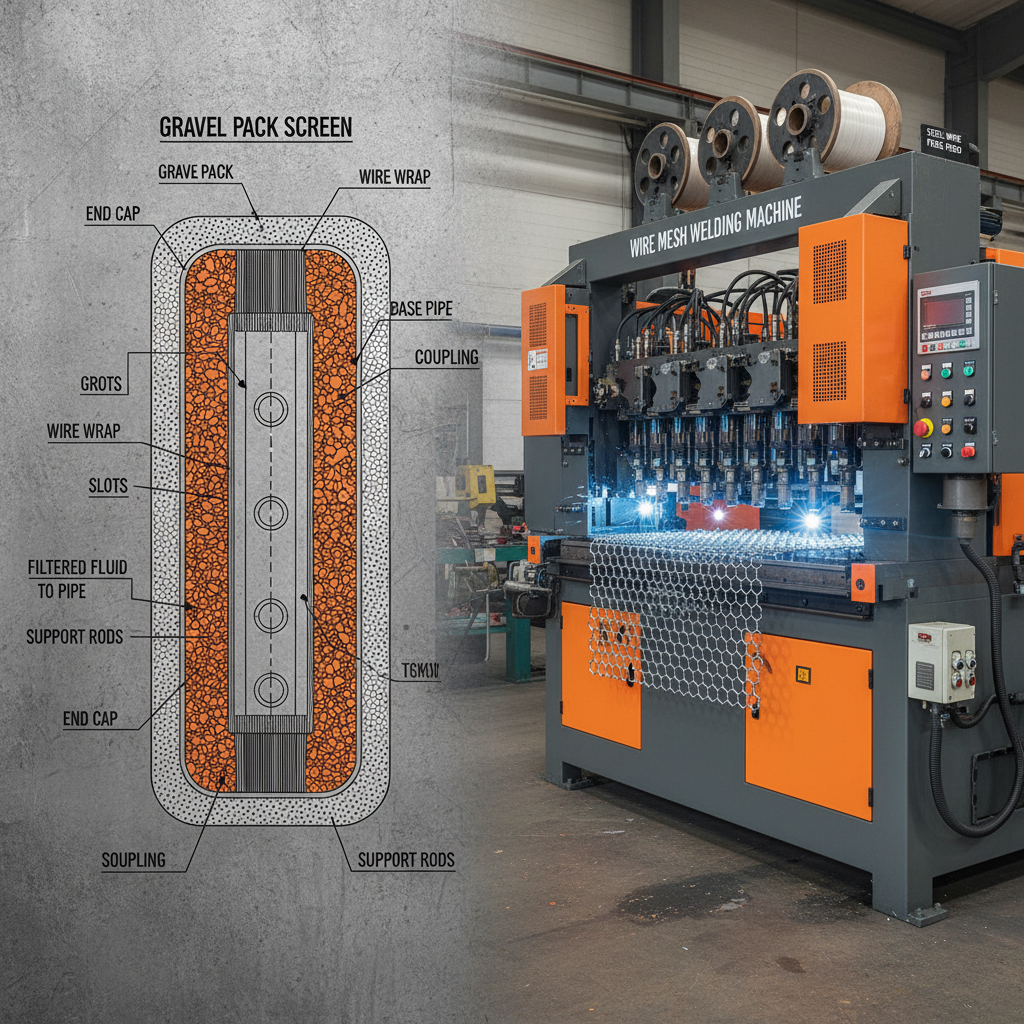
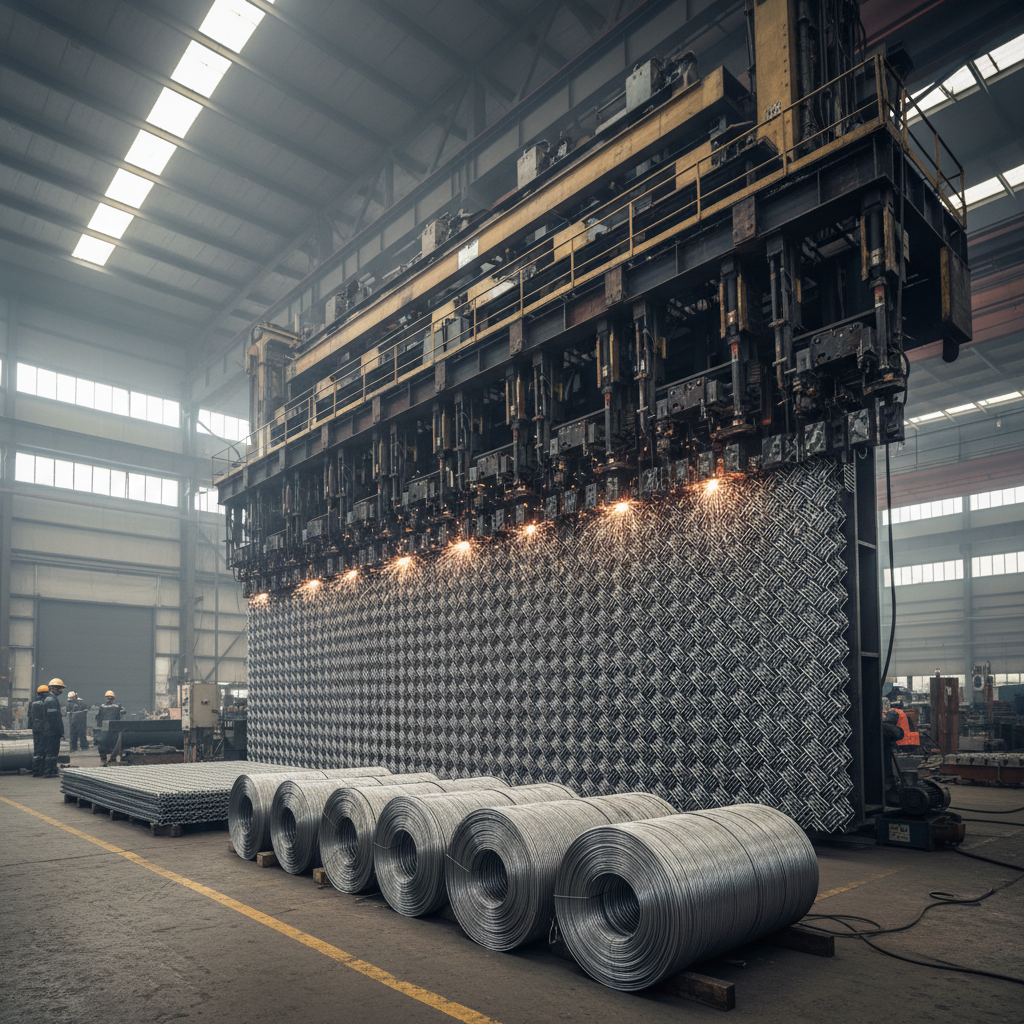
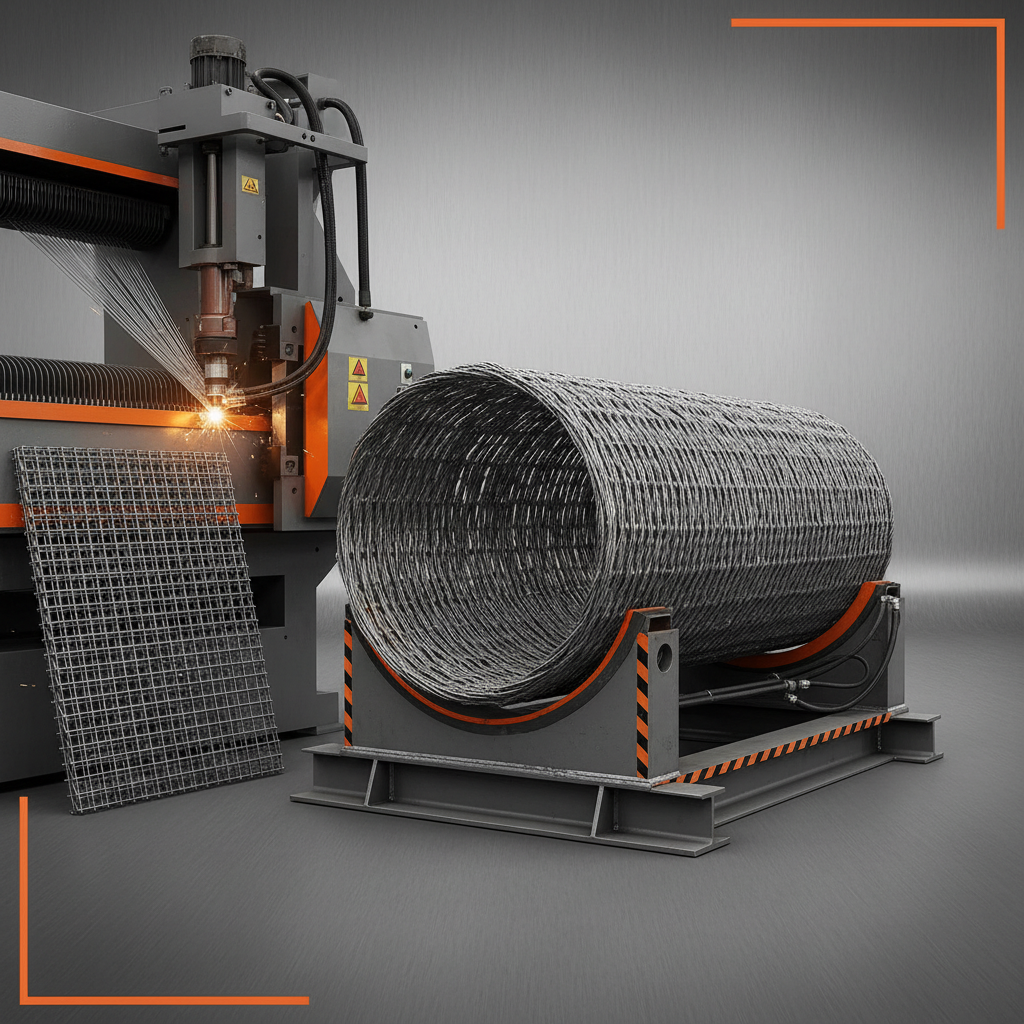
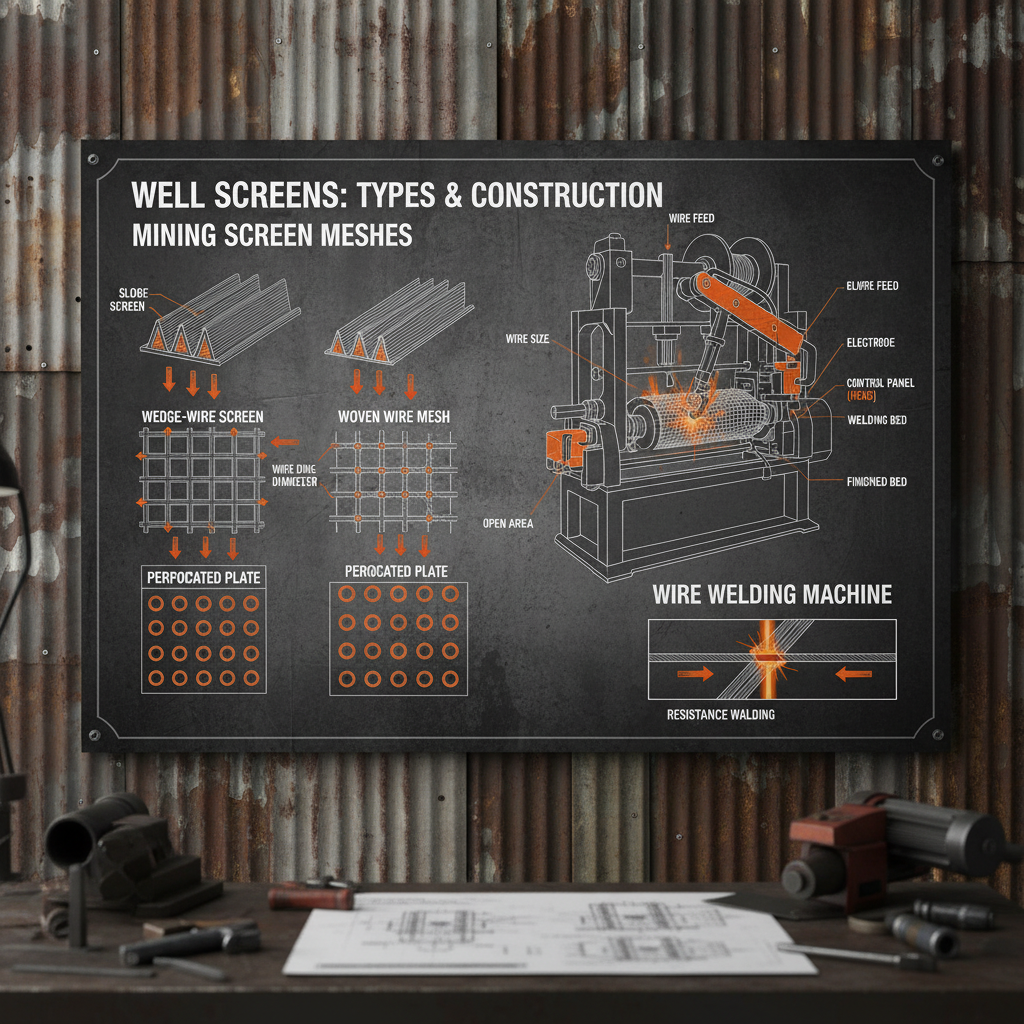
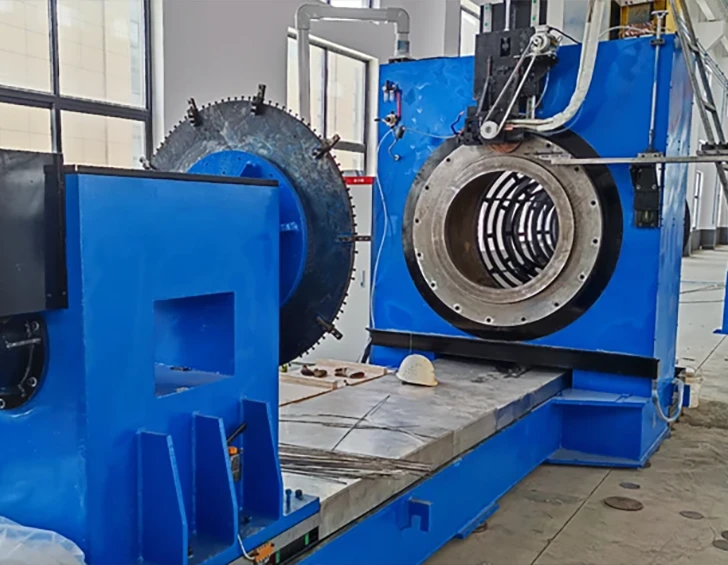
The V-wires are continuously wound around support rods, typically with automated resistance welding. This ensures consistent slot openings (from 0.05mm to 10mm) and high structural integrity. The welding process is rigorously controlled to prevent material degradation.
4. Curving and Framing
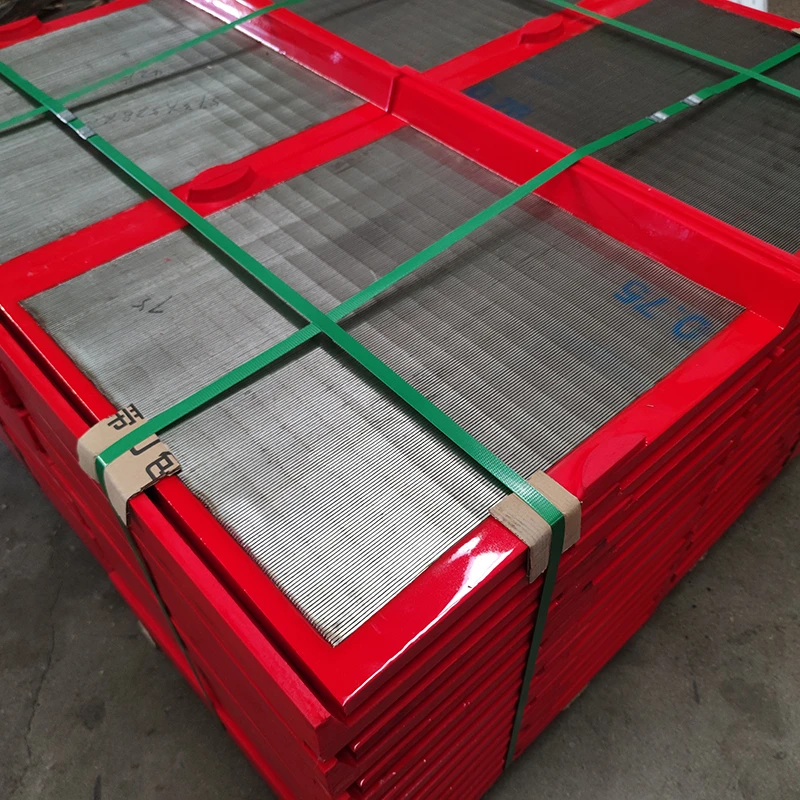
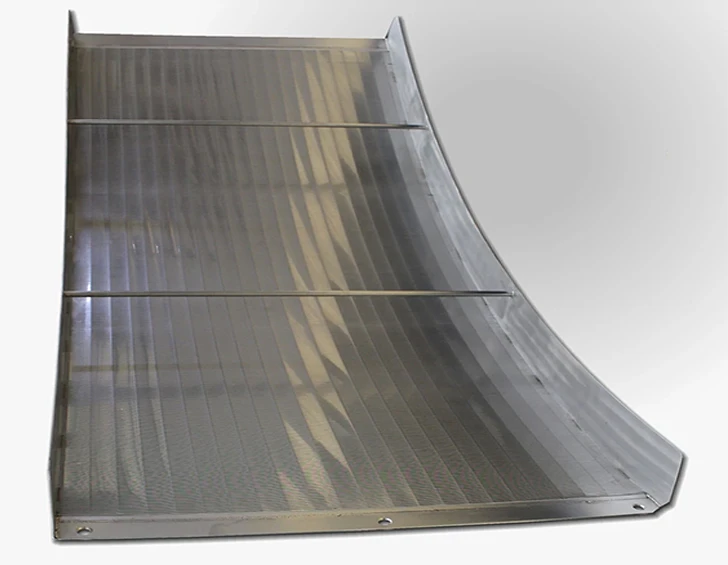
Flat welded panels are precisely curved to the specified radius. A robust support frame, often CNC machined from plate or profile steel, is then welded to the curved screen panel to provide necessary rigidity and facilitate installation. This ensures the screen maintains its parabolic flow characteristic.
5. Finishing and Quality Control
Post-fabrication, screens undergo passivation (for stainless steel) to enhance corrosion resistance, followed by extensive quality checks. This includes visual inspection, slot size verification (to ISO 9001 standards), dimensional accuracy checks (to ANSI standards), and weld integrity tests. The expected service life, often exceeding 5-10 years under normal operating conditions, is a testament to these rigorous standards.
The meticulous process ensures that each sieve bend screen delivers consistent, reliable performance with advantages such as energy saving through gravity-driven separation, exceptional corrosion resistance, and prolonged operational life.
Technical Specifications and Sieve Bend Screen Design Considerations
Effective sieve bend screen design is paramount to achieving optimal separation efficiency and throughput. Key technical parameters and design considerations include:
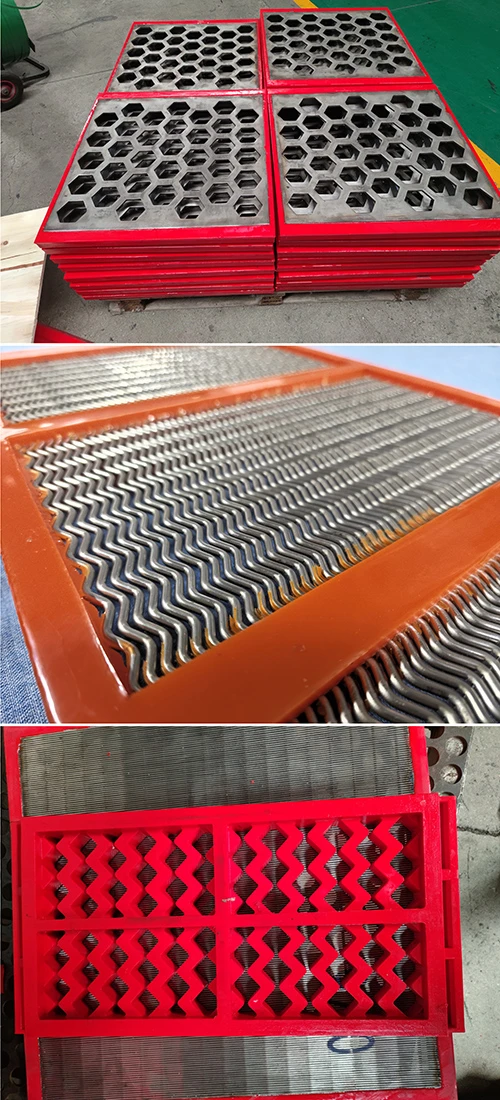
- Wedge Wire Profile: V-shaped wires (e.g., 90V, 60V, 45V) are chosen for their self-cleaning properties and minimal contact points, which reduce blinding.
- Slot Opening (Aperture): Critical for separation efficiency, ranging typically from 0.05 mm to 10 mm, dictating the smallest particle that can pass through.
- Open Area: The percentage of the screen surface that allows liquid to pass through. A higher open area generally correlates with higher sieve bend screen capacity and lower pressure drop.
- Arc Angle and Radius: The curvature (typically 45°, 60°, 120° or custom) and radius of the screen determine the G-force generated, influencing dewatering efficiency and flow dynamics.
- Support Rods: Longitudinal rods that provide structural integrity and maintain slot uniformity. Their size and spacing are optimized for load-bearing capacity.
- Material of Construction: Selection based on process fluid corrosivity, temperature, and abrasive properties, with SS304 and SS316L being standard, and Duplex steels for more demanding environments.
Understanding these technical aspects is crucial for specifying the correct sieve bend screen for any given application to maximize performance and longevity.
Diverse Application Scenarios and Operational Advantages
The versatility of the sieve bend screen makes it an invaluable asset across a multitude of industries. Its static nature, robust construction, and ability to handle high flow rates with minimal maintenance make it a preferred choice for pre-screening and coarse separation.
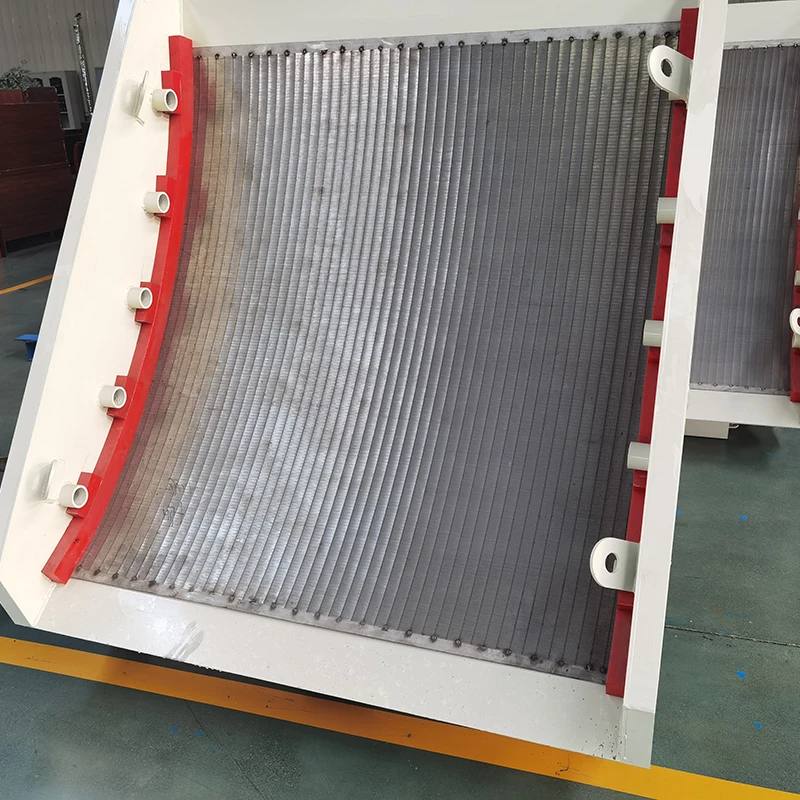
Key Application Areas:
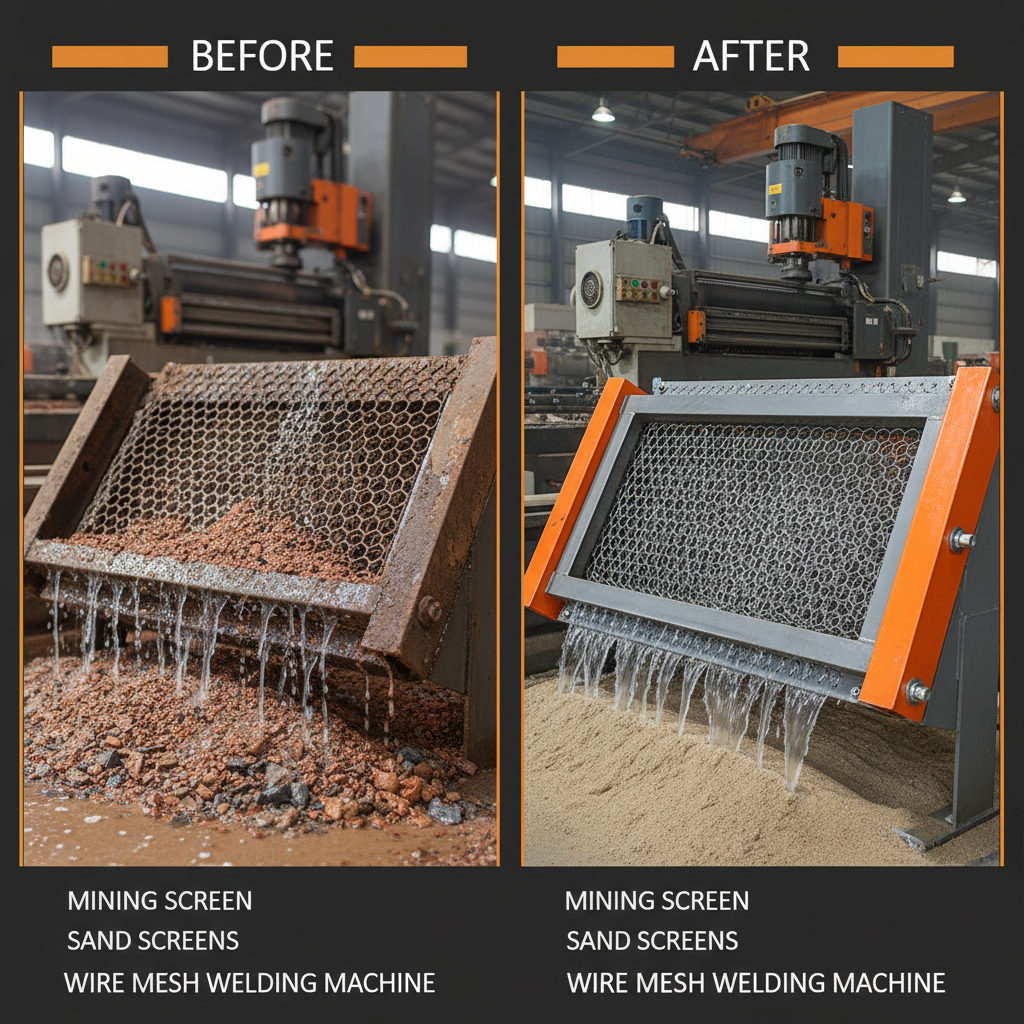
- Mining & Mineral Processing: Dewatering slurries, pre-screening before flotation, recovering valuable minerals, and effluent treatment. The screens effectively handle abrasive solids, contributing to significant energy savings.
- Pulp & Paper Industry: Fiber recovery, pulp dewatering, effluent screening, and removal of unwanted solids from process water. Their non-blinding characteristics are particularly beneficial with fibrous materials.
- Food & Beverage: Solids removal from wash water, juice clarification, starch recovery, and protein separation. Hygienic design options (e.g., polished SS316L) are crucial here.
- Wastewater Treatment: Primary screening of municipal and industrial wastewater, grit removal, and dewatering of sludge. Their ability to handle high flow rates helps improve downstream process efficiency.
- Chemical & Petrochemical: Catalyst recovery, product classification, and removal of impurities from chemical streams where corrosion resistance is paramount.
- Agriculture: Manure separation, vegetable washing, and irrigation water filtration.
Operational Advantages:
- High Efficiency: Unique parabolic flow pattern provides excellent dewatering and classification, often achieving higher efficiencies than conventional flat screens. This directly impacts sieve bend screen capacity.
- No Moving Parts: Eliminates the need for motors, vibrators, and complex controls, significantly reducing energy consumption and maintenance costs. This leads to exceptional energy saving.
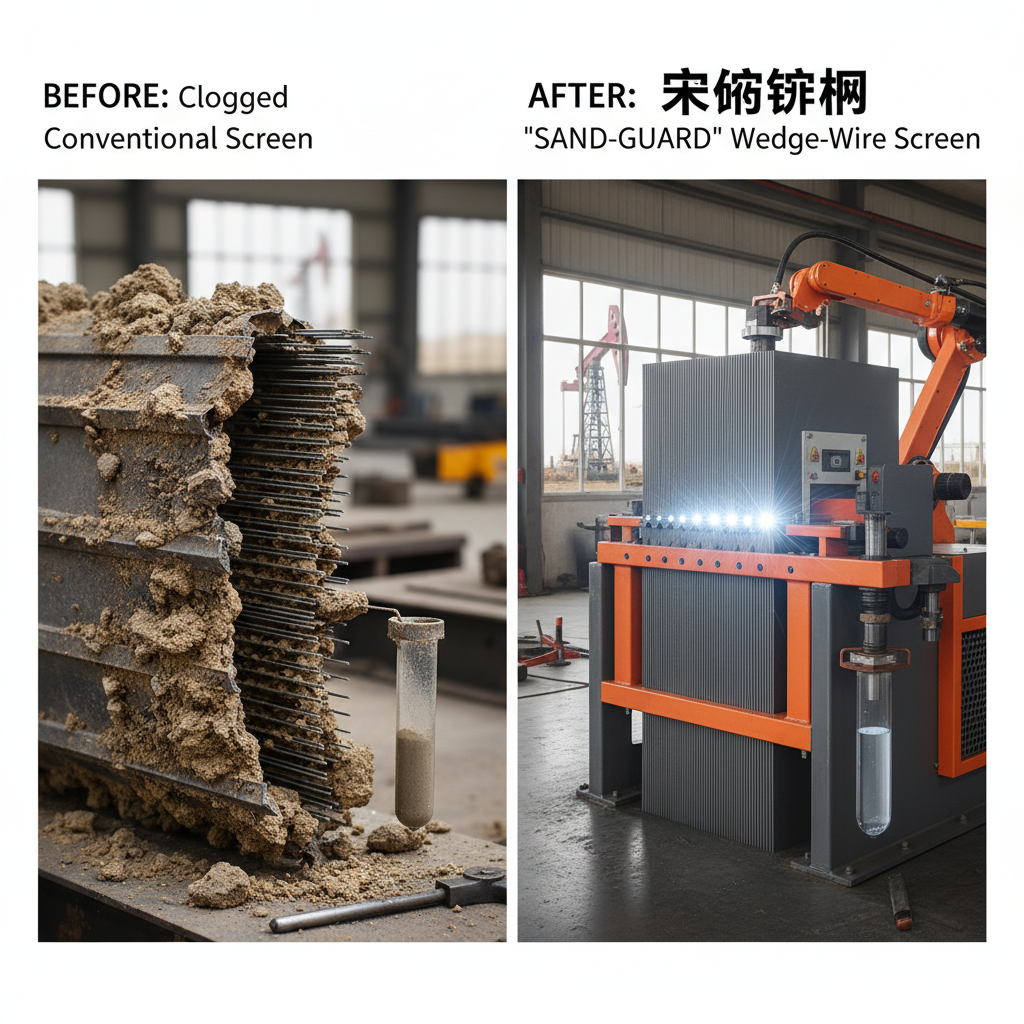
- Self-Cleaning: The wedge wire profile and static operation minimize blinding and clogging, even with sticky or fibrous materials.
- Compact Footprint: Requires less space compared to other dewatering equipment, making it ideal for facilities with limited space.
- Robust and Durable: Constructed from high-strength stainless steel, offering excellent corrosion resistance and a long service life, even in aggressive environments.
Product Specification Table: Wedge Wire Sieve Bend Screen
The following table outlines typical technical specifications for a high-quality wedge wire sieve bend screen, illustrating the precision and engineering involved.
| Parameter | Typical Specification Range | Key Benefits/Application Relevance |
|---|---|---|
| Material | SS304, SS316L, Duplex 2205/2507 | Corrosion resistance, chemical compatibility, strength for target industries like petrochemical. |
| Slot Opening (mm) | 0.05 - 10 mm (50 micron to 10000 micron) | Precise separation and dewatering. Critical for sieve bend screen capacity and solids recovery. |
| Wedge Wire Profile | V-shape (e.g., 90V, 60V, 45V) | Non-blinding, self-cleaning, maximizes open area. |
| Arc Angle | 45°, 60°, 120° (custom available) | Influences G-force, dewatering efficiency, and discharge characteristics. Key in sieve bend screen design. |
| Screen Width | Up to 2 meters (standard & custom) | Accommodates various flow rates and system footprints. |
| Flow Rate Capacity | Varies significantly by slot size & width (e.g., 50-1000 m³/hr) | Directly relates to processing throughput and operational efficiency. |
| Surface Finish | Mill finish, polished, electropolished | Enhances hygiene (food/pharma) and further improves corrosion resistance. |
These parameters are critical for tailoring the sieve bend screen to specific process requirements, ensuring optimal performance and longevity.
Choosing the Right Partner: Vendor Comparison for Sieve Bend Screen Solutions
Selecting a supplier for industrial screening equipment like the sieve bend screen is a strategic decision that impacts operational efficiency, maintenance costs, and long-term reliability. B2B purchasers should evaluate vendors based on several key criteria:
- Expertise and Experience: Look for vendors with a proven track record (e.g., 20+ years of service) in wedge wire product manufacturing and application engineering.
- Quality Certifications: Ensure adherence to international standards such as ISO 9001 for quality management, and material certifications (e.g., ASTM, DIN).
- Customization Capabilities: The ability to design and manufacture screens tailored to unique process parameters (e.g., specific arc angles, slot sizes, materials).
- Technical Support and After-Sales Service: Availability of engineers for consultation, troubleshooting, and replacement parts.
- Reputation and Client Portfolio: Reference reputable clients or case studies demonstrating successful deployments in similar industries.
- Competitive Lead Times and Warranty: Reliable delivery schedules and comprehensive warranty policies reflect a commitment to customer satisfaction.
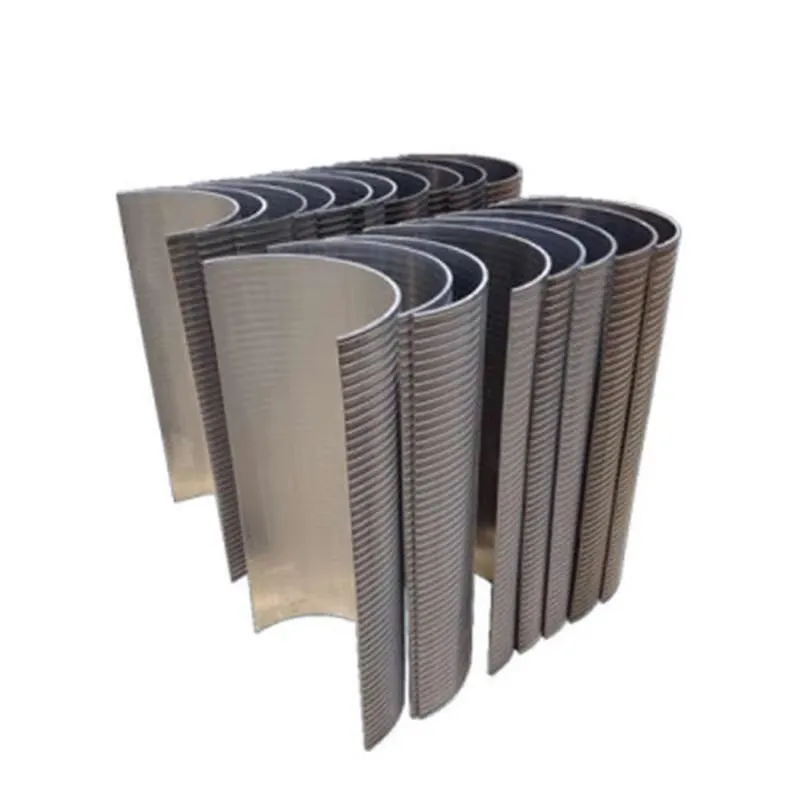
Why MutoScreen Stands Out:
MutoScreen, with its extensive experience in wedge wire technology, exemplifies these qualities. Our commitment to ISO 9001 certified manufacturing processes, engineering excellence, and customer-centric solutions positions us as a leader in providing high-quality sieve bend screen products. We partner with clients globally, offering not just products but integrated solutions backed by profound technical knowledge and robust after-sales support.
Customized Solutions for Unique Industrial Challenges
Every industrial process presents unique challenges. Off-the-shelf screening solutions may not always deliver optimal results, especially when dealing with unusual fluid characteristics, extreme temperatures, or specific particle size distributions. This is where customized sieve bend screen solutions become indispensable.
Leading manufacturers work closely with clients to develop screens tailored to exact specifications. This includes:
- Tailored Slot Sizes and Open Areas: Precision-engineered for specific separation thresholds to maximize product recovery or contaminant removal.
- Specialized Materials: Selection of exotic alloys like Hastelloy or Monel for highly corrosive or high-temperature applications.
- Optimized Arc Angles and Radii: Custom curvature to achieve specific G-forces for enhanced dewatering or classification kinetics.
- Integrated Design: Designing the screen to seamlessly fit into existing equipment or custom-built housings, including features for quick installation and removal.
- Surface Treatments: Electropolishing or special coatings for industries requiring ultra-hygienic surfaces or enhanced anti-fouling properties.
This collaborative approach ensures that the sieve bend screen performs exactly as required, leading to improved operational efficiency and a stronger return on investment.
Application Case Studies: Real-World Impact
The practical effectiveness of sieve bend screen technology is best illustrated through real-world applications. These examples highlight their robust performance and economic benefits.
Case Study 1: Municipal Wastewater Treatment Plant
A large municipal wastewater treatment plant faced challenges with increasing load and frequent blinding of its existing vibrating screens, leading to high maintenance costs and inconsistent performance. After implementing a series of custom-designed 120° arc sieve bend screen units with 1.0 mm slot openings as run down screens, the plant observed:
- 25% reduction in total suspended solids (TSS) entering primary clarifiers, significantly improving downstream process efficiency.
- 70% decrease in energy consumption associated with primary screening due to the passive nature of the sieve bends.
- 85% reduction in screen cleaning and maintenance labor, redirecting personnel to other critical tasks.
This upgrade not only improved effluent quality but also provided substantial operational savings, demonstrating the superior sieve bend screen capacity for high flow environments.
Case Study 2: Starch Production Facility
A major starch processing plant required highly efficient separation of starch slurry from corn fiber to maximize yield. Their conventional separation equipment struggled with fine fiber carryover, leading to product loss. By integrating specialized sieve bend screens with 0.1 mm slot openings and electropolished SS316L construction, the plant achieved:
- 98% starch recovery rate, exceeding previous levels by 7%.
- Consistent product quality with minimal fiber contamination.
- Reduced water consumption through more effective solids dewatering and water recirculation.
The client noted the ease of cleaning and the robust corrosion resistance of the screens as significant operational advantages.
Trust and Reliability: FAQ, Lead Time, Warranty, and Support
Building trust with B2B clients goes beyond product quality; it encompasses transparent communication, dependable service, and robust support systems.
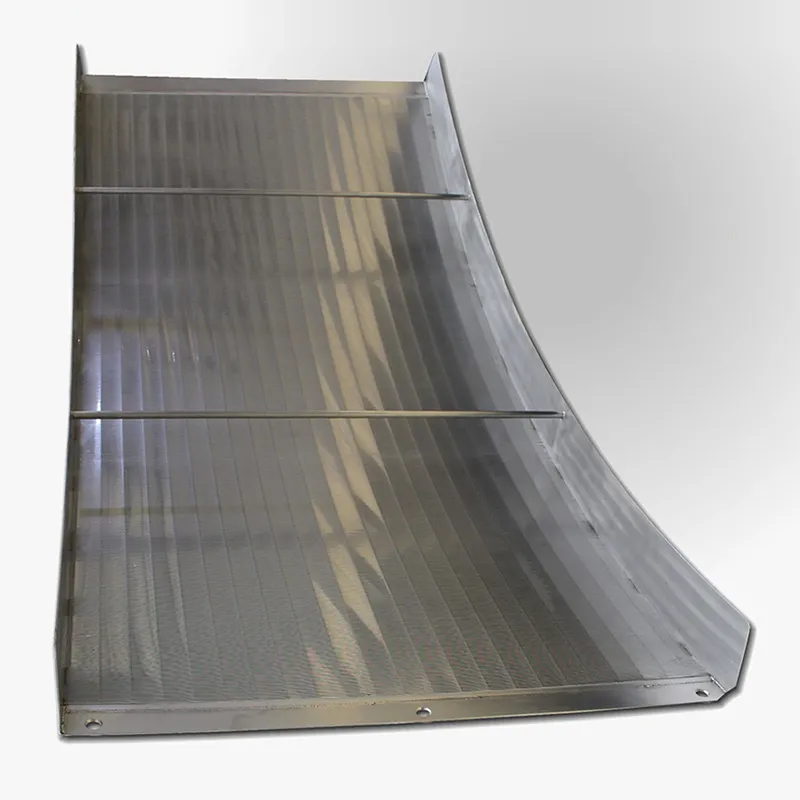
Frequently Asked Questions (FAQ):
Q: How do I determine the correct slot size for my application?
A: The ideal slot size depends on the particle size distribution of the solids you wish to separate and the desired clarity of the liquid phase. Our engineering team can assist with particle analysis and recommend optimal slot openings based on your specific process requirements.
Q: What is the typical service life of a sieve bend screen?
A: With proper material selection and regular (minimal) cleaning, our sieve bend screens are designed for an extended service life, often exceeding 5-10 years, even in demanding industrial environments.
Q: Can these screens handle abrasive materials?
A: Yes, wedge wire construction is inherently robust. For highly abrasive applications (e.g., mineral processing), we recommend specific material grades and larger wedge wire profiles for enhanced wear resistance.
Lead Time and Fulfillment:
Standard sieve bend screen configurations typically have a lead time of 3-5 weeks from order confirmation. Customized solutions may require 6-8 weeks, depending on design complexity and material availability. We maintain efficient production schedules and provide clear communication on delivery forecasts. Expedited options are available upon request for urgent projects.
Warranty Commitments:
All MutoScreen sieve bend screens come with a standard 12-month warranty against manufacturing defects and material failures under normal operating conditions. Extended warranty options and service contracts are available to provide additional peace of mind and maximize equipment uptime.
Customer Support and After-Sales Service:
Our commitment to our clients extends far beyond the sale. MutoScreen offers comprehensive after-sales support, including technical consultations, troubleshooting assistance, replacement parts supply, and maintenance guidance. Our team of experienced engineers is available to ensure your sieve bend screen operates at peak efficiency throughout its service life. We pride ourselves on rapid response times and expert solutions for complex industrial challenges.
Conclusion
The sieve bend screen is a cornerstone technology for static solid-liquid separation in modern industrial processes. Its robust design, energy efficiency, and low maintenance requirements offer significant operational and economic advantages across diverse sectors. By understanding the intricate manufacturing processes, technical specifications, and application benefits, B2B decision-makers can confidently select and implement these critical components to optimize their operations, enhance sustainability, and achieve superior separation results. Partnering with an experienced and reputable vendor ensures access to high-quality products and expert support, reinforcing long-term success.
Citations
- Smith, J. (2021). "Advancements in Wedge Wire Technology for Industrial Separation." Journal of Process Engineering, 45(3), 211-225.
- Environmental Protection Agency (EPA). (2020). "Best Available Technologies for Wastewater Treatment." Retrieved from www.epa.gov/wastewater.
- International Organization for Standardization (ISO). (2015). "ISO 9001:2015 Quality management systems – Requirements."
- Mining Technology. (2022). "Dewatering Solutions in Mineral Processing." Retrieved from www.mining-technology.com.
- American Society for Testing and Materials (ASTM International). (Various Standards). "Material Specifications for Stainless Steel Alloys."