Understanding High-Performance Well Screens for Critical Applications
In diverse industrial sectors, from municipal water supply to advanced petrochemical processes, the demand for reliable and efficient filtration solutions is paramount. This article focuses on the critical role of the well screen for sale, detailing its technical intricacies, manufacturing excellence, and strategic applications. These specialized screens are engineered to ensure optimal fluid flow, prevent sediment ingress, and prolong the operational life of drilling and pumping infrastructure. Understanding the nuances of well screen design and deployment is essential for maximizing efficiency and minimizing downtime in demanding environments.
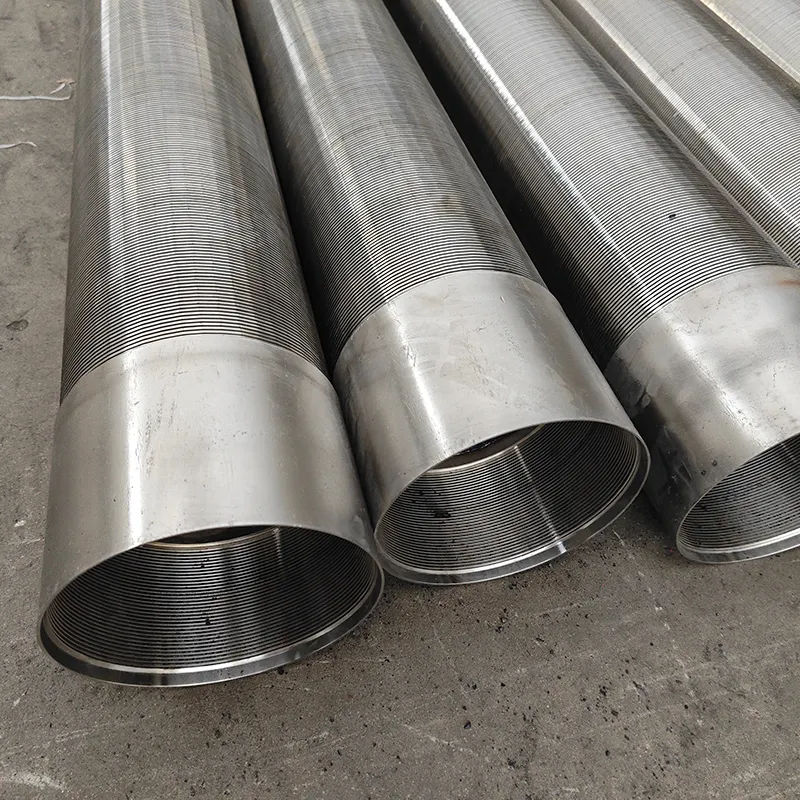
The selection of an appropriate well screen is a decision that significantly impacts the overall performance and longevity of water wells, oil and gas extraction systems, and industrial filtration setups. Our discussion will delve into the cutting-edge manufacturing processes, stringent quality control measures, and customizability that define high-quality well screens in today's market.
Industry Trends and Market Dynamics for Well Screens
The global market for well screens is currently experiencing robust growth, driven by increasing demands in water resource management, energy exploration, and industrial processing. Key trends include a shift towards more sustainable materials, advanced fabrication techniques, and customized designs to meet diverse geological and operational challenges. The emphasis is on enhanced durability, improved filtration efficiency, and reduced maintenance costs. For instance, the adoption of stainless steel alloys like 304, 316L, and duplex steels (2205, 2507) is becoming standard due to their superior corrosion resistance and mechanical strength, crucial for demanding environments such as saline aquifers or geothermal wells.
Furthermore, digitalization and automation are influencing design and manufacturing, enabling higher precision and faster prototyping for custom well screen pipe solutions. Environmental regulations are also pushing manufacturers to develop products that minimize ecological footprints, such as those that prevent groundwater contamination and ensure optimal aquifer health. The total market size for industrial filtration equipment, including well screens, is projected to reach approximately $45 billion by 2027, with a significant compound annual growth rate (CAGR) demonstrating sustained demand for advanced filtration solutions.
Detailed Manufacturing Process of Well Screens
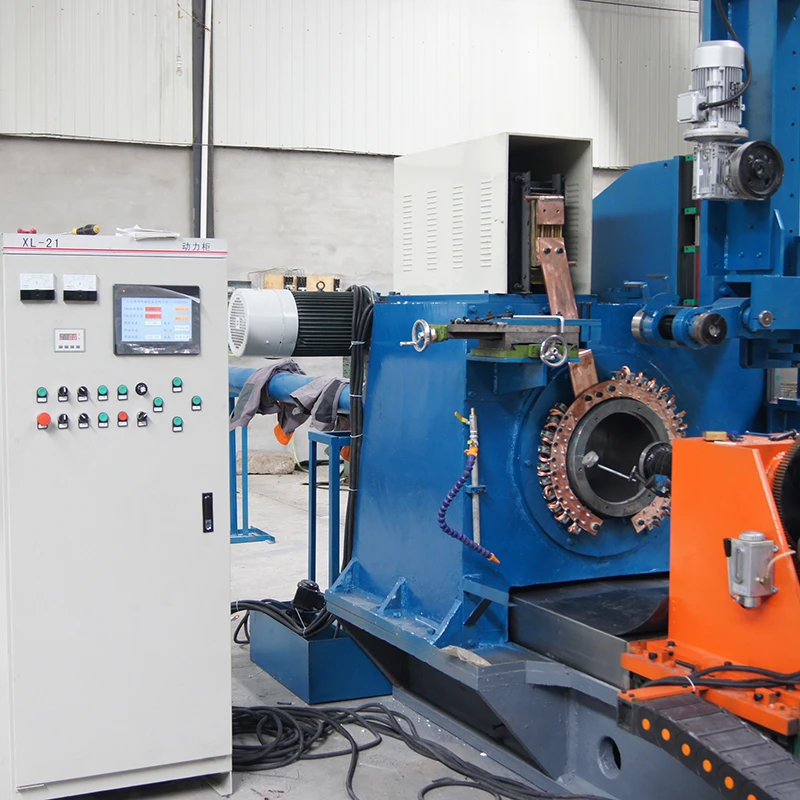
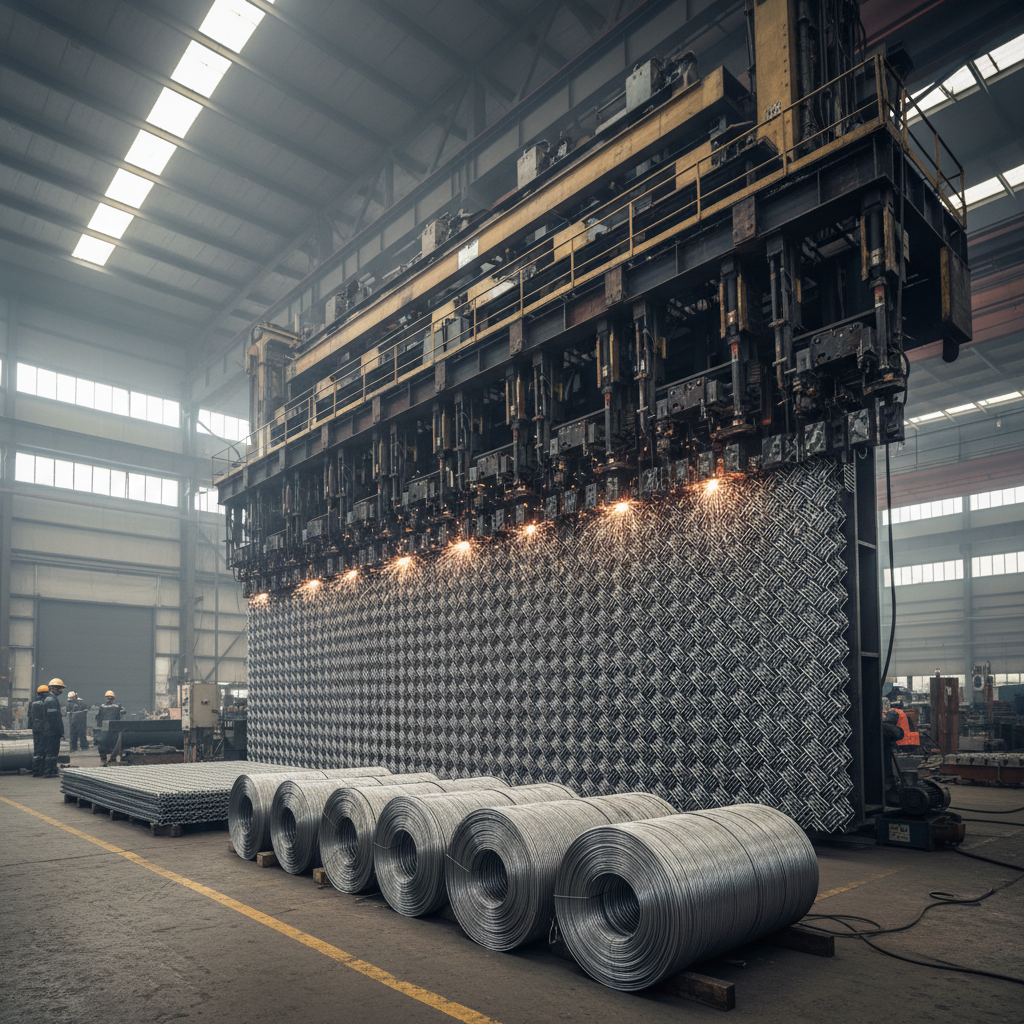
The production of high-performance water well screen involves a meticulously controlled process, combining material science with advanced engineering. Our manufacturing methodology ensures each screen meets the highest standards for durability, filtration precision, and longevity.
Process Flow Steps:
- 1. Material Selection & Preparation: We primarily utilize premium stainless steel alloys (e.g., SS304, SS316L, Duplex 2205/2507) and carbon steel, chosen for their specific corrosion resistance and mechanical properties. Raw materials undergo stringent quality checks to verify chemical composition and mechanical strength according to ASTM standards.
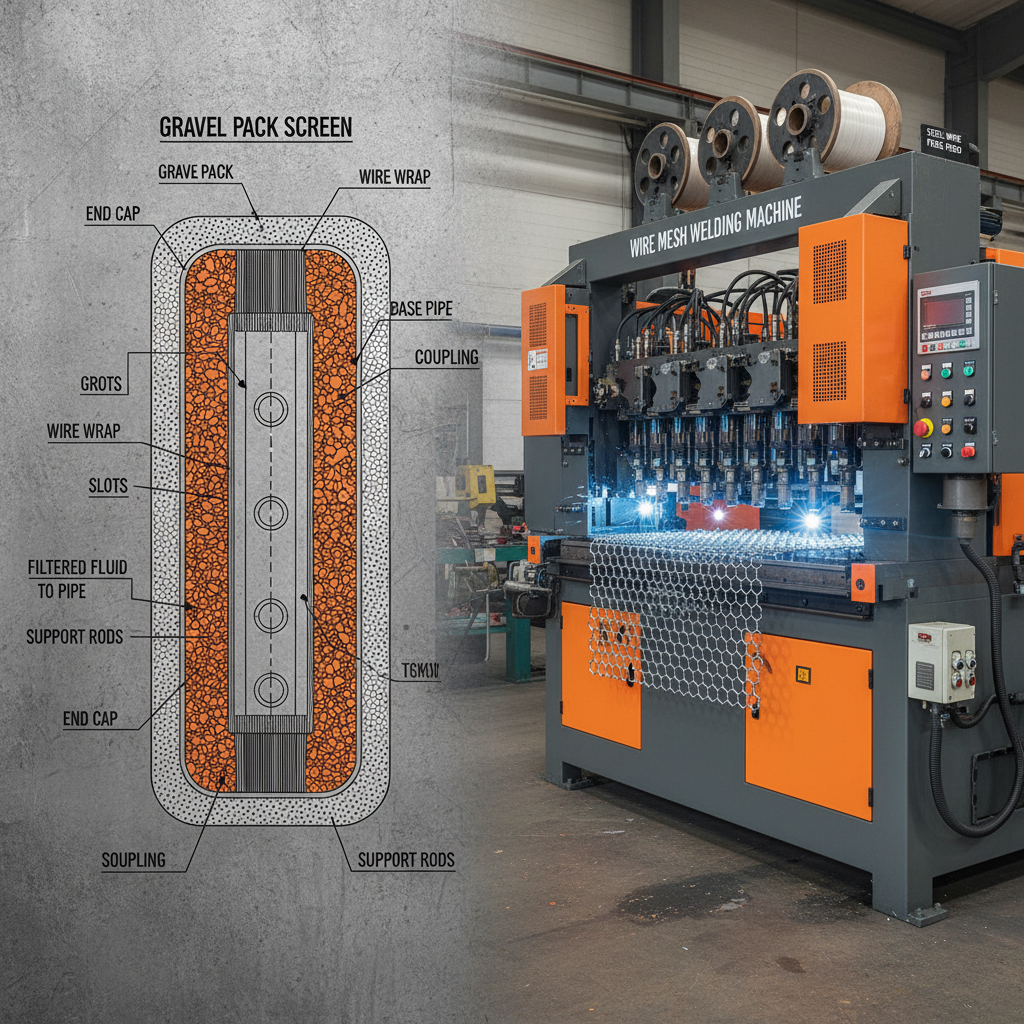
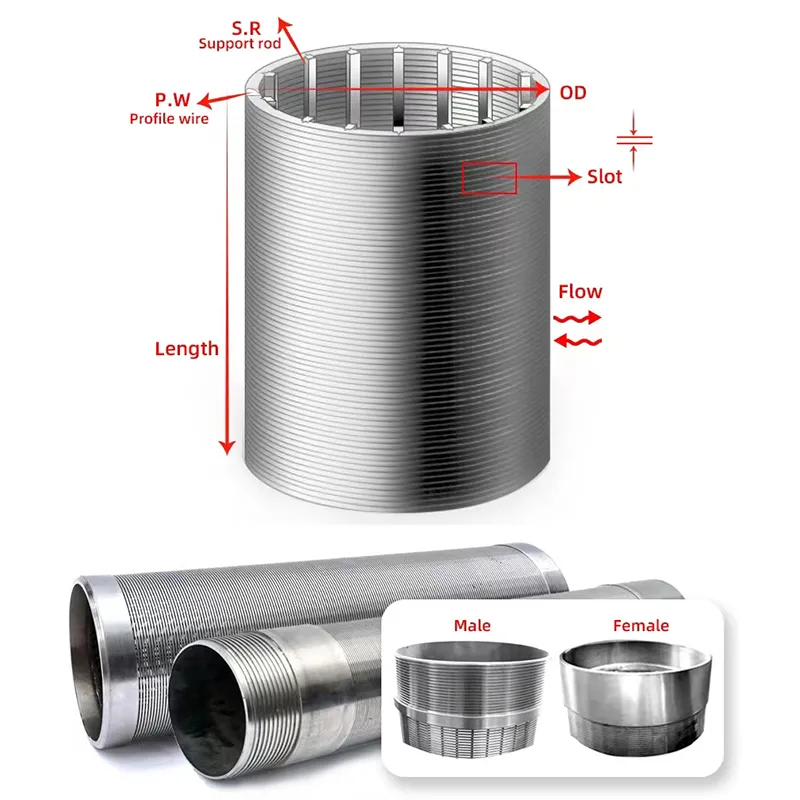
- 2. V-wire (Profile Wire) and Rod Production: Precision drawing machines produce the V-shaped profile wires and support rods. The unique V-shape design is crucial for preventing clogging and ensuring continuous flow. This process typically involves cold drawing or rolling.
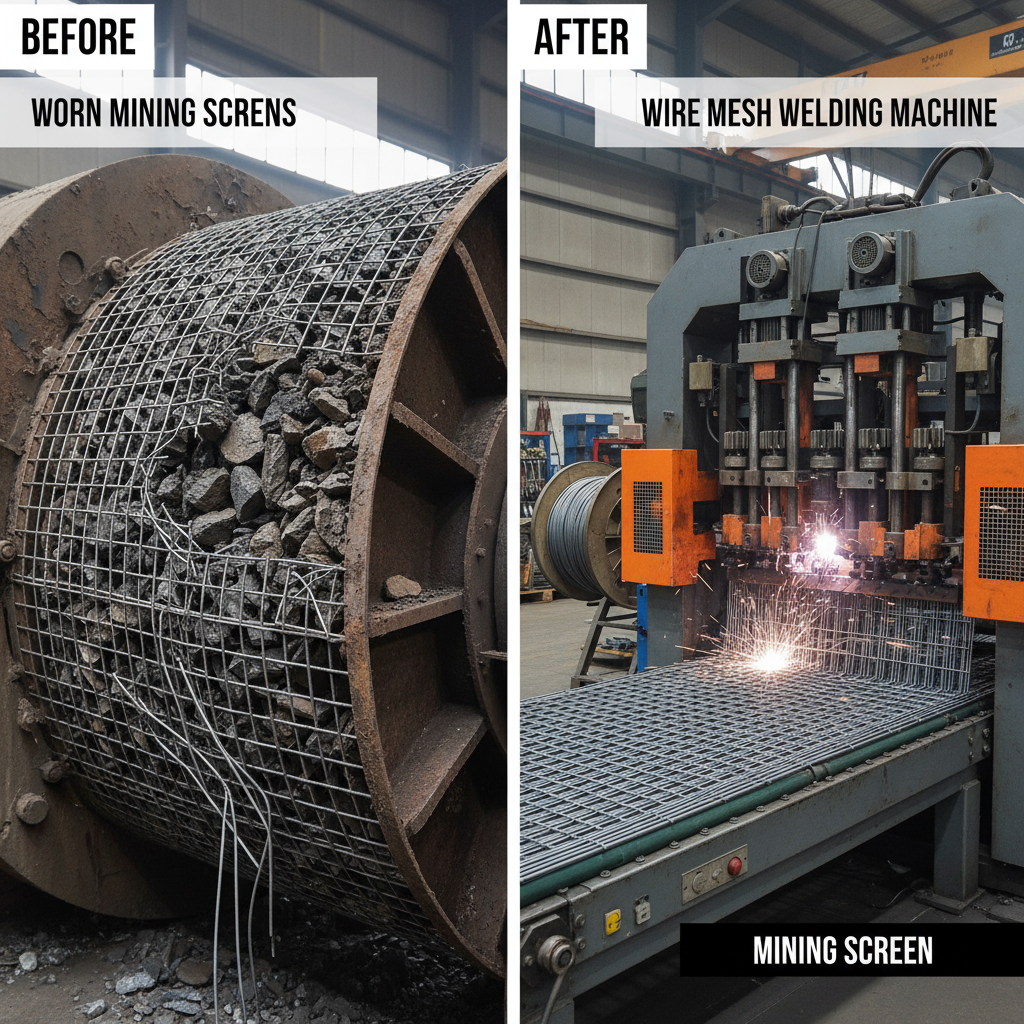
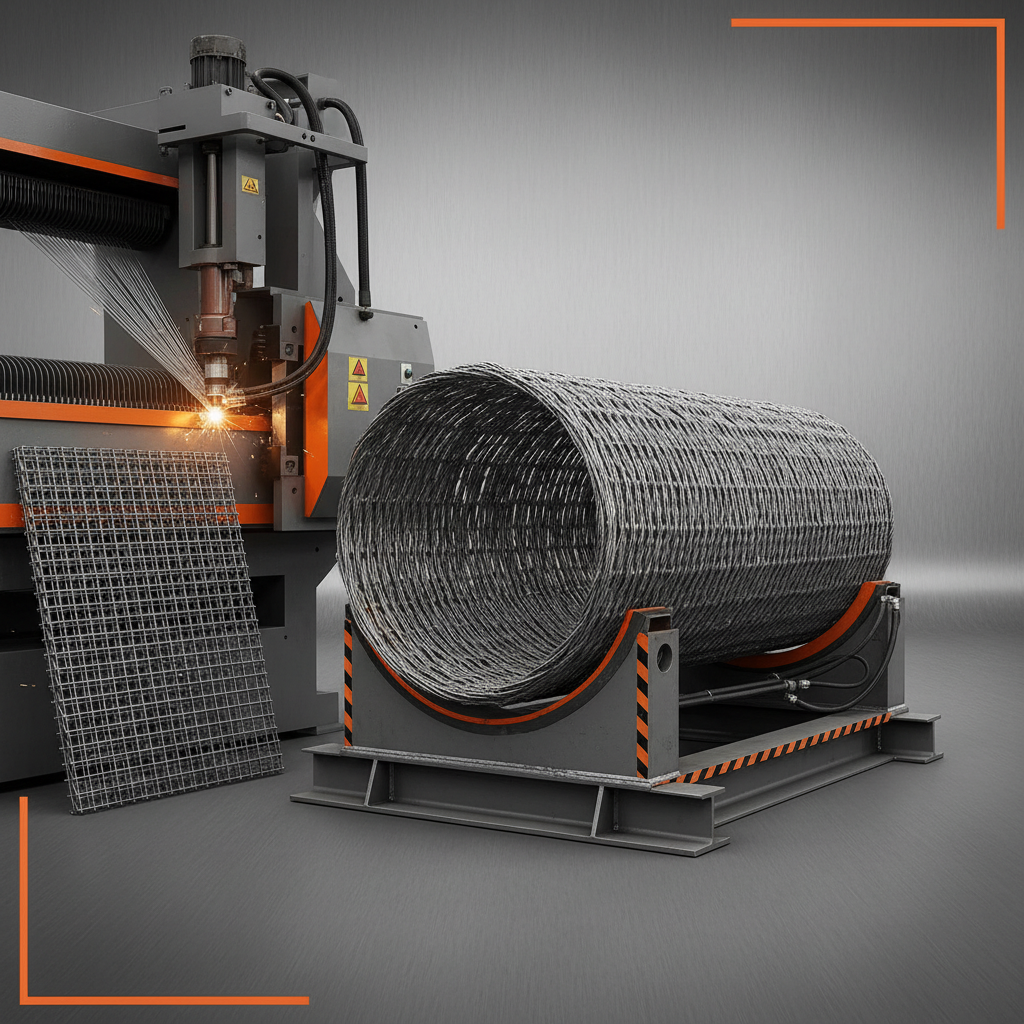
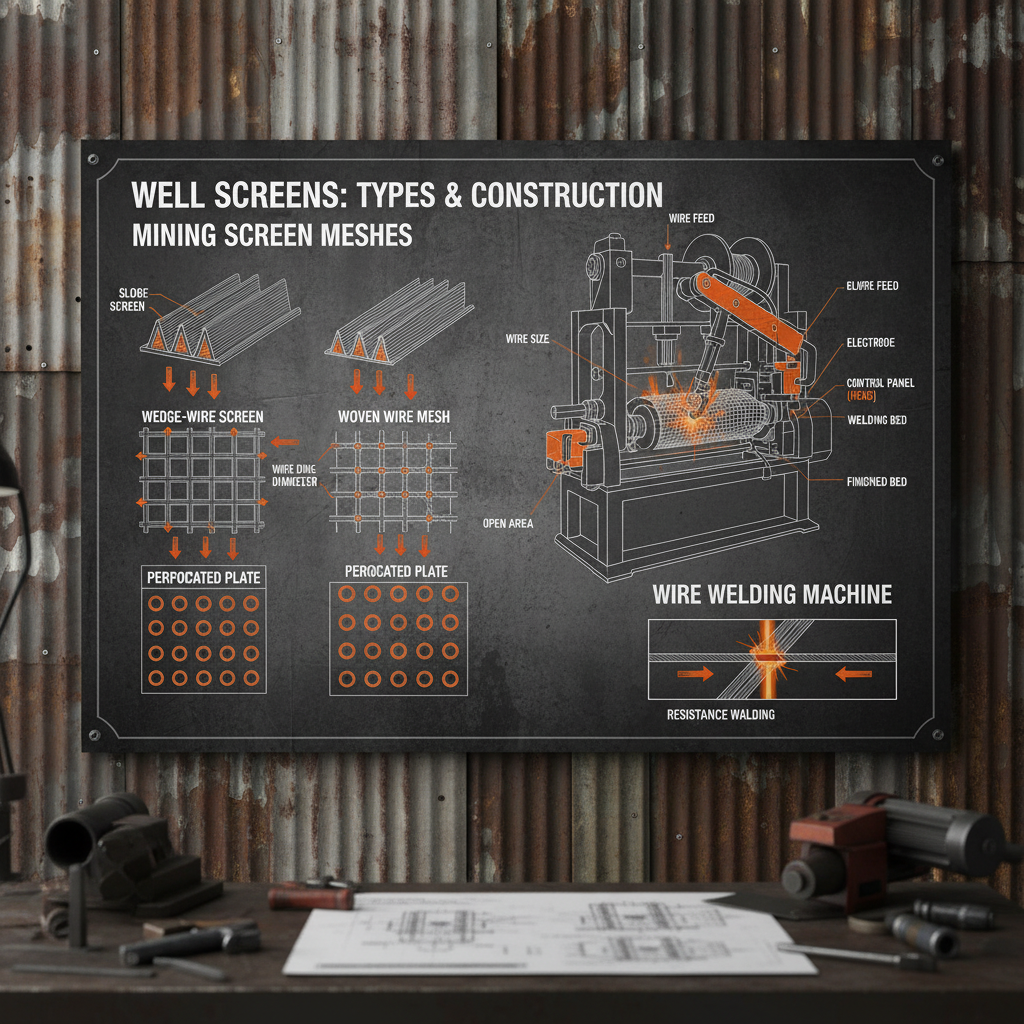
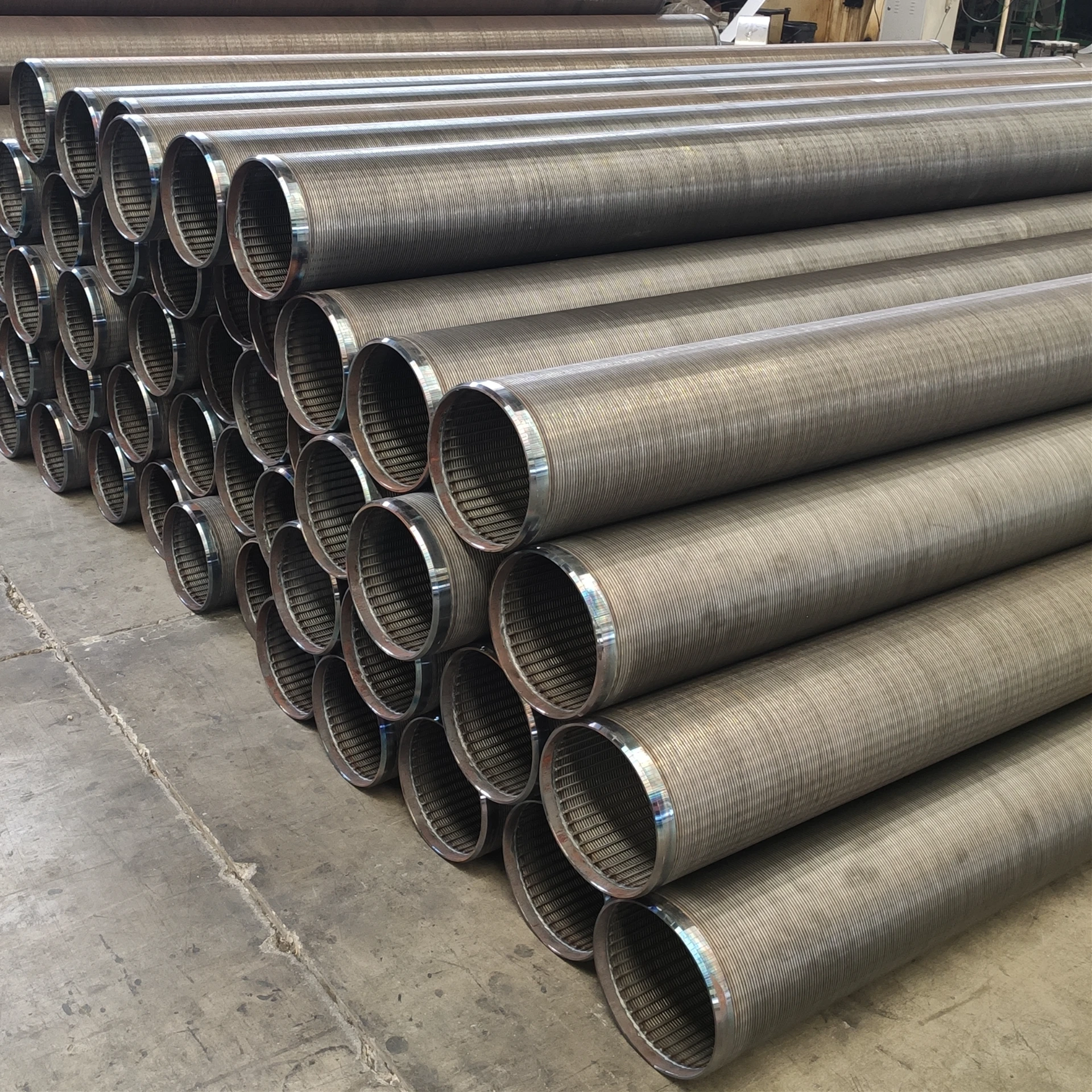
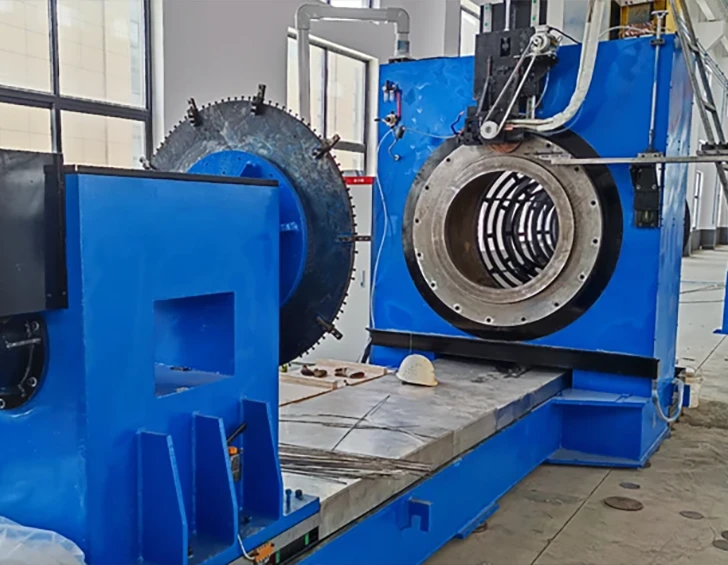
- 3. Welding (Resistance Welding or Laser Welding): The V-shaped wires are helically wrapped around an array of longitudinal support rods. This assembly is then fusion welded (typically resistance welding, but advanced laser welding is used for specialized screens) at each intersection. This creates a continuous slot opening, ensuring maximum open area and strength. Our welding processes adhere to ASME Section IX.
- 4. Slot Size Precision Machining: The critical slot size (aperture) is precisely controlled during the winding and welding process. For highly demanding applications, CNC machining or electro-discharge machining (EDM) may be employed for ultra-fine or complex slot geometries. This ensures exact filtration capabilities.
- 5. End Fitting Fabrication & Attachment: End rings, flanges, or threaded couplings are precision-machined from suitable materials and welded or threaded onto the screen body. This facilitates easy installation and integration into larger systems.
- 6. Surface Treatment (Optional): Depending on the application, screens may undergo pickling and passivation to enhance corrosion resistance, or specialized coatings for abrasive environments.
- 7. Quality Control & Testing: Each well screen for sale undergoes rigorous testing. This includes visual inspection, dimensional checks (length, diameter, slot size via digital micrometers or optical comparators), hydrostatic pressure testing (up to 10,000 psi for critical applications), and material integrity tests (e.g., dye penetrant inspection, ultrasonic testing). Our testing standards align with ISO 9001 and API 11AX guidelines.
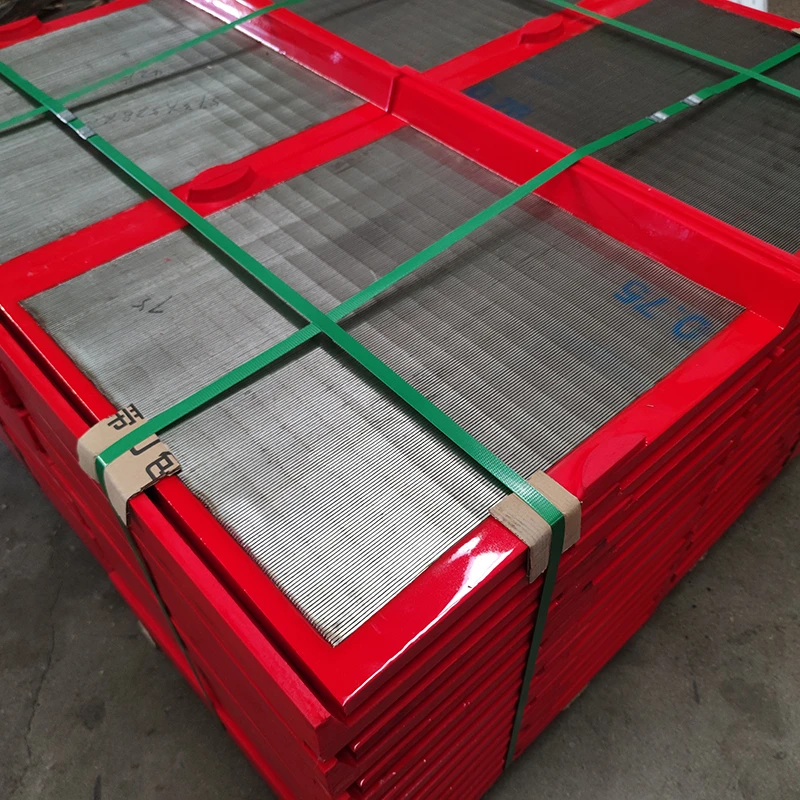
- 8. Packaging & Shipping: Finished screens are carefully packaged to prevent damage during transit, typically using wooden crates or protective wraps, often with desiccant to prevent moisture damage.
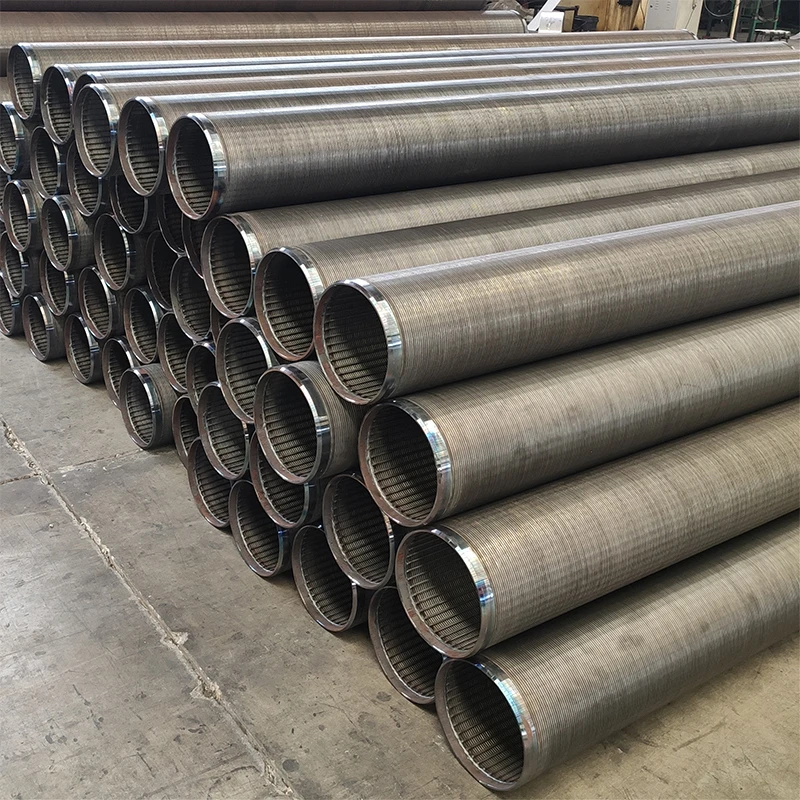
Service Life: Our well screens are designed for an extended service life, typically ranging from 15 to 25 years or more, depending on environmental conditions (e.g., pH, abrasives, temperature) and proper installation.
Target Industries: Petrochemical, metallurgy, municipal water supply & drainage, oil & gas, mining, environmental protection, and geothermal energy.
Advantages in Typical Scenarios: In groundwater abstraction, the V-wire design facilitates energy saving by minimizing head loss, leading to reduced pumping costs. For corrosive industrial wastewater, the use of duplex stainless steels ensures superior corrosion resistance, significantly extending operational life and reducing replacement frequency.
Technical Specifications and Parameters
The effectiveness of a water intake screen hinges on its precise technical specifications. Below is a table outlining typical parameters for our standard well screens, demonstrating our commitment to engineering excellence.
| Parameter | Specification Range / Detail |
|---|---|
| Material | SS304, SS304L, SS316, SS316L, Duplex 2205/2507, Galvanized Carbon Steel |
| Diameter | 50 mm to 1200 mm (2 inches to 48 inches), custom sizes available |
| Slot Size (Aperture) | 0.05 mm to 10 mm (50 microns to 10,000 microns), precise increments |
| Length | Up to 6 meters (20 feet) per section, customizable |
| Open Area | Typically 18% to 45% (V-wire design offers higher open area) |
| Connection Type | Threaded couplings (API threads), Flanges, Plain Bevelled Ends |
| Collapse Strength | Rated up to 10,000 PSI, verified by hydraulic pressure testing (API 5CT standards) |
| Corrosion Resistance | Excellent in various pH levels (e.g., 2-13 for 316L), superior for Duplex steels |
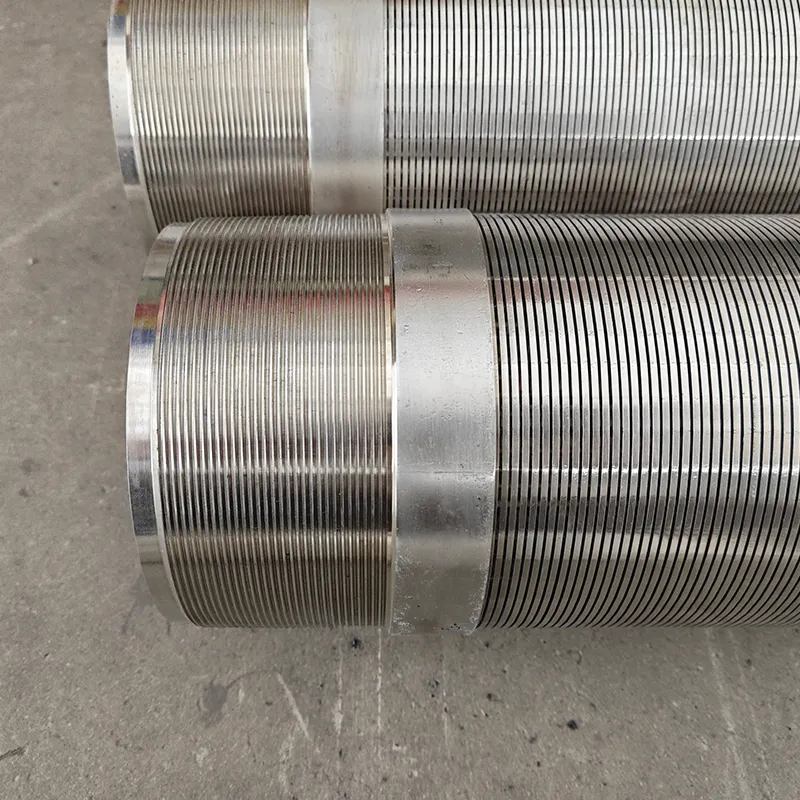
These specifications are crucial for engineers to match the well screen to specific geological formations, fluid properties, and operational pressures, ensuring optimal performance and longevity.
Application Scenarios and Operational Benefits
Well screens are indispensable across a multitude of critical applications, each benefiting from their specialized design and robust construction. The diverse operational scenarios underscore the versatility and essential nature of a reliable well pump screen.
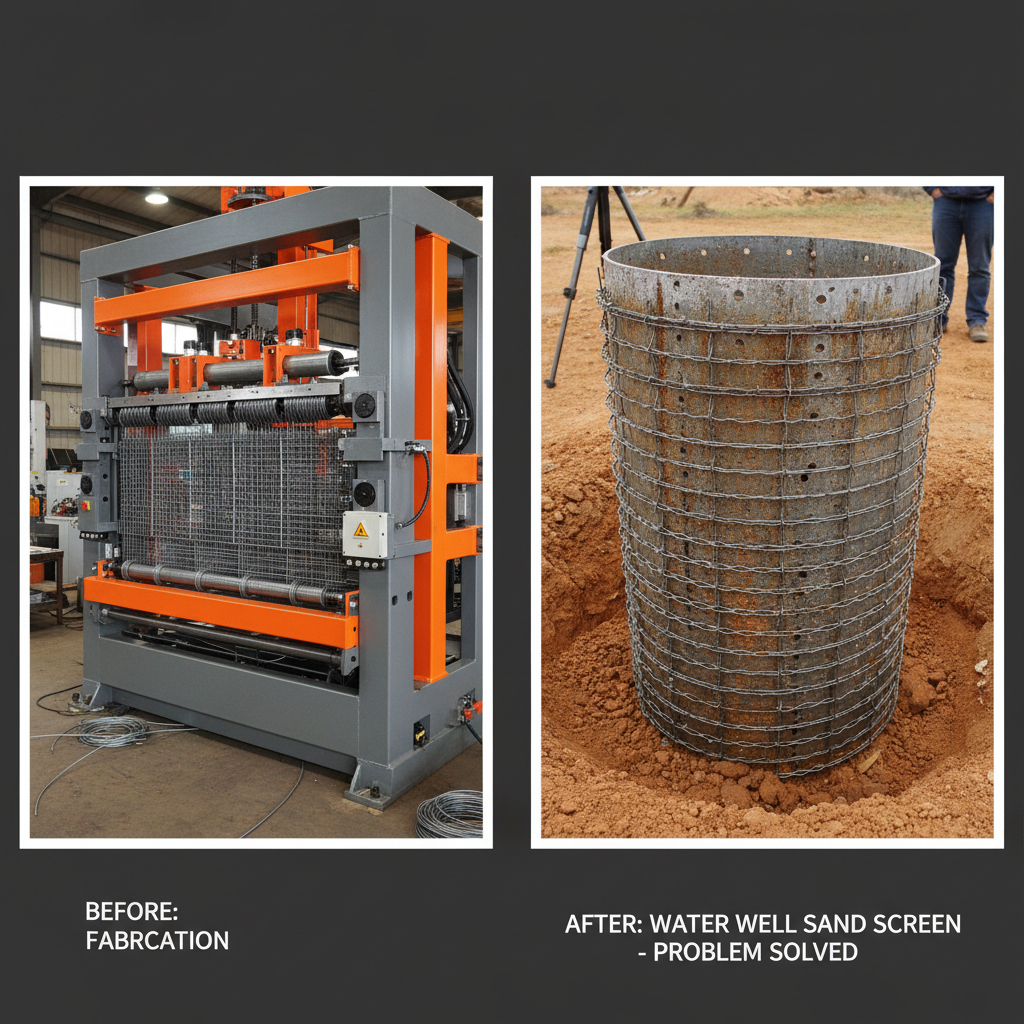
- Water Wells (Municipal & Agricultural): Our screens optimize groundwater extraction by preventing sand and gravel ingress, reducing pump abrasion, and maintaining consistent flow rates. The high open area minimizes hydraulic friction, leading to significant energy savings over the operational life of the well.
- Oil & Gas Wells: In both production and injection wells, specialized well screens prevent formation damage, control sand production, and ensure efficient fluid recovery or injection. They are designed to withstand high pressures and corrosive downhole conditions.
- Industrial Filtration: Used in various industrial processes for solid-liquid separation, such as wastewater treatment, chemical processing, and slurry dewatering. Their robust construction and precise slotting make them ideal for demanding filtration tasks, contributing to improved process efficiency and product purity.
- Environmental Remediation: Essential for monitoring wells and remediation systems, ensuring accurate sampling and effective contaminant removal while preventing borehole collapse.
- Geothermal Energy Production: Designed to resist high temperatures and aggressive geothermal fluids, enabling sustainable energy extraction from underground reservoirs.
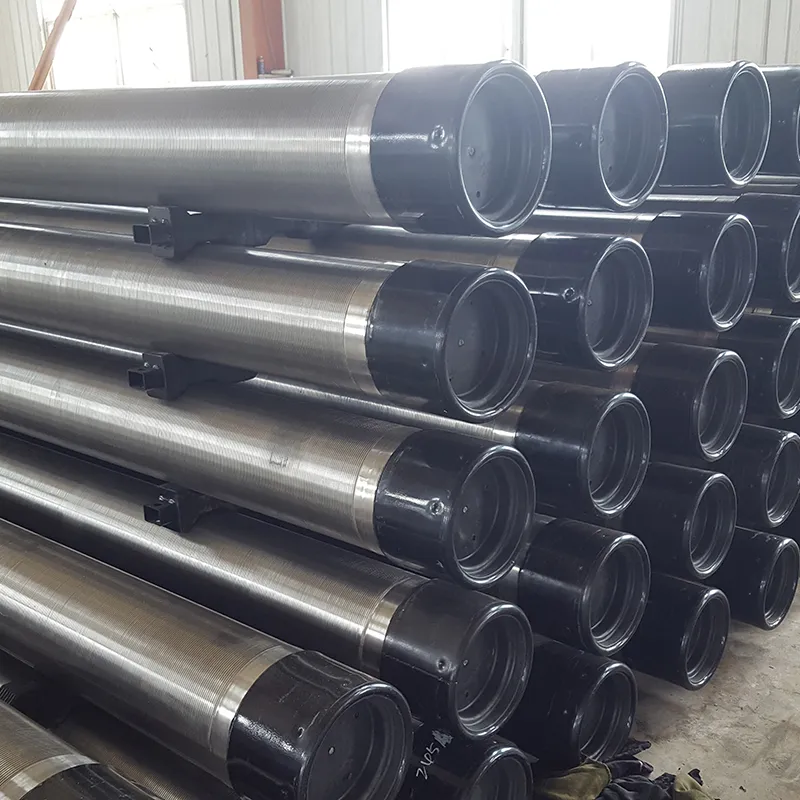
Customer Feedback: A municipal water authority reported a 15% increase in pump efficiency and a 30% reduction in maintenance costs after installing our 316L stainless steel well screens in their abstraction wells. They specifically praised the screens' resistance to biofouling and ease of well development.
Technical Advantages and Engineering Excellence
The technical advantages of our well screen for sale are rooted in superior design and manufacturing principles, ensuring optimal performance and long-term reliability in the most challenging conditions.
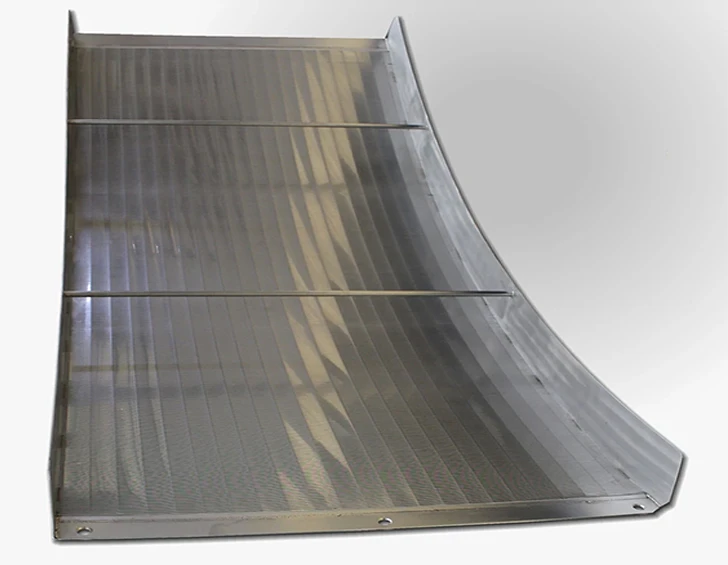
- Continuous Slot Design: The V-shaped wire wrapped around internal rods creates a continuous slot opening. This design provides a larger open area compared to traditional slotted pipes, minimizing entry velocity and hydraulic head loss. This translates directly to reduced pumping costs and increased well yield.
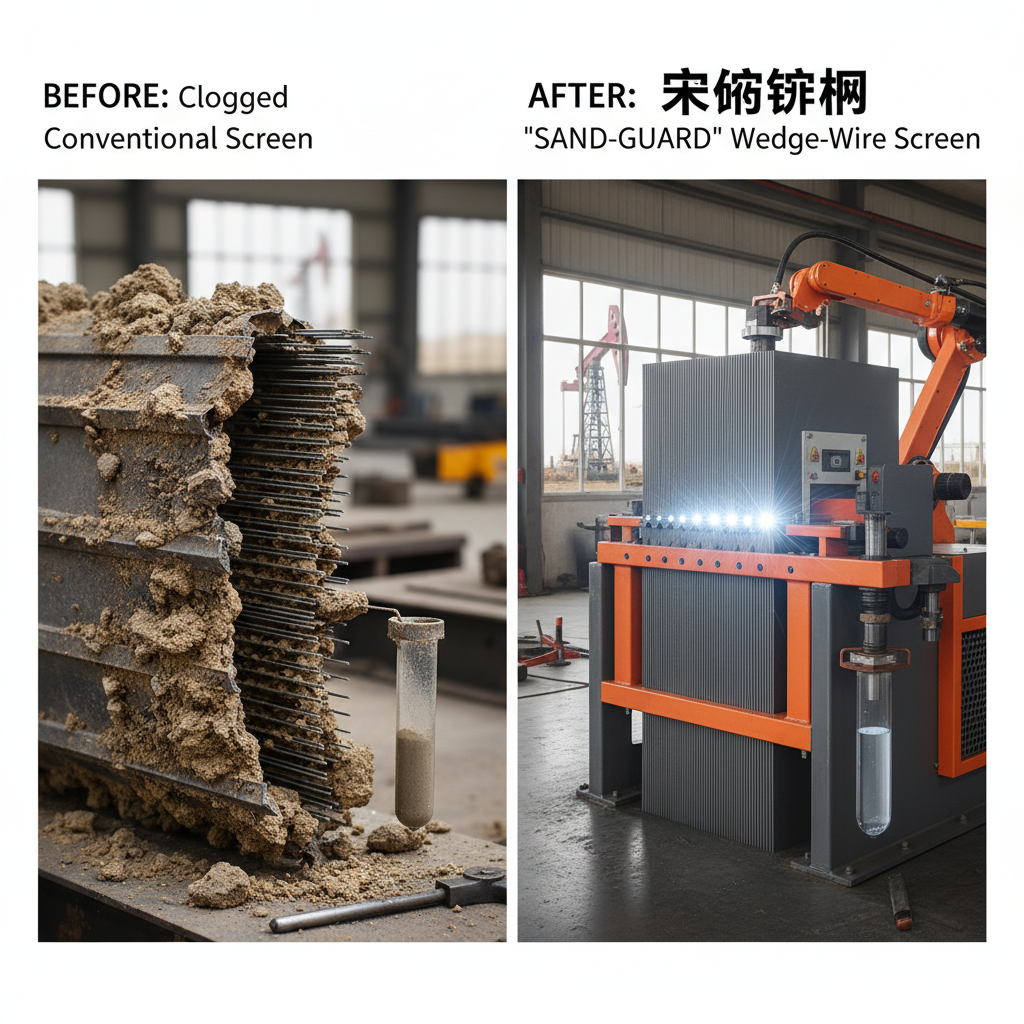
- Anti-Clogging Profile: The V-shaped profile means that particles larger than the slot size are stopped at the screen surface, while smaller particles pass through, preventing plugging of the slot. This "non-blinding" characteristic ensures sustained flow and reduces the frequency of well rehabilitation.
- High Collapse Strength: The robust construction, featuring welded intersections and durable support rods, provides exceptional radial and axial strength. This prevents screen deformation or collapse under significant external pressures, vital in deep well applications.
- Superior Corrosion Resistance: By utilizing high-grade stainless steels (e.g., SS316L, Duplex 2205/2507), our screens offer excellent resistance to a wide range of corrosive agents, including chlorides, sulfates, and various acids/bases, ensuring a prolonged operational lifespan in aggressive environments.
- Precision and Uniformity: Advanced manufacturing techniques, including precise winding and welding, ensure uniform slot openings along the entire length of the screen. This consistency is paramount for effective filtration and maintaining consistent permeability.
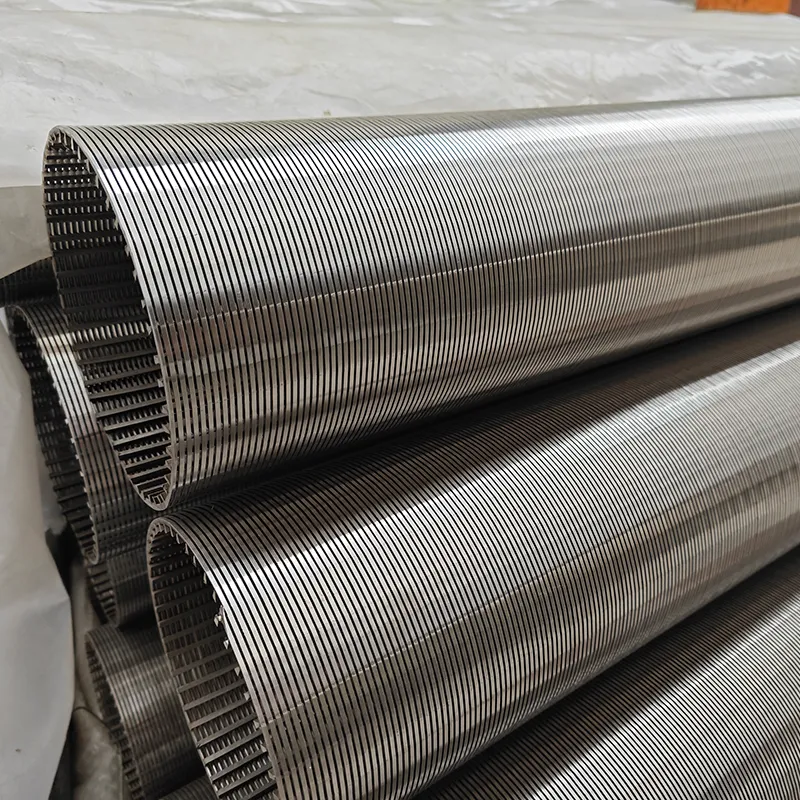
These technical advantages collectively contribute to enhanced operational efficiency, reduced maintenance, and a significantly longer service life, providing superior value for our clients.
Vendor Comparison: Why Choose Our Well Screens?
When evaluating a well screen for sale, discerning buyers consider several critical factors beyond just initial cost. Our commitment to quality, performance, and customer satisfaction sets us apart.
| Feature | Our Well Screens | Typical Competitor |
|---|---|---|
| Material Grades Available | SS304, 316L, Duplex 2205/2507, Carbon Steel, various alloys | Often limited to SS304/316L, sometimes lower grade steels |
| Slot Size Precision | ±0.01mm tolerance, verified by optical comparators | ±0.05mm or higher tolerance, often less rigorous checks |
| Open Area % (typical) | Up to 45%, maximizing flow efficiency | Typically 15-30%, leading to higher head loss |
| Collapse Strength Testing | 100% hydrostatic tested to API/ISO standards | Batch testing or theoretical calculations only |
| Customization Capabilities | Full customization of material, diameter, slot, length, end fittings | Limited standard sizes and designs only |
| Certifications | ISO 9001, API Q1, full material traceability | Often basic or lacking specific industry certifications |
| Warranty & Support | Comprehensive warranty, dedicated technical support | Standard, often limited warranty, basic support |
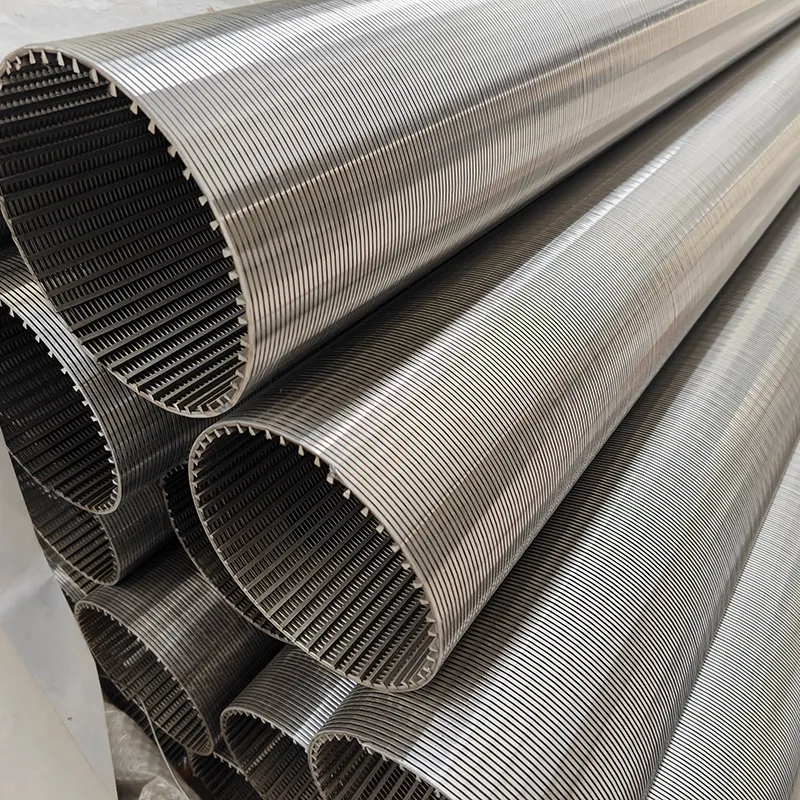
Our commitment to advanced materials, precision engineering, and rigorous quality assurance translates into superior product performance and a lower total cost of ownership over the lifespan of the well.
Customized Solutions for Unique Challenges
Recognizing that no two projects are identical, we specialize in providing bespoke well screen solutions tailored to the specific geological, hydrological, and operational parameters of each client. Our engineering team collaborates closely with clients from conceptual design through to fabrication and deployment.
Key Customization Areas:
- Material Selection: Beyond standard stainless steels, we can fabricate screens from specialized alloys to withstand extreme pH, high concentrations of specific chemicals, or abrasive slurries.
- Slot Size and Geometry: Precisely engineered slot sizes from 0.05mm to 10mm, optimized for the specific grain size distribution of the aquifer or formation. Custom slot profiles can also be designed for unique filtration needs.
- Dimensions: Screens can be manufactured to specific diameters (from 2 inches to 48 inches) and lengths to integrate seamlessly with existing well casings and drilling infrastructure.
- End Fittings: A variety of connection types, including API standard threaded couplings, flanged ends, or plain bevelled ends for welding, can be integrated to ensure compatibility with well completions.
- Reinforcement and Coatings: Additional structural reinforcement for ultra-deep wells or specialized coatings (e.g., polymer, ceramic) for enhanced abrasion or biofouling resistance.
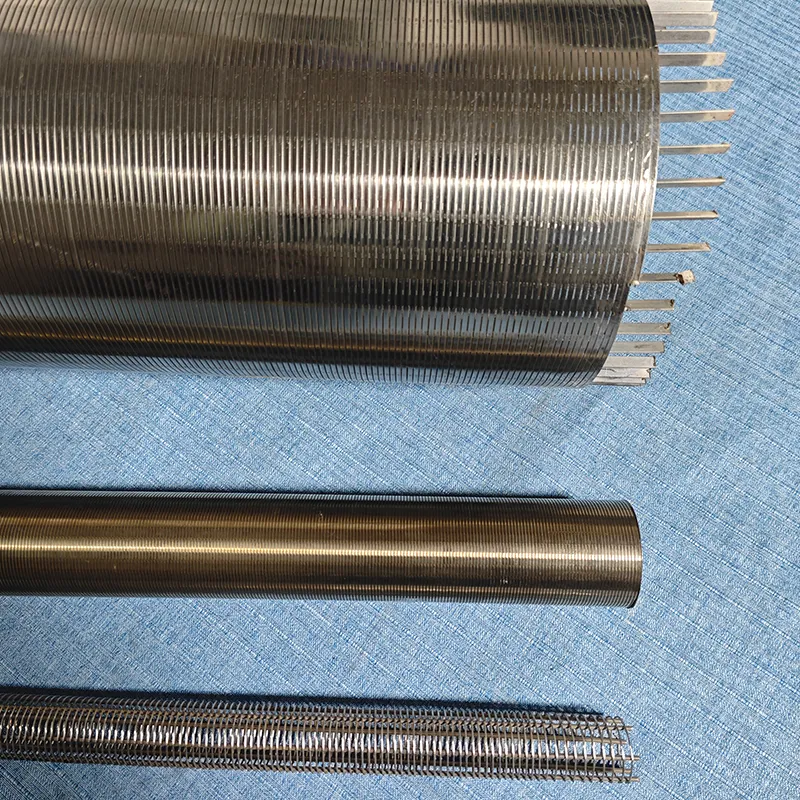
Our agile manufacturing capabilities and in-house expertise ensure that even the most complex custom requirements for a well screen for sale can be met with precision and efficiency.
Application Case Studies
Real-world deployments demonstrate the tangible benefits of our advanced well screen solutions.
Case Study 1: Municipal Water Supply Project, Arid Region
Challenge: A major city in an arid region required new abstraction wells with high yield and minimal sand production from a complex, unconsolidated aquifer. The existing wells were plagued by frequent pump failures due to abrasive sand.
Solution: We provided custom-designed 300mm diameter SS316L V-wire well screens with a precise 0.25mm slot opening, determined by grain size analysis. The screens featured reinforced end rings for enhanced structural integrity.
Result: Post-installation and development, the wells achieved a stable flow rate 20% higher than the design target. Sand production was virtually eliminated, leading to an estimated 40% reduction in pump maintenance costs and extended pump lifespan. The higher open area also contributed to lower drawdown, reducing energy consumption.
Case Study 2: Industrial Wastewater Treatment Plant, Petrochemical Sector
Challenge: A petrochemical plant needed to upgrade its wastewater pre-treatment system, which involved filtering highly corrosive and intermittently hot effluent containing fine suspended solids. Traditional screens suffered from rapid corrosion and blinding.
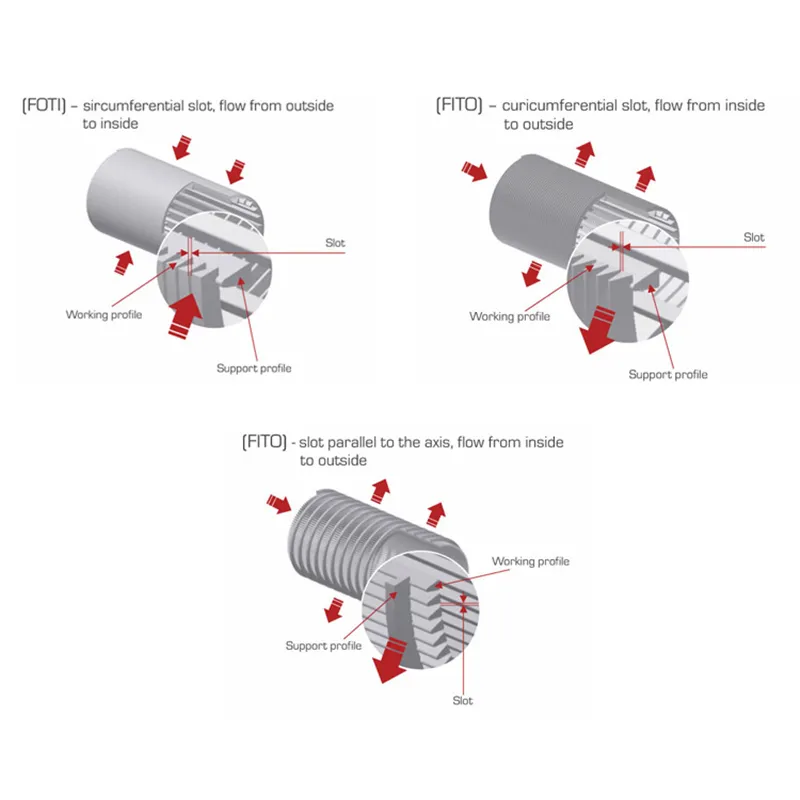
Solution: We engineered Duplex 2205 well screens with a 0.1mm slot size, specified for superior resistance to chloride-induced stress corrosion cracking and elevated temperatures. The screens were designed with specific flow dynamics to handle the viscous effluent.
Result: The new screens demonstrated exceptional resistance to the aggressive chemicals and temperatures. They maintained consistent filtration efficiency over an extended period, reducing the need for frequent cleaning by 60% and nearly eliminating replacement costs associated with corrosion-related failures. This significantly improved the uptime and overall operational cost-effectiveness of the treatment plant.
Frequently Asked Questions (FAQ)
Q: What is the primary advantage of a V-wire well screen over a slotted pipe?
A: V-wire screens offer a continuous slot opening, providing a significantly higher open area for flow and minimizing hydraulic friction. The V-shape also creates a non-clogging profile, allowing only particles smaller than the slot size to pass, thereby preventing screen blinding and maximizing well efficiency. Slotted pipes, conversely, have discrete openings and are more prone to clogging.
Q: How do I determine the correct slot size for my application?
A: The slot size is critical and typically determined by a detailed grain size analysis of the formation material (e.g., sieve analysis). Our technical team can assist in recommending the optimal slot size to ensure efficient filtration while maximizing well yield and preventing sand ingress.
Q: What materials are available for well screens, and how do I choose?
A: Common materials include SS304, SS316L, Duplex 2205/2507, and galvanized carbon steel. The choice depends on the corrosivity of the fluid, temperature, pressure, and budget. SS304 is suitable for general applications, while SS316L offers better corrosion resistance for slightly aggressive environments. Duplex steels are ideal for highly corrosive or high-temperature conditions, such as saline water or geothermal wells. Our experts can guide you.
Q: What is the typical lead time for a custom well screen order?
A: Lead times vary based on complexity, material availability, and order volume. For standard configurations, lead time typically ranges from 2-4 weeks. For highly customized designs or large-volume orders, it may extend to 6-8 weeks. We provide a precise lead time estimate upon order confirmation.
Q: What is your warranty policy for well screens?
A: We offer a comprehensive 12-month warranty against manufacturing defects from the date of shipment. Our screens are built to last, and this warranty reflects our confidence in their quality and performance under specified operating conditions. Extended warranty options may be available for specific projects.
Q: What kind of after-sales support do you provide?
A: Our commitment extends beyond delivery. We provide dedicated technical support for installation guidance, troubleshooting, and performance optimization. Our engineering team is available for consultations to ensure the long-term success of your project. For support inquiries, please contact our customer service line or email us directly.
Authoritativeness and Trustworthiness
Our position as a leading provider of the well screen for sale is underpinned by decades of specialized experience and a steadfast commitment to industry best practices.
- Certifications: We operate under ISO 9001:2015 certified quality management systems, ensuring that every stage of design, manufacturing, and testing adheres to international standards. Our products also meet or exceed relevant API (American Petroleum Institute) specifications for downhole equipment.
- Partner Clients: We proudly serve a global client base, including major players in the municipal water sector, international oil & gas corporations, and large-scale industrial processing plants. Our long-standing partnerships are a testament to our reliability and product quality.
- Years of Service: With over 20 years in the wedge wire screen manufacturing industry, our expertise is built on extensive field experience and continuous innovation.
- Rigorous Testing: All products undergo comprehensive testing, including hydrostatic collapse testing, material composition verification (XRF analysis), and precise slot opening measurement, with full traceability documentation available for critical orders.
We are dedicated to fostering long-term relationships through exceptional product quality and unwavering customer support.
Conclusion
The demand for robust, efficient, and reliable well screens continues to grow across critical infrastructure and industrial sectors. Our commitment to providing a superior well screen for sale is reflected in our advanced manufacturing processes, adherence to stringent quality controls, and our ability to deliver highly customized solutions. By focusing on technical advantages such as continuous slot design, anti-clogging profiles, and high-grade corrosion-resistant materials, we empower our clients to achieve optimal operational efficiency, reduce maintenance overheads, and secure long-term value from their investments. Partner with us to leverage cutting-edge filtration technology for your most demanding projects.
References
- API 5CT Specification for Casing and Tubing. American Petroleum Institute.
- ISO 9001:2015 Quality management systems – Requirements. International Organization for Standardization.
- Schwartz, J. & Guiffard, E. (2012). Water Well Design and Construction. CRC Press.
- United States Geological Survey (USGS) - Water Resources. www.usgs.gov/water
- Market Analysis Report: Industrial Filtration Market Size, Share & Trends Analysis. Grand View Research. (Data points on market growth projections).