Understanding Centrifugal Separation: The Core Mechanism
Centrifugal technology is a cornerstone in industrial processes requiring efficient solid-liquid separation. For professionals seeking to optimize their operations, comprehending how does a centrifuge separate materials is paramount. At its heart, a centrifuge harnesses centrifugal force to accelerate the sedimentation of particles, enabling rapid and effective separation of components with different densities. This principle is applied across a vast spectrum of industries, from fine chemical production to wastewater treatment, demanding precision and reliability.
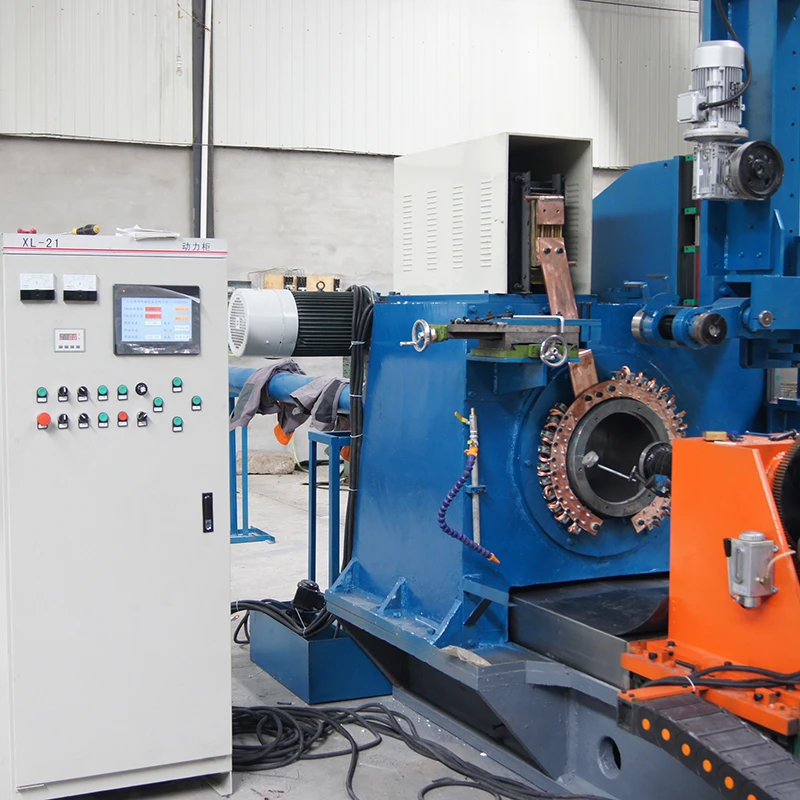
In essence, a centrifuge consists of a rotating bowl or basket that spins at high speeds. The mixture (slurry) is fed into this rotating component. Due to the high rotational velocity, particles experience a centrifugal force that is many times greater than gravity. Denser solid particles are pushed outwards towards the periphery of the bowl, while the lighter liquid phase remains closer to the center. This differential movement allows for the physical separation of the two phases. Modern industrial centrifuges, such as scraper centrifuges, further refine this process with automated solid discharge mechanisms, enhancing continuous operation and efficiency.
Process Flow: Deconstructing Centrifugal Separation
The operational cycle of a centrifuge, particularly a scraper centrifuge unloader, involves several critical steps to effectively separate materials. This detailed process flow illustrates how does a centrifuge separate materials in a controlled and efficient manner, emphasizing key stages and engineering considerations.
Schematic Steps of Operation:
1. Feeding
Slurry (solid-liquid mixture) is introduced into the rotating centrifuge baskets through a feed pipe, ensuring even distribution.
2. Separation
Under high centrifugal force, solids are pressed against the inner wall of the centrifuge sieve, forming a filter cake. The liquid (filtrate) passes through the screen.
3. Washing (Optional)
A washing liquid can be applied to the filter cake to remove impurities, enhancing product purity.
4. Drying/Dewatering
Continued spinning further dewaters the cake, reducing residual moisture content to desired levels.
5. Discharge
A scraper mechanism lowers into the bowl, precisely removing the dewatered filter cake, which is then discharged.
6. Cycle Repeat
The centrifuge is prepared for the next batch, ensuring continuous or semi-continuous operation.
Engineering and Manufacturing Excellence:
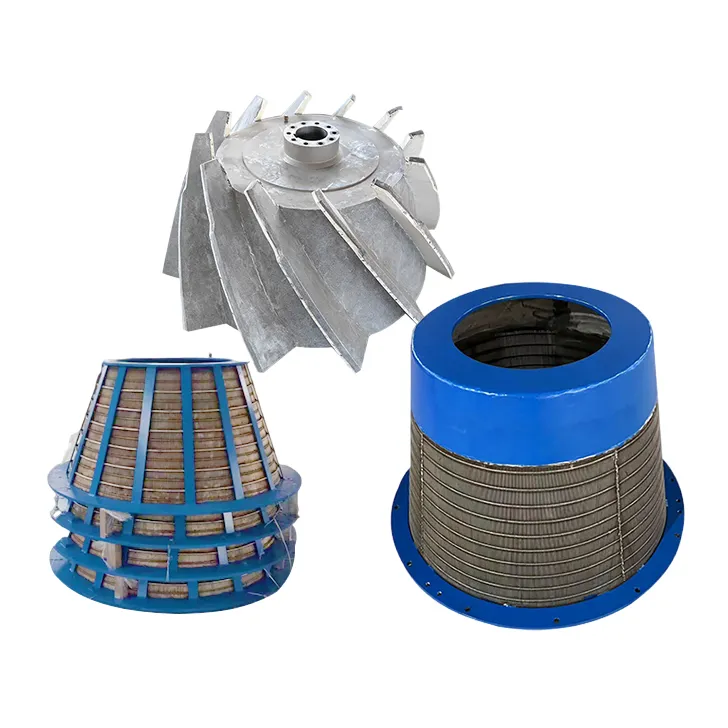
- Product Materials: Components in contact with process media are typically manufactured from high-grade stainless steels (e.g., SS304, SS316L, Duplex SS), Hastelloy, or titanium to ensure superior corrosion resistance and chemical compatibility. Non-contact parts may use structural carbon steel, robustly coated for durability.
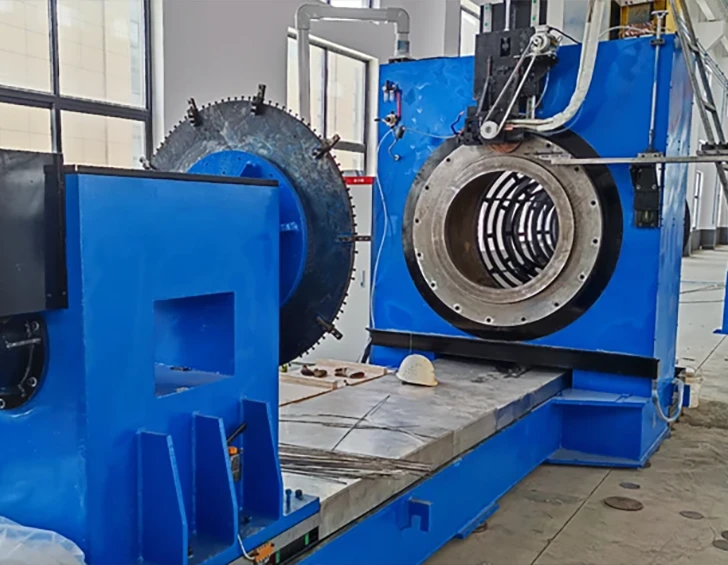
- Manufacturing Processes: Critical components like the centrifuge basket and bowl undergo precision CNC machining from forged or cast blanks to ensure perfect balance and concentricity, vital for high-speed rotation. Welding adheres to stringent standards, often involving TIG/MIG processes, followed by meticulous inspection.
- Testing Standards: All units are manufactured and tested in accordance with international standards such as ISO 9001 for quality management, ANSI/ASME for pressure vessel design (where applicable), and CE directives for European market compliance. Dynamic balancing tests are performed to ISO 1940-1 G2.5 standards to minimize vibration and extend service life.
- Service Life: With proper maintenance and operational procedures, a well-engineered scraper centrifuge can deliver a service life exceeding 15-20 years, even in demanding industrial environments.
- Target Industries: These centrifuges are indispensable in industries such as petrochemicals (e.g., catalyst recovery, polymer dewatering), metallurgy (e.g., mineral concentrate dewatering), pharmaceuticals (e.g., API production, crystal separation), food & beverage, and municipal/industrial water supply & drainage for sludge dewatering.
Advantages in Typical Application Scenarios:
- Energy Saving: Modern designs incorporate high-efficiency motors, regenerative braking systems, and optimized bowl geometries, reducing power consumption significantly compared to older models. For instance, in a municipal sludge dewatering plant, an upgrade to a high-efficiency scraper centrifuge can reduce energy costs by up to 20% annually.
- Corrosion Resistance: The use of advanced alloys ensures longevity in highly corrosive chemical environments, minimizing downtime and maintenance costs. In a petrochemical facility handling acidic slurries, centrifuges constructed with Hastelloy C276 demonstrate exceptional resistance, extending operational life from 5 years (with standard SS) to over 15 years.
- High Separation Efficiency: Achieving residual moisture content as low as 0.5-5% in certain applications, critical for downstream processing or waste reduction.
- Automated Operation: PLC-controlled systems allow for fully automatic, unattended operation, reducing labor costs and human error.
Industry Trends and Technical Parameters
The centrifugal separation industry is continuously evolving, driven by demands for higher efficiency, greater automation, and improved environmental performance. Key trends include the integration of IoT for predictive maintenance, advanced material sciences for enhanced corrosion resistance, and modular designs for flexible deployment.
Current Industry Trends:
- Smart Centrifugation: Integration of sensors, AI, and machine learning for real-time process monitoring, fault detection, and optimized operational parameters. This minimizes energy consumption and maximizes throughput.
- Sustainability Focus: Development of centrifuges that achieve higher dry solids content, reducing the volume of waste requiring disposal and minimizing energy usage for thermal drying. Emphasis on closed systems to prevent volatile organic compound (VOC) emissions.
- Customization and Modularity: Growing demand for tailor-made solutions for specific process requirements, alongside modular designs that allow for easy upgrades and scalability.
- Advanced Materials: Increased use of superalloys and ceramic coatings to extend equipment life in extreme conditions, handling abrasive or highly corrosive media.
Typical Technical Parameters for Industrial Centrifuges:
To truly understand how does a centrifuge separate materials effectively, specific technical parameters must be considered. These parameters define the machine's capability and suitability for different applications.
| Parameter | Description | Typical Range/Value |
|---|---|---|
| Basket Diameter | Internal diameter of the rotating basket. | 600 mm - 1600 mm |
| Basket Speed | Rotational speed of the basket. | 600 RPM - 1500 RPM |
| G-Force (Relative Centrifugal Force) | Measure of the separation efficiency, relative to gravity. | 500 G - 1200 G |
| Capacity (Solids) | Maximum solids handling capacity per batch or hour. | 100 kg/batch - 5000 kg/hour |
| Motor Power | Power requirement for the main drive motor. | 15 kW - 110 kW |
| Residual Moisture | Moisture content in the discharged solids. | 0.5% - 10% (application-dependent) |
| Material of Construction | Materials for wetted parts. | SS304, SS316L, Duplex SS, Hastelloy |
| Temperature Range | Operating temperature limits. | -20°C to +150°C |
Application Scenarios and Technical Advantages
The versatility of industrial centrifuges, particularly the Scraper Centrifuge Unloader, makes them indispensable across a multitude of sectors. Understanding how does a centrifuge separate materials is fundamental to leveraging its benefits in specific operational contexts.
Typical Application Scenarios:
- Pharmaceutical Industry: Critical for active pharmaceutical ingredient (API) production, crystalline product separation, and biomass dewatering. Centrifuges ensure high purity and low residual moisture for sensitive pharmaceutical compounds.
- Chemical Industry: Used in the separation of various chemicals, polymers, fertilizers, and pigments. Essential for catalyst recovery, ensuring both product purity and environmental compliance.
- Food & Beverage: Employed for dewatering starch, fruit pulp, yeast, and other food ingredients. Maintains product quality and hygiene standards through sanitary design and materials.
- Environmental & Wastewater Treatment: Key for dewatering municipal and industrial sludges, reducing waste volume and facilitating disposal. Achieves significant dry solids content, minimizing transportation and landfill costs.
- Mining & Metallurgy: Used for dewatering mineral concentrates, tailings, and process slurries, improving efficiency of downstream processing and reducing environmental impact.
Key Technical Advantages of Scraper Centrifuges:
- High Solid Recovery: Engineered to recover nearly 100% of the solids, minimizing product loss, especially valuable materials.
- Low Residual Moisture: Achieves exceptionally dry filter cakes, often reducing the need for further thermal drying, thereby saving energy and operational costs.
- Automated Operation & PLC Control: Fully programmable logic controller (PLC) systems enable precise control over all process parameters, ensuring consistent performance and reducing manual intervention. This leads to higher throughput and lower labor costs.
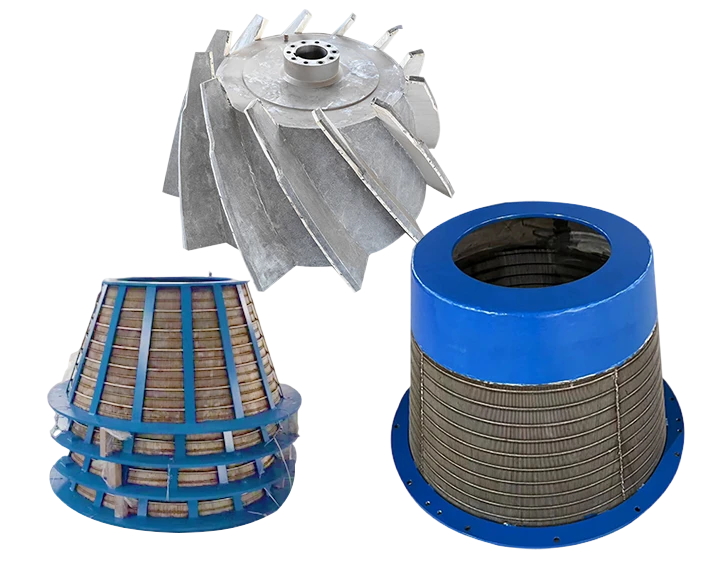
- Versatile Material Handling: Capable of processing a wide range of particle sizes and concentrations, from fine precipitates to coarse crystalline products. The selection of the appropriate centrifuge sieve and centrifuge baskets is crucial here.
- Robust Construction: Built with durable materials and precision engineering to withstand harsh industrial conditions, ensuring long service life and minimal maintenance.
- Reduced Environmental Impact: By efficiently dewatering sludges and recovering valuable materials, these centrifuges contribute to reduced waste generation and lower energy consumption in various industrial processes.
Product Specifications: Scraper Centrifuge Unloader
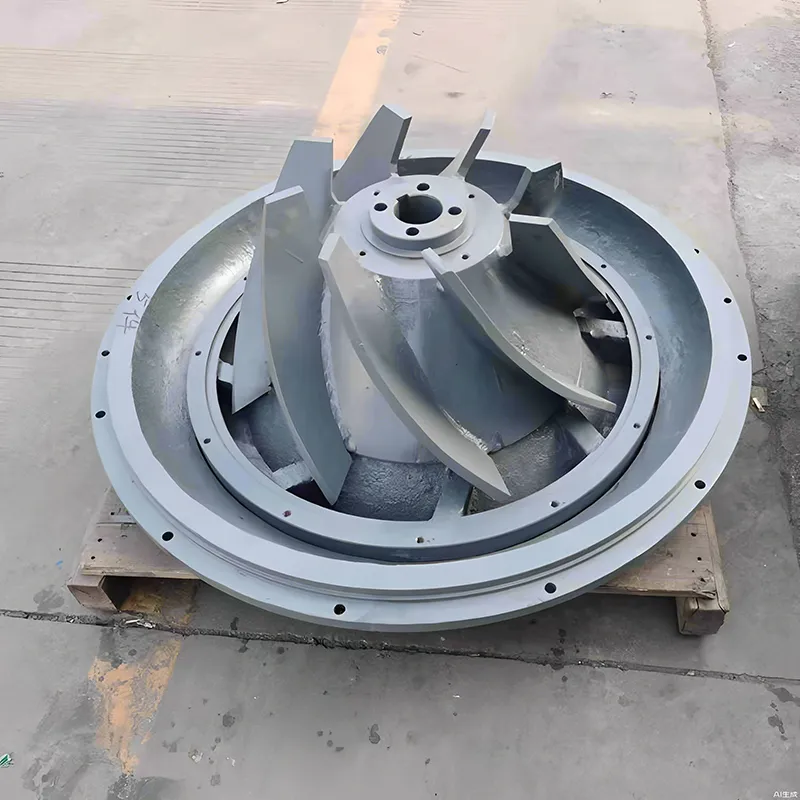
Our Scraper Centrifuge Unloader is engineered for demanding industrial solid-liquid separation tasks, embodying precision, durability, and efficiency. This table provides detailed specifications that illustrate its capabilities and highlight how does a centrifuge separate materials with MutoScreen's advanced technology.
| Feature/Parameter | Description | Value (Typical Model PGD1000) |
|---|---|---|
| Type | Vertical Scraper Discharge, Batch Centrifuge | PGD Series |
| Basket Diameter | Inner diameter of the filter basket | 1000 mm |
| Effective Filtering Area | Surface area available for filtration | 0.78 m² |
| Basket Volume | Total volume of the basket | 220 L |
| Max Loading Capacity | Maximum weight of solids per batch | 220 kg |
| Max Speed | Maximum operational RPM | 1000 RPM |
| Max G-Force | Maximum Relative Centrifugal Force | 560 G |
| Main Motor Power | Power for main drive | 30 kW |
| Scraper Motor Power | Power for scraper mechanism | 1.5 kW |
| Washing System | CIP (Clean-in-Place) Compatible | Standard |
| Control System | Automated PLC control, HMI interface | Siemens/Allen-Bradley (Optional) |
| Materials of Construction (Wetted Parts) | High-grade corrosion-resistant alloys | SS316L (Standard), Hastelloy, Titanium (Optional) |
| Safety Features | Vibration monitoring, overcurrent protection, lid interlock | Comprehensive |
Vendor Comparison: Choosing the Right Partner
Selecting a centrifuge supplier involves more than just comparing technical specifications. It demands an evaluation of expertise, track record, and the ability to deliver integrated solutions. Understanding the distinct offerings helps in determining how does a centrifuge separate materials most efficiently for your specific process needs.
Factors for Vendor Evaluation:
- Technological Innovation: Does the vendor invest in R&D to offer cutting-edge solutions, such as enhanced automation or specialized filtration media for centrifuge sieve designs?
- Material Expertise: Can they provide specific materials of construction (e.g., Hastelloy, Titanium, PTFE coatings) suitable for highly corrosive or abrasive applications?
- After-Sales Support & Service Network: Availability of spare parts, technical support, and field service engineers globally.
- Customization Capabilities: Ability to tailor equipment to unique process requirements, including ATEX compliance for hazardous environments or sterile designs for pharmaceutical use.
- References & Case Studies: A strong portfolio of successful installations and client testimonials in relevant industries.
Comparative Overview (Illustrative):
| Feature | MutoScreen (Our Offering) | Competitor A (Premium OEM) | Competitor B (Value OEM) |
|---|---|---|---|
| Core Focus | High-performance, customizable industrial centrifuges | Diverse range of separation equipment, global presence | Standard centrifuges for common applications |
| Customization | Extensive, from materials to control logic | Moderate, often with longer lead times | Limited, mostly standard configurations |
| Material Options | SS304/316L, Duplex, Hastelloy, Titanium | SS316L, limited Hastelloy for higher cost | Primarily SS304/316L |
| Control System | Advanced PLC (Siemens/AB), HMI, optional IoT integration | Proprietary advanced control system | Basic PLC, push-button interface |
| Price Point | Competitive, high value for performance and customization | Premium | Entry-level |
| After-Sales Service | Dedicated technical support, global partner network | Extensive global service network | Regional service, parts may have lead times |
| Certifications | ISO 9001, CE, ATEX options, GMP-compliant designs | Extensive global and industry-specific certifications | Basic CE, local safety standards |
MutoScreen differentiates itself by offering a balance of advanced engineering, robust customization, and dedicated customer support, ensuring that our clients receive solutions perfectly aligned with their operational demands. Our focus on understanding the nuances of how does a centrifuge separate materials for each unique process positions us as a reliable partner.
Customized Solutions and Application Case Studies
Recognizing that no two industrial processes are identical, MutoScreen specializes in providing customized centrifugal separation solutions. Our approach ensures that the equipment perfectly matches the specific physical and chemical properties of your materials, directly influencing how does a centrifuge separate materials in your unique operational context.
Tailored Customization Options:
- Material Selection: Beyond standard SS316L, we offer specialized alloys like Hastelloy, Titanium, Monel, or coatings (e.g., PTFE, rubber lining) for aggressive media or abrasive solids.
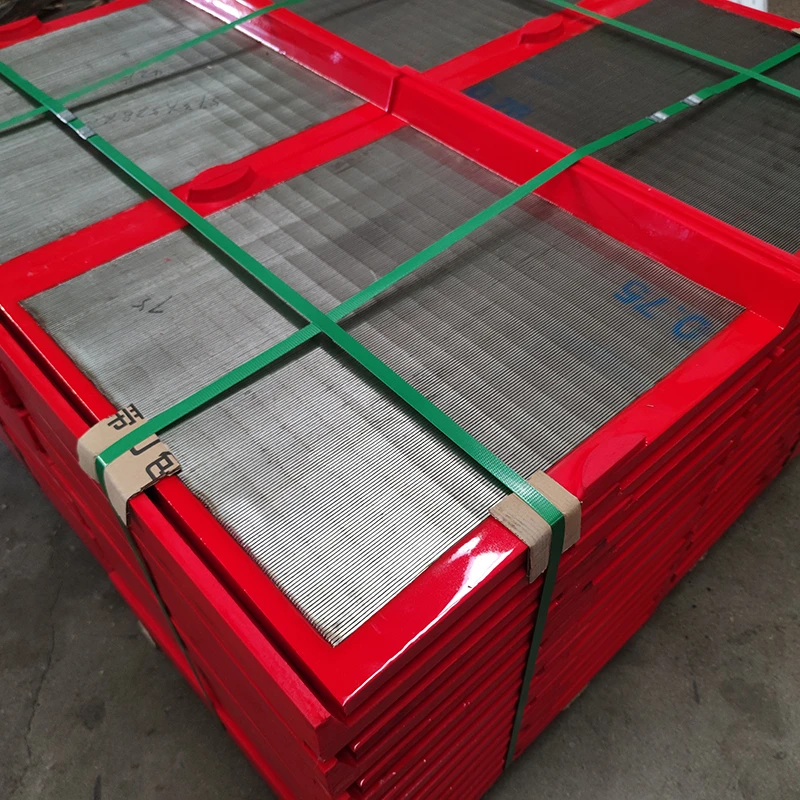
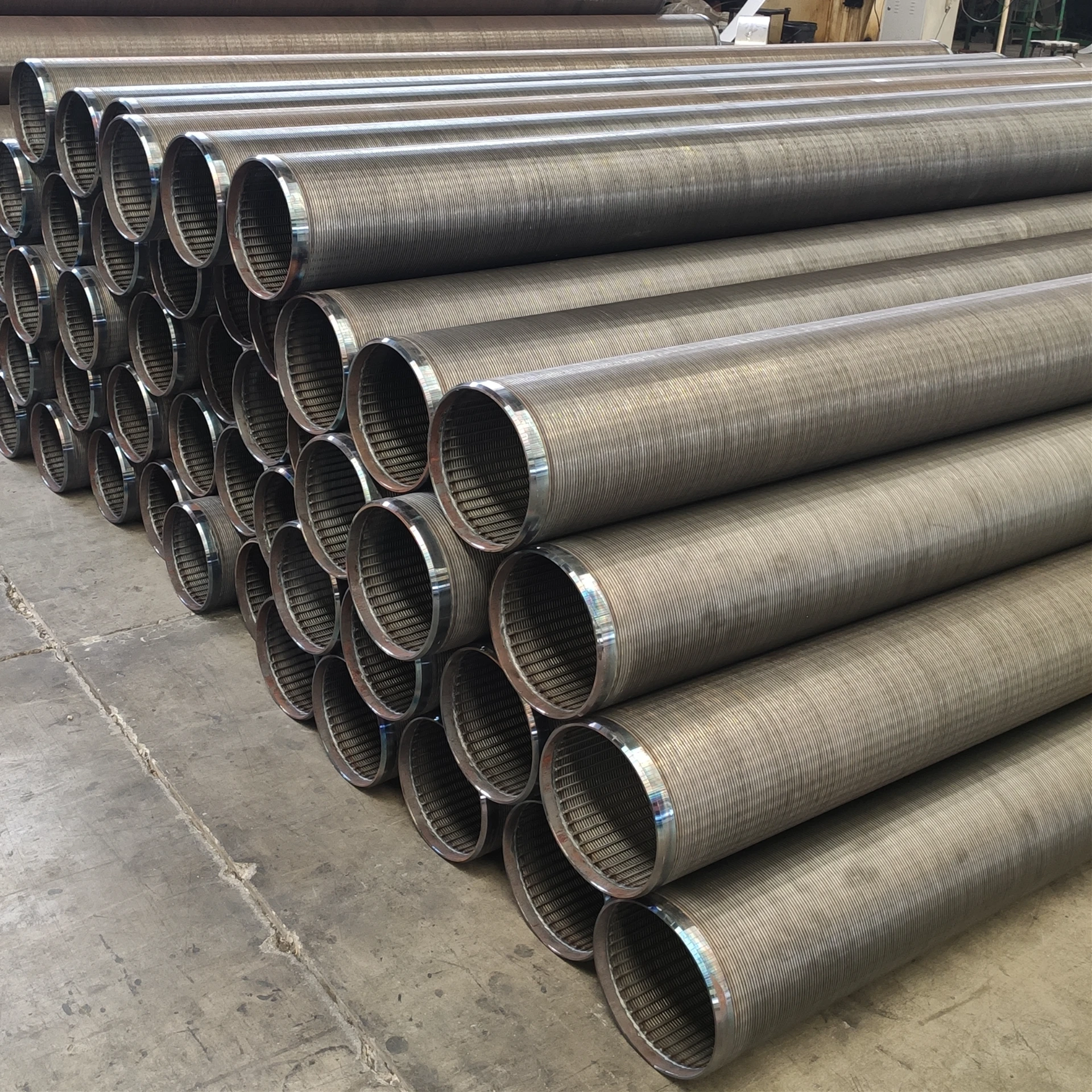
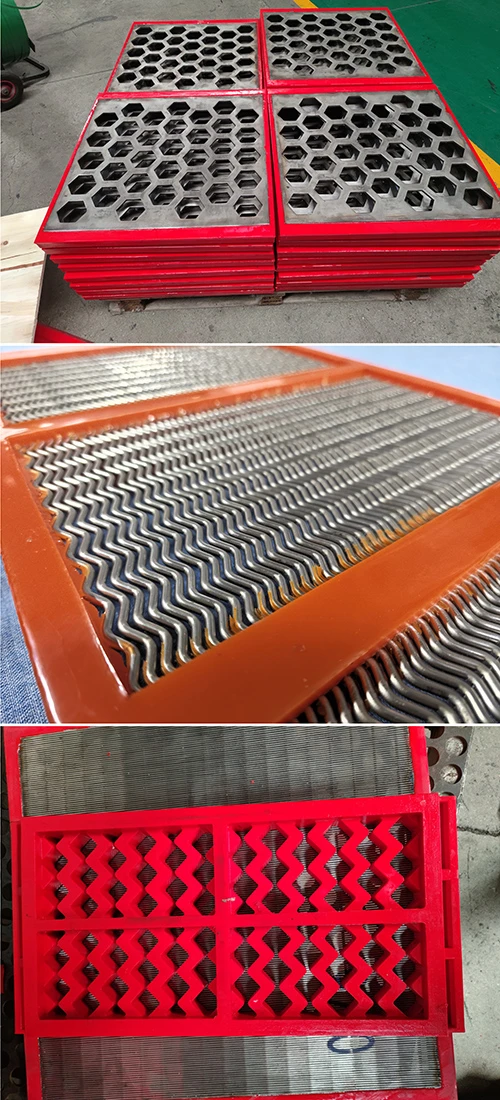
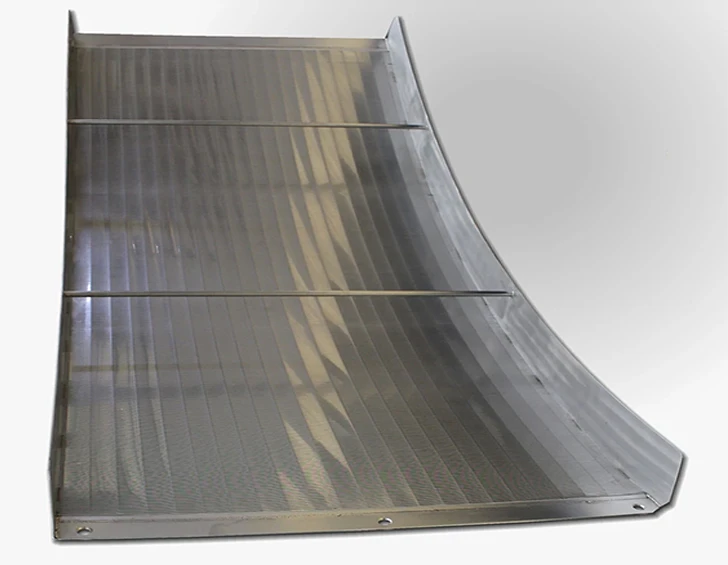
- Basket & Sieve Design: Custom perforation sizes, wire mesh types, and filter cloth materials for the centrifuge sieve and centrifuge baskets to optimize filtration for particle size distribution and cake characteristics.
- Explosion-Proof (ATEX) Compliance: Engineering centrifuges for operation in hazardous (Ex) zones, conforming to ATEX directives.
- Sterile & Hygienic Designs: CIP/SIP (Clean-in-Place/Sterilize-in-Place) capability, polished internal surfaces, pharmaceutical-grade seals, and validation documentation for industries requiring strict hygiene (e.g., pharma, biotech, food).
- Advanced Control Systems: Integration with existing plant DCS (Distributed Control Systems), remote monitoring, and advanced analytics for predictive maintenance.
- Special Washing Systems: Multi-stage washing, counter-current washing, or pulse washing to achieve specific product purity levels.
Real-World Application Case Studies:
Case Study 1: API Dewatering in Pharmaceuticals
A major pharmaceutical client required a centrifuge for dewatering an Active Pharmaceutical Ingredient (API) slurry with highly corrosive properties and strict purity requirements.
- Challenge: Corrosive acid slurry, need for ultra-low residual moisture (below 0.5%), and strict GMP compliance.
- Solution: MutoScreen supplied a custom Scraper Centrifuge with all wetted parts in Hastelloy C276, equipped with a nitrogen blanketing system for inert atmosphere, and a fully automated CIP/SIP system. The centrifuge sieve was precisely selected to match the crystal size.
- Result: Achieved consistent residual moisture content of 0.3%, 99.9% solid recovery, and significantly extended equipment life compared to their previous stainless steel unit, leading to an estimated 30% reduction in production costs per batch over 5 years.
Case Study 2: Industrial Wastewater Sludge Dewatering
An industrial manufacturing plant faced high disposal costs for their wastewater treatment sludge, which had a high water content.
- Challenge: High volume of sludge with 95% water content, needing to minimize disposal costs and achieve continuous operation.
- Solution: We provided a large-capacity Scraper Centrifuge Unloader featuring an optimized centrifuge sieve for sludge dewatering and an intelligent PLC system for continuous monitoring and automated discharge. The centrifuge baskets were designed for high throughput.
- Result: Reduced sludge volume by 70% by achieving an average dry solids content of 28-35%. This translated to annual savings of over $150,000 in disposal and transportation costs, with a return on investment within 2 years. The system runs 24/7 with minimal operator intervention.
Quality Assurance & Certifications
MutoScreen is committed to delivering centrifuges that meet the highest standards of quality, safety, and performance. Our adherence to international certifications and stringent internal quality control procedures reinforces the trustworthiness and authoritativeness of our products and services. This commitment ensures that regardless of the application, our equipment effectively demonstrates how does a centrifuge separate materials with consistent reliability.
Our Commitments & Certifications:
- ISO 9001:2015 Certified: Our entire manufacturing and design process operates under a rigorously implemented Quality Management System (QMS), ensuring consistent product quality and continuous improvement.
- CE Marking: All centrifuges intended for the European market comply with relevant CE directives, including the Machinery Directive, Low Voltage Directive, and EMC Directive.
- ATEX Compliance (Optional): For applications in potentially explosive atmospheres, our centrifuges can be designed and certified to ATEX Directive 2014/34/EU.
- ASME/ANSI Standards: Components, particularly pressure vessels, are designed and fabricated in accordance with ASME Boiler and Pressure Vessel Code and ANSI standards where applicable, ensuring structural integrity and safety.
- In-house Testing: Each centrifuge undergoes comprehensive factory acceptance testing (FAT), including dynamic balancing tests (ISO 1940-1 G2.5), no-load running tests, and functional checks of all control systems and safety interlocks.
- Partnerships: We collaborate with leading engineering firms and major industrial clients globally, building a reputation for reliability and innovation over decades of service.
Frequently Asked Questions (FAQ)
Q1: What types of slurries can a scraper centrifuge effectively separate?
A1: Scraper centrifuges are highly versatile and can separate a wide range of slurries, especially those containing fine to medium-sized crystalline or granular solids (e.g., salts, polymers, minerals, active pharmaceutical ingredients) with a solid concentration typically ranging from 10% to 60%. They are particularly effective for materials that form a stable filter cake.
Q2: What is the typical lead time for a custom-built Scraper Centrifuge Unloader?
A2: Lead times can vary depending on the level of customization, material specifications, and current production schedules. For standard configurations, expect 12-16 weeks. Highly customized units, particularly those requiring special alloys or certifications, may require 20-24 weeks. We provide a detailed project schedule upon order confirmation.
Q3: What kind of warranty is offered on MutoScreen centrifuges?
A3: MutoScreen provides a standard 12-month warranty from the date of commissioning or 18 months from the date of shipment, whichever comes first, covering defects in materials and workmanship. Extended warranty options and comprehensive service contracts are also available.
Q4: How does MutoScreen provide after-sales support and spare parts?
A4: We offer comprehensive after-sales support globally through our network of service engineers and authorized partners. This includes technical assistance, troubleshooting, preventative maintenance programs, and prompt supply of genuine spare parts. Critical spare parts are typically stocked for immediate dispatch to minimize downtime.
Q5: Can MutoScreen centrifuges be integrated into existing plant control systems?
A5: Yes, our advanced PLC control systems are designed for seamless integration with most Distributed Control Systems (DCS) or SCADA systems via standard communication protocols (e.g., Modbus, Profibus, Ethernet/IP), ensuring centralized control and monitoring of your entire process.
Conclusion
Understanding how does a centrifuge separate materials is fundamental to optimizing complex industrial processes. The Scraper Centrifuge Unloader from MutoScreen exemplifies the pinnacle of centrifugal separation technology, offering unparalleled efficiency, reliability, and adaptability. From its meticulous manufacturing process utilizing advanced materials and stringent quality control, to its versatile applications across diverse industries, our centrifuges are designed to meet the rigorous demands of modern industrial operations.
By integrating state-of-the-art automation, robust construction, and comprehensive customization options, MutoScreen provides solutions that not only enhance separation efficiency and product purity but also deliver significant operational savings and environmental benefits. We are committed to partnering with our clients to deliver bespoke solutions that address their unique challenges, ensuring long-term performance and peace of mind through dedicated support and a strong commitment to quality.
References
- Perry, R. H., Green, D. W., & Maloney, J. O. (1997). Perry's Chemical Engineers' Handbook (7th ed.). McGraw-Hill.
- Svarovsky, L. (2000). Solid-Liquid Separation (4th ed.). Butterworth-Heinemann.
- International Organization for Standardization (ISO). (2015). ISO 9001: Quality management systems – Requirements.
- American Society of Mechanical Engineers (ASME). (2021). ASME Boiler and Pressure Vessel Code.
- European Parliament and Council. (2014). Directive 2014/34/EU on equipment and protective systems intended for use in potentially explosive atmospheres (ATEX).