Perforated Metal Sheet: A Global Industrial Marvel
It might seem like something mundane if you haven’t dealt with it before, but the perforated metal sheet truly is a quiet workhorse in today’s industrial and humanitarian arenas. Understanding this material goes beyond metal panels with holes — it’s about embracing a simple idea that solves complex problems worldwide. From climate control in skyscrapers to air filtration systems in hospitals, these sheets help things breathe while providing strength and sustainability. I suppose the quiet versatility of perforated metal reflects some of the greatest engineering achievements: simplicity with purpose.
Global Relevance of Perforated Metal Sheets
Globally, the metal perforation market is growing steadily. According to a recent ISO report, demand for perforated metals increased by nearly 5% annually between 2018 and 2023, especially in emerging markets like Southeast Asia and Africa. Why? Because industries everywhere are looking for materials that combine structural integrity with eco-friendly properties. Think about it — in hotter climates or growing urban centers, the need for materials that enable ventilation while shielding spaces from dust or sun is crucial.
Yet, challenges persist. Rising raw material costs, supply chain disruptions, and sustainability pressures mean industries must innovate. That’s where perforated metal sheets come in, mitigating environmental footprint while boosting performance. Also, in humanitarian efforts, such as post-disaster shelter or water filtration, perforated metals are often fronts of practical ingenuity.
What Is a Perforated Metal Sheet?
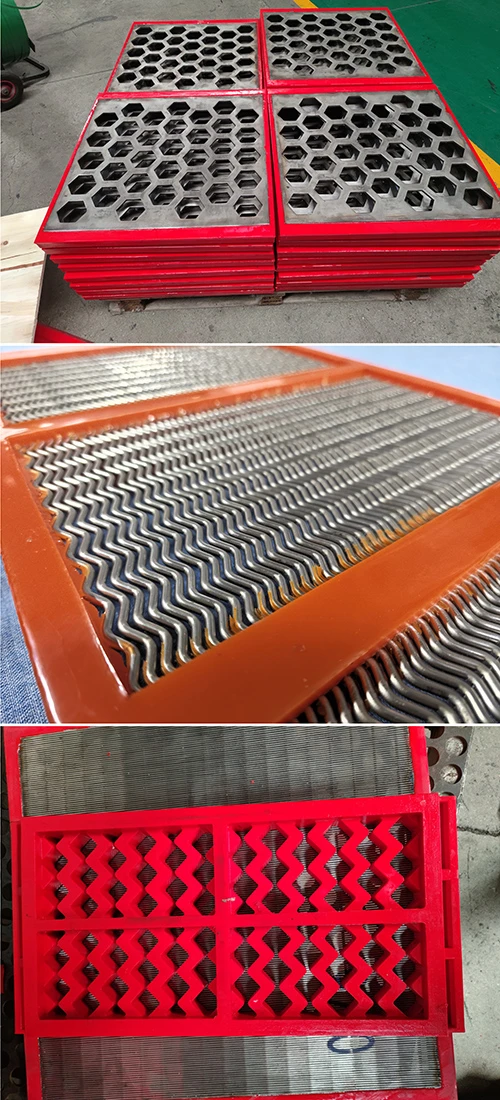
Simply put, it’s a metal sheet (usually steel, aluminum, or stainless steel) punctured with a pattern of holes, slots, or shapes. These holes have purpose — whether to control light, manage airflow, enhance sound absorption, or reduce weight. Modern manufacturing processes like CNC punching or laser cutting allow precise patterns to be formed quickly, making it customizable for almost any need.
In industry, these sheets help create facades that reduce energy consumption or act as protective guards in machinery. In humanitarian contexts — for example, with water purification devices or temporary shelters — their combination of durability and lightness is a godsend.
Essential Features of Perforated Metal Sheets
1. Durability
Perforated metals maintain impressive physical strength despite their pierced design. Depending on thickness and metal type, they can withstand harsh environments—corrosion resistance, high wind forces, or heavy wear.
2. Scalability & Customization
The production process adapts from small prototype runs to massive industrial batches. Patterns vary from simple round holes to complex geometric designs tailored for airflow or aesthetics.
3. Cost Efficiency
While initial fabrication might appear costly due to specialized tooling, long-term savings arise through energy efficiency in buildings, reduced material weight, and lower maintenance.
4. Environmental Impact
Many manufacturers now prioritize eco-friendly materials and recycling — some sheets use significant recycled metal content. Plus, their role in sustainable architecture projects is notable.
5. Versatility of Application
They fit in architectural facades, sound abatement systems, filtration equipment, and even artistic installations.
Global Applications & Use Cases
Looking around, it’s fascinating how this “simple” metal finds use across varied sectors:
- Architecture & Construction: In Dubai, perforated metal facades improve solar shading and ventilation, dramatically cutting cooling costs.
- Industrial Filtration: Germany’s chemical plants implement these sheets to filter particulates while maximizing airflow.
- Automotive Manufacturing: Carmakers in Japan use lightweight perforated panels in vehicle grills and exhaust systems to enhance performance.
- Humanitarian Relief: In East Africa, NGOs use perforated metal components in water filtration systems providing clean drinking water amidst scarcity.
Oddly enough, their distribution aligns with both thriving urban centers and vulnerable regions needing adaptable, durable materials. The perforated metal sheet is, in many ways, a silent enabler of both development and resilience worldwide.
Product Specification Table
| Specification | Details |
|---|---|
| Material | Stainless Steel (304, 316), Aluminum, Carbon Steel |
| Thickness Range | 0.5 to 6 mm |
| Hole Diameter Range | 0.8 mm to 30 mm |
| Pattern Types | Round, Square, Slotted, Decorative |
| Surface Finish | Powder Coating, Anodized, Galvanized |
| Standard Sizes | 1000mm x 2000mm (customizable) |
Advantages & Long-Term Value of Perforated Metal Sheets
The logical benefits are pretty straightforward—better airflow, reduced material use, and durability translate to lower operational costs. But on a human level, think about the sense of safety these sheets provide as robust coverings or filtration shields. They help maintain hygienic environments and enable technology that saves lives.
The environmental angle is increasingly important too. These sheets support greener architecture goals—less energy use for heating/ cooling, recyclable materials, and longer lifespans. Companies embracing sustainable manufacturing often cite these as key reasons for choosing perforated metal over alternatives.
Vendor Comparison Table
| Vendor | Material Range | Customization | Price Range | Lead Time |
|---|---|---|---|---|
| MutoScreen Inc. | Wide (Incl. specialty alloys) | High, CNC & laser cutting | $$$ (Premium) | 2-3 weeks |
| Global Metals | Standard Grades | Moderate, punching only | $$ | 3-4 weeks |
| EcoMetals Ltd. | Recycled content focus | Low, limited sizes | $ | 4-5 weeks |
Future Trends & Innovations
Looking ahead, the integration of perforated metal sheets with smart sensors and adaptive coatings stands out as an exciting frontier. Imagine façades that adjust porosity automatically based on temperature or pollution levels. Additionally, additive manufacturing (3D metal printing) is pushing customization possibilities beyond traditional punching or cutting.
Also, with the global push towards carbon neutrality, materials with high recycled content or that contribute directly to energy conservation will dominate. I’ve also noticed more projects using perforated metal in urban vertical gardens or green walls, which serve both aesthetics and air purification.
Challenges & Solutions
Despite all their goodness, perforated metal sheets face challenges like limited thickness ranges for heavy-duty applications or corrosion in harsh environments. But innovations like advanced coatings (e.g., nano-ceramics) and hybrid composites are helping solve these issues. Supply chain delays can also be frustrating; hence, vendors with local manufacturing hubs are gaining preference.
FAQ: Frequently Asked Questions About Perforated Metal Sheet
- Q: What factors affect the cost of perforated metal sheets?
A: The main cost drivers include material type (stainless steel tends to cost more), thickness, hole pattern complexity, and finishing processes such as coating or galvanizing. Custom sizes or speedy delivery usually add to the price. - Q: Can perforated metal sheets be recycled?
A: Yes, most perforated metal sheets are fully recyclable, especially if made from steel or aluminum. Using recycled metals during production is also becoming industry standard, enhancing sustainability. - Q: How do perforated metal sheets help in energy savings?
A: They improve natural ventilation and allow daylight while providing shading, reducing the load on HVAC systems. This leads to significant energy savings over time. - Q: Are perforated metal sheets suitable for outdoor use?
A: Definitely. When treated with the right surface finish like powder coating or galvanization, they hold up very well against weathering, corrosion, and UV exposure.
Conclusion & Call to Action
In real terms, the perforated metal sheet embodies a perfect blend of engineering and environmental savvy. Its ability to solve practical challenges while enhancing sustainability makes it a material worth considering for any industrial or architectural project. If you’re curious about how this versatile material could work for you, feel free to visit our website for the latest products and innovations: https://www.mutoscreen.com.
Oddly enough, sometimes the simplest materials have the most profound impacts — and perforated metal sheets fit right into that category.
Takeaway: This humble industrial staple quietly supports innovation, sustainability, and safety across the globe, proving that sometimes less is more — especially when it's perforated metal.