Real-world Notes on Keeping a Conveyor Clean: Polyurethane Belt Scrapers That Actually Work
If you run bulk material handling, you already know the polyurethane conveyor belt is only as clean as its scraper. To be honest, most downtime I’ve seen on sites came from carryback and misaligned cleaning assemblies, not the belt itself. Here’s what’s working in the field right now—especially with modern PU scrapers from Hehuang Road, Anping County, Hengshui, Hebei Province, where a lot of serious hardware quietly ships out.
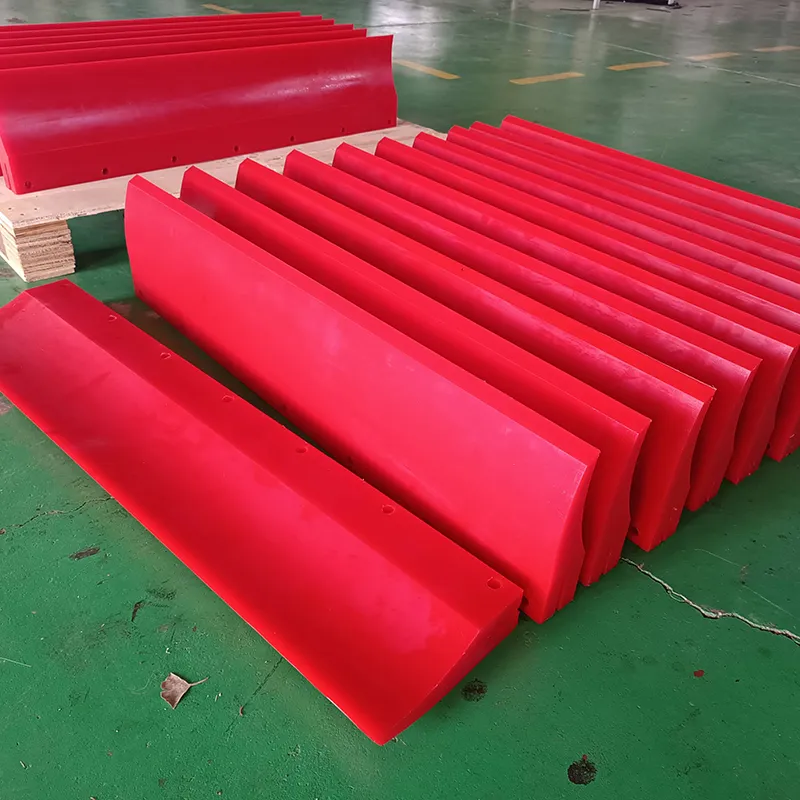
Why polyurethane scrapers—what’s changed?
In quarry, mines, ports, and chemical plants, the trend is clear: swap steel or plain rubber tips for PU tips. The big shifts are abrasion performance and belt-friendliness. Many customers say noise drops, seals last longer, and yes, fewer nasty shutdowns. Surprisingly, I’ve also seen less wiper chatter on wet fines. It seems that a properly tuned polyurethane conveyor belt cleaner rides the splice better and survives grit.
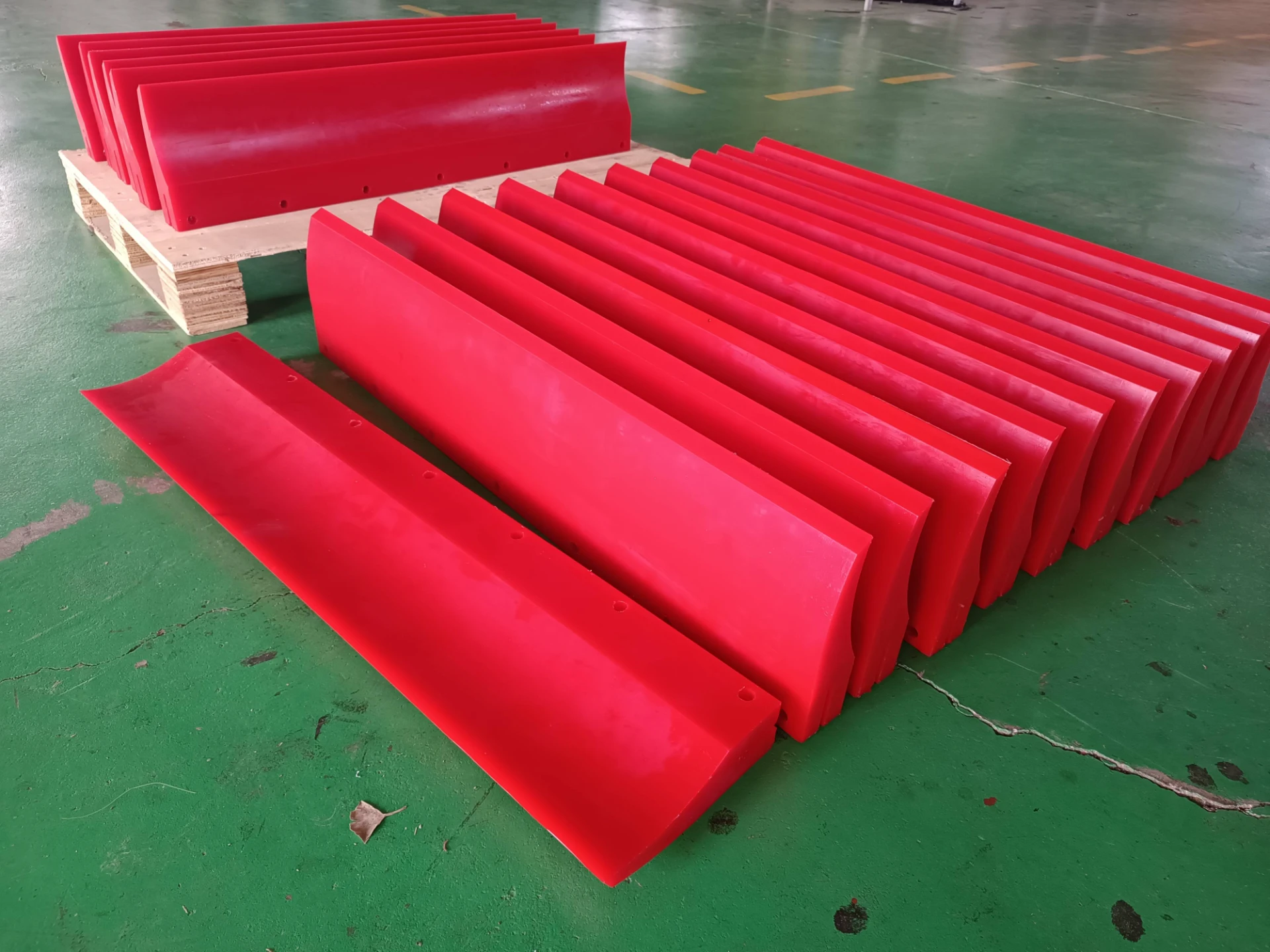
Product snapshot: Polyurethane Conveyor Belt Scraper
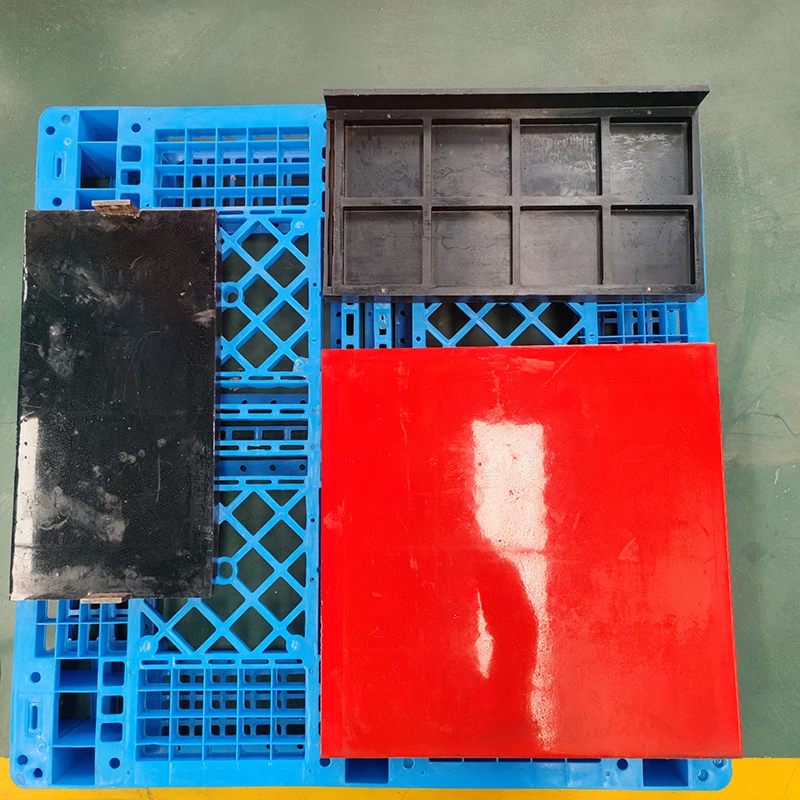
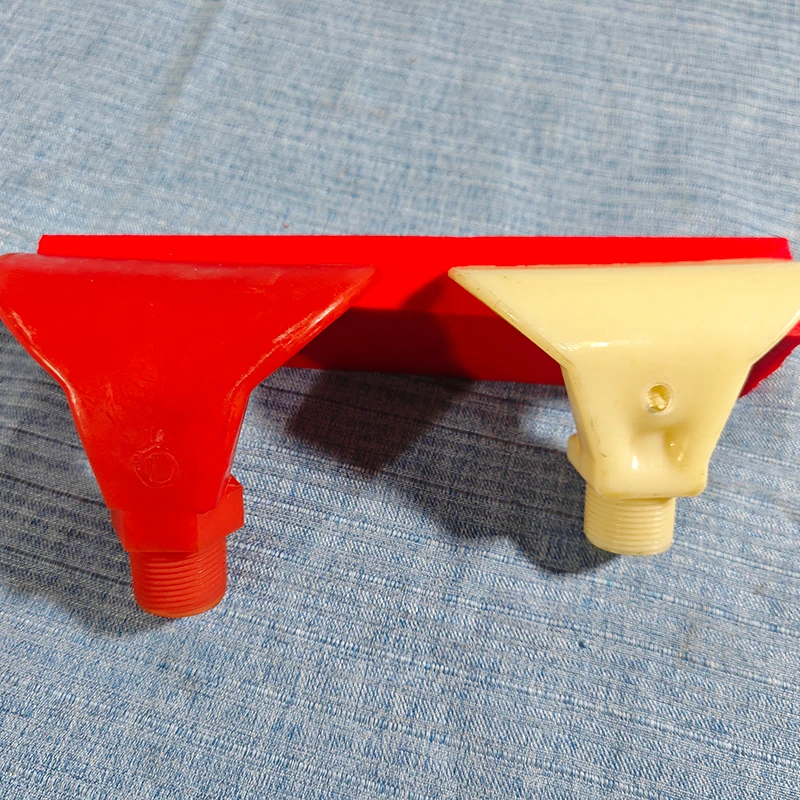
This unit is built to remove carryback at the head pulley and secondary stations. I like that the tip geometry is replaceable—saves the frame, saves money.
| Spec | Typical Value (≈, real-world use may vary) |
|---|---|
| Tip Material | Cast PU (MDI/PTMEG), hydrolysis-stabilized |
| Hardness | Shore A 85–95 (ASTM D2240 / ISO 868) |
| Abrasion Loss | ≈ 80–120 mm³ (ISO 4649) |
| Tensile Strength | ≈ 35–45 MPa (ASTM D412) |
| Temperature Window | -30 to +80 °C continuous; short spikes to +100 °C |
| Belt Speed | ≤ 5 m/s primary, ≤ 7 m/s secondary (application dependent) |
| Compliance | REACH/RoHS; optional food-contact PU (EU 1935/2004, EU 10/2011) |
| Service Life | ≈ 6–24 months depending on fines, speed, tension, and maintenance |
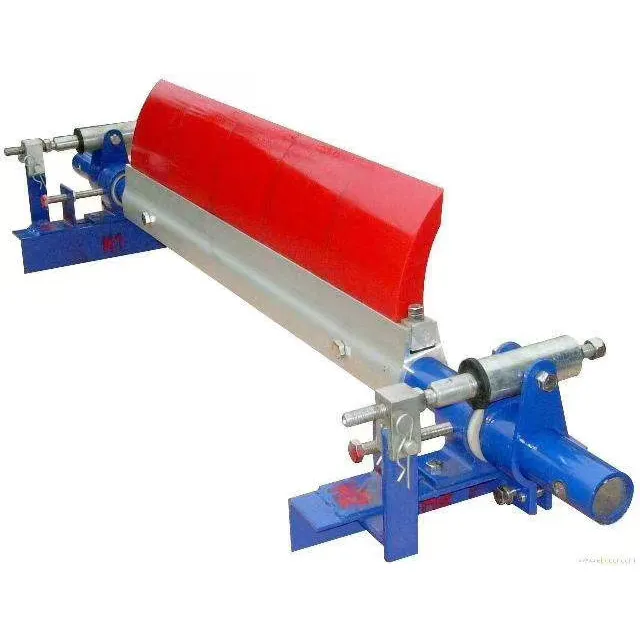
Process flow and QC (short version)
Materials: MDI-cured PU with PTMEG polyols, anti-hydrolysis package, pigments. Methods: precision casting, post-cure, CNC/waterjet tip profiling, frame fabrication (galvanized or painted steel), assembly. Testing: hardness (ASTM D2240), abrasion (ISO 4649), tensile/elongation (ASTM D412), compression set (ASTM D395), dimensional tolerance checks, and application classification per CEMA 576. Final fit-up and belt-contact simulation before shipment. I guess the secret sauce is consistent cure—get that wrong and the polyurethane conveyor belt cleaner wears fast.
Where it shines
- Quarries and mines: primary and secondary cleaners for wet limestone, iron ore fines.
- Ports: grain and coal where corrosion and noise matter.
- Chemicals: sticky fertilizers; optional anti-static (ISO 284) and FR (ISO 340).
- Food-adjacent bulk: with appropriate food-contact PU and stainless frames.
Vendor comparison (field-notes summary)
| Vendor | Hardness | Abrasion (ISO 4649) | Options | Lead Time | Notes |
|---|---|---|---|---|---|
| MutoScreen (Hebei) | A 85–95 | ≈ 80–120 mm³ | Food-grade, anti-static, FR, custom widths | ≈ 7–15 days | Replaceable tips; good for wet fines |
| Generic A | A 90 | ≈ 120–150 mm³ | Basic sizes | ≈ 3–4 weeks | Budget, but faster wear on silica |
| Generic B | A 92 | ≈ 90–130 mm³ | Stainless frames | ≈ 10–20 days | Solid for corrosive environments |
Customization that matters
Pick width to match the polyurethane conveyor belt, tip profile (straight, segmented, crowned), hardness based on fines, and chemical package for fertilizer/salt. For reversible belts, go dual-edge. Don’t forget easy tensioning—operators will actually use it.
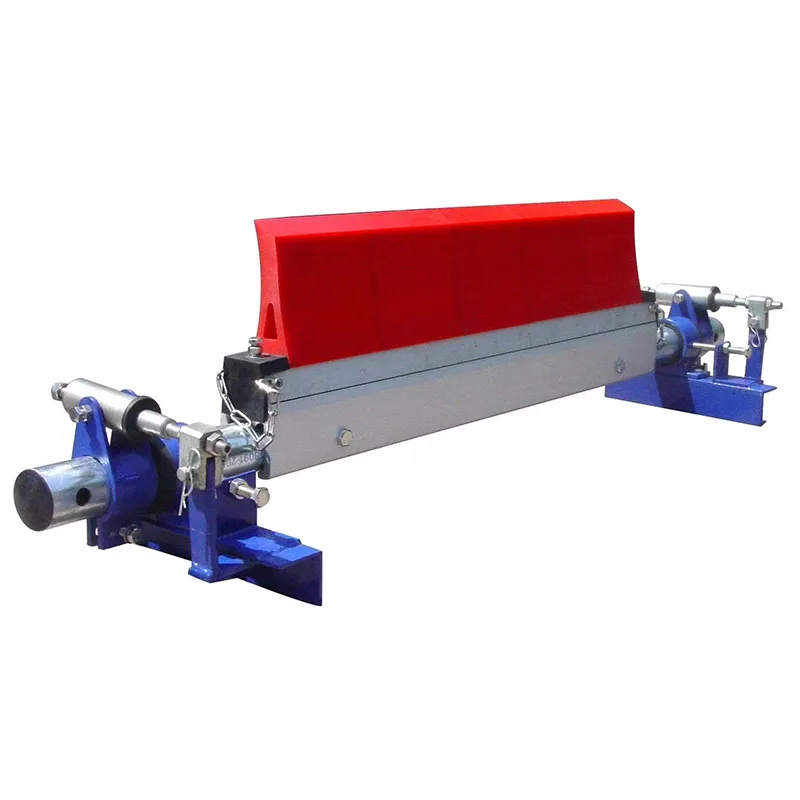
Mini case study
Hebei limestone quarry (2.2 m/s belt, wet season carryback nightmare). Swapped in PU primary + secondary scrapers. Result after 30 days: carryback reduced ≈ 85%, spillage cleanup time down by half, idler failures cut noticeably. Maintenance chief told me, “We stopped chasing fines and started planning hours again.” Not scientific, but convincing.
Compliance, testing, and documentation
Look for CEMA 576 application classification, abrasion per ISO 4649, hardness per ASTM D2240, optional EU 1935/2004 / EU 10/2011 for food-adjacent use, plus REACH/RoHS declarations. A proper data sheet beats a brochure every time.
References
- CEMA 576: Classification of Applications for Bulk Material Conveyor Belt Cleaning
- ISO 4649:2017 Rubber, vulcanized or thermoplastic — Determination of abrasion resistance
- ASTM D2240 Standard Test Method for Rubber Property—Durometer Hardness
- EU Regulation 1935/2004 on materials intended to come into contact with food
- REACH Regulation (EC) No 1907/2006