Polyurethane Blind Plate: the quiet workhorse of modern screening decks
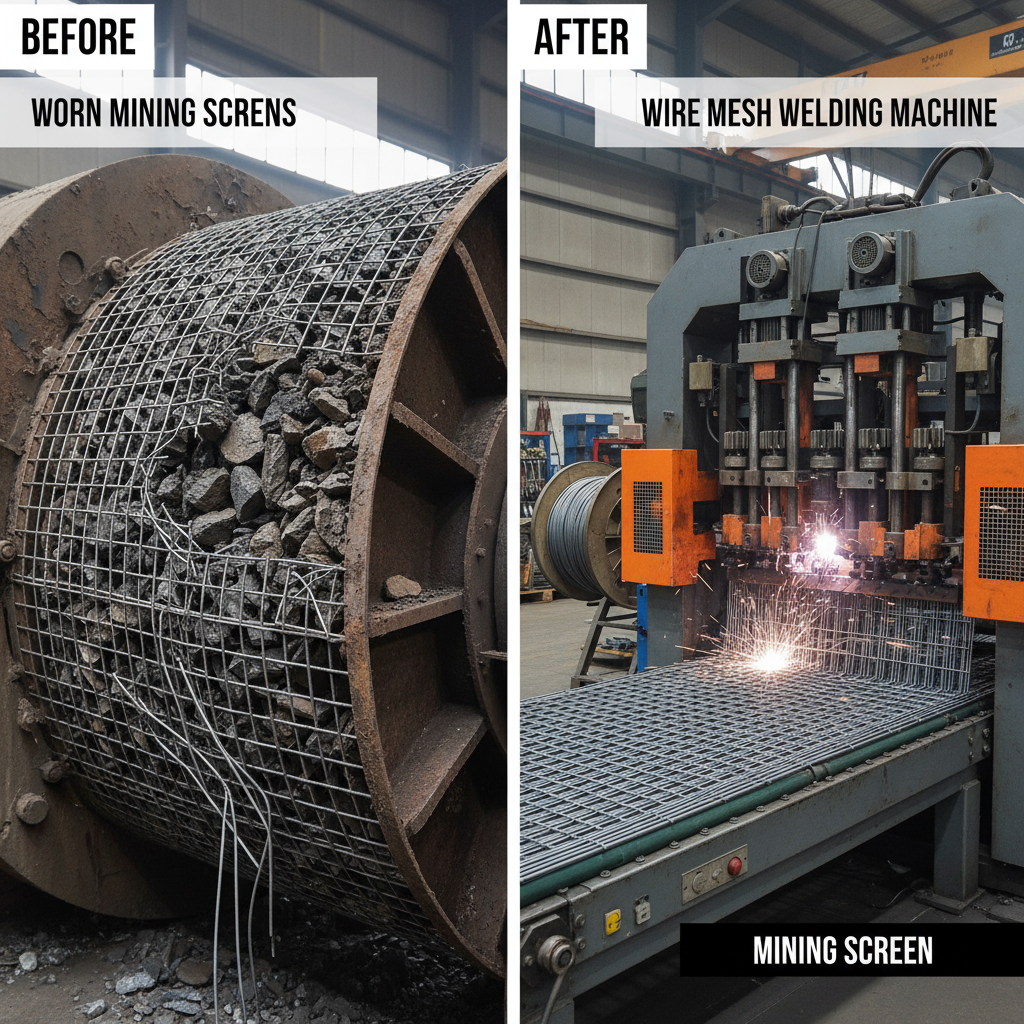
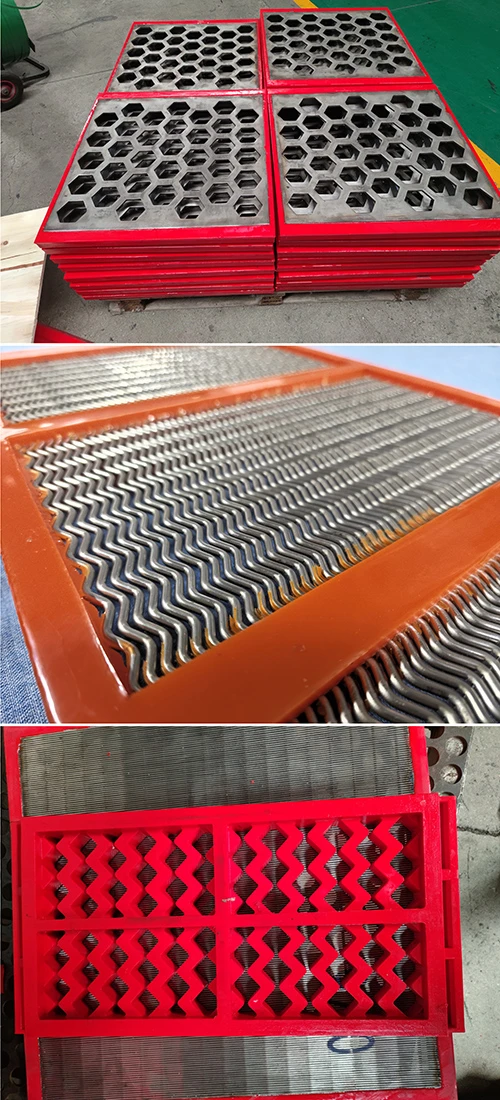
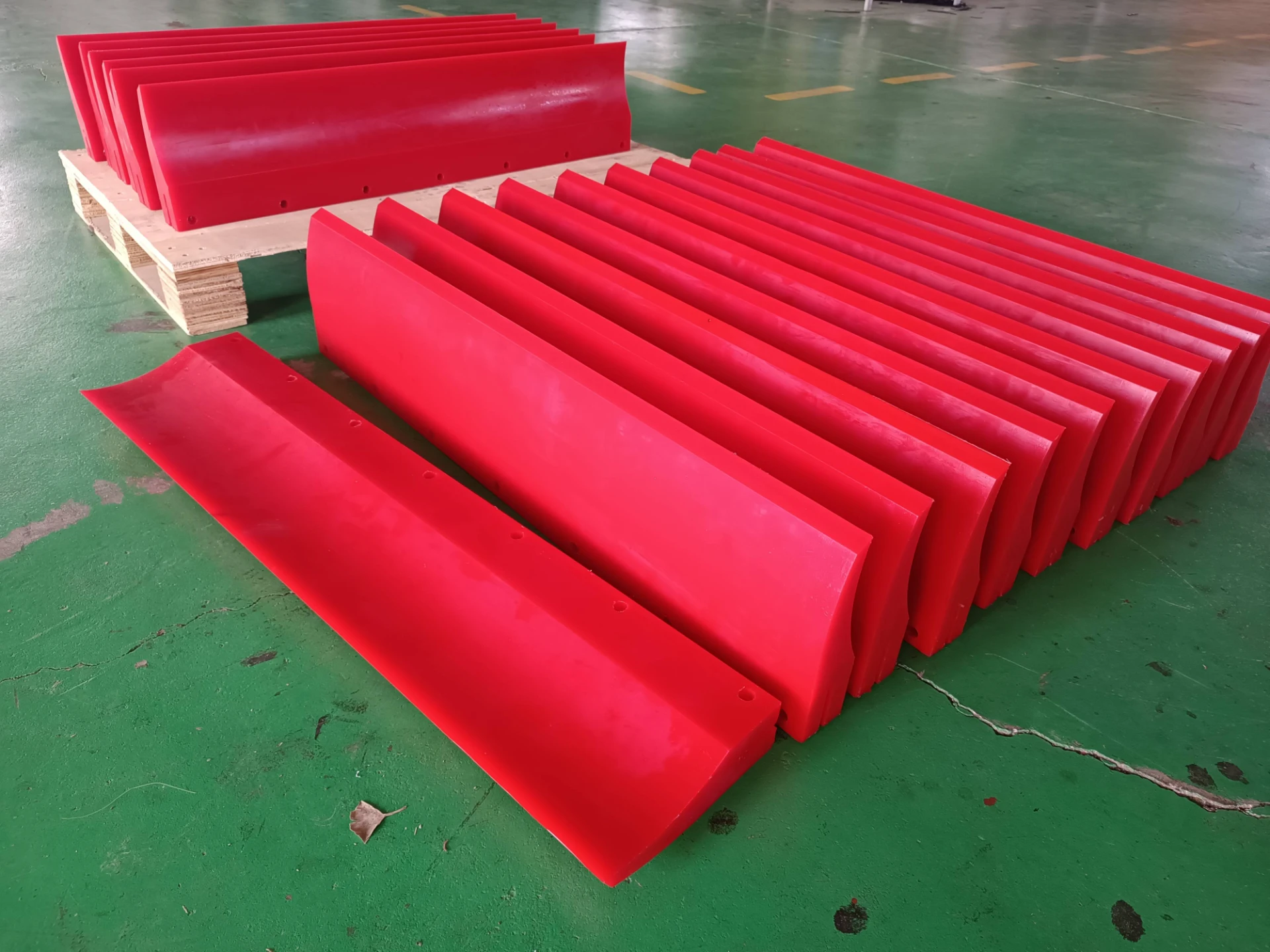
When plant managers ask why a polyurethane plate keeps showing up in their capex plans, I tend to smile. Because—after years on quarry floors and in coal prep labs—it’s the decisive upgrade that cuts downtime without fuss. Muto Screen’s Polyurethane Blind Plate, made in Hehuang Road, Anping County, Hengshui, Hebei Province, has been a quiet staple in vibration screening equipment for a reason: it shrugs off abrasion, damps noise, and resists water and oils better than most steel wire alternatives.
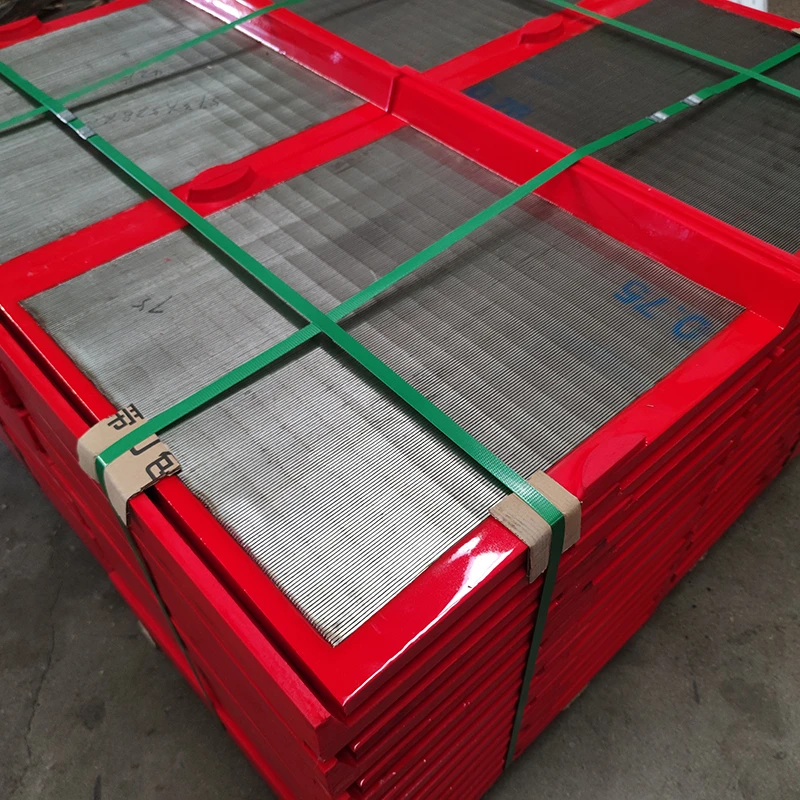
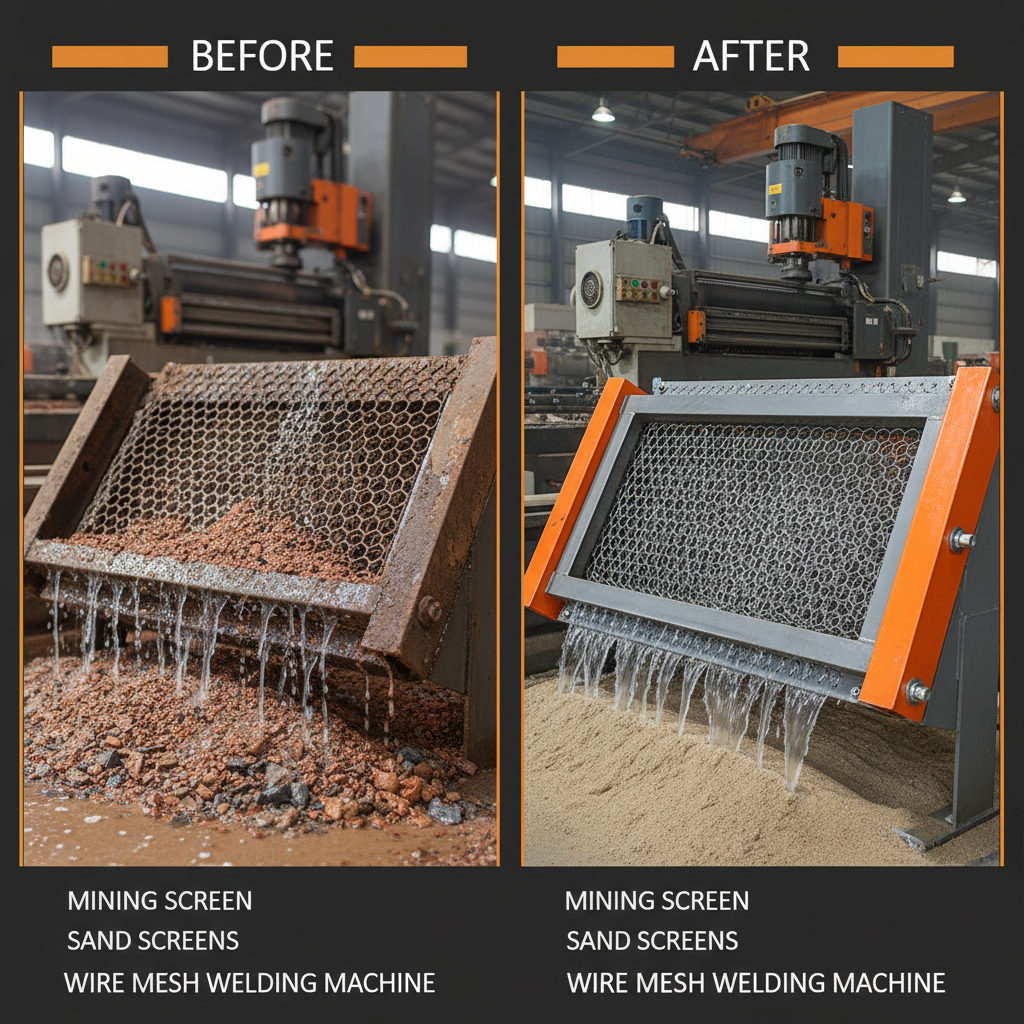
Industry trend? Actually, it’s clear: more operators are blending open-area modules with blind sections to control flow velocity and extend wear life. It seems that targeted blanking zones on the deck reduce near-size pegging—a big win in wet sand and aggregate. Many customers say the ROI arrives faster than expected, mostly due to fewer changeouts.
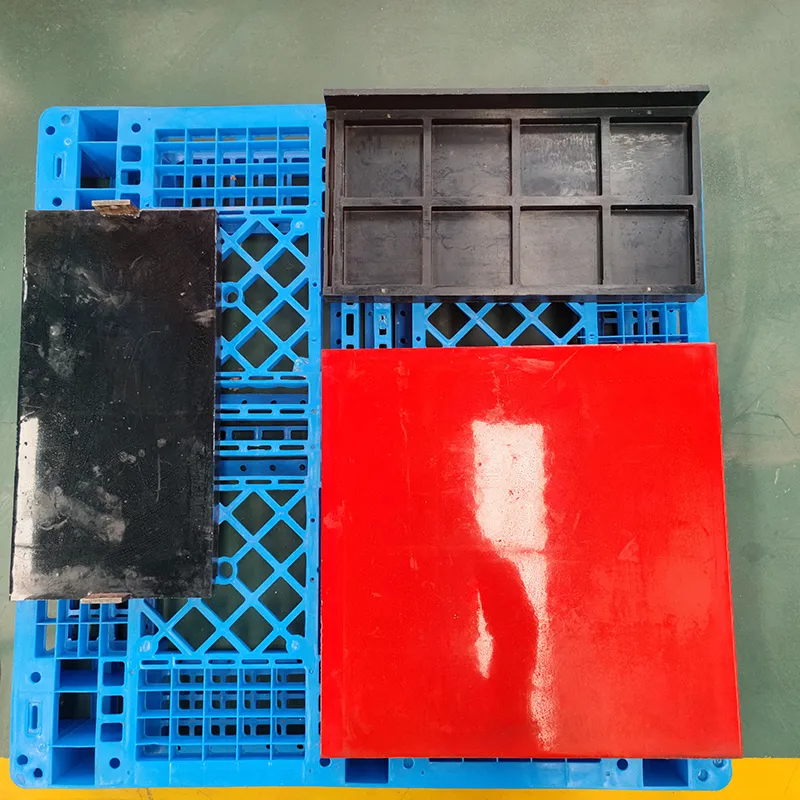
Technical snapshot and real-world specs
| Parameter | Typical Value (≈) | Standard / Notes |
|---|---|---|
| Hardness | 85–92 Shore A | ASTM D2240 |
| Tensile strength | 25–40 MPa | ASTM D412 |
| Tear strength | 80–120 kN/m | ASTM D624 |
| Abrasion loss | 30–45 mm³ | ISO 4649 (DIN 53516) — real-world use may vary |
| Temperature | -30 to +80 °C continuous | Short peaks to 100 °C |
| Service life | 8–18 months | Aggregate/quarry duty, medium–high abrasion |
Process flow (how it’s made)
- Materials: MDI-based elastomer with polyether polyol; curatives tuned for rebound vs. abrasion.
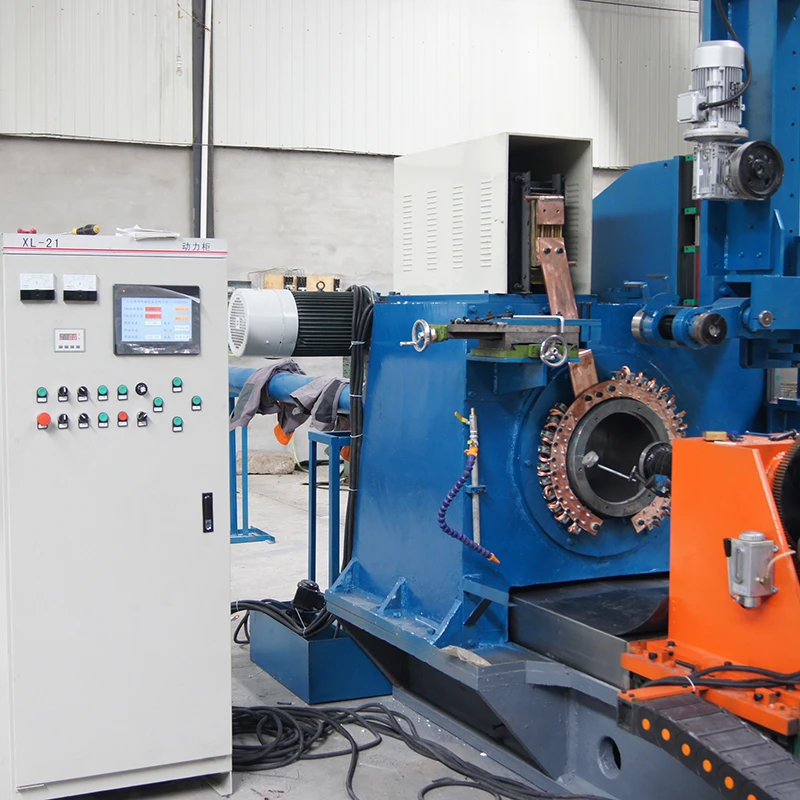
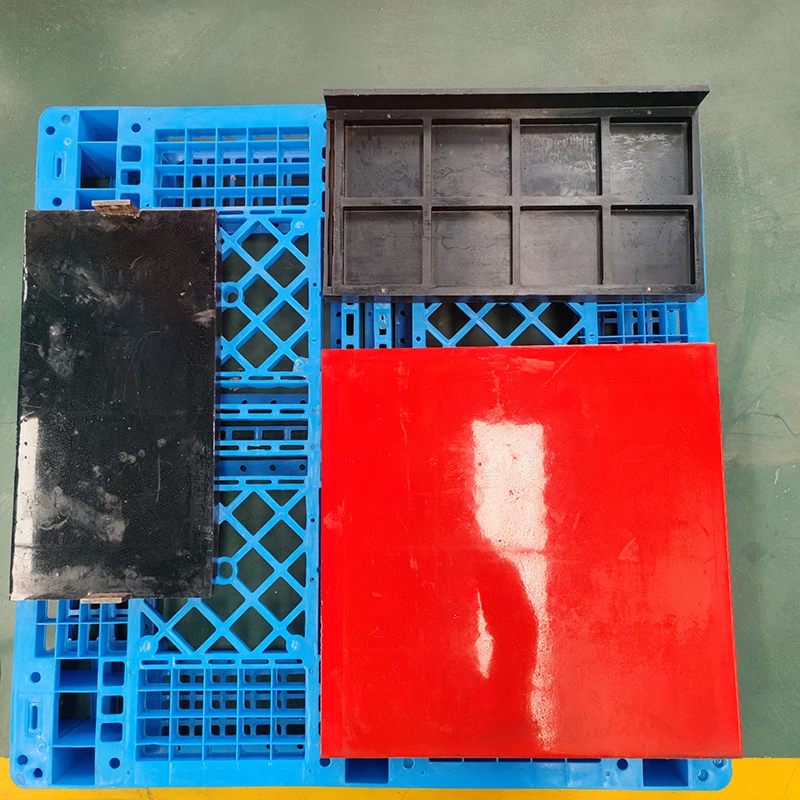
- Molding: Heated casting into modular blind molds; integral fastening or bolt-down inserts.
- Curing: Post-cure cycles stabilize hardness and tear resistance.
- Testing: Hardness (ASTM D2240), tensile (ASTM D412), tear (ASTM D624), abrasion (ISO 4649), water absorption (ASTM D570).
- QC: Dimensional checks, visual inspection, trial fit on deck frames.
Where a polyurethane plate outperforms
Mining and quarry screening lines, wet sand and gravel, coal prep, iron ore secondary screens, recycling fines control, and as flow-control blanks near feed impact zones. Advantages: notably lower noise, excellent cut resistance, fewer pegging incidents, and kinder handling of fragile aggregates. To be honest, the noise drop alone sells it in urban plants.
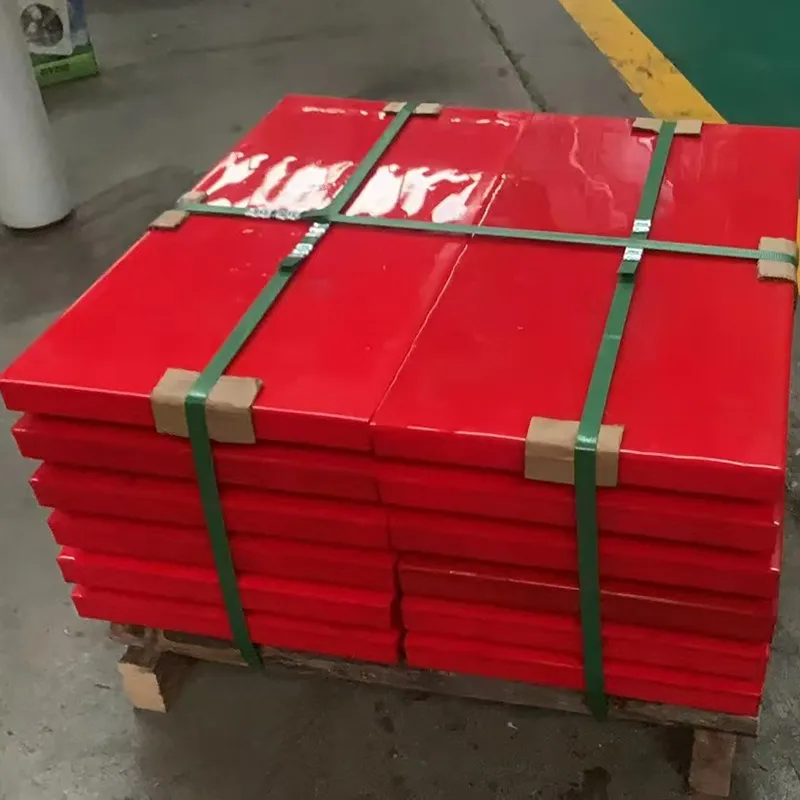
Vendor snapshot (what buyers compare)
| Vendor | PU Type | Aperture/Blind Options | Lead Time | Certs | Notes |
|---|---|---|---|---|---|
| Muto Screen (Hebei) | MDI, wear-grade | Blind, slotted, modular | 10–20 days | ISO 9001; RoHS/REACH | Origin: Hehuang Road, Anping County |
| Regional Vendor A | TDI blend | Blind only | 3–5 weeks | ISO 9001 | Limited hardness range |
| International Brand B | Premium MDI | Full modular suite | Stock + 2 weeks | ISO 14001/45001 | Higher price bracket |
Customization
Available in bolt-down or snap-in modules, thickness 20–60 mm, hardness 80–95A, with optional flame-retardant or hydrolysis-resistant formulations. If you need a polyurethane plate tailored for hot screening, ask for heat-stabilized curatives; for wet silica, specify hydrolysis-resistant polyether systems.
Field note (mini case)
A coastal sand producer swapped impact-zone steel for blind polyurethane plate modules. Downtime fell by 32%, deck noise dropped ≈8 dB, and pegging near the feed disappeared. The team told me, “We finally control the flow instead of fighting it.” Simple change, big effect.
Compliance, testing, and proof
Material test sheets typically include hardness, tensile/elongation, tear, and abrasion per ASTM/ISO. RoHS/REACH statements are available on request, which matters for export audits. For acceptance, I like to see ISO 4649 abrasion ≤45 mm³ and Shore A within ±3—tight enough to keep performance predictable.
Authoritative citations
- ISO 4649:2017 Rubber — Determination of abrasion resistance. https://www.iso.org/standard/64232.html
- ASTM D2240 Standard Test Method for Rubber Property—Durometer Hardness. https://www.astm.org/d2240
- ASTM D412 Standard Test Methods for Vulcanized Rubber and Thermoplastic Elastomers—Tension. https://www.astm.org/d0412
- ASTM D624 Standard Test Method for Tear Strength of Conventional Vulcanized Rubber. https://www.astm.org/d0624
- EU REACH Regulation (EC) No 1907/2006. https://echa.europa.eu/regulations/reach