Polyurethane Rail Seat for Vibrating Screens: Field Notes, Specs, and Buyer’s Guide
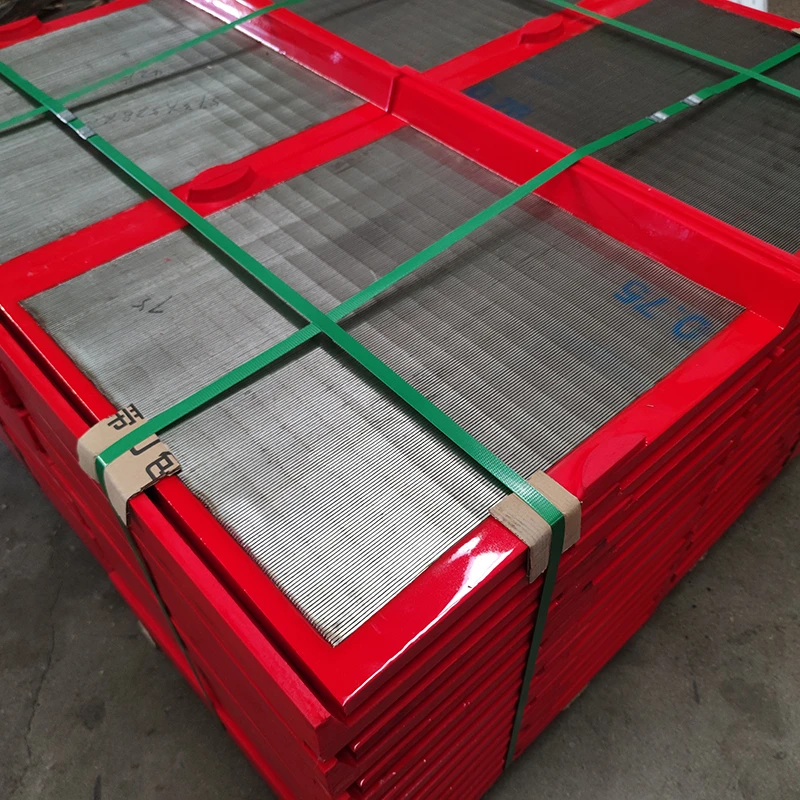
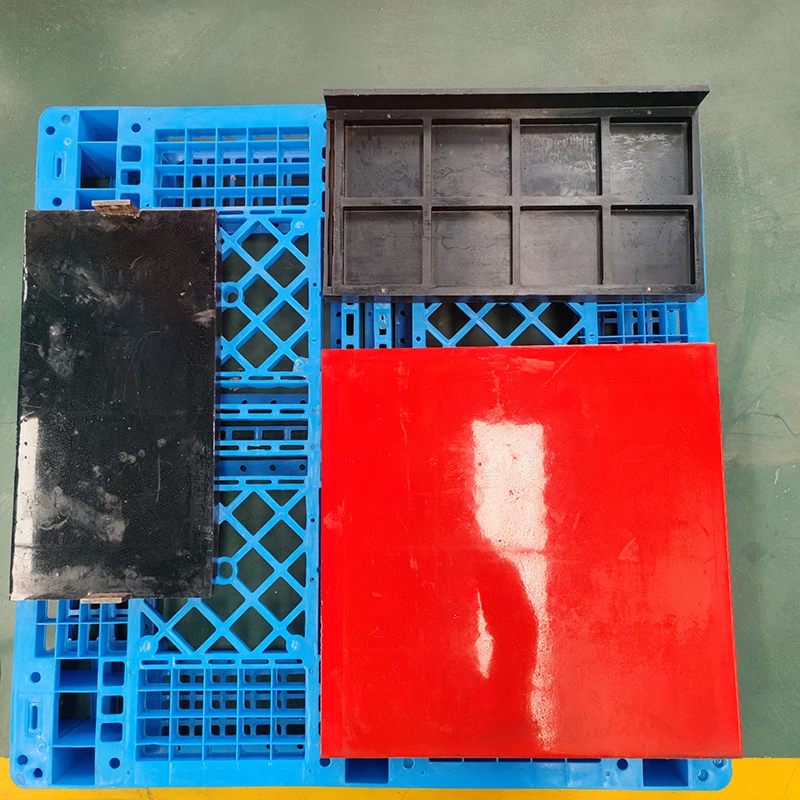
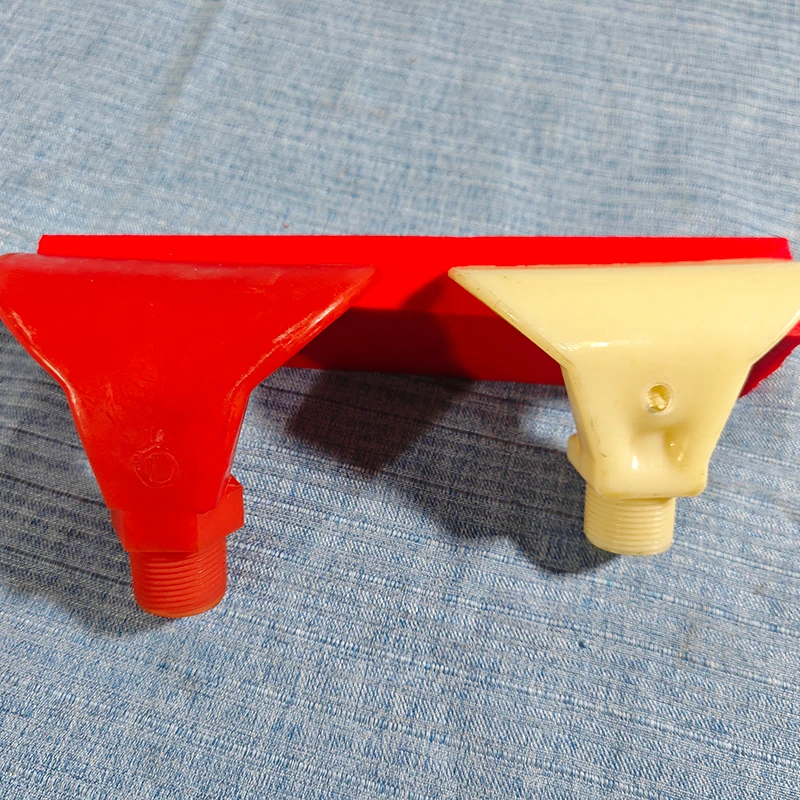
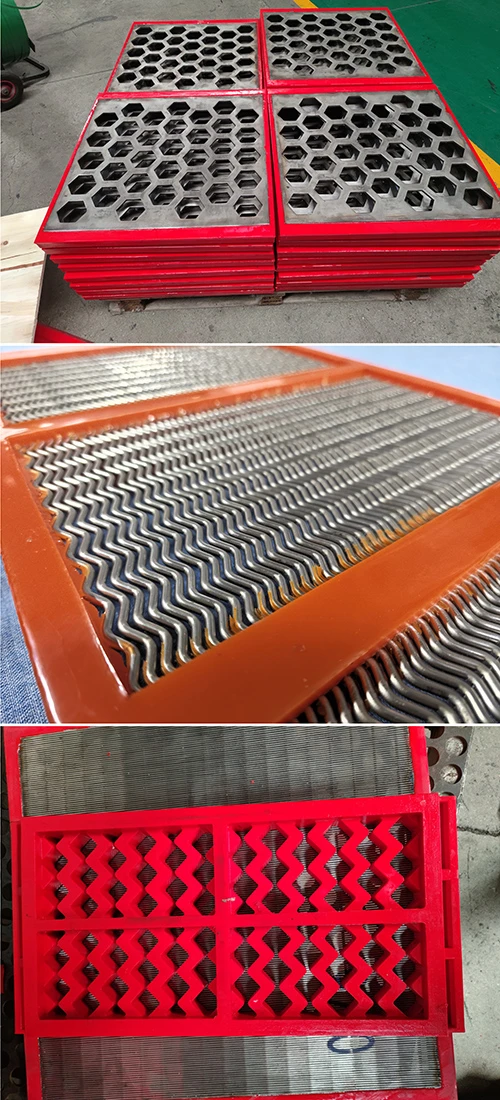
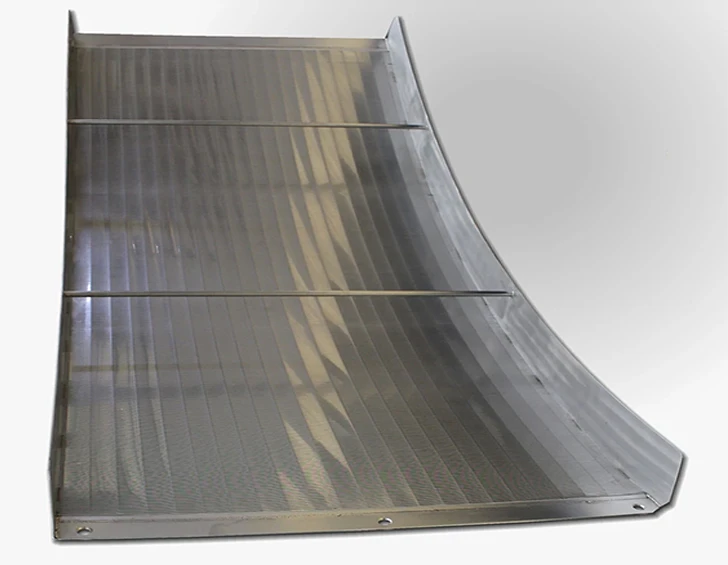
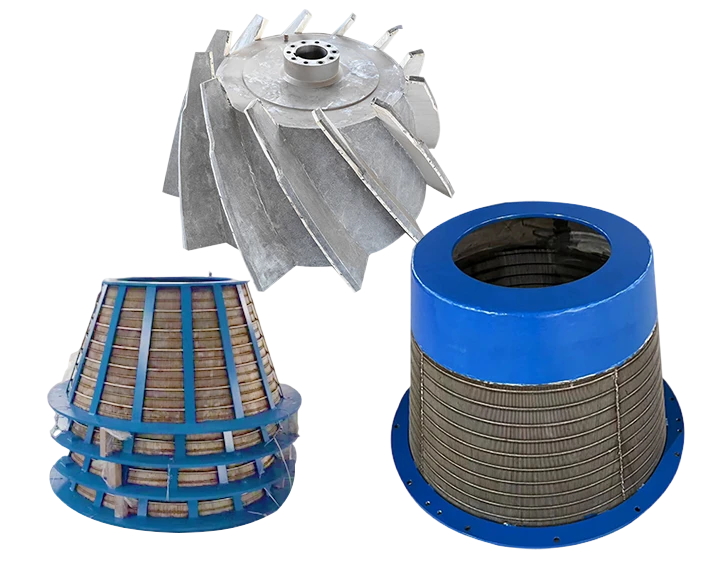
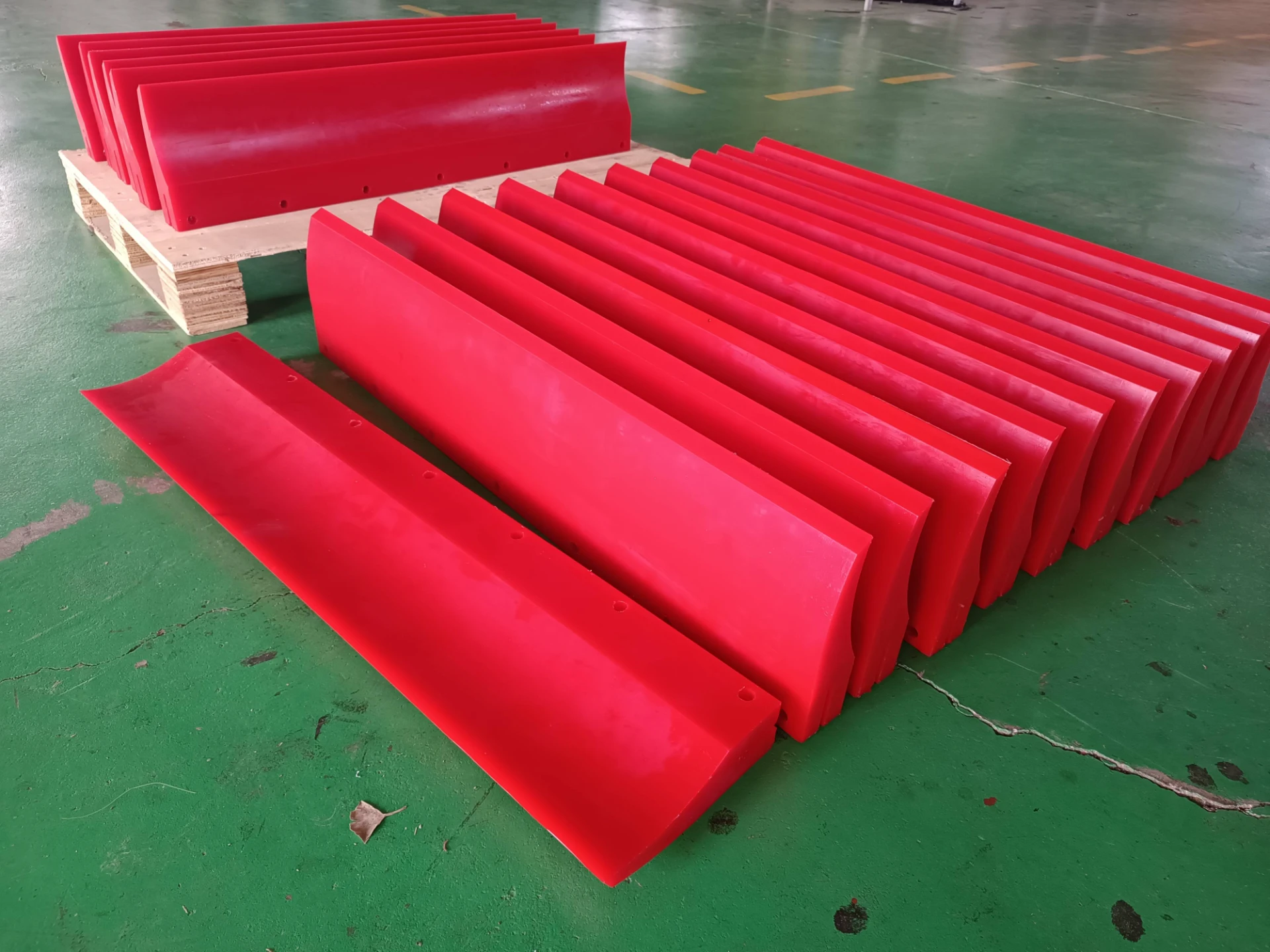
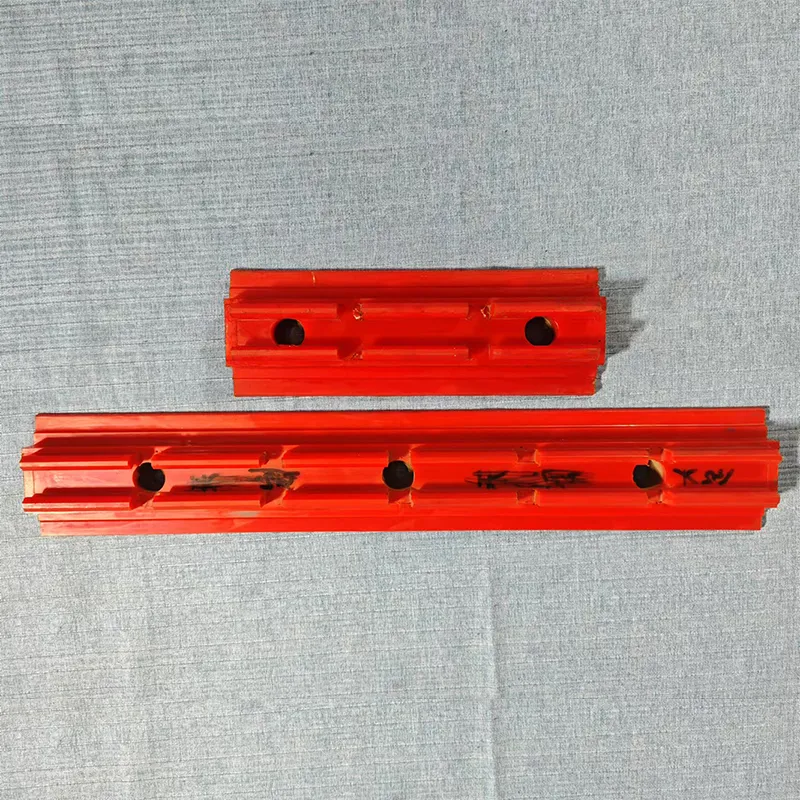
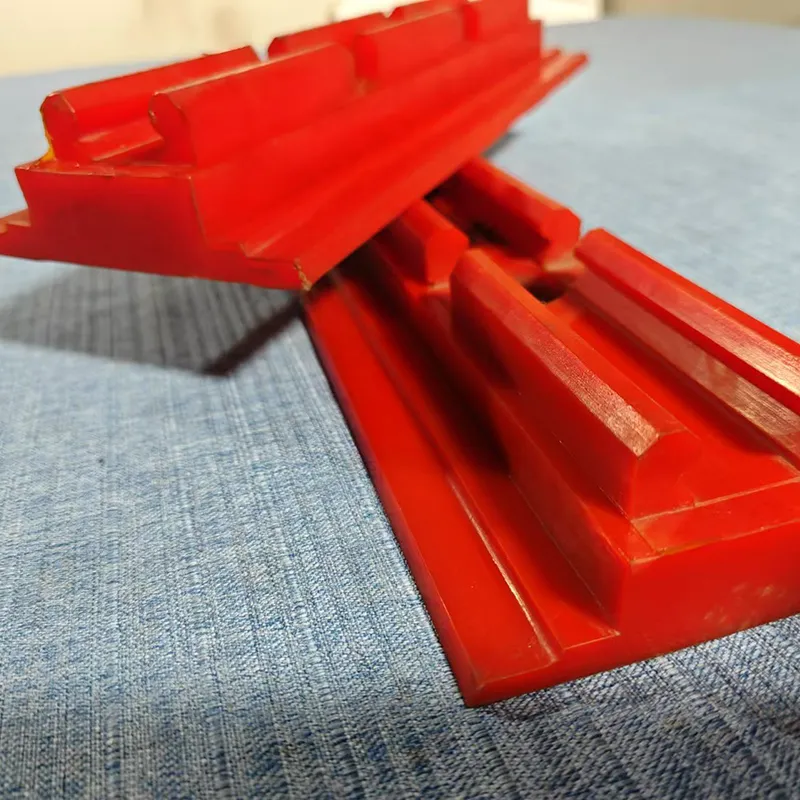
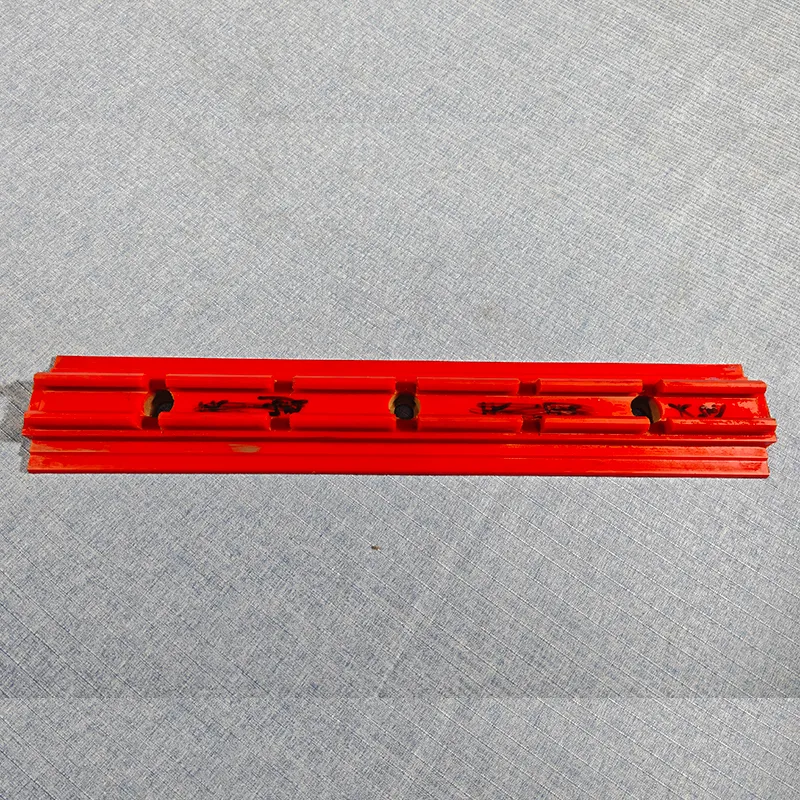
If you run a quarry, a prep plant, or a recycling line, you already know the deck hardware makes or breaks uptime. Among the quiet heroes, polyurethane screens components—especially the rail seat—carry the load literally. The polyurethane rail seat supports and fixes the screen frame so the machine holds amplitude, stays quiet, and keeps accuracy tight. Simple part, big impact. And yes, I’ve seen budget rails chew through decks far faster than anyone expected.
Industry trend check
Plants are swapping steel or generic rubber for polyurethane screens components to cut noise, beat abrasion, and keep frames aligned under high Gs. In fact, we’re seeing more MDI-based PU with anti-hydrolysis cures and better bonding to steel cores. The surprise? Real-world noise drops of ≈3–6 dB are common, which operators appreciate during long shifts.
Product snapshot: Polyurethane Rail Seat (Muto Screen)
| Product Name | Polyurethane Rail Seat for Vibrating Screen |
| Material | Cast PU elastomer (MDI-based), steel core optional |
| Hardness | Shore A 85 ±3 (ASTM D2240) |
| Abrasion (Taber) | ≤80 mg/1000 cycles, CS-10, 1 kg (ASTM D4060) |
| Tensile strength | ≥30 MPa (ISO 37), real-world may vary |
| Operating temp. | -30°C to +80°C continuous; short peaks to 100°C |
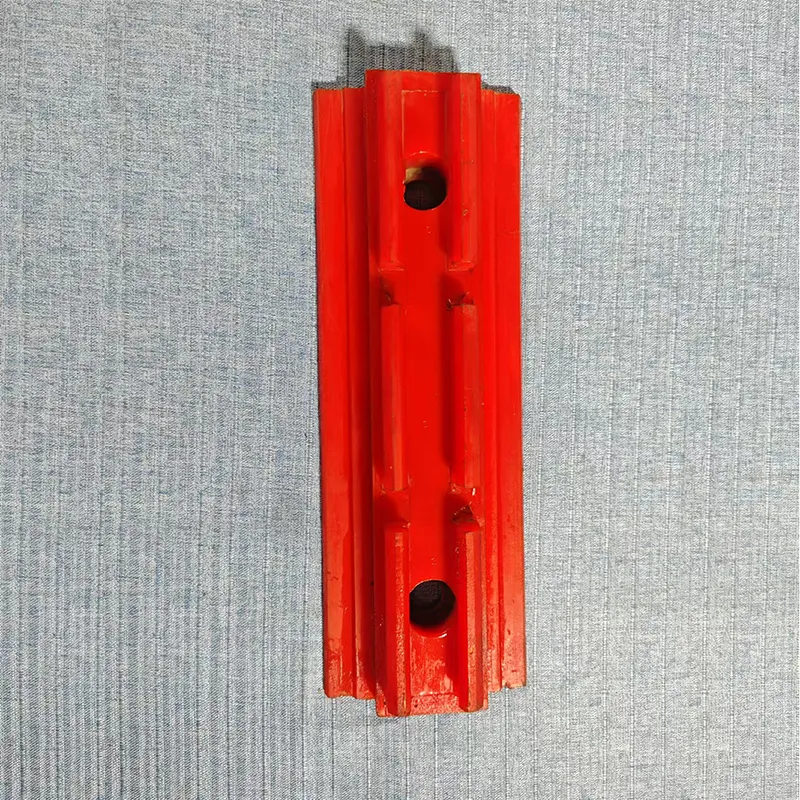
| Dimensions | Custom; typical rail width 40–80 mm; length 500–3000 mm |
| Service life | ≈12–24 months in aggregates; heavy ores 6–12 months |
| Origin | Hehuang Road, Anping County, Hengshui, Hebei Province |
| Certifications | ISO 9001:2015; material compliance on request |
How it’s made (short process flow)
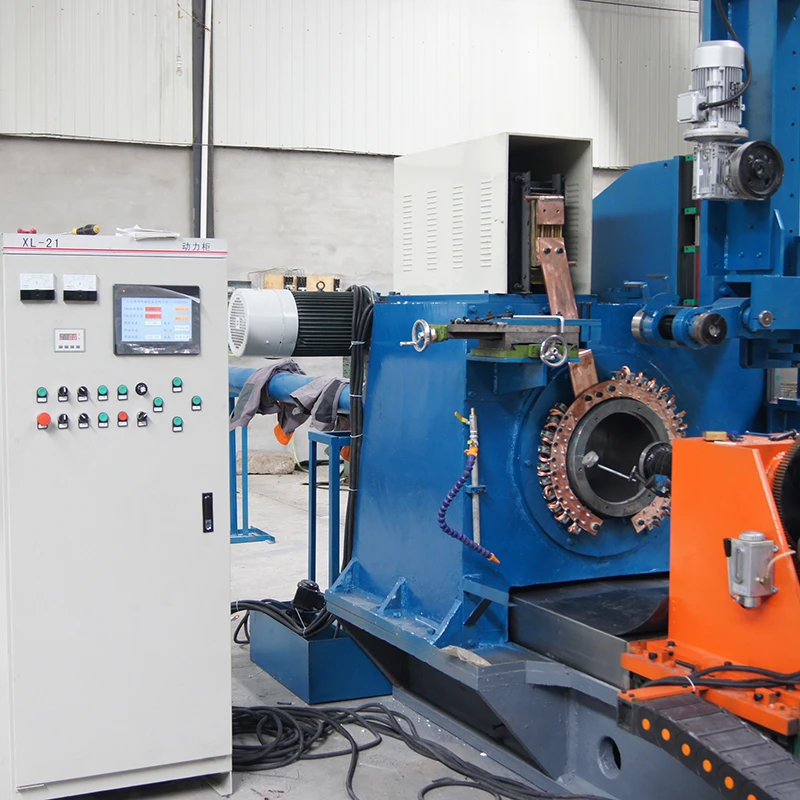
- Materials: MDI prepolymer + polyester polyol + anti-hydrolysis curatives; steel substrate grit-blasted Sa 2.5.
- Casting: Heated open-cast or low-pressure injection; degassed for void-free polymer.
- Cure: Post-cure 80–110°C for stable hardness and rebound.
- QA tests: Shore hardness (ASTM D2240), abrasion (ASTM D4060), tensile (ISO 37), compression set (ISO 815), dimensional checks.
Where it works
Mining and aggregates, coal prep, iron ore, construction & demolition recycling, sand & gravel—any high-frequency or heavy-duty deck that needs stable frame support. Many customers say polyurethane screens hardware also tames resonance on older machines, which I’ve seen too; amplitude holds steadier across the shift.
Vendor snapshot (quick compare)
| Vendor | Process | Lead time | Notes |
|---|---|---|---|
| Muto Screen (Anping, Hebei) | Cast PU, post-cured; ISO 9001 | 10–20 days | Tight tolerances; custom lengths; field-fit guidance |
| Importer A | Generic cast; limited QA data | 15–30 days | Cheaper; specs vary lot-to-lot |
| Workshop B | Small-batch pour | 7–14 days | Fast, but fewer test reports |
Customization
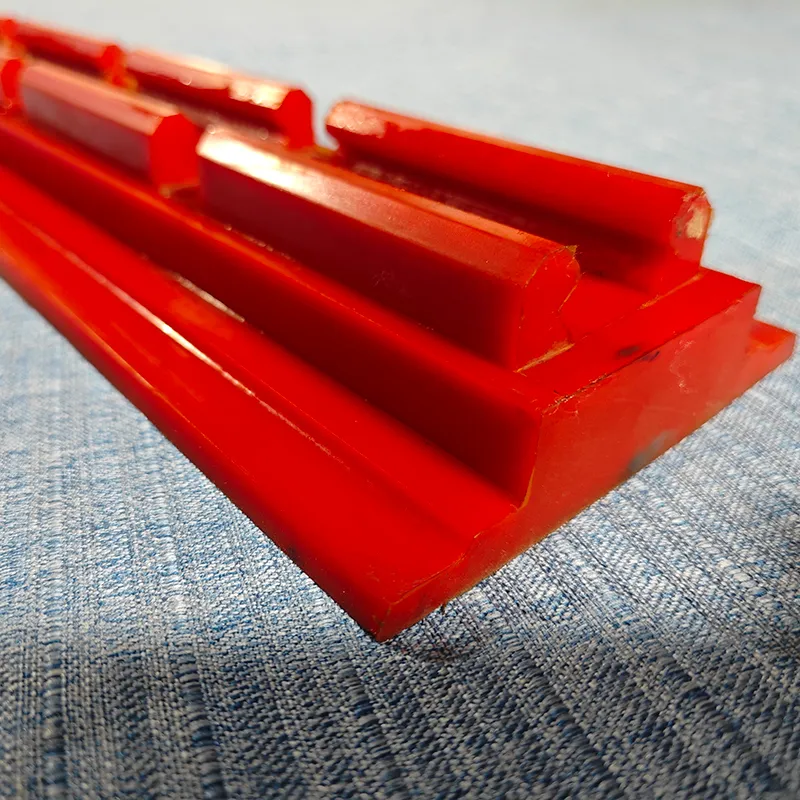
Options include hardness (Shore A 75–95), groove geometry, steel-core thickness, and pre-drilled locating holes. For high-alkali wash plants, ask for hydrolysis-resistant PU. To be honest, spending a bit more on curatives pays back in uptime.
Field results (brief cases)
- Granite quarry, Queensland: Rail seat swap doubled maintenance interval from 8 → 16 months; deck noise down ≈4 dB; unplanned stops -22%.
- Coal prep, Shanxi: With polyurethane screens hardware, amplitude stability improved (±0.2 mm), media blinding reduced, and energy use trimmed ≈7% over 90 days.
Standards and testing
Typical QC references: ASTM D2240 (hardness), ASTM D4060 (abrasion), ISO 37 (tensile), ISO 815 (compression set). Plants often request ISO 9001 documentation and lot-level test sheets. Sensible, and I’d ask for them too.
References
- ASTM D2240 – Standard Test Method for Rubber Property—Durometer Hardness. https://www.astm.org/d2240
- ASTM D4060 – Standard Test Method for Abrasion Resistance of Organic Coatings by the Taber Abraser. https://www.astm.org/d4060
- ISO 37 – Rubber, vulcanized or thermoplastic — Determination of tensile stress-strain properties. https://www.iso.org/standard/73619.html
- ISO 9001:2015 – Quality management systems — Requirements. https://www.iso.org/iso-9001-quality-management.html