Polyurethane Rail Seat For Vibrating Screen: a quiet workhorse behind modern screening
If you’ve walked a quarry catwalk lately, you’ll know the shift is on: polyurethane screens and their support components now dominate new builds and retrofits. The rail seat might not get the spotlight, but it absolutely decides whether a deck runs smooth or chews through frames. Frankly, I’ve seen cheap mounts turn a good screen into a rattling headache.
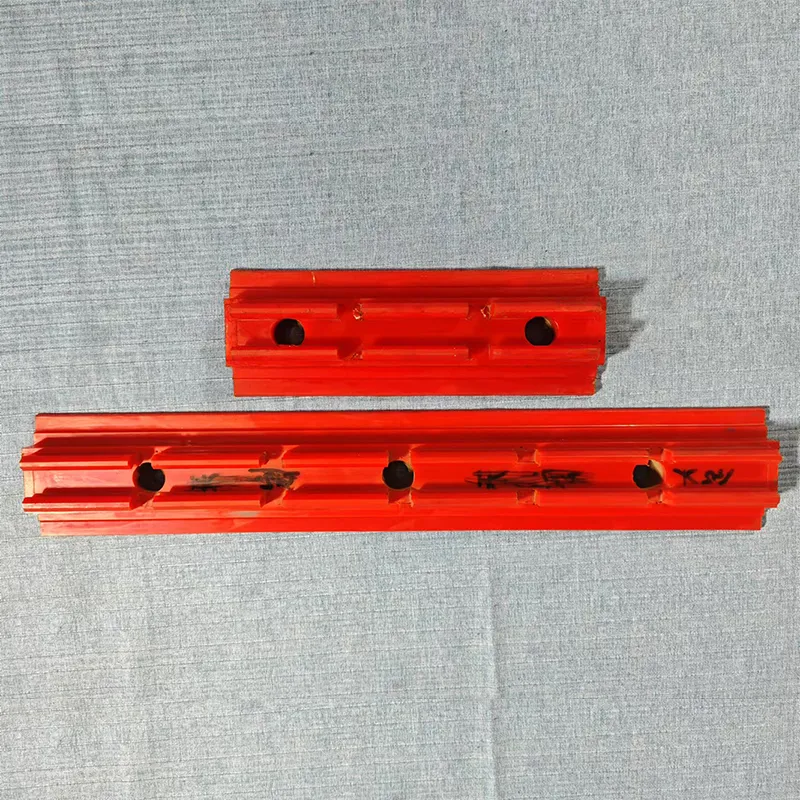
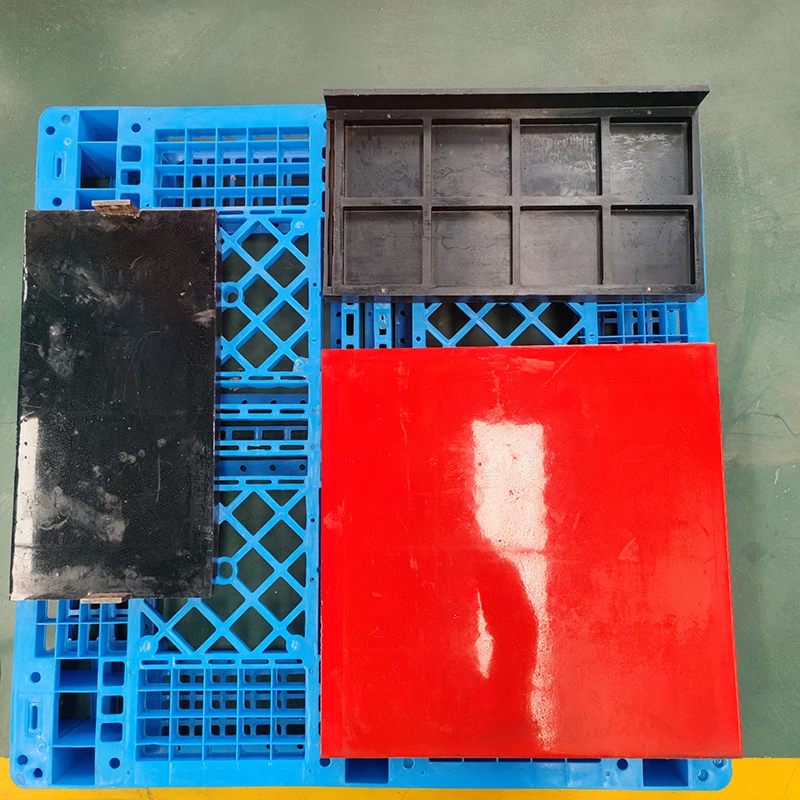
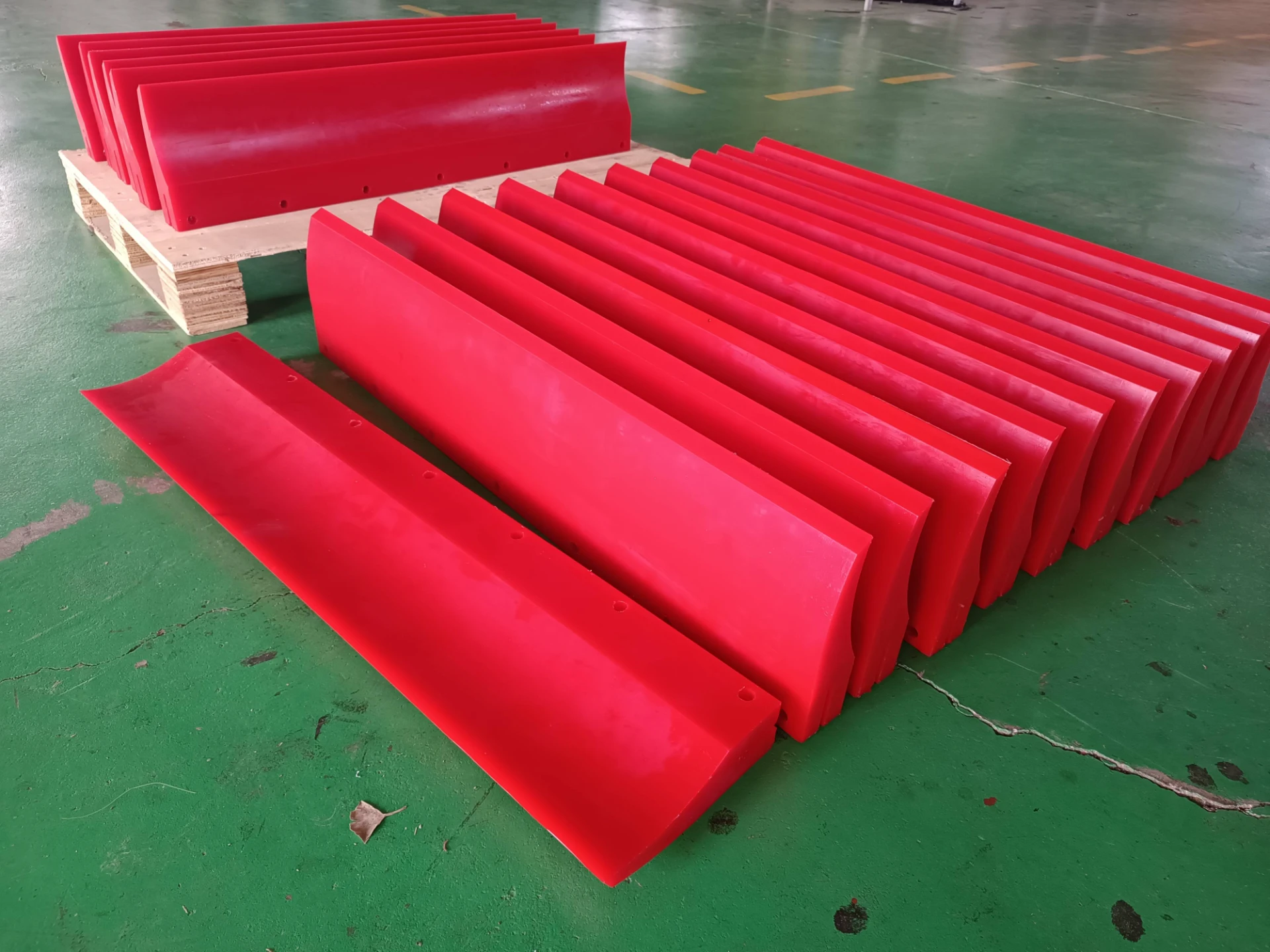
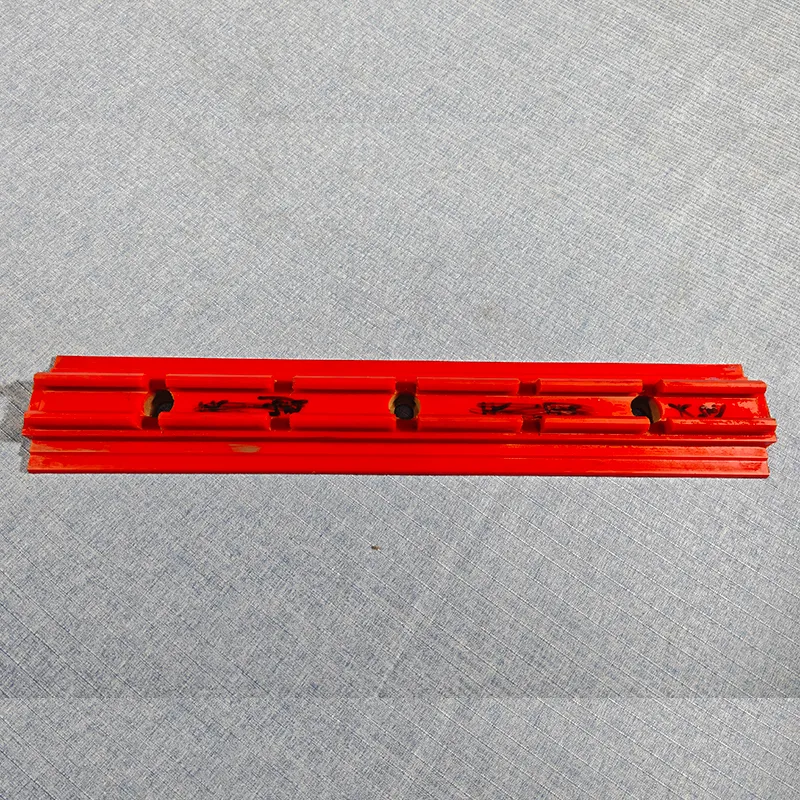
Made in Hehuang Road, Anping County, Hengshui, Hebei Province, this Polyurethane Rail Seat for Vibrating Screen supports and fixes the screen frame, maintaining deck stability and, by extension, product spec. In real sites—aggregates, iron ore, coal prep, and C&D recycling—operators tell me these mounts cut noise and extend service life. To be honest, that tracks with the lab numbers.
What’s trending
- Materials moving from rubber to polyurethane screens components for abrasion resistance and lower dynamic stiffness.
- Modular decks, faster swap-outs, and predictable maintenance intervals.
- Noise-abatement push; managers want 3–6 dB reductions without complicated enclosures.
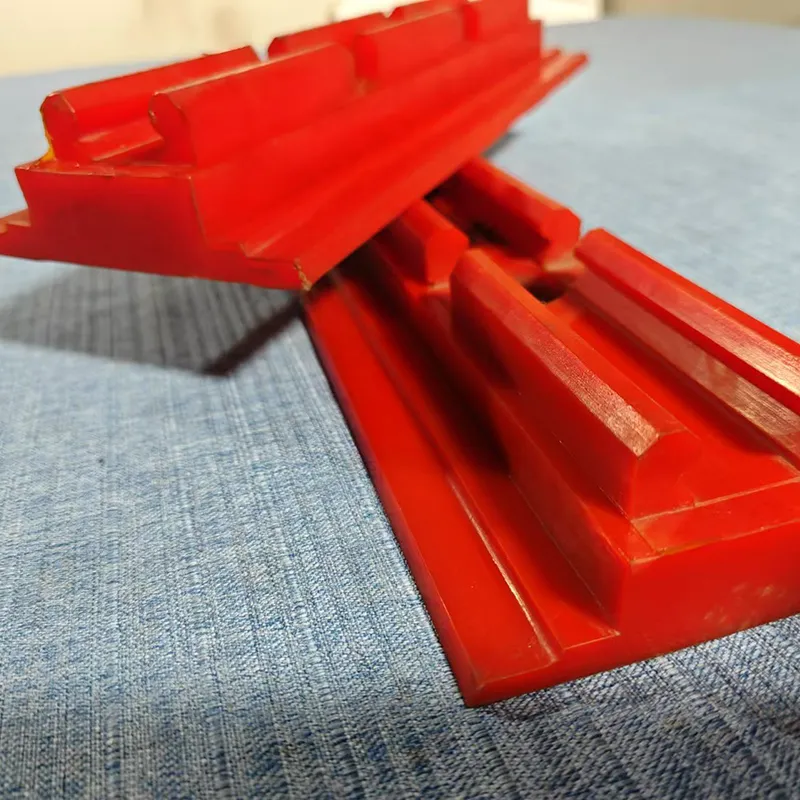
Key specifications (typical)
| Parameter | Spec (≈) | Test / Standard |
|---|---|---|
| Polymer system | Cast PU, hot-cure MDI | Process control (QA records) |
| Hardness | Shore A 85–95 | ASTM D2240 / ISO 868 |
| Abrasion loss | ≤ 60 mm³ | DIN 53516 |
| Tensile strength | ≥ 25 MPa | ISO 37 |
| Operating temperature | -30 °C to 80 °C | Application dependent |
| Expected service life | 1.5–3× rubber mounts (real-world use may vary) | Field data + ISO 10816 vibration checks |
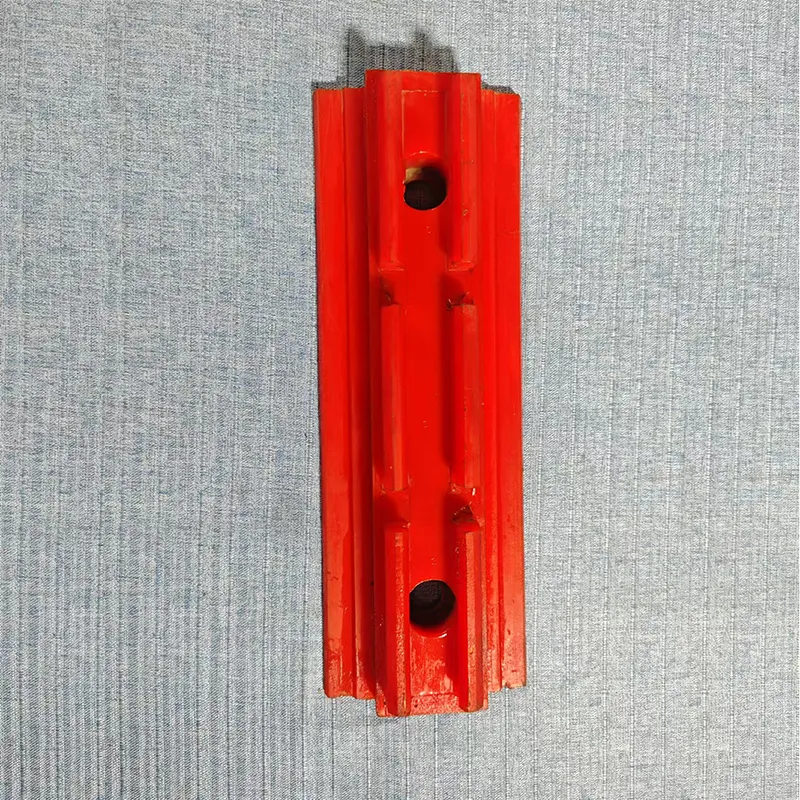
Process flow and QA
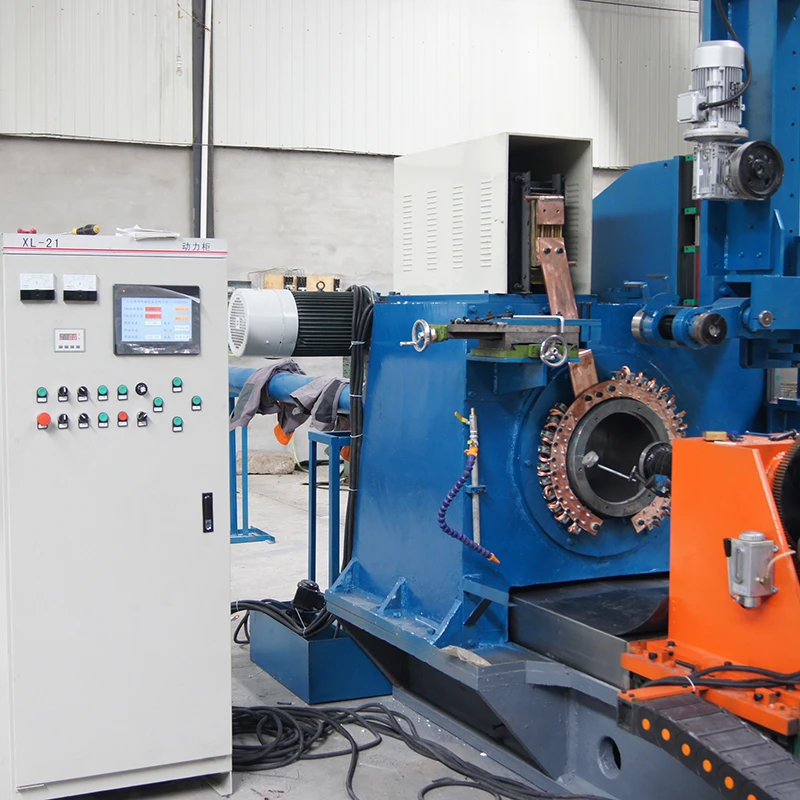
Materials are metered and degassed, then cast into precision molds with controlled cure cycles. After demold, parts are trimmed, post-cured, and measured for flatness and hole spacing. Lot testing includes hardness (ASTM D2240), abrasion (DIN 53516), tensile (ISO 37), and on-rig vibration verification per ISO 10816 guidelines. Many customers say the consistency shows up immediately during installation—no shimming marathons.
Where it’s used and why it wins
- Aggregates, coal prep, iron ore, potash, cement, frac sand, recycling.
- Reduced frame fretting and lower transmitted vibration; typically 3–5 dB noise reduction compared with older rubber seats.
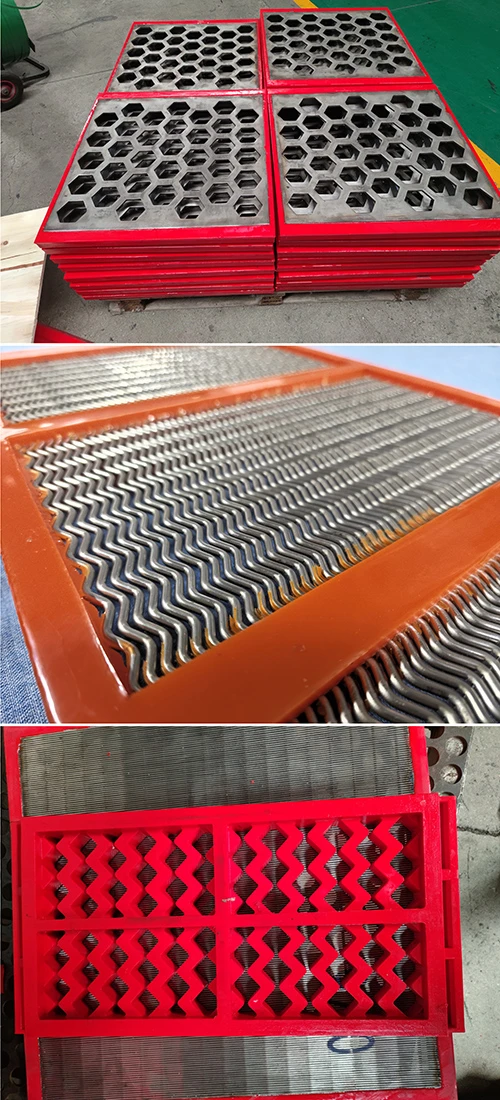
- Better stability for polyurethane screens panels, translating to cleaner cut points.
| Vendor | Material | Customization | Lead time | Certifications |
|---|---|---|---|---|
| MutoScreen (Hebei) | Cast PU, hot-cure | Hole pattern, durometer, co-molded steel | ≈ 10–20 days | ISO 9001; RoHS/REACH on request |
| Local fabricator | PU or rubber | Limited jigs | ≈ 3–6 weeks | Varies |
| Generic importer | PU (unspecified) | Standard only | Stock dependent | Factory CoC |
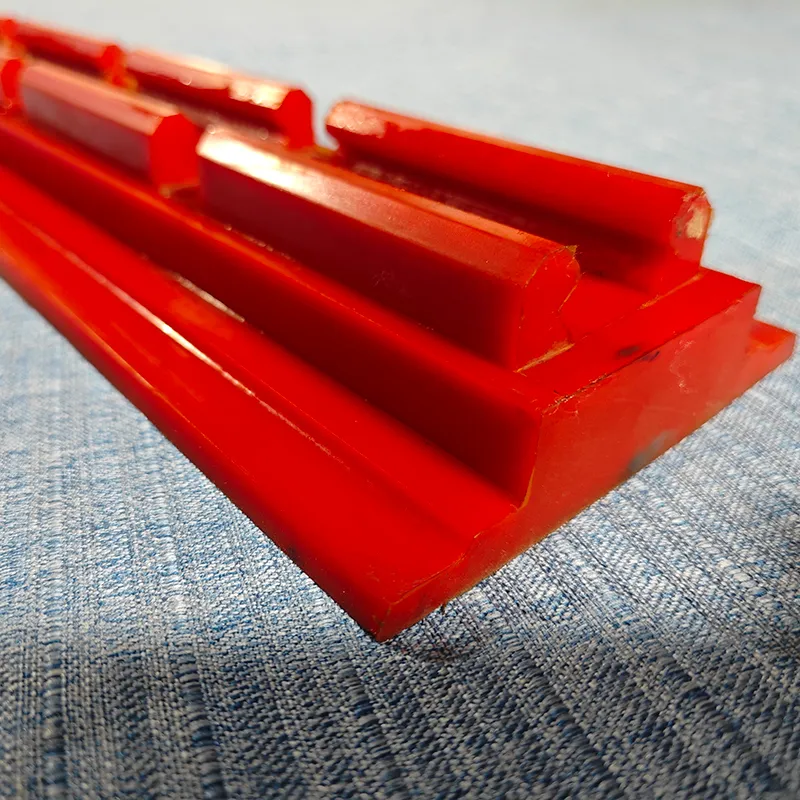
Customization that actually helps
Pick Shore A 85 for shock damping or 95 if you chase longevity on sharp basalt. Match bolt patterns/rail widths to your deck. Co-molded steel inserts and color coding for maintenance are available. I guess the small touches—radius tweaks, chamfers to avoid pinch points—save hours during shutdowns.
Case study (field data)
Coal prep plant, Shanxi: replaced aged rubber seats on a 2.4 × 7.3 m banana screen. After retrofit with polyurethane screens rail seats, vibration levels fell within ISO 10816 “good” range; noise dropped ≈4 dB; maintenance logs show 2.1× service life versus prior mounts and 18 hours fewer unplanned stops per quarter. Operators noted steadier cut-point and fewer carryovers.
Compliance and documentation
Factory quality system to ISO 9001:2015, with batch CoA for hardness and abrasion. Material declarations to RoHS/REACH provided on request. Installation and torque specs are supplied; vibration baselining advised at commissioning.
Authoritative citations
- ASTM D2240: Standard Test Method for Rubber Property—Durometer Hardness. https://www.astm.org/d2240
- DIN 53516: Testing of rubber—Determination of abrasion resistance. https://www.din.de
- ISO 37: Rubber, vulcanized or thermoplastic—Determination of tensile stress-strain properties. https://www.iso.org/standard/68162.html
- ISO 10816-3: Mechanical vibration—Evaluation of machine vibration by measurements on non-rotating parts. https://www.iso.org
- ISO 9001:2015 Quality management systems—Requirements. https://www.iso.org/iso-9001-quality-management.html