Introduction to Polyurethane Foam Nozzles
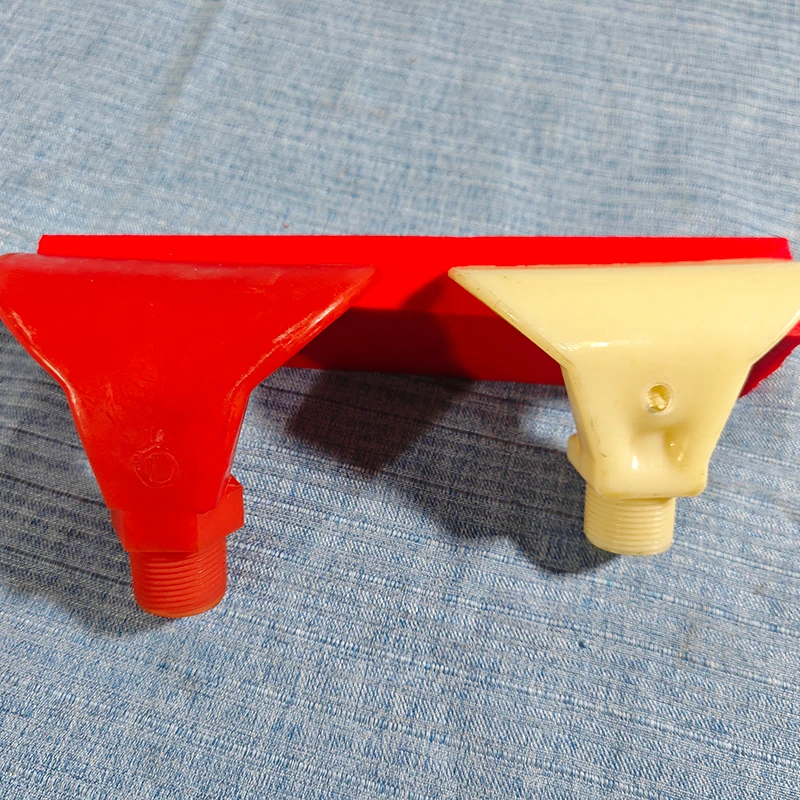
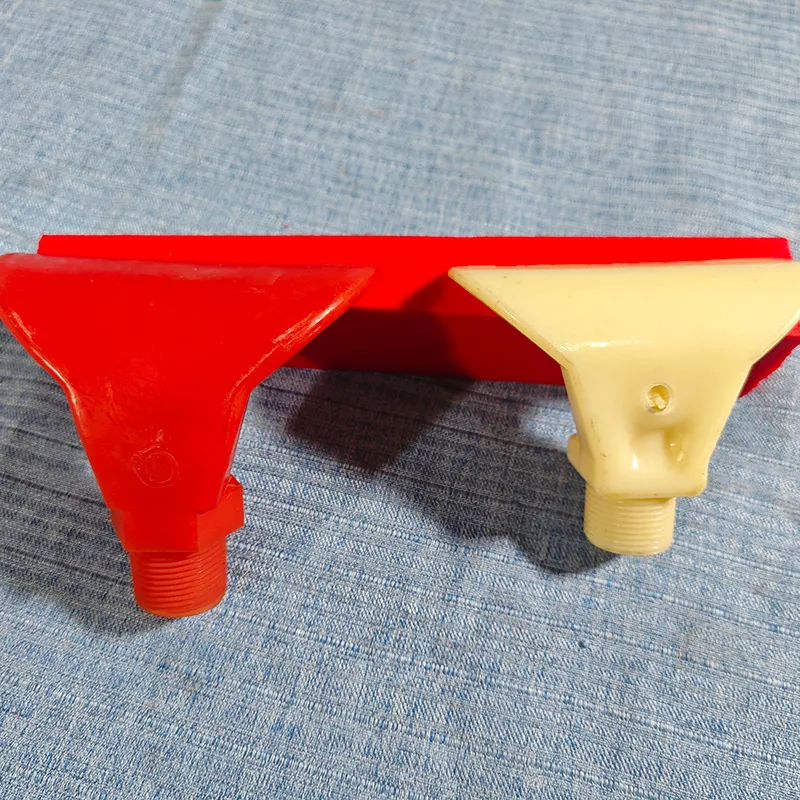
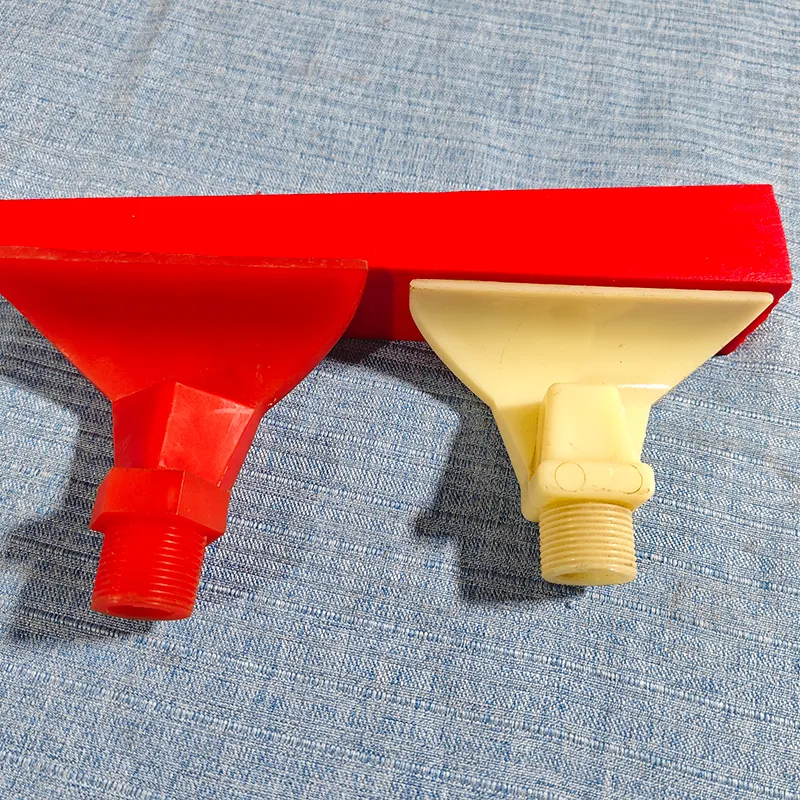
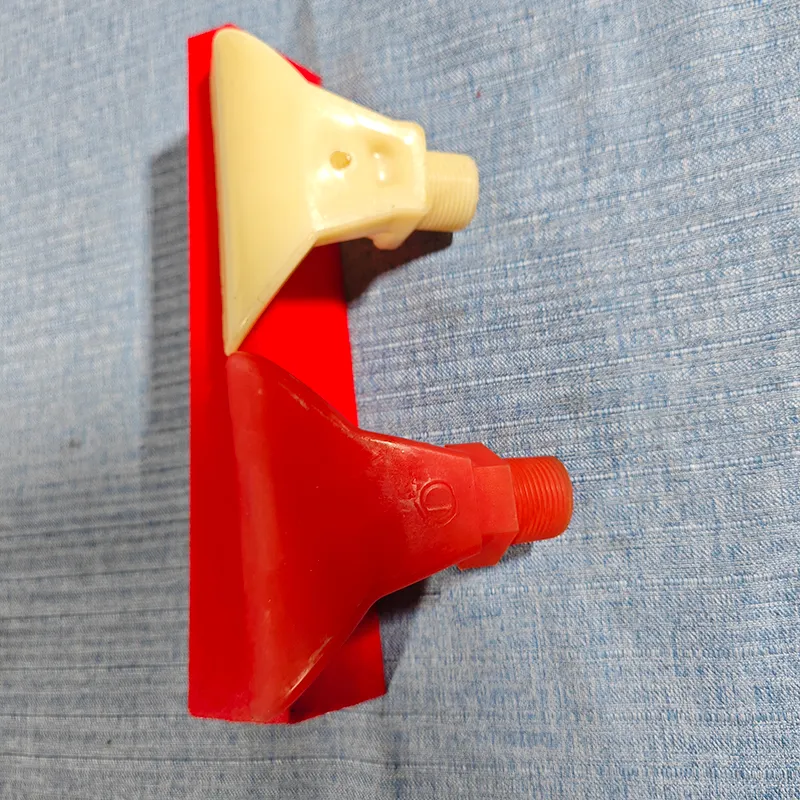
In industrial applications demanding precise fluid delivery, chemical resistance, and wear longevity, the polyurethane foam nozzle stands out as a critical component. These specialized nozzles are engineered to deliver a consistent and controlled spray pattern for various foaming agents, adhesives, sealants, and coatings, particularly where conventional metal or plastic nozzles fall short in durability or chemical compatibility. Their superior material properties make them indispensable across diverse sectors, from construction and automotive to mining and chemical processing. This comprehensive overview delves into their manufacturing, technical specifications, applications, and strategic advantages.
Current Industry Trends and Market Demand
The demand for high-performance fluid handling components continues to surge, driven by advancements in material science and the escalating need for operational efficiency and sustainability. The global industrial nozzle market is projected to reach approximately USD 3.5 billion by 2027, with polyurethane components securing an increasingly significant share due to their unique properties. Key trends include:
- Eco-friendly Formulations: A growing emphasis on sustainable manufacturing processes necessitates nozzles capable of handling bio-based and low-VOC (Volatile Organic Compound) foaming agents without degradation.
- Precision Application: Industries are demanding finer control over spray patterns and droplet sizes, requiring nozzles with enhanced internal geometries and material stability.
- Durability in Harsh Environments: With increasing automation and continuous operation, components must withstand aggressive chemicals, high pressures, and abrasive media, conditions where polyurethane foam nozzle technology excels.
- Customization and Specialization: The market is shifting towards highly customized solutions for specific application requirements, impacting design flexibility and material compositions.
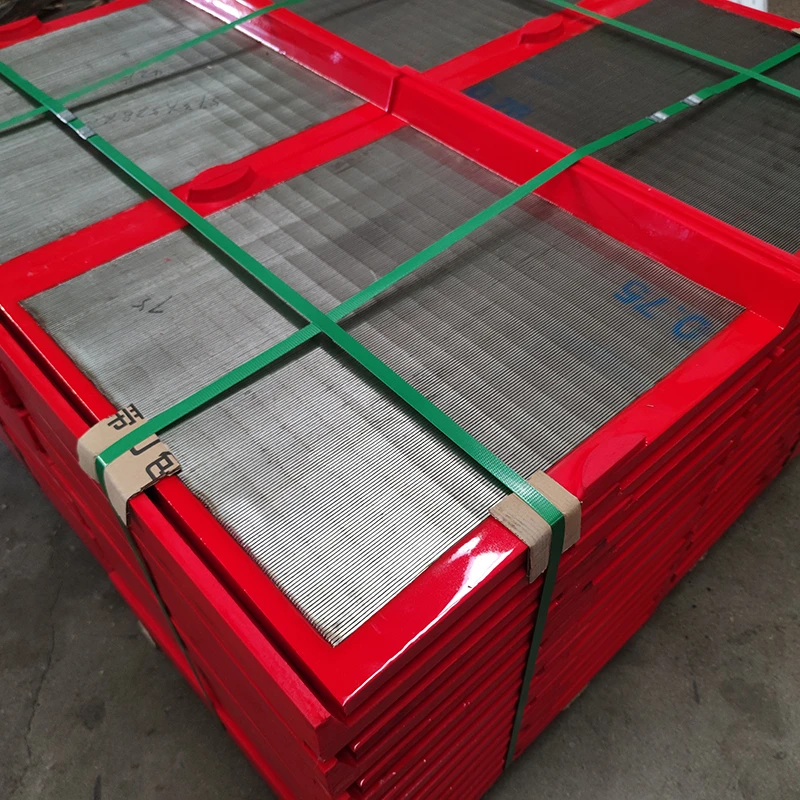
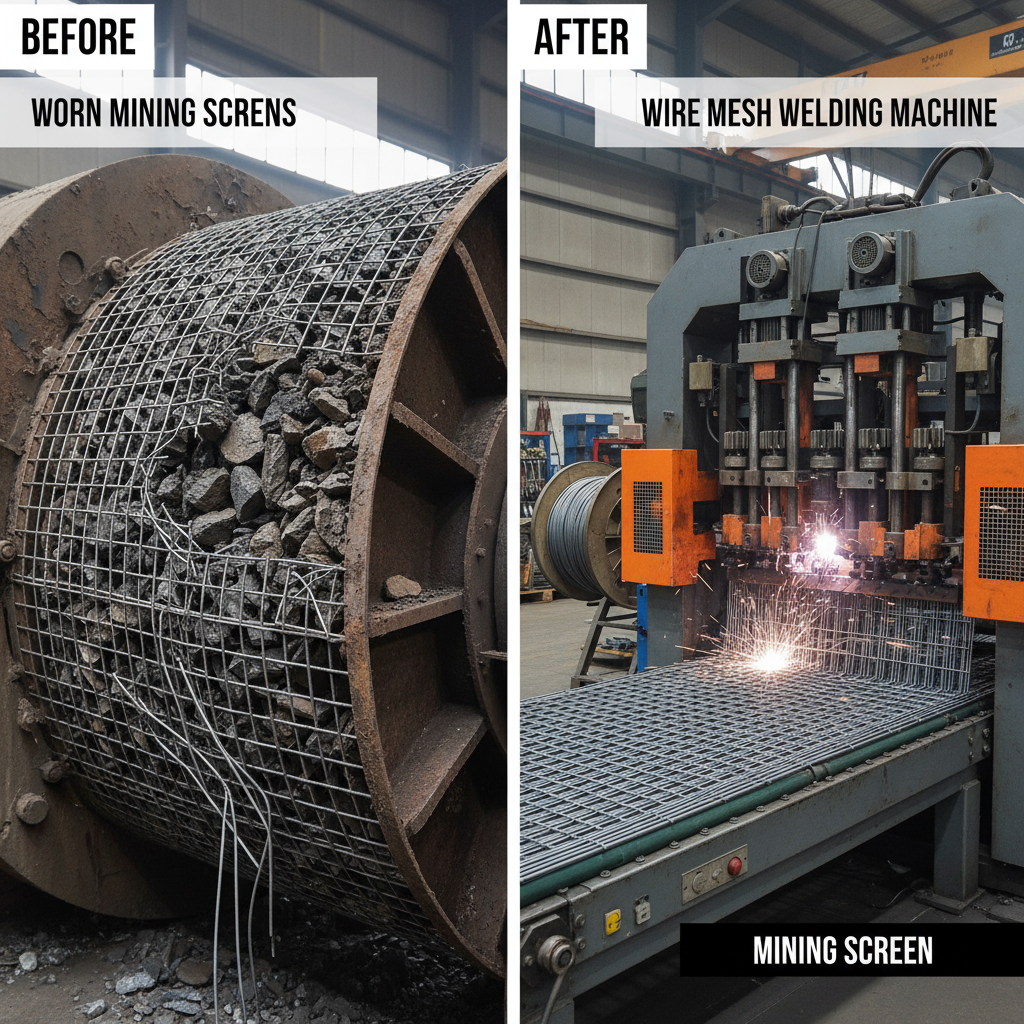
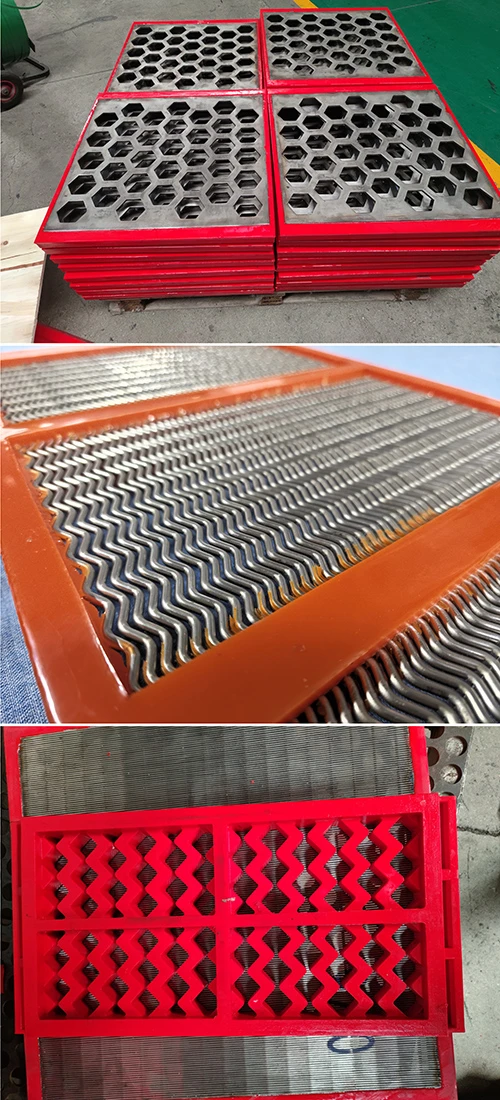
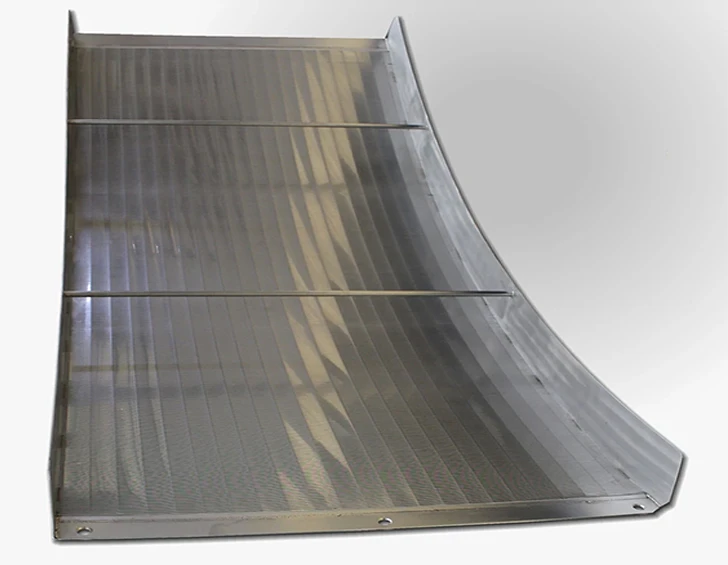
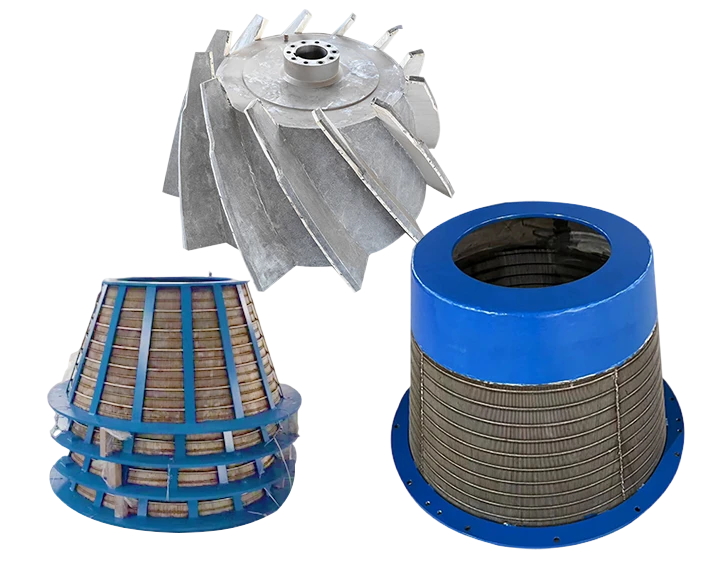
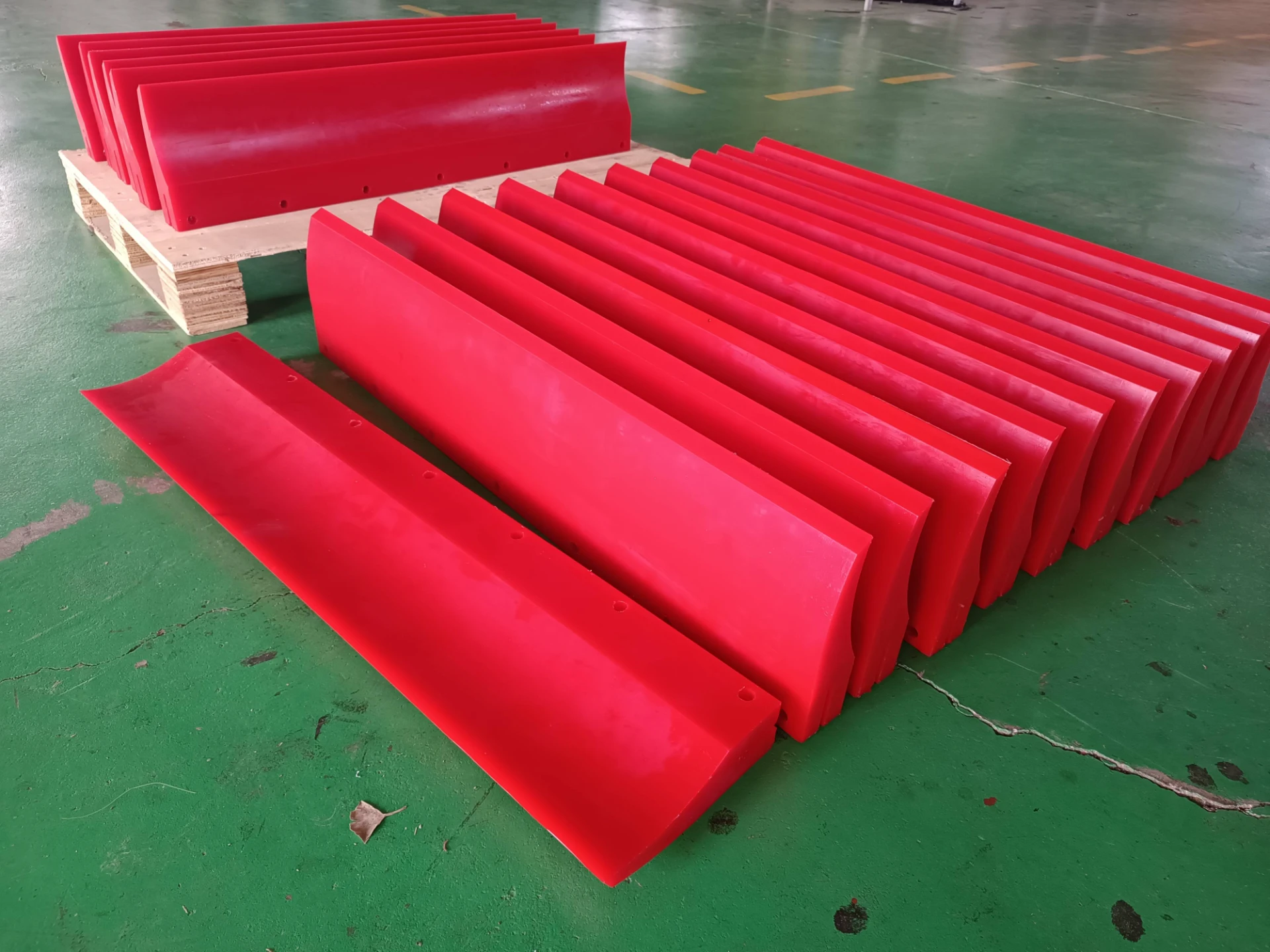
Furthermore, the integration of polyurethane screens and other wear-resistant components in mineral processing and aggregate industries highlights a broader trend towards PU materials for wear parts, reinforcing the value proposition of PU nozzles in abrasive slurry applications. The synergy between durable vibrating screens and robust nozzles on a screening deck contributes to optimized processing efficiency and reduced downtime.
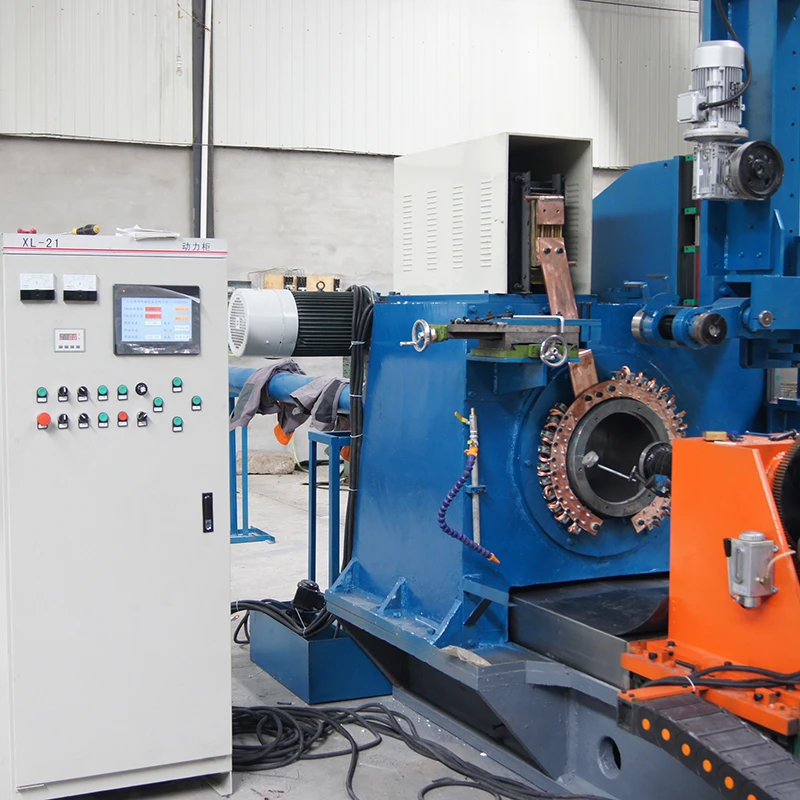
Manufacturing Process of a Polyurethane Foam Nozzle
The production of a high-quality polyurethane foam nozzle involves a sophisticated, multi-stage process designed to achieve precise geometries, optimal material properties, and consistent performance.
Process Flow Overview:
- Material Selection and Preparation:
- Materials: High-grade polyurethane elastomers (e.g., polyester or polyether polyurethanes) are selected based on required hardness (typically 70A to 95A Shore hardness), chemical resistance, and abrasion resistance profiles. Specific additives for UV stability, hydrolysis resistance, or flame retardancy may be incorporated.
- Preparation: Raw materials (prepolymer, curative, and additives) are precisely measured and conditioned to specified temperatures and humidity levels to ensure consistent reaction kinetics.
- Casting/Molding:
- Mixing: The liquid prepolymer and curative are meticulously mixed under vacuum to eliminate air bubbles, which can compromise structural integrity and performance.
- Pouring/Injection: The mixed polyurethane liquid is then cast into precision molds. For intricate geometries or high volumes, injection molding or reaction injection molding (RIM) techniques may be employed, ensuring uniform fill and minimal internal stress.
- Curing: The cast parts undergo a controlled curing process (typically thermal curing) in ovens, allowing the polyurethane to polymerize and achieve its final mechanical properties. Curing cycles are precisely managed for temperature and duration.
- Post-Processing and Machining:
- Demolding: Once cured, the nozzles are carefully demolded.
- Trimming: Excess material (flash) is precisely trimmed.
- CNC Machining (if required): For extremely tight tolerances or complex internal flow paths, secondary CNC machining may be performed to refine critical dimensions, nozzle orifice geometry, and thread specifications. This ensures optimal spray pattern and flow rate.
- Quality Control and Testing:
- Dimensional Inspection: Each polyurethane foam nozzle undergoes rigorous dimensional inspection using calipers, micrometers, and optical comparators to verify adherence to design specifications.
- Performance Testing: Critical performance parameters such as flow rate, spray pattern uniformity, pressure drop, and atomization quality are tested under simulated operating conditions.
- Material Property Verification: Hardness (Shore A/D), tensile strength, elongation, tear strength, and abrasion resistance are periodically checked against material standards.
- Testing Standards: Adherence to international standards like ISO 9001 for quality management, and relevant ANSI or ASTM standards for material properties and testing methods, ensures product reliability.
- Final Finishing and Packaging:
- The finished nozzles are cleaned, deburred, and prepared for packaging, often with protective inserts to prevent damage during transit.
This meticulous manufacturing process ensures that each polyurethane foam nozzle delivers exceptional service life, often exceeding that of traditional materials by 3-5 times in abrasive or corrosive environments.
Technical Specifications and Parameters
The performance of a polyurethane foam nozzle is defined by its precise technical specifications, tailored to meet demanding industrial requirements.
Typical Product Specifications:
| Parameter | Typical Value/Range | Description |
|---|---|---|
| Material Hardness | 70A - 95A Shore | Optimized for wear resistance and flexibility. |
| Operating Temperature | -40°C to +80°C (Intermittent up to 100°C) | Ensures stability across diverse thermal conditions. |
| Max Operating Pressure | Up to 20 MPa (2900 psi) | Suitable for high-pressure spray applications. |
| Abrasion Resistance | Excellent (DIN 53516 < 25 mm³) | Superior resistance to abrasive slurries and particles. |
| Chemical Compatibility | Acids, bases, solvents (specific grades) | Resistant to a broad range of industrial chemicals. |
| Tensile Strength | 35-60 MPa | High strength to withstand mechanical stress. |
| Elongation at Break | 400-600% | Exceptional flexibility and resistance to deformation. |
| Specific Gravity | 1.1 - 1.25 g/cm³ | Relatively lightweight compared to metallic alternatives. |
These parameters are crucial for engineers when specifying nozzles for new installations or replacements, ensuring compatibility with operational demands and fluid characteristics.
Application Scenarios Across Key Industries
The versatility and robust performance of the polyurethane foam nozzle make it indispensable across a spectrum of heavy industries.
- Mining and Mineral Processing: Utilized for dust suppression, dewatering, and washing operations, especially with abrasive slurries containing sand, coal, or ore. Paired with polyurethane screens, these nozzles extend the life of entire vibrating screens and screening decks, reducing maintenance downtime and operational costs.
- Petrochemical and Chemical Plants: For precise application of anti-corrosion coatings, sealants, and fireproofing foams in environments exposed to aggressive chemicals and varying temperatures. Their chemical resistance is paramount here.
- Water Supply & Drainage Systems: Employed in wastewater treatment for aeration, foam suppression, and application of coagulants or flocculants. The non-corrosive nature of polyurethane ensures longevity in aquatic environments.
- Construction and Insulation: Essential for applying expanding foams for insulation, sealing gaps, and reinforcing structures. The precise spray pattern of a polyurethane foam nozzle is critical for uniform coverage and material efficiency.
- Automotive and Manufacturing: Used for applying adhesives, sound-dampening foams, and protective coatings in assembly lines. The ability to handle high viscosity and reactive fluids accurately is a key advantage.
In these scenarios, the key advantages demonstrated include significant energy savings due to optimized flow dynamics, superior corrosion resistance against harsh media, and exceptional wear resistance, leading to extended operational cycles.
Technical Advantages of Polyurethane Foam Nozzles
Compared to nozzles made from traditional materials like metals, ceramics, or other plastics, polyurethane offers a distinct suite of advantages:
- Superior Abrasion Resistance: Polyurethane's unique molecular structure provides outstanding resistance to wear from abrasive particles, significantly extending nozzle life in slurry applications, often outperforming steel by a factor of 3-5 times in documented field tests. This reduces replacement frequency and associated labor costs.
- Exceptional Chemical Resistance: Specific polyurethane formulations are highly resistant to a wide array of acids, alkalis, oils, and solvents, ensuring consistent performance in corrosive chemical processing environments where metallic nozzles would quickly degrade.
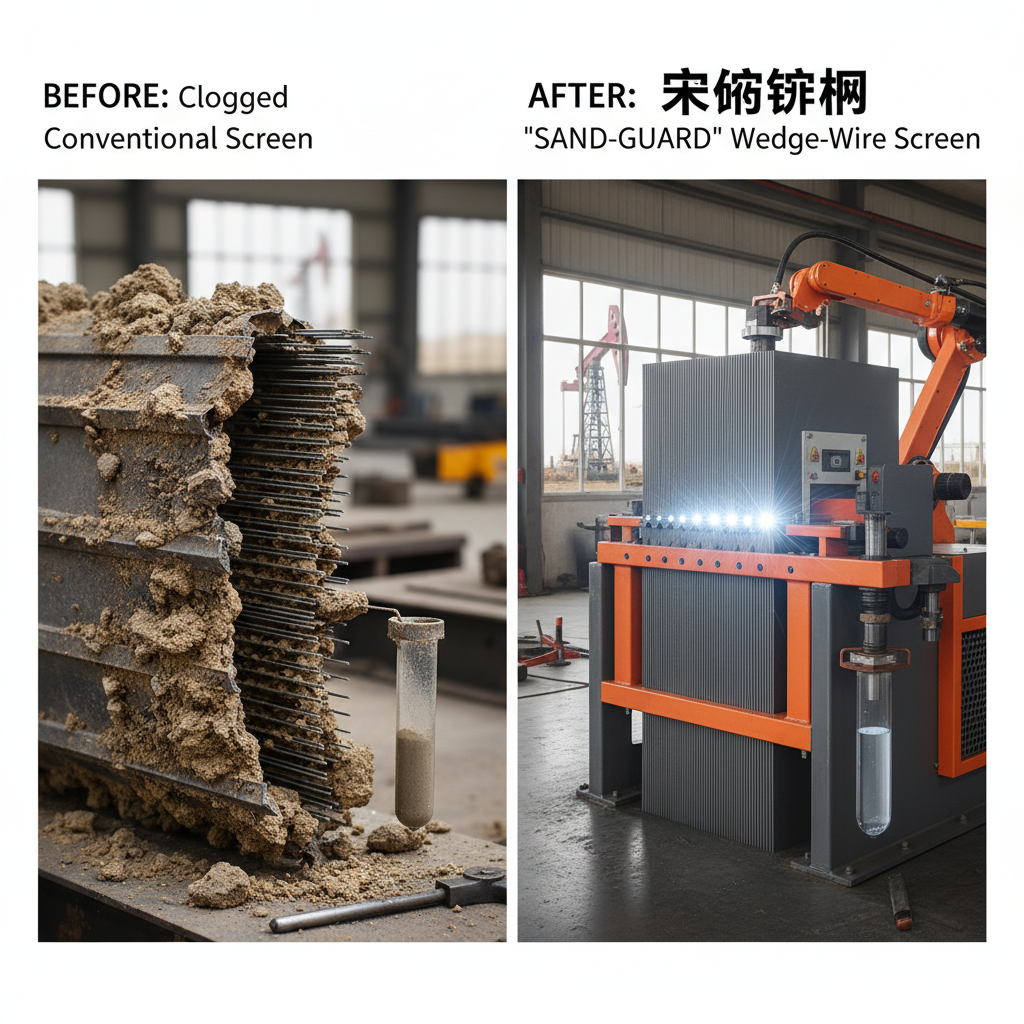
- Reduced Clogging: The smooth, non-stick surface of polyurethane helps prevent material buildup and crystallization, minimizing clogging issues common with viscous or particulate-laden fluids.
- Impact and Vibration Dampening: Polyurethane's elastomeric properties allow it to absorb impact and dampen vibrations, leading to less stress on the nozzle body and connected piping, thus extending the lifespan of the entire system.
- Lighter Weight: Significantly lighter than metallic alternatives, making installation and maintenance easier, and reducing overall structural load in large-scale systems.
- Noise Reduction: The material’s inherent dampening characteristics also contribute to reduced operational noise in high-pressure spray applications.
- Cost-Effectiveness: While the initial unit cost might sometimes be comparable to or slightly higher than basic metallic options, the extended service life and reduced maintenance translate into a significantly lower Total Cost of Ownership (TCO).
These technical advantages underscore why the polyurethane foam nozzle is increasingly the preferred choice for demanding B2B applications where reliability and longevity are paramount.
Vendor Comparison: Polyurethane vs. Traditional Nozzles
Choosing the right nozzle material is a critical decision impacting operational efficiency and long-term costs. Below is a comparison highlighting the distinct advantages of polyurethane against common alternatives.
| Feature/Material | Polyurethane | Stainless Steel | Ceramic | PVC/Plastic |
|---|---|---|---|---|
| Abrasion Resistance | Excellent (Highest) | Good (Can pit/erode) | Excellent (Brittle failure) | Poor |
| Chemical Resistance | Excellent (Broad spectrum) | Good (Specific chemicals cause corrosion) | Excellent | Good (Limited to certain chemicals) |
| Impact Resistance | Excellent | Good | Poor (Brittle) | Fair |
| Weight | Low | High | Medium | Very Low |
| Cost (Initial) | Medium | Medium | High | Low |
| Service Life (Abrasive Apps) | Very Long | Short to Medium | Long (if no impact) | Very Short |
This comparison clearly illustrates that while traditional materials have their niches, the polyurethane foam nozzle offers an unparalleled combination of properties for applications requiring resilience against abrasion, impact, and chemical attack, ultimately delivering superior long-term value.
Customized Solutions
Recognizing that off-the-shelf solutions may not always meet the unique demands of specialized industrial processes, we offer extensive customization capabilities for the polyurethane foam nozzle. Our engineering team collaborates closely with clients to develop tailor-made designs.
- Material Formulation: Adjusting polymer chemistry to enhance specific properties like higher temperature resistance, improved chemical compatibility for exotic reagents, or specialized Shore hardness for extreme abrasion.
- Spray Pattern Design: Customizing orifice geometry, internal passages, and nozzle tip profiles to achieve specific spray angles (e.g., full cone, flat fan, solid stream), droplet sizes, and flow rates required for precise coating, washing, or foaming applications.
- Mounting and Connection: Designing custom thread types, flange connections, or mounting mechanisms to ensure seamless integration with existing piping and equipment.
- Size and Geometry: Producing nozzles in non-standard dimensions, from miniature designs for fine control to large-scale units for high-volume applications, including complex multi-orifice designs.
Our design process includes advanced CAD modeling and CFD (Computational Fluid Dynamics) simulations to predict performance before physical prototyping, ensuring that the customized polyurethane foam nozzle meets exact specifications and performs optimally in its intended environment.
Application Case Studies
Case Study 1: Mining Sector - Dust Suppression System Upgrade
A major iron ore mining operation in Western Australia faced persistent issues with premature wear of their stainless steel spray nozzles used in dust suppression systems on conveyor belts and vibrating screens. The highly abrasive iron ore fines, combined with high-pressure water, caused severe erosion, leading to nozzle replacements every 3-4 months.
Solution: We supplied custom-designed polyurethane foam nozzle units with an optimized wide-angle flat-fan spray pattern, fabricated from 90A Shore polyurethane.
Results: Post-implementation, the service life of the nozzles extended to over 18 months, representing a 4.5x increase in operational longevity. This reduced maintenance costs by 75% annually and significantly minimized downtime, contributing to improved air quality and compliance with environmental regulations. The client reported a substantial ROI within the first year.
Case Study 2: Chemical Processing - Corrosive Slurry Spray
A chemical plant producing phosphoric acid experienced frequent failures of their Hastelloy alloy nozzles in a slurry spraying application, where the acidic, abrasive slurry eroded the nozzles within weeks. The inconsistent spray pattern also led to inefficient reaction processes.
Solution: We provided specially formulated chemical-resistant polyurethane foam nozzle components. These nozzles were designed with a solid cone spray pattern to ensure maximum coverage and reaction efficiency.
Results: The polyurethane nozzles demonstrated exceptional resistance to the phosphoric acid slurry, achieving a service life of over 12 months, compared to the previous 2-3 week lifespan. The consistent spray pattern improved process efficiency by 10%, leading to better product yield and significantly reduced material wastage and hazardous waste generation.
Commitment to Quality and Customer Trust ()
Frequently Asked Questions (FAQ)
A: While ceramic nozzles offer excellent hardness and abrasion resistance, they are inherently brittle and highly susceptible to impact damage and thermal shock. Polyurethane nozzles, by contrast, combine superior abrasion resistance with high elasticity and impact strength, making them more robust in applications involving particulate impact or fluctuating temperatures, leading to longer effective service life in dynamic environments.
A: Standard product lead times are typically 2-4 weeks. For custom designs, initial consultation and prototyping may take 4-6 weeks, followed by production lead times of 3-5 weeks, depending on complexity and order volume. We prioritize efficient communication throughout the process.
A: Yes, all our polyurethane foam nozzle products come with a standard 12-month limited warranty covering manufacturing defects. Extended warranty options and performance guarantees for specific applications can be discussed based on project scope and volume.
Lead Time & Fulfillment
We maintain robust manufacturing capabilities and strategic inventory management to ensure timely delivery. Standard products are typically dispatched within 10-15 business days. For urgent requirements or large-scale projects, our team works closely with clients to establish tailored production and logistics schedules. Our global distribution network ensures efficient fulfillment across continents.
Warranty & After-Sales Support
Our commitment extends beyond product delivery. Each polyurethane foam nozzle is backed by a comprehensive warranty against defects in materials and workmanship, reflecting our confidence in our stringent quality control. Our dedicated after-sales support team provides technical assistance, troubleshooting, and guidance on optimal product usage and maintenance. We offer on-site consultation and training for complex installations to ensure maximum performance and longevity of our products.
Our ISO 9001 certified manufacturing facilities and decades of experience serving industry leaders in mining, petrochemicals, and water treatment, attest to our authoritative position and trustworthiness in providing high-performance polyurethane solutions.
Conclusion
The polyurethane foam nozzle represents a pinnacle of material science and engineering, offering unrivaled performance in applications characterized by abrasion, corrosion, and impact. Its superior durability, chemical resistance, and precision make it an economically sound choice for industries seeking to optimize operational efficiency, reduce maintenance costs, and enhance overall system longevity. By embracing advanced manufacturing techniques and a commitment to customization and rigorous quality control, these specialized nozzles are set to drive further innovation in fluid handling across the industrial landscape.
References
- Polyurethane Elastomers Handbook. CRC Press, 2012.
- ISO 9001:2015 Quality Management Systems – Requirements. International Organization for Standardization.
- ASTM International Standards for Plastics and Polymeric Materials.
- Global Industrial Nozzle Market Outlook, 2021-2027. Market Research Future.
- Polyurethanes in Mining Applications: A Review. Journal of Materials Science Research, 2019.