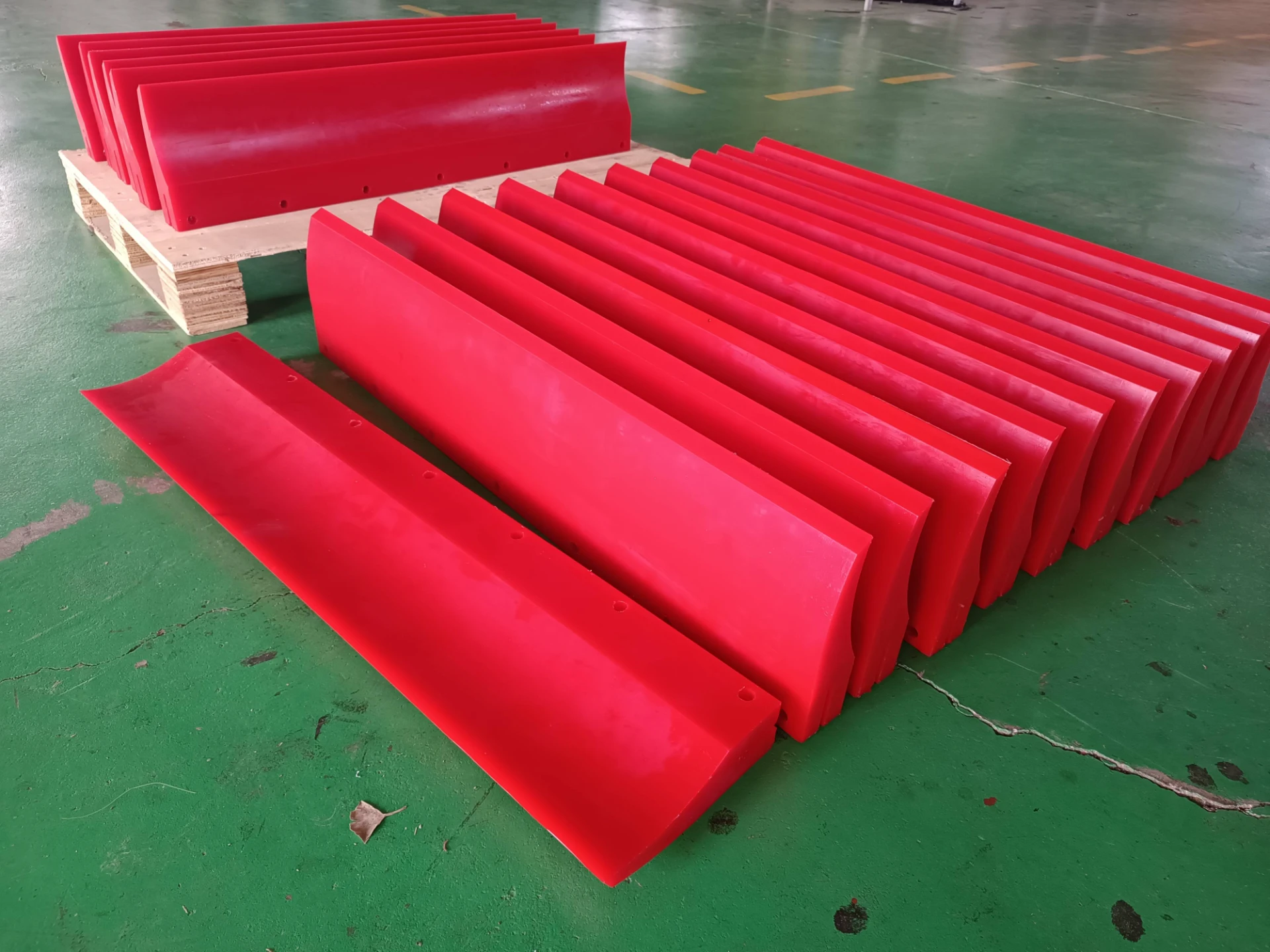
Understanding Flip Flow Screens: A Critical Overview for Industrial Applications
In demanding industrial environments, efficient and reliable screening solutions are paramount for processing a wide array of materials, from moist and sticky aggregates to fine, dry powders. Among the advanced screening technologies available, the flip flow screen for sale stands out as a highly effective choice. These specialized screens are engineered to overcome common challenges associated with traditional screening methods, such as blinding and pegging, by utilizing a unique mat flexing action. This comprehensive article delves into the intricacies of flip flow screen technology, covering their operational principles, manufacturing excellence, diverse applications, and tangible benefits for B2B stakeholders seeking to optimize their material processing operations.
The innovative design of a flip flow screen allows for aggressive acceleration and deceleration of the screen mats, creating a trampoline-like effect. This dynamic movement ensures that even difficult-to-screen materials are effectively separated, leading to higher throughput, cleaner products, and significantly reduced downtime. For industries handling damp coal, contaminated soil, municipal solid waste, or recycled construction materials, investing in a robust flip flow screen for sale is a strategic decision that promises enhanced productivity and cost efficiency.
Manufacturing Excellence: The Process Flow of a Flip Flow Screen
The creation of a high-performance flip flow screen for sale involves a meticulously controlled manufacturing process, ensuring durability, precision, and operational longevity. From raw material selection to final assembly and testing, every stage adheres to stringent quality standards.
Key Manufacturing Steps:
- Design and Engineering: Utilizing advanced CAD/CAM software, screens are designed to specific material characteristics and application requirements. Finite Element Analysis (FEA) is often employed to simulate stress points and optimize structural integrity.
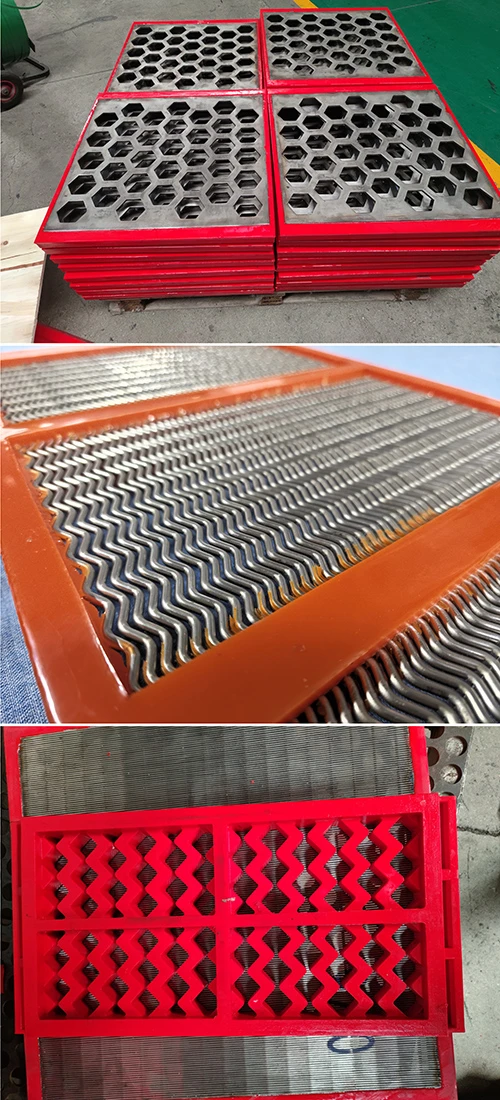
- Material Selection: Critical components, particularly the screen mats, are typically made from highly wear-resistant elastic polyurethane (PUR) or specialized rubber compounds. The frame structure commonly uses high-strength structural steel alloys to withstand continuous vibratory loads and corrosive environments in industries like petrochemical and metallurgy.
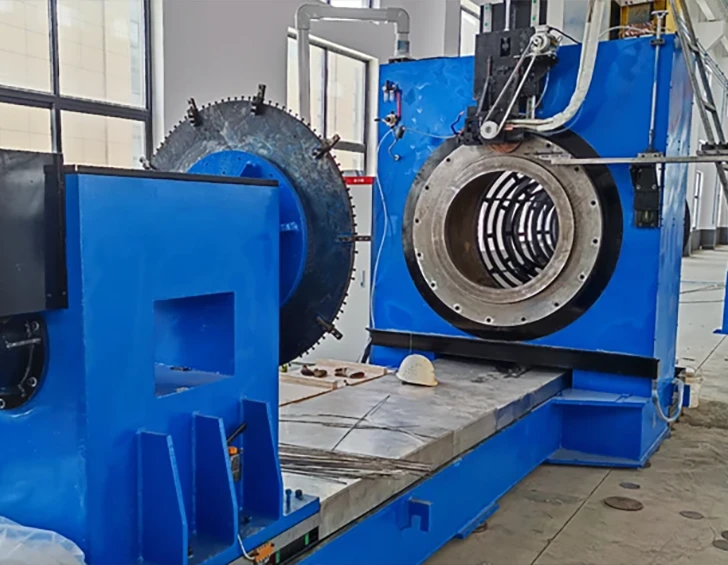
- Frame Fabrication: Steel components undergo precision cutting, often via laser or plasma, followed by robust welding techniques. Post-welding, stress relief procedures like heat treatment (annealing) are applied to enhance structural stability and service life.
- Component Machining: Key mechanical parts, such as eccentric shafts, bearings, and drive mechanisms, are precision-machined using CNC (Computer Numerical Control) equipment. This ensures tight tolerances critical for smooth operation and minimal vibration. Forged or cast components are utilized where high strength and complex geometries are required, followed by precise grinding and finishing.
- Surface Treatment: To enhance corrosion resistance and extend service life, components often receive advanced surface treatments. This includes shot blasting for optimal paint adhesion, multi-layer epoxy coating, or specialized anti-corrosion paints, particularly crucial for water supply & drainage or chemical processing industries.
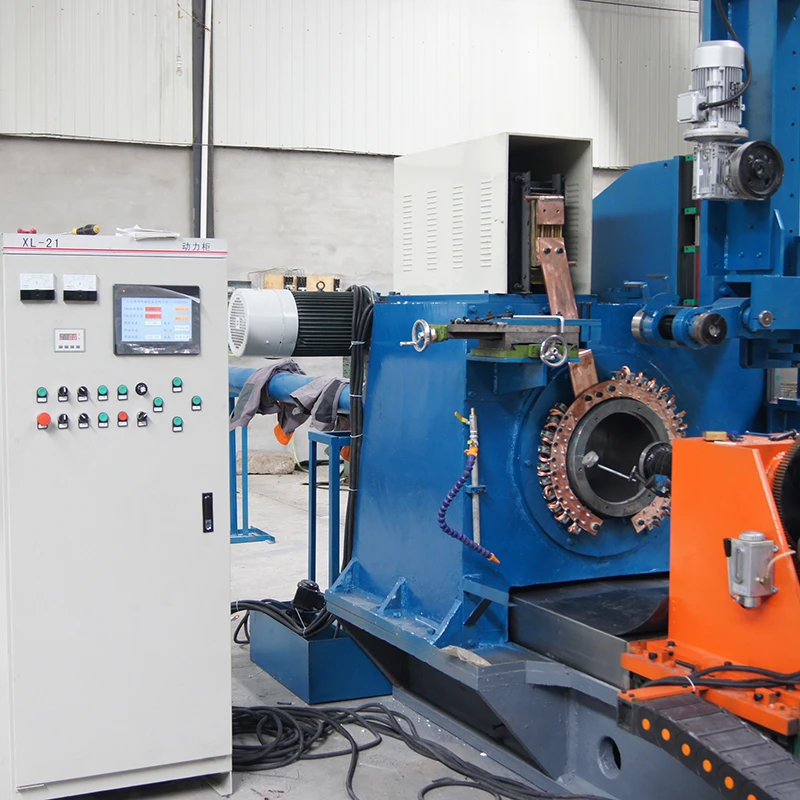
- Assembly: Skilled technicians assemble the various modules, integrating the drive system, support frame, and the flexible screen mats. This stage often involves precise calibration of the vibrating system to achieve the optimal stroke and frequency for material separation.
- Quality Control and Testing: Each flip flow screen for sale undergoes rigorous testing. This includes structural integrity tests, vibration analysis, noise level assessments, and trial runs with simulated materials to verify screening efficiency and throughput. Adherence to international standards like ISO 9001 for quality management and ANSI standards for specific mechanical components is routinely checked. The expected service life for well-maintained flip flow screens can exceed 10-15 years, a testament to their robust construction and quality control.
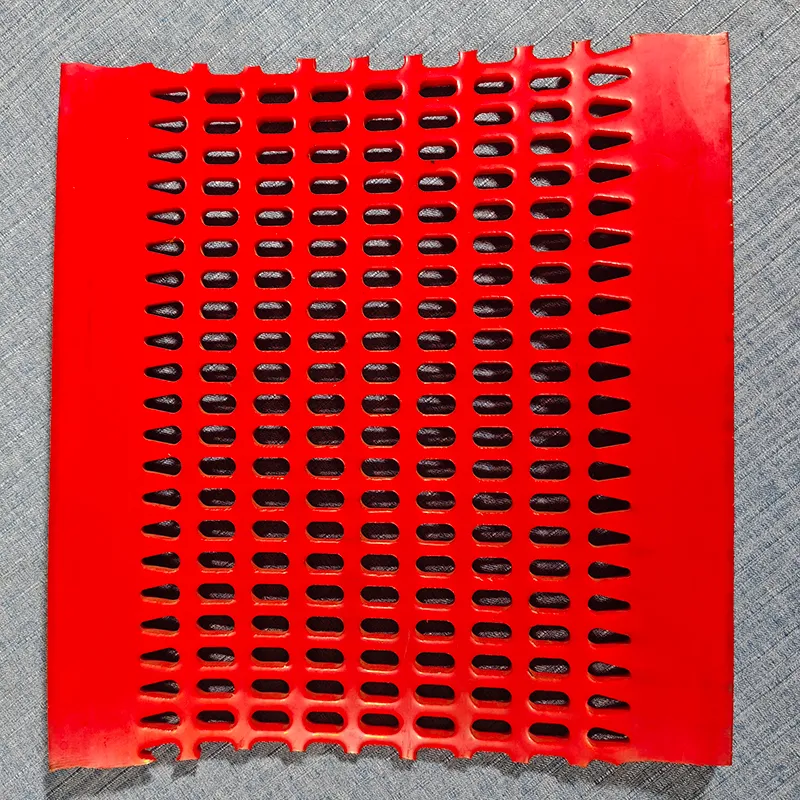
Industry Trends and Technical Specifications of Flip Flow Screens
The market for flip flow screen for sale solutions is continuously evolving, driven by demands for higher efficiency, sustainability, and adaptability. Current trends highlight a move towards modular designs, integration with smart monitoring systems, and increased focus on energy efficiency. Manufacturers are also developing advanced polyurethane compounds for extended wear life and better resistance to specific chemicals or extreme temperatures.
Typical Technical Parameters:
Below is a representative table illustrating common technical specifications you might encounter when evaluating a flip flow screen for sale.
| Parameter | Typical Range/Value | Description |
|---|---|---|
| Screening Area | 5 m² to 25 m² per deck | Effective surface for material separation, influencing capacity. |
| Mesh Size | 2 mm to 50 mm | Determines the size of separated particles; often customizable. |
| Number of Decks | 1 to 3 decks | Allows for multiple product fractions in one machine. |
| Drive Power | 2 x 5.5 kW to 2 x 15 kW | Power required for the vibratory motors, impacts energy consumption. |
| Amplitude (Stroke) | 8 mm to 12 mm | Vertical movement of the screen mats, crucial for anti-blinding. |
| Operating Frequency | 750 RPM to 1000 RPM | Vibration rate, influencing screening intensity. |
| Capacity | 50 TPH to 500 TPH (material dependent) | Throughput rate, a key performance indicator. |
| Max Feed Size | Up to 150 mm | Maximum allowable particle size in the input material. |
Application Scenarios and Technical Advantages
The unique operating principle of a flip flow screen makes it exceptionally suited for challenging screening tasks where conventional vibratory screens struggle. Its ability to process moist, sticky, or fine bulk materials efficiently provides significant technical advantages across various industries.
Key Application Areas:
- Mining and Aggregates: Screening of damp sand, gravel, sticky ores, lignite, and fine coal, including specific applications for flip flop screen for coal. These screens prevent pegging and blinding, ensuring consistent product quality and higher yields.
- Recycling Industry: Processing municipal solid waste (MSW), construction and demolition (C&D) waste, electronic waste, and other mixed, potentially sticky materials. The aggressive action separates fines effectively, improving recovery rates for valuable resources.
- Waste Management: Screening of compost, biomass, slag, and industrial waste for size reduction or material recovery.
- Chemical and Food Processing: Segregating fine powders or granular materials that tend to clump or have high moisture content.
- Metallurgy: Screening of iron ore, coke, and other difficult metallurgical materials.
- Petrochemical: Specialized applications where corrosive environments demand specific material configurations and coatings, leveraging the inherent corrosion resistance of modern screen mat materials.
Technical Advantages:
- Superior Anti-Blinding Capability: The rapid changes in acceleration and deceleration of the flexible screen mats (e.g., flip flow screen mats) prevent particles from sticking or accumulating in the apertures, even with materials having high moisture content or fine, sticky particles. This is a core advantage over traditional screens.
- High Screening Efficiency: Achieves separation rates typically exceeding 90% for challenging materials, leading to purer product streams and reduced material loss.
- Increased Throughput: Due to continuous clear apertures, the effective screening area remains high, allowing for greater material processing volumes compared to static or linear screens that suffer from blinding.
- Reduced Maintenance and Downtime: The self-cleaning action of the mats minimizes the need for manual cleaning or brush systems, translating to lower operational costs and higher machine availability. The use of highly durable materials like polyurethane also contributes to extended component life.
- Energy Saving Potential: While requiring specific power input for vibration, the high efficiency and reduced need for downstream processing (due to better initial separation) can lead to overall energy savings in the entire processing line.
- Corrosion and Abrasion Resistance: The use of specialized polyurethane or rubber screen mats offers excellent resistance to abrasive wear and corrosion from various industrial materials, extending the lifespan significantly in harsh environments.
Vendor Comparison and Customized Solutions
When seeking a flip flow screen for sale, selecting the right vendor is as crucial as the technology itself. Reputable manufacturers offer not just equipment but also expertise, support, and the flexibility for customized solutions tailored to specific operational demands.
Key Differentiating Factors in Vendor Selection:
| Feature | Standard Offering | Premium Offering/Vendor Differentiator |
|---|---|---|
| Screen Mat Material | Standard Polyurethane | Proprietary high-wear-resistant PUR blends, specialized rubber for extreme conditions. |
| Drive System | Dual unbalance motors | Synchronized drives with variable frequency control for precise amplitude/frequency adjustment, energy optimization. |
| Modularity | Fixed frame design | Modular construction for easy capacity expansion or reconfiguration, simplified maintenance. |
| Control System | Basic motor starter | Integrated PLC-based controls with HMI, remote monitoring, and diagnostic capabilities. |
| After-Sales Support | Limited warranty, basic spare parts | Comprehensive service contracts, global parts availability, dedicated technical support, training. |
| Certifications | CE compliance | ISO 9001, OHSAS 18001, specific industry certifications (e.g., ATEX for explosive environments). |
Customized Solutions:
Leading providers of bivitec flip flow screens and similar technologies understand that off-the-shelf solutions rarely fit every unique industrial requirement. Customization can involve:
- Specific Deck Configurations: Adjusting the number of decks (single, double, triple) and their inclination angles to optimize separation for particular particle sizes and material flow.
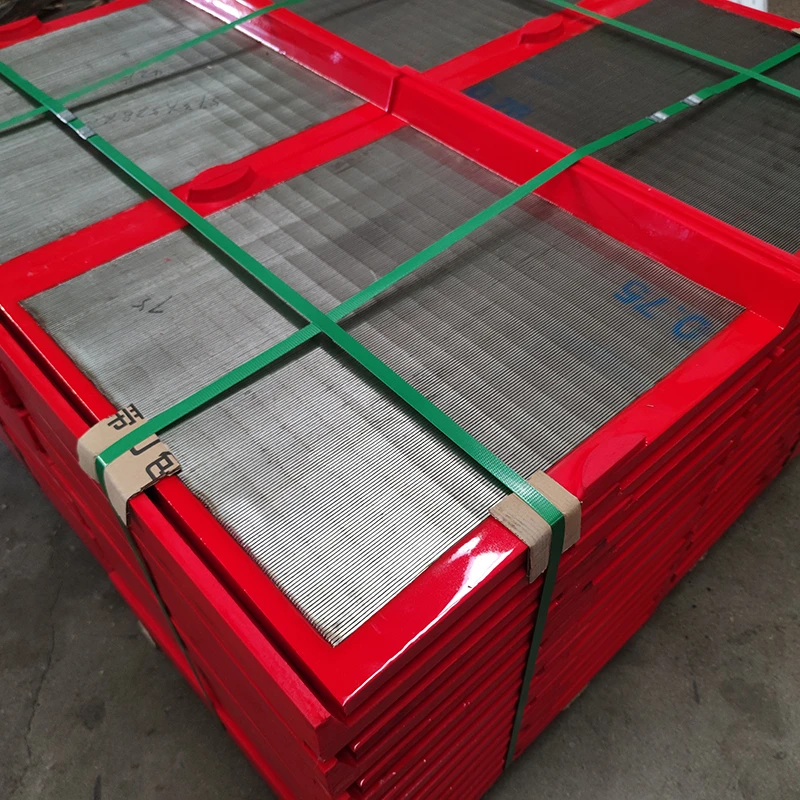
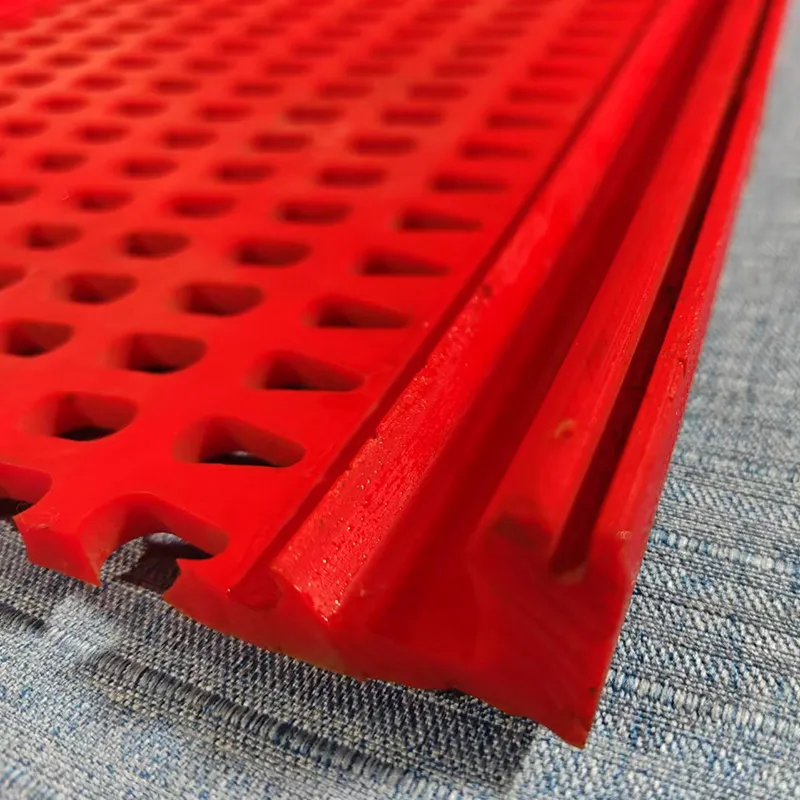
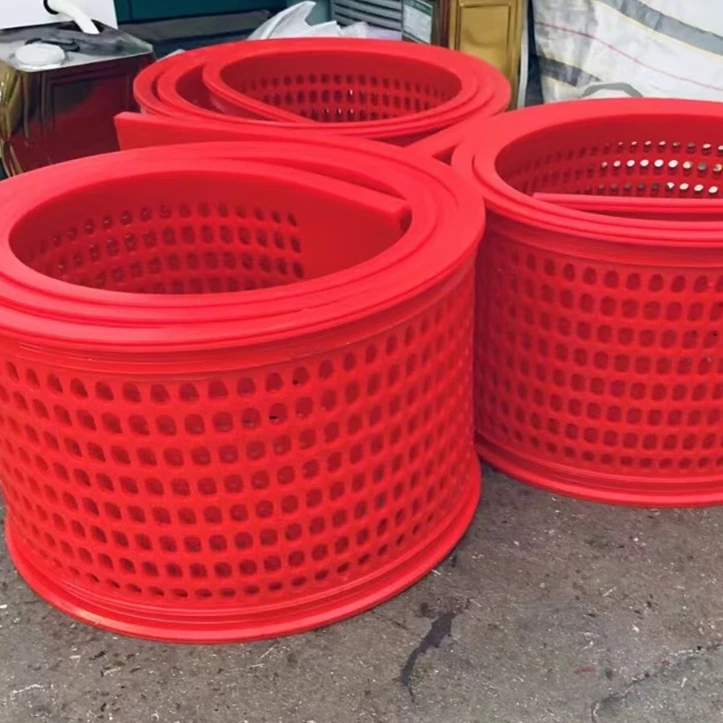
- Specialized Screen Mats: Developing or selecting specific flip flow screen mats with varied aperture shapes, sizes, or materials (e.g., highly elastic for extremely sticky materials, reinforced for highly abrasive ones) to maximize efficiency and wear life.
- Integration with Existing Lines: Designing the screen for seamless mechanical and electrical integration into an existing processing plant, including custom feed and discharge chutes.
- Environmental Adaptations: Customizing for high-temperature, corrosive, or explosive (ATEX compliant) environments through specialized material selection, coatings, and electrical components.
- Advanced Control Systems: Integrating with plant-wide SCADA systems, offering remote diagnostics, predictive maintenance features, and advanced process optimization algorithms.
Real-World Application Case Studies and Customer Feedback
The effectiveness of a flip flow screen for sale is best illustrated through its performance in real-world scenarios, where it consistently solves complex screening challenges for industrial clients.
Case Study 1: Municipal Solid Waste (MSW) Processing
A major waste management facility faced severe blinding issues with traditional screens when processing shredded MSW, particularly due to high moisture content and sticky organic fractions. This led to frequent shutdowns for manual cleaning, significantly impacting throughput. After installing a double-deck flip flop screen with specialized polyurethane mats, the facility reported a 30% increase in processing capacity and a 70% reduction in screen cleaning frequency. The aggressive mat flexing effectively liberated fines from larger waste streams, improving the purity of recycled materials and reducing landfill volume.
Case Study 2: Fine Coal Screening in a Preparation Plant
A coal preparation plant was struggling to efficiently screen fine, wet coal (-6mm) due to inherent moisture and clay content, resulting in significant material loss and inconsistent product quality. Implementing a flip flop screen for coal designed for high-frequency oscillation dramatically improved separation efficiency. The flexible mats maintained open apertures, leading to a 25% increase in fines recovery and a cleaner final coal product. This directly translated to higher market value and reduced operational expenditure previously incurred by reprocessing inadequately screened material.
Customer Feedback & Experience:
- "Our old vibratory screens couldn't handle the moist aggregates without constant blinding. Since we installed the flip flow screen, our output has been consistent, and maintenance hours have dropped significantly. It's a game-changer for sticky materials." - Operations Manager, Aggregates & Crushing.
- "We needed a solution that could handle abrasive and slightly damp materials without fail. The bivitec flip flow screens we invested in have performed beyond expectations, proving their durability and high efficiency in our demanding mining environment." - Lead Engineer, Mineral Processing.
Trustworthiness & Support: FAQ, Lead Time, Warranty, and After-Sales
Frequently Asked Questions (FAQ):
- Q1: What materials can a flip flow screen effectively process?
- A1: Flip flow screens are exceptionally suited for difficult-to-screen materials, including wet and sticky aggregates, moist coal, compost, municipal solid waste (MSW), biomass, industrial slag, wood chips, and various fine, damp powders.
- Q2: How does a flip flow screen prevent blinding and pegging?
- A2: The screen utilizes a unique dual-vibration system. The main frame vibrates with a specific amplitude, while the flexible screen mats, often made of polyurethane (e.g., flip flow screen mats), are tensioned and released rapidly, creating a 'flip-flop' motion. This aggressive flexing prevents particles from adhering to the apertures, keeping them clear for continuous separation.
- Q3: What is the typical lifespan of the screen mats?
- A3: The lifespan of screen mats depends on the abrasiveness of the material and operational hours. High-quality polyurethane mats typically last between 12 to 24 months in demanding applications, and longer in less abrasive conditions. Replacement is designed to be quick and straightforward.
- Q4: Are flip flow screens energy efficient?
- A4: While they utilize powerful motors for the dynamic screening action, their superior efficiency in handling difficult materials often translates to lower overall energy consumption per ton of processed material compared to traditional screens that might require more power for ancillary anti-blinding systems or reprocessing due to poor separation.
Lead Time and Fulfillment:
Standard flip flow screen for sale models typically have a lead time of 10-14 weeks from order confirmation to ex-works delivery. Custom-engineered solutions, depending on their complexity and specific material requirements, may extend to 16-20 weeks. Our commitment to timely delivery is supported by robust supply chain management and efficient manufacturing processes.
Warranty Commitments:
We provide a comprehensive 12-month warranty on all new flip flow screens, covering manufacturing defects and component failures under normal operating conditions. Extended warranty options and service agreements are available to provide long-term peace of mind and minimize unforeseen operational disruptions.
Customer Support and After-Sales Services:
Our dedication to client success extends far beyond the sale. We offer a full spectrum of after-sales services, including:
- Installation and Commissioning: On-site technical assistance to ensure proper setup and optimal operational parameters.
- Operator Training: Comprehensive training programs for your personnel to maximize efficiency and safe operation.
- Spare Parts Availability: A readily available inventory of genuine spare parts, including flip flow screen mats and wear components, for rapid replacement and minimal downtime.
- Technical Support: Access to our expert engineering team for troubleshooting, performance optimization, and application-specific advice via phone, email, or remote diagnostics.
- Preventative Maintenance Programs: Tailored service plans designed to maintain peak performance and extend the lifespan of your equipment.
By offering complete lifecycle support, we ensure that your investment in a flip flow screen for sale delivers consistent, long-term value.
Conclusion
The flip flow screen for sale represents a pinnacle in screening technology, offering unmatched performance for challenging industrial materials. Its unique operating principle, robust construction, and ability to overcome issues like blinding and pegging make it an indispensable asset in sectors ranging from mining and recycling to waste management and petrochemicals. By investing in a high-quality flip flow screen, industries can achieve higher throughput, superior product purity, reduced operational costs, and an extended service life for their screening infrastructure. Partnering with a reputable manufacturer ensures not only cutting-edge equipment but also comprehensive support, customization capabilities, and the assurance of long-term operational excellence.
References
- ASTM International. (2023). Standard Test Methods for Sieve Analysis of Fine and Coarse Aggregates. ASTM C136/C136M.
- ISO 9001:2015. (2015). Quality management systems — Requirements. International Organization for Standardization.
- Schenck Process. (2020). Multi-frequency screening machines - Flip-flow screens for difficult-to-screen materials. Technical literature.
- Metso Outotec. (2021). Applications and benefits of flip-flow screening technology. Industry report.
- Telsmith. (2019). Optimizing screening for wet and sticky materials. Technical white paper.