Understanding Profile Wire Screen for Modern Industries
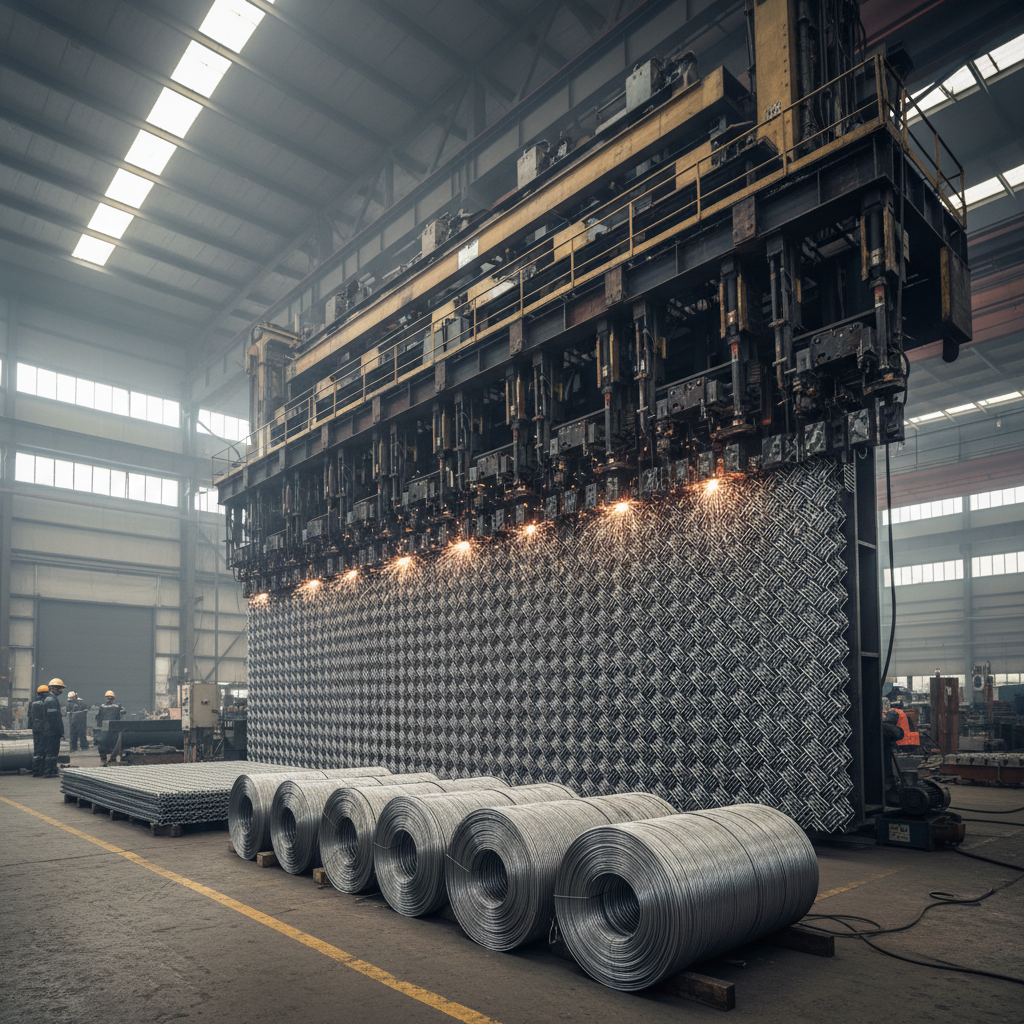
Profile Wire Screen is, frankly, a bit of a workhorse in a lot of industrial settings. It’s not glamorous, but it's essential. We’re talking about separation, filtration, support – applications where precise openings and durability matter. And it's getting more attention now, I suppose, because manufacturers are pushing for higher efficiencies and reduced downtime. The team at Mutoscreen has been a key player in bringing advanced solutions to market, and they’ve really focused on customization, which is huge.
Table of Contents
- What Exactly Is Profile Wire Screen?
- Real-World Applications & Benefits
- Cost, Maintenance, and the User Experience
- Sustainability & Where the Market Is Heading
What Exactly Is Profile Wire Screen?
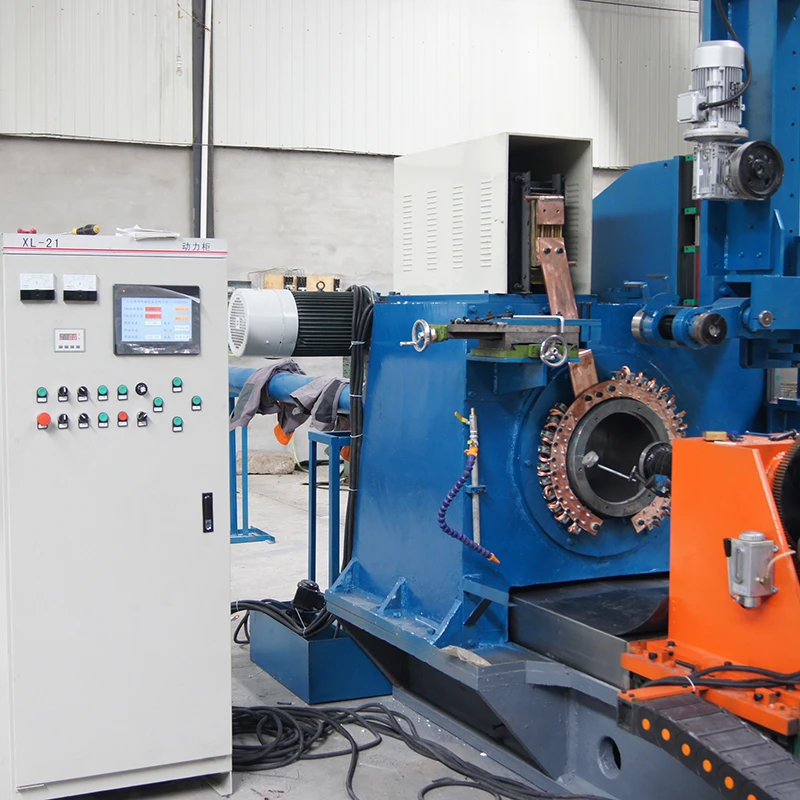
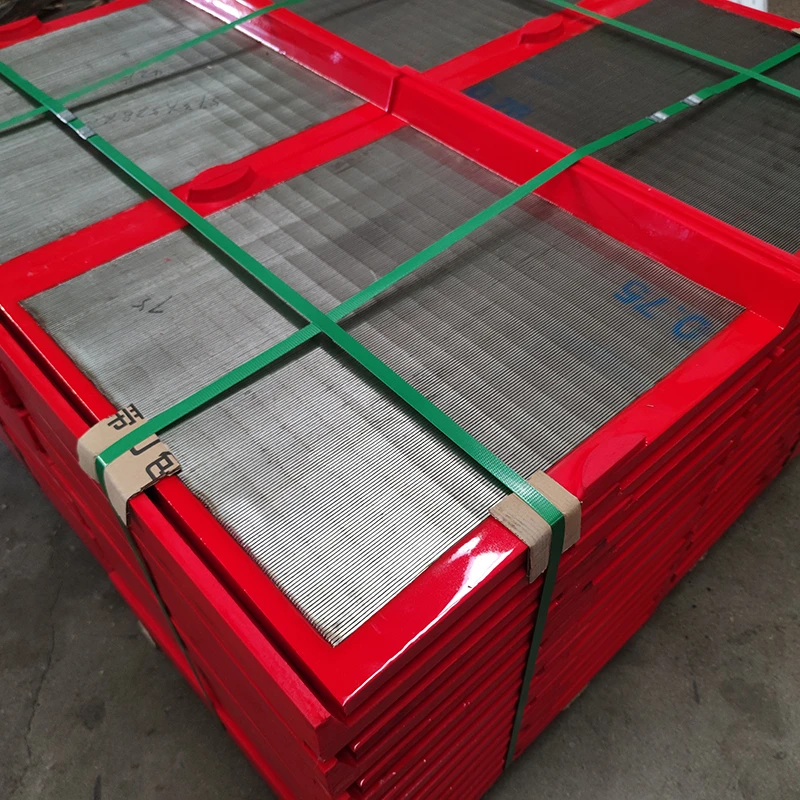
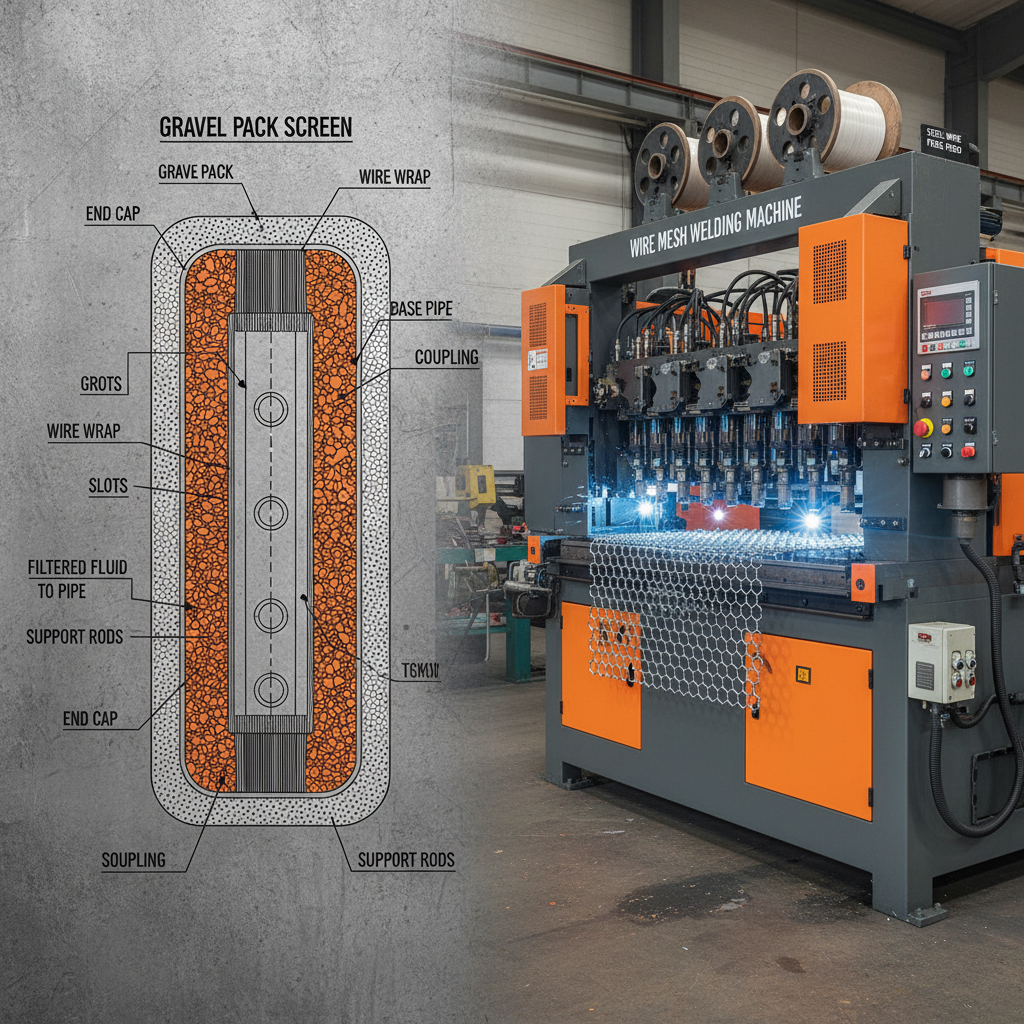
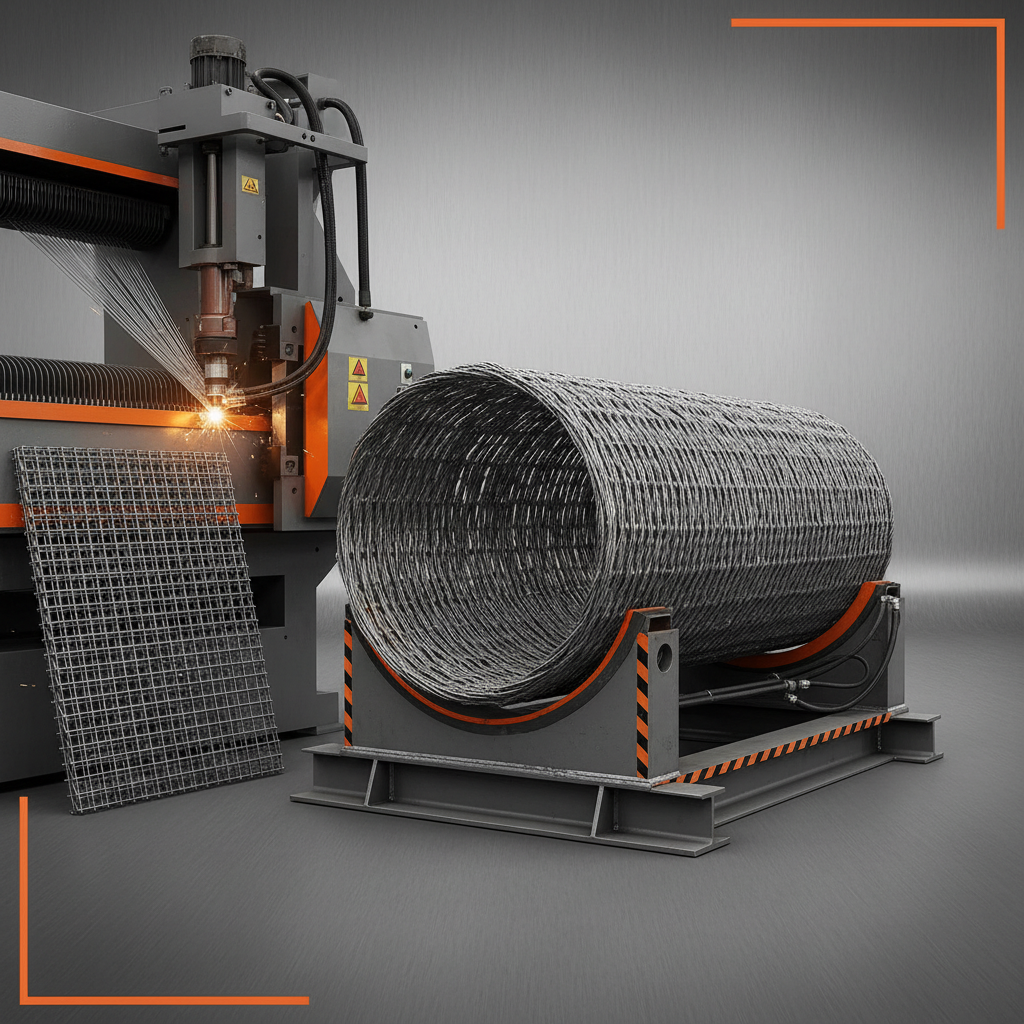
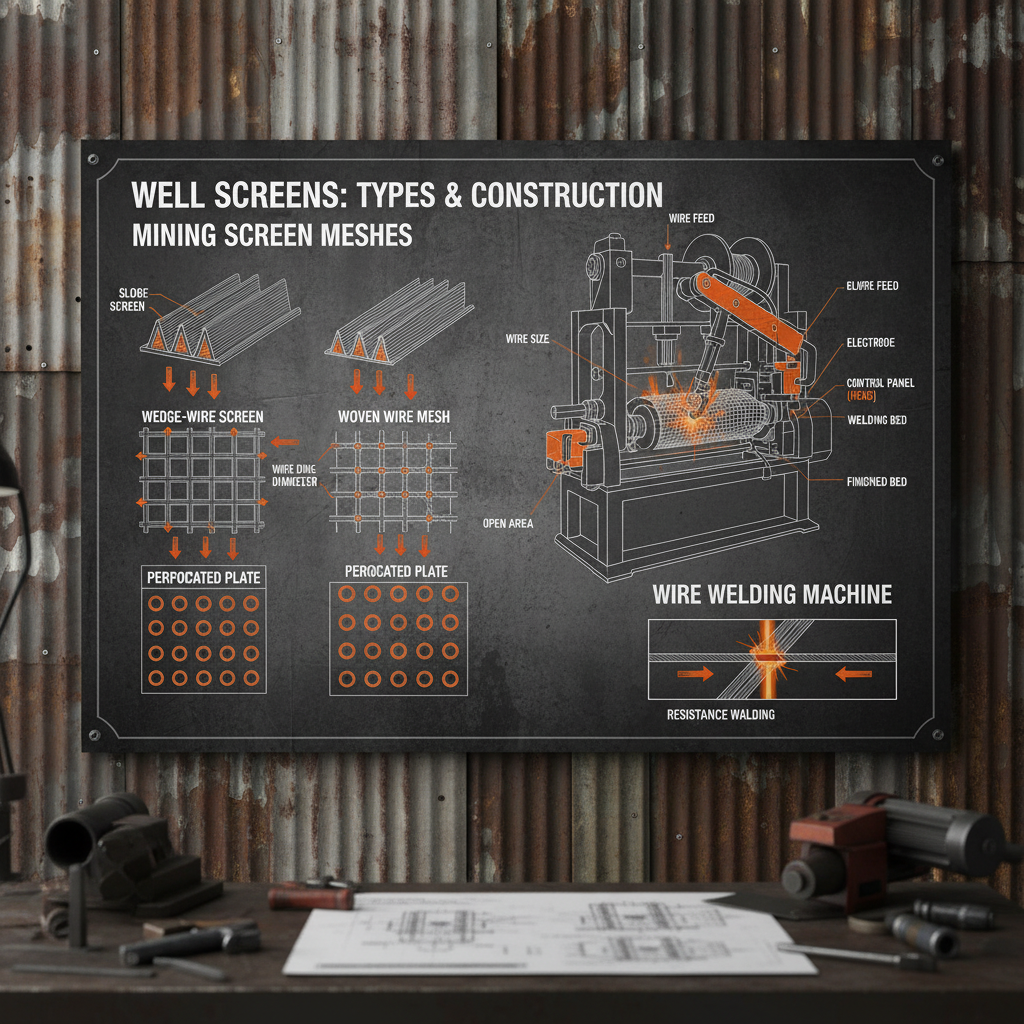
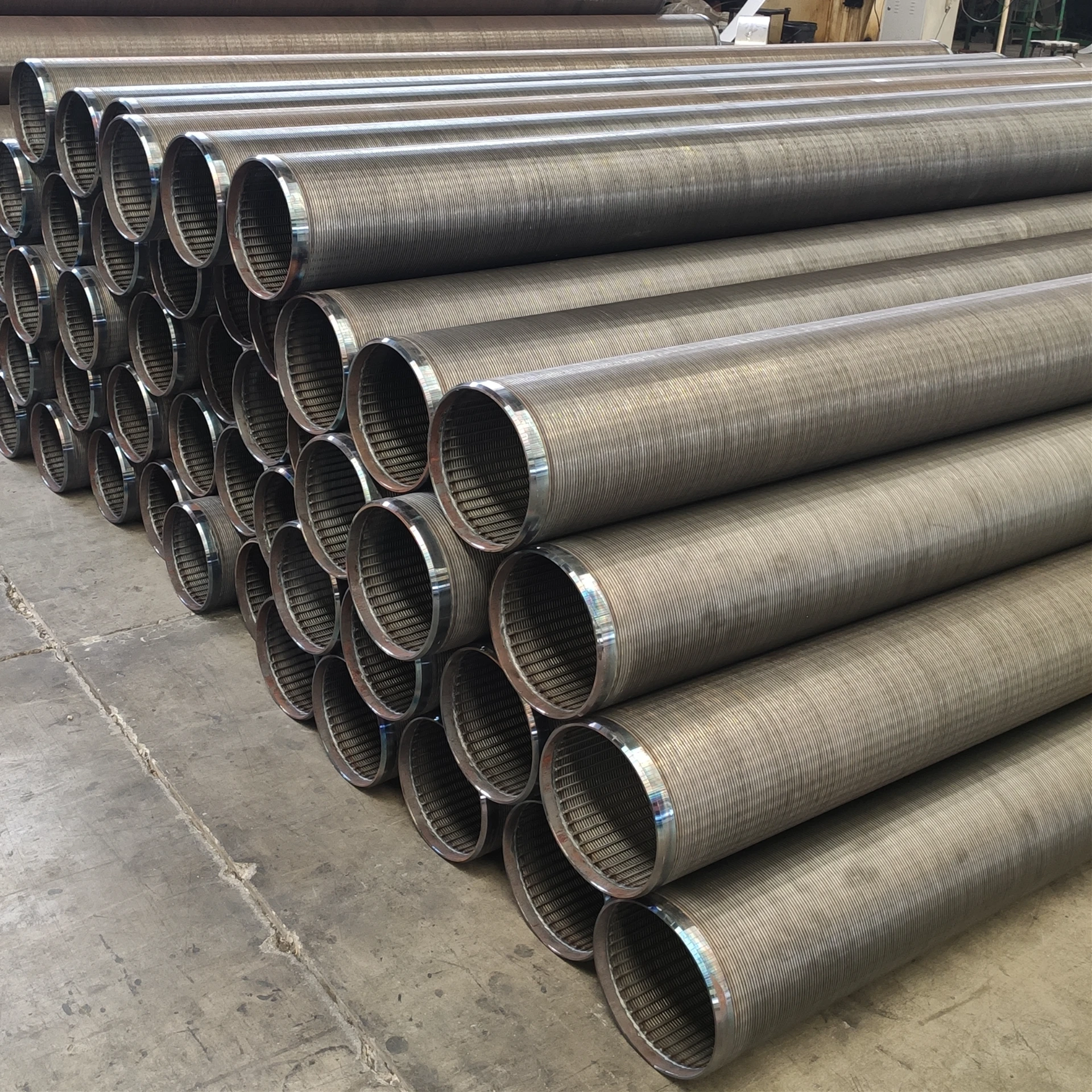
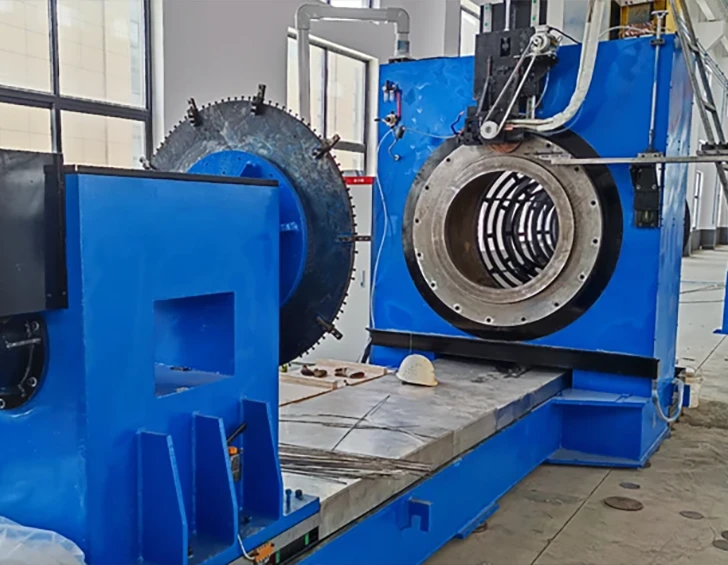
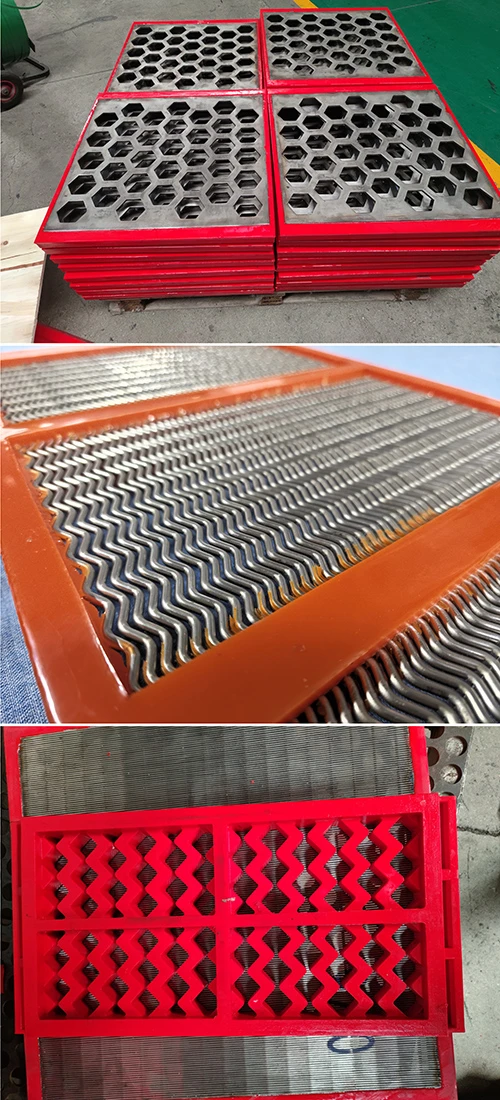
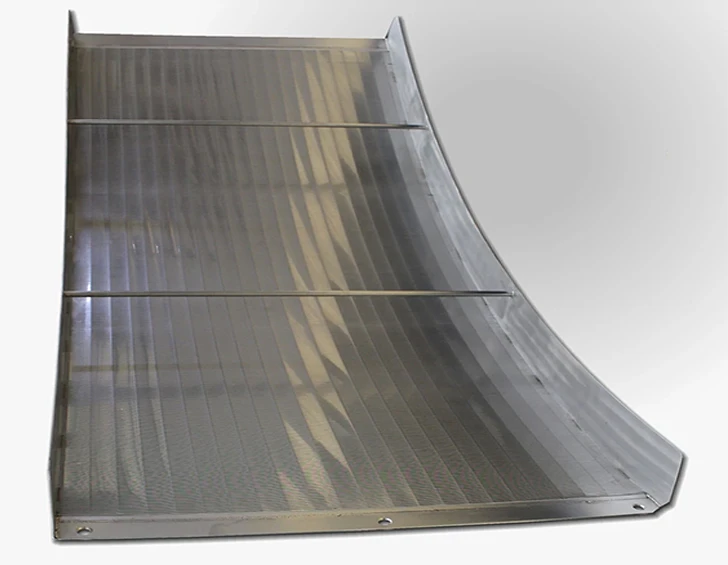
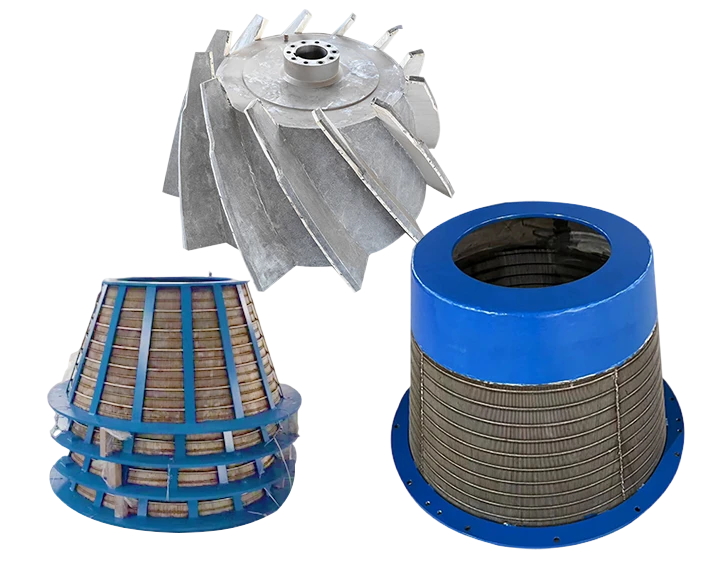
It's not just a mesh, you know? Profile wire screen is created by welding profiled wires together, forming a precise, consistent aperture. This differs from traditional woven wire mesh in several key ways – it’s stronger, more durable, and can handle higher loads. We’re talking about materials like stainless steel 304/316L, carbon steel, and even specialized alloys depending on the application. I noticed, during a site visit last year, that the tolerances were incredibly tight. They can vary the wire profile – square, rectangular, triangular – to optimize for specific flow rates or support requirements. Here's a quick look at some typical specs:
| Parameter | Specification | Notes |
|---|---|---|
| Material | SS304, SS316L, Carbon Steel | Custom alloys available |
| Aperture Size | 0.05mm - 25mm | Precise control possible |
| Wire Profile | Square, Rectangular, Triangular | Optimized for flow/support |
Real-World Applications & Benefits
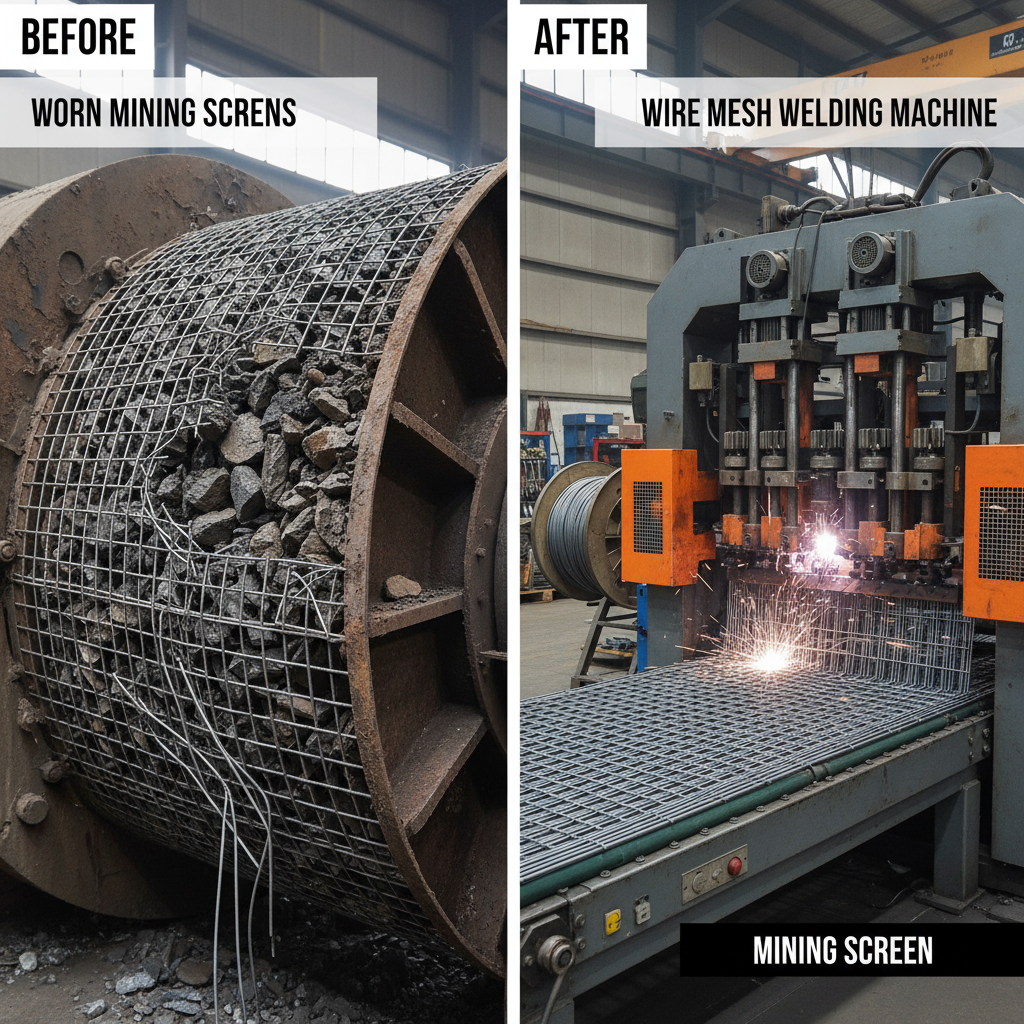
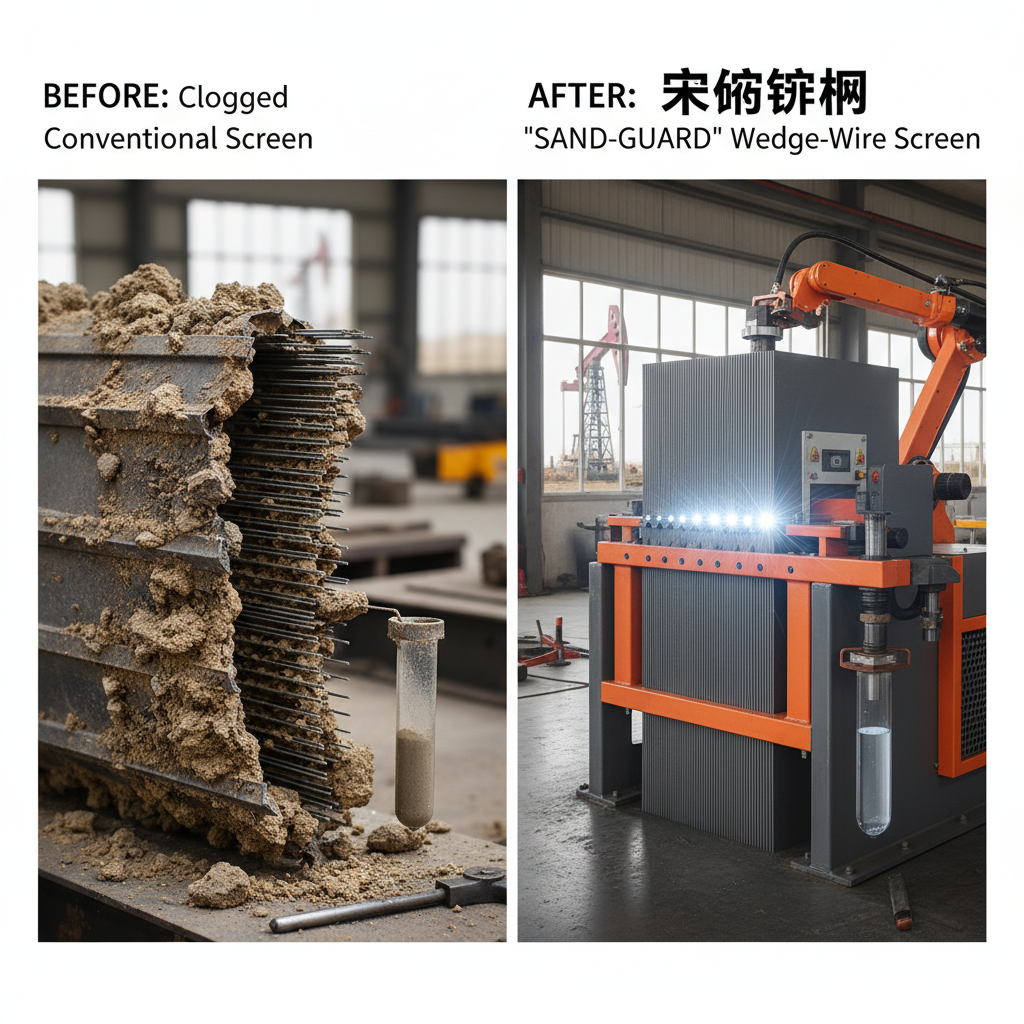
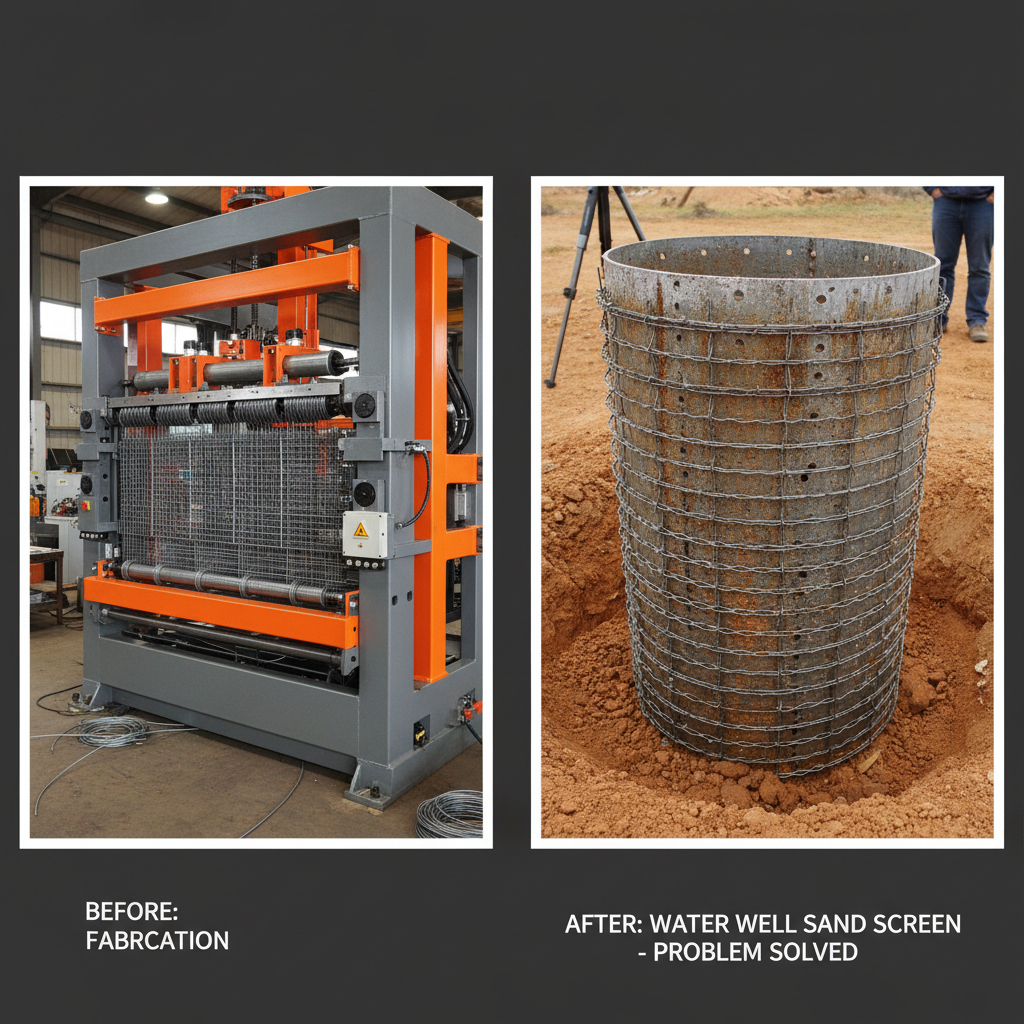
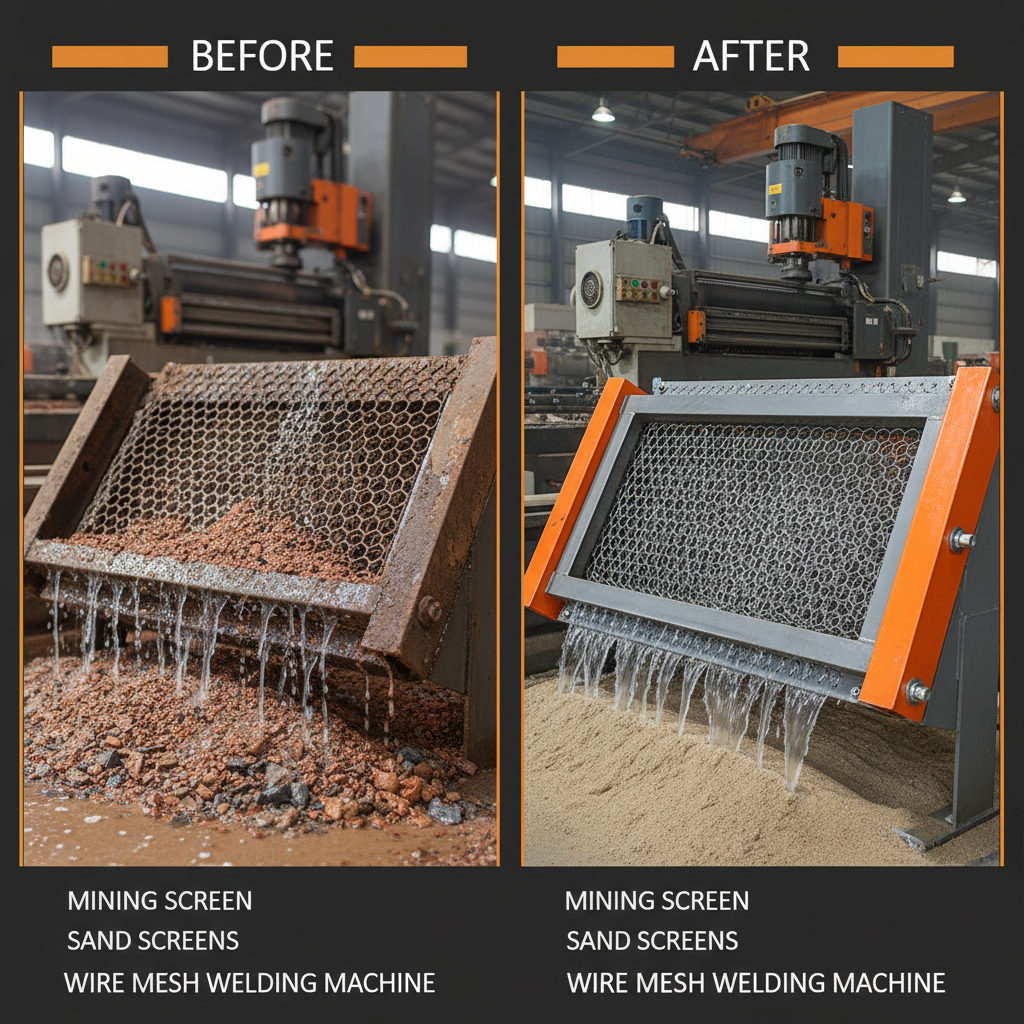
The range of applications is pretty broad. You’ll find it in aggregate screening, architectural mesh, water filtration, even in some specialized automotive components. It really shines where you need consistent performance under stress. A client in the mining industry, for example, was experiencing frequent failures with traditional woven mesh in their screening process. They switched to profile wire screen from Mutoscreen and saw a 40% reduction in downtime, which, in real terms, translated to significant cost savings. Many engineers say that the reduced blinding effect – meaning less material clogging the screen – is a major advantage. Frankly, it’s a more efficient system overall.
| Vendor | Customization Options | Lead Time (Typical) | Price Point |
|---|---|---|---|
| Mutoscreen | Extensive – wire profile, material, aperture | 4-6 weeks | Mid-Range |
| Wire Mesh Solutions | Limited | 2-4 weeks | Lower |
| Industrial Screens Inc. | Moderate | 5-8 weeks | High |
Cost, Maintenance, and the User Experience
Okay, let’s talk money. It’s generally more expensive upfront than traditional woven mesh, but that initial investment often pays for itself through reduced maintenance and downtime. It feels like a long-term investment, really. Maintenance is relatively straightforward – regular cleaning to prevent buildup. Because of the wire profile, it’s less prone to clogging, which simplifies the process. I’ve spoken with operators who appreciate the robustness; it just holds up better. The user experience, from an installation perspective, is comparable to other screening systems, but the longevity is a big selling point.
Sustainability & Where the Market Is Heading
Sustainability is increasingly important, and profile wire screen plays a role there. The durability translates to less frequent replacements, reducing waste. Also, many manufacturers are now offering options using recycled materials. Oddly enough, the regulations surrounding waste management are becoming stricter, so this is something more companies are factoring into their decisions. I suppose the trend toward more efficient and reliable industrial processes will continue to drive demand for solutions like profile wire screen.
Frequently Asked Questions about Profile Wire Screen
- What is Profile Wire Screen and how does it work?
- Profile Wire Screen is made by welding wires with a specific cross-sectional shape together, creating precise openings for filtration or separation. This construction method results in a stronger, more durable screen compared to traditional woven options.
- What are the main benefits of using Profile Wire Screen in industrial applications?
- Key benefits include increased strength and durability, reduced blinding (less clogging), consistent aperture size, and the ability to handle higher loads and temperatures. These translate into less downtime and lower maintenance costs.
- How does Profile Wire Screen compare to traditional alternatives?
- Compared to woven wire mesh, Profile Wire Screen offers superior strength, precision, and resistance to deformation. While initially more expensive, its longevity and reduced maintenance often make it a more cost-effective solution in the long run.
- What industries can benefit most from Profile Wire Screen implementation?
- Industries like mining, aggregate processing, water treatment, architecture, and automotive all benefit from Profile Wire Screen's unique properties. It's particularly valuable in applications requiring high performance and reliability.
Conclusion
Ultimately, profile wire screen is about optimizing performance and reducing total cost of ownership. It’s a subtle, but significant, upgrade that can have a real impact on efficiency. Check out Mutoscreen for tailored solutions.