Rotary Drum Screens: Insider Notes from the Filtration Frontline
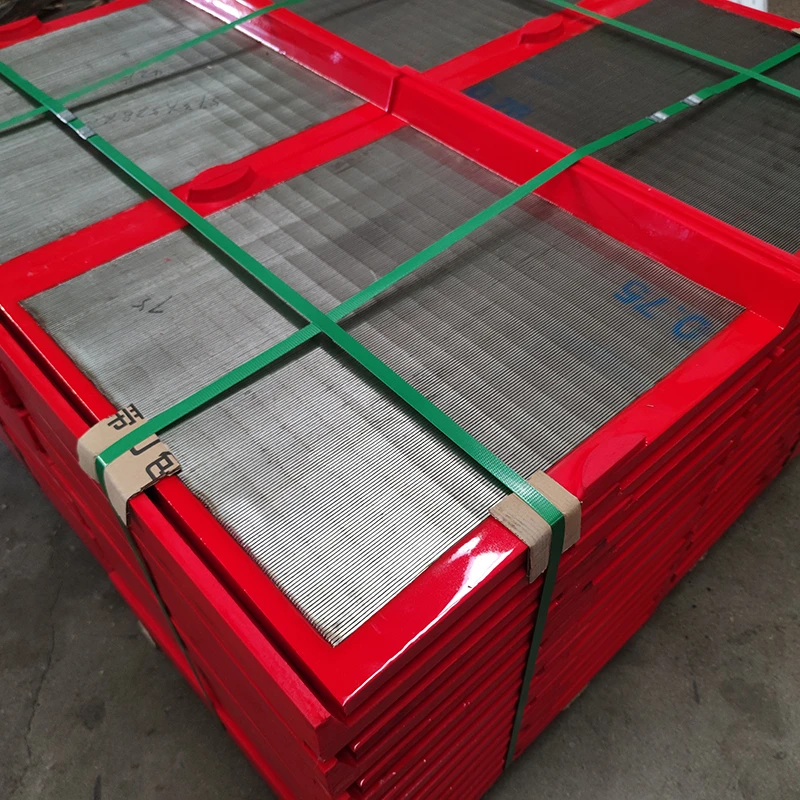
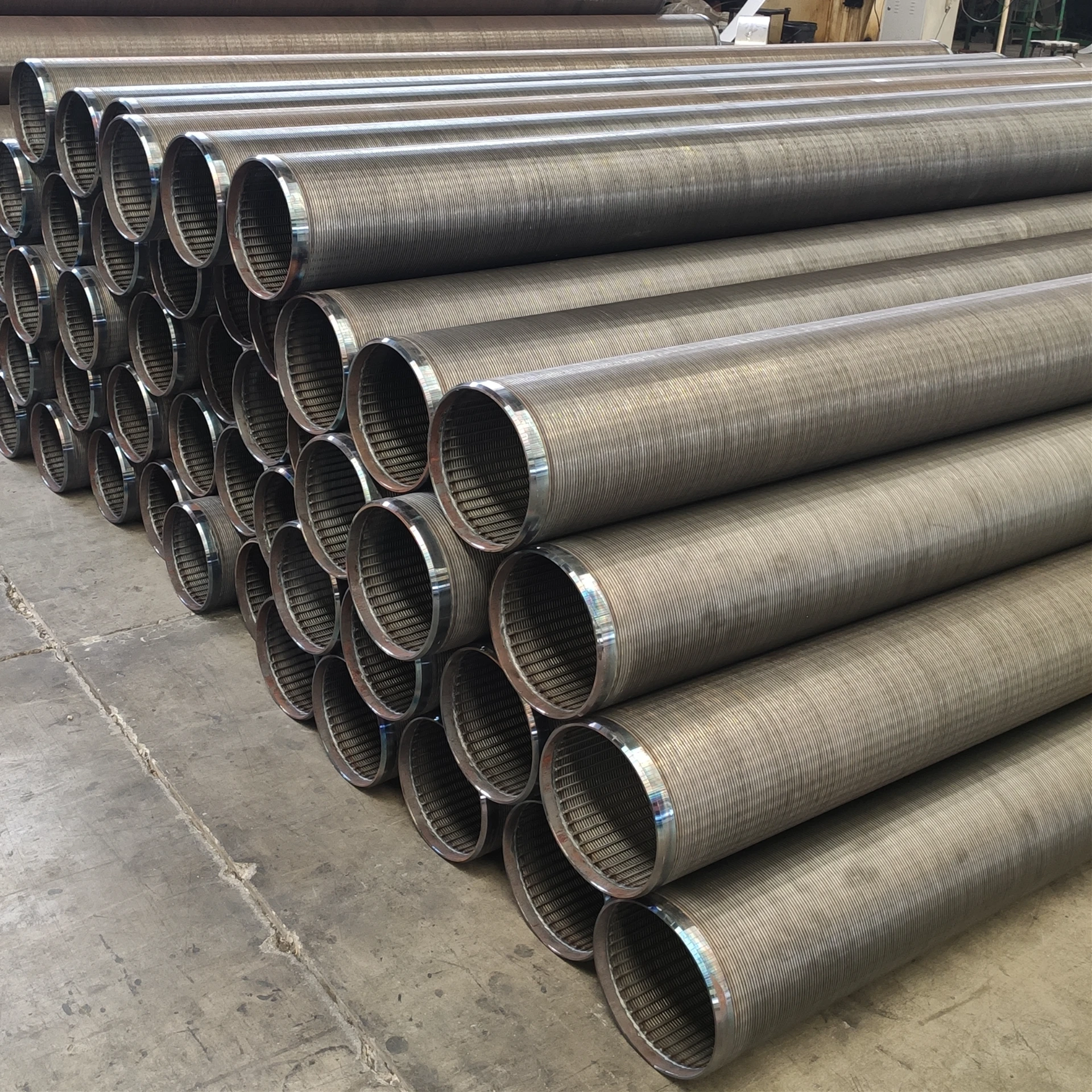
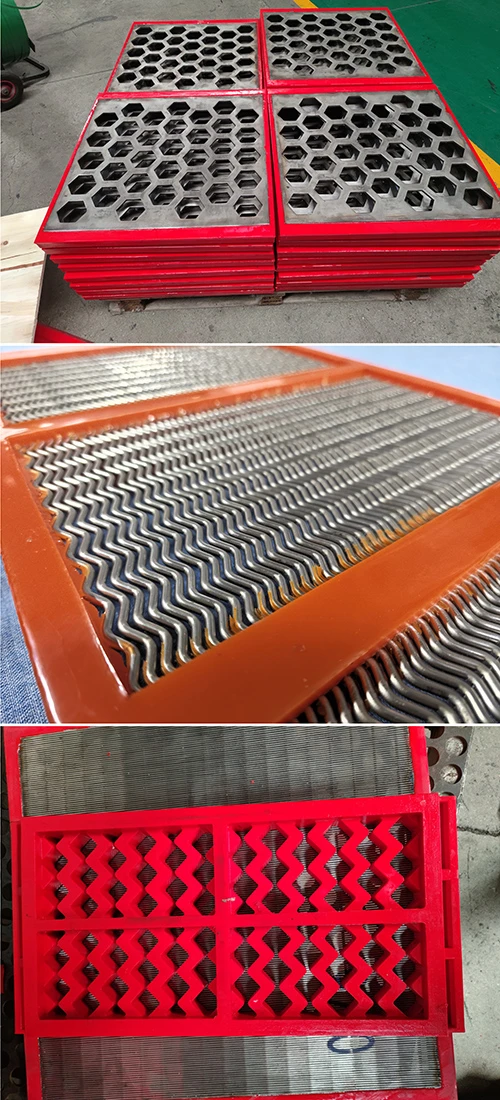
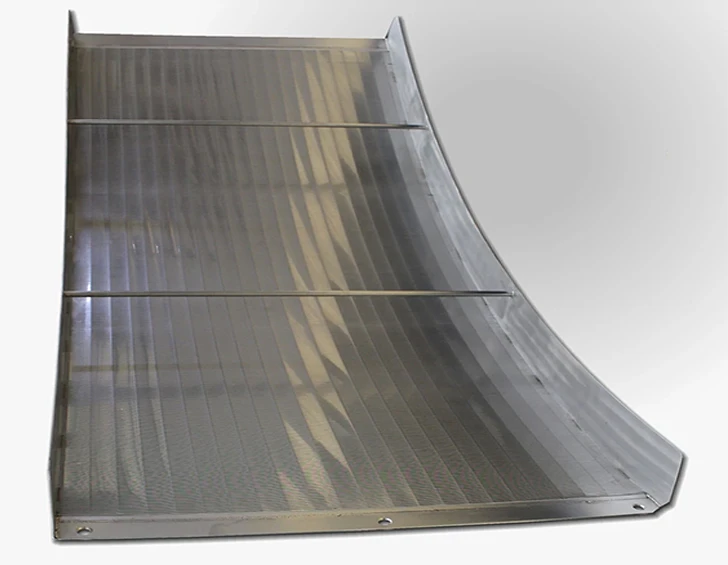
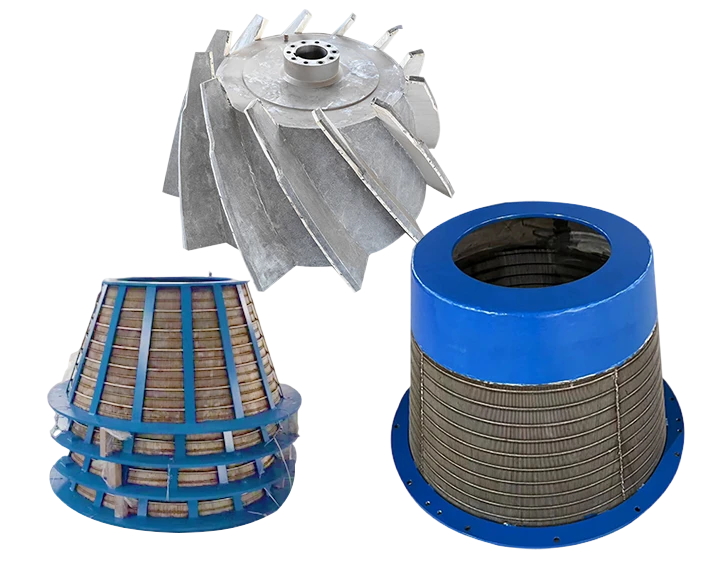
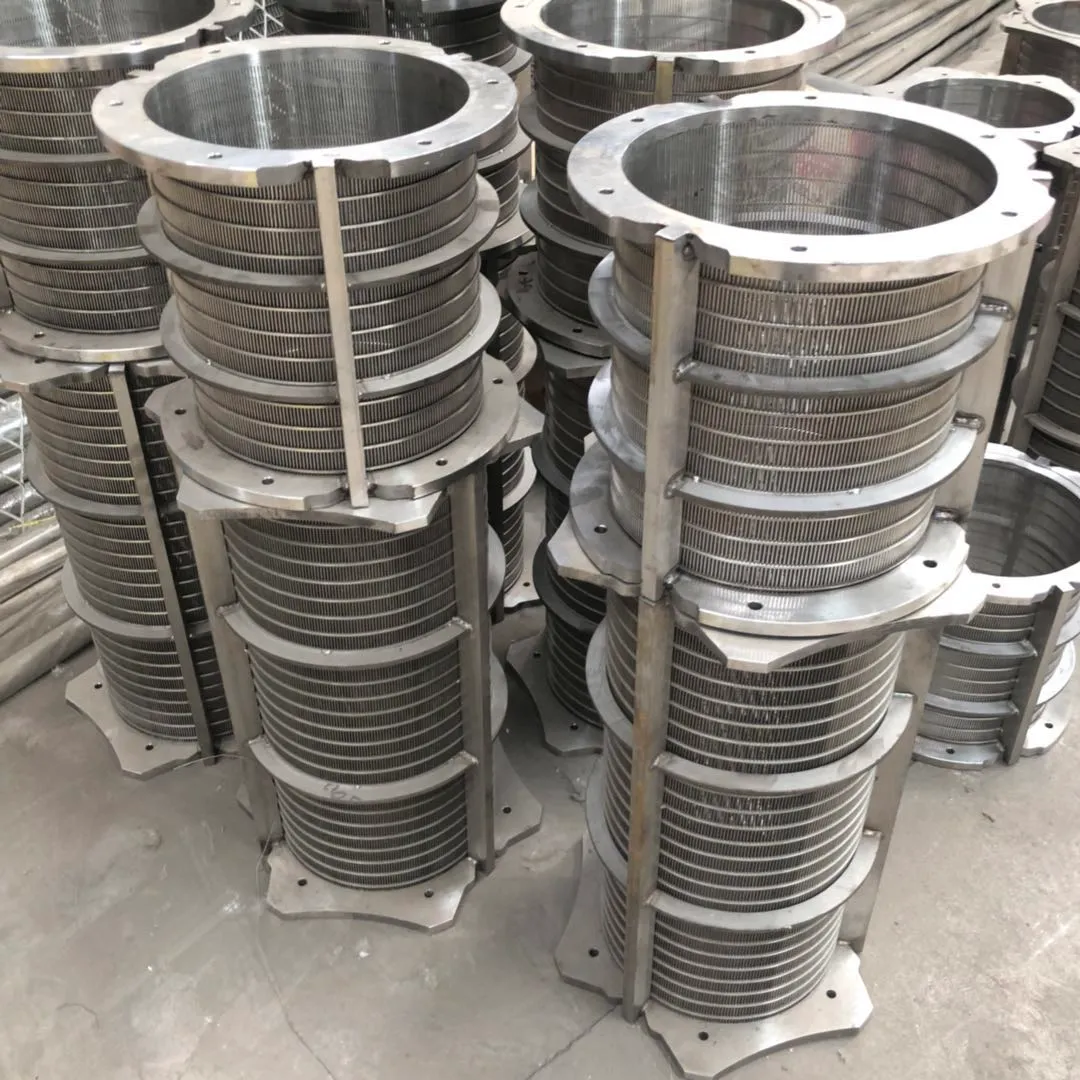
If you spend any time around wastewater plants or food processors, you hear the same quiet hero mentioned: rotary drum screens. Also called wedge wire rotary screens or screen cylinders, they’re simple, tough, and oddly satisfying to watch. A round drum rotates, a V-shaped wedge wire surface captures solids, and the plant runs smoother. Origin-wise, these units here come from Hehuang Road, Anping County, Hengshui, Hebei Province—a place that has quietly become a global hotspot for wire screen craftsmanship.
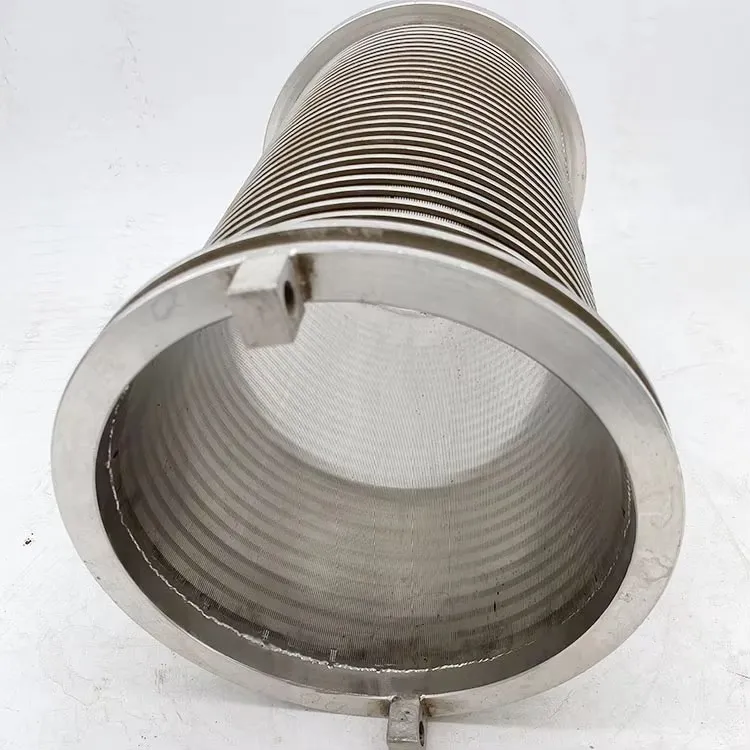
Why they’re trending (and not just in wastewater)
Utilities are chasing water reuse targets; food & beverage plants want cleaner primary effluent; aquaculture needs gentle, reliable solids removal. Newer regulations on TSS and microplastics don’t hurt either. To be honest, the market is swinging back to mechanical separation because it’s energy-light and predictable. Many customers say the latest rotary drum screens deliver better slot accuracy and lower spray-water use than units from a decade ago.
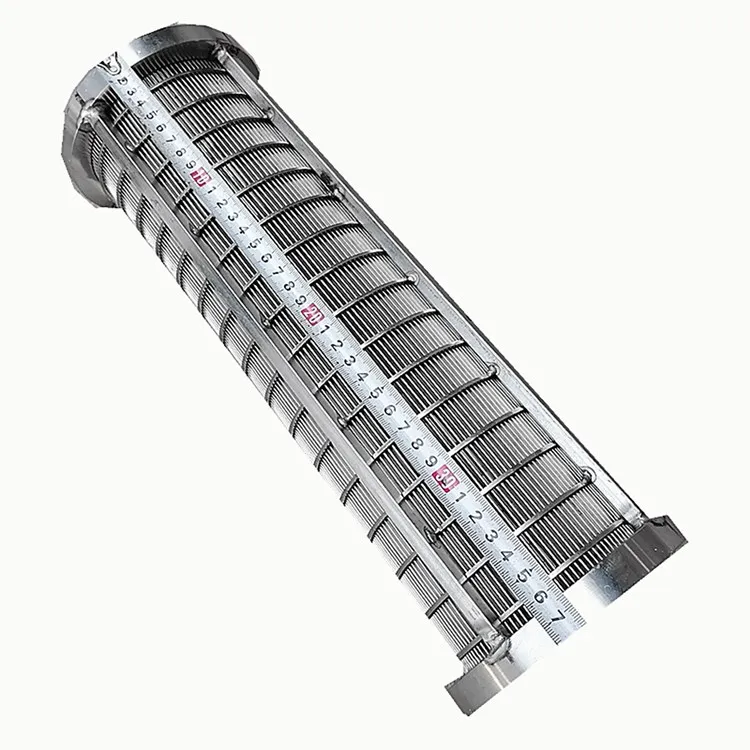
How it works, briefly (and practically)
- Influent enters the drum (internal or external feed).
- V-profile wedge wire (304 or 316L) captures solids at 0.25–3.0 mm slots.
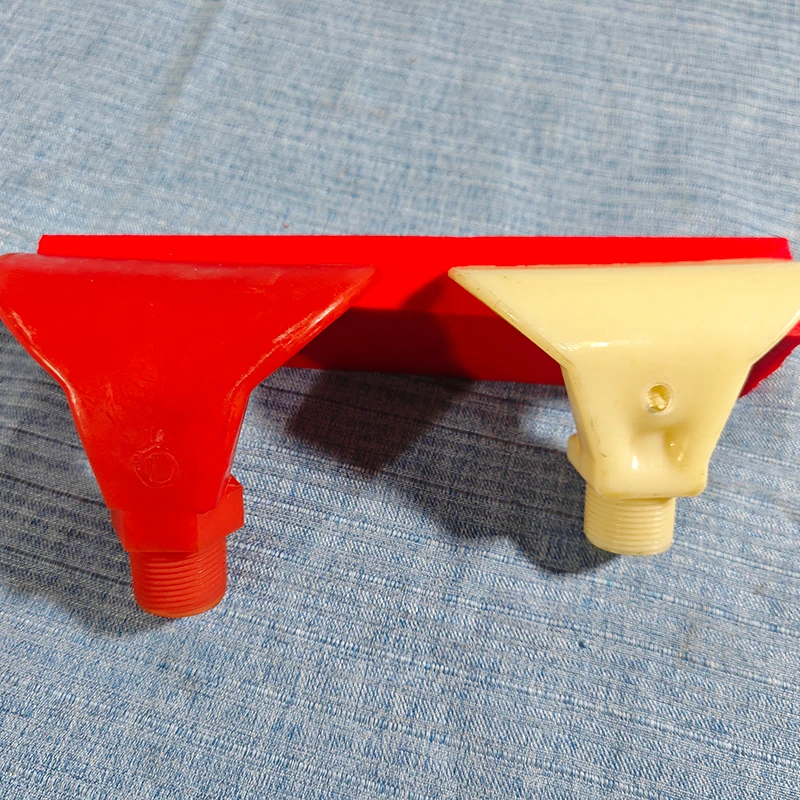
- Spray bar backwashes; flights/screw discharge screenings to a bin or conveyor.
- Result: reduced TSS load to DAF/biological steps and steadier downstream performance.
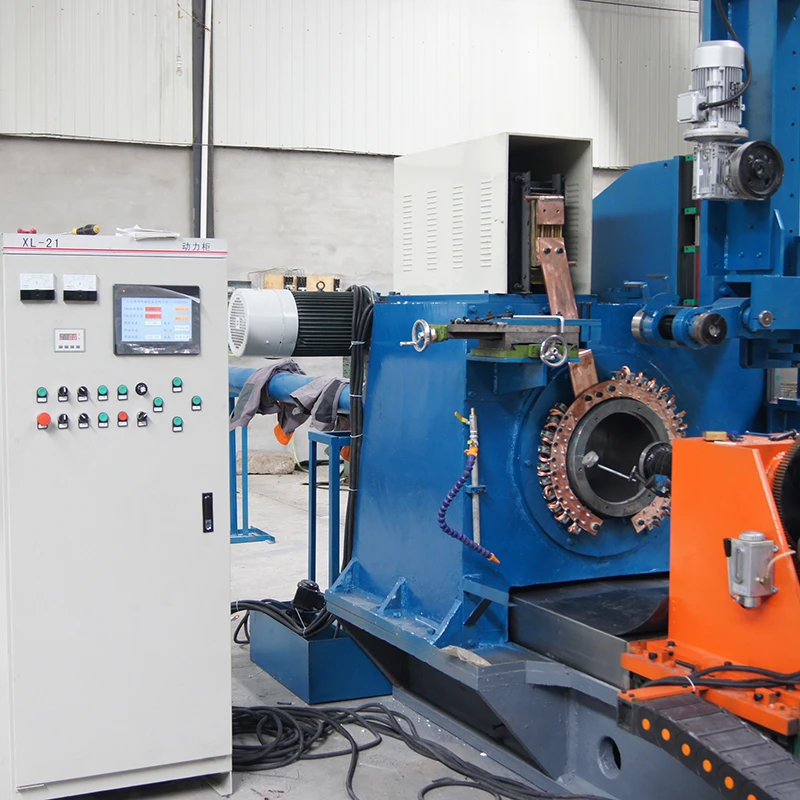
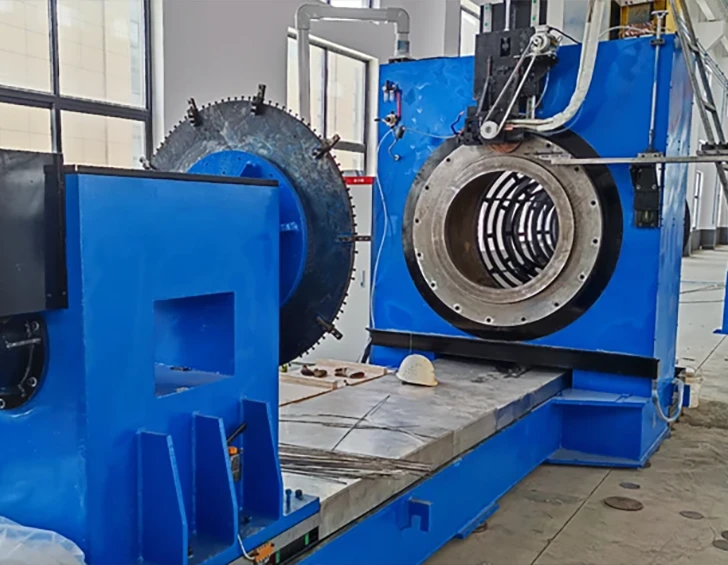
Materials: typically SS304/316L per ASTM A240/A580; resistance welding per AWS D1.6 guidelines; slot verification via optical measurement (±0.03–0.05 mm typical). Spray-nozzle patterns are tuned after site testing—real-world use may vary. Service life? In my notes, 7–12 years is common if you keep up on nozzle cleaning and bearing grease.
Indicative Product Specs
| Model | Drum Ø | Length | Slot Size | Flow Rate | Material | Drive |
|---|---|---|---|---|---|---|
| RDS-800 | ≈ 800 mm | ≈ 1.2 m | 0.5–2.0 mm | 50–180 m³/h | SS304/316L | 0.75–1.5 kW |
| RDS-1200 | ≈ 1200 mm | ≈ 2.0 m | 0.25–3.0 mm | 150–420 m³/h | SS304/316L | 1.5–2.2 kW |
Values are indicative; influent characteristics and headloss matter.
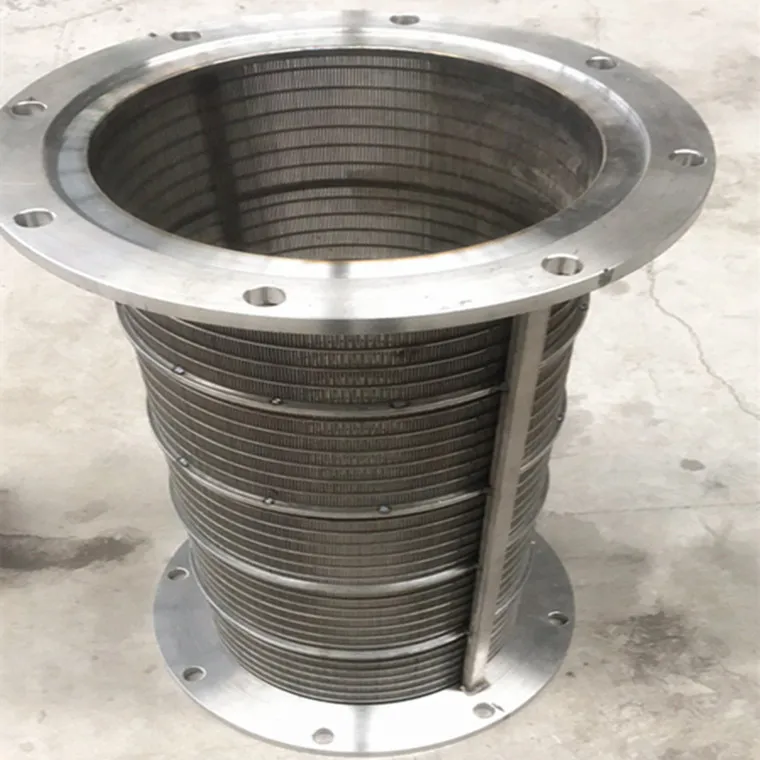
Where they shine
- Municipal headworks pre-treatment (less ragging, happier pumps).
- Food & beverage: breweries, dairies, fruit processors—gentle on fibrous loads.
- Pulp & paper whitewater, starch, sugar, aquaculture recirculation loops.
- Mining slurries (with abrasion-aware liners).
Mini case: a mid-sized brewery swapped in rotary drum screens at 1.0 mm and reported ≈45% TSS reduction, 15–25% BOD cut upstream of DAF, and spray-water trimmed to ≈0.5–0.7 m³/h per unit. Energy? Around 0.01–0.03 kWh/m³ treated. Not bad.
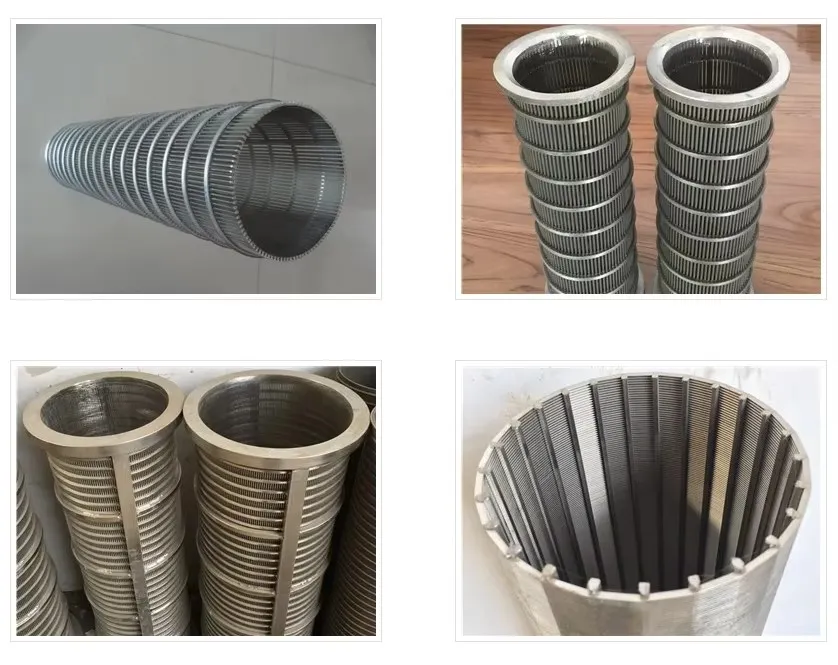
Vendor snapshot (field-notes style)
| Vendor | Slot Tolerance | Certifications | Lead Time | Customization | Warranty |
|---|---|---|---|---|---|
| MutoScreen (Hebei) | ±0.03–0.05 mm | ISO 9001, ISO 14001 | 4–8 weeks | High (slots, diameters, alloys) | 12–18 months |
| Brand A (EU) | ±0.05 mm | ISO 9001 | 8–12 weeks | Medium | 12 months |
| Brand B (US) | ±0.05–0.10 mm | ISO 9001 | 10–14 weeks | Medium-High | 12 months |
Customization that actually matters
- Slot sizes to 0.25 mm for fine capture; 316L for chlorides; duplex on request.
- Spray-bar zoning and nozzle angle tweaks after pilot tests.
- Sealed covers, CIP ports, ATEX motors where needed.
- Food-grade finishes (Ra ≤ 0.8 µm) for F&B lines.
Quality, testing, and the paperwork bit
- Material certs: EN 10204 3.1; chemistry per ASTM A240/A580.
- Corrosion checks: ASTM G48 (screen coupons, Method A) for chloride risk.
- Slot verification: optical microscopy; gauge pins; documented GR&R.
- Hydro test of spray manifolds; run-in with load; vibration checks.
Customer feedback has been pretty consistent: fewer downstream clogs, easier O&M, and—surprisingly—less odor when screenings are handled quickly. If you’ve fought septicity at headworks, you know what that’s worth.
Authoritative citations
- ASTM A240/A240M – Standard Specification for Chromium and Chromium-Nickel Stainless Steel Plate, Sheet, and Strip. https://www.astm.org/a0240_a0240m-20.html
- AWS D1.6/D1.6M – Structural Welding Code—Stainless Steel. https://www.aws.org
- Water Environment Federation (WEF), Design of Municipal Wastewater Treatment Plants (MOP 8). https://www.wef.org
- EU Water Framework Directive and related TSS guidance. https://environment.ec.europa.eu
- US EPA Wastewater Technology Fact Sheets – Screening and Grit Removal. https://www.epa.gov