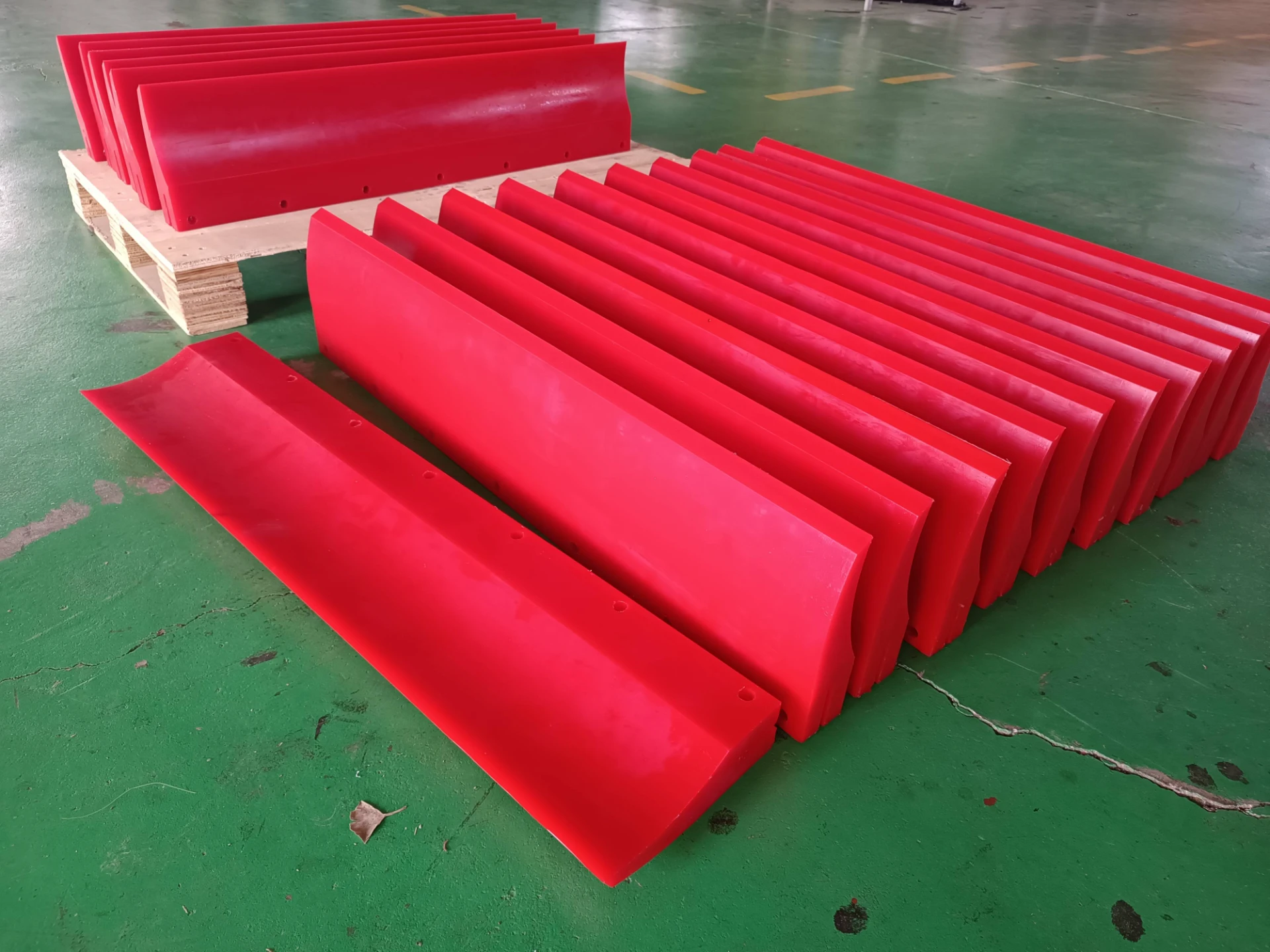
Introduction to Advanced Aggregate Solutions with Self-Cleaning Screens
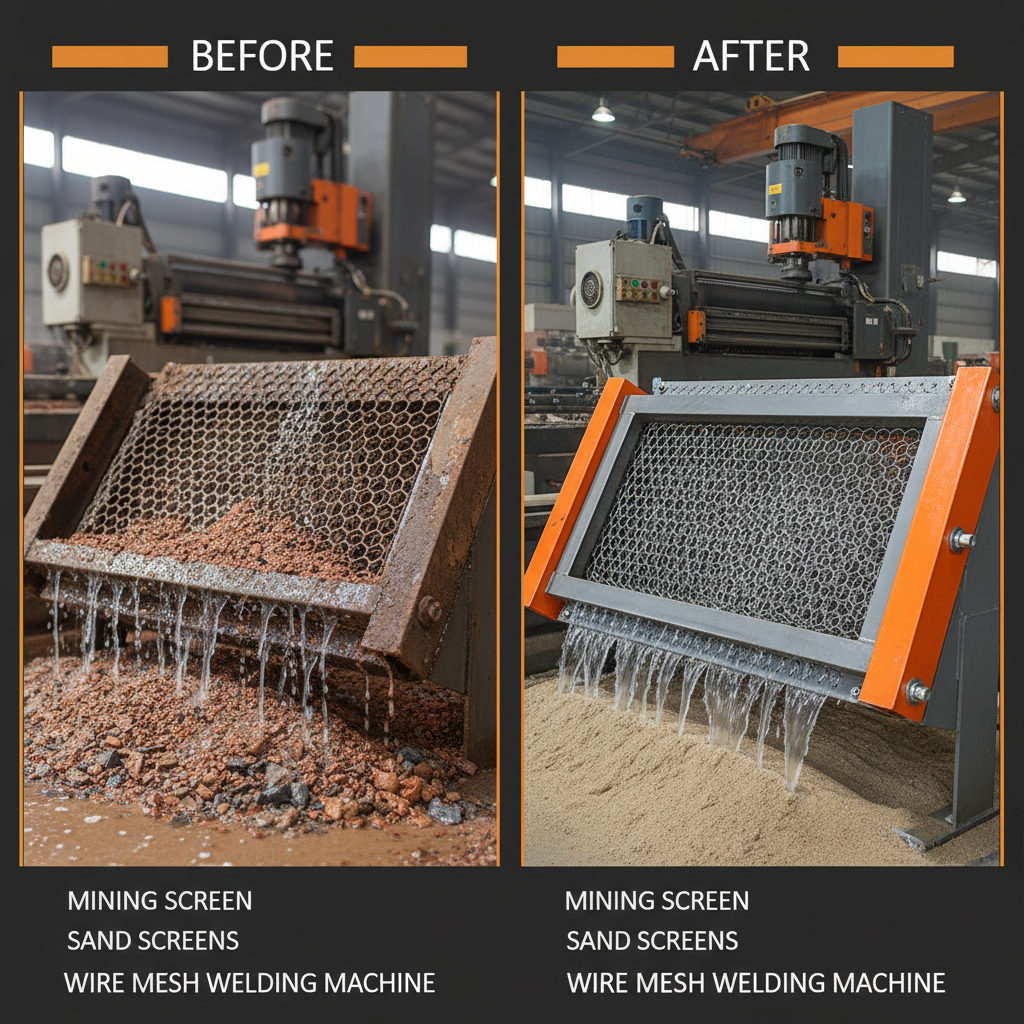
In demanding industrial environments, particularly within the aggregate, mining, and recycling sectors, efficient material classification is paramount. The challenge of maintaining consistent throughput and optimal separation efficiency is often hampered by screen blinding and pegging, leading to costly downtime and reduced productivity. This is where the innovative self cleaning screen emerges as a critical technology, designed to overcome these operational bottlenecks. These specialized screens incorporate dynamic elements that actively prevent fine particles from adhering to the mesh apertures and larger particles from becoming wedged, ensuring continuous, high-performance screening. By integrating a sophisticated self-cleaning mechanism, these screens significantly enhance productivity, extend service life, and reduce maintenance requirements, thereby offering substantial operational savings for processing a wide array of materials from wet, sticky clays to abrasive aggregates.
Our focus is on delivering superior aggregate solutions through advanced screening technologies that contribute directly to our clients' profitability and operational stability. The engineering behind modern self cleaning screen designs leverages specific material properties and mechanical principles to achieve unparalleled efficiency in challenging applications. This article delves into the intricate details of their manufacturing, technical advantages, diverse applications, and the tangible benefits they provide to B2B clients.
Manufacturing Process Flow of Self-Cleaning Screens
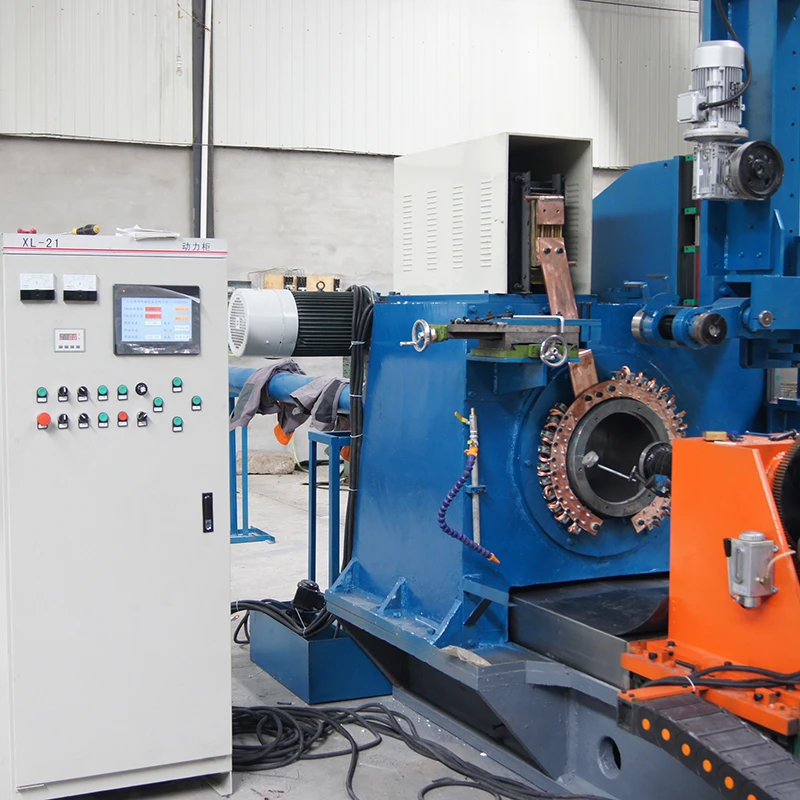
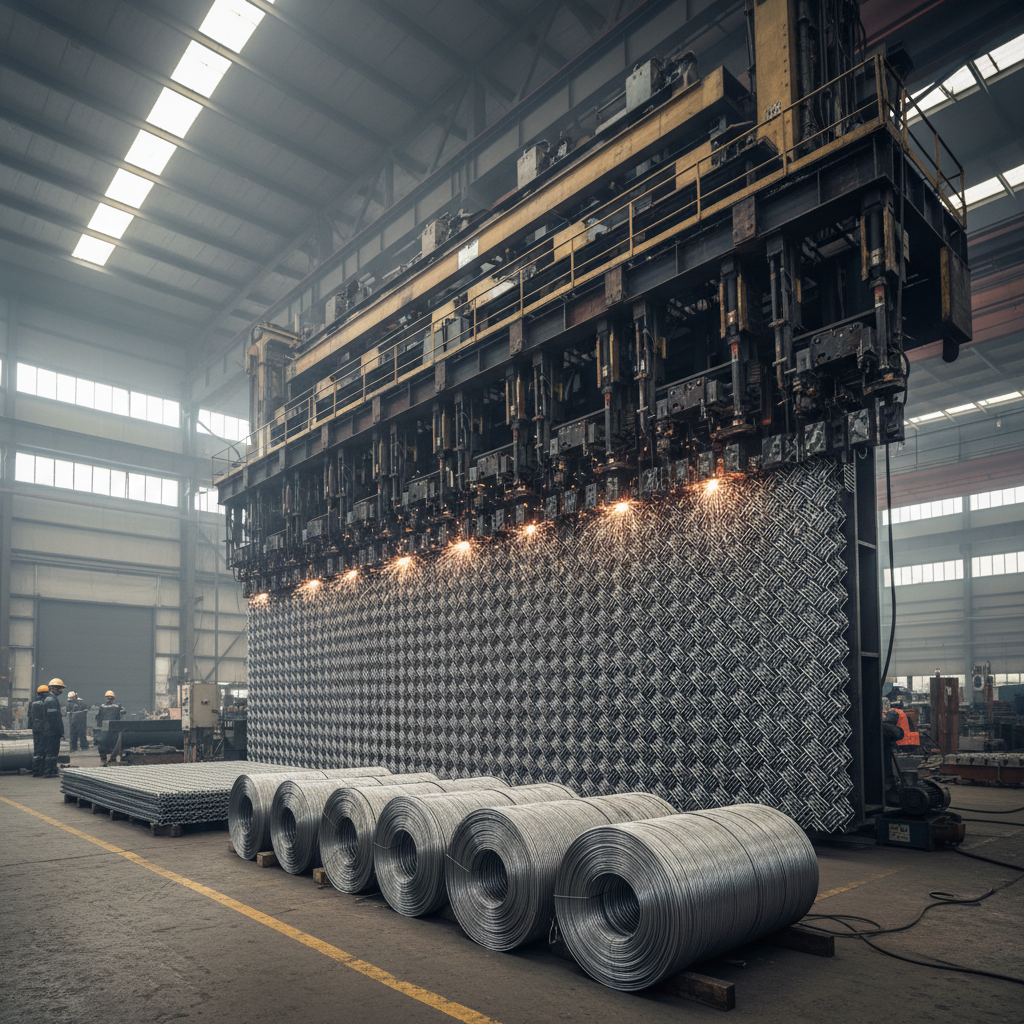
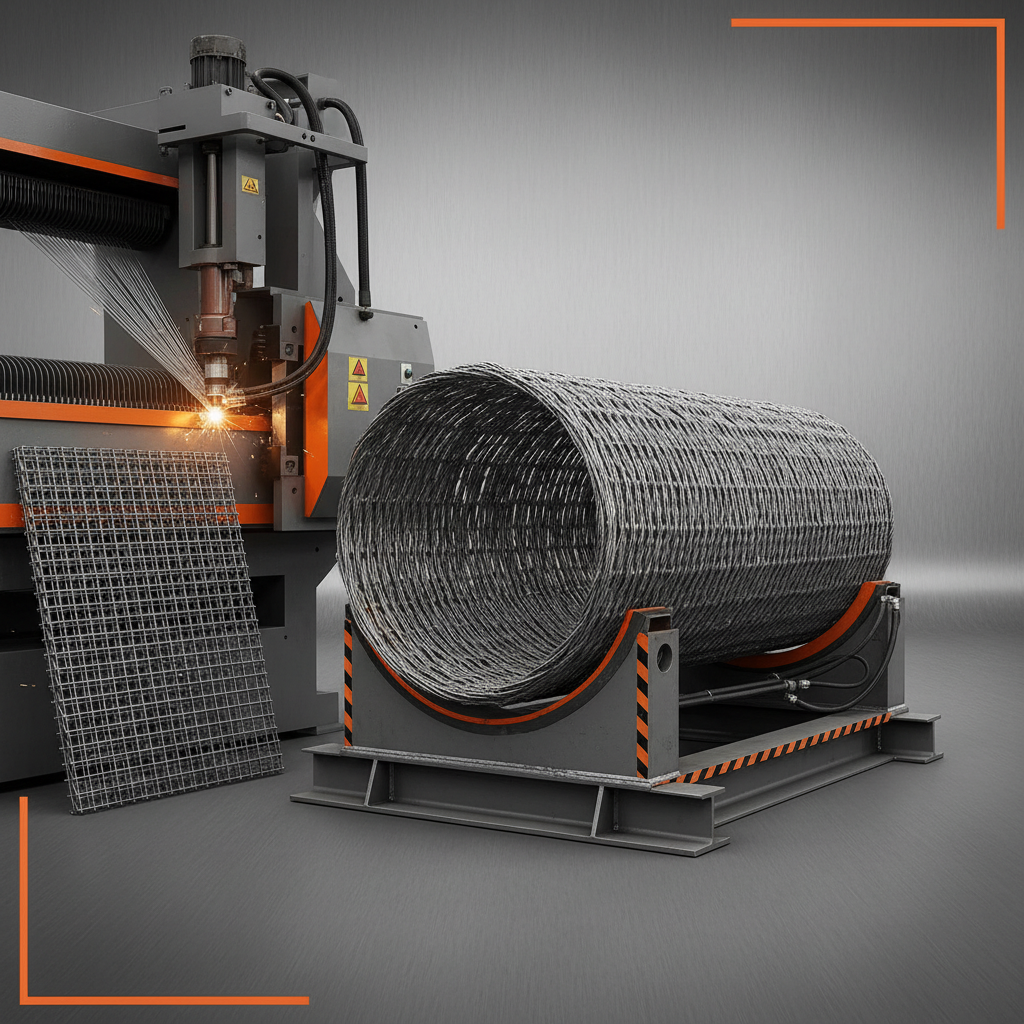
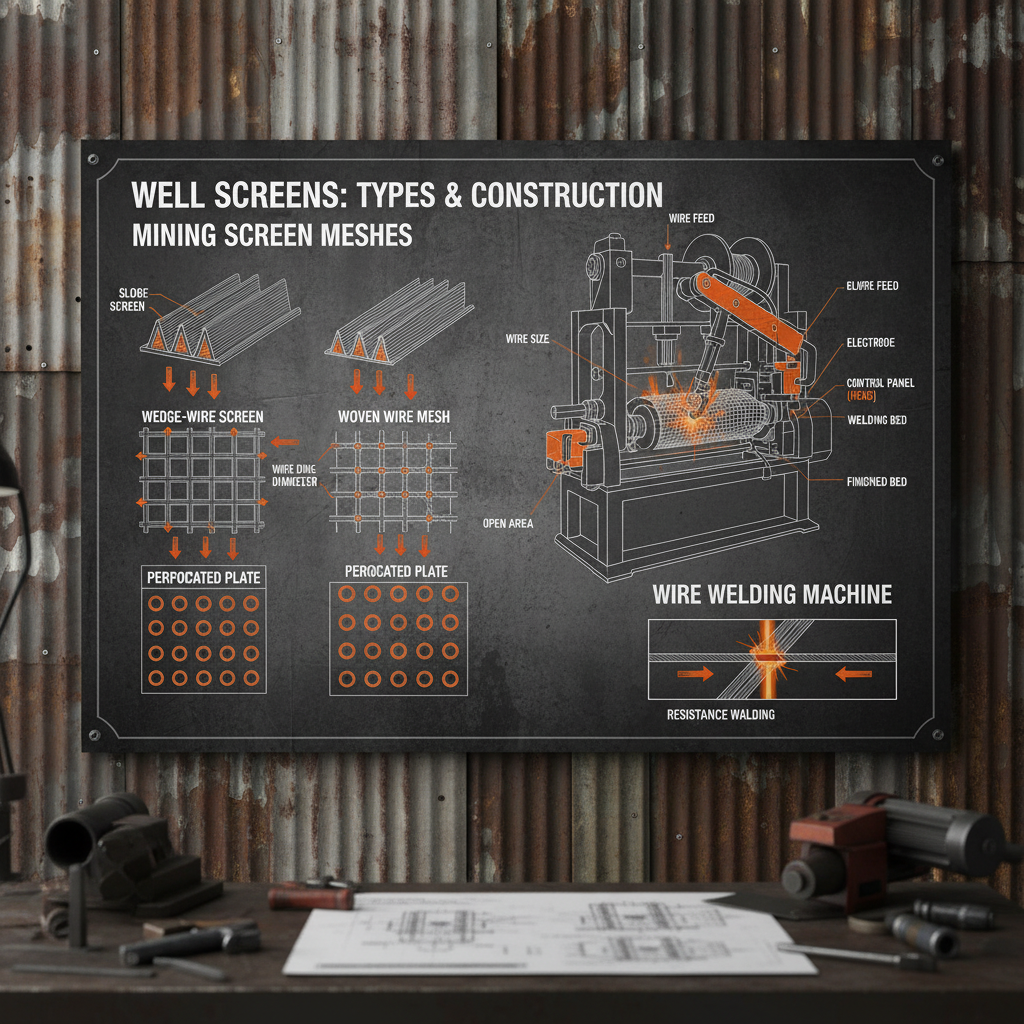
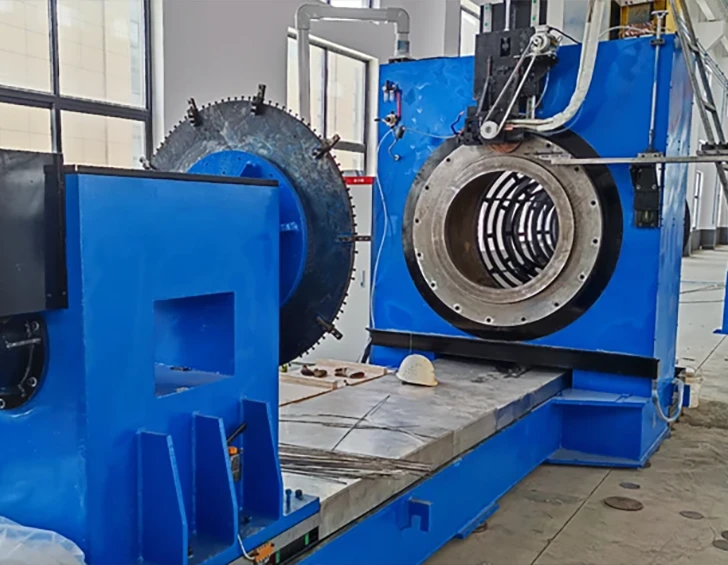
The production of a high-performance self cleaning screen mesh is a meticulously controlled process, combining advanced materials with precision engineering. Our manufacturing methodology is designed to ensure each screen meets stringent performance, durability, and reliability standards required by the petrochemical, metallurgy, and water supply & drainage industries. Below is a detailed overview of the typical process flow:
1. Material Selection and Preparation
- High-Grade Steel Wire: We primarily utilize high-tensile steel alloys, such as spring steel (e.g., DIN 17223 Grade B/C, ASTM A227) or stainless steel (e.g., AISI 304, 316, 316L) for their exceptional wear resistance, corrosion resistance, and elasticity. For specific applications requiring enhanced resilience against aggressive chemicals, specialized alloys are employed.
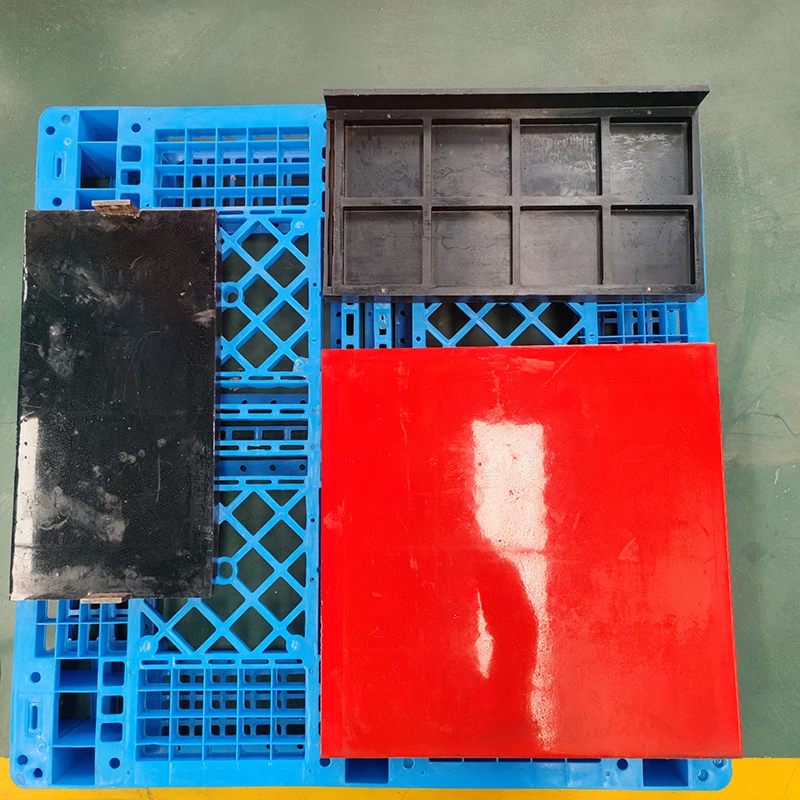
- Polyurethane and Rubber Components: Integral to many self-cleaning mesh designs are polyurethane (PU) or high-grade rubber components. These are selected for their superior abrasion resistance, elasticity, and damping properties, which are crucial for the dynamic action of the screen.
- Pre-treatment: Wires undergo cleaning, descaling, and sometimes phosphating to prepare for further processing and enhance corrosion protection.
2. Precision Wire Weaving/Welding
- Crimping: Wires are precisely crimped to ensure uniform aperture size and stability. This process is critical for maintaining consistent screening accuracy.
- Weaving: Using advanced weaving looms, the crimped wires are interlaced into various patterns (e.g., plain weave, twill weave) to form the base screen mesh.
- Welding (for certain designs): For some heavy-duty or specific aperture designs, wires are spot-welded at intersections to enhance structural rigidity and prevent wire movement under extreme stress.
3. Integration of Self-Cleaning Elements
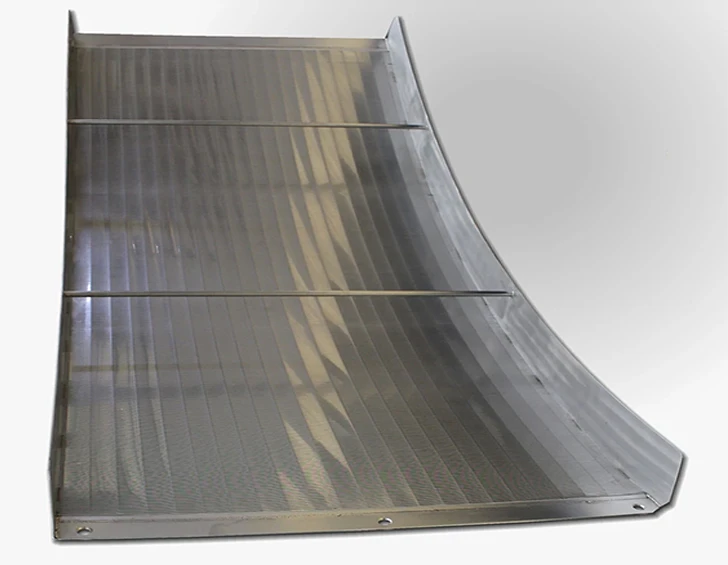
- Cross-Tensioned Wires/Harps: For harp-style screens, individual straight wires or small groups of wires are tensioned longitudinally or transversely, creating a vibrating action that dislodges material.
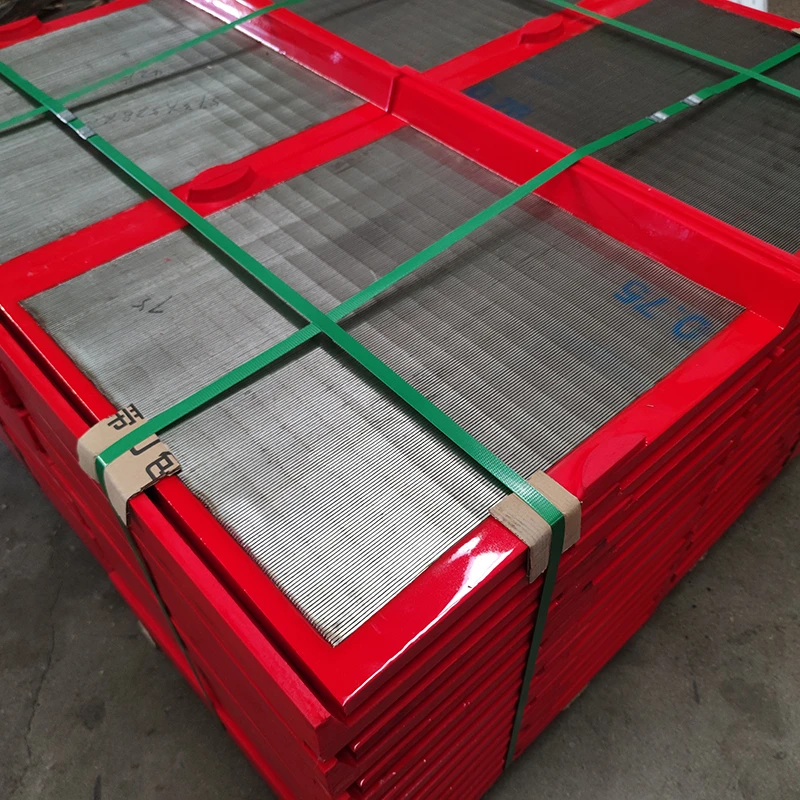
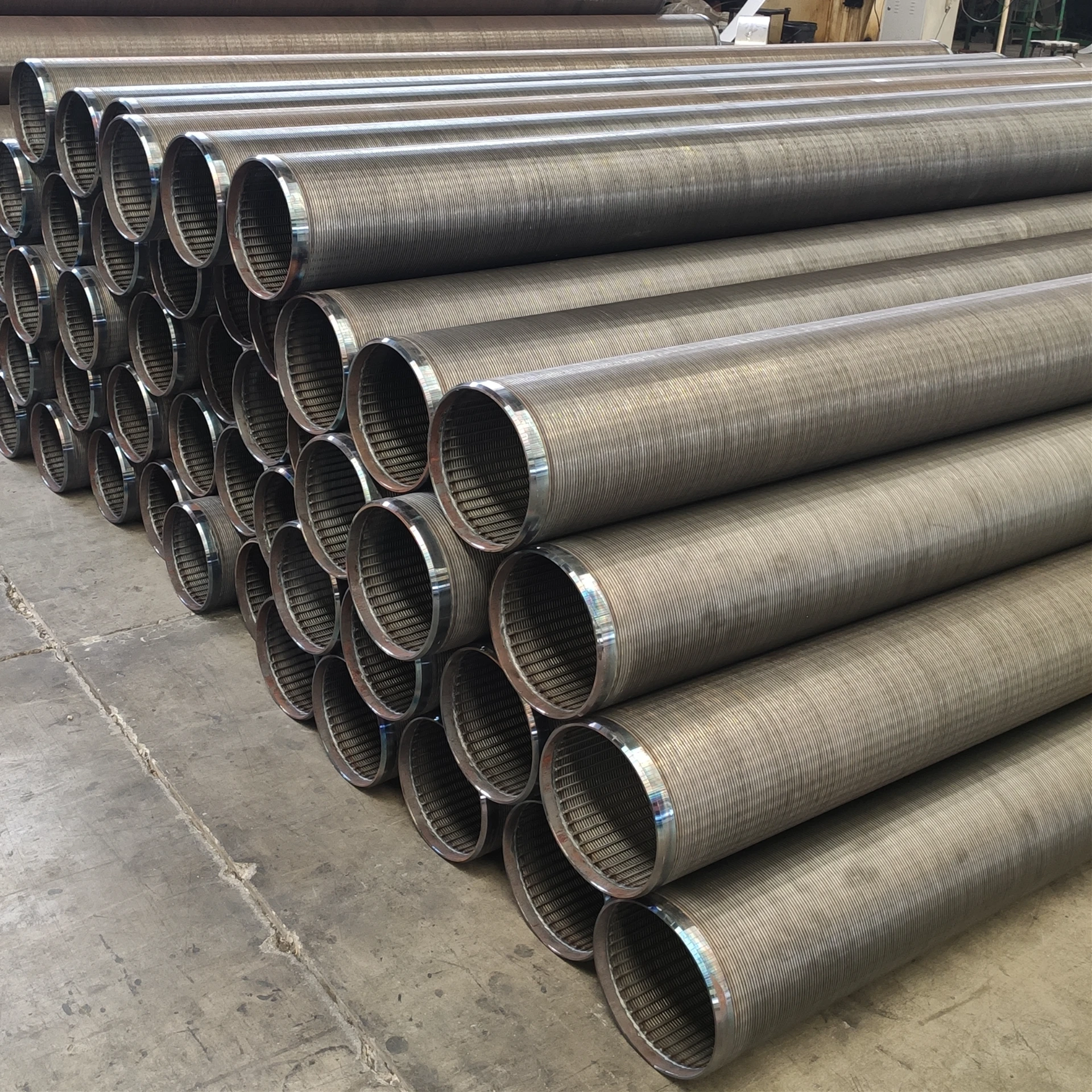
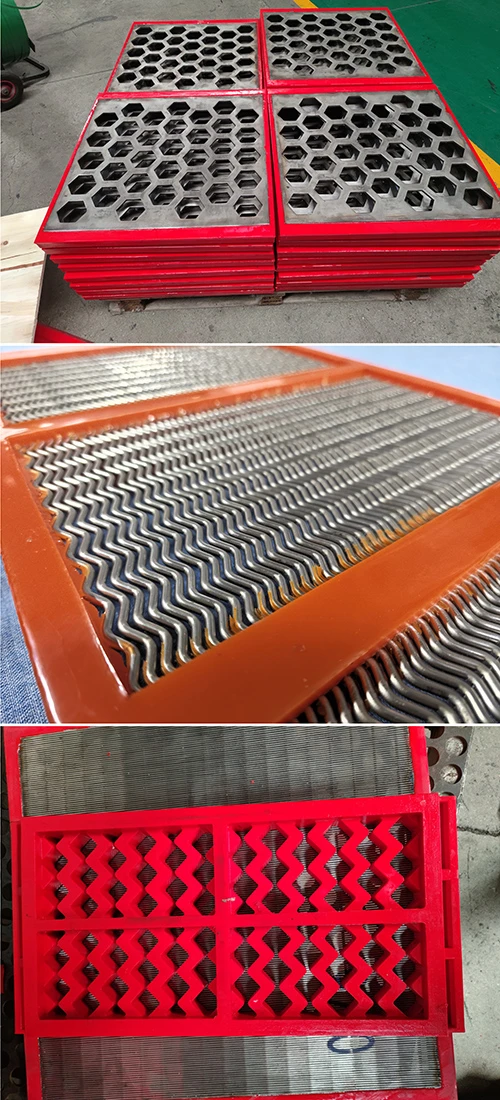
- Polyurethane Cross-Members: Many modern self cleaning wire mesh designs incorporate polyurethane bars or strips vulcanized onto the woven wire. These PU elements provide flexibility and allow differential vibration of wire sections.
- Modular Design: For modular screens, injection molding techniques are used to form individual PU or rubber modules with integrated wire components.
4. Edge Reinforcement and Finishing
- Hooking/Edging: The screen edges are precisely bent, welded, or fitted with polyurethane hooks (e.g., U-hooks, C-hooks) to ensure secure attachment to screening machines. This critical step provides necessary tension and prevents premature wear.
- Surface Treatment: Depending on the application, screens may undergo additional surface treatments such as passivation for stainless steel or painting for carbon steel components to enhance corrosion resistance and prolong service life.
5. Quality Control and Testing
- Dimensional Accuracy: Screens are inspected for precise dimensions, aperture size uniformity (e.g., ISO 3310-1, ASTM E11), and wire diameter.
- Material Integrity: Non-destructive testing methods may be employed to verify material composition and weld integrity.
- Tension and Fit Testing: Screens are tested to ensure they fit standard machine frames and maintain optimal tension for effective screening.
- Adherence to Standards: All manufacturing processes and final products conform to international quality standards such as ISO 9001 for quality management, and relevant material standards like ASTM or DIN for specific alloy properties.
The result is a durable, highly efficient self cleaning screen built for an extended service life, typically ranging from 6 to 18 months, depending on material abrasiveness and operational intensity. These screens offer significant advantages such as energy saving through reduced blinding, superior corrosion resistance due to material choice, and consistent throughput in demanding scenarios like dewatering or classifying sticky aggregates.
Industry Trends and Challenges in Aggregate Screening
The aggregate industry is constantly evolving, driven by infrastructure development, environmental regulations, and the increasing demand for high-quality, consistently graded materials. Key trends include a shift towards finer material separation, increased processing of recycled aggregates, and a greater emphasis on operational efficiency and sustainability. These trends bring significant challenges to traditional screening methods.
- Blinding and Pegging: Sticky, wet, or high-moisture content materials, as well as those with high clay content, notoriously blind or peg conventional screen media. This reduces effective screening area, leading to poor separation efficiency and frequent, costly stoppages for cleaning.
- Wear and Tear: Abrasive materials like granite, basalt, and certain sands cause rapid wear on screen surfaces, necessitating frequent replacements and increasing operational expenses.
- Energy Consumption: Inefficient screening processes often require higher vibrating amplitudes or longer retention times, leading to increased energy consumption.
- Environmental Regulations: Stricter environmental controls push for less dust generation and more efficient water usage, impacting screening methodologies.
The emergence of advanced aggregate screens, particularly those with self-cleaning capabilities, directly addresses these challenges. These innovative solutions enable processors to maintain high output rates even with difficult materials, reduce operational costs associated with maintenance and downtime, and improve the overall quality and consistency of their final products. The market is increasingly demanding screening solutions that offer a blend of durability, efficiency, and minimal intervention.
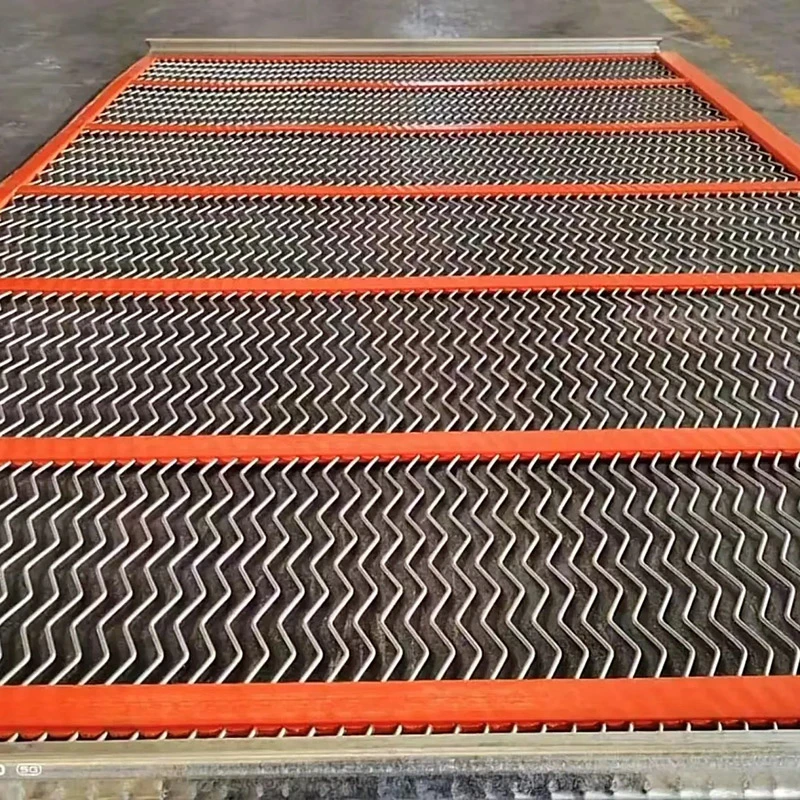
Technical Specifications and Performance Parameters
Understanding the technical specifications of a self cleaning screen is crucial for selecting the optimal solution for specific aggregate processing needs. Our screens are engineered to deliver superior performance across a range of applications, characterized by their robust materials and precision design.
Key Product Specifications for Self Cleaning Screens
| Parameter | Typical Range/Value | Description |
|---|---|---|
| Material | High Carbon Steel (e.g., 65Mn, 82B), Stainless Steel (304, 316), Polyurethane | Ensures durability, wear resistance, and corrosion protection. |
| Aperture Size | 1.5 mm – 32 mm (or customized) | Precision sizing for accurate material separation. |
| Wire Diameter | 1.0 mm – 8.0 mm (varies with aperture) | Optimized for strength and flexibility in self-cleaning action. |
| Working Temperature | -30°C to +80°C (Polyurethane); up to 400°C (Steel) | Suitable for various climatic and process conditions. |
| Open Area | Typically 50-70% (depending on design) | Maximizes throughput while maintaining structural integrity. |
| Wear Resistance Index | >80% compared to standard woven mesh | Indicates extended service life in abrasive applications. |
| Screen Type | Harp, Self-Cleaning, Polyurethane Cross Tension | Varying designs to achieve optimal self-cleaning action. |
The performance of our self cleaning screen products is meticulously tested against industry benchmarks, ensuring compliance with standards such as ASTM E2016 for woven wire mesh and ISO 3310-1 for test sieves, where applicable. The dynamic movement of the individual wires or polyurethane sections, achieved through differential vibration frequencies, is engineered to prevent particle accumulation. This results in up to a 30% increase in effective screening area compared to static screens processing similar materials, directly translating to higher throughput and reduced energy consumption for equivalent processing volumes.
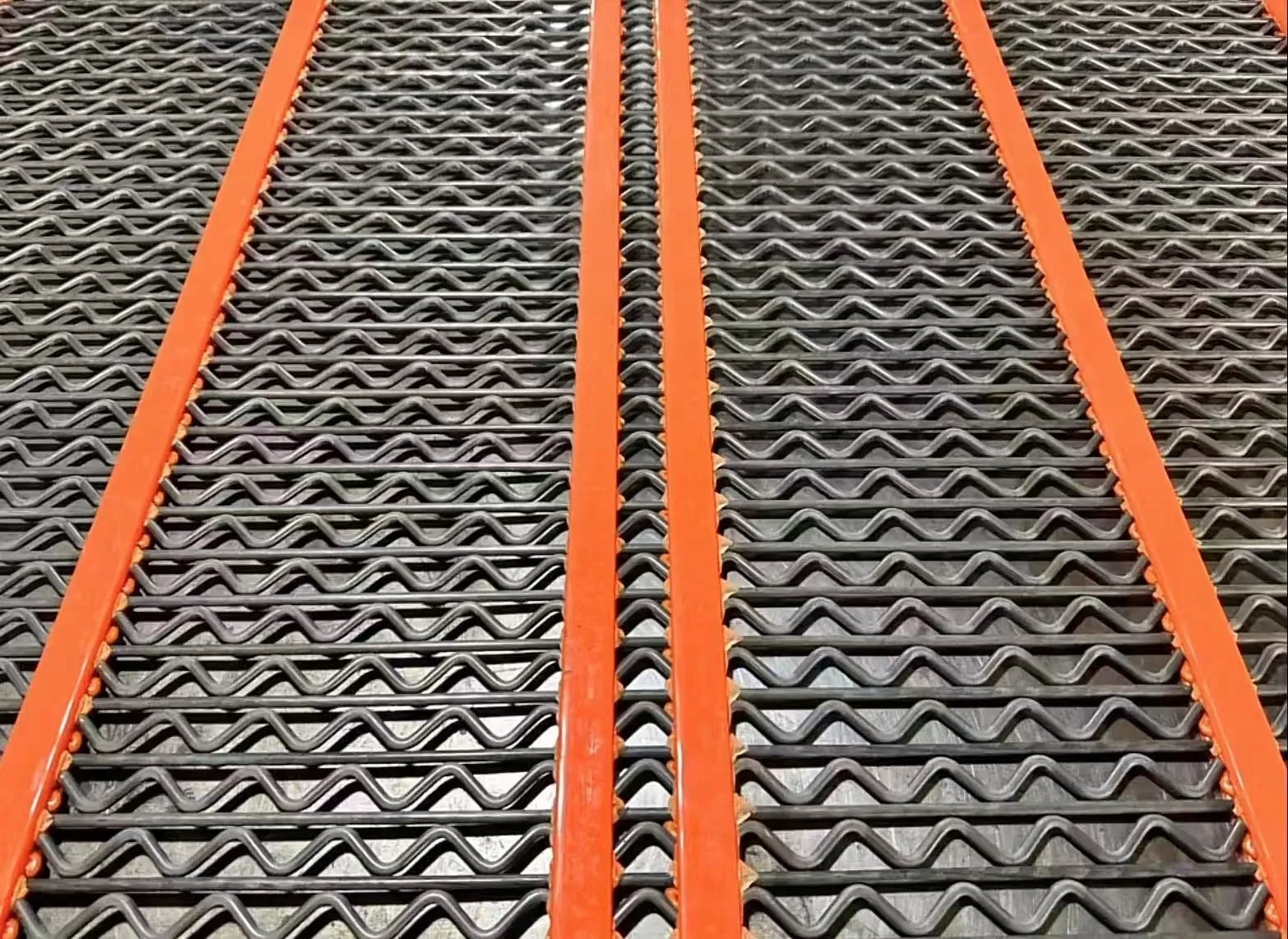
Application Scenarios and Technical Advantages
The versatility and efficiency of self-cleaning mesh make it indispensable across a multitude of industries where material separation is critical. Its ability to maintain a clear screening surface under challenging conditions provides distinct technical and operational advantages.
Typical Application Scenarios:
- Aggregate & Mining: Screening wet, sticky sand, gravel, limestone, and coal. Ideal for classifying recycled concrete or asphalt where fines and moisture cause blinding.
- Quarry Operations: Primary and secondary screening of quarried rock, especially in environments prone to high moisture content or clay contamination.
- Recycling Industry: Separating mixed waste streams, compost, wood chips, and C&D (Construction & Demolition) debris, where varied particle sizes and sticky residues are common.
- Mineral Processing: Dewatering and sizing mineral ores, particularly those with high moisture or problematic clay content, preventing screen blinding in wash plants.
- Industrial Sands: Screening silica sand, frac sand, and other industrial sands that require precise sizing without contamination from oversized or undersized particles.
- Fertilizer Production: Classifying granular fertilizers, which can often be sticky and prone to clogging conventional screens.
Technical Advantages:
- Superior Anti-Blinding Capability: The primary advantage. Dynamic movement of individual wires or elastic sections prevents fine particles from adhering and larger near-size particles from pegging, ensuring consistent open area. This translates to up to 95% reduction in screen blinding compared to traditional woven wire screens.
- Increased Throughput and Efficiency: By maintaining a clear screen aperture, our self cleaning screen solutions significantly improve material flow and separation efficiency, often leading to a 20-40% increase in processing capacity without additional machinery.
- Extended Service Life: Made from highly abrasion-resistant materials like high-tensile steel or durable polyurethane, these screens are designed to withstand aggressive wear, reducing replacement frequency by typically 2-3 times compared to standard mesh in similar applications.
- Reduced Downtime and Maintenance: Less blinding means fewer manual cleanings, leading to substantial reductions in labor costs and machinery downtime. This directly impacts operational expenditure (OpEx) positively.
- Improved Product Quality: Consistent and accurate sizing ensures a higher quality end product, reducing re-processing needs and meeting stringent customer specifications.
- Energy Efficiency: Optimized material flow and reduced resistance on the screen lead to more efficient use of the vibratory screening machine's power, resulting in notable energy savings over time.
- Versatility: Adaptable to various screen decks, screen types (e.g., vibratory, inclined, horizontal), and a wide range of materials from fine to coarse aggregates.
These advantages collectively position the self cleaning screen as a cornerstone technology for modern aggregate processing, delivering substantial ROI through enhanced productivity and reduced operational costs.
Vendor Comparison and Customized Solutions
Choosing the right vendor for aggregate screens is a strategic decision that impacts long-term operational efficiency and profitability. While many manufacturers offer screening media, the nuances of design, material quality, and after-sales support differentiate leading providers. Our commitment is to provide not just a product, but a comprehensive solution tailored to your specific operational demands.
Key Factors in Vendor Comparison:
| Feature | Leading Provider (e.g., MutoScreen) | Generic Provider |
|---|---|---|
| Material Quality | Certified high-tensile spring steel (65Mn, 82B), AISI 304/316 SS, premium PU with verifiable origins. | Standard alloys, less stringent material checks, potentially recycled content. |
| Design Optimization | Advanced simulation (FEA) for optimal vibration, precise aperture geometry for self-cleaning. | Basic designs, off-the-shelf configurations, limited R&D. |
| Customization Capabilities | Full bespoke solutions for aperture, dimensions, material, hook types, and self-cleaning mechanism tuning. | Limited options, typically standard sizes and configurations only. |
| Technical Support | On-site consultation, application engineering support, performance analysis, troubleshooting. | Basic product information, less in-depth application assistance. |
| Certifications & Standards | ISO 9001 certified manufacturing, ASTM, DIN, ANSI compliance for materials and testing. | May lack comprehensive quality certifications or adhere to minimal standards. |
| Longevity & ROI | Proven track record of extended service life, demonstrable ROI through reduced downtime and increased throughput. | Shorter lifespan, higher replacement frequency, less predictable performance. |
Tailored Customized Solutions:
Recognizing that no two operations are identical, we specialize in providing customized self cleaning screen solutions. This involves a collaborative process:
- Site Assessment: Our engineers can conduct site visits or detailed consultations to understand your specific material characteristics (abrasiveness, moisture content, particle shape), machine parameters (vibrating screen type, stroke, frequency), and operational objectives.
- Design and Material Optimization: Based on the assessment, we recommend the ideal wire diameter, aperture shape (e.g., square, slotted), crimp style, material composition (e.g., spring steel, stainless steel, polyurethane combinations), and self-cleaning mechanism (e.g., harp screen, polyurethane cross-tension screen).
- Hook and Edge Configuration: Custom hooks (U-hooks, C-hooks, bolt-on) are designed to ensure perfect fit and maximum tension on your specific screening machine, preventing premature wear and vibration issues.
- Prototyping and Testing: For highly unique applications, we can develop prototypes and assist with pilot testing to validate performance before full-scale deployment.
Our custom engineering approach ensures that your investment in a self cleaning screen yields maximum return by perfectly aligning with your operational requirements.

Application Case Studies: Real-World Performance
The effectiveness of a self cleaning screen is best demonstrated through its performance in real-world scenarios. Our clients have experienced significant improvements across various challenging applications.
Case Study 1: Wet Sand & Gravel Plant – Midwestern USA
- Challenge: A large sand and gravel operation faced severe blinding issues when processing moist, clay-rich river aggregates through their finishing screens (2.5mm aperture). This led to a 30% reduction in throughput and daily manual cleaning, resulting in 2-3 hours of downtime per shift.
- Solution: We implemented a specialized polyurethane cross-tension self-cleaning mesh for their vibratory screens. The design featured alternating straight and crimped wires embedded in elastic polyurethane strips.
- Results:
- Screen blinding was virtually eliminated (over 90% reduction).
- Throughput increased by 25%, allowing the plant to meet higher production targets.
- Downtime for screen cleaning was reduced to negligible levels, saving approximately $1,500 per day in operational costs.
- Screen service life extended from 3 months to 9 months, significantly reducing replacement costs.
Case Study 2: Recycled Concrete Aggregate – European Recycling Facility
- Challenge: A recycling facility processing crushed concrete and brick was struggling to separate fines from the 0-10mm fraction. The presence of residual cement paste and moisture caused rapid blinding of their 5mm square mesh screens, degrading the quality of their recycled aggregate and necessitating frequent shut-downs.
- Solution: We provided harp-style self cleaning wire mesh panels made from high-tensile spring steel, specifically engineered with optimally tensioned wires for rapid vibration.
- Results:
- Achieved consistent separation of fines, improving the quality of the recycled aggregate to meet stricter construction standards.
- Reduced screen blinding by over 85%, ensuring continuous material flow.
- Increased screening efficiency by 18%, processing more material in less time.
- Operational cost savings from reduced labor for screen cleaning and fewer screen replacements were estimated at 20% annually.
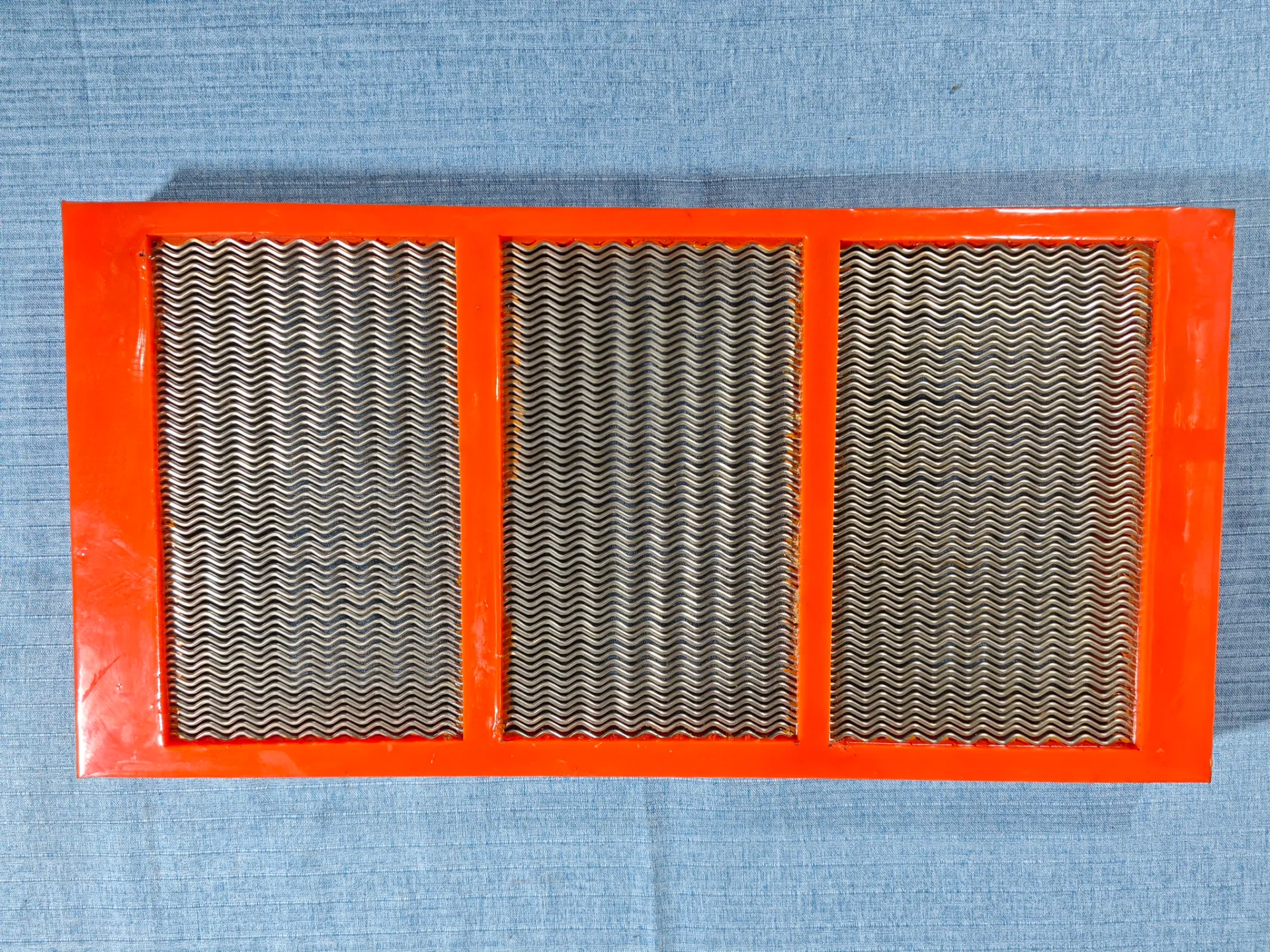
Ensuring Quality and Trust: Our Commitment
At MutoScreen, establishing and maintaining trust with our B2B partners is foundational. Our dedication to quality, transparency, and reliable support underpins every self cleaning screen we produce.
Authoritativeness: Certifications and Partnerships
- ISO 9001 Certified Manufacturing: Our production facilities adhere to the stringent requirements of ISO 9001:2015, ensuring consistent quality management throughout the manufacturing process.
- Industry Standard Compliance: All materials and final products meet or exceed relevant international standards such as ASTM (American Society for Testing and Materials), DIN (Deutsches Institut für Normung), and ANSI (American National Standards Institute) where applicable.
- Established Client Base: With over 15 years of experience in the industry, we have partnered with leading aggregate producers and mining companies globally, building a reputation for reliability and performance.
- Rigorous Testing Protocols: Every batch of screens undergoes comprehensive quality checks, including aperture verification, material hardness testing, and dimensional accuracy to guarantee performance.
Trustworthiness: Operational Commitments
- Lead Time and Fulfillment: We maintain efficient production schedules and robust inventory management to ensure competitive lead times, typically 2-4 weeks for standard orders and 4-6 weeks for customized solutions, depending on complexity and volume. Expedited options are available upon request.
- Warranty Commitments: All our self cleaning screen products come with a standard 12-month warranty against manufacturing defects and premature wear under normal operating conditions. Extended warranties and performance guarantees can be negotiated for specific project requirements.
- Customer Support & After-Sales Service: Our dedicated technical support team is available for comprehensive pre-sales consultation, installation guidance, and post-sales troubleshooting. We offer remote diagnostics, on-site assistance for complex issues, and a responsive spare parts supply chain.
Frequently Asked Questions (FAQ)
- Q: How does a self-cleaning screen actually prevent blinding?
A: Self-cleaning screens utilize differential vibration. Individual wires or small groups of wires, often supported by flexible polyurethane strips, vibrate independently or at different frequencies than the main screen frame. This dynamic action creates a snapping effect that dislodges near-size particles and prevents sticky materials from adhering to the screen openings. - Q: Can self-cleaning screens be used on any vibrating screen machine?
A: Yes, our self-cleaning screens are designed to be retrofittable to most standard vibrating screen machines. They are available in various hook types and panel dimensions to ensure seamless integration. Consultation with our engineers can confirm compatibility. - Q: What types of materials are best suited for self-cleaning screens?
A: They are particularly effective for screening wet, sticky, or high-moisture materials; aggregates with high clay content; recycled materials; and any application where blinding or pegging is a persistent issue. - Q: What is the typical lifespan of your self-cleaning screens?
A: Lifespan varies significantly based on material abrasiveness, operating hours, and screen design. However, our self-cleaning screens typically offer 2-3 times the service life of conventional screens in challenging applications, often ranging from 6 to 18 months or more. - Q: Do self-cleaning screens affect screening accuracy?
A: While traditional wisdom suggested a slight compromise, modern self-cleaning designs, particularly those with polyurethane cross-tensioning, are engineered for high accuracy. By maintaining open apertures, they often achieve better overall classification efficiency than blinded traditional screens.
Conclusion
The integration of a high-quality self cleaning screen represents a significant advancement in material processing technology, offering tangible benefits across a spectrum of industrial applications. By effectively mitigating the challenges of blinding and pegging, these advanced screening media ensure continuous operation, increased throughput, and superior product quality. The detailed manufacturing processes, robust technical specifications, and proven real-world case studies underscore their value as an essential component for any operation seeking to optimize its aggregate solutions and enhance overall efficiency. Investing in these innovative screens is not merely a purchase but a strategic commitment to reducing operational costs, extending equipment lifespan, and securing a competitive edge in today's demanding market.
References
- ASTM International. (n.d.). _ASTM E11 / E11M-20, Standard Specification for Woven Wire Test Sieve Cloth and Test Sieves_. Retrieved from www.astm.org
- ISO. (n.d.). _ISO 9001:2015, Quality management systems – Requirements_. Retrieved from www.iso.org
- Napier-Munn, T. J. (2015). _Mineral Comminution Circuits: Their Operation and Optimisation_. Elsevier.
- Coal Age. (n.d.). _Screening Basics: Principles and Practice_. Retrieved from industry-specific publications archives.
- Mining Engineering. (n.d.). _Innovations in Screening Technology_. Retrieved from industry-specific journals.