In the demanding world of industrial solid-liquid separation, efficiency, durability, and precision are paramount. Industries ranging from mining and metallurgy to food processing and wastewater treatment constantly seek advanced filtration solutions. Among these, the sieve bend screen stands out as a highly effective and versatile technology. This comprehensive guide delves into the intricate details of the Wedge Wire Sieve Bend Screen, exploring its design, manufacturing, applications, and the unparalleled advantages it offers to modern industrial processes. We aim to provide an authoritative resource, backed by industry insights and technical specifications, to help you understand why this technology is a cornerstone of efficient separation.
Industry Trends and the Evolving Landscape of Solid-Liquid Separation
The global industrial landscape is experiencing rapid growth, fueled by increasing demand for resources, efficient processing, and stringent environmental regulations. This growth directly impacts the solid-liquid separation sector, driving innovation in filtration technologies. Key trends include:
- Sustainability Focus: A growing emphasis on water conservation, wastewater treatment, and resource recovery necessitates highly efficient and reliable screening solutions.
- Automation & Precision: Industries are moving towards automated systems that require consistent, precise separation to optimize downstream processes and minimize manual intervention.
- Material Innovations: The demand for screens capable of handling corrosive, abrasive, or high-temperature environments drives the development of screens made from advanced alloys and superior manufacturing techniques.
- Cost Efficiency: Businesses are continually looking for solutions that reduce operational costs, extend equipment lifespan, and minimize maintenance downtime.
Within this evolving environment, the demand for high-performance separation equipment like the sieve bend screen is escalating. Its unique design and operational benefits make it an ideal choice for addressing these contemporary industrial challenges, particularly in sectors requiring high flow rates and efficient dewatering or classification.

Understanding the Wedge Wire Sieve Bend Screen: Technical Parameters and Design
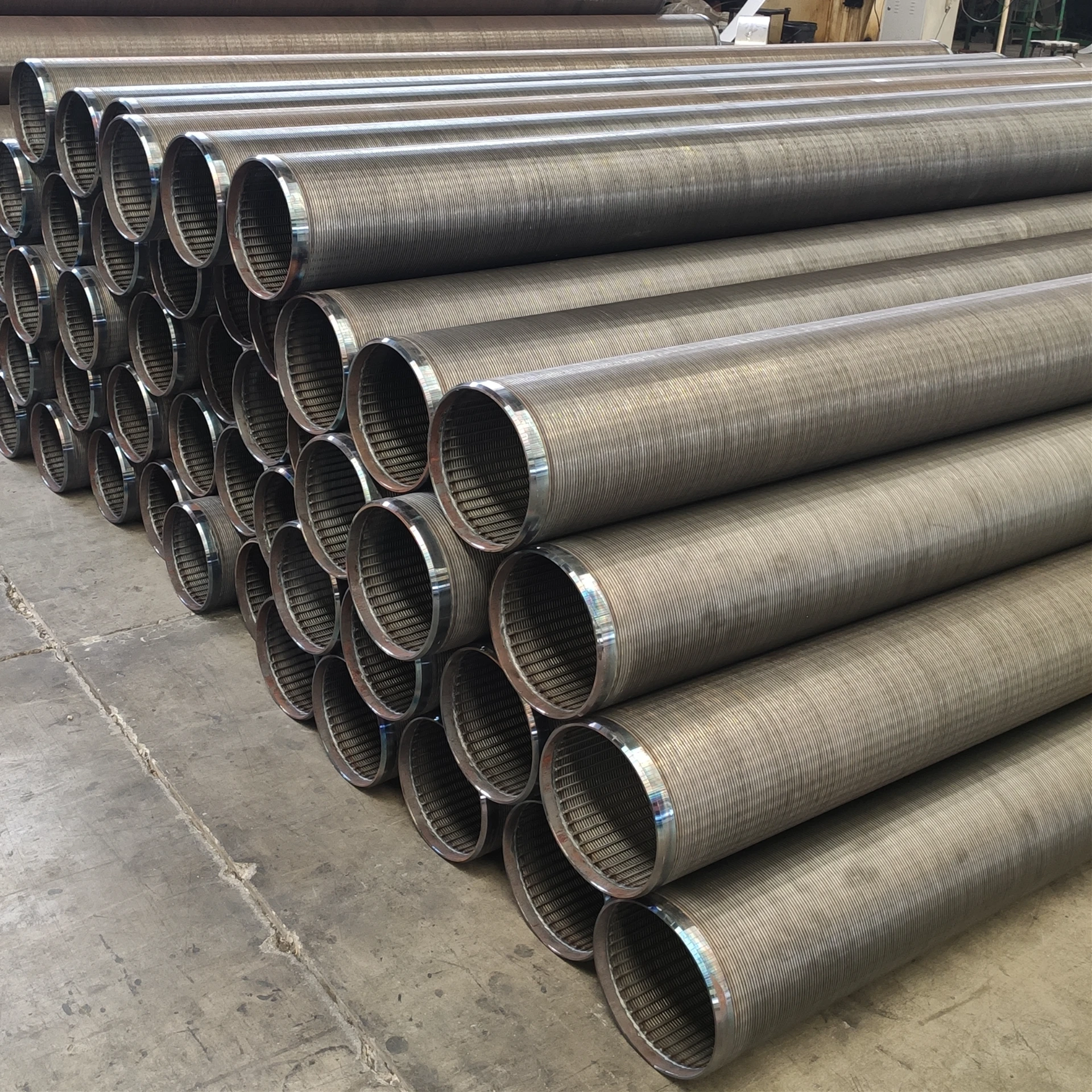
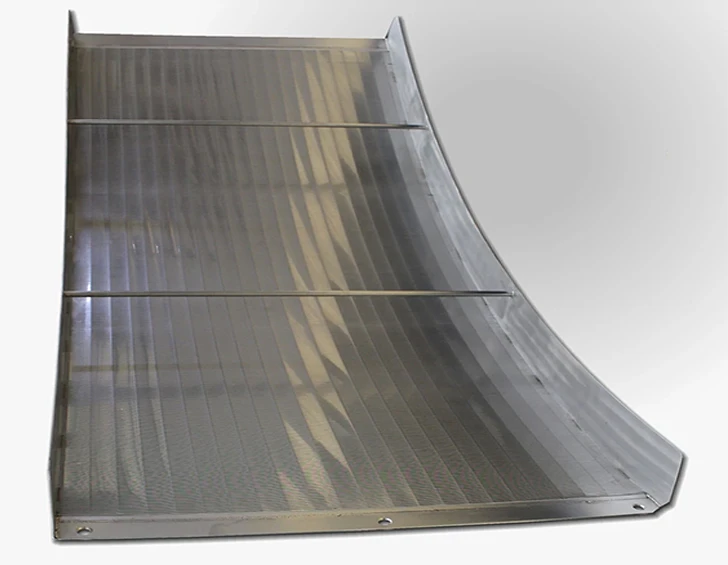
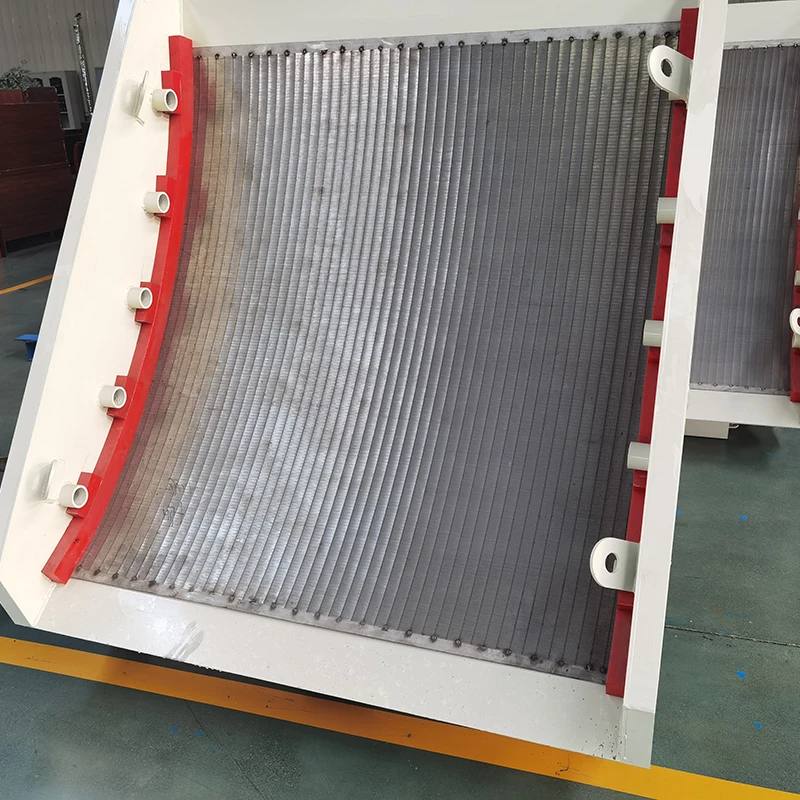
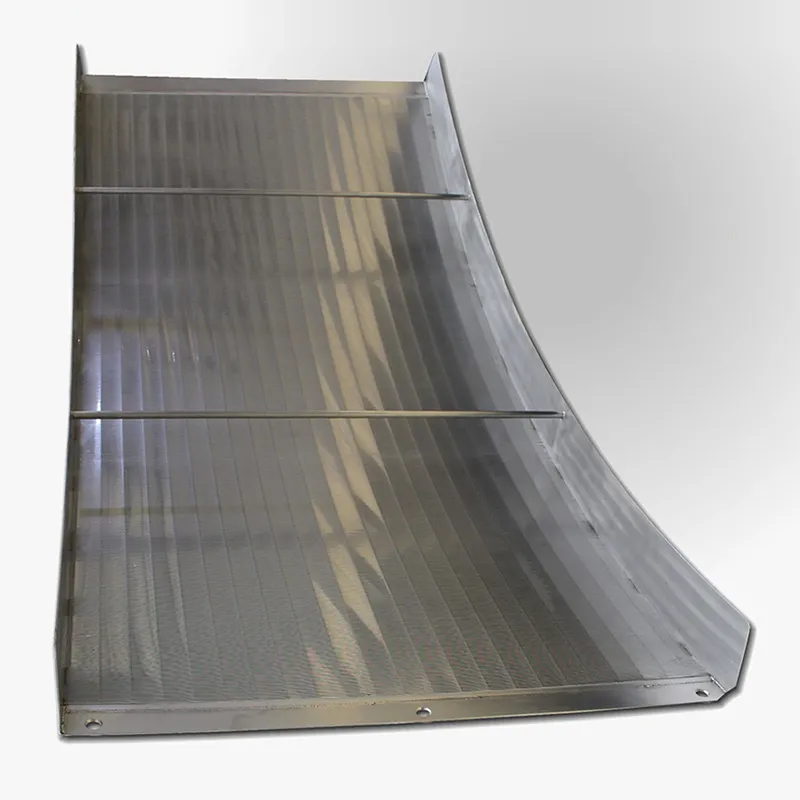
The Wedge Wire Sieve Bend Screen, also widely known as a run down screen, is a curved, stationary screen commonly used for dewatering, sizing, or solids removal from liquid streams. Its effectiveness stems from its unique design, which utilizes the Coanda effect—a phenomenon where a fluid jet adheres to a convex surface—to achieve efficient separation without moving parts.
Key Technical Parameters:
- Wedge Wire Profile: Typically V-shaped or triangular wires are used, which create a non-blinding surface. This means particles are less likely to get trapped, ensuring consistent flow.
- Slot Size (Aperture): This is the crucial dimension, measured in microns (µm) or millimeters (mm), defining the smallest particle size that can pass through. Slot sizes range from extremely fine (e.g., 50 microns for fine filtration) to several millimeters for coarser separation. Precision in slot size is critical for specific application requirements.
- Material: Common materials include Stainless Steel (SS304, SS316L, SS321) for excellent corrosion resistance and strength. For highly corrosive or abrasive environments, Duplex Stainless Steel (e.g., 2205, 2507) or Hastelloy can be specified, extending the screen's lifespan and performance.
- Arc Length & Radius: These parameters define the curvature of the screen, influencing the effective screening area and the flow dynamics over the screen. Standard angles typically range from 45° to 60° for optimal dewatering and classification.
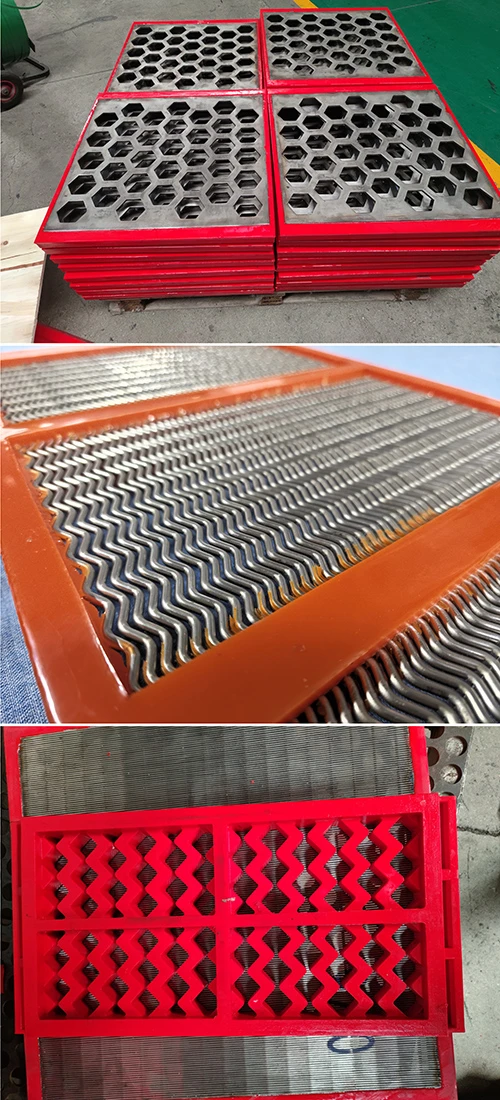
- Support Rod Configuration: The wedge wires are resistance welded to robust support rods running perpendicular to the wires. The spacing and size of these rods determine the screen's mechanical strength and load-bearing capacity.
- Open Area: The total percentage of the screen's surface that is open for fluid flow. A higher open area translates to greater flow capacity and reduced pressure drop, improving the overall sieve bend screen capacity.
- Surface Finish: Can vary from standard pickled and passivated to electropolished for improved hygiene and flow characteristics in sanitary applications.
The design of a sieve bend screen leverages gravity and surface tension. As slurry flows down the curved surface, the liquid passes through the slots while solids, due to their momentum, slide down the screen. The V-shaped wires ensure that particles only contact the surface at two points, minimizing blinding and maximizing throughput.
Table 1: Typical Wedge Wire Sieve Bend Screen Parameters
| Parameter | Typical Range | Description | Impact on Performance |
|---|---|---|---|
| Slot Size | 50 microns - 10 mm | Determines particle separation size. | Finer slots for higher purity, coarser for high flow. |
| Wire Profile | V-shaped (e.g., 90V, 100V) | Triangular wire cross-section. | Anti-clogging, efficient flow. |
| Material | SS304, SS316L, Duplex SS | Stainless Steel grades. | Corrosion resistance, strength, longevity. |
| Open Area | Typically 25% - 40% | Percentage of open space. | Higher open area = greater flow, lower pressure drop. |
| Arc Angle | 45°, 60° (most common) | Curvature of the screen. | Influences dewatering efficiency and discharge. |
| Operating Temperature | -50°C to 200°C (Material Dependent) | Maximum operational temperature. | Ensures material stability and performance in diverse environments. |
| Typical Flow Rate | 5 - 15 m³/hr per m² (Highly dependent on slurry) | Volumetric flow per unit area. | Key factor for sizing the screen for specific applications. |
Application Scenarios and Industry Versatility
The versatility of the Wedge Wire Sieve Bend Screen makes it indispensable across numerous industries. Its robust construction and efficient separation capabilities lend themselves to a wide array of applications:
- Sugar Industry: Used for juice clarification, dewatering bagasse, and separating fine fibers.
- Pulp & Paper Industry: Essential for fiber recovery, bark dewatering, and wastewater treatment.
- Mineral Processing: Employed for dewatering mineral slurries, classifying aggregates, and coal preparation.
- Food & Beverage: Separation of solids from liquids in fruit processing, brewing, and dairy production.
- Wastewater Treatment: Primary screening of municipal and industrial wastewater to remove suspended solids, protecting downstream equipment.
- Chemical & Petrochemical: Catalyst retention, polymer filtration, and separation in various chemical processes where corrosion resistance is critical.
- Textile Industry: Fiber recovery and effluent treatment.
In each of these applications, the sieve bend screen design is optimized to meet specific requirements, whether it's maximizing solids recovery, achieving specific particle sizing, or reducing biological oxygen demand (BOD) in effluent streams. Its ability to handle high flow rates with minimal maintenance makes it a preferred choice over other screening methods.
Technical Advantages: Why Choose Wedge Wire Sieve Bend Screens?
The Wedge Wire Sieve Bend Screen offers a compelling suite of advantages that translate directly into operational efficiencies and cost savings for industrial facilities:
- High Capacity & Flow Rates: The large open area and efficient flow dynamics allow for processing significant volumes of liquid, optimizing sieve bend screen capacity even in space-constrained environments.
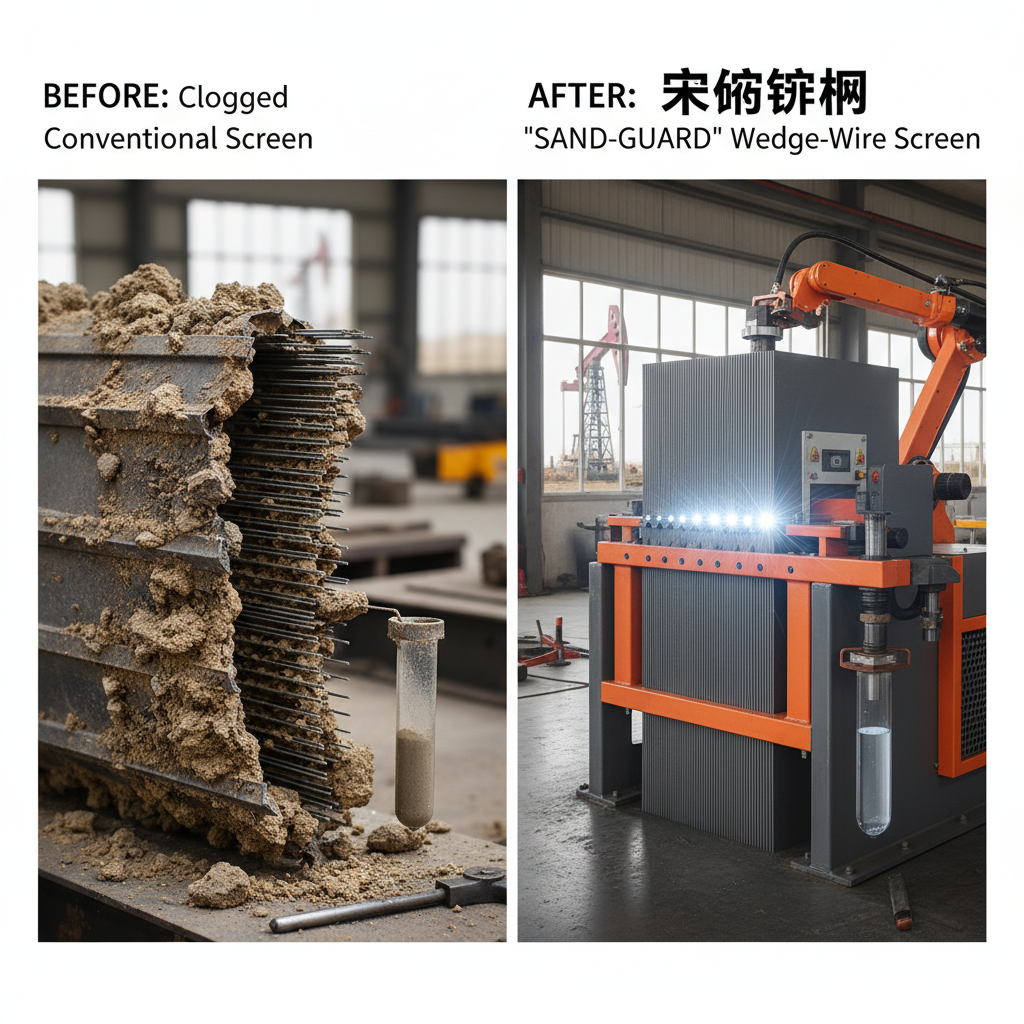
- Non-Clogging Design: The V-shaped wire profile and the inward-tapering slots prevent particles from lodging, ensuring continuous flow and reducing downtime for cleaning. This self-cleaning characteristic is a significant advantage over conventional mesh screens.
- Robust Construction & Longevity: Manufactured typically from high-grade stainless steel using precise welding techniques, these screens are highly resistant to corrosion, abrasion, and mechanical stress. This ensures an extended service life, often measured in years, even in harsh industrial conditions, significantly reducing replacement costs.
- Precise Separation: Uniform slot sizes across the entire screen ensure accurate and consistent solid-liquid separation, critical for product quality and process efficiency. This precision aids in achieving specific particle size classifications.
- Low Maintenance & Operating Costs: With no moving parts, the sieve bend screen requires minimal power and virtually no routine maintenance beyond occasional wash-downs. This drastically lowers operational expenditure compared to vibratory screens or centrifuges.
- Energy Efficiency: Operating purely by gravity, these screens consume no external energy, contributing to lower utility bills and a smaller carbon footprint, aligning with modern sustainability goals.
- Corrosion and Abrasion Resistance: The selection of premium materials like SS316L and specialized alloys, combined with pickling and passivation treatments, provides exceptional resistance to aggressive chemicals and abrasive slurries, ensuring reliable performance in demanding environments.
Manufacturer Comparison: Selecting Your Ideal Partner
Choosing the right manufacturer for your Wedge Wire Sieve Bend Screen is crucial for long-term performance and reliability. While specific company names will not be listed, consider the following critical aspects when evaluating potential suppliers:
- Expertise and Experience: Look for manufacturers with a long track record (e.g., decades of experience) in producing wedge wire products. Their deep understanding of material science, fluid dynamics, and fabrication techniques is invaluable.
- Customization Capabilities: The ability to custom-design screens to exact specifications (slot size, dimensions, materials, arc angle) ensures optimal performance for your unique application. A strong engineering team capable of developing bespoke sieve bend screen designs is a key indicator.
- Quality Control & Certification: Verify that the manufacturer adheres to international quality standards such as ISO 9001. Enquire about their testing protocols, including slot size accuracy checks, pressure tests, and material traceability. Reputable manufacturers will provide material certificates and performance guarantees.
- After-Sales Support: Excellent customer service, technical support, and the availability of spare parts are vital for ensuring smooth operation and minimizing downtime. Partnerships with leading Engineering, Procurement, and Construction (EPC) firms can also indicate strong industry trust.
- Technological Investment: Manufacturers who invest in advanced manufacturing processes (e.g., automated welding, CNC machining) typically produce higher quality, more consistent products.
Muto Screen, with its extensive experience and commitment to quality, excels in providing high-performance Wedge Wire Sieve Bend Screens, designed and manufactured to rigorous standards.
The Manufacturing Journey: Crafting a Wedge Wire Sieve Bend Screen
The production of a Wedge Wire Sieve Bend Screen is a sophisticated process that combines precision engineering with specialized fabrication techniques to ensure superior performance and durability. Below is a detailed breakdown of the manufacturing process:
Process Flow:
- Design & Engineering (CAD/CAM):
- The process begins with detailed CAD (Computer-Aided Design) drawings based on client specifications (e.g., desired slot size, dimensions, material, flow rate, and sieve bend screen capacity requirements).
- Engineers determine the optimal wedge wire profile, support rod configuration, and arc geometry using advanced simulation software to predict flow dynamics and structural integrity.
- Material Selection & Preparation:
- High-quality raw materials, primarily stainless steel grades (e.g., SS304, SS316L, SS316, SS321, Duplex Stainless Steel) or other specified alloys, are sourced from certified suppliers.
- The selected wedge wires and support rods are cut to precise lengths. Each batch of material undergoes incoming quality inspection to verify chemical composition and mechanical properties, adhering to standards like ASTM A240 for stainless steel.
- Automated Resistance Welding:
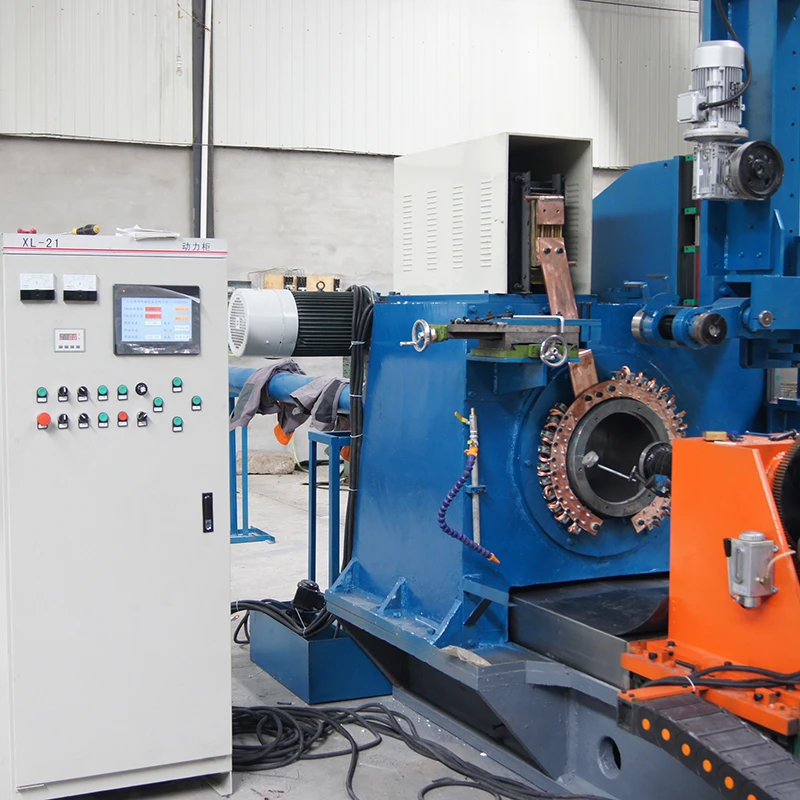
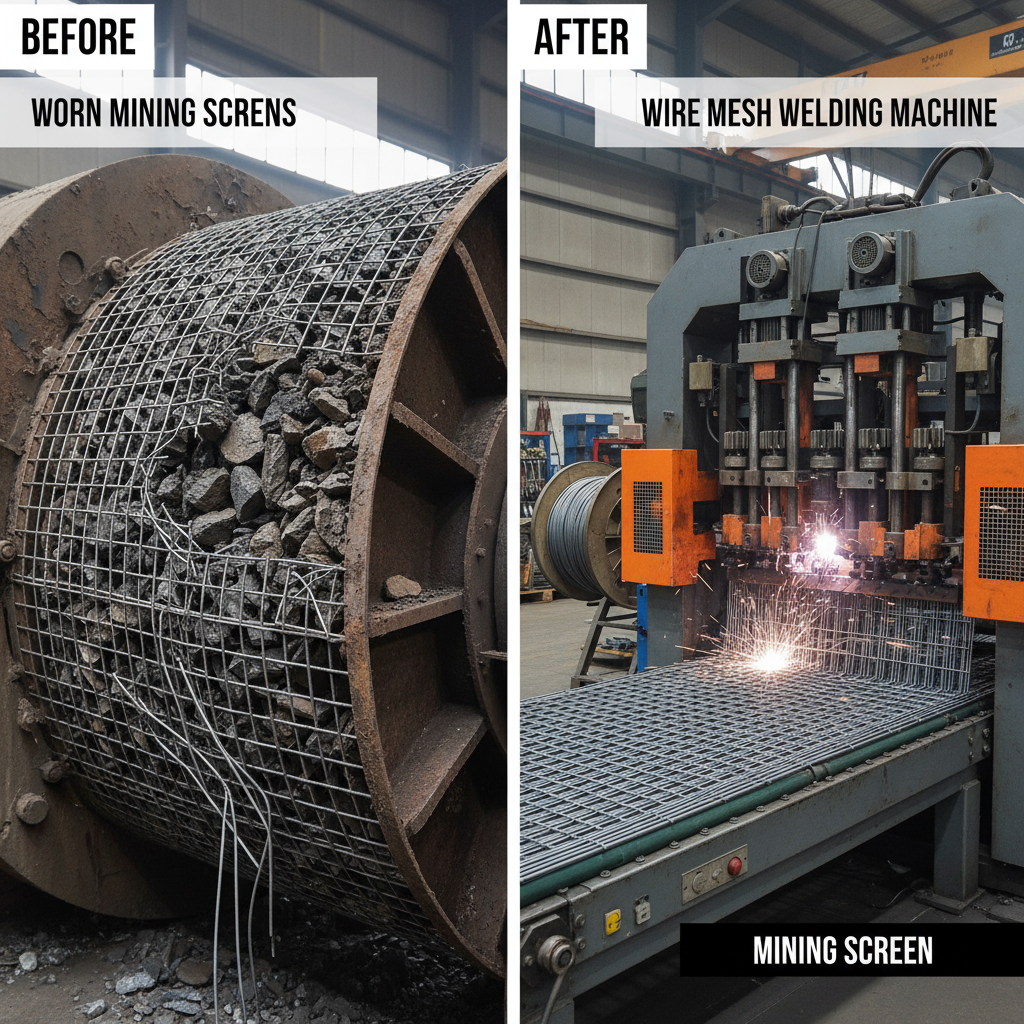
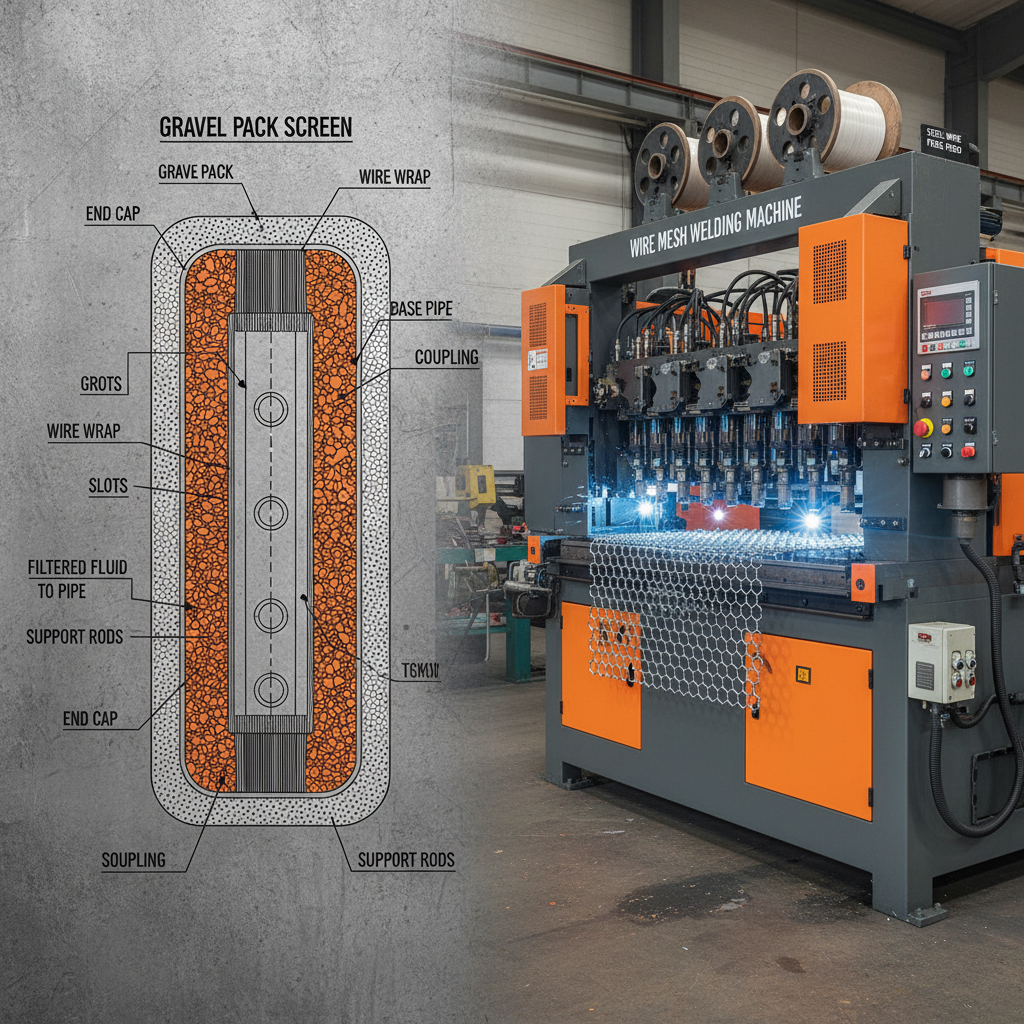
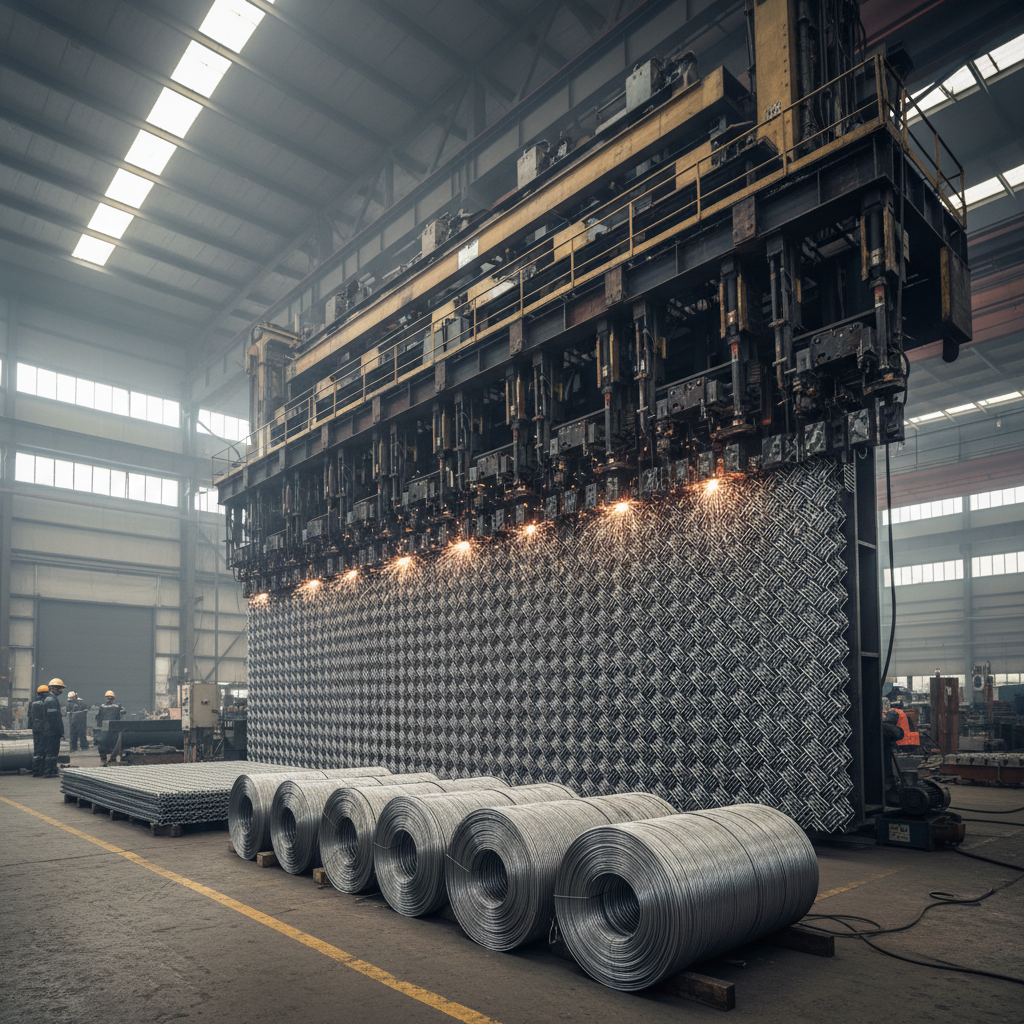
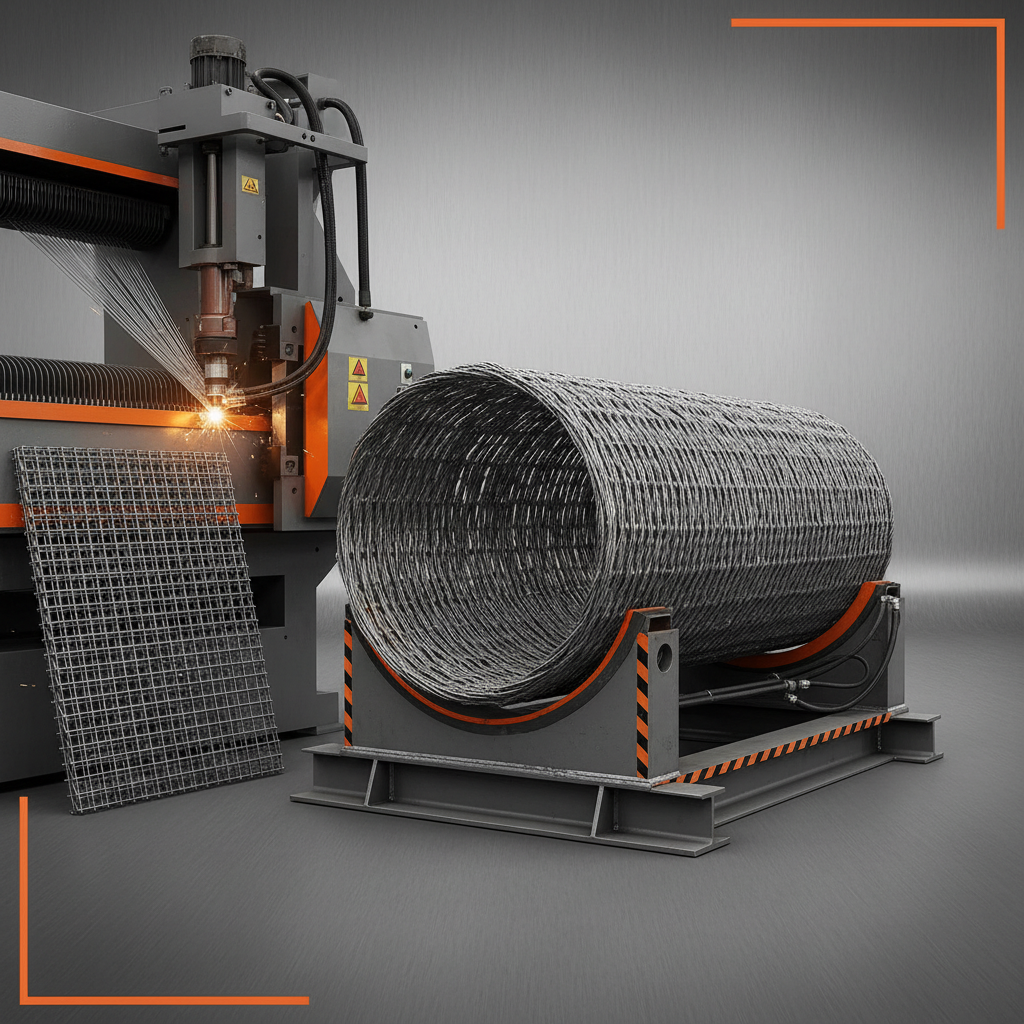
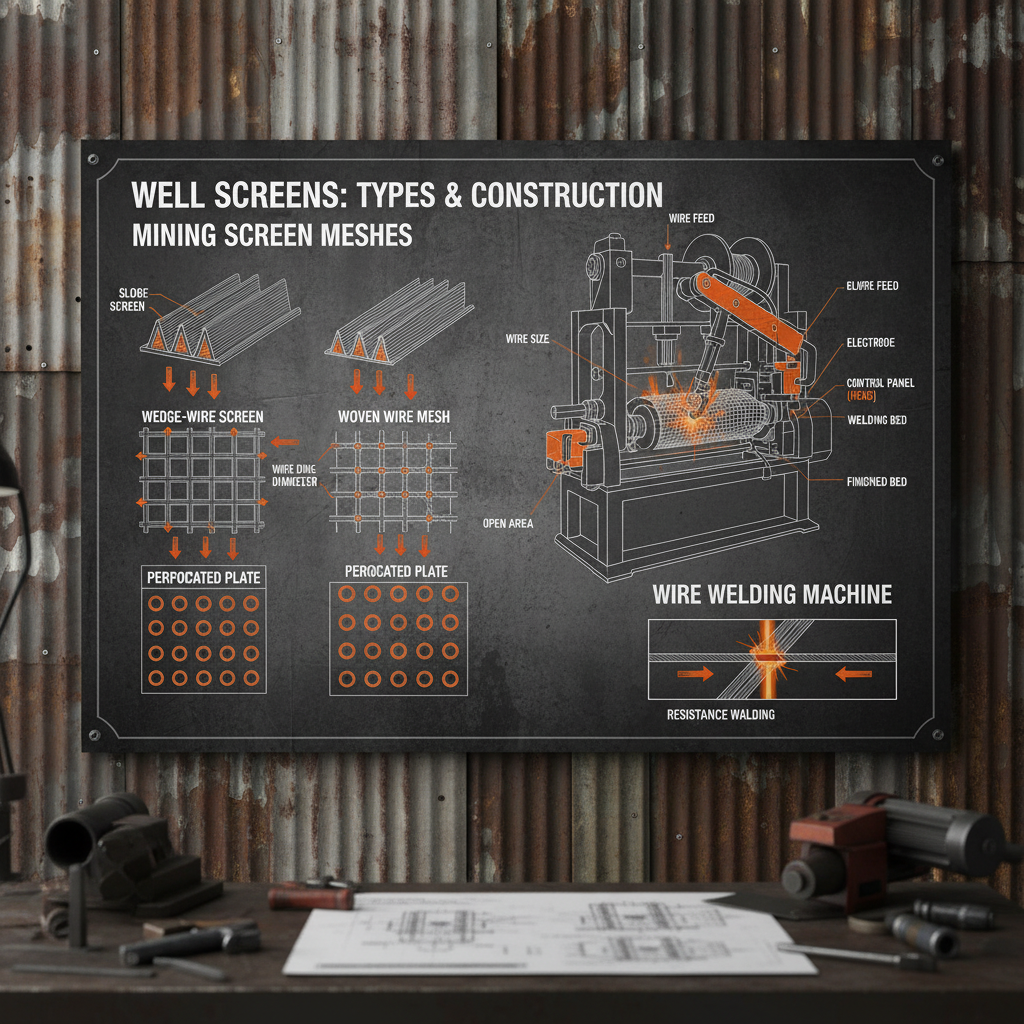
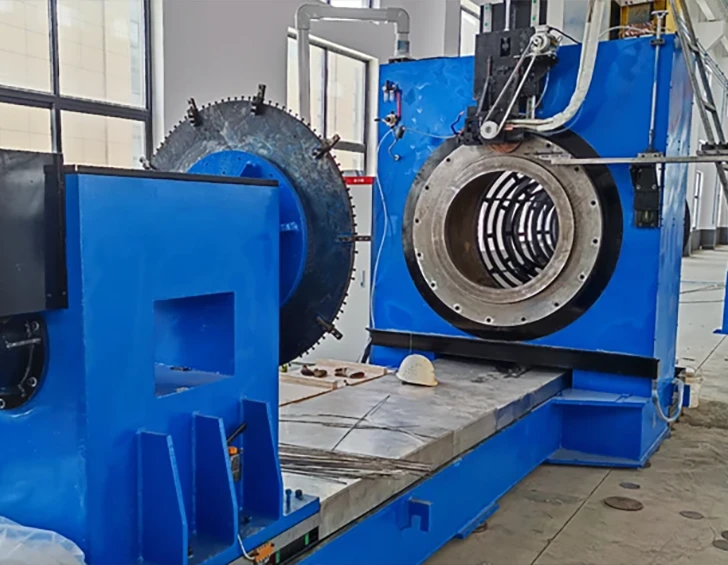
- This is the core of the manufacturing process. The V-shaped profile wires are circumferentially welded to the longitudinal support rods using a specialized, high-precision automated resistance welding machine.
- This process ensures a strong, continuous bond at every intersection point, creating a robust, non-clogging screen surface with precise and uniform slot openings. The welding is done without additional filler metal, ensuring material purity.
- Forming & Shaping:
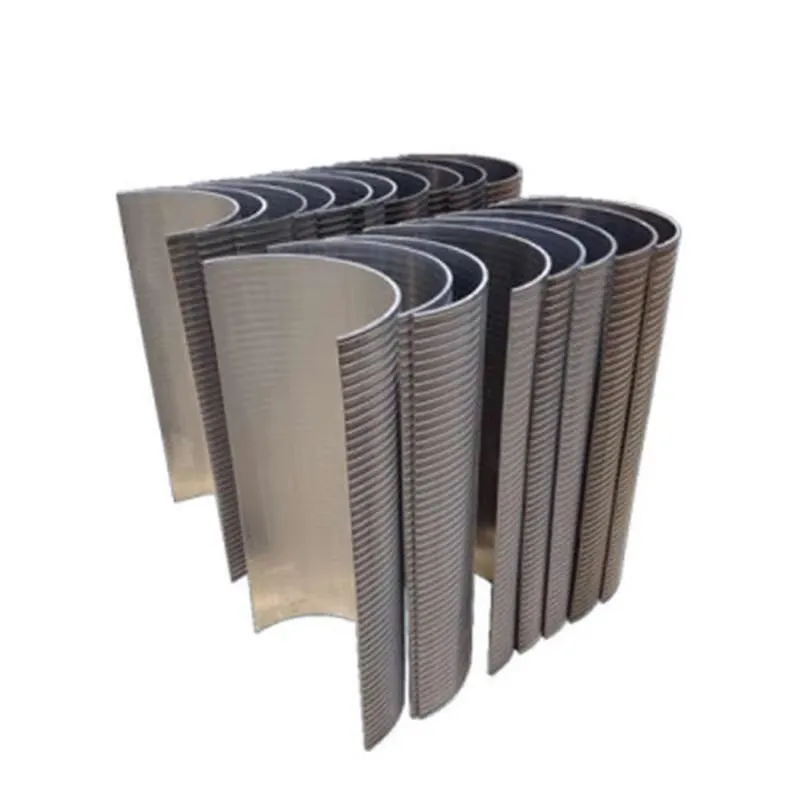
- Once the flat panel is welded, it undergoes a precision forming process to achieve the desired arc length and radius, transforming it into the curved sieve bend shape.
- This shaping can involve specialized bending machines or hydraulic presses, carefully controlled to maintain the structural integrity and slot uniformity.
- Edge Finishing & Reinforcement:
- The edges of the formed screen are trimmed and, if required, reinforced with end rings or side plates. This often involves additional welding (e.g., TIG welding) for structural strength and to facilitate installation into the housing.
- Surface Treatment & Cleaning:
- The finished screen undergoes a thorough cleaning process, typically involving pickling and passivation. Pickling removes surface contaminants and heat tint from welding, while passivation forms a passive chromium oxide layer, significantly enhancing the screen's corrosion resistance.
- For sanitary applications, electropolishing may be performed to achieve an ultra-smooth, crevice-free surface, preventing bacterial growth and improving cleanability.
- Quality Control & Inspection:
- Each Wedge Wire Sieve Bend Screen undergoes rigorous quality assurance checks at multiple stages.
- Visual Inspection: Checking for defects, consistent welding, and proper forming.
- Slot Size Verification: Using precision gauges and optical comparators to ensure slot openings are within specified tolerances (e.g., ±5 microns).
- Dimensional Checks: Verifying overall dimensions, arc length, radius, and flatness.
- Material Traceability: Ensuring all materials used match the specified grades and certifications.
- Flow & Pressure Drop Tests (Optional): For critical applications, screens may undergo functional tests to verify flow rates and pressure drop characteristics.
- Packaging & Dispatch:
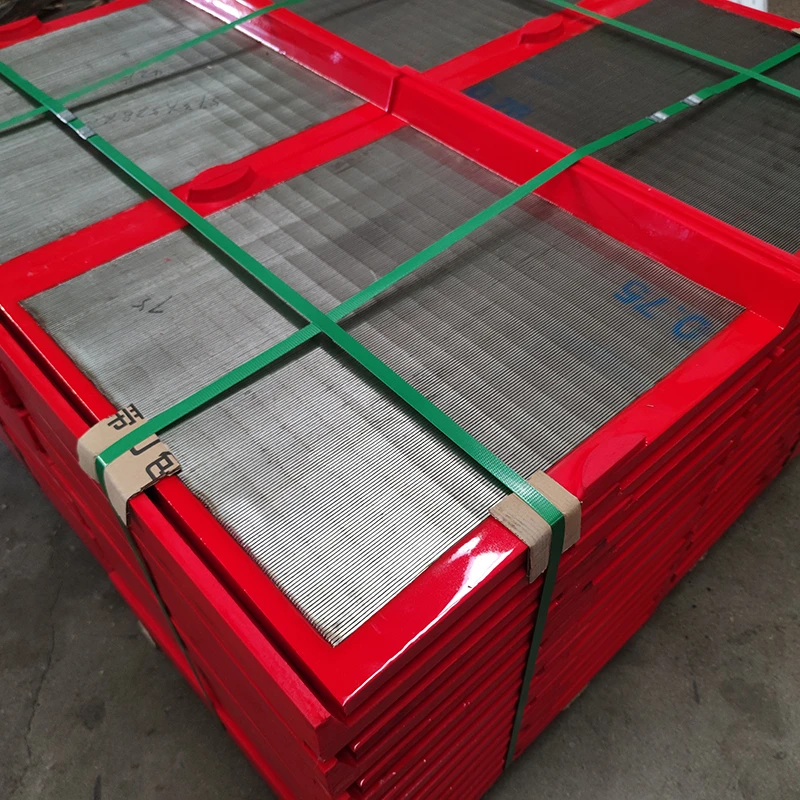
- Once approved, the screens are carefully packaged to prevent damage during transit, ready for shipment to the client.
This meticulous manufacturing process ensures that each Wedge Wire Sieve Bend Screen from Muto Screen meets the highest industry standards for quality, performance, and longevity, making them highly reliable run down screens.
Customization Solutions and Engineering Support
Recognizing that every industrial application has unique requirements, Muto Screen offers comprehensive customization services for Wedge Wire Sieve Bend Screens. Our engineering team works closely with clients to develop tailor-made solutions that perfectly integrate with existing systems and optimize performance.
- Material Selection: Beyond standard stainless steels, we offer screens in a wide array of specialized alloys for extreme chemical resistance, high temperatures, or unique abrasive environments.
- Precision Slot Sizes: From ultra-fine separations for pharmaceutical applications to coarse screening for mining, we can achieve precise slot sizes down to microns, ensuring optimal filtration efficiency.
- Dimensions & Arc Angles: Screens can be manufactured to specific lengths, widths, radii, and arc angles to fit any existing or new equipment housing, maximizing effective screening area.
- Support Rod & Wire Profile Optimization: Customization extends to the type and spacing of support rods for enhanced structural integrity under heavy loads, and specific wire profiles for unique flow characteristics.
- Integrated Solutions: Our expertise allows us to design not just the screen but also advise on optimal housing, inlet/outlet configurations, and integration strategies to maximize the overall efficiency of your solid-liquid separation system.
This consultative approach ensures that clients receive not just a product, but a complete solution engineered for their specific challenges, demonstrating our commitment to solving complex industrial problems with superior sieve bend screen design.
Real-World Application Cases & Client Success Stories
The effectiveness of Wedge Wire Sieve Bend Screens is best illustrated through their successful deployment in diverse industrial settings. Here are examples showcasing their practical benefits:
- Case Study 1: Municipal Wastewater Treatment
A large municipal wastewater treatment plant faced significant challenges with high suspended solids loading, leading to frequent clogging of downstream biological reactors. Implementing a customized Wedge Wire sieve bend screen with a 1.0mm slot size as a primary screening unit drastically reduced the solids entering the treatment train.- Outcome: A 40% reduction in BOD and TSS loading, leading to reduced chemical consumption, extended lifespan of aeration diffusers, and an overall 15% decrease in operational costs for the primary treatment stage.
- Case Study 2: Sugar Mill Juice Clarification
A major sugar refinery needed to improve the clarity of sugar cane juice while minimizing sugar loss in bagasse. By replacing traditional screens with Wedge Wire Sieve Bend Screens with a 250-micron slot size, they achieved superior separation.- Outcome: An increase in sugar recovery by 2%, and a significant improvement in the clarity of the clarified juice, contributing to higher quality refined sugar and a notable boost in profitability.
- Case Study 3: Mineral Sands Processing
In a mineral sands operation, the client struggled with abrasive slurries rapidly degrading their conventional screens during mineral sizing. Upgrading to SS316L Wedge Wire run down screens significantly enhanced durability.- Outcome: Screen lifespan increased by over 300%, from 6 months to over 2 years, resulting in massive savings on replacement parts and reduced maintenance downtime, showcasing the superior resistance to abrasion.
These examples underscore the tangible benefits—from improved product quality and reduced operational costs to extended equipment life and enhanced environmental compliance—that industries gain by integrating high-quality Wedge Wire Sieve Bend Screens into their processes. Our clients consistently report increased operational efficiency and significant ROI.
Ensuring Trustworthiness: Quality, Delivery, and Support
At Muto Screen, trust is built on transparency, reliability, and unwavering commitment to customer satisfaction. We adhere to stringent quality standards and provide robust support throughout the product lifecycle.
Quality Assurance & Certifications:
Our manufacturing processes are strictly controlled and comply with international standards. We are ISO 9001:2015 certified, guaranteeing a consistent quality management system from design to delivery. All raw materials are sourced from reputable suppliers and accompanied by material test certificates. Finished products undergo rigorous quality checks, including dimensional accuracy, slot opening verification (using advanced optical measurement tools), and integrity tests. Our screens consistently meet or exceed relevant industry specifications like ASTM and DIN standards for filtration media.
Delivery Cycle:
We understand the importance of timely delivery for maintaining operational continuity. Our streamlined production process and efficient logistics network ensure competitive lead times. For standard configurations, delivery can often be expedited. Custom orders are given detailed project timelines, and regular updates are provided. Our typical delivery cycle for custom sieve bend screen orders ranges from 4-6 weeks, depending on complexity and material availability, while standard sizes can be shipped within 2-3 weeks.
Warranty Commitment:
Muto Screen stands behind the quality of its Wedge Wire Sieve Bend Screens with a comprehensive warranty against manufacturing defects and material failures under normal operating conditions. Our warranty period typically extends for 12 to 24 months from the date of installation or 18 to 30 months from the date of shipment, whichever comes first, demonstrating our confidence in product durability and craftsmanship.
Customer Support & After-Sales Service:
Our commitment doesn't end with delivery. We offer dedicated technical support, providing expert advice on installation, operation, and maintenance. Our team is available to assist with troubleshooting, performance optimization, and custom design inquiries. We maintain a readily available inventory of common parts and can expedite the production of specialized components to minimize any potential downtime for our clients. Our engineers are also available for on-site consultation and support for complex installations or process optimizations.
Frequently Asked Questions (FAQ) about Wedge Wire Sieve Bend Screens
- Q1: What is a Wedge Wire Sieve Bend Screen and how does it work?
- A Wedge Wire Sieve Bend Screen is a stationary, curved screen constructed from V-shaped wires welded to support rods. It operates on the principle of the Coanda effect and gravity. Slurry flows over the curved surface, and as it accelerates, liquid passes through the precise slot openings while solids, due to their momentum, are screened out and slide down the screen. This allows for efficient solid-liquid separation without any moving parts.
- Q2: What materials are typically used for Wedge Wire Sieve Bend Screens, and why?
- The most common materials are Stainless Steel grades like SS304, SS316, and SS316L. SS316L is particularly favored for its superior corrosion resistance in acidic or chloride-rich environments. For highly aggressive chemical or abrasive applications, Duplex Stainless Steels (e.g., 2205, 2507) or specialized alloys like Hastelloy can be used to ensure extended service life and maintain structural integrity.
- Q3: How do I choose the correct slot size for my application?
- Choosing the correct slot size for your sieve bend screen design depends primarily on the desired separation efficiency (the size of particles you need to remove or recover) and the characteristics of your slurry (particle size distribution, viscosity, solids concentration). Our engineering team can assist you in determining the optimal slot size based on your specific process requirements and desired output.
- Q4: What are the main advantages of a Wedge Wire Sieve Bend Screen compared to other screening methods like vibrating screens?
- Key advantages include no moving parts (leading to low maintenance and energy consumption), a non-clogging V-shaped wire design, high flow rates, precise separation, and robust construction for long lifespan. Unlike vibrating screens, they require no power, produce less noise, and have a smaller footprint for equivalent sieve bend screen capacity, making them ideal for gravity-fed systems.
- Q5: What are "run down screens"?
- “Run down screens” is another common industry term for sieve bend screens. It refers to their operational principle where the liquid and solids "run down" the curved surface, utilizing gravity and flow dynamics for separation. This term is often used interchangeably with sieve bend screen, particularly in mineral processing and wastewater applications.
- Q6: How does the arc angle affect the performance of a sieve bend screen?
- The arc angle significantly influences dewatering efficiency and the cut point. A larger arc angle (e.g., 60°) provides a longer effective screening path, generally resulting in drier solids and finer separation. A smaller angle (e.g., 45°) might be used for higher flow rates where less dewatering is required. The optimal angle is determined by the specific application and desired outcome of the sieve bend screen.
- Q7: What is the expected lifespan of a Wedge Wire Sieve Bend Screen?
- The lifespan of a Wedge Wire Sieve Bend Screen is highly dependent on the material of construction, the abrasiveness and corrosiveness of the media being processed, and the operating conditions. However, due to their robust construction and superior materials, our screens typically have a much longer service life compared to conventional mesh screens, often lasting for many years with proper maintenance, significantly extending operational efficiency and reducing replacement frequency.
Conclusion: The Future of Industrial Separation with Wedge Wire Sieve Bend Screens
The Wedge Wire Sieve Bend Screen represents a pinnacle of innovation in solid-liquid separation technology. Its unique design, unparalleled efficiency, minimal maintenance requirements, and robust construction make it an indispensable asset across a multitude of industries. From enhancing sustainability in wastewater treatment to optimizing recovery in mineral processing and ensuring purity in food production, the advantages of a high-quality sieve bend screen are clear and quantifiable.
As industries continue to demand more efficient, reliable, and environmentally conscious solutions, the role of advanced filtration technologies like the Wedge Wire Sieve Bend Screen will only expand. By understanding its technical intricacies, leveraging customization capabilities, and partnering with experienced manufacturers like Muto Screen, businesses can unlock significant operational efficiencies, reduce costs, and achieve superior product quality. The investment in this proven technology is an investment in future growth and sustainable industrial practice.
For further insights into solid-liquid separation technologies and industry best practices, we recommend exploring resources from reputable organizations and academic publications:
- Fluid Separation Processes Forum: https://www.separation-processes.com/forum/
- Journal of Chemical Engineering and Process Technology: https://www.hilarispublisher.com/chemical-engineering-process-technology.html
- Water Environment Federation (WEF) Technical Resources: https://www.wef.org/resources/technical-resources/