Navigating Efficiency: The Evolution of Aggregate Processing with Self Cleaning Screens
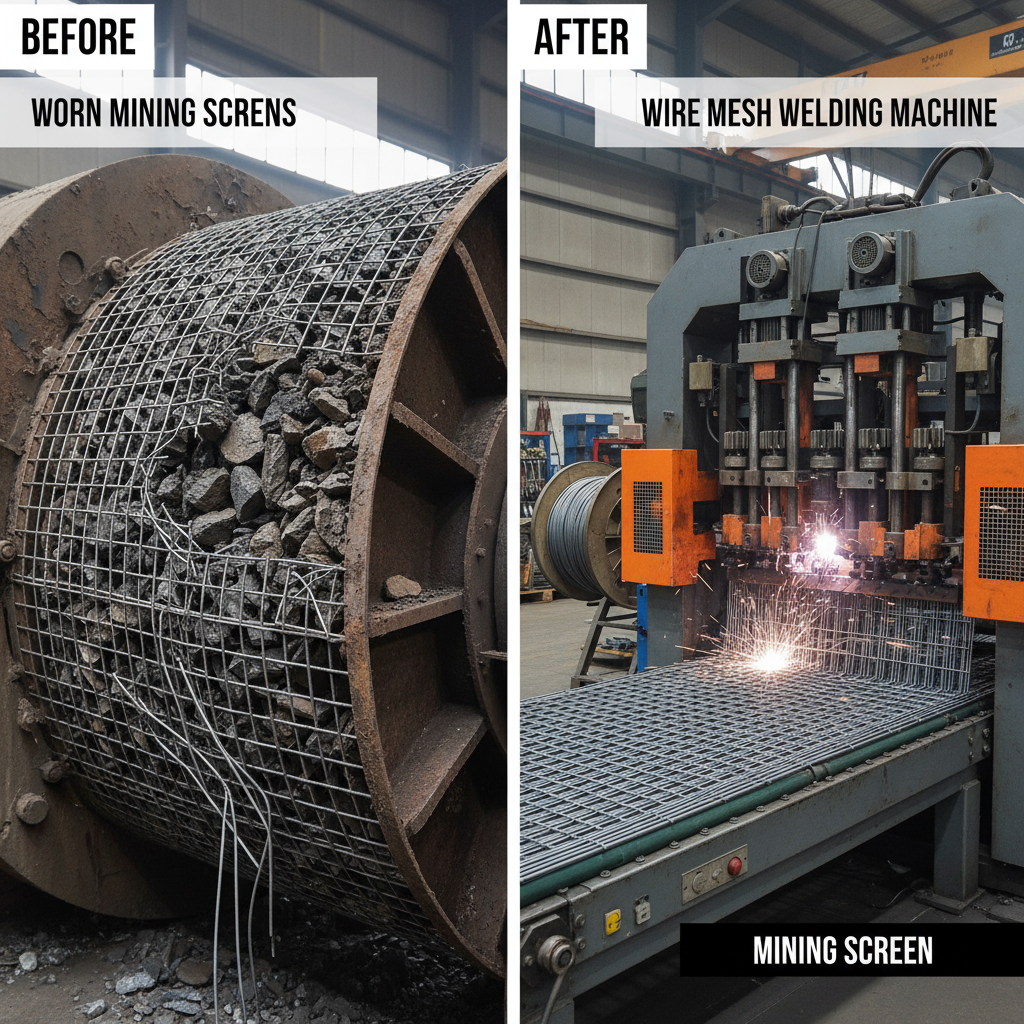
In the dynamic and demanding world of aggregate processing, mining, and industrial screening, the quest for enhanced efficiency and reduced operational downtime is paramount. Traditional screening methods frequently encounter issues such as blinding and pegging, significantly impeding throughput and increasing maintenance costs. This challenge has driven innovation, leading to advanced self cleaning screen technologies designed to overcome these pervasive problems. These innovative solutions are transforming how industries handle materials, ensuring consistent particle separation and optimizing operational workflows.
Industry trends indicate a clear shift towards sustainable and highly efficient aggregate solutions. Companies are increasingly investing in technologies that promise higher output with lower energy consumption and reduced environmental impact. The demand for durable, low-maintenance components that can withstand abrasive environments is growing. Modern operations require equipment that can process a wider range of materials, from wet, sticky aggregates to fine, dry powders, without constant manual intervention. This necessitates screening media that can dynamically adjust to material characteristics, preventing accumulation and maintaining optimal open area throughout the screening process. The adoption of sophisticated self cleaning screen mesh represents a critical step in achieving these ambitious operational goals, offering a compelling return on investment through improved productivity and longevity.
Understanding Self Cleaning Screen Technology
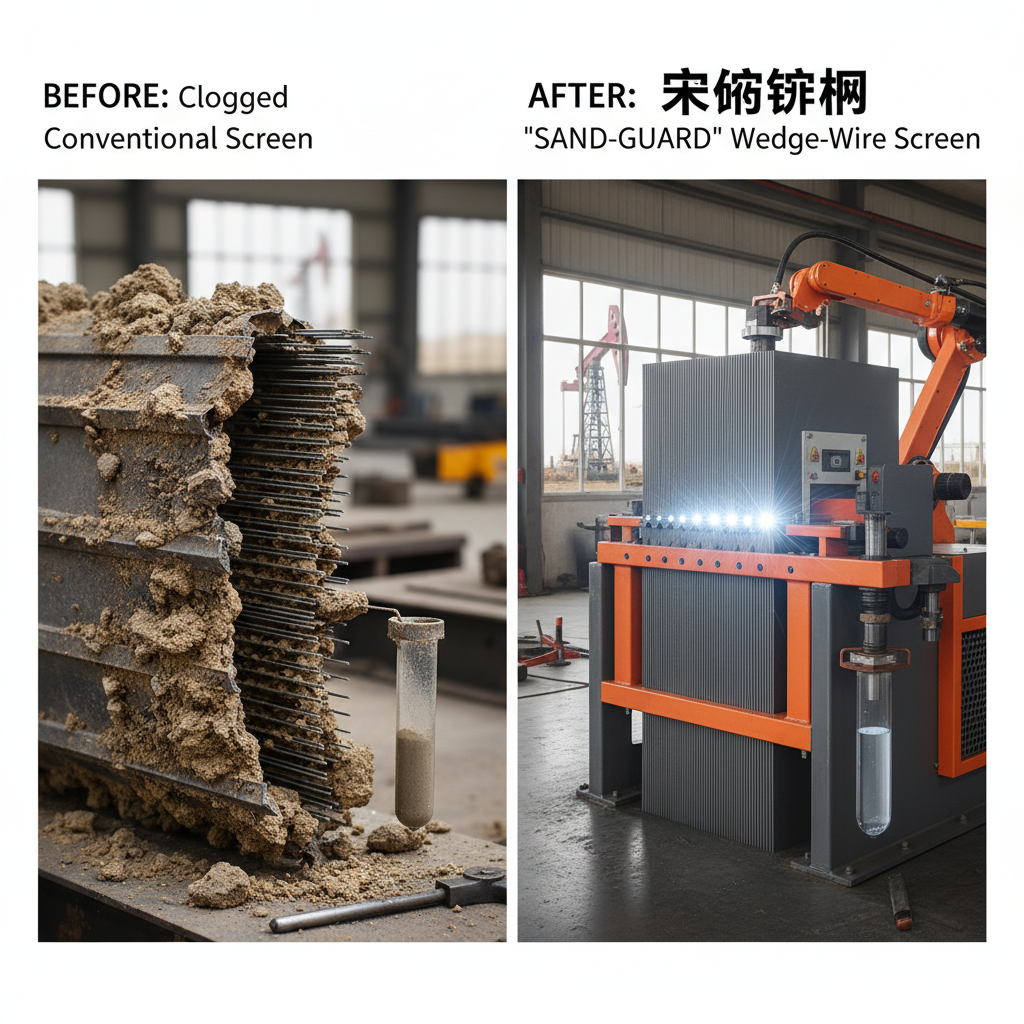
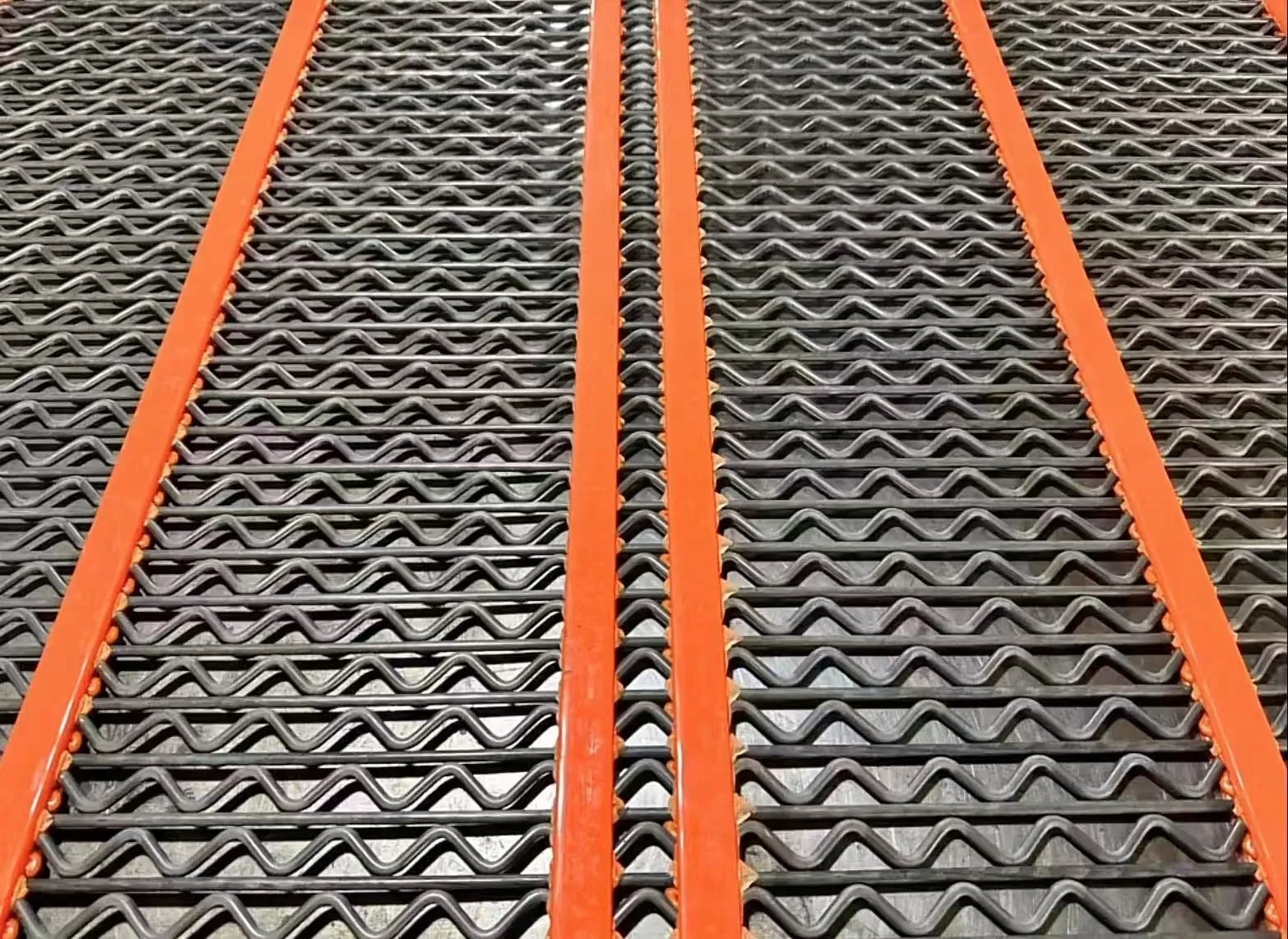
A self cleaning screen fundamentally redefines the screening process by actively resisting blinding and pegging. Unlike conventional screen meshes, which can quickly become clogged by near-size particles or sticky materials, self-cleaning designs incorporate innovative mechanisms to keep the apertures clear. The core principle often involves a dynamic interplay of wire movements. Many designs utilize different wire diameters, weaving patterns, or tensioning techniques to create independent vibrating movements within the screen surface. This differential vibration, often achieved through crimped wires or specific composite structures, prevents material buildup and ensures consistent separation.
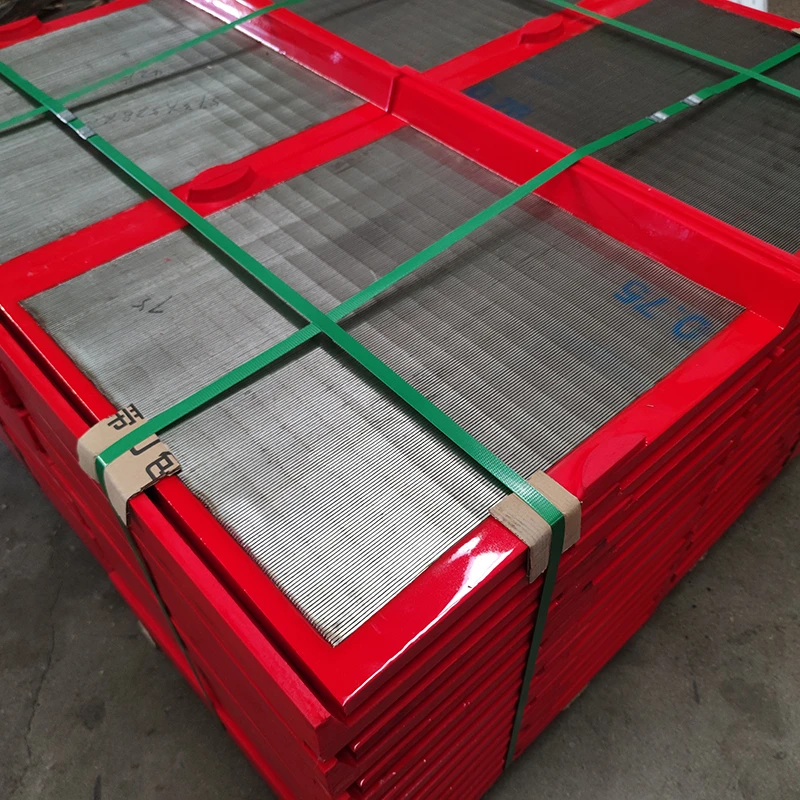
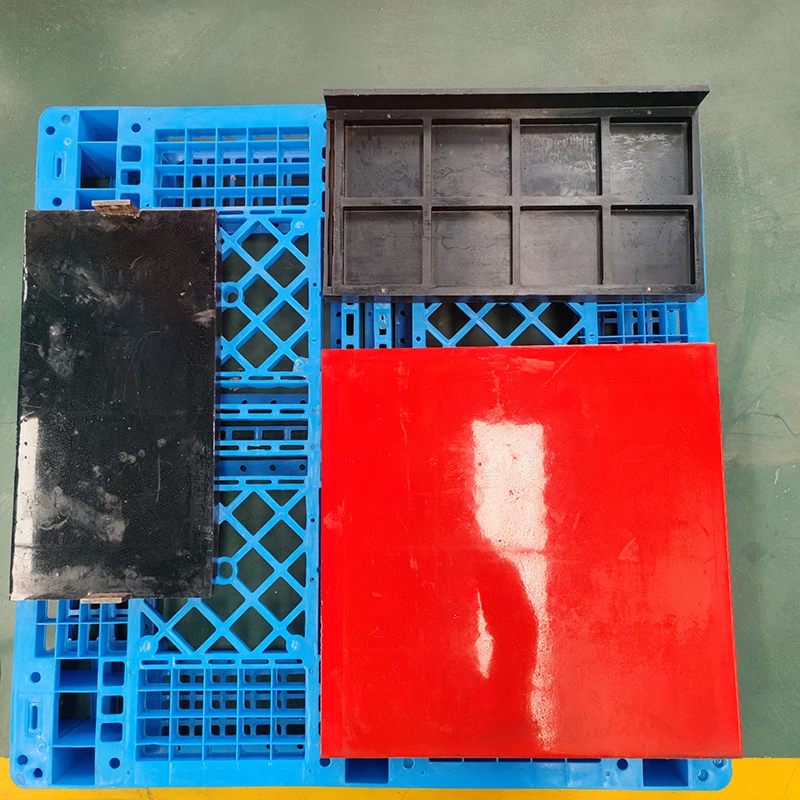
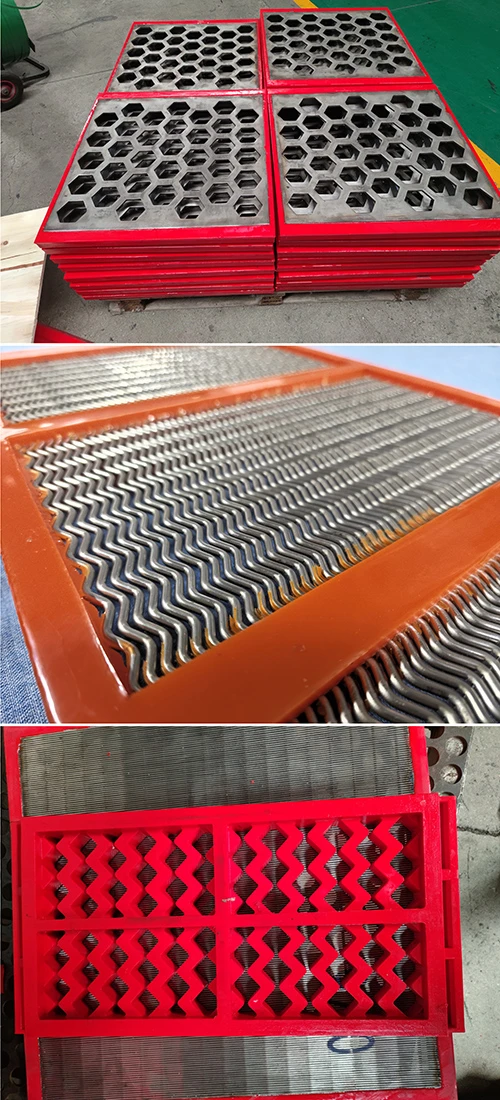
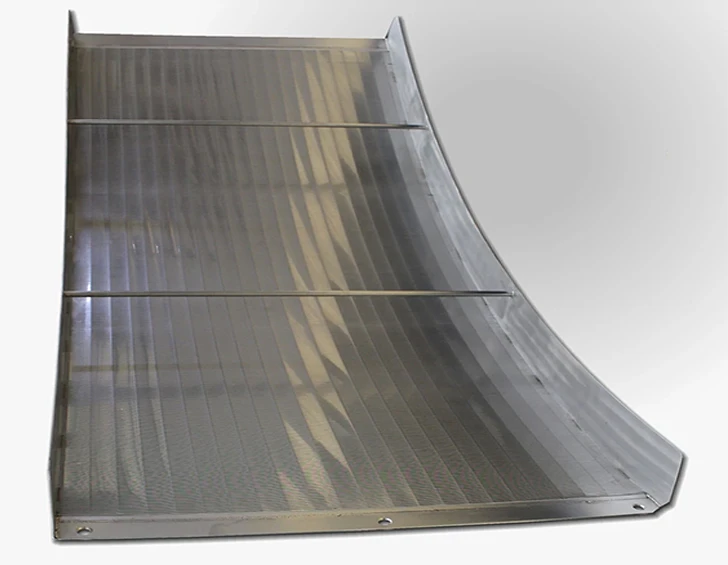
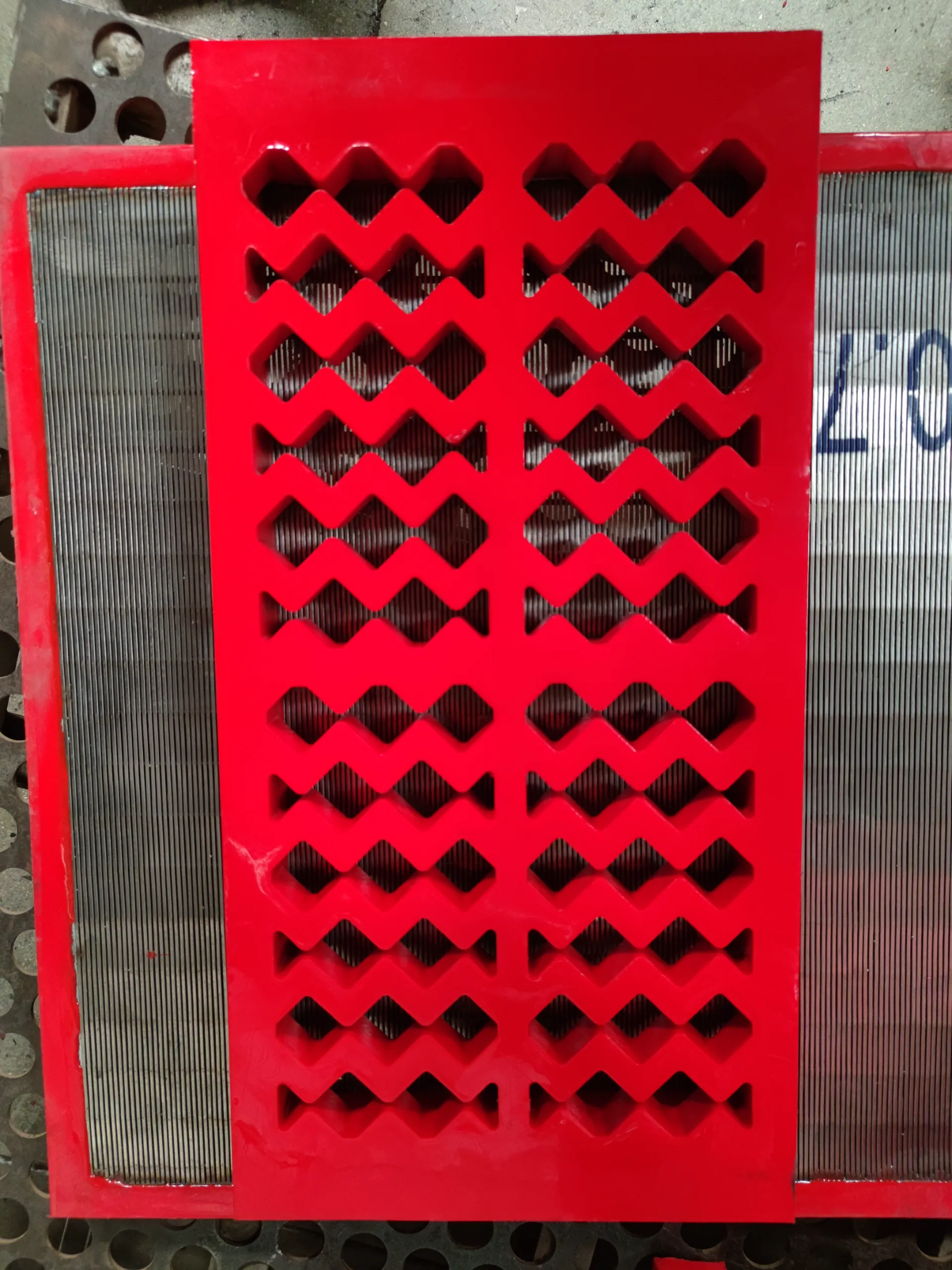
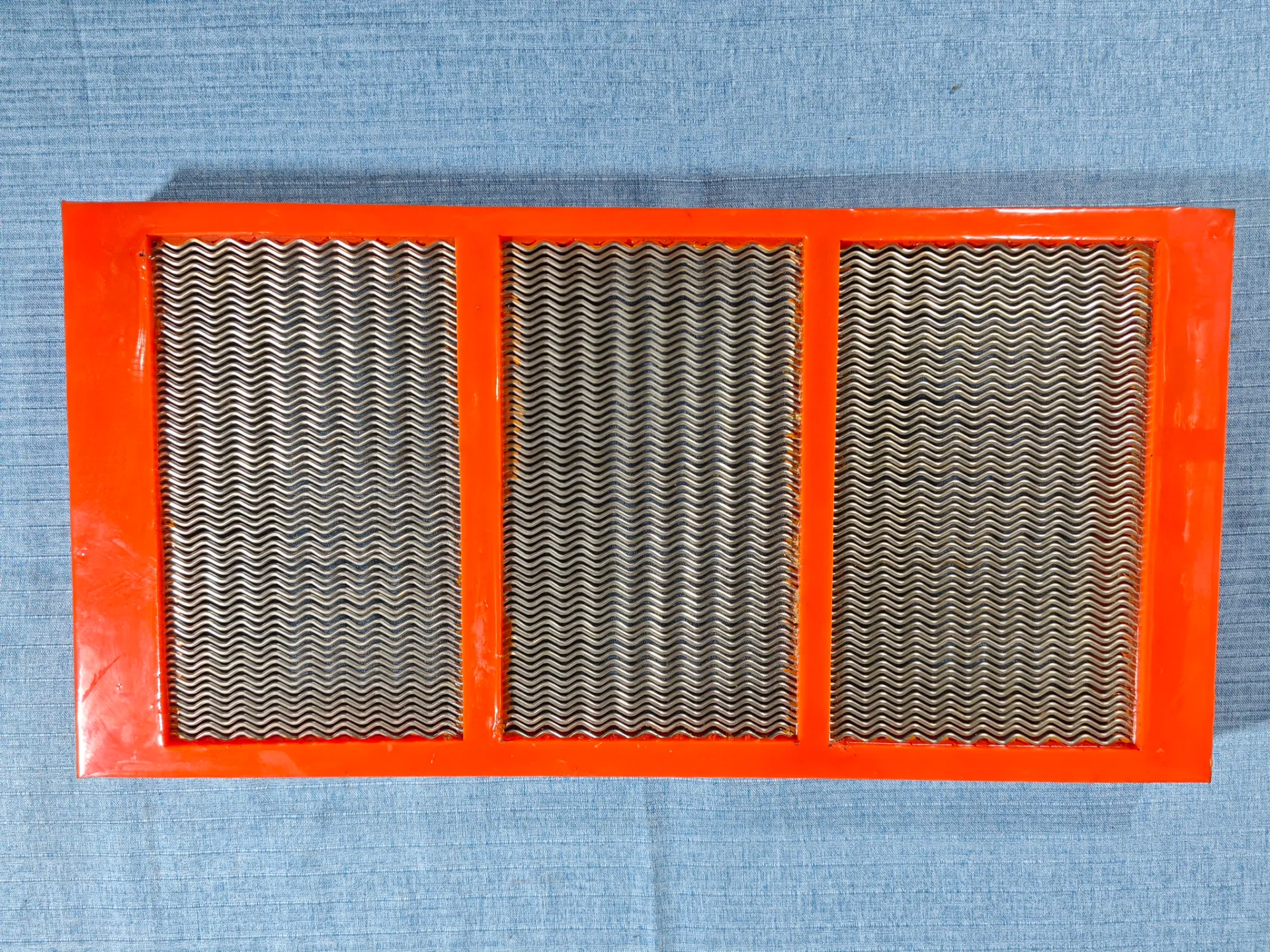
Common designs for self-cleaning mesh include Harp or Piano wire screens, Woven Wire with alternating large and small crimped wires, and Polyurethane-coated screens with integrated self-cleaning elements. Harp screens, for instance, feature individual parallel wires tensioned separately, allowing each wire to vibrate independently. This high-frequency micro-vibration dislodges trapped particles. Similarly, a self cleaning wire mesh often uses specific weaving patterns where different wire segments are under varying tension, creating a dynamic surface that sheds material effectively. Materials of construction are crucial for durability and performance; high-tensile steel is standard for its strength and abrasion resistance, while stainless steel offers superior corrosion resistance for specialized applications. Polyurethane composites combine abrasion resistance with flexibility, enhancing the self-cleaning action and extending service life in demanding environments.

Precision Manufacturing Process of Self Cleaning Screens
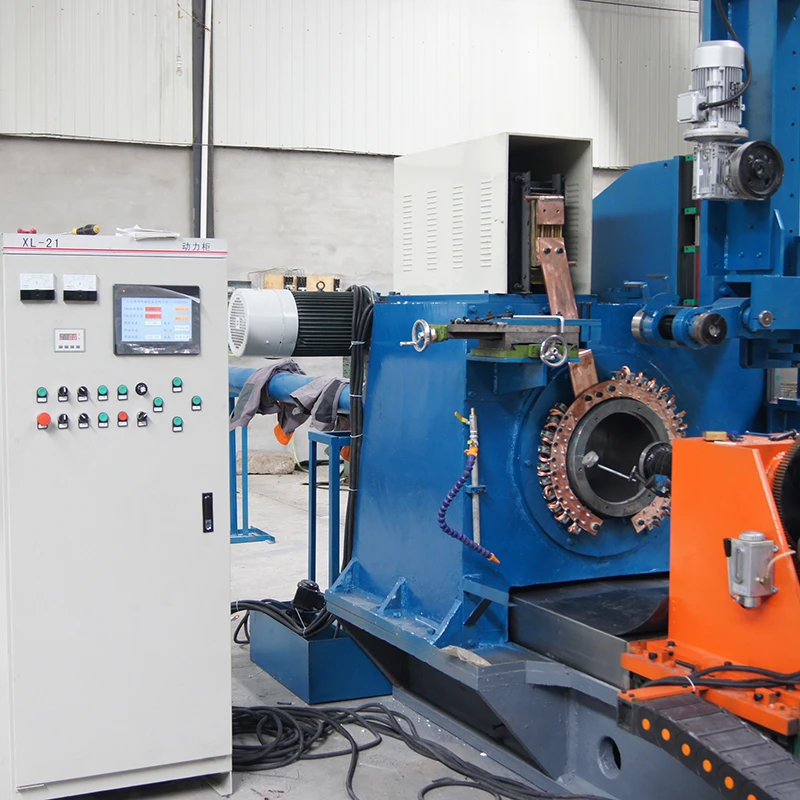
The manufacturing of a high-quality self cleaning screen is a meticulous process, integrating advanced engineering with robust material science to ensure optimal performance and longevity. The process typically begins with the careful selection of raw materials. High-grade spring steel (e.g., carbon steel ASTM A227), high-tensile steel (e.g., DIN 17223 C), or various grades of stainless steel (e.g., AISI 304, 316) are chosen based on the intended application's demands for abrasion, corrosion, and fatigue resistance. For specialized applications, polyurethane composites may also be utilized.
Process Flow:
- Material Preparation: High-quality wire rods are drawn to precise diameters using advanced wire drawing machines. This ensures uniformity and the desired mechanical properties for subsequent processing.
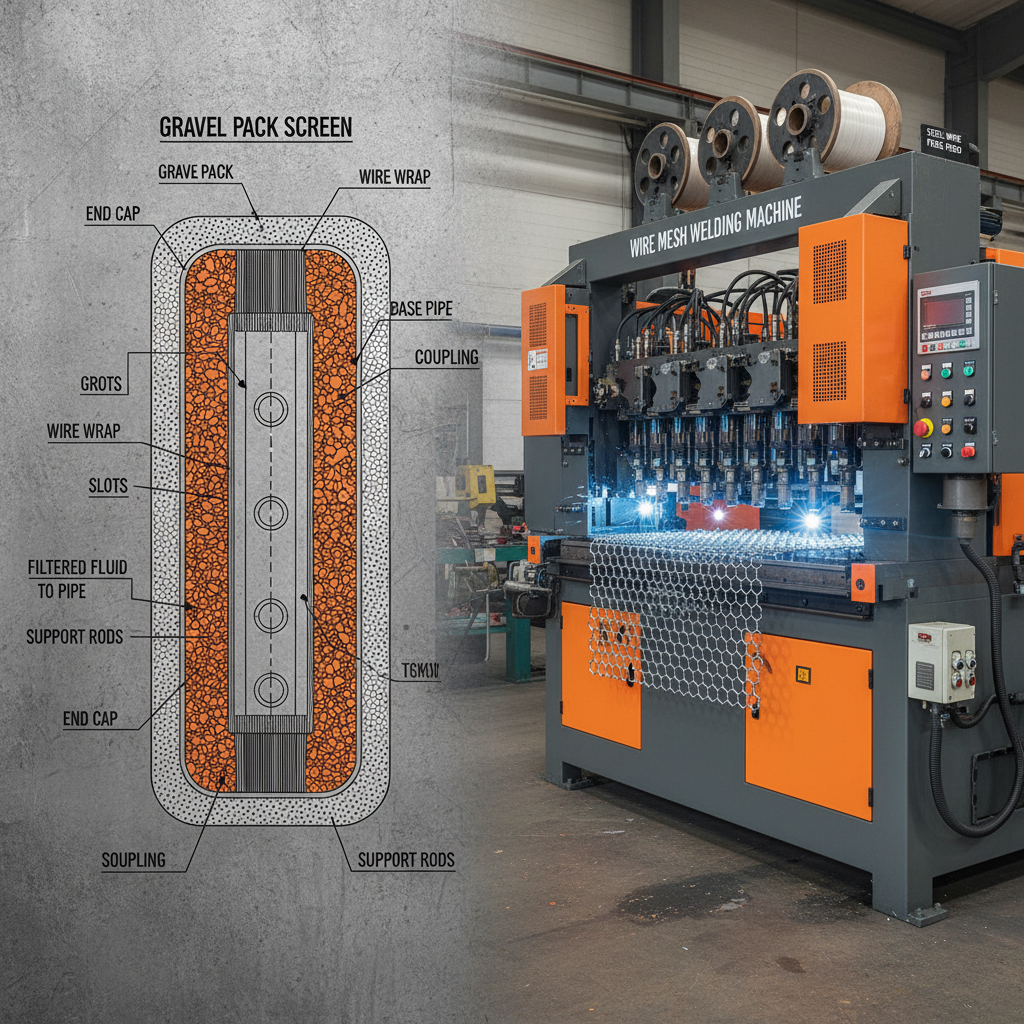
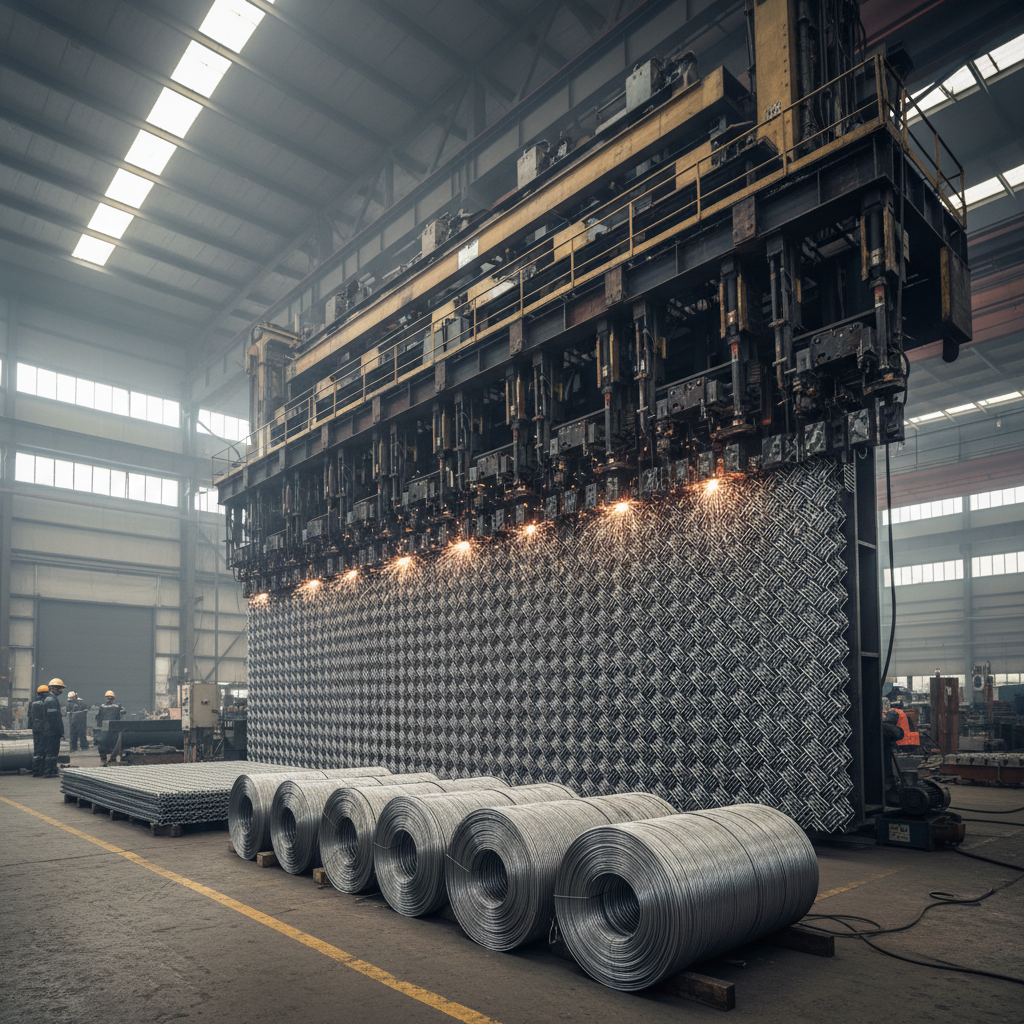
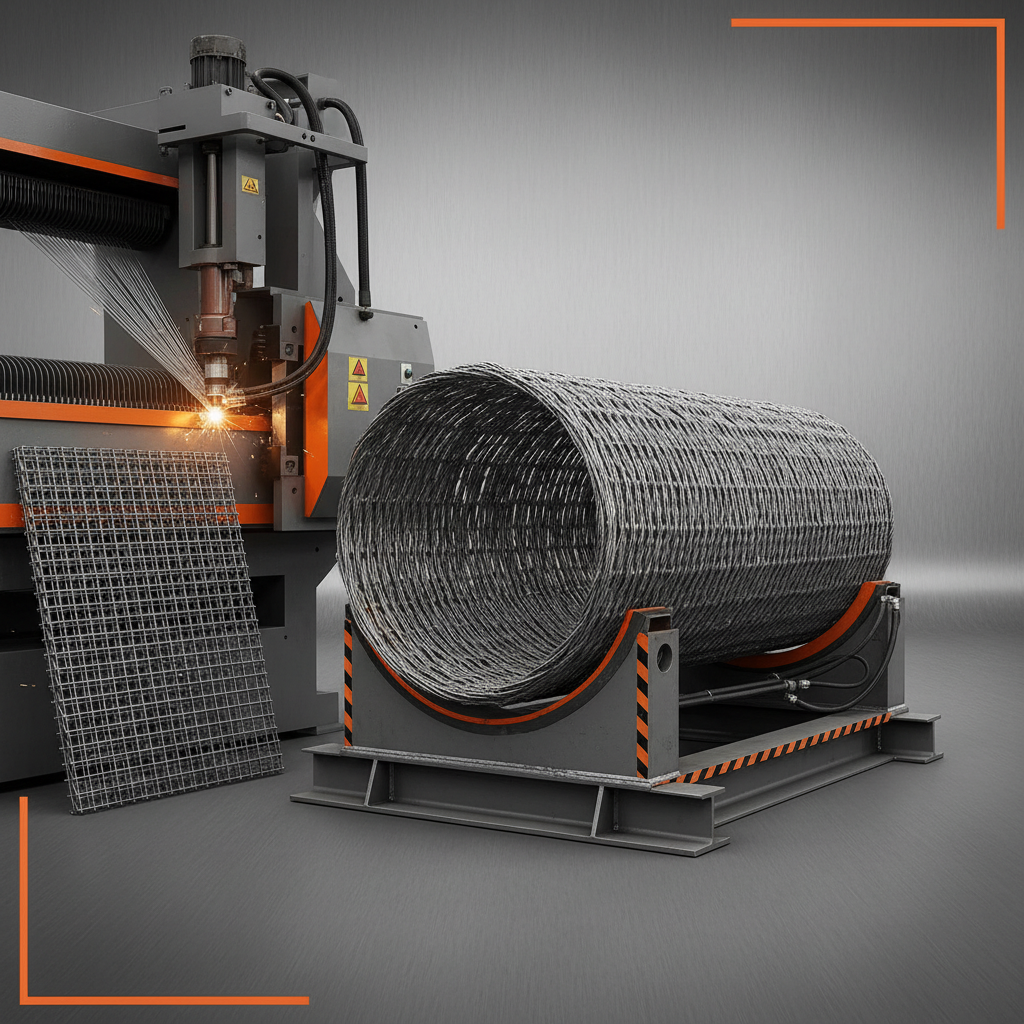
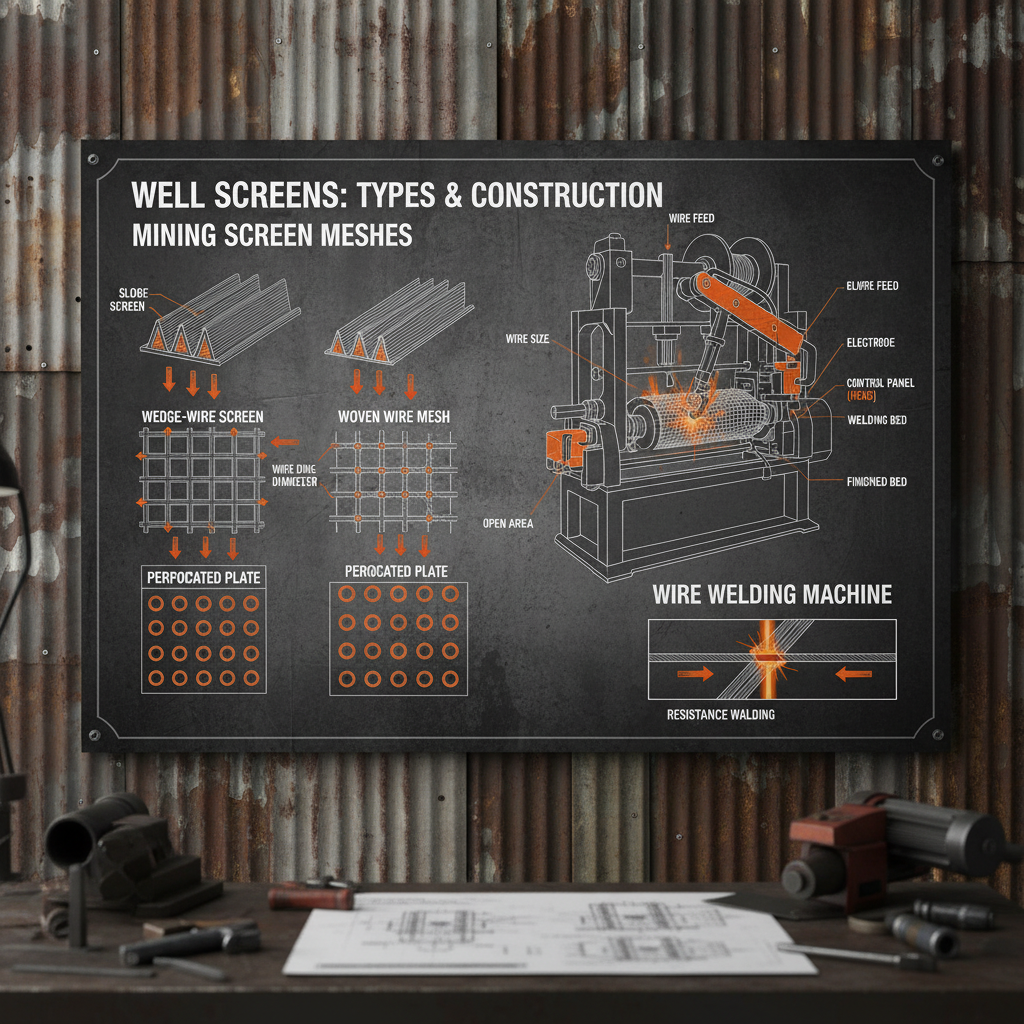
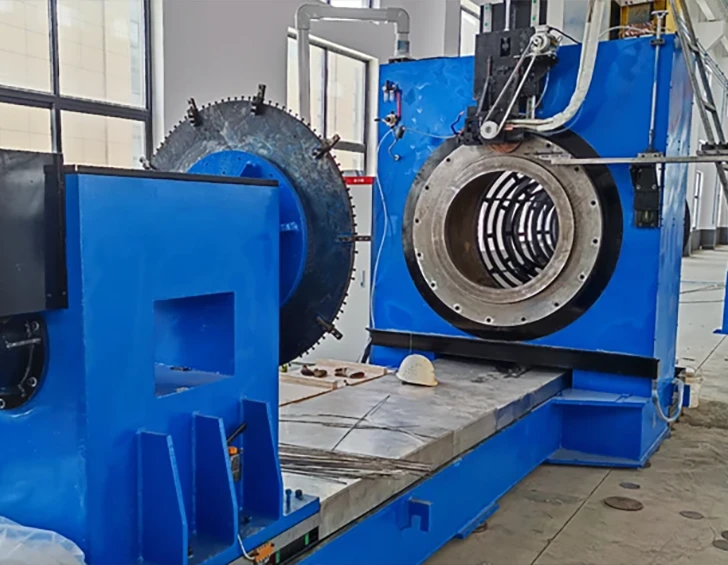
- Weaving/Welding: Depending on the screen design (e.g., Woven Harp, Self-Relieving, or Welded Modular), wires are either precisely woven on specialized looms or resistance-welded. Complex crimping patterns are applied to individual wires to create the differential vibration critical for self-cleaning action. For modular screens, the frame elements are often produced via CNC machining to exacting tolerances.
- Tensioning and Assembly: Individual wires or woven sections are accurately tensioned within robust frames, which can be made from steel or polyurethane. Proper tensioning is vital for the self-cleaning properties and structural integrity. For modular designs, the screening media is seamlessly integrated into durable frames, often using injection molding techniques for polyurethane components.
- Finishing and Edge Treatment: Edges are meticulously finished, often with hooks (e.g., tensioned screen panels) or reinforced with polyurethane or steel strips (e.g., modular panels) to ensure a secure fit within screening machines and to prevent premature wear.
- Quality Control and Testing: Each self cleaning screen undergoes rigorous quality control. This includes dimensional checks of aperture size and overall panel dimensions, material strength tests, and visual inspection for defects. Manufacturers adhere to international testing standards such as ISO 9001 for quality management systems and often to specific material standards like ASTM or DIN for wire properties, ensuring consistent product performance.
The emphasis on precision engineering throughout these steps contributes to an extended service life, typically ranging from 6 to 18 months, depending on the application severity and material abrasiveness. Target industries benefiting from these screens include petrochemicals (for catalyst screening), metallurgy (for ore processing), and water supply & drainage (for filtration of particulate matter). In these scenarios, advantages like energy saving through optimized material flow and superior corrosion resistance from specialized alloys are particularly pronounced, directly contributing to operational efficiency and reduced environmental footprint.
Technical Specifications and Performance Parameters
Understanding the technical specifications of a self cleaning screen is critical for selecting the appropriate solution for specific material processing challenges. Key parameters dictate performance, efficiency, and durability in various industrial applications. These screens are engineered to handle a broad spectrum of materials while maintaining optimal open area and preventing material accumulation.
| Parameter | Typical Range/Value | Significance for Self Cleaning Screen |
|---|---|---|
| Material | High-tensile Spring Steel (e.g., C70, C85), AISI 304/316 Stainless Steel, Polyurethane Composites | Ensures abrasion resistance, corrosion resistance, and wire elasticity for dynamic movement. |
| Wire Diameter | 1.0 mm to 8.0 mm (or higher for heavy duty) | Affects screen strength, wear life, and the amplitude of self-cleaning vibrations. |
| Aperture Size | 1.5 mm to 50 mm (square/rectangular equivalent) | Determines particle separation size. Self-cleaning designs maintain consistent aperture. |
| Open Area | Typically 60% to 85% | Crucial for throughput. Self-cleaning mechanisms aim to sustain a high effective open area. |
| Weave Type/Design | Harp/Piano, Self-Relieving (e.g., Ripple, Diamond), Polyurethane Modular | Defines the specific dynamic movement of wires to prevent blinding. |
| Screen Panel Dimensions | Customizable to vibratory screen specifications (e.g., 1m x 2m, 1.5m x 3m) | Ensures compatibility with existing screening equipment. |
| Working Temperature Range | -40°C to +150°C (Material Dependent) | Ensures performance stability in diverse operational climates and processes. |
These parameters, when optimally configured, enable a self cleaning screen to deliver superior screening efficiency, often exceeding traditional woven wire mesh by significant margins in challenging material applications. The precise combination of wire geometry, material properties, and tensioning ensures that the screen continuously sheds near-size particles, maintaining maximum throughput and minimizing the need for manual cleaning or screen replacement.
Key Technical Advantages for Modern Operations
The adoption of self cleaning screen technology offers a multitude of technical advantages that directly translate into significant operational improvements and cost savings for B2B clients in various industries. These benefits extend beyond simple material separation, impacting overall plant productivity and maintenance schedules.
- Enhanced Throughput and Efficiency: By actively preventing blinding and pegging, self-cleaning screens maintain a consistently high effective open area. This ensures maximum material flow and optimal separation efficiency, leading to higher tons per hour (TPH) output compared to traditional screens. This direct increase in production capacity significantly boosts profitability.
- Reduced Downtime and Maintenance: The inherent self-cleaning action drastically reduces the need for manual cleaning, which is often time-consuming and labor-intensive. This translates to fewer stoppages, extended operational periods, and lower labor costs associated with screen maintenance.
- Extended Service Life: Designed with resilient materials and engineered for dynamic movement, self cleaning screen mesh often exhibits a longer operational lifespan than conventional screens, especially when dealing with abrasive or sticky materials. Reduced wear from constant material buildup contributes to this longevity.
- Improved Product Quality: Consistent screening ensures that the end product meets precise particle size specifications. By eliminating blockages, self-cleaning screens minimize undersize or oversize contamination, thereby improving the overall quality and consistency of the processed material.
- Energy Efficiency: By optimizing material flow and reducing resistance caused by blinding, screening machines equipped with self-cleaning screens can often operate more efficiently, potentially reducing the energy consumption required to achieve target throughputs.
- Versatility in Material Handling: These screens are highly effective with challenging materials, including wet, sticky clays, recycled asphalt pavement (RAP), crushed concrete, and various aggregates prone to blinding. Their adaptability makes them a valuable asset across diverse industrial applications requiring robust aggregate screens.
These technical advantages collectively contribute to a stronger competitive edge for operations that integrate this technology, translating into lower operational expenditures (OpEx) and higher overall equipment effectiveness (OEE).
Application Scenarios and Real-World Case Studies
The versatility of self cleaning screen technology makes it indispensable across numerous industries dealing with challenging materials. Its ability to maintain consistent screening efficiency under adverse conditions has led to its widespread adoption in sectors where traditional screens often fail.
Key Application Areas:
- Aggregate Production: Screening of sand, gravel, crushed stone, and recycled aggregates, especially in the presence of moisture or high clay content. Critical for producing consistent construction materials.
- Mining and Mineral Processing: Classification of ore, coal, and other minerals where blinding by fines or sticky particles can severely reduce production rates.
- Recycling Industry: Efficient separation of various materials like C&D waste, wood chips, and plastics, where irregular shapes and moisture can cause significant blockages.
- Industrial & Chemical Processing: Screening of industrial sands, fertilizers, chemical powders, and other bulk materials where precise sizing and prevention of cross-contamination are essential.
Application Case Study: Large-Scale Quarry Operation
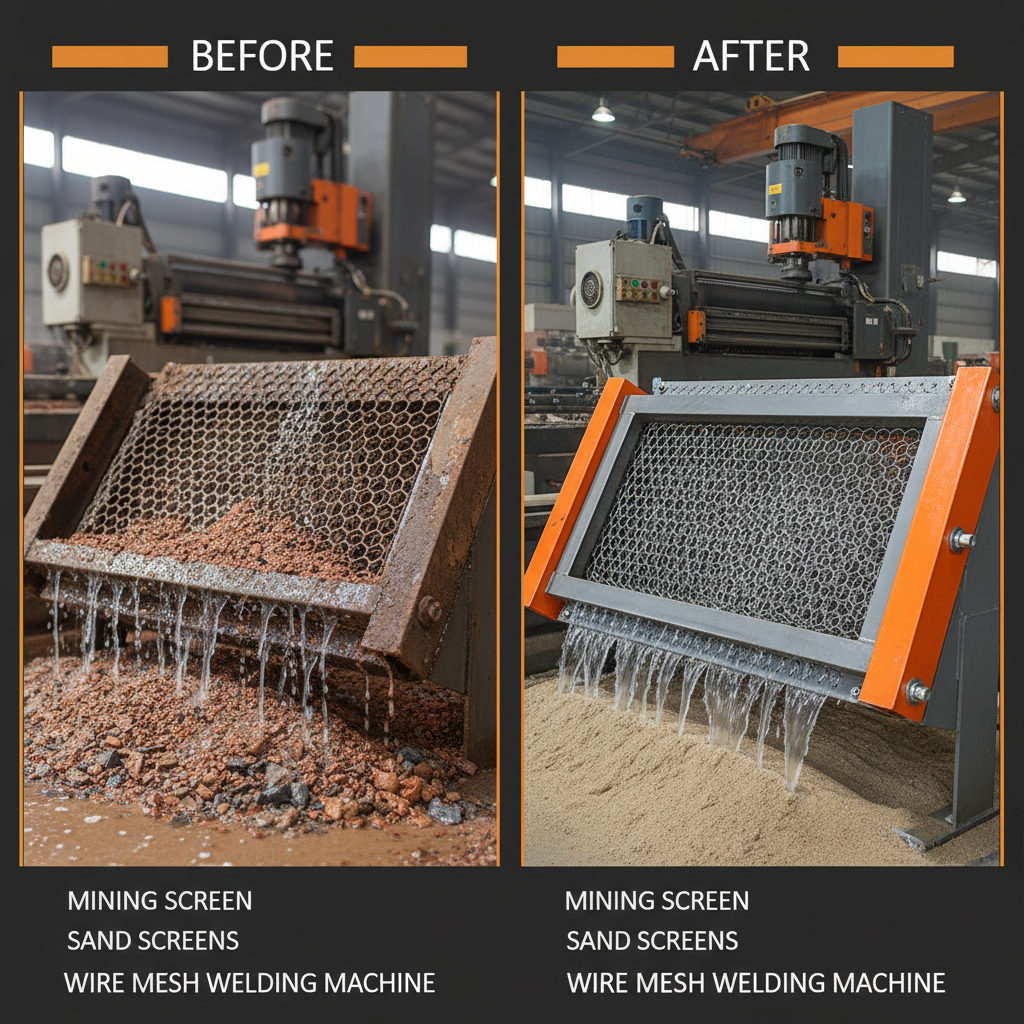
A major quarry operation in the Midwest faced significant challenges with their existing screening plant. Processing damp limestone and sand mixtures, their traditional woven wire mesh screens frequently suffered from severe blinding, reducing throughput by up to 30% and requiring daily manual cleaning, resulting in 2-3 hours of lost production time. After consultation, they replaced their conventional screen panels with custom-engineered self cleaning wire mesh panels from Muto Screen, featuring a specialized Harp-style design made from high-tensile spring steel.
"Implementing the new self-cleaning screens was a game-changer. We immediately observed a 25% increase in daily output due to consistent material flow, and manual cleaning has been reduced to once a week, saving us countless hours of downtime. The consistency of our screened product has also noticeably improved, leading to higher customer satisfaction. This technology is essential for our aggregate solutions."
This case exemplifies how tailored self cleaning screen solutions can directly address operational bottlenecks, demonstrating tangible improvements in productivity, efficiency, and cost reduction. The client's experience underscores the significant impact of this technology in real-world, demanding environments.
Vendor Comparison and Customized Solutions
Choosing the right provider for self cleaning screen solutions is as critical as the technology itself. While many manufacturers offer screening media, the nuances in material quality, engineering design, and customer support can significantly impact long-term performance and total cost of ownership (TCO). A discerning buyer should evaluate vendors based on several key criteria:
- Engineering Expertise: A reputable vendor possesses deep understanding of material science, vibratory mechanics, and specific application challenges. They should be able to recommend optimal wire diameters, weave patterns, and materials for unique screening requirements.
- Customization Capabilities: Standard off-the-shelf screens rarely provide optimal performance for every unique aggregate solution. Leading manufacturers excel in offering highly customized self-cleaning mesh panels, tailored to specific vibratory screen models, material characteristics (e.g., moisture content, abrasiveness), and desired cut sizes. This includes custom dimensions, hook configurations, and specific wire arrangements.
- Quality and Certifications: Look for manufacturers who adhere to international quality standards such as ISO 9001. Verification of material certifications (e.g., ASTM, DIN) for wire tensile strength and composition is also crucial for assuring product integrity and longevity.
- After-Sales Support and Technical Assistance: A strong commitment to customer support, including technical consultation, installation guidance, and troubleshooting, distinguishes reliable partners.
- Years of Industry Experience: Longevity in the industry often reflects a deep knowledge base and a proven track record of delivering successful aggregate screens.
Muto Screen's Commitment to Customization:
At Muto Screen, we understand that no two screening applications are identical. Our approach to providing self cleaning screen solutions is centered around comprehensive customization. We engage with clients to conduct detailed assessments of their operational parameters, material properties, and screening objectives. Our engineering team then designs and fabricates self-cleaning wire mesh panels that are precision-matched to their vibratory equipment and specific material challenges. This bespoke approach ensures maximum efficiency, minimal blinding, and an extended operational lifespan, guaranteeing superior performance and a rapid return on investment. Our extensive experience serving diverse industries globally underpins our capability to deliver consistently high-performing, tailored solutions.
Trustworthiness: FAQ, Lead Time, Warranty, and Support
Building trust with our B2B partners is foundational to our operations. We ensure transparency in our processes, product quality, and customer support, reflecting our commitment to the performance of every self cleaning screen we deliver.
Frequently Asked Questions (FAQ):
-
Q: How do self-cleaning screens compare in cost to traditional screens?
A: While the initial investment for a self cleaning screen may be slightly higher, the long-term savings from reduced downtime, increased throughput, and extended service life typically result in a significantly lower total cost of ownership (TCO) and a faster return on investment. -
Q: Can self-cleaning screens be retrofitted into existing vibratory screen machines?
A: Yes, in most cases. Our self-cleaning screens are designed for compatibility with standard vibratory screen decks. We offer customized dimensions and hook configurations to ensure a seamless fit, minimizing installation complexities. -
Q: What materials are best suited for self-cleaning screens?
A: They perform exceptionally well with sticky, wet, or fine materials that typically blind traditional screens, such as moist aggregate, clay-rich materials, recycled products, and fine industrial powders.
Lead Time & Fulfillment:
We pride ourselves on efficient production and timely delivery. Standard self cleaning screen orders typically have a lead time of 2-4 weeks, depending on complexity and current production schedules. Custom orders may require slightly longer. We maintain robust supply chain management to ensure prompt fulfillment and provide clear communication regarding estimated delivery dates throughout the order process.
Warranty Commitments:
Muto Screen stands behind the quality and durability of our products. All self-cleaning screens are covered by a comprehensive warranty against manufacturing defects and premature wear under normal operating conditions. Specific warranty terms vary by product type and material but generally provide peace of mind regarding product longevity and performance. Details are available upon request.
Customer Support:
Our dedicated technical support team is available to assist with product selection, installation guidance, and troubleshooting. We offer expert advice to ensure our clients maximize the performance and lifespan of their self-cleaning mesh. Reach out via phone, email, or our website for prompt and professional assistance.
Conclusion
The evolution of self cleaning screen technology represents a significant leap forward in addressing critical challenges faced by industries relying on efficient material separation. By actively combating blinding and pegging, these advanced screens deliver unparalleled benefits in terms of increased throughput, reduced downtime, extended service life, and improved product quality. As industries continue to seek greater efficiency, sustainability, and operational resilience, the strategic adoption of robust self cleaning screen mesh solutions will remain a cornerstone for optimizing aggregate and material processing workflows globally.
Investing in high-quality, customized self-cleaning screens from an experienced and reputable vendor like Muto Screen is not merely an equipment upgrade; it is a strategic decision that drives higher productivity, lower operational costs, and a stronger competitive position in today's demanding market.
References:
- ASTM International. (n.d.). ASTM Standards for Wire and Wire Products. Retrieved from www.astm.org
- International Organization for Standardization. (n.d.). ISO 9001: Quality Management Systems. Retrieved from www.iso.org
- Mineral Processing and Extractive Metallurgy Review, Taylor & Francis Online. (Various articles on screening technologies and efficiency).
- United States Geological Survey (USGS). (n.d.). Mineral Commodity Summaries. Retrieved from www.usgs.gov