Types of Belt Cleaners: A Hands-On Guide
Having spent a good chunk of my career in the industrial equipment trenches, I can say that belt cleaners are often the unsung heroes of conveyor systems. You don't usually get a lot of fanfare for a belt cleaner—until it fails. Then, suddenly, everyone's paying attention. In practical terms, selecting the right belt cleaner can save you tons of downtime, not to mention the headache of stubborn carryback material.
So, what are the main types of belt cleaners you'll encounter out there? Well, let's break them down, and I'll share a few honest thoughts from the field.
Primary Belt Cleaners
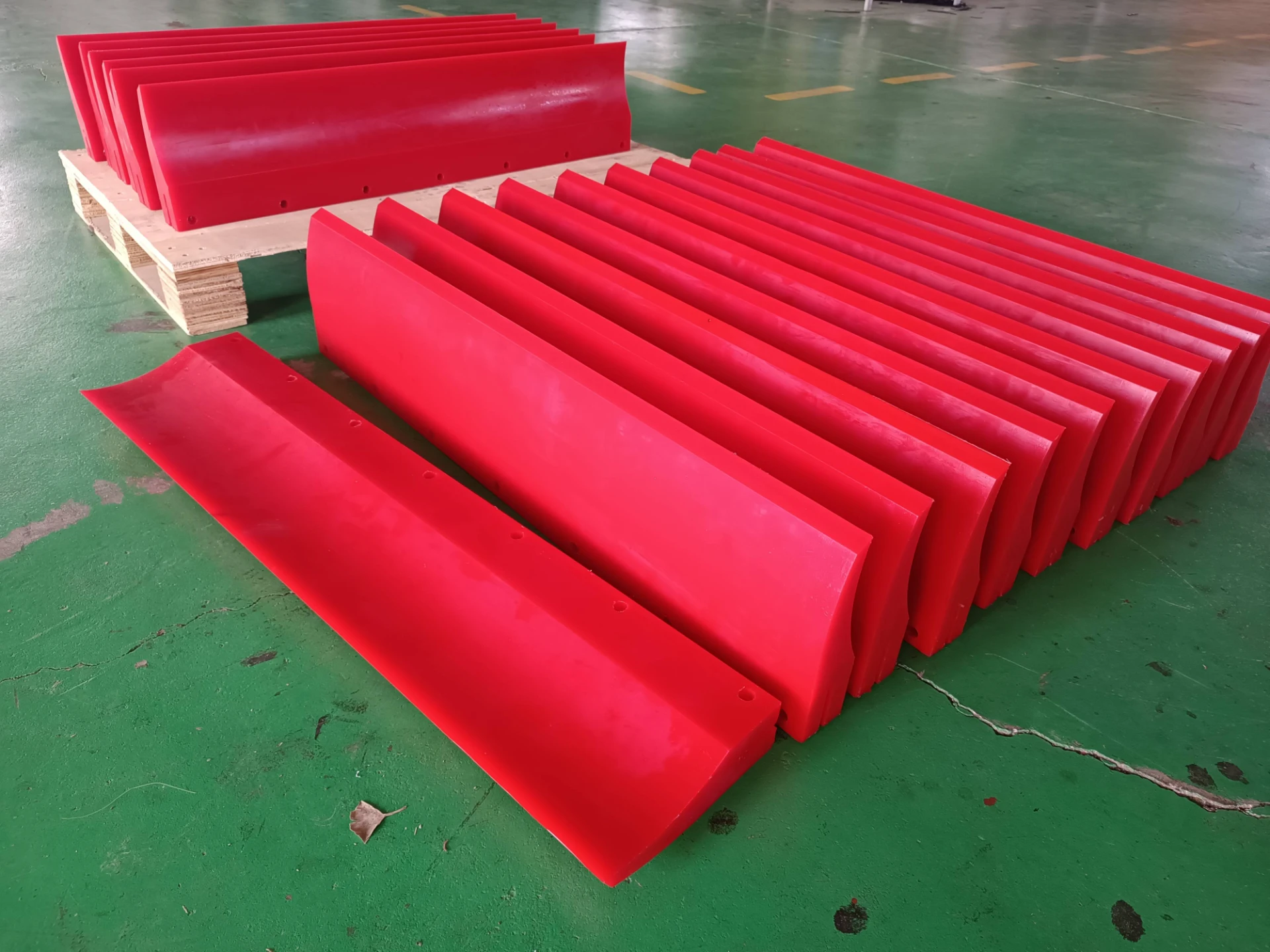
Primary cleaners typically sit right at the head pulley — their job is to scrape the bulk of the material off the belt right after it leaves the pulley. In my experience, urethane blades dominate here. They offer good wear life and do a decent job with many materials, even some sticky ones. The downside? Urethane can degrade under extreme heat or UV exposure, so you need to factor in your environment.
Secondary Belt Cleaners
Placed downstream, secondary cleaners handle the mess primary cleaners leave behind — often finer particles or tougher carryback. These often employ tungsten carbide blades or ceramic tips, which are firmer and last longer but can be a bit more abrasive on the belt surface. I’ve noticed that some plants shy away from secondary cleaners because they seem redundant, but frankly, the right combination cuts maintenance hours dramatically.
Return Belt Cleaners
Return cleaners focus on the underside of the belt to keep the return side free from material buildup, which could otherwise damage idlers or cause belt misalignment. These are usually installed as stationary scrapers. Given how low-profile they are, they don’t get as much attention, though you’d be surprised how often they prevent bigger issues.
Self-Adjusting Belt Cleaners
This type is quite an innovation. With a spring-loaded or pneumatic adjustment system, these cleaners maintain consistent pressure on the belt blade without much manual intervention. I remember a site where switching to self-adjusting cleaners reduced daily inspections by half—two thumbs up if your facility aims to lower labor costs.
Product Specifications at a Glance
| Cleaner Type | Blade Material | Best Used For | Adjustment |
|---|---|---|---|
| Primary Cleaner | Urethane | Bulk carryback removal | Manual |
| Secondary Cleaner | Tungsten Carbide/Ceramic | Fine carryback removal | Manual |
| Return Cleaner | Rubber/Urethane | Underside belt cleaning | Stationary |
| Self-Adjusting Cleaner | Varied (usually polyurethane or carbide) | Consistent pressure maintenance | Spring/Pneumatic |
Vendor Comparison: What to Look For
Choosing who to buy from can be tricky. Here’s a quick vendor comparison I’ve compiled over the years:
| Vendor | Blade Options | Customization | Lead Time | Customer Support |
|---|---|---|---|---|
| Brand A | Limited (Urethane only) | Low | 2-3 weeks | Standard |
| Brand B | Urethane, Carbide, Ceramic | High (Custom sizes/shapes) | 1-2 weeks | Excellent |
| Brand C | Mostly Ceramic | Medium | 3-4 weeks | Good |
Interestingly, lots of engineers I’ve met swear by customized blades tailored to their particular material characteristics—grain size, moisture, and abrasiveness can all affect wear rates. This kind of detail was easy to overlook at first, but now I’m convinced it makes a big difference over the equipment lifecycle.
One time, I worked with a quarry operator whose limestone dust build-up caused daily belt jams. We swapped their basic urethane primary cleaner for a specialized tungsten carbide blade plus a secondary cleaner, and the improvement was immediate — less downtime, fewer belt replacements. That’s a real example where knowing your belt cleaner types really paid off.
All in all, knowing the options out there helps you tailor your conveyor belt cleaning strategy to your site’s specific needs. And with the right choice, it feels like you’re investing in peace of mind as much as equipment.
— A quick takeaway: Never underestimate the value of a well-suited belt cleaner—it’s a small part that can mean a big difference.
References
- Conveyor Equipment Manufacturers Association (CEMA) Handbook
- Industry case studies from operational belt cleaner installs
- Material handling equipment suppliers' technical data sheets