Understanding the Flip Flow Screen Working Principle: Why It Matters Globally
In the vast world of industrial screening and wastewater treatment, the flip flow screen working principle is quietly revolutionizing how solids are separated from liquids. Whether it’s urban wastewater management, mining operations, or food processing plants, a reliable screening mechanism matters — a lot. Frankly, this technology isn’t just about filtering debris, but about enhancing efficiency, reducing maintenance costs, and promoting environmental sustainability worldwide.
Globally, over 80% of wastewater goes untreated or insufficiently treated in many regions (UN World Water Development Report, 2023), leading to severe environmental and health challenges. Efficient screening, which flip flow technology enables on a broad scale, can alleviate these problems by intercepting solids at the earliest stage. That means less clogging downstream, fewer chemical treatments, and longer equipment life — all translating to better resource management and cleaner water for millions.
Mini takeaway: Understanding the flip flow screen principle helps engineers and environmental managers optimize operations at critical points, ensuring cleaner processes and compliance with global sustainability goals.
The Industry Context: Why Flip Flow Screens Have Gained Global Attention
The demand for smarter, low-maintenance screening solutions has ballooned recently. According to the International Water Association, municipal facilities invest heavily in upgrading screening to meet stricter discharge limits and cope with urban population growth. Flip flow screens fit right into this trend, offering continuous operation with less downtime. Plus, with industries like mining facing increasing pressure to cut waste and environmental footprint, these screens provide a competitive edge.
Yet challenges persist. Traditional static screens clog quickly and need frequent cleaning, which hikes operational costs. Flip flow screens tackle these pain points by dynamically cleaning themselves through their unique operation — a feature that’s reshaping water treatment plants across countries with tight budgets and environmental regulations.
What Is the Flip Flow Screen Working Principle?
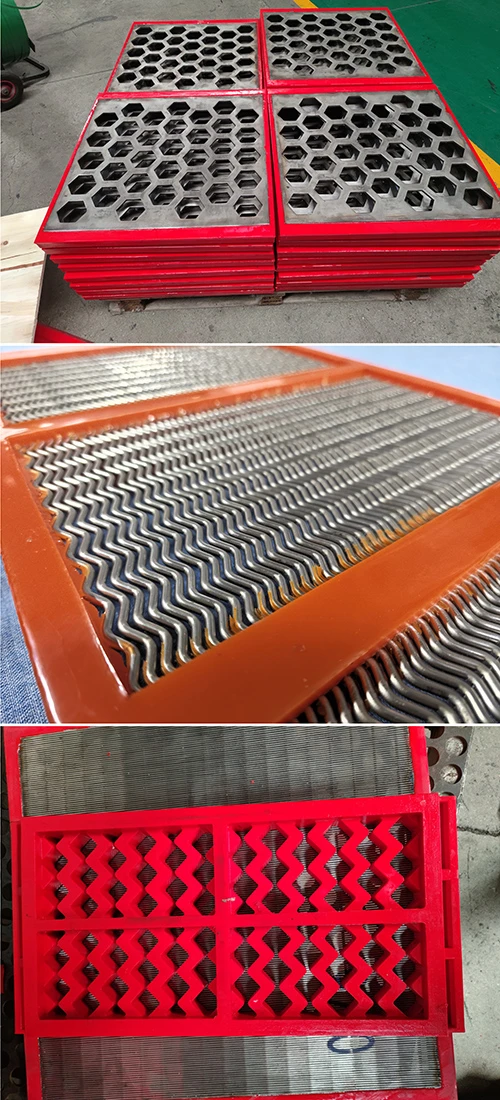
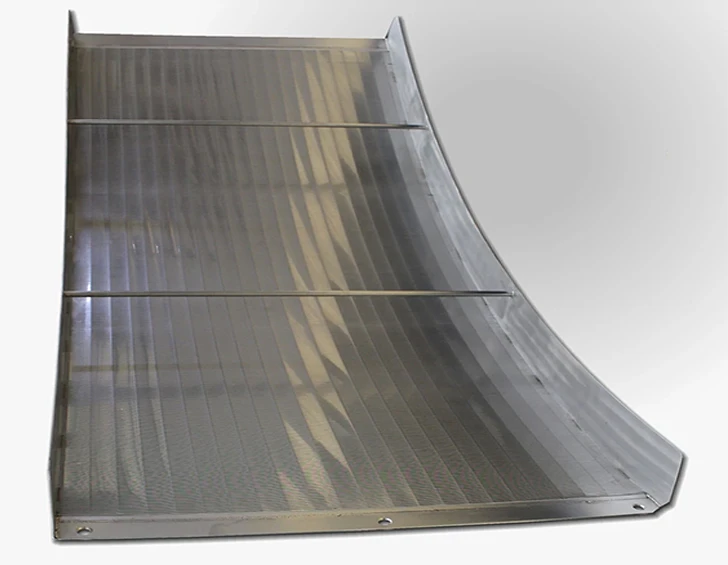
Simply put, the flip flow screen uses a series of continuous panels or bars that rotate (or "flip") in an opposite direction against the flow of water. This motion sweeps away accumulated solids, preventing blockages. Think of it like a conveyor belt that also scrubs itself clean; debris is lifted out of the fluid and dropped into a collection trough for disposal.
This principle, while mechanically elegant, addresses a fundamental problem: how to maintain efficient screening without interrupting flow to clean the screens manually. It’s crucial in modern industries where downtime isn’t just inconvenient — it’s costly.
On the humanitarian front, such continuous screening means wastewater facilities in disaster-affected or resource-scarce regions can operate reliably without constant technician intervention — preserving sanitation and public health.
Core Components and Key Factors Behind Flip Flow Screens
1. Durability
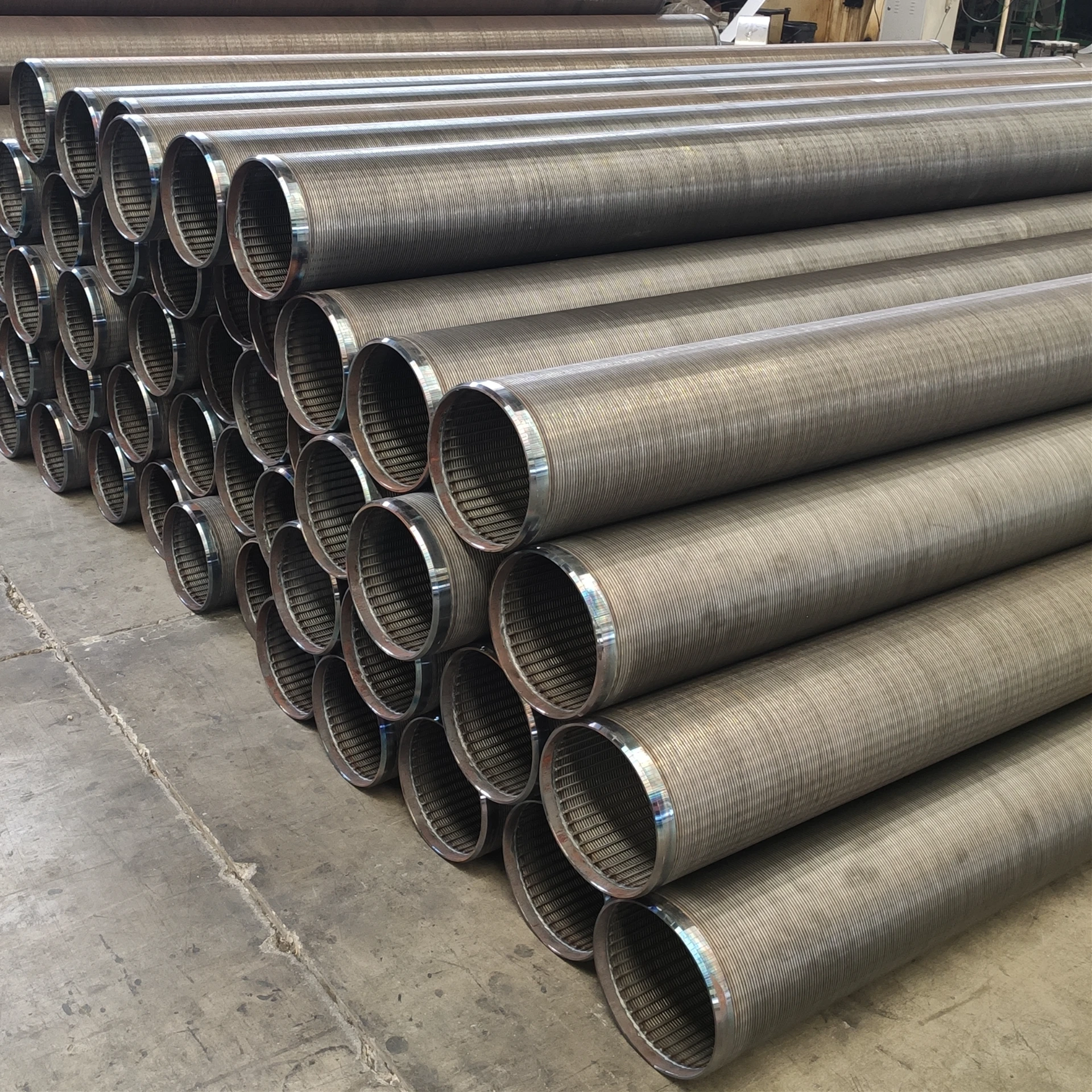
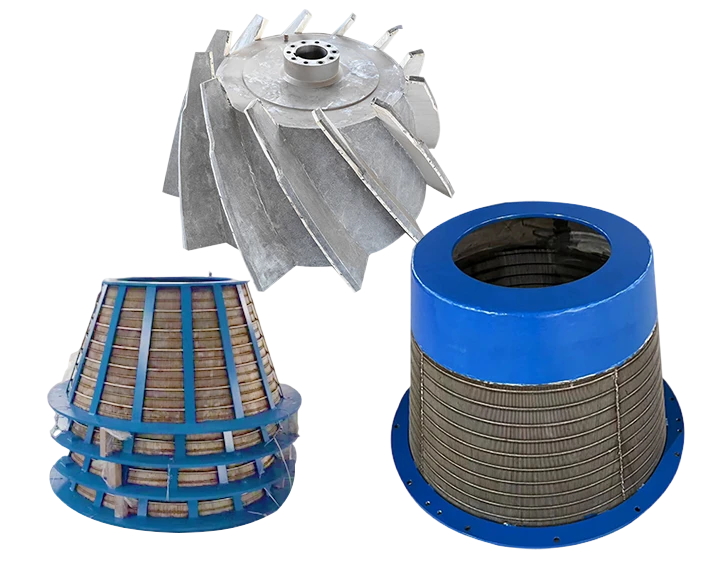
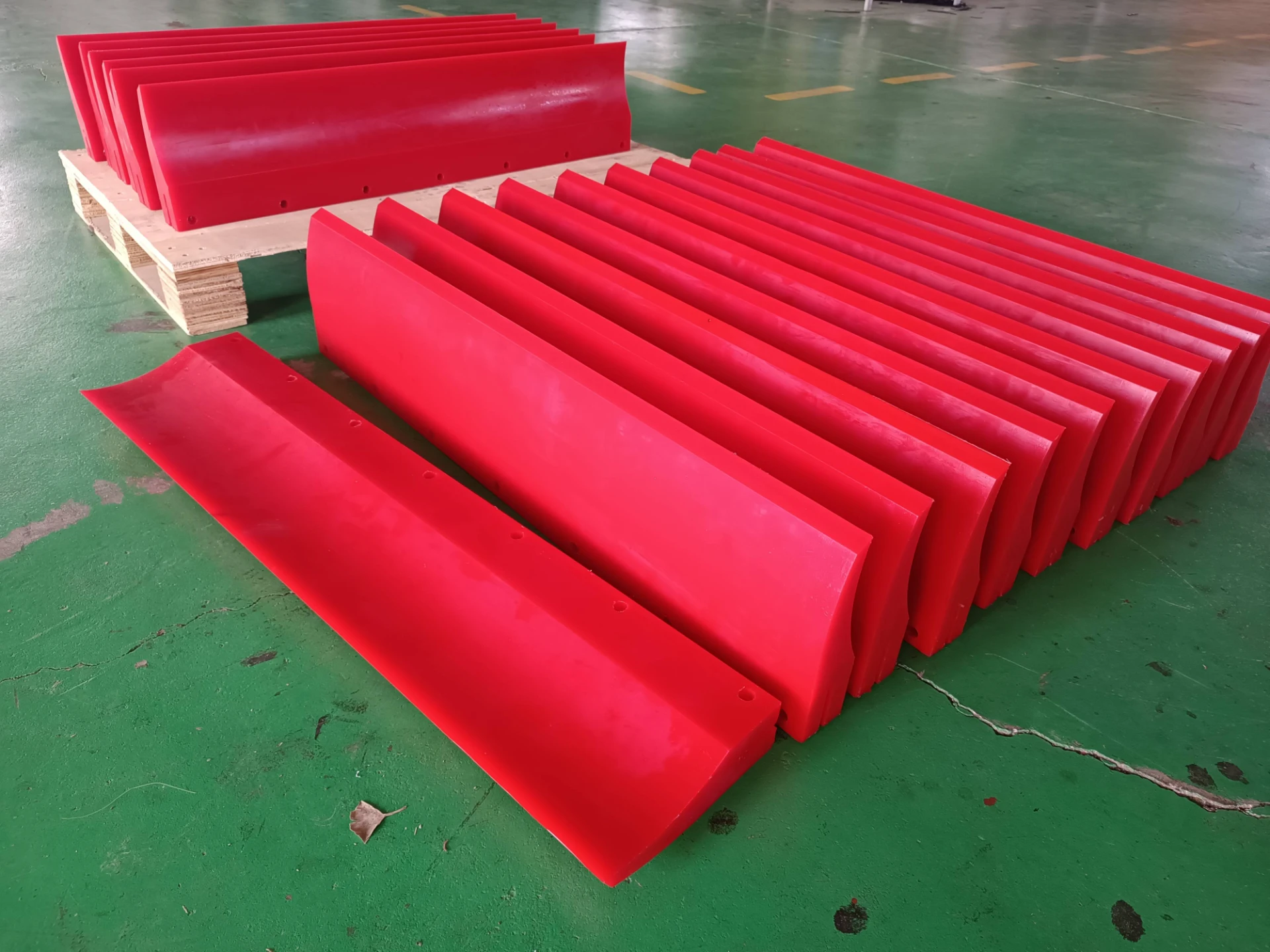
Materials used typically include stainless steel for corrosion resistance and reinforced plastics for certain parts. Durability ensures long lifespan even in harsh industrial fluids.
2. Self-Cleaning Mechanism
The rotating "flip" panels scrape off solids naturally. This continuous cleaning reduces manual labor and prevents flow interruptions. It’s a game-changer for remote facilities with limited staffing.
3. Scalability and Customization
Systems can be scaled from small wastewater plants to large-scale mining processing. Panels and frame sizes are tailored to debris size and flow rates.
4. Energy Efficiency
Compared to conventional systems, flip flow screens require less energy, often running on low-voltage motors, which is ideal for sustainable operations.
5. Maintenance and Operational Simplicity
Because of the self-cleaning action and robust build, maintenance intervals are longer, and operational complexity decreases. Many engineers say this reduces total cost of ownership considerably.
6. Environmental Impact
By removing solids effectively early in the process, these screens help preserve downstream equipment and reduce the need for chemical additives, lowering environmental footprints.
Mini takeaway: The flip flow screen is the sum of smart mechanical design, durable materials, and energy-conscious engineering built to endure varied industrial stresses.
Global Applications & Real-World Use Cases
There’s no single “typical” user, interestingly enough. These screens span municipal water treatment plants in Europe, remote mining sites in Australia, and post-disaster sanitation projects by NGOs in Southeast Asia.
For example, a community water treatment facility in Northern India relied on flip flow screening to reduce manual screen cleaning during summer monsoons, significantly reducing disease outbreaks linked to poor sanitation. Meanwhile, a Canadian pulp and paper plant reduced downtime by 30% thanks to these screens filtering bark debris efficiently.
Additionally, in mining-heavy regions such as South Africa, self-cleaning screens help keep slurry processing plants running smoothly by preventing clogging with sandy solids — a constant headache otherwise.
Product Specification Table
| Feature | Specification | Impact |
|---|---|---|
| Screen Size | Customizable up to 6m width / 20m length | Fits diverse plant sizes |
| Material | SS316 stainless steel & reinforced polymer | Corrosion & wear resistance |
| Motor Power | 0.75 kW to 3 kW | Energy efficient |
| Screen Aperture | 0.5 mm to 6 mm | Flexible solids separation |
| Cycle Speed | 10-30 rpm | Effective self-cleaning |
Vendor Comparison at a Glance
| Feature / Vendor | Mutoscreen | ScreenTech Solutions | FlowScreen Inc. |
|---|---|---|---|
| Customization options | High – tailored sizes and materials | Medium – standard sizes only | Low – fixed designs |
| Support & service | Global network, prompt response | Regional, moderate response times | Limited after-sales |
| Energy consumption | Low – newest motor tech | Moderate | High |
| Price range | $$$ (Mid to high tier) | $$ (Mid tier) | $ (Budget) |
Advantages and Long-Term Value
What’s striking about the flip flow screen is how it pairs mechanical cleverness with real-world reliability. The investment in such systems often pays back quickly: fewer clogs, less manual cleaning, lower energy bills, and reduced wear on downstream pumps and filters.
Moreover, there’s the social and environmental side. Reliable screening improves water quality, protecting ecosystems and public health — a form of innovation that touches safety and dignity. It sounds a bit lofty, but for communities relying on these plants, it literally changes daily life.
Looking Ahead: Trends Shaping Flip Flow Screens
Innovation around flip flow screen working principle is blooming. From integration with IoT sensors for predictive maintenance to the use of composites and eco-friendly materials that lighten units, manufacturers are pushing designs further. Automation reduces manual checks, and solar-powered operations are becoming feasible, especially for isolated sites.
These developments align well with the sustainability mandates many governments are enforcing — ISO 14001 certification now commonly factors into vendor selection.
Challenges and How to Overcome Them
No innovation is without snag. For flip flow screens, issues often arise in extremely abrasive or sticky waste streams, where repeated flipping may wear components faster or fail to clear stubborn solids effectively.
Engineers suggest combining flip flow screens with upstream grit removal or using hybrid screen types. Regular inspection and material upgrades—like ceramic coatings—also make a difference. Essentially, it’s about knowing the waste stream well and customizing accordingly.
FAQ: Your Questions About Flip Flow Screen Working Principle
- How does a flip flow screen differ from a traditional static screen?
- Unlike static screens, flip flow screens incorporate rotating panels that self-clean by flipping debris off, reducing manual maintenance and downtime.
- Can flip flow screens handle large volumes of wastewater efficiently?
- Yes, flip flow screens are scalable and designed to operate continuously, making them suitable for wide ranges of flow rates and industrial uses.
- What maintenance is typically required for flip flow screens?
- Maintenance is minimal due to the self-cleaning action but generally includes periodic inspections and occasional lubrication of rotating parts.
- Are flip flow screens compatible with automation and remote monitoring?
- Absolutely. Modern designs often embed sensors for flow and motor health, allowing integration with plant SCADA systems for predictive maintenance.
- Where can I find detailed technical guidance on flip flow screen working principle?
- A great start is the flip flow screen working principle technical resources and whitepapers available on leading industry websites.
Wrapping It Up: Why Flip Flow Screens Are a Smart Bet
The flip flow screen working principle may sound like a niche concept, but its impact across industries and regions is broad and growing. From reducing operational headaches to protecting ecosystems, this technology keeps optimizing the balance between human needs and nature’s limits.
If you’re considering screening solutions, it’s worth exploring. Curious to see how it could fit your plant? Visit us at https://www.mutoscreen.com for detailed insights, case studies, and product offerings. Sometimes, the simplest flip can make the biggest impact.
Mini takeaway: Flip flow screen technology blends practicality and innovation with a touch of environmental stewardship—hello, future.
References
- UN World Water Development Report, UNESCO, 2023
- International Water Association, Wastewater screening and treatment trends, 2022
- Mechanical Screen - Wikipedia