Inside the shop: how a wedge wire screen gets welded, tested, and trusted
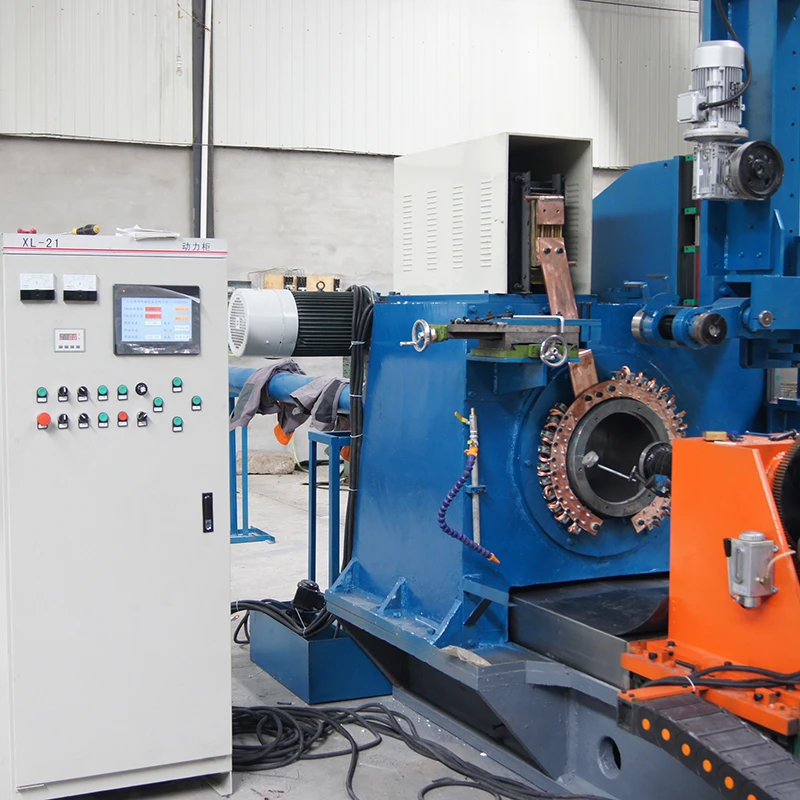
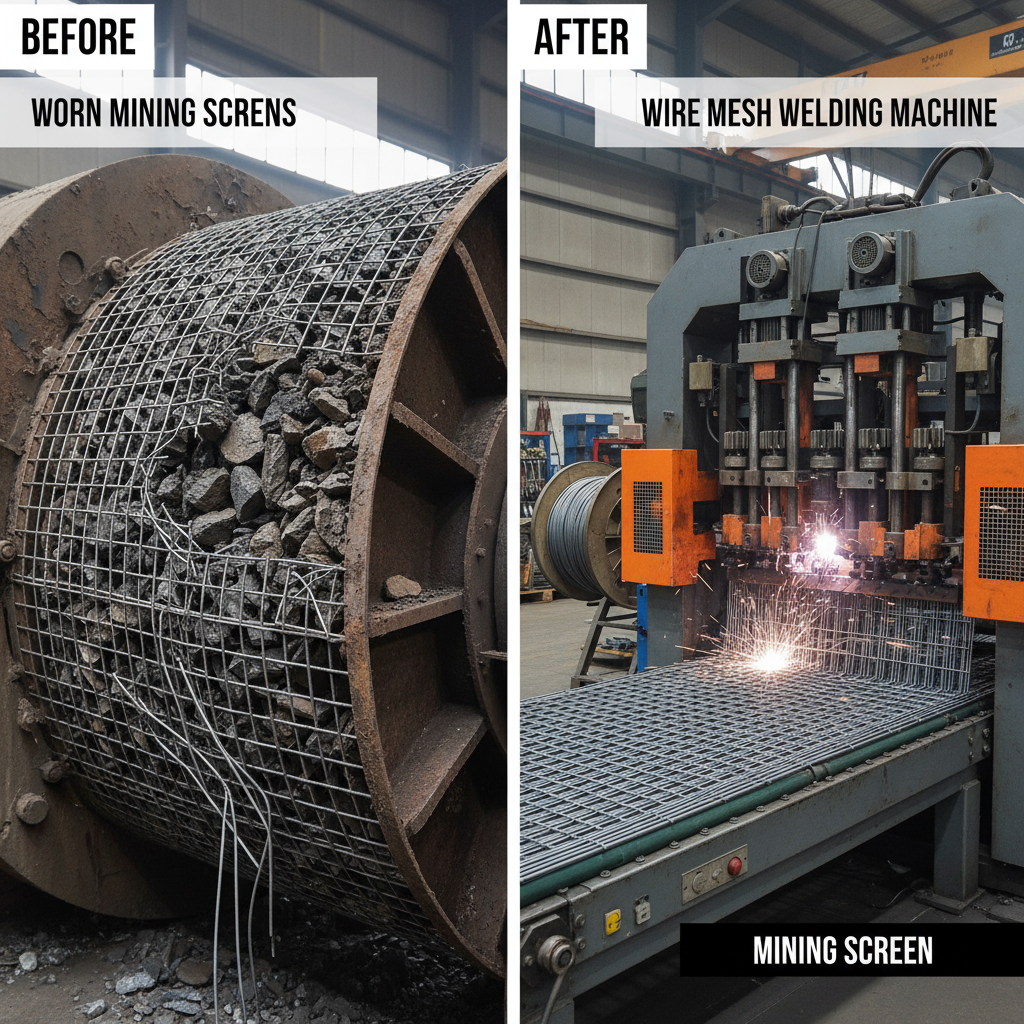
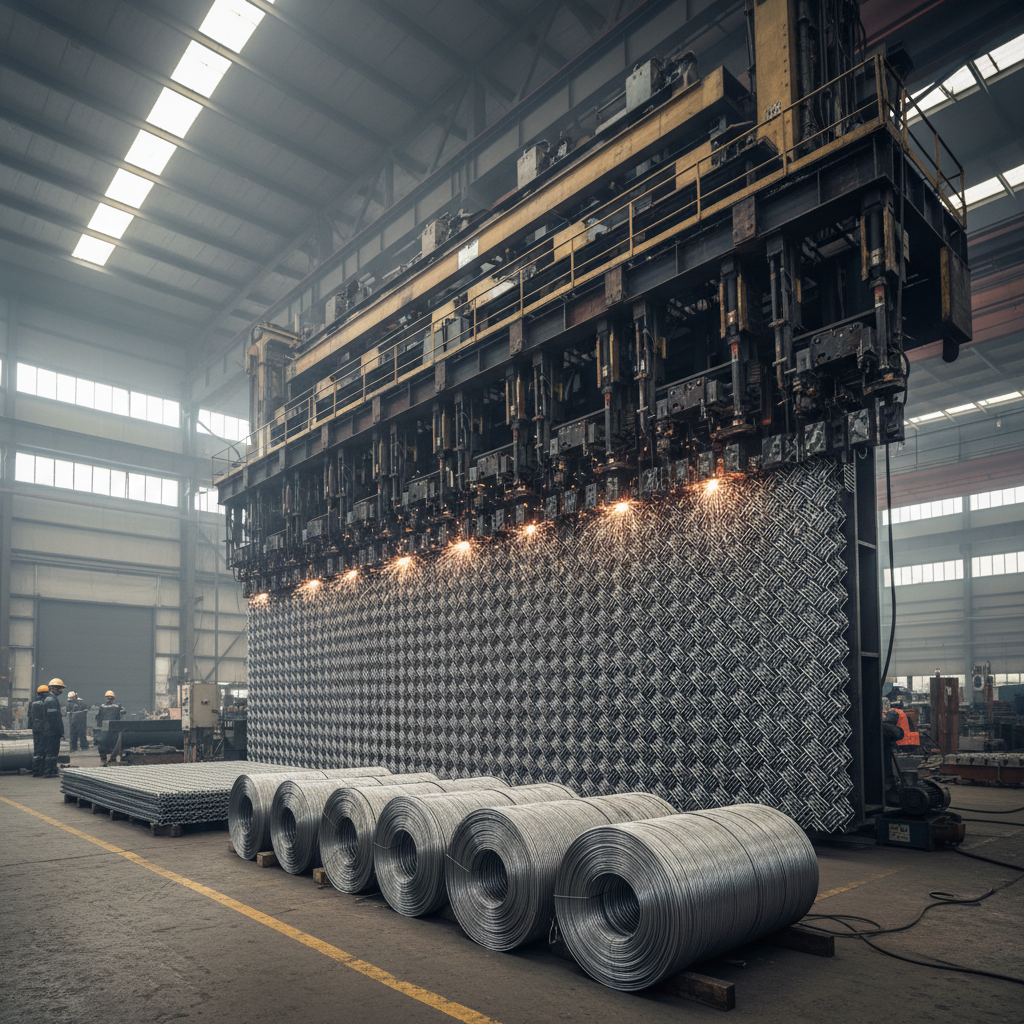
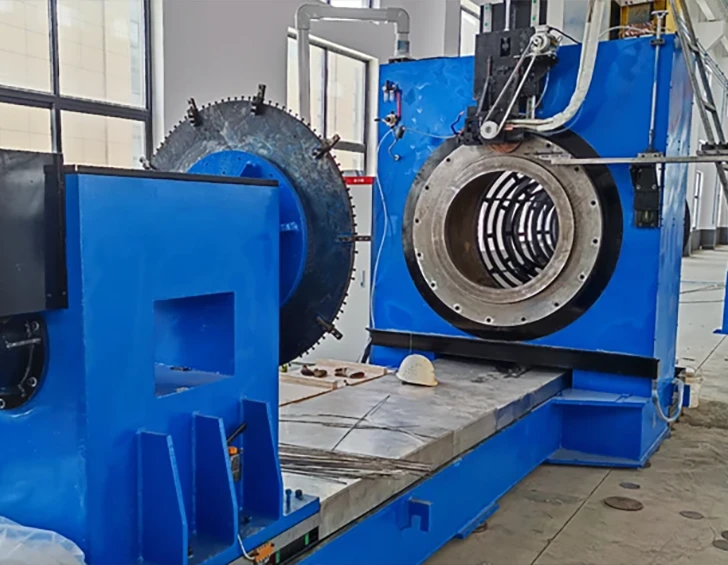
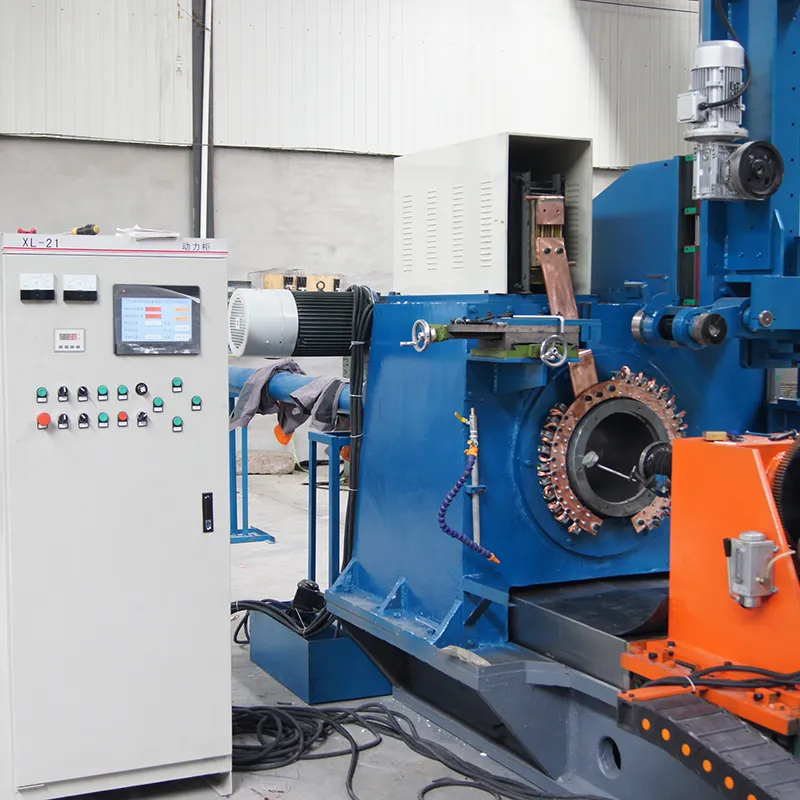
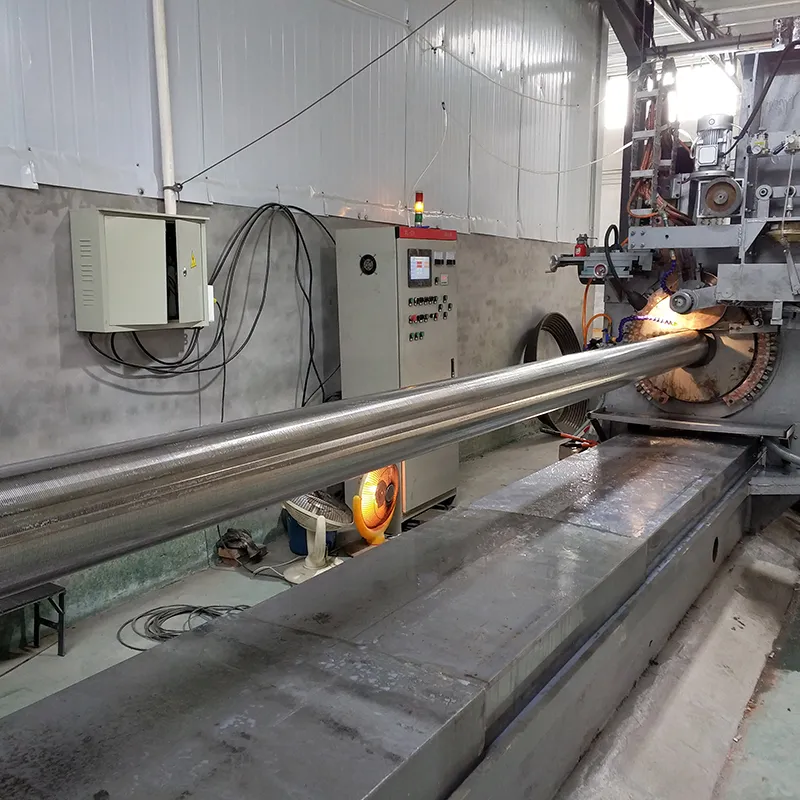
On a cool morning in Anping County—Hehuang Road to be precise—I watched a wedge wire screen welding machine hum through a shift. Sparks, yes, but far more about precision than drama. This is the kind of equipment that quietly underpins water and energy infrastructure: oil, gas, and water wells; plus the less glamorous but vital world of sewage treatment and water purification. And to be honest, the difference between a good screen and a great one often starts at the weld controller.
What’s trending in 2025
A few currents stand out: tighter slot tolerances (±0.03–0.05 mm is becoming table stakes), shift to 316L/2205 duplex for harsher brines, servo-indexed mandrels for repeatability, and full traceability to standards like SY/T 5182-2008 and ISO 17824. Many customers say the real headache is changeover time—so modular jigs and quick mandrel swaps are suddenly sexy. Also, there’s growing interest in inline vision systems verifying slot width on the fly. Surprisingly, it’s not just oilfields—municipal water utilities are buying smarter, asking for lab data and weld shear tests before PO.
How it’s made: process flow that actually matters
- Materials: SS304/304L, SS316/316L; sometimes 2205 duplex for sour service. Rods and V-shaped (wedge) wire are pickled and passivated per ASTM A380 guidelines.
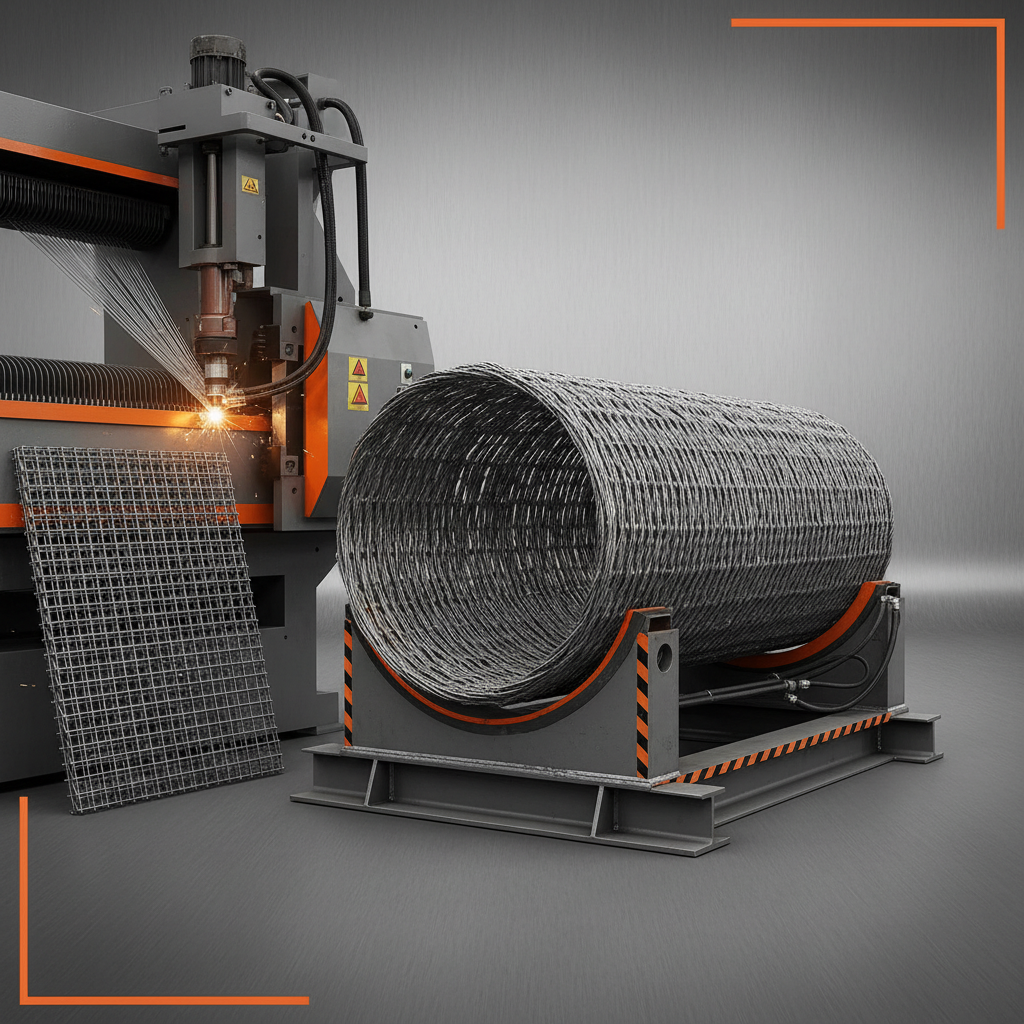
- Mandrel prep: Cylindrical or conical mandrel, servo-driven rotation with encoder feedback; tension control to keep wire lay constant.
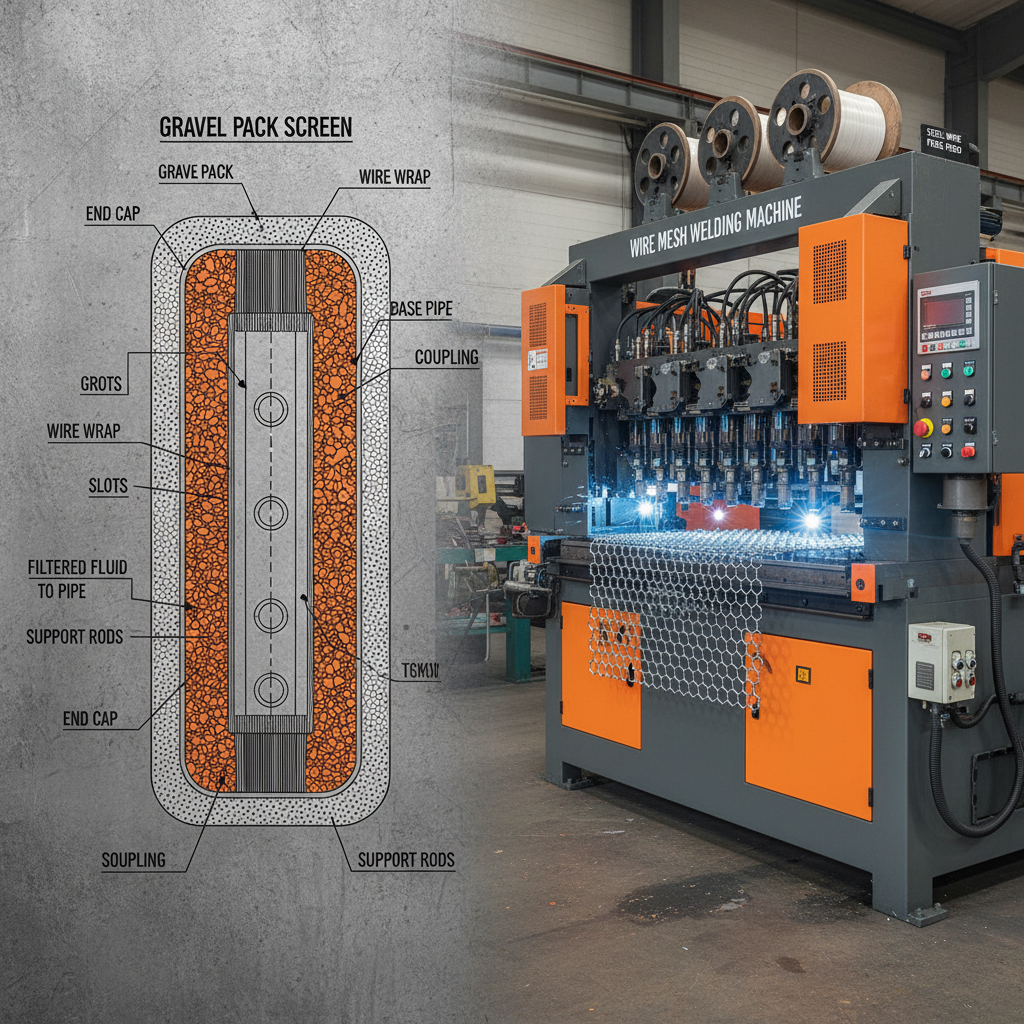
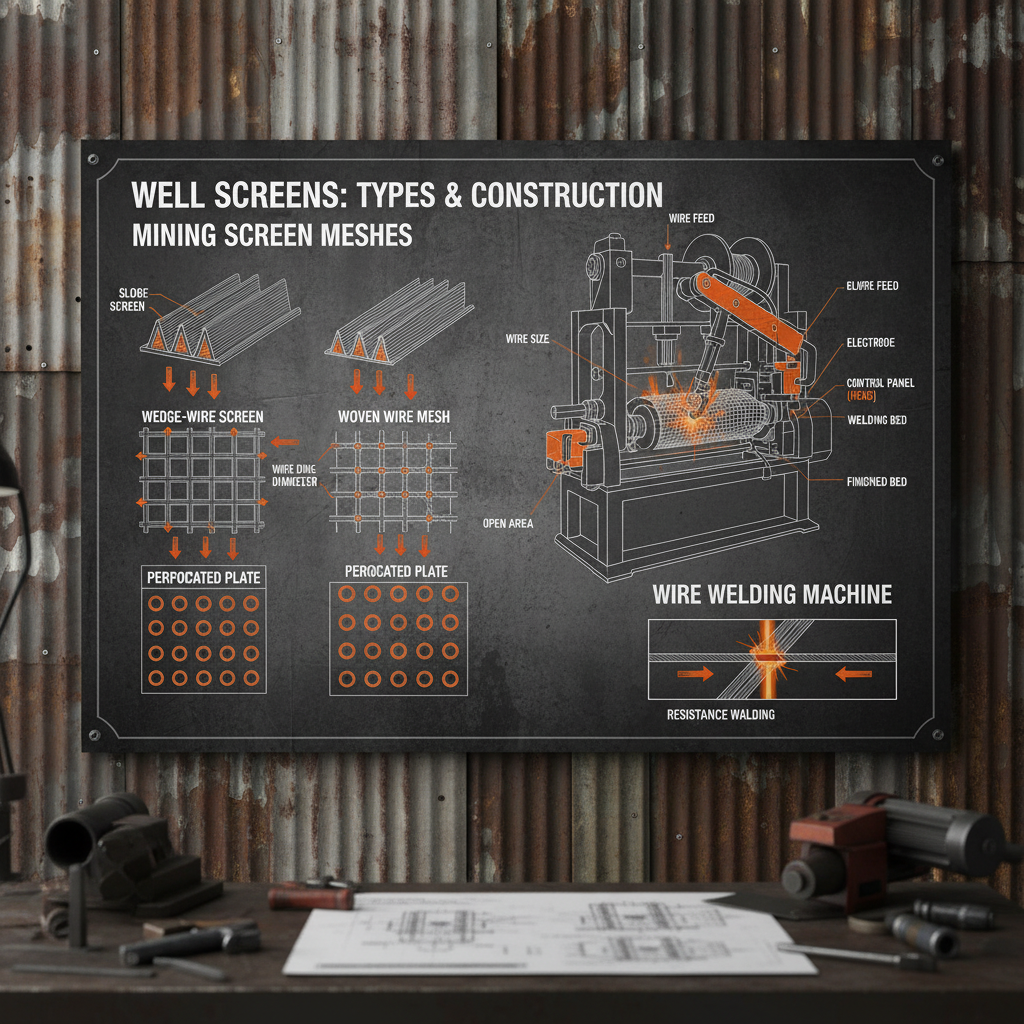
- Welding: Resistance fusion welding—precise current, timing, and pressure bond V-wire apex to support rods. Digital weld controller tracks heat input.
- Indexing: Servo step adjusts pitch; VFD governs rotation speed to keep slot width consistent around the circumference.
- Post-process: Straightening, end ring welding, passivation, and hydrolift flush to remove fines.
- Testing: Slot width gauge (Go/No-Go), roundness, weld shear/pull tests, hydrostatic flow tests, and visual NDT. Compliance check to SY/T5182-2008 and ISO 17824.
- Service life: around 5–10 years in typical water wells; in corrosive brines, duplex extends that envelope—real-world use may vary.
Product snapshot: Wedge Wire Screen Welding Machinery
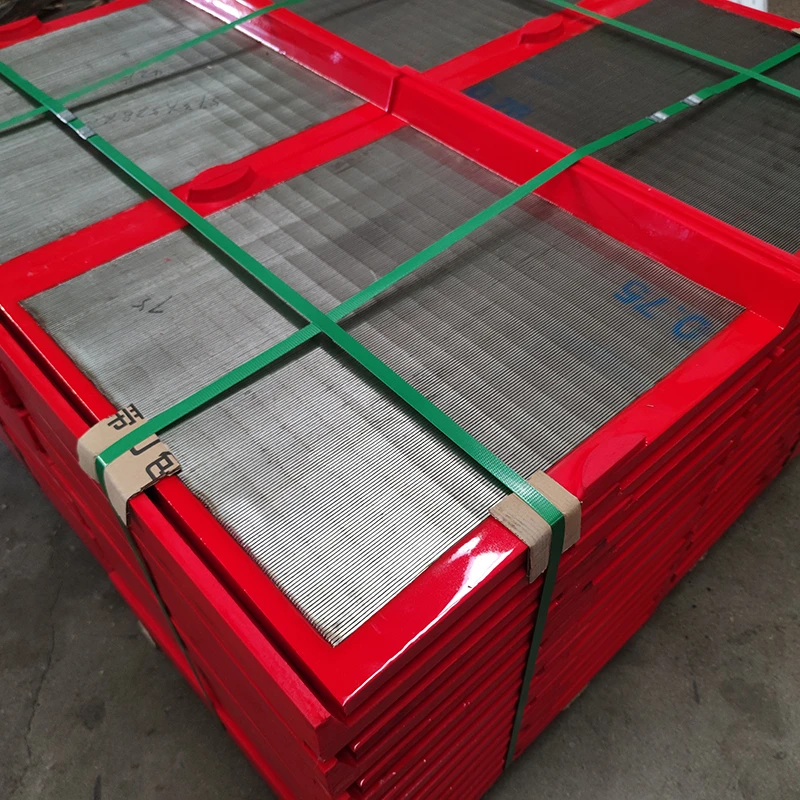
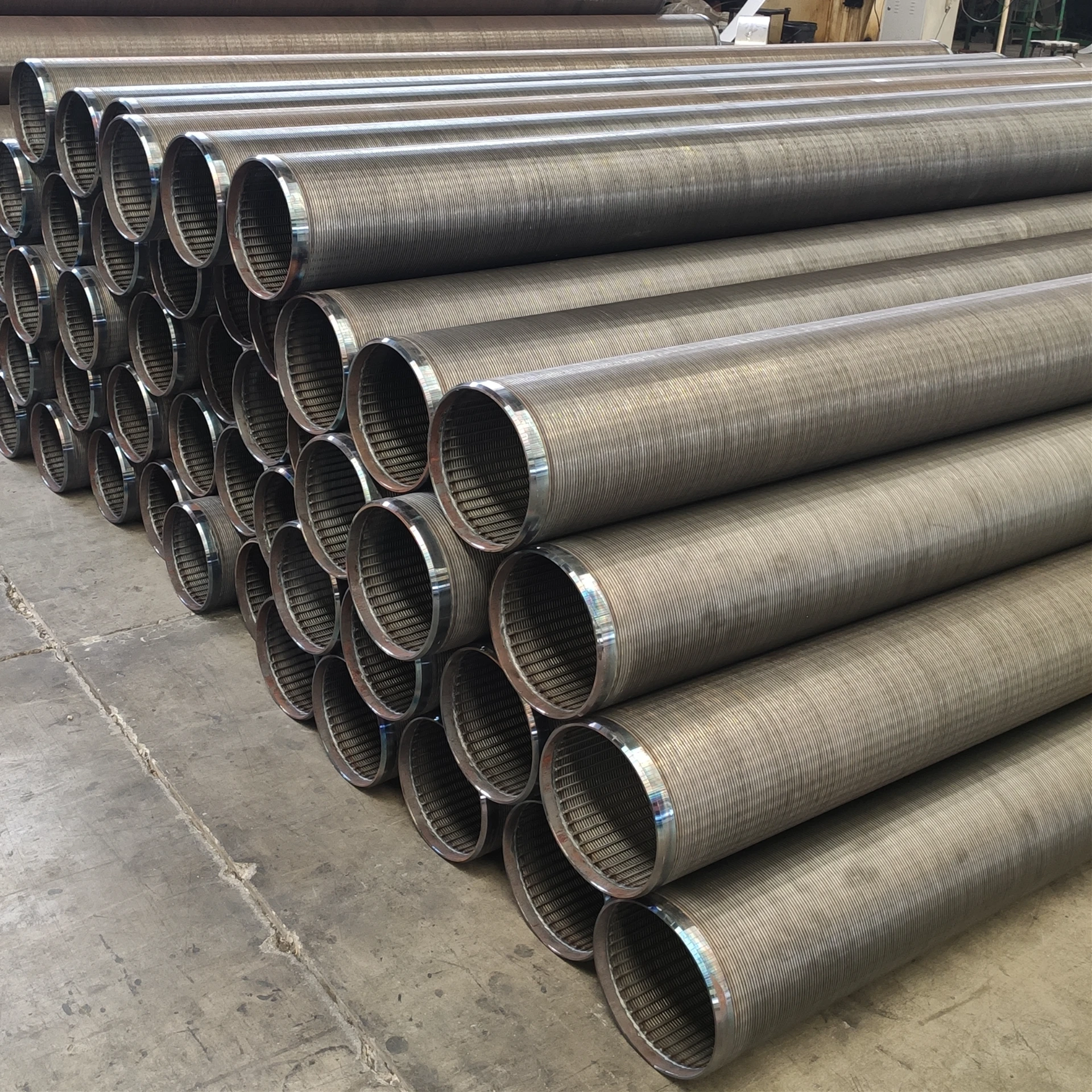
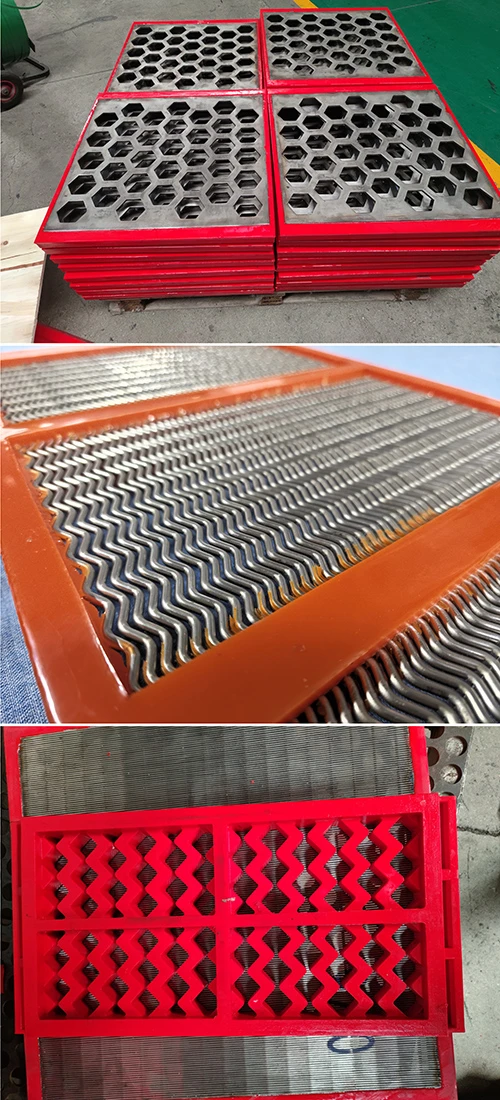
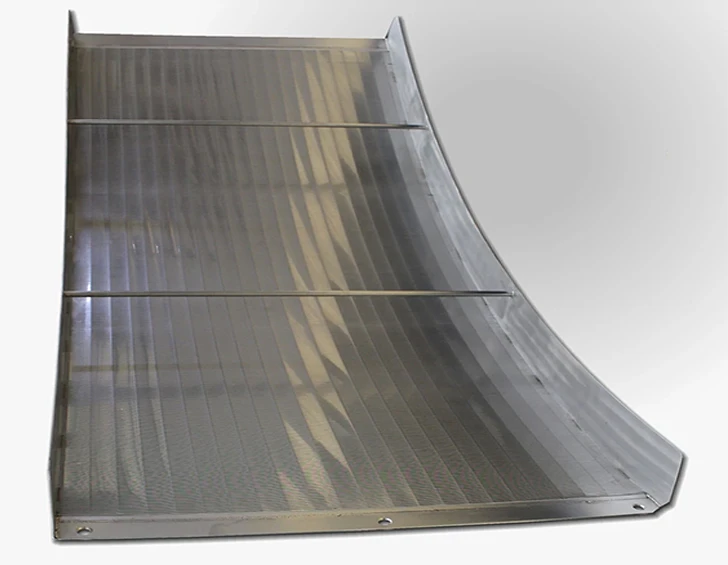
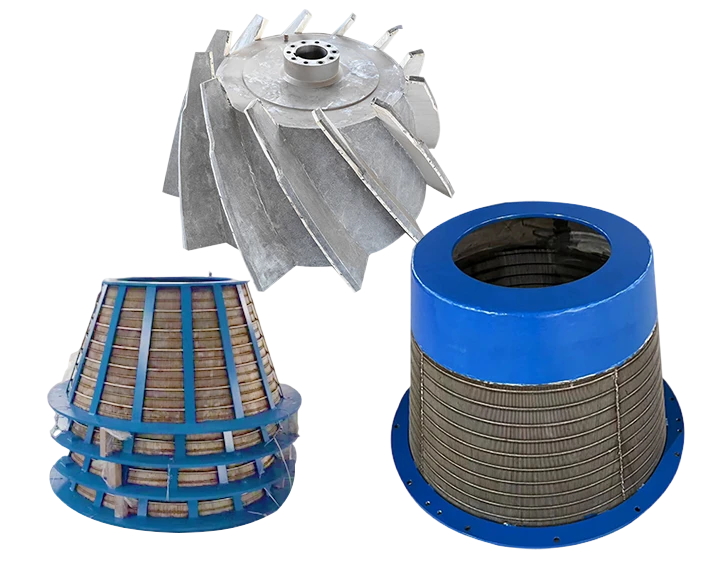
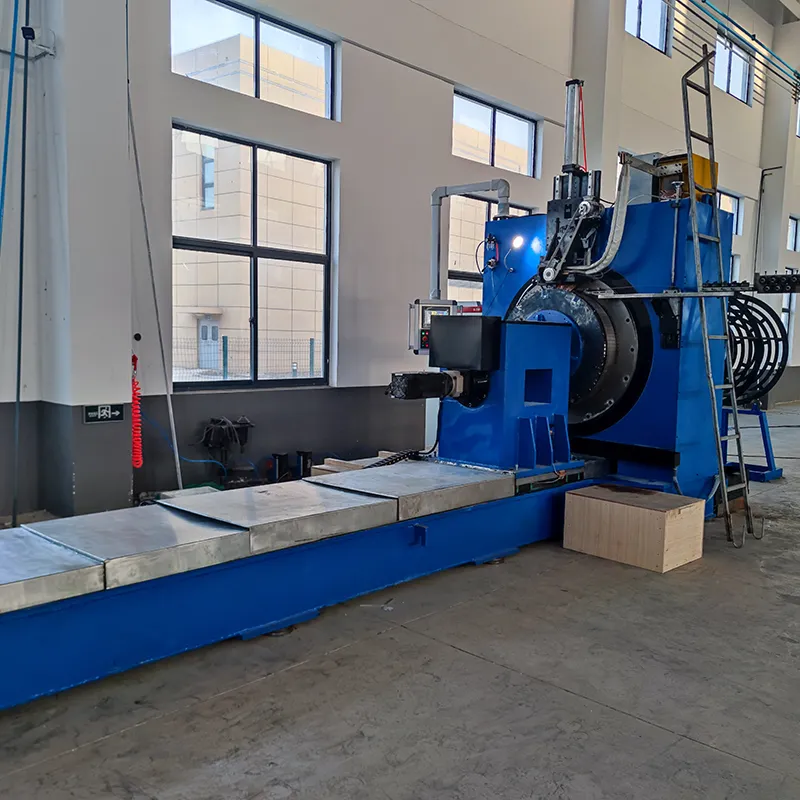
Origin: Hehuang Road, Anping County, Hengshui, Hebei Province. The screens produced by the wedge wire screen welding machine serve oil, gas, and water well sand control, plus sewage treatment and water purification. Custom specs are available by different molds (SY/T5182-2008).
Key specifications
| Slot width capability | ≈0.05–3.0 mm | ±0.03–0.05 mm typical (real-world may vary) |
| Wire profile | V-wire 0.5×1.5 to 3.0×5.0 mm | Custom molds supported |
| Support rod pitch | ≈2–8 mm | Cylindrical and conical |
| Mandrel length | Up to ≈6 m | Longer by request |
| Control system | PLC + HMI | Servo indexing, data logging |
| Power | ≈15–30 kW | Depends on wire size |
Where it’s used and why it wins
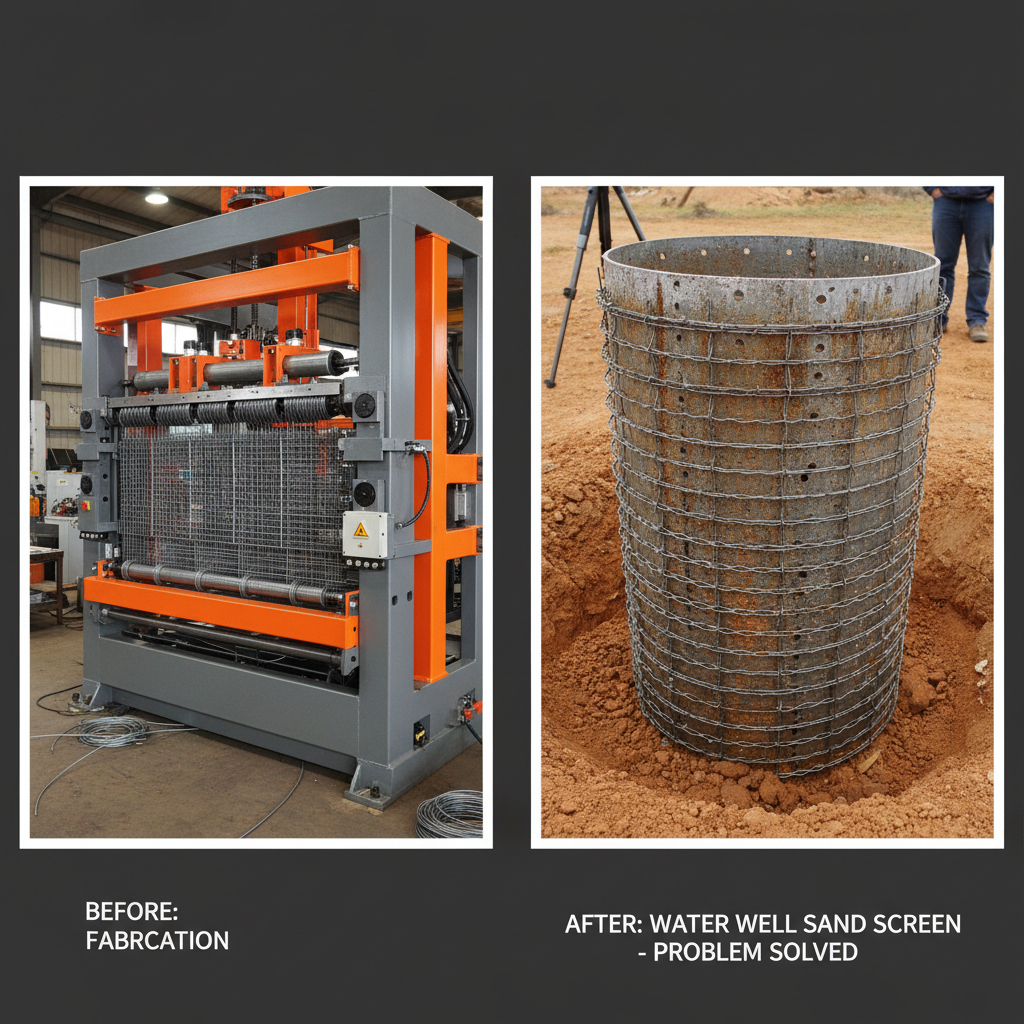
- Oil & gas wells: sand control with low pressure drop; ISO 17824 design logic.
- Water wells and municipal treatment: robust, cleanable slots; stable open area.
- Industrial filtration: refineries, paper mills, and yes—tricky produced water loops.
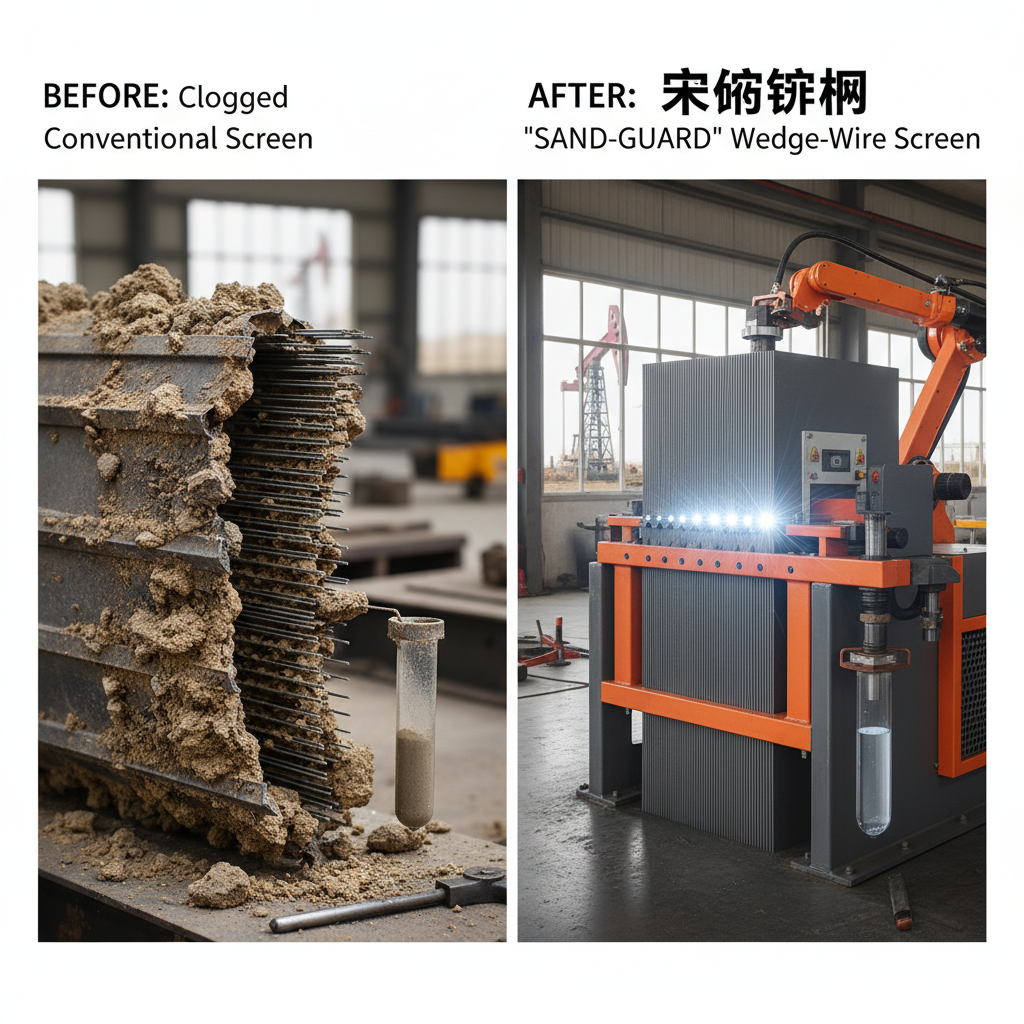
Advantages people actually notice: consistent slot width (better specific capacity), cleaner welds (less plugging), and fast mold changes. One operator told me their downtime “fell by half” after adopting a wedge wire screen welding machine with servo indexing.
Vendor landscape (quick take)
| Vendor | Origin | Slot accuracy | Changeover | Compliance | Lead time |
|---|---|---|---|---|---|
| MutoScreen | Anping, Hebei | ±0.03–0.05 mm | Quick molds, modular jigs | SY/T5182-2008, ISO 17824 | Around 30–45 days |
| Vendor B | EU | ≈±0.05 mm | Moderate | ISO 17824 | 60–90 days |
| Vendor C | US | ±0.05–0.07 mm | Slow | ISO 9001 | ≈90+ days |
Customization and compliance
Different molds mean custom wire profiles and support rod patterns—handy when you’re targeting specific k-factor or open area. Documentation typically includes material certs (EN 10204 3.1), weld parameter logs, and slot-width inspection records. The wedge wire screen welding machine line I saw ships with CE electrical conformity and ISO 9001 QA upstream.
Field notes and case snippets
- Water utility, North China: 1.0 mm slot, 316L. Reported ≈18% drop in pumping head at same yield thanks to uniform slots.
- Oil producer, ME region: 0.3 mm slot screens for fine sands; duplex wire improved run life from ~18 to ~30 months, per client logs.
Test data that resonated with buyers: weld shear ≥1.2 kN per junction (typical), roundness ≤0.5 mm per meter, and flow uniformity variation under 5% across 12 sectors. I guess numbers speak when budgets are tight.
Final thought
If you’re speccing a wedge wire screen welding machine, chase consistency, changeover speed, and documentation. The rest—less downtime, cleaner slots—tends to follow.
Authoritative citations
- SY/T 5182-2008: Screen Pipe for Sand Control in Oil and Gas Industry.
- ISO 17824: Metallic screen assemblies for use in oil and natural gas wells.
- ASTM A240/A240M: Standard Specification for Chromium and Chromium-Nickel Stainless Steel Plate, Sheet, and Strip.