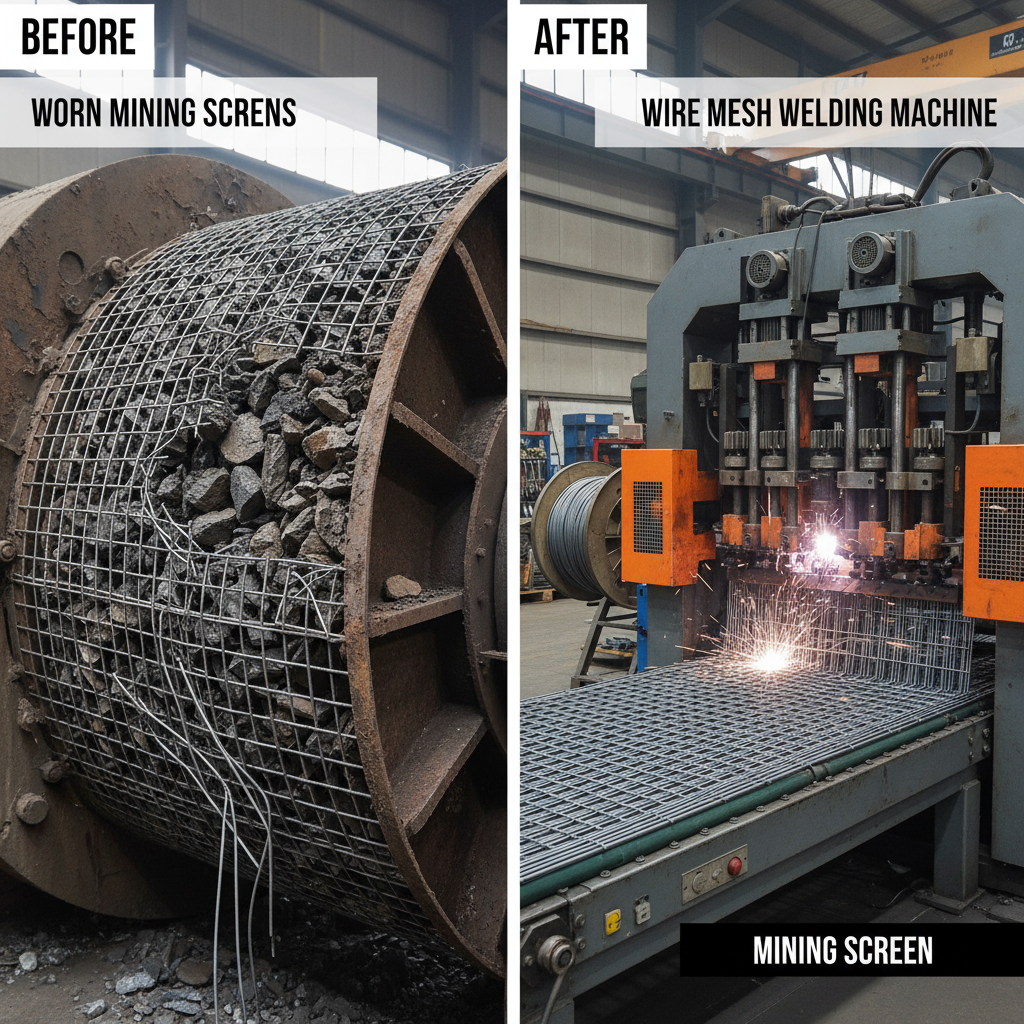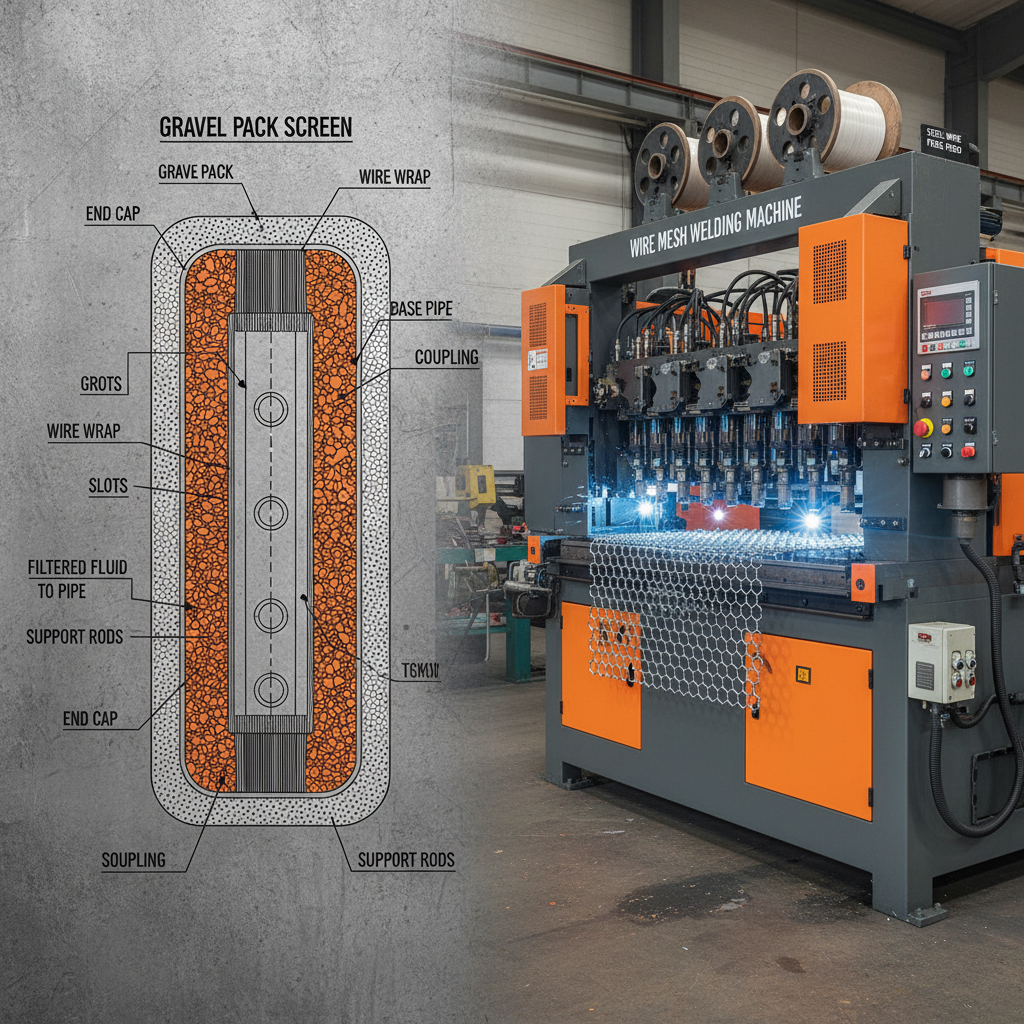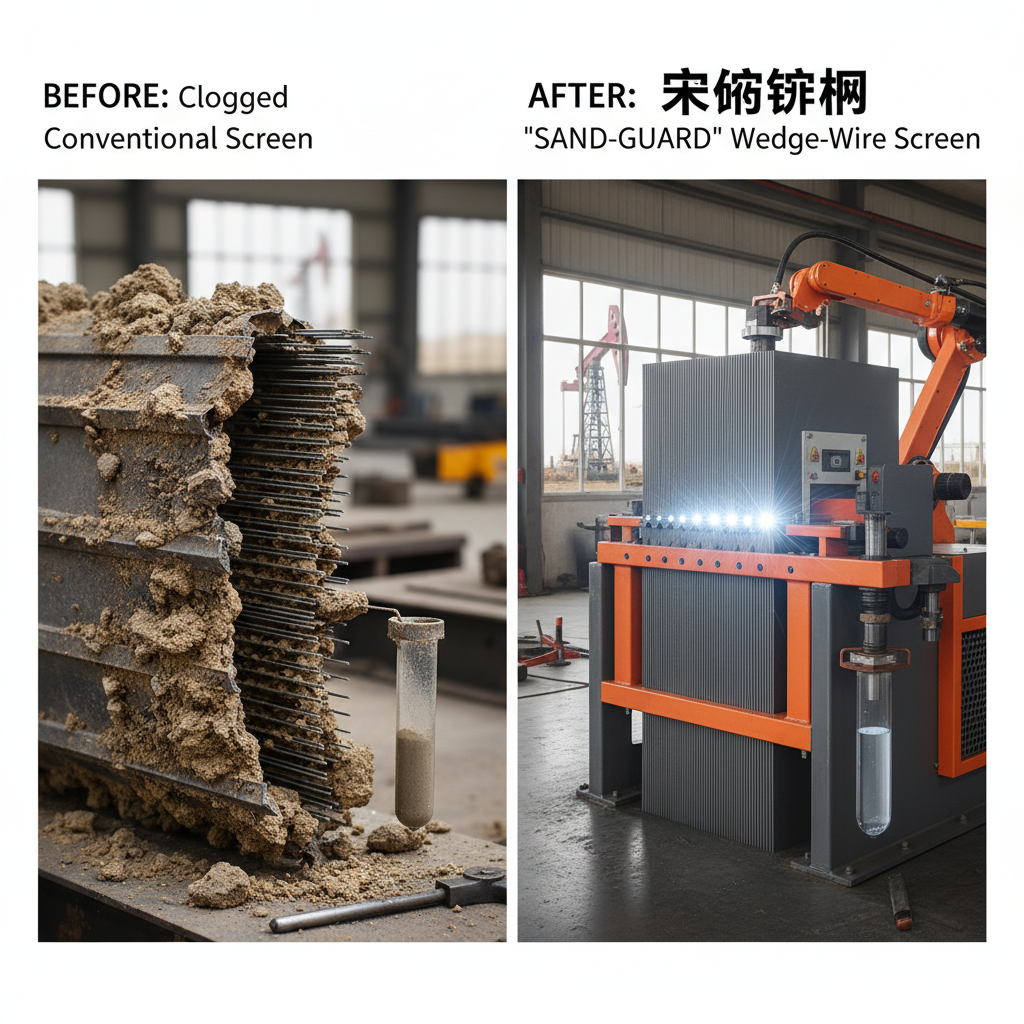
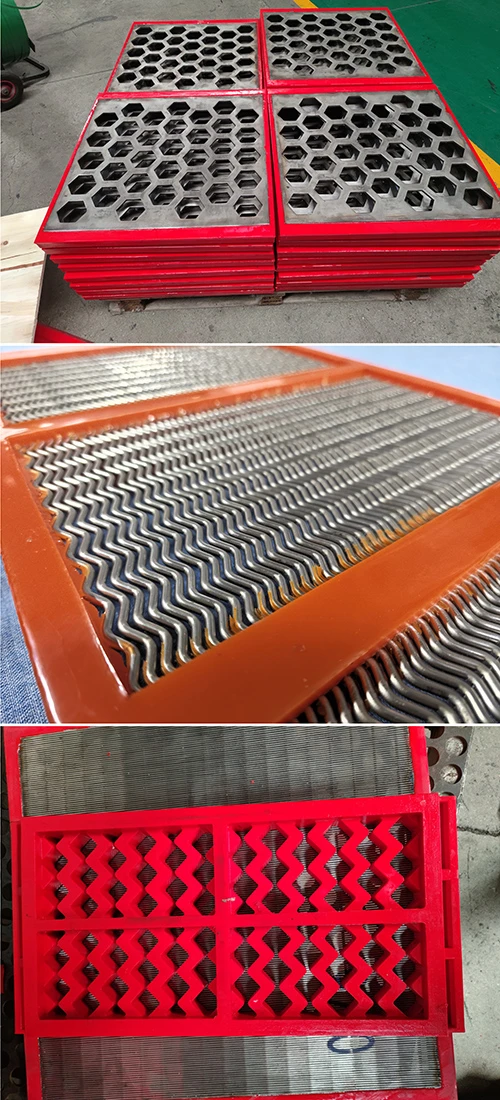
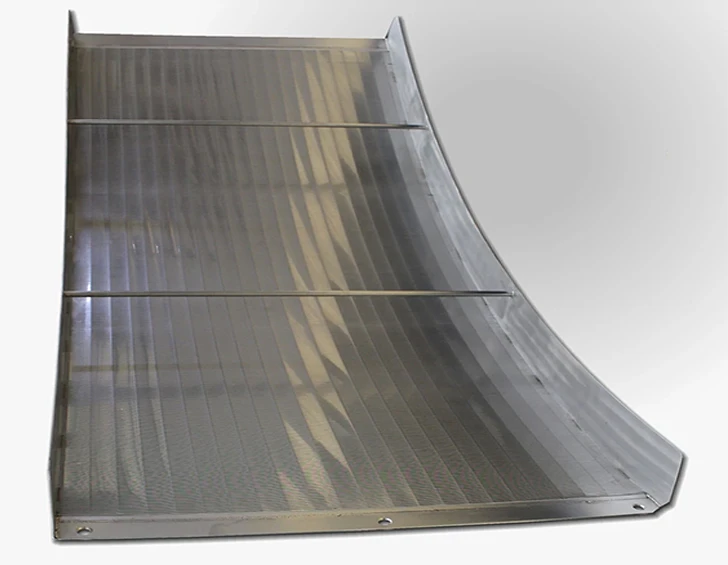
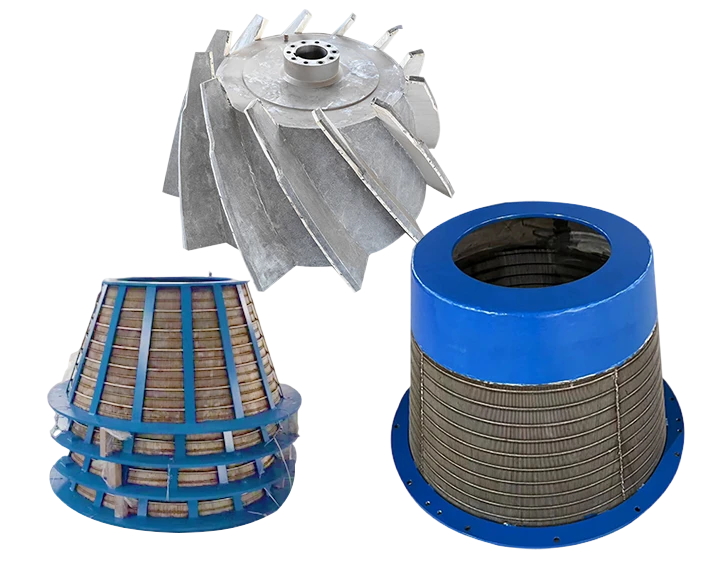
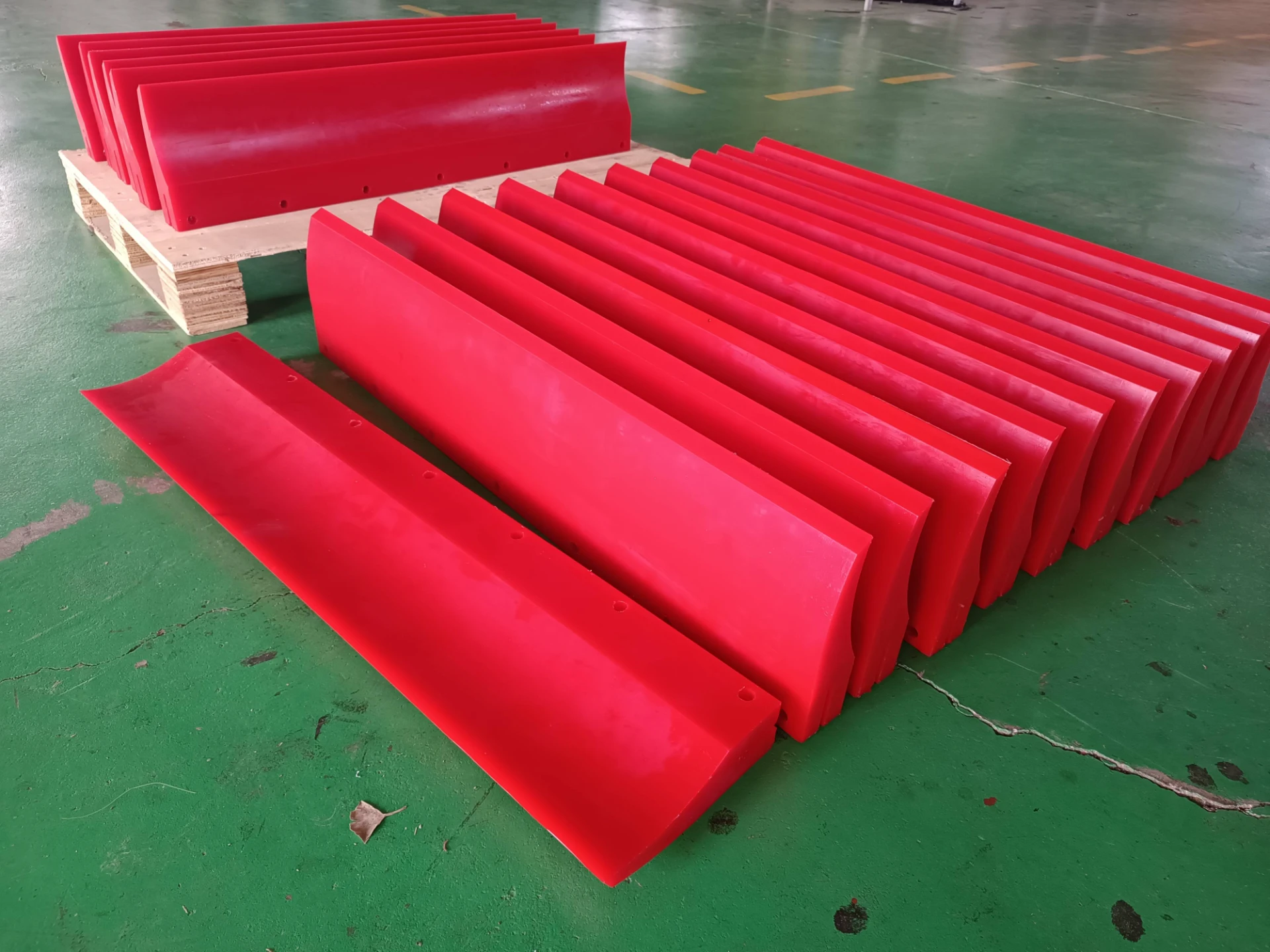
So, what do vibration plates do for you on a real-world screening line?
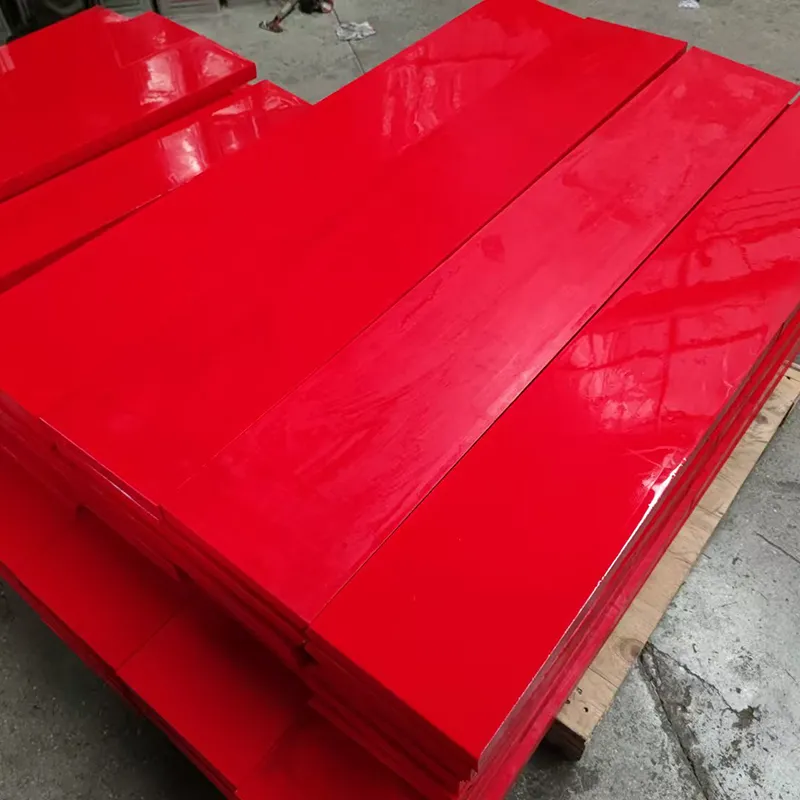
If you’ve ever wondered what do vibration plates do for you, here’s the no-fluff version from the shop floor: the side pressure plate on a vibrating screen clamps the mesh, locks out leakage, stabilizes tension, and keeps cut-size accuracy honest—even when the deck is humming at high Gs. Without it, throughput dips, fines go rogue, and you burn downtime on re-tensioning. Not glamorous, but absolutely critical.
Industry snapshot
Plants are running hotter and faster—higher tonnage, finer apertures, nastier slurries. Trends we see: quick-change clamping, corrosion-proof coatings, and torque-spec repeatability. Predictive maintenance is creeping in too; operators track clamp torque and vibration signatures to flag tension loss early. From our base in Hehuang Road, Anping County, Hengshui, Hebei Province, we’ve watched this shift accelerate in aggregates and tailings treatment.
How the Vibrating Screen Side Pressure Plate works
Functionally, it’s a precision hold-down. It distributes clamping force along the side rail, preventing micro-gaps that cause bypass and blinding. The better the plate, the more uniform the load—meaning stable mesh tension, cleaner stratification, and, yes, nicer yield curves. It’s one of those parts you forget exists until it fails. Then everyone remembers.
Materials, process, and quality flow
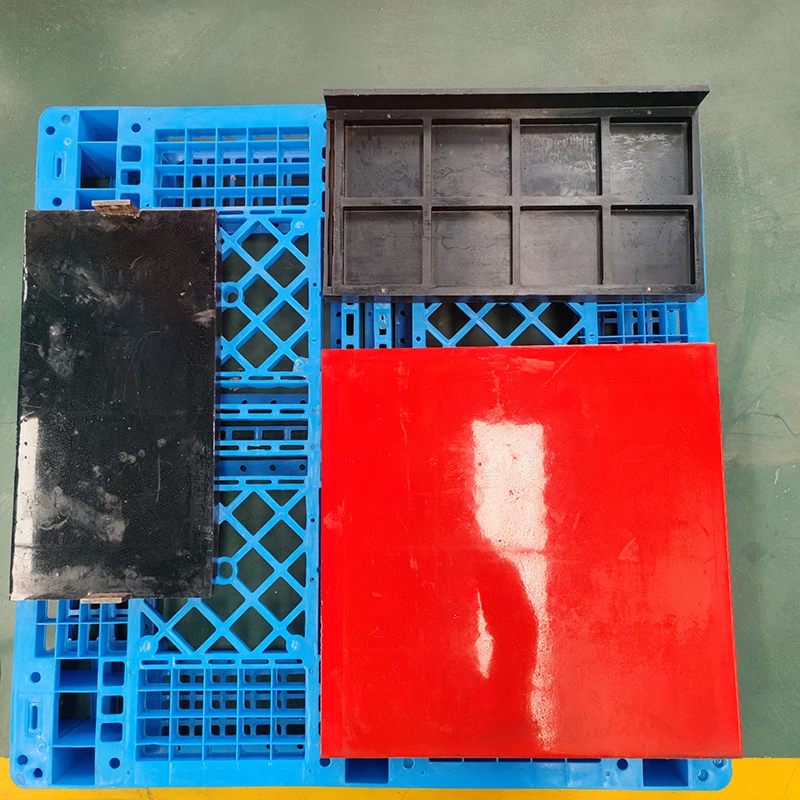
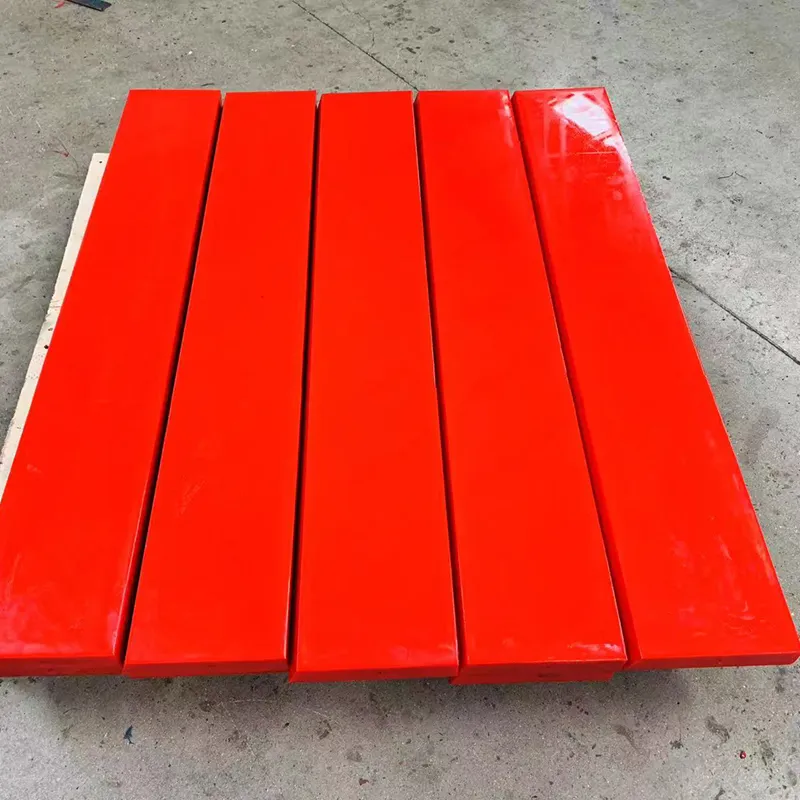
- Materials: carbon steel (Q235/ASTM A36), high-strength (Q345/ASTM A572), 45# steel for wear edges, 304/316 stainless for corrosives; optional UHMW-PE or rubber wear liners.
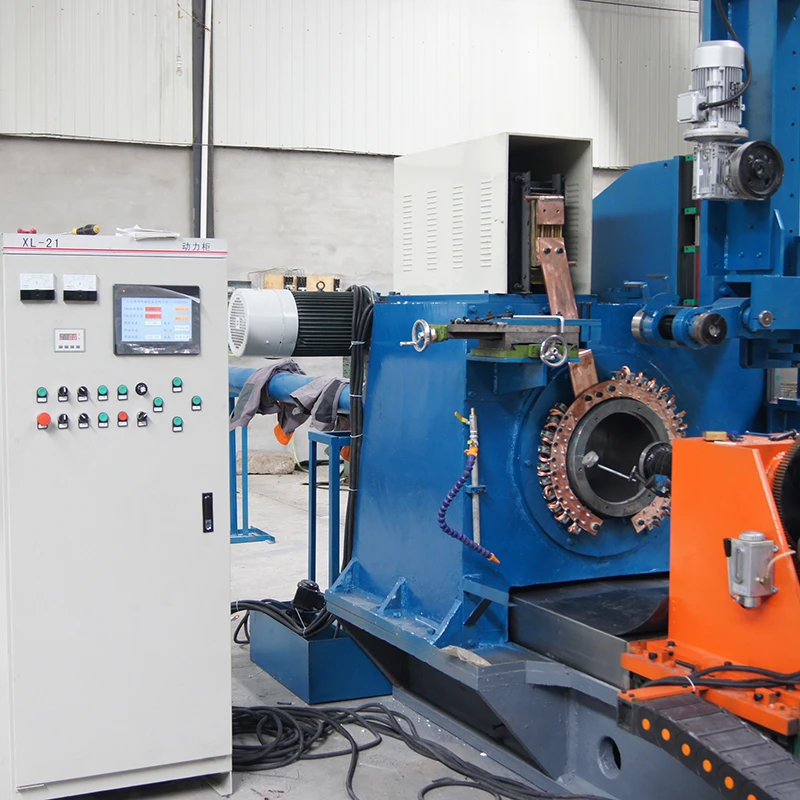
- Methods: laser/plasma cutting, CNC milling of seating faces, deburring and edge radiusing; anti-corrosion by hot-dip galvanizing or powder-coat; optional e-coat primer.
- Testing: dimensional tolerance ≈ ±0.2 mm; hardness check (HB 170–220 for A36); coating thickness ≈ 70–100 μm; torque proof-load 60–120 Nm; fatigue ≥ 1×10⁶ cycles under ISO 10816 vibration envelope; salt-spray ASTM B117 (48–96 h) for coated parts; balance verification to ISO 21940 where applicable.
- Certifications: ISO 9001 plant quality; RoHS-compliant coatings; material certs (EN 10204 3.1) available.
- Service life: ≈ 12–24 months typical; up to 36 months in dry duty—real-world use may vary with media, torque discipline, and deck G-force.
Product specifications (sample)
| Length options | 400–1800 mm (custom up to 2500 mm) |
| Thickness | 6, 8, 10, 12 mm (±0.2 mm) |
| Surface | HDG, powder-coat, or 304/316 bare |
| Bolt interface | M12–M20 slot pattern; custom centers |
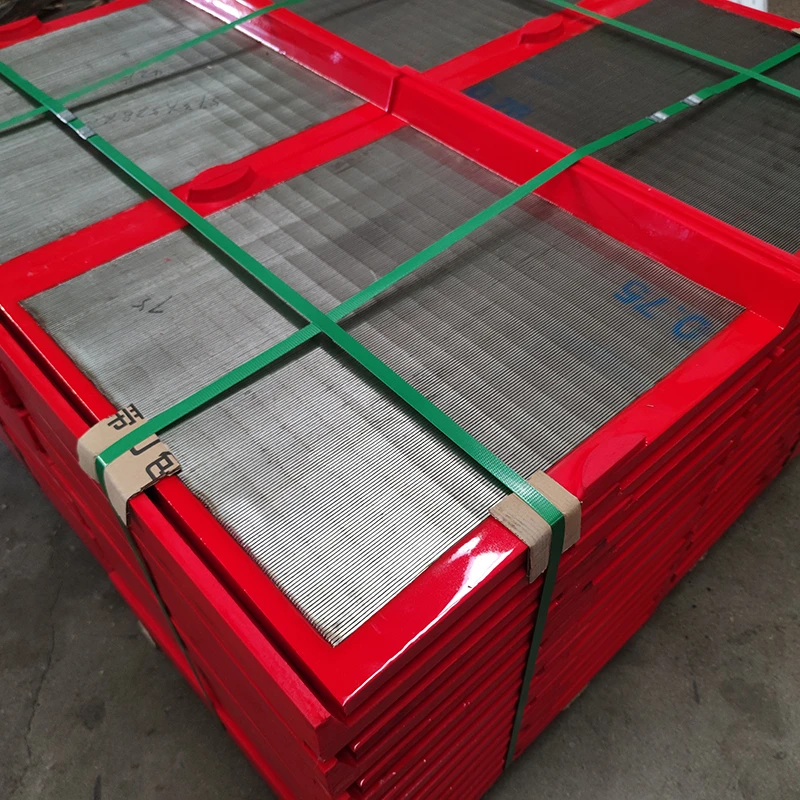
| Compatible mesh | Woven wire, PU, rubber, wedge-wire |
| Working temp | -20 to 120°C (coating-dependent) |
| Torque spec | ≈ 80–110 Nm (check deck OEM) |
Applications and advantages
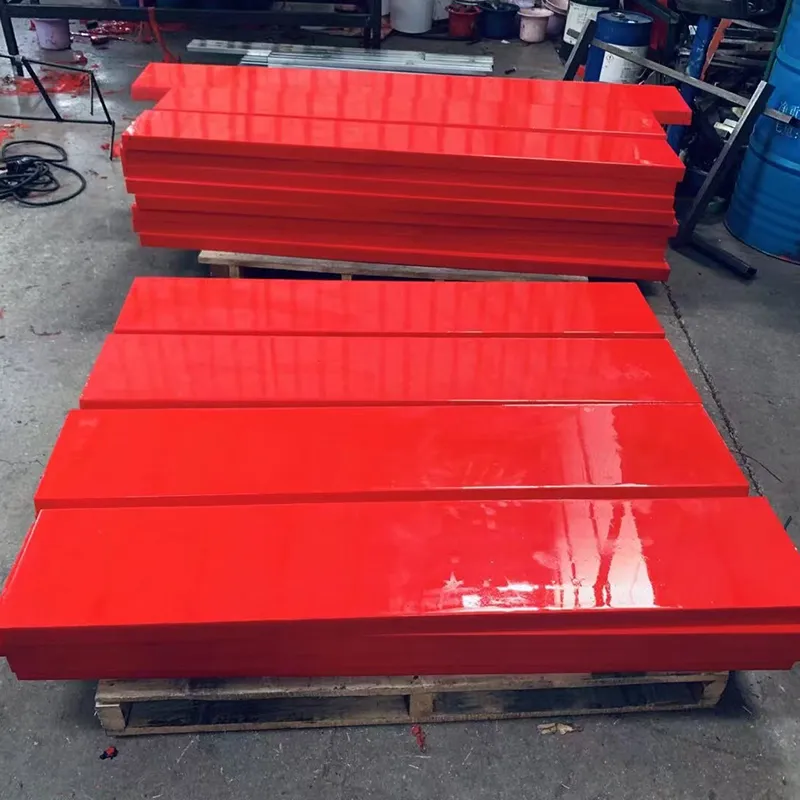
Mining (iron ore, coal prep), aggregates, frac sand, food-grade salt/sugar, and recycling (glass, plastics). Advantages: leak-free edges, steadier cut-size, faster changeovers, and—surprisingly—lower noise when paired with elastomer liners. Many customers say the immediate win is fewer mid-shift re-tensions. To be honest, that’s where the money is saved.
Vendor comparison (typical)
| Vendor | Material options | Coating | Lead time | Notes |
|---|---|---|---|---|
| MUTO Screen | A36/A572, 304/316, 45# edge | HDG / powder / e-coat | ≈ 10–15 days | Tight tolerances; 3.1 certs |
| Vendor A | Carbon steel only | Paint | ≈ 3–4 weeks | Budget choice |
| Vendor B | SS upgrade optional | Powder | ≈ 2–3 weeks | Limited custom holes |
Customization and fit-up
We match legacy hole centers, deck geometry, chamfers, and add laser-etched torque marks. Logos and color codes? Sure. For corrosive duty, 316 stainless with UHMW rub-strip is a solid pick. This is where what do vibration plates do for you turns from a question into a throughput lever.
Case notes from the field
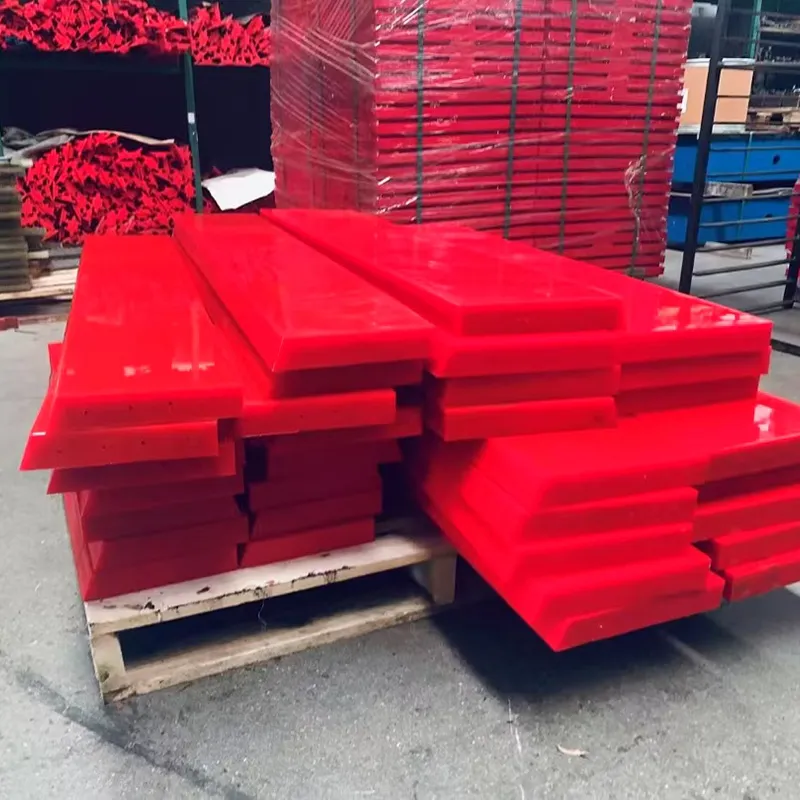
- Iron ore (2-deck, 6 mm top, 1.2 mm bottom): switching to A572 plates with torque markers cut mid-shift re-tensions to near zero and reduced bypass fines by ≈ 1.3%; downtime dropped 32% in 90 days.
- River sand (wet): 316 plates + rubber liner, salt-spray proven at 96 h, extended changeout interval from 8 to 12 weeks; operators reported cleaner shoulders and quieter operation.
Operator feedback
“Holds torque better—mesh stays flat.” “Less leakage along the rails.” And my favorite: “We stopped babysitting the deck.” That’s basically the answer to what do vibration plates do for you in one line.
Standards and references
- ASTM B117 – Standard Practice for Operating Salt Spray (Fog) Apparatus.
- ISO 10816 / ISO 20816 – Mechanical vibration: Evaluation of machine vibration by measurements on non-rotating parts.
- ISO 21940 – Mechanical vibration: Rotor balancing.
- ASTM A36/A572 – Standard Specifications for Carbon and High-Strength Low-Alloy Structural Steel.
- ISO 9001 – Quality management systems: Requirements.