Understanding the Polyurethane Foam Nozzle: A Key Industrial Tool
At first glance, a polyurethane foam nozzle might seem like just another piece of industrial hardware. But in reality, it plays a surprisingly vital role across many sectors worldwide—from construction to emergency relief. Globally, the use of polyurethane foam has surged due to its excellent insulating and sealing properties, and the nozzle that applies this foam is critical in delivering consistent quality. Understanding these nozzles offers insight into innovations that matter for energy efficiency, cost savings, and sustainability.
Introduction: Why Polyurethane Foam Nozzles Matter Worldwide
The UN Environment Programme highlights that buildings and construction account for nearly 40% of global energy use. Effectively insulating structures can reduce energy consumption significantly, and polyurethane foam is a core material for that. The truth is, you can’t get precise foam application without a well-designed nozzle—one that controls foam density, direction, and coverage. Several industries depend on this precision. From the chilly northern climates requiring tight building envelopes to tropical zones needing moisture barriers, the right foam nozzle drives both performance and sustainability.
Oddly enough, though polyurethane foam nozzles might sound niche, they solve commonplace issues like heat loss, drafts, and even structural weaknesses in homes and factories. On top of that, they contribute to corporate sustainability goals by helping reduce carbon footprints. That’s no small feat.
What Is a Polyurethane Foam Nozzle?
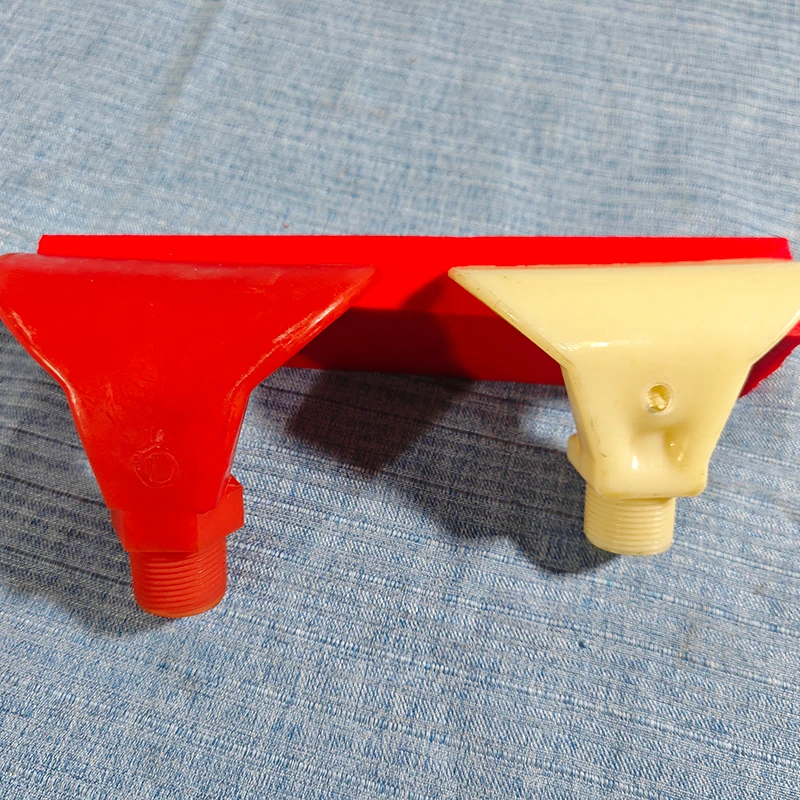
Simply put, a polyurethane foam nozzle is a specialized applicator designed to deliver polyurethane foam onto surfaces. It connects to a foam dispensing system and controls spray patterns, foam expansion, and thickness. The nozzle’s design ensures the foam is applied evenly, maximizing insulation performance and minimizing waste. In humanitarian contexts, these nozzles help quickly build insulated shelters in disaster zones—offering protection where it’s needed most.
Core Components of Polyurethane Foam Nozzles
1. Precision Spray Geometry
The nozzle’s geometry—its shape and internal channels—dictate how foam sprays out. A consistent spray means airtight seals and improved energy efficiency. Poor nozzle design leads to patchy foam and gaps.
2. Material Durability
Manufactured often from chemically resistant plastics or stainless steel, poly foam nozzles withstand harsh chemicals and temperature swings. This durability supports long-term field use, reducing downtime.
3. Flow Control Mechanism
Some nozzles come with adjustable valves that regulate foam output volume to suit different surface types and angles. This flexibility is crucial on complex building structures.
4. Ease of Cleaning and Maintenance
Since polyurethane foam solidifies quickly, nozzles that can be cleaned easily or swapped out minimize waste and downtime. A smart design allows partial disassembly without tools.
5. Compatibility with Various Foams
Nozzle material and design must accommodate a range of foam types, densities, and cure rates, adding versatility for different industry needs.
Polyurethane Foam Nozzle Specs (Typical)
| Feature | Specification |
|---|---|
| Material | Stainless Steel / High-grade Polymer |
| Spray Width | Adjustable, 10–50 cm |
| Connection Type | Standard Thread / Quick-Connect |
| Temperature Resistance | -10 °C to 80 °C |
| Cleaning Ease | Tool-free Disassembly Options |
Worldwide Applications & Use Cases
- Construction & Housing: In Europe and North America, polyurethane foam nozzles allow for fast, airtight insulation of new and retrofit buildings, supporting ISO 50001 energy management standards.
- Disaster Relief: NGOs use foam nozzles to deploy insulating shelters rapidly after earthquakes or hurricanes, especially in Asia and Africa where extreme weather is frequent.
- Automotive & Aerospace Manufacturing: Precise foam application improves cabin insulation and reduces vibration noise, benefiting manufacturers in Germany, Japan, and the U.S.
- Industrial Equipment Insulation: Factories in emerging economies often use these nozzles to upgrade machinery insulation for energy efficiency.
For a closer look at one impressive example, during recent floods in Southeast Asia, emergency teams customized shelter units using rapid polyurethane foam deployment—helped in no small part by highly adaptable nozzles.
Advantages & Long-Term Value
The benefits of the right polyurethane foam nozzle are wide-ranging. Logically, there’s the cost saving from less wasted foam and faster job completion. Then, sustainability is a big win—better insulation reduces energy demand, tempering carbon emissions. From a human perspective, these nozzles help create safer, more comfortable living spaces quickly, restoring dignity and security to displaced families.
One engineer put it simply: “When the nozzle works flawlessly, it feels like everything else just falls into place.” That sense of trust and reliability is invaluable in projects where timing and quality matter deeply.
Comparing Leading Polyurethane Foam Nozzle Vendors
| Vendor | Material | Adjustability | Price Range | Ideal Use |
|---|---|---|---|---|
| MutoScreen | High-grade Polymer | Yes, full range | $$ | Versatile industrial use |
| FoamTech Inc. | Stainless Steel | Partial | $$$ | Heavy-duty, long-term projects |
| QuickFoam Solutions | Polymer Blend | Minimal | $ | Budget-conscious applications |
Future Trends & Innovations
Looking ahead, sustainability continues to drive nozzle innovation. We can expect materials with lower environmental impact and lifetime enhancements. Some companies are exploring digital integration—“smart nozzles” that monitor foam flow in real time to optimize performance. Automation in spraying will improve speed, important in large-scale construction or rapid disaster response. There’s also a push for greener polyurethane formulations, which will require nozzles designed for new chemical behaviors.
Challenges & Solutions
One hurdle is the clogging of nozzles due to foam curing inside them — a pesky problem frustrating many installers. However, modular nozzle designs that allow quick replacement, combined with better cleaning protocols, reduce this. Also, matching nozzle output to various foam formulas calls for adaptable designs, a challenge some vendors meet better than others. Engineers often recommend keeping spare parts handy and training operators carefully.
FAQ: Quick Answers on Polyurethane Foam Nozzle
Q1: How often should polyurethane foam nozzles be replaced?
A1: It depends on usage intensity, but generally every 6 to 12 months for professional use. Frequent cleaning extends life.
Q2: Can these nozzles handle different foam densities?
A2: Yes, most are designed to be versatile. Adjustable flow and spray patterns accommodate foam types from light to high-density.
Q3: Are polyurethane foam nozzles difficult to clean?
A3: Cleaning can be straightforward if the nozzle supports tool-free disassembly. Otherwise, it’s important to clean immediately after use to prevent curing inside.
Q4: What industries benefit most from these nozzles?
A4: Construction, automotive, aerospace, and disaster relief operations are some key beneficiaries.
Conclusion: Why Polyurethane Foam Nozzle Investment Pays Off
Choosing the right polyurethane foam nozzle isn’t just technical decision-making—it’s strategic. The right one can improve project quality, reduce waste, and support global sustainability efforts. And frankly, it just makes operators’ lives easier, whether they’re insulating a skyscraper or building emergency shelters. If you’re exploring these solutions, consider visiting our website for trusted products and expert advice tailored for your needs.
Mini Takeaway: Precision nozzle design in polyurethane foam application is a small detail, but it holds huge influence over energy efficiency, sustainability, and human comfort worldwide.
References:
1. United Nations Environment Programme (UNEP) Energy Reports
2. International Organization for Standardization (ISO) 50001 Documentation
3. Wikipedia: Polyurethane Foam (https://en.wikipedia.org/wiki/Polyurethane_foam)