Understanding Conveyor Belt Scraper Types: Essential Insights for Industry and Beyond
If you’ve ever wondered about the small but mighty components that keep conveyor belts running smoothly, conveyor belt scraper types might not have been on your radar. Yet, they play an outsized role in industries ranging from mining to logistics. Globally, the efficiency and lifespan of conveyor systems hinge significantly on the scraper mechanisms in use — and understanding their various forms means better maintenance, reduced downtime, and increased safety. In this article, we’ll unravel the different scraper types, why they matter worldwide, and what the future holds for this integral technology.
Introduction: The Global Context of Conveyor Belt Scraper Types
Conveyor systems are everywhere, handling bulk materials in factories, ports, and mines, moving thousands of tons daily. According to the International Organization for Standardization (ISO), conveyor belt systems account for a massive chunk of global material handling, influencing industries worth billions annually. ISO standards ensure quality but also spotlight challenges — one being the buildup of materials on belts that reduces efficiency and causes damage. This is where conveyor belt scraper types come in; their role is to clean the belt's surface, preventing material carry-back that leads to safety hazards, costly repairs, and environmental pollution. Without the right scraper, even a well-designed conveyor can become a liability.
One challenge industry leaders constantly face is choosing the correct scraper type that fits varying operational conditions — from abrasive minerals to sticky refuse, dry powders to wet aggregates. The right scraper maximizes uptime and lowers operational costs.
Definition & Meaning
Simply put, conveyor belt scrapers are cleaning devices installed on conveyor belts to remove residual materials clinging to the belt surface after discharge. These “scraper types” refer to the different designs and technologies used to achieve this cleaning action. They range from primary scrapers placed right after the loading point, to secondary and tertiary ones that follow along the belt. By stripping off leftover debris, these devices protect the belt from wear and tear and help maintain clean working environments.
Beyond industry, scrapers indirectly contribute to environmental health by reducing spillage and dust, a neat example of industrial hygiene blending with operational effectiveness.
Key Factors & Core Components of Conveyor Belt Scraper Types
1. Durability
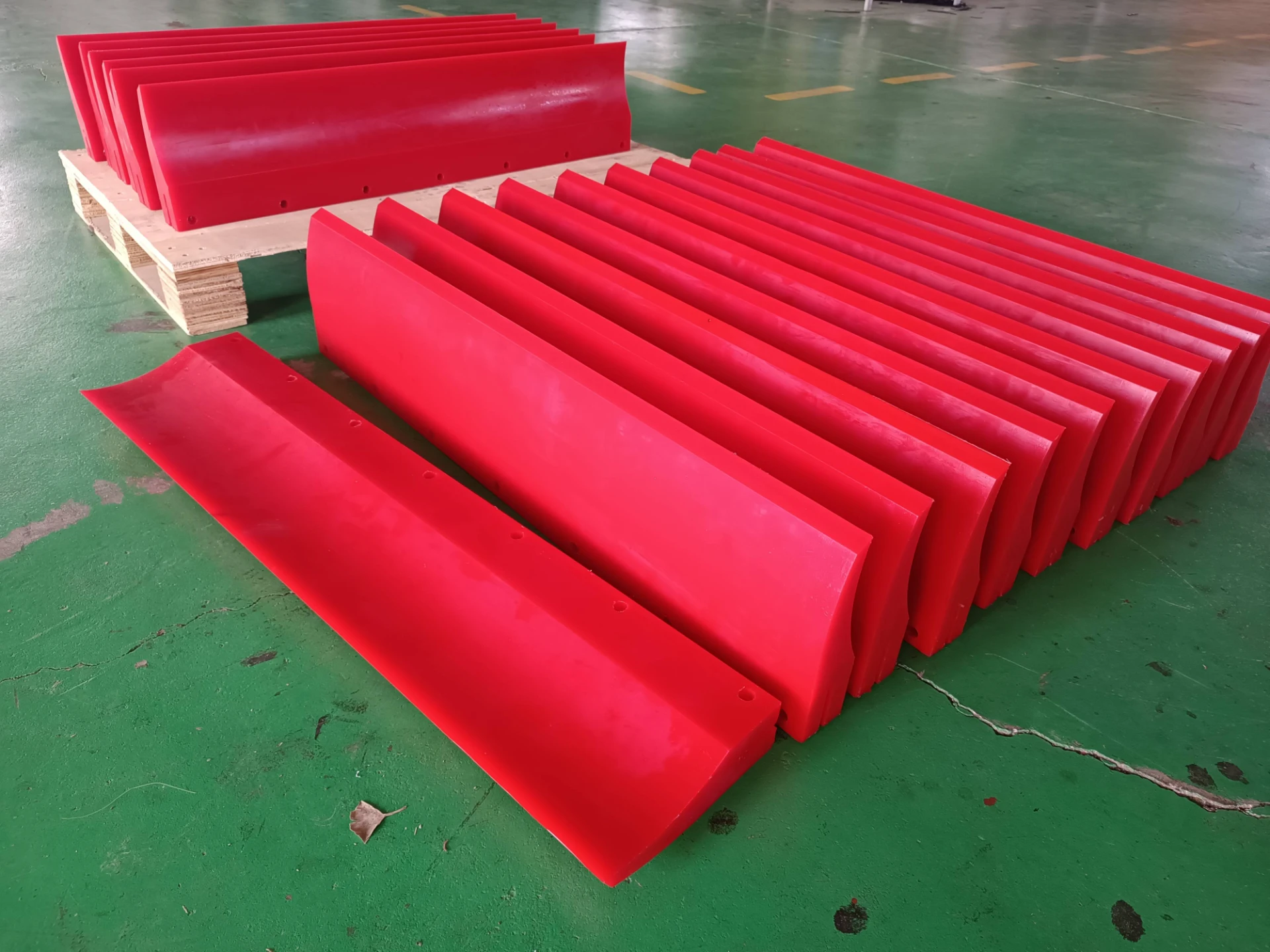
The harsh conditions of mining or aggregates transport require scrapers made from tough materials like polyurethane or tungsten carbide blades. Durability here is non-negotiable; frequent replacements disrupt workflows and inflate costs.
2. Adaptability
Scraper designs must adapt to belt width, speed, and material type. For instance, a scraper for sticky clay wouldn’t work well in dry sand transport. Some scrapers offer adjustable tensioning, allowing operators to customize settings to their needs dynamically.
3. Cost Efficiency
Aside from upfront costs, maintenance and blade replacement frequency weigh heavily on ROI. Certain scraper types, like self-cleaning designs, reduce manual labor and downtime, making them more economical long-term.
4. Ease of Installation & Maintenance
Quick-release mechanisms and modular components enable faster servicing—something many engineers insist on to minimize production halts.
5. Environmental Impact
Scrapers that minimize dust and spillage contribute to cleaner worksites and lower environmental footprints — increasingly important in regulatory-compliant operations globally.
Global Applications & Use Cases
Conveyor belt scrapers find homes almost everywhere goods move mechanically:
- Mining in Australia and Canada: Heavy-duty scrapers withstand abrasive minerals like iron ore or coal.
- Port facilities in Europe: Scrapers help manage bulk grain shipments, keeping dust in check.
- Manufacturing plants in East Asia: Specialized scrapers suited for fast, automated commodity lines.
In post-disaster relief operations, conveyors help transport debris efficiently, and proper scraper types ensure reliability despite rough conditions. Oddly enough, even remote industrial zones depend on these small tools to maintain large-scale operations seamlessly.
Advantages & Long-Term Value
The benefits aren’t just technical:
- Cost savings come from reduced wear on belts and less downtime.
- Sustainability steps in by minimizing waste and environmental hazards.
- Social impact improves through safer work environments.
- Reliability fosters trust, ensuring steady operations and quality outputs.
There’s also a subtle emotional advantage: knowing your system won’t fail unexpectedly — it’s about confidence, professional pride, and workplace dignity.
Future Trends & Innovations in Conveyor Belt Scraper Types
Technology marches on. Some notable trends include:
- Smart Scrapers: Integrated sensors monitor blade wear and tension, alerting operators to maintenance needs.
- Environmentally Friendly Materials: Advances in composite materials reduce ecological footprints.
- Automation: Self-adjusting scrapers adapt in real-time to conveyor speed and load.
- Energy Efficiency: Low-friction designs decrease power consumption for belt drives.
These innovations illustrate how industry 4.0 is expanding even into the smallest conveyor components.
Challenges & Solutions
Still, no solution is perfect. Common issues include:
- Blade wear and frequent replacements: Some blades degrade in harsh chemicals or extreme temperatures.
- Material buildup behind scrapers: Leading to slippage or damage.
- Installation complexity: Some scrapers require downtime for fitting.
Experts suggest regular inspections combined with choosing scraper types tailored to specific conditions. Also, modular designs with quick-change features minimize downtime, and innovations in materials are improving lifespan. For detailed options, check out various conveyor belt scraper types available on the market now.
Product Specification Table: Popular Conveyor Belt Scraper Types
| Scraper Type | Material | Best For | Lifespan | Maintenance |
|---|---|---|---|---|
| Primary U-Type Scraper | Polyurethane Blade | General Dry Bulk | 6-12 months | Monthly Inspection |
| Secondary Steel Blade Scraper | Tungsten Carbide Edge | Abrasive Materials | 12-18 months | Quarterly Replacement |
| Self-Cleaning Scraper | Composite Polymer | Sticky, Wet Materials | 18-24 months | Biannual Checks |
Vendor Comparison Table: Leading Conveyor Belt Scraper Providers
| Vendor | Product Range | Customization | Warranty | Global Reach |
|---|---|---|---|---|
| EcoScrape Ltd. | 12+ scraper types | High | 2 years | 70 countries |
| BeltClean Technologies | 8 scraper models | Medium | 1 year | 45 countries |
| ScrapeMaster Inc. | 15+ scraper variants | Custom designs | 3 years | 85 countries |
FAQ: Frequently Asked Questions About Conveyor Belt Scraper Types
Q1: How do I choose the best scraper type for my conveyor?
Start by assessing your material type, belt width, and operating environment. For abrasive materials, steel blade scrapers are optimal, while sticky substances benefit from self-cleaning polymer blades. Consulting with vendors offering customization can streamline selection.
Q2: Can conveyor belt scrapers improve workplace safety?
Absolutely. By preventing material buildup and spillage, scrapers reduce tripping hazards, dust emissions, and equipment breakdowns, fostering a safer and cleaner environment.
Q3: How often should conveyor belt scrapers be maintained or replaced?
Maintenance frequency depends on scraper type and usage conditions but typically ranges from monthly inspections to quarterly replacements. Monitoring blade wear and system performance will guide specific schedules.
Q4: Are smart sensor-enabled scrapers worth the investment?
While initial costs can be higher, smart scrapers provide real-time monitoring that helps predict maintenance needs, prevent failures, and optimize performance — often paying for themselves over time.
Q5: Where can I find reliable sources to learn more about conveyor belt scrapers?
Industry standards like those from ISO, engineering forums, and vendor websites such as mutoscreen.com offer valuable insights and updated information.
Conclusion & Call to Action
To sum it up, understanding conveyor belt scraper types isn’t just a mechanical curiosity — it’s a cornerstone of operational efficiency, safety, and sustainability across key industries worldwide. From the mining pits in Canada to factory floors in Asia, scrapers quietly keep production lines moving without a hiccup. And, frankly, the right scraper choice reflects smart, thoughtful management.
If you’re ready to take your conveyor system’s performance up a notch, consider exploring the range of conveyor belt scraper types available today. Your belts — and your bottom line — will thank you.
It’s a small piece of equipment with a surprisingly big impact – I suppose that’s the beauty of good engineering.