Understanding the Different Types of Belt Cleaners and Their Industrial Importance
When you think about the quiet heroes of heavy industries—the ones keeping things running smoothly, reducing downtime, and maintaining safety—you might not immediately picture belt cleaners. Yet, these components are essential in conveyor belt operations worldwide. Understanding the various types of belt cleaners is not just a niche curiosity; it’s a key insight that affects industries ranging from mining to recycling, and even humanitarian logistics. Practically, choosing the right belt cleaner can prevent material spillage, reduce maintenance costs, and improve environmental compliance. Globally, as industries look toward greener and more efficient operations, knowing your options in belt cleaning technology is becoming more important than ever.
Global Perspective: Why Types of Belt Cleaners Matter
Industries around the world rely heavily on conveyor belts—over 70% of bulk material handling worldwide is done via conveyors, according to industry sources. The United Nations Environmental Programme points out that material spillage contributes significantly to environmental hazards, while the International Organization for Standardization (ISO 21804) recommends efficient belt cleaning systems as part of conveyor safety and performance standards.
Given the scale of mining exports in countries like Australia and Canada, or the vast infrastructure projects in Southeast Asia, the choice of belt cleaners directly impacts operational uptime and worker safety. Oddly enough, despite their importance, many operations still use generic, one-size-fits-all cleaners that don’t take full advantage of advances in materials science and engineering.
In real terms, improper belt cleaning causes belt mistracking, accelerated wear, and costly breakdowns—issues that a good belt cleaner design inherently addresses.
What Are Belt Cleaners? A Simple Definition
At its core, a belt cleaner is a device mounted on a conveyor system designed to scrape rogue materials off the belt's surface. These cleaning actions prevent material buildup on belt return, damage to components, and spillage around conveyors.
There are various types of belt cleaners, from primary scrapers attached directly after the head pulley, to secondary and tertiary cleaners positioned further along to catch residual debris. In industrial settings, belt cleaners are crucial not only for production efficiency but also because they help keep workplaces cleaner and safer—factors that link back to humanitarian concerns like worker health and environmental impact.
Core Components & Key Features of Belt Cleaners
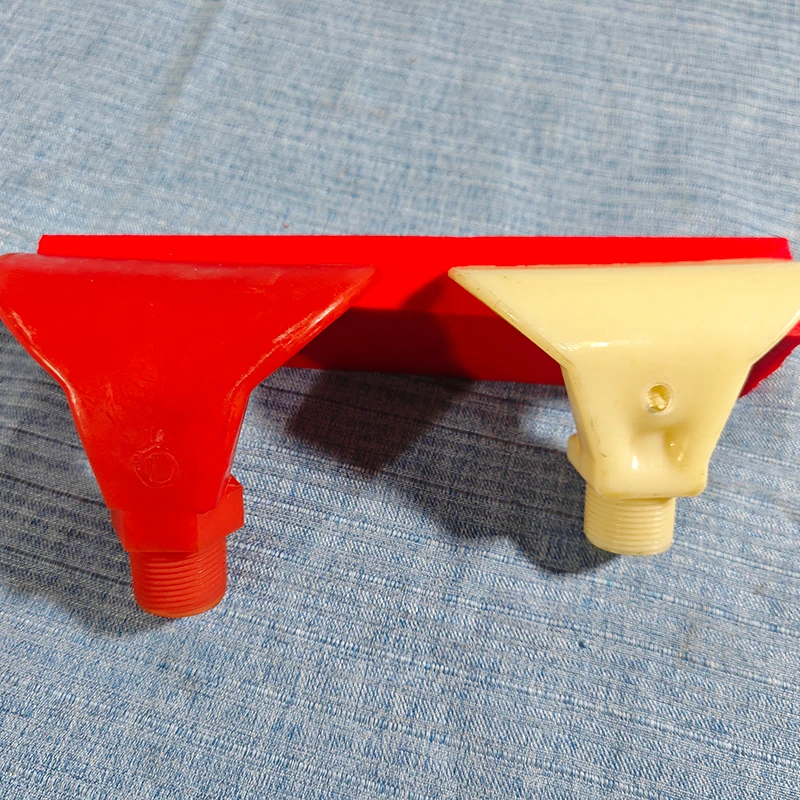
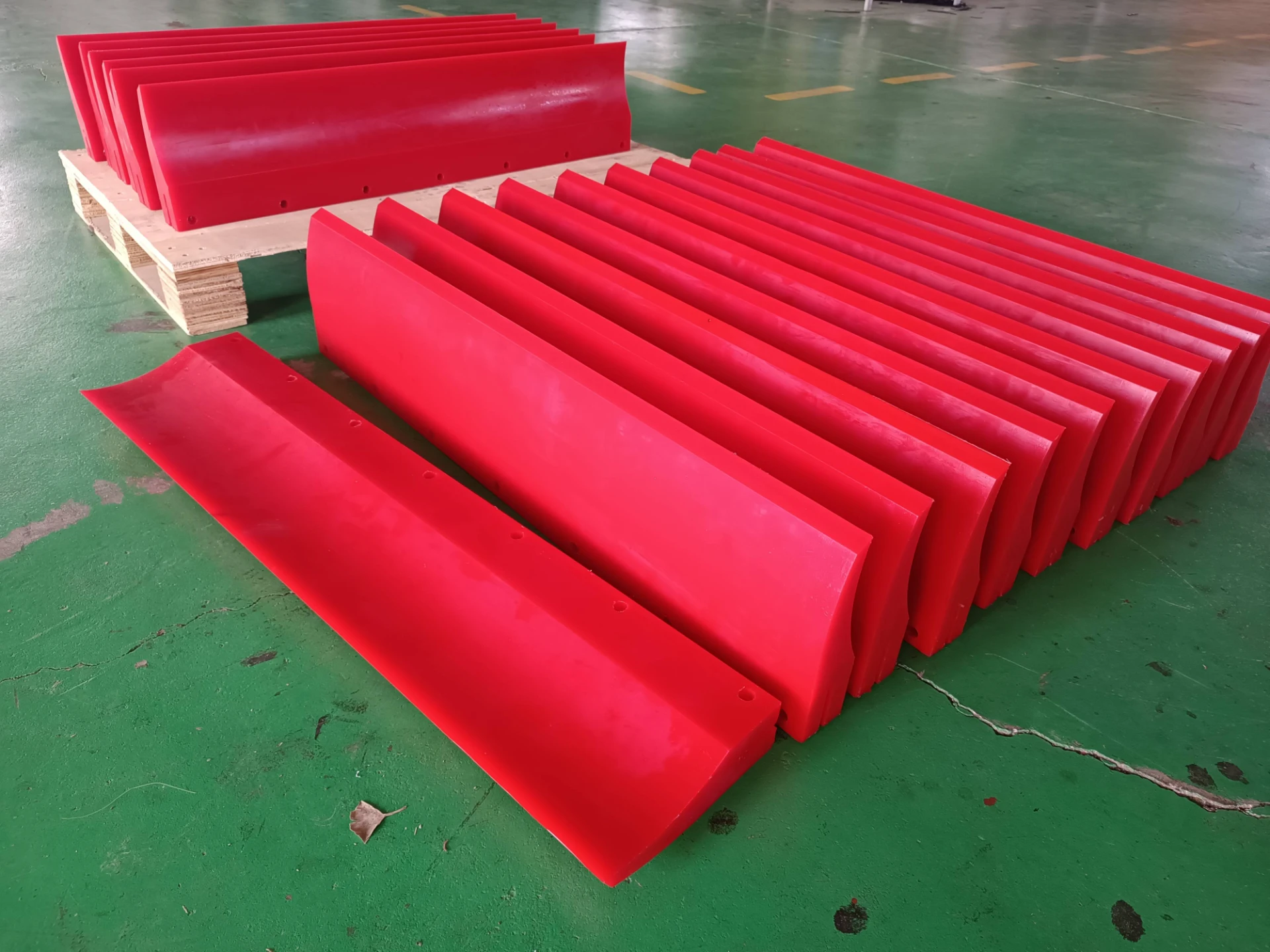
- Blade Material & Design: The heart of any belt cleaner is its blade. Common materials include polyurethane, tungsten carbide, or ceramic composites. Each offers different durability and abrasiveness suited for material types—from fines to large lumps.
- Mounting Mechanism: Adjustable tension systems ensure the blade maintains correct contact with the belt despite wear. This affects the cleaner’s effectiveness and lifespan.
- Safety Features: Some cleaners come with quick-release or self-tensioning mechanisms, improving maintenance safety by reducing manual handling risks.
- Environmental Sealing: Sealed units prevent dust leakage, important for operations in sensitive areas or where health codes are strict.
Mini takeaway: Selecting the right combination of these components can drastically improve belt cleaner performance and extend conveyor life.
Product Specs: Popular Belt Cleaner Models
| Model | Blade Type | Material | Adjustability | Typical Use |
|---|---|---|---|---|
| CleanMax Pro | Primary Scaper | Tungsten Carbide | Spring-loaded | Heavy-duty mining belts |
| EcoScrape 200 | Secondary Cleaner | Polyurethane | Manual tensioner | Recycling facilities |
| DustGuard X9 | Tertiary Cleaner | Ceramic Composite | Self-adjusting | Food processing |
Global Applications & Use Cases for Belt Cleaners
Industrially, belt cleaners are everywhere—from enclosed aggregate plants in Europe to sprawling mining sites in Chile. In places like India, they are pivotal in rice milling facilities where contamination control is strict. In humanitarian or emergency relief supply chains, clean conveyor belts mean less loss of vital supplies, whether bottled water or medical items.
Take, for example, a remote Australian mine where harsh weather and abrasive materials challenge equipment daily. Choosing the right blade material, like tungsten carbide over traditional rubber, helped save hundreds of labor hours and prevented costly spillage. Or in landfill recycling centers of the U.S., where high-performance polyurethane blades reduce dust emissions, improving air quality for workers and local residents alike.
Mini takeaway: Adapting belt cleaner types to specific environmental and operational needs maximizes benefits.
Advantages & Long-term Value of Proper Belt Cleaner Selection
- Cost Savings: Less wear on belts and components means fewer replacements and downtime.
- Environmental Impact: Reduced spillage cuts cleanup efforts and pollution risks.
- Worker Safety: Cleaner belts reduce slip hazards and improve plant hygiene.
- Reliability & Trust: Properly maintained equipment enhances overall process stability.
In my experience, investing in advanced belt cleaners often yields an overlooked emotional payoff too—workers feel safer and take more pride in their workspace. It's those little things, frankly, that add up.
Future Trends & Innovation in Belt Cleaning Technology
Looking ahead, there’s growing interest in integrating IoT sensors into belt cleaners to monitor blade wear in real time. Smart tensioning systems can automatically adjust to conditions, minimizing manual intervention—kind of like the self-driving cars of conveyor maintenance.
Environmentally, new biodegradable blade materials and zero-waste manufacturing processes are gaining traction. Some companies are experimenting with solar-powered cleaning units for remote installations, leveraging green energy to reduce footprints further.
Challenges & Solutions in Belt Cleaning Implementation
Of course, it's not all smooth operation. Challenges like inconsistent belt surfaces, abrasive material types, or harsh weather can reduce cleaner effectiveness. One common issue I’ve heard engineers mention is blade chatter—vibration that wears blades prematurely.
Experts suggest customized blade profiles and combined scraper setups to combat such issues. Moreover, routine inspections and condition-based maintenance (CBM) strategies—enabled by new sensor tech—help tackle challenges before they escalate.
Vendor Comparison Table: Choosing the Right Provider
| Vendor | Product Variety | Customization Options | Global Service & Support | Sustainability Practices |
|---|---|---|---|---|
| ScrapeTech Industries | Extensive (8+ models) | High customizability | 24/7 international support | Uses recycled blade materials |
| CleanEdge Solutions | Moderate (5 models) | Standard kits | Regional partners | Focus on eco-friendly packaging |
| BeltCare Systems | Basic (3 models) | Limited | Local coverage only | No formal sustainability program |
Frequently Asked Questions About Types of Belt Cleaners
- What type of belt cleaner works best for abrasive mining materials?
- For abrasive materials, primary belt cleaners with tungsten carbide or ceramic composite blades are preferred due to their superior abrasion resistance and durability. Spring-loaded tensioners help maintain constant blade pressure, improving cleaning effectiveness.
- How often should belt cleaner blades be replaced?
- Blade replacement frequency depends on material type, belt speed, and operating hours. Generally, inspections every 3 to 6 months are recommended, but harsh conditions may require more frequent checks to avoid spillage and equipment damage.
- Are polyurethane blades better than rubber blades?
- Polyurethane blades typically offer improved wear resistance and flexibility compared to rubber, making them more suitable for fine or sharp materials. However, rubber may still be preferred for less abrasive or general-purpose applications due to cost.
- Can belt cleaners be installed on existing conveyor systems?
- Yes, most modern belt cleaner systems are designed for retrofit applications. Adjustable mounting brackets and tensioning systems facilitate installation without significant conveyor modifications.
- Do belt cleaners contribute to workplace safety?
- Absolutely. Effective belt cleaning reduces material spill hazards, decreases the risk of belt mistracking that could cause mechanical failure, and minimizes airborne dust that can affect respiratory health.
Conclusion: Why Knowing Your Belt Cleaner Types Pays Off
Clearly, understanding the types of belt cleaners available—and their advantages—can translate into meaningful improvements in efficiency, safety, and sustainability. Whether you’re running a massive mining operation or a small recycling facility, investing a bit of time in selecting the proper belt cleaning technology pays off in reduced downtime, cost savings, and better environmental compliance.
So if you’re looking to optimize your conveyor efficiency or want to learn more about the latest in belt cleaning innovation, feel free to visit our website. The right cleaner—after all—is the one that fits your operation like a glove.
Thanks for reading, and here’s to cleaner belts and smoother operations!
References: